Rode RØDECaster Duo Podcast Production Console
Rode RØDECaster Duo Podcast Production Console — image 1
Rode RØDECaster Duo Podcast Production Console — image 2
Rode RØDECaster Duo Podcast Production Console — image 3

Rode RØDECaster Duo Podcast Production Console — image 4
Rode RØDECaster Duo Podcast Production Console — image 5
Rode RØDECaster Duo Podcast Production Console — image 6
Rode RØDECaster Duo Podcast Production Console — image 7
Rode RØDECaster Duo Podcast Production Console — image 8
Rode RØDECaster Duo Podcast Production Console — image 9
79%
21%

Overview

The Rode RØDECaster Duo Podcast Production Console is built specifically for two-person creators who want broadcast-quality audio without renting studio time. Unlike the larger RØDECaster Pro II, which suits bigger productions needing more inputs, this compact production console is purpose-built for duo hosts, interview formats, and co-hosted shows. Rode has spent decades earning trust in professional audio circles, and that pedigree shows in the build — solid, tactile, and clearly designed by people who understand recording environments. It also crosses over naturally into live streaming and music production, making it a flexible hub rather than a single-use tool.

Features & Benefits

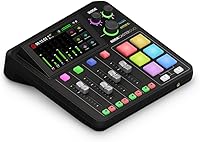
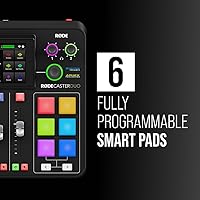
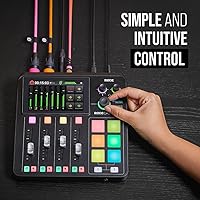
At the heart of this two-host mixer are two Neutrik combo jacks fed by Revolution Preamps — Rode's proprietary circuitry that delivers exceptionally clean signal even from demanding dynamic microphones. If you've ever plugged a Shure SM7B into an underpowered interface and heard the hiss, you'll immediately appreciate the difference. The high-resolution touchscreen with haptic feedback puts EQ, compression, and routing adjustments right at your fingertips, no mouse required. Six SMART pads handle soundboards, jingles, and transitions, while four solid faders give you immediate physical control over each channel's level. USB connectivity means the whole unit doubles as a capable audio interface with no additional hardware needed.

Best For

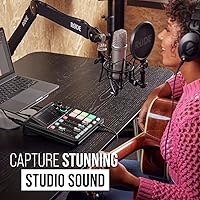
This compact production console is the obvious choice for two-person podcast hosts who want clean, independently controlled channels without patching together a pile of gear. Streamers will find the SMART pads particularly useful for triggering sound effects and music beds live, all without alt-tabbing into a separate app. Home studio musicians get a capable interface with built-in processing that punches well above its size. That said, it's worth being direct: if you need more than two XLR inputs, this unit will frustrate you — the RØDECaster Pro II is the better fit. For everyone else, it offers a genuinely professional workflow without the steep learning curve of a traditional mixing console.

User Feedback

Across more than 3,000 verified ratings, the RØDECaster Duo holds a strong 4.5-star average, and the praise is consistent: preamp quality and the touchscreen interface are the most frequently mentioned highlights. Users stepping up from basic USB setups repeatedly describe the audio improvement as immediately noticeable. On the critical side, a meaningful number of buyers flag the SMART pad bank switching as genuinely confusing at first — it takes real time to internalize. A few note that Rode Central, the companion software, has had minor stability issues historically, though firmware updates have improved things. Compared to alternatives like the Focusrite Vocaster Two, buyers often cite the APHEX processing as a differentiator worth the investment.

Pros

  • Revolution Preamps handle even power-hungry dynamic mics with almost no audible noise floor.
  • The built-in APHEX processing delivers broadcast-ready sound without touching a DAW plugin.
  • Touchscreen with haptic feedback makes adjusting EQ and compression fast and intuitive mid-session.
  • Six SMART pads with bank switching replace a dedicated soundboard for most streaming use cases.
  • Compact footprint fits comfortably on a desk without dominating the workspace.
  • Four physical faders give real-time, tactile volume control that software simply cannot replicate.
  • USB plug-and-play setup means no driver headaches on most modern operating systems.
  • Strong 4.5-star consensus across thousands of buyers signals consistently reliable real-world performance.
  • Rode Central software provides ongoing firmware updates, keeping the hardware current over time.
  • Dual Neutrik combo jacks accept both XLR microphones and quarter-inch instruments without adapters.

Cons

  • Only two combo inputs is a hard limit — three or four hosts cannot all plug in simultaneously.
  • SMART pad bank switching has a genuine learning curve that frustrates new users early on.
  • Rode Central companion software has had reported stability issues on certain system configurations.
  • Corded power requirement makes it unsuitable for mobile or location-recording scenarios.
  • No built-in Bluetooth connectivity limits wireless monitoring or remote guest options.
  • Solo creators paying for two-channel capability they will never use may feel the price is hard to justify.
  • Advanced DAW users may find the onboard routing options restrictive compared to a standalone audio interface.
  • Physical size, while compact, still requires dedicated desk real estate that ultra-portable setups cannot spare.

Ratings

The Rode RØDECaster Duo Podcast Production Console earns its strong reputation across more than 3,000 verified global ratings, and the scores below reflect an AI-driven analysis that actively filters out incentivized, bot-generated, and outlier feedback to surface what real buyers consistently experience. Both the standout strengths and the genuine frustrations are weighted transparently here, so you get an honest picture before committing to a purchase.

Preamp Quality
94%
Users upgrading from budget interfaces repeatedly describe the jump in audio clarity as immediately obvious, particularly when using high-impedance dynamic microphones that typically expose weak preamps. The ultra-low noise floor means recordings stay clean even when gain is pushed, which matters enormously for quiet home recording environments.
A small number of users with highly specialized professional studio expectations feel the preamps, while excellent for the category, still fall marginally short of dedicated outboard preamp solutions at significantly higher price points. This is a niche complaint, but worth noting for buyers with very exacting standards.
Ease of Use
78%
22%
First-time mixer users consistently report that basic recording operations — setting levels, applying processing, monitoring through headphones — feel intuitive within the first session thanks to the touchscreen layout and physical faders. The logical channel-per-fader workflow mirrors how most people intuitively think about mixing.
The SMART pad bank switching system trips up a meaningful portion of new users, with several describing multiple sessions of trial and error before the logic clicked. The deeper routing and configuration options inside Rode Central also have a steeper learning curve than the hardware itself suggests.
Build Quality
89%
The physical construction feels premium and purposeful — faders move smoothly, the touchscreen is responsive, and the overall chassis does not creak or flex under normal desk use. Buyers frequently contrast it favorably with cheaper plastic-heavy alternatives in the same space.
A few long-term users have noted that the touchscreen surface shows fingerprint smudges visibly under certain lighting, which is a minor but recurring observation. There are also occasional mentions of fader caps feeling slightly less premium than the rest of the unit on close inspection.
Audio Processing
91%
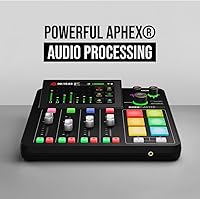
The built-in APHEX Aural Exciter and Big Bottom processing draw consistent praise from podcasters and streamers who want broadcast-ready vocal tone without loading up a DAW with plugins. Having hardware-level processing that runs independently of a computer is genuinely useful for live streaming scenarios.
Users who prefer a completely transparent, uncolored signal path sometimes find the default APHEX settings add more character than they want, requiring time spent dialing back the processing. The absence of more granular EQ curve controls at the hardware level is occasionally flagged as a limitation.
Value for Money
73%
27%
For a two-host setup where the alternative would mean buying a separate interface, external preamps, and a hardware soundboard, the all-in-one pricing makes reasonable sense. Buyers who use every feature regularly tend to feel the investment was justified within the first few months of consistent use.
Solo creators or those who only use one input feel the cost is difficult to rationalize when simpler single-channel interfaces exist at a fraction of the price. Competitors like the Focusrite Vocaster Two offer a comparable two-host experience at a lower entry point, which makes some buyers feel the premium requires careful justification.
Touchscreen Interface
86%
The haptic feedback on the touchscreen is a detail users notice and appreciate — it makes adjustments feel deliberate rather than uncertain, especially when tweaking compression or EQ mid-recording without looking directly at the screen. Response time is consistently described as snappy and reliable.
The screen size, while functional, leaves less room for parameter adjustments than some users would prefer, occasionally requiring multiple taps to reach deeper settings. A handful of users also report that the touchscreen can be awkward to use with precision when wearing gloves or in cold environments.
SMART Pads
74%
26%
For streamers and podcasters who rely on intro music, transition stings, and live sound effects, the six SMART pads cover the most common use cases well once properly configured. Bank switching multiplies the available cues significantly beyond the physical pad count.
The initial configuration process through Rode Central is not as intuitive as the rest of the hardware experience, and new users frequently report spending more setup time here than expected. The bank-switching logic, while powerful, is not immediately obvious and the onboarding documentation could do more to explain it clearly.
Connectivity
82%
18%
USB plug-and-play operation works reliably across Mac and Windows environments without driver installation in most tested configurations, which removes a common friction point for creators who just want to record. Compatibility with OBS, GarageBand, Audacity, and other common tools is consistently solid.
Mobile connectivity via phone is unreliable and device-dependent, which disappoints users hoping to use the unit with a smartphone as the primary recording device. The absence of Bluetooth or wireless connectivity is also noted by users who want more flexible monitoring options.
Input Flexibility
54%
46%
The two Neutrik combo inputs handle both XLR and quarter-inch connections cleanly, covering the majority of microphone and instrument connection scenarios for a two-person setup without adapters. For the intended duo-host use case, the input count is correctly matched to the product design.
The hard ceiling of two simultaneous inputs is the most frequently cited frustration across user reviews, particularly from buyers who discovered mid-purchase — or post-purchase — that their workflow needed three or four channels. There is no expansion path on this hardware, which makes it a dealbreaker for panel-style shows.
Software Ecosystem
67%
33%
Rode Central provides a meaningful degree of customization for SMART pads and processing settings that would be impossible to access through the touchscreen alone, and the firmware update cadence has been reasonably active since launch. Users who invest time in learning the software generally find it unlocks meaningful extra functionality.
Stability complaints about Rode Central appear across multiple review periods, with some users reporting crashes or connection drop issues during configuration sessions. The software experience is broadly seen as lagging behind the hardware quality, and a more polished companion app would noticeably improve the overall ownership experience.
Headphone Monitoring
81%
19%
The 3.5mm TRRS output handles both standard headphones and headset microphones from a single jack, which is a practical convenience for solo monitoring during live streams or recording sessions. Volume control for monitoring is responsive and precise at the hardware level.
The single 3.5mm output means only one person can monitor directly from the unit at a time without a splitter, which is a mild inconvenience for two-host setups where both participants want independent headphone feeds. Some users also note the output lacks the power needed to drive higher-impedance studio headphones at satisfying levels.
Compact Footprint
88%
Buyers with limited desk space consistently highlight the compact dimensions as a genuine practical advantage — it sits comfortably alongside a monitor without dominating the workspace the way a larger production console would. The weight is substantial enough to feel stable during use without being difficult to move when needed.
While compact for its feature set, it still requires more dedicated desk real estate than a simple USB interface, which can be a genuine constraint in very small recording spaces. The corded power requirement also limits placement flexibility since a mains outlet must remain within reach.
Firmware & Updates
71%
29%
Rode has issued multiple firmware updates since launch that have addressed early bugs and expanded functionality, which buyers following the product over time view as a positive signal of ongoing support. The update process through Rode Central is straightforward when the software cooperates.
The pace of updates, while present, has not fully resolved all reported Rode Central stability issues, and some users feel meaningful feature requests from the community have been slow to materialize. Buyers who purchased early units experienced some friction that later adopters did not, which colors long-term satisfaction scores.

Suitable for:

The Rode RØDECaster Duo Podcast Production Console is the right call for anyone running a two-person show who wants their setup to feel intentional rather than cobbled together. Co-hosted podcasts and regular interview formats benefit most, since both inputs get their own fader, independent processing, and clean channel separation from the start. Streamers who want hardware-level control over mic sound and live sound effects — without relying on software like Voicemeeter or Soundpad — will find the built-in SMART pads and APHEX processing genuinely replace several tools at once. Home studio musicians who also record voice content get a capable dual-purpose interface without needing separate gear. It also works well for creators stepping up from a basic USB microphone for the first time, since the touchscreen and logical layout make the learning curve far gentler than a traditional mixer.

Not suitable for:

The Rode RØDECaster Duo Podcast Production Console is the wrong choice the moment you need more than two simultaneous XLR or instrument inputs — there is no workaround for that hardware ceiling, and it will be a frustrating limitation for panel-style shows with three or four hosts. Solo creators who only need one clean mic channel may find the pricing hard to justify when simpler, more affordable interfaces would cover their needs entirely. Users who prefer an entirely software-driven workflow, where all processing happens in a DAW, may not get full value from the built-in hardware effects. Anyone relying heavily on battery power or needing portable field-recording capability should also look elsewhere, as this unit requires a wired power connection. Finally, buyers who need deep multitrack recording flexibility with advanced DAW routing may eventually feel constrained by what this console offers compared to a dedicated audio interface paired with a full mixer.

Specifications

  • Inputs: Two Neutrik combo jacks accept both XLR microphones and quarter-inch instruments simultaneously.
  • Preamp Type: Revolution Preamps deliver an equivalent input noise of -131.5dBV EIN with up to 76dB of gain.
  • Faders: Four broadcast-quality faders provide real-time, physical level control across all active channels.
  • SMART Pads: Six assignable SMART pads support bank switching, allowing multiple pages of triggered audio cues and sound effects.
  • Display: A high-resolution touchscreen with haptic feedback serves as the primary interface for processing, routing, and settings adjustments.
  • Processing: Built-in APHEX Aural Exciter and Big Bottom processing apply hardware-level audio enhancement without requiring DAW plugins.
  • Headphone Output: A 3.5mm TRRS jack supports both headphone monitoring and headset microphone input via a single connection.
  • Connectivity: USB connection allows the unit to function as a plug-and-play audio interface with computers and compatible mobile devices.
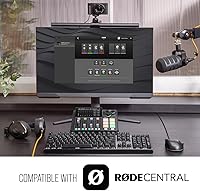
  • Companion Software: Rode Central software enables firmware updates, SMART pad configuration, and advanced routing management from a connected computer.
  • Dimensions: The unit measures 9.25″ deep by 8.86″ wide by 2.99″ tall.
  • Weight: The console weighs approximately 2 kg (4.4 lbs), making it substantial but manageable on a standard desk.
  • Power Source: Corded electric power is required; the unit does not support battery operation or bus power from USB alone.
  • Color: Available in Black only as the standard retail configuration.
  • Model Number: The official model designation is RC Duo, as listed by Rode.
  • Channel Count: The unit supports up to four channels across its input and virtual channel architecture.
  • Input Noise Floor: The Revolution Preamps achieve an exceptionally low noise floor of -131.5dBV EIN, suitable for even the most sensitive recording environments.
  • Gain Range: Preamp gain reaches up to 76dB, providing sufficient headroom for high-impedance dynamic microphones without external boosters.
  • Audio Interface: The unit operates as a USB audio interface compatible with major DAWs and operating systems without requiring proprietary drivers.
  • Release Date: The RØDECaster Duo was first made available in May 2023.
  • Brand: Manufactured by Rode, an Australian professional audio company with a long-standing reputation in broadcast and studio microphone design.

Related Reviews
Rode Podcaster
Rode Podcaster
81%
88%
Audio Quality & Vocal Tone
92%
Background Noise Rejection
94%
Build Quality & Durability
68%
Mounting & Stand Compatibility
89%
Ease of Setup
More
Rode Mini Boompole Microphone Boom Arm

82%
92%
Weight & Portability
81%
Build Quality
85%
Extension Mechanism
88%
Locking System
68%
Reach & Length
More
Rode S1 Handheld Condenser Microphone
80%
91%
Vocal Clarity
78%
Feedback Rejection
89%
Build Quality
87%
Noise Floor
61%
Handling Noise
More
Rode Reporter
Rode Reporter
83%
94%
Vocal Clarity
91%
Build Quality
93%
Ease of Positioning
92%
Professional Aesthetics
58%
Background Noise Rejection
More
Logitech MX Creative Console Customizable Keypad
75%
83%
Build Quality
91%
Control Dial Feel
88%
LCD Key Customization
57%
Software & Setup
79%
App Compatibility
More
Rode SmartLav+
Rode SmartLav+
80%
92%
Audio Quality Upgrade
54%
Modern Device Compatibility
88%
Vocal Clarity & Placement
87%
Ease of Use and Setup
84%
Value for Money
More
Rode NT5 Matched Pair
89%
94%
Sound Quality
89%
Build Quality
91%
Noise Performance
86%
Versatility
88%
Ease of Use
More
Rode VideoMic with Rycote Lyre
83%
92%
Vocal Clarity
94%
Vibration Isolation
89%
Build Durability
91%
Ease of Use
58%
Power Management
More
Rode NT1 4th Gen Condenser Microphone
85%
96%
Audio Clarity
94%
Self-Noise Performance
88%
Build Quality
93%
Vocal Recording
84%
Value for Money
More
Deluxe Products DP-PCD-001-SIL Portable CD Player
77%
88%
Value for Money
71%
Anti-Skip Performance
91%
Ease of Use
67%
Disc Compatibility
63%
Build Quality
More

FAQ

Yes, and this is actually one of the stronger selling points of the RØDECaster Duo. The Revolution Preamps offer up to 76dB of clean gain, which is enough to drive demanding dynamic mics like the SM7B without needing a Cloudlifter or similar booster. Most users report no audible noise even at higher gain settings.

It does. The unit connects via USB and is recognized as a standard audio interface on both Mac and Windows without needing extra drivers. Most major recording and streaming software picks it up immediately, including GarageBand, Audacity, OBS, and Adobe Audition.

Honestly, it depends on your budget and ambitions. If you are a solo host who also frequently interviews guests in person, the second input becomes genuinely useful. But if you record alone every time and only need one clean mic channel, a simpler and less expensive interface would cover your needs without the extra cost.

You get six physical SMART pads, but bank switching means you can store multiple pages of sounds, so the total number of assignable audio cues is much higher than six. The setup process through Rode Central is not especially difficult once you understand the bank logic, but several users do mention a learning curve during the first few sessions.

No. The two-host mixer has exactly two Neutrik combo inputs, and there is no way to expand that count on this unit. If your show regularly has three or four hosts or guests all needing individual microphones, you would need to look at the larger RØDECaster Pro II instead.

The USB connection is primarily designed for computers, but many users have had success connecting it to iPads and Android tablets using appropriate USB adapters. Compatibility with phones is more hit-or-miss depending on the device and operating system version, so it is worth checking Rode's compatibility documentation before assuming mobile use will work.

The APHEX Aural Exciter adds harmonic brightness to vocals, helping them cut through a mix, while the Big Bottom effect adds warmth and low-end body. Both are hardware-level processes controlled through the touchscreen, and yes, you can adjust or disable them independently per channel if you prefer a cleaner, unprocessed signal chain.

Less than you might expect. The touchscreen layout and physical faders make the core workflow — set your levels, hit record — fairly intuitive within a session or two. Where people typically spend more time is learning the SMART pad bank system and exploring the deeper processing settings, but basic recording use is accessible even for first-time mixer users.

Rode has been reasonably consistent with firmware updates since launch, and they are applied through the free Rode Central desktop application. The process is straightforward: connect via USB, open Rode Central, and follow the prompts if an update is available. Some users have reported occasional software stability issues with Rode Central, but the updates themselves have generally improved functionality over time.

Both are strong options aimed at two-host podcast setups, but they prioritize slightly different things. The Focusrite Vocaster Two has a polished software ecosystem and is well regarded for ease of setup, while this two-host mixer tends to win on raw preamp quality and the hardware processing that the APHEX suite provides. Budget and whether you prefer a hardware-first or software-first workflow are the main deciding factors between them.