Overview

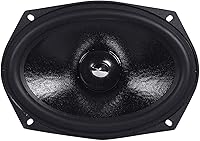
The Rockville RVL69W 6x9″ Car Woofer has been part of the car audio landscape since 2015, earning a following among builders who want serious mid-bass performance without the complexity of a dedicated subwoofer setup. At this price point, the component quality stands out — cast basket, double-stacked magnet, heat-resistant voice coil. It targets enthusiasts running amplified systems who want more low-end authority than a standard coaxial can provide. Worth flagging upfront: this Rockville woofer ships as a single unit, which catches some buyers off guard when they expect a pair. Plan your purchase accordingly.

Features & Benefits

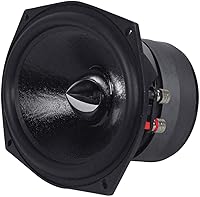
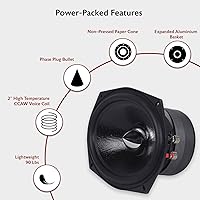
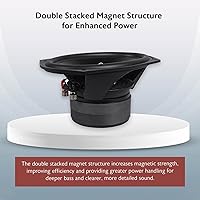
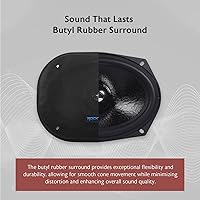
The hardware inside the RVL69W is where this woofer separates itself from budget options. The motor uses a double-stacked 60oz magnet, giving the cone considerably more control at high output levels — you get tighter, punchier bass rather than a loose, uncontrolled low end. The 2-inch voice coil is built to handle heat during extended sessions, which matters if you regularly push the amp hard. A non-pressed paper cone with butyl rubber surround keeps distortion in check and holds up better over time than foam equivalents. The cast aluminum basket adds structural rigidity and dissipates heat more efficiently than stamped steel — a meaningful detail for long-term reliability.

Best For

This 6x9 woofer makes the most sense in a dedicated mid-bass role — installed in door panels, kick panels, or a compact sealed enclosure where it can actually stretch. SPL competitors hunting a beefy magnet structure on a reasonable budget will find the value compelling. Daily drivers running an aftermarket amp who feel underwhelmed by coaxials will notice a clear difference in low-end weight. One thing to keep straight: this is a mid-bass driver, not a subwoofer. It handles the upper bass and lower midrange with authority, but do not expect deep sub-bass extension. Check the 4.57-inch mounting depth against your door cavities before you commit.

User Feedback

Across more than 100 ratings, the RVL69W holds a solid 4.5-star average, and the common thread in positive reviews is output and build quality — buyers doing mid-bass builds are consistently impressed by the punch it delivers when paired with an appropriate amp. The criticisms worth noting relate to power matching: a handful of users reported problems tied to running the driver outside its comfortable RMS range, a reminder that chasing the peak power figure is a mistake with any woofer. The single-unit packaging catches buyers expecting a pair, which shows up in a few frustrated comments but is really a listing comprehension issue. Durability feedback is broadly positive over extended use.

Pros

  • Heavy double-stacked magnet delivers noticeably tighter, more controlled bass compared to lighter budget woofers.
  • Cast aluminum basket adds real structural rigidity and resists flex during high-power operation.
  • Butyl rubber surround holds up far longer than foam, especially in hot car environments.
  • The RVL69W handles sustained high-volume sessions well thanks to its heat-resistant 2-inch voice coil.
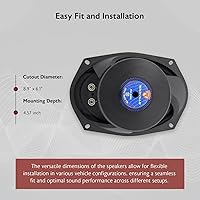
  • Standard 6x9-inch footprint fits most factory mounting locations without cutting or adapting.
  • Strong 4.5-star average across over 100 real buyers reflects consistent satisfaction with output and durability.
  • Mid-bass punch and low-end body are noticeably improved over coaxial replacements in amplified setups.
  • Phase plug dustcap protects the voice coil gap from road debris and dust over time.
  • One-year limited warranty provides a reasonable safety net for the price tier.

Cons

  • Sold as a single unit, which adds cost and confusion for buyers who need a stereo pair.
  • Requires a properly matched external amplifier — head unit power will not do it justice.
  • Upper frequency response rolls off at 8 kHz, so it cannot serve as a full-range driver on its own.
  • Some buyers report fit issues in shallower door panels where the 4.57-inch mounting depth is a tight squeeze.
  • Running the driver near or above its RMS rating has caused failures for a small number of users.
  • Not suited for open-air or infinite-baffle installs without careful system tuning and enclosure planning.
  • Output-focused tuning means it trades some tonal accuracy for loudness, which detail-oriented listeners may notice.

Ratings

The scores below reflect an AI-driven analysis of verified buyer reviews for the Rockville RVL69W 6x9″ Car Woofer, sourced globally and filtered to remove spam, bot activity, and incentivized submissions. Every category captures both what real users praised and where they ran into trouble, so the picture you get is honest rather than sanitized. Strengths and pain points are weighted equally to help you make a genuinely informed call.

Bass Output
88%
Buyers running this woofer in door panels consistently report a noticeable step up in low-end punch compared to factory or budget coaxial setups. The heavy magnet structure produces tight, controlled bass that holds together even at high amplifier output, which is exactly what mid-bass builders are after.
A handful of users expected subwoofer-level depth and came away underwhelmed, which is a mismatch of expectations rather than a product fault. Deep sub-bass extension below roughly 60 Hz is not this driver's strength, and buyers who did not research that beforehand rated it lower than it deserved.
Build Quality
91%
The cast aluminum basket and double-stacked magnet assembly draw consistent praise from experienced installers who can immediately tell the difference from stamped steel budget units. The overall construction feels overbuilt for the price tier, and long-term owners report no structural issues even after years of daily use in variable temperatures.
A small number of buyers noted minor cosmetic inconsistencies out of the box, such as slight variations in dustcap alignment, though none reported these affecting performance. Quality control appears solid overall but not perfectly uniform across every unit.
Value for Money
86%
For a competition-oriented woofer with a cast basket, butyl surround, and 60oz double-stacked magnet, buyers broadly agree the price is justified and compares favorably to similarly specced drivers from competing brands. Installers doing budget SPL builds specifically call it out as one of the better mid-bass options in its price class.
Since it ships as a single unit, the effective cost for a stereo pair is double the listed price, which catches some buyers off guard when comparing sticker prices against competitors that bundle pairs. That packaging decision makes the value calculation less straightforward than it first appears.
Power Handling
82%
18%
Users who matched amplifier output conservatively to the 150W RMS rating report zero problems sustaining high-volume sessions over long drives, with the high-temperature voice coil keeping up without signs of thermal stress. For daily drivers running a modest two-channel amp, the power handling is more than adequate.
A recurring theme in negative reviews involves buyers who pushed the driver well past its continuous RMS ceiling chasing the 300W peak figure, resulting in voice coil failures. The gap between peak and RMS ratings is wide, and not all buyers understand that the peak number is not a safe operating target.
Installation Fit
74%
26%
The standard 6x9-inch cutout dimension means this woofer drops into factory mounting locations in a wide range of vehicles without modification, and most installers report a clean fit with no drilling or adapter rings required. The included mounting hardware covers the basics for a straightforward install.
The 4.57-inch mounting depth is where problems surface — several buyers discovered their door cavities were too shallow after the fact, requiring trimming or alternative mounting solutions. This is not an unusually deep woofer for its class, but it sits at the limit of what some vehicle doors can accommodate without modification.
Surround Durability
89%
Butyl rubber surrounds age significantly better than foam in automotive environments, where summer heat and UV exposure can destroy foam surrounds within a few years. Owners who have run the RVL69W for three or more years specifically mention the surround still looking and feeling intact, which is a real differentiator for anyone planning a long-term install.
There are no widespread reports of surround failure, but a very small number of users noted the surround appeared slightly uneven straight from the box — not a functional issue in any documented case, but worth a visual inspection before mounting.
Mid-Range Clarity
71%
29%
For a driver focused on mid-bass output, the phase plug dustcap does a reasonable job of keeping the upper frequency response relatively smooth through the midrange, and buyers using it in a three-way system alongside dedicated midrange drivers report it hands off cleanly around the crossover point.
This is not a precision midrange driver, and buyers who installed it without a crossover and expected full-range clarity were let down. The cone is optimized for output over tonal accuracy, so critical listeners who prioritize natural vocal reproduction should manage expectations or pair it with a proper active crossover.
Magnet Strength
93%
The double-stacked 60oz magnet is a genuine standout at this price point, and SPL-focused buyers note that motor strength translates directly into tighter bass transients and better control at high volume — qualities that cheaper single-magnet drivers simply cannot match. It is one of the most frequently praised physical attributes across all reviews.
The heavy magnet assembly contributes to the 10-pound weight per unit, which is something to factor in for door installations where excessive weight can stress window mechanisms or door hinges over time. It is a minor consideration, but worth noting for vehicles with lighter factory door construction.
Thermal Handling
83%
During extended high-volume listening — long highway drives or extended SPL sessions — users report the driver handles heat without audible signs of thermal compression, which points to the high-temperature voice coil doing its job under real-world stress. Repeated exposure to heat does not appear to degrade performance noticeably.
A few users who were consistently running the driver hot over many months reported earlier-than-expected voice coil degradation, suggesting that sustained operation near the thermal limit — even if within spec — shortens longevity over the long run. Adequate airflow around the motor assembly is worth considering during installation.
Packaging & Unboxing
62%
38%
The driver arrives in standard protective packaging that gets it to the buyer without transit damage in most cases, and reviewers rarely report physical damage on arrival. Basic documentation is included, which covers the essential specifications installers need.
The single-unit packaging is probably the most consistent frustration expressed across reviews — buyers expecting a pair based on the product photos or listing context feel misled even though the item count is technically disclosed. Better visual communication on the listing would prevent a lot of the one-star reviews that are really complaints about buyer expectation rather than product quality.
Ease of Wiring
79%
21%
Standard push-type speaker terminals are used, which accept most common wire gauges without adapters and are familiar to anyone who has done basic car audio wiring. No proprietary connectors or unusual termination styles to work around.
The terminals are functional but not the most robust connection point on the driver — a few installers noted they prefer screw-down or ring terminal connections for high-current applications, and the push terminals can work loose over time if the wiring is not secured properly against vibration.
Long-Term Reliability
81%
19%
Buyers who have owned and operated the RVL69W for two or more years make up a meaningful portion of the positive reviews, and their feedback consistently focuses on the driver still performing as expected without surround failure, rattling, or output degradation. The track record since 2015 supports the durability claims.
The cases where reliability falls short are almost entirely tied to power mismatching rather than component defects — voice coil failures correlate strongly with amplifier abuse. Well-installed and properly powered examples appear to last, but the driver has less margin for error than a more conservatively rated unit.
Warranty Support
67%
33%
A one-year limited warranty is in place, and buyers who encountered genuine defects within the coverage window report that Rockville handled replacements without excessive friction in most cases. For a mid-range product, having any manufacturer warranty is a baseline level of assurance buyers appreciate.
One year is on the shorter end for a car audio component, and buyers who experienced failures just outside the warranty window expressed frustration with limited recourse. The warranty also does not cover damage from overpowering, which is precisely where most failures occur, leaving a gap in practical buyer protection.

Suitable for:

The Rockville RVL69W 6x9″ Car Woofer is a strong fit for car audio enthusiasts building dedicated mid-bass or three-way component systems, particularly those mounting drivers in door panels, kick panels, or shallow custom enclosures. If you are already running an aftermarket amplifier and feel like your current setup lacks low-end punch and body, this 6x9 woofer fills that gap well without requiring a separate subwoofer box. SPL competitors on a tighter budget will appreciate the heavy magnet assembly and robust build, which holds up better under sustained high-output use than most drivers at this price. Daily drivers who simply want more authority in the lower frequencies — that chest-feel on bass-heavy tracks — will hear a meaningful difference over factory or budget coaxial replacements. The standard 6x9-inch footprint and 4.57-inch mounting depth also make it a practical choice for DIY builders who need predictable dimensions to plan around.

Not suitable for:

The Rockville RVL69W 6x9″ Car Woofer is not the right tool if you are expecting subwoofer-level bass extension — this is a mid-bass driver, and treating it like a sub will leave you disappointed. Listeners who prioritize flat, accurate frequency response for critical or audiophile-grade listening should look elsewhere, as the RVL69W is tuned for output and impact rather than surgical precision. It also requires an external amplifier to perform as intended, so if your system is still running off head unit power, you will not get much out of it. Buyers who need a matched stereo pair out of the box should note that this ships as a single unit, meaning you will need to order two separately and account for that in your budget. Finally, anyone with very shallow door cavities should verify the mounting depth carefully before purchasing, as fitting constraints have caused issues for some installers.

Specifications

  • Speaker Size: This is a 6x9-inch woofer designed to fit standard 6x9″ mounting locations found in most car doors and rear decks.
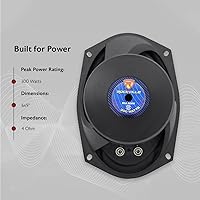
  • Peak Power: The driver is rated at 300W peak, representing the maximum short-term power it can handle without damage.
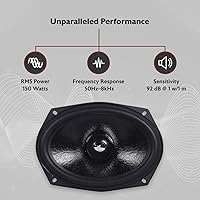
  • RMS Power: Continuous power handling is rated at 150W RMS, which is the figure you should match when selecting an amplifier.
  • Impedance: The voice coil is wound to a 4-ohm impedance, compatible with the vast majority of aftermarket car amplifiers.
  • Magnet Structure: A double-stacked 60oz magnet assembly provides the motor strength needed for controlled, high-output bass reproduction.
  • Voice Coil: The 2-inch diameter voice coil is built with high-temperature materials to sustain performance during prolonged high-volume use.
  • Cone Material: The cone is made from non-pressed paper, which balances low mass with sufficient rigidity to reduce distortion at higher output levels.
  • Surround Material: A butyl rubber surround is used in place of foam, offering superior resistance to heat, UV exposure, and long-term degradation.
  • Basket Material: The basket is cast aluminum, which is stiffer and better at dissipating heat than the stamped steel baskets common in budget drivers.
  • Mounting Depth: The required mounting depth is 4.57 inches, a measurement installers should verify against their door cavity before purchasing.
  • Dustcap Type: A phase plug bullet dustcap covers the voice coil gap, helping with mid-range dispersion while keeping debris out of the motor assembly.
  • Frequency Response: The driver is specified up to 8 kHz, positioning it as a mid-bass woofer rather than a full-range or subwoofer-class driver.
  • Unit Count: Each order contains one speaker; buyers who need a stereo pair must purchase two units separately.
  • Item Weight: The driver weighs 10 pounds, which reflects the substantial magnet structure and cast basket construction.
  • Warranty: Rockville covers this woofer with a one-year limited manufacturer warranty against defects in materials and workmanship.

Related Reviews
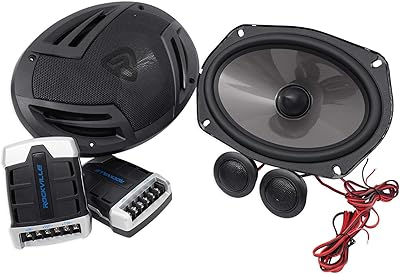
Rockville RV69.2C 6x9″ Component Car Speakers
77%
88%
Value for Money
83%
Bass Performance
67%
Treble Clarity
61%
Mid-Range Detail
69%
Build Quality
More
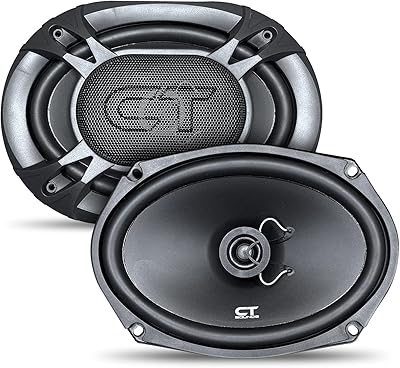
CT Sounds BIO-6X9-COX 6×9 Coaxial Car Speakers
76%
88%
Value for Money
83%
Sound Clarity
54%
Bass Response
91%
Ease of Installation
79%
Tweeter Performance
More
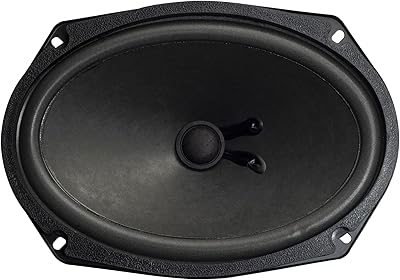
Magnadyne LS69W 6x9 Oval Car Subwoofer
65%
72%
Value for Money
61%
Bass Performance
54%
Build Quality
83%
Installation Ease
81%
Mounting Depth
More
Rockville dB14 Mono Class-D Car Amplifier
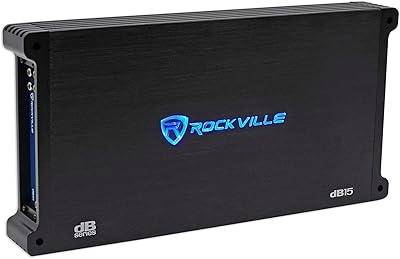
74%
83%
Value for Money
78%
Power Accuracy
67%
Build Quality
54%
Long-Term Reliability
86%
Ease of Installation
More
Rockville dB15 Mono Car Amplifier
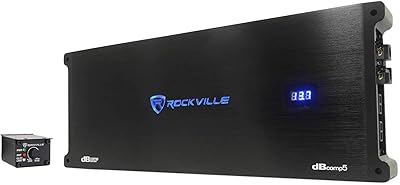
73%
83%
Value for Money
78%
Bass Output
86%
Ease of Installation
61%
Thermal Management
58%
Power Accuracy
More
Rockville dB16 Mono Car Amplifier
73%
83%
Bass Output
78%
Value for Money
81%
Ease of Installation
59%
Thermal Management
62%
Power Accuracy
More
Rockville RVA600.1 Mono Car Amplifier
74%
83%
Value for Money
74%
Sound Quality
88%
Ease of Installation
52%
Power Accuracy
67%
Build Quality
More
Rockville dBcomp4 3000W Mono Car Amplifier
85%
94%
Power Output
91%
Bass Performance
87%
Ease of Installation
89%
Build Quality
67%
Thermal Management
More
NVX VSP69KIT2F 6x9 2-Way Component Speakers
74%
88%
Sound Clarity
84%
Stereo Imaging
81%
Power Handling
58%
Bass Response
83%
High-Frequency Quality
More
Rockville dB11 Mono Class-D Car Amplifier
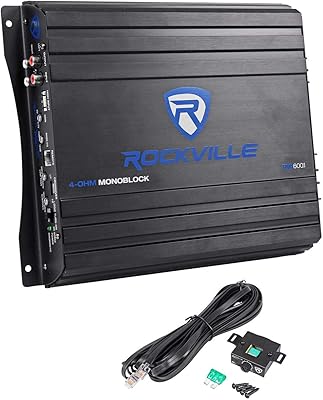
82%
91%
Value for Money
86%
Bass Output
88%
Ease of Installation
83%
Signal Clarity & THD
67%
Build Quality
More

FAQ

You get one speaker per order, full stop. A lot of buyers assume it ships as a pair because 6x9 speakers are typically installed in stereo, but the listing is for a single unit. If you need two, add two to your cart.

Target an amplifier channel that delivers somewhere between 100W and 150W RMS into 4 ohms — matching it close to the 150W RMS rating is the sweet spot. Giving it significantly more than that on a sustained basis is where failures tend to happen, so do not chase the 300W peak figure when sizing your amp.

Technically you can wire it in, but you will be disappointed with the results. This Rockville woofer is built for amplified systems, and head unit power will not drive it hard enough to get anything worthwhile out of the magnet structure. It really needs a dedicated amp channel to perform as intended.

It is a mid-bass woofer. It will give you solid low-end punch and body in the upper bass range, but it does not dig into the deep sub-bass frequencies the way a dedicated subwoofer does. If you are looking to rattle windows at 30 Hz, this is not the driver for that job — but for filling in the bass between your tweeters and a sub, it works well.

For most vehicles with factory 6x9 locations, the 4.57-inch mounting depth fits without issue. That said, some doors — particularly in smaller or older vehicles — have tighter cavities, and a few installers have reported it being a close call. Measure your available depth before ordering, especially if you are working with a thin door panel.

Butyl rubber is genuinely more durable than foam, especially in a car environment where temperatures swing dramatically. Foam surrounds can dry out and crack within a few years; butyl holds up much longer and stays flexible across a wider temperature range. For a driver that lives inside a hot car door, it is a meaningful advantage.

Yes, and it works well in both configurations. The cast basket and rigid cone handle enclosure pressure appropriately. Make sure to check the Thiele-Small parameters Rockville publishes before finalizing your box design, as those will determine the optimal internal volume and tuning frequency for your build.

It was clearly designed with bass-heavy genres in mind — hip-hop, EDM, bass-forward rock — where punchy, high-output low-end matters more than sonic neutrality. It is not the most refined driver for acoustic or jazz listening, but for genres where impact is the priority, it delivers.

It does both. The phase plug design helps smooth out the mid-range response from the cone, which matters since this woofer reaches up toward 8 kHz. It also physically covers the voice coil gap, which keeps metal shavings, dust, and small debris out of the motor — a practical benefit for a driver living in a car door.

It has been on the market since 2015, which is actually a point in its favor — a product with that kind of longevity and a sustained 4.5-star rating across over 100 reviews has been tested by real-world use. Rockville has not discontinued it, and the core hardware choices — cast basket, butyl surround, double-stacked magnet — remain competitive in its price class today.

Where to Buy