


Overview

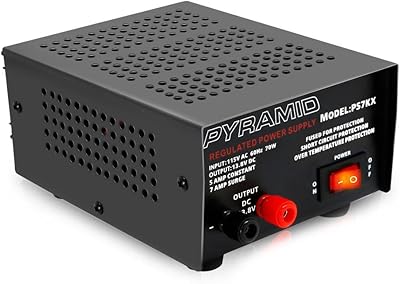
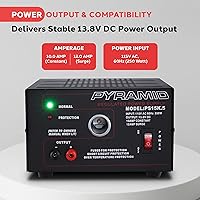
The Pyramid PS15K.5 Bench Power Supply is a mid-range linear regulated unit built for hobbyists, radio operators, and anyone who needs a clean, dependable DC source on their workbench. It converts 115V AC from the wall into a steady 13.8V DC output — worth clarifying upfront, because that is not a true 12V. Most 12V radio and communications equipment actually expects this slightly higher voltage, so it is correct by design. At 10A continuous, it handles the vast majority of home lab tasks without issue. The footprint is compact enough to share a desktop, and there is no assembly required — just plug in and connect your device.

Features & Benefits

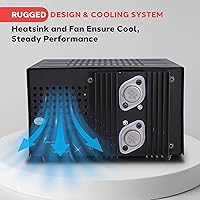
What distinguishes this linear power supply from cheaper switching alternatives is output cleanliness. Linear regulation actively filters out the noise that switching supplies introduce, and that matters if you are running a ham radio, CB rig, or sensitive scanner — noise bleeds straight into your audio and signal quality. The screw-type terminal connections are a practical choice for wiring in a variety of gear without adapters. A heatsink and continuously running cooling fan manage heat during longer sessions. On the safety side, short-circuit protection with an auto-reset fuse means the supply can recover from an accidental short rather than requiring a manual intervention. The cigarette lighter socket adds a small but genuinely useful output for 12V accessories.

Best For

This bench supply is most at home in a ham radio shack or CB setup, powering transceivers and accessories that run on nominal 12V. Electronics hobbyists and makers will find it equally capable for bench testing components, wiring up prototypes, or running small DC-powered projects for extended periods. Scanner operators and communications enthusiasts who want to cut the battery dependency will appreciate the stable, wall-powered alternative. It also bridges a practical gap for anyone running 12V car accessories at a fixed home or workshop location. Just keep in mind this is not a high-current industrial supply — its 10A continuous limit is well-suited to lighter work, not demanding multi-device rigs.

User Feedback

Across more than 2,500 ratings, this linear power supply holds a strong average, and the feedback patterns tell a consistent story. Radio users and hobbyists alike credit it with stable, clean output and report no issues with voltage fluctuation during normal use. The terminal build quality earns repeat praise given the price point. Where reviews get more candid, two themes emerge: the cooling fan runs at all times — not just under load — producing a low but constant hum that can be noticeable in a quiet room. The unit also runs warm under load, which is expected behavior for a linear design but worth knowing if you plan long high-amperage sessions. Overall, the volume of satisfied buyers suggests the tradeoffs are acceptable to most.

Pros

  • Delivers clean, low-noise 13.8V DC output that radio operators can depend on without added filtering.
  • Screw-type terminals accept a wide range of wire gauges and hold connections securely under regular use.
  • Auto-reset fuse means an accidental short does not require opening the unit or hunting for a replacement fuse.
  • The built-in heatsink and fan keep operating temperatures stable during multi-hour sessions.
  • Cigarette lighter socket adds a practical bonus output for 12V vehicle accessories used at a fixed location.
  • Plug-and-play setup requires no technical background — connect, switch on, and you have regulated DC power.
  • Over 2,500 buyer ratings with a strong average score provides genuine confidence in long-term reliability.
  • Compact enough to fit on a crowded workbench without dominating the available surface area.
  • Linear regulation keeps voltage steady even as load demand fluctuates, unlike cheaper switching alternatives.

Cons

  • The cooling fan runs continuously at all times, not only under load, creating a constant low-level hum.
  • Output is fixed at 13.8V with no adjustment, which limits usefulness for variable-voltage experiments.
  • The unit gets noticeably warm during sustained draws near the 10A ceiling, which may concern some users.
  • At nearly 9 pounds, it is heavier than many comparable supplies and awkward to relocate frequently.
  • The plastic housing feels functional rather than premium and may show wear faster in heavy shop environments.
  • Only rated for 115V AC input, so it cannot be used internationally without a separate step-down transformer.
  • The 12A surge rating is short-duration only and should not be relied on as a working amperage headroom.
  • No output voltage display or metering is included, so users must attach their own multimeter to monitor readings.

Ratings

The Pyramid PS15K.5 Bench Power Supply earns strong marks across most performance categories, based on AI-assisted analysis of thousands of verified global user reviews with spam, bot activity, and incentivized feedback actively filtered out before scoring. This linear power supply performs particularly well for radio operators and home lab hobbyists who prioritize output cleanliness and setup simplicity. The scores below reflect both its genuine strengths and the real-world trade-offs — including audible fan noise and a fixed output voltage — that matter to buyers making an informed decision.

Output Voltage Stability
92%
Radio operators consistently report that the regulated 13.8V output holds rock-solid even during transmit peaks, which is exactly what sensitive communications gear demands. The low ripple characteristic of the linear design means transceivers and scanners behave predictably without unexpected resets or noise artifacts introduced by voltage sag.
A handful of technically minded users note the output sits at 13.8V rather than a nominal 12V, which can briefly confuse newcomers who expect an exact 12V reading on their multimeter. In rare cases involving older or tightly specified equipment, this slight overvoltage warrants a quick datasheet check before connecting.
Electrical Noise
89%
The linear regulated design is a meaningful advantage for anyone using this bench supply alongside radio equipment — users running HF transceivers report noticeably cleaner received audio compared to switching supplies, which tend to inject broadband interference. For scanner hobbyists and CB operators, this translates directly to fewer spurious signals on the air.
While the electrical noise floor is impressively low for the price tier, a very small number of experienced operators with highly sensitive setups have noted faint residual hum at certain frequencies. This is uncommon and typically only detectable with dedicated RF measurement equipment rather than through normal listening use.
Value for Money
86%
For the price bracket this supply occupies, getting a genuine linear regulated design with screw terminals, auto-reset protection, and a 10A continuous rating represents solid value — comparable linear supplies from specialist brands often cost significantly more. Ham radio newcomers setting up a first home shack frequently cite this as one of the most cost-effective ways to get started.
As budgets increase, variable-output supplies with digital displays and tighter specs become available, which makes this unit feel less compelling to anyone who might eventually outgrow a fixed 13.8V output. At the upper edge of its price range, buyers can find lower-cost alternatives with adjustable voltage, though those typically sacrifice the noise advantages of a true linear design.
Current Capacity
76%
24%
Ten amps continuous handles the majority of single-radio home shack setups and most hobbyist bench applications without any drama. Users running a typical 100W HF transceiver at reduced power, or powering a scanner alongside a few accessories, report the supply handles the load reliably without current-related issues.
The 10A ceiling becomes a real limitation for anyone running high-power transceivers at full output or powering multiple devices simultaneously with combined draws that push toward that threshold. The 12A surge rating provides very limited headroom and should not be factored into sustained operating plans.
Fan Noise
58%
42%
The fan does its job well thermally — the unit stays cool and stable, which is the primary purpose of having active cooling on a linear supply of this size. Users who place it in a workshop with other ambient noise report the fan blends into the background entirely.
Because the fan runs at full speed continuously regardless of load, it produces a constant low hum that becomes noticeable in quiet environments like a home office or bedroom shack. This is one of the most consistently mentioned complaints across user reviews, and buyers who prioritize acoustic comfort should weigh it carefully.
Ease of Setup
93%
Getting up and running takes under five minutes — plug in the AC cord, strip your wire leads, secure them in the screw terminals, and switch on. There are no configuration menus, calibration steps, or software requirements, which is a genuine advantage for hobbyists who just want a working power source without a learning curve.
The lack of any output indicator or built-in voltage meter means users have no visual confirmation the supply is delivering the expected voltage without connecting a multimeter themselves. For complete beginners, this absence of feedback can be momentarily disorienting during a first-time setup.
Long-term Reliability
88%
Across a large pool of verified reviews spanning several years of ownership, reports of early failure or performance degradation are rare, suggesting the internal components hold up well under regular home use. Multiple reviewers mention owning their unit for two or more years without any measurable change in output quality.
Long-term durability data on the plastic housing is more mixed — while internal components appear robust, some users note cosmetic wear and minor loosening of external screws after extended use. No clearly published warranty duration is available, which leaves buyers without a defined service expectation.
Safety Features
84%
The combination of electronic overload protection and an auto-reset fuse gives users genuine peace of mind during prototype testing, where accidental shorts are a routine occurrence. When a fault trips the protection, the supply recovers automatically once the fault is cleared — no fuse hunting or manual reset required.
There is no audible or visual indicator when overload protection activates, meaning users may not immediately realize the supply has tripped unless they notice the connected device has lost power. A fault-state LED would meaningfully improve the user experience during troubleshooting sessions.
Build Quality
78%
22%
The screw terminals feel sturdy and hold connections securely even after repeated wiring changes, which hobbyists who frequently swap between projects genuinely appreciate. The overall assembly is solid enough to handle daily bench use without the unit flexing or rattling when cables are connected and disconnected.
The plastic enclosure is functional but does not inspire confidence in demanding shop environments where the unit might be exposed to dust, jostling, or heavier handling. Compared to metal-chassis competitors at similar price points, the housing feels noticeably lighter-grade and shows surface scuffing more readily over time.
Thermal Management
74%
26%
During hours-long operating sessions at moderate load — running a transceiver through an extended operating session, for example — the heatsink and fan combination keeps the unit from reaching uncomfortable temperatures. Users drawing between 5 and 7 amps report no thermal shutdown events under normal home operating conditions.
Push the supply toward its 10A continuous ceiling for extended periods and the external surfaces become noticeably warm to the touch, which some users find disconcerting even with active protection in place. A subset of reviewers feel the thermal design has less comfortable headroom than they expected given the rated capacity.
Terminal Quality
81%
19%
The hardwired screw terminals accept a wide range of wire gauges without adapters, and tightened connections stay put reliably even when cables are tugged or the unit is repositioned. Experienced builders particularly note that the terminals handle stranded wire cleanly, which is not always the case on entry-level supplies.
The terminal block polarity markings are not particularly bold, and a few users report needing to look carefully in low-light conditions to confirm correct orientation before wiring up. Binding post or banana jack alternatives would be preferred by bench users who swap connections frequently.
Form Factor
83%
At under 8 inches long and roughly the footprint of a chunky hardback book, this linear power supply occupies surprisingly little desk space given its 10A capability. Most users report it fits neatly alongside other shack or bench equipment without dominating available workspace.
At nearly 9 pounds, the unit is heavier than many switching supplies of similar output capacity, which makes it less practical to transport or reposition between locations. Users who share equipment between a home and portable kit will notice the weight difference compared to lighter alternatives.
Output Compatibility
77%
23%
The 13.8V fixed output covers a wide range of practical use cases — most CB radios, ham transceivers, scanners, and 12V-class accessories are designed to operate at this exact voltage, so compatibility issues are rare in everyday use. The included cigarette lighter socket broadens usability without requiring any additional wiring or hardware.
The fixed output voltage makes this supply a poor match for applications requiring anything other than 13.8V, such as powering 5V microcontrollers, variable-voltage test loads, or components with strict 12.0V tolerances. Users with more varied bench work will likely find themselves reaching for a separate adjustable supply sooner than expected.

Suitable for:

The Pyramid PS15K.5 Bench Power Supply is the kind of unit that makes immediate sense for ham radio and CB radio operators who need a reliable, noise-free power source for their home shack without the hassle of maintaining a dedicated battery. Its 13.8V DC output is exactly what most 12V-rated radio equipment expects, so operators can run transceivers, amplifiers, and accessories directly from the wall with confidence. Electronics hobbyists and makers who regularly test components or prototype small circuits will also find the stable, regulated output genuinely useful for day-to-day bench work. Scanner enthusiasts and communications hobbyists looking to cut their dependency on batteries or external power packs get a clean, always-ready alternative that just sits on the desk and works. If you have car-format 12V accessories — dash cams, compressors, lighting rigs — and want to use them in a fixed workshop or home office, this supply bridges that gap neatly without requiring any custom wiring or conversion hardware.

Not suitable for:

If your power requirements push consistently above 10 amps, this bench supply is not the right tool — the 10A continuous ceiling is real, and while a 12A surge is available briefly, treating that as a working limit will stress the unit and could shorten its lifespan. Buyers who need adjustable output voltage for varied experiments, such as engineering students or advanced electronics developers, will quickly find the fixed 13.8V output too restrictive compared to a variable bench supply in a similar price range. The always-on cooling fan produces a constant low hum that, while not loud, is noticeable in quiet environments — making this a poor choice for anyone setting up in a bedroom, recording space, or noise-sensitive area. Those who need a truly silent power delivery solution for audio work or precision measurement equipment should look at fanless linear supplies instead. And if portability or international voltage compatibility matters, the fixed 115V AC input and the unit's nearly 9-pound weight mean the Pyramid PS15K.5 Bench Power Supply is strictly a stay-at-home, plug-it-in-and-leave-it proposition.

Specifications

  • Output Voltage: This unit delivers a regulated 13.8V DC output, which is the standard operating voltage for most 12V-rated radio and communications equipment.
  • Continuous Current: The supply is rated for a sustained continuous output of 10 amps, suitable for most hobbyist and light home-lab applications.
  • Surge Current: A short-duration surge capacity of 12 amps is available to handle brief inrush demands, but this should not be treated as a sustained working limit.
  • Input Voltage: The unit accepts 115V AC at 60Hz from a standard North American wall outlet and is not compatible with 220–240V mains without an external step-down transformer.
  • Power Input Rating: Maximum AC input power draw is rated at 250W under full operating conditions.
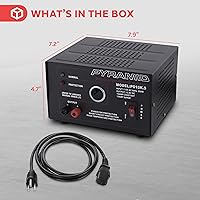
  • Dimensions: The enclosure measures 7.9″ long by 7.2″ wide by 4.7″ tall, making it compact enough for a shared desktop or workbench surface.
  • Weight: The assembled unit weighs 8.77 pounds, reflecting the heavier transformer-based internal construction typical of linear regulated designs.
  • Terminal Type: Output connections use hardwired screw-type terminals that accept bare wire leads directly, providing a secure and adapter-free connection to a wide range of devices.
  • Extra Output: A 12V cigarette lighter–style socket is included as a secondary output port for powering compatible 12V vehicle accessories.
  • Cooling System: An internal cabinet heatsink paired with a continuously running built-in fan manages thermal load during extended operation.
  • Protection: Built-in electronic overload and short-circuit protection is paired with an auto-reset fuse, allowing the supply to recover automatically from fault conditions without manual fuse replacement.
  • Housing Material: The outer enclosure is constructed from plastic, keeping weight manageable while providing basic protection for the internal components.
  • Color: The unit ships in a single black finish with no color variants available.
  • Brand: Manufactured and sold under the Pyramid brand, a long-standing name in consumer and hobbyist power supply products.
  • Model Number: The official model designation is PS15K.5, which should be used when searching for compatible accessories or replacement documentation.

Related Reviews
Pyramid PSV150 Compact Bench Power Supply
89%
95%
Voltage Accuracy
93%
Current Stability
88%
Build Quality
91%
Safety Features
90%
Connection Versatility
More
Pyramid PS26KX Universal Compact Bench Power Supply
86%
91%
Power Output Consistency
88%
Build Quality
85%
Cooling Efficiency
80%
Ease of Use
94%
Safety Features
More
Pyramid PS7KX Bench Power Supply
80%
91%
Voltage Stability
88%
Value for Money
93%
Ease of Setup
74%
Build Quality
78%
Cooling Performance
More
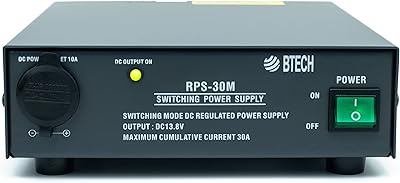
BTECH RPS-30M 30A Bench Power Supply
80%
93%
Voltage Stability
88%
Output Current Capacity
86%
Ripple & Noise
84%
Build Quality
91%
Compact Design
More
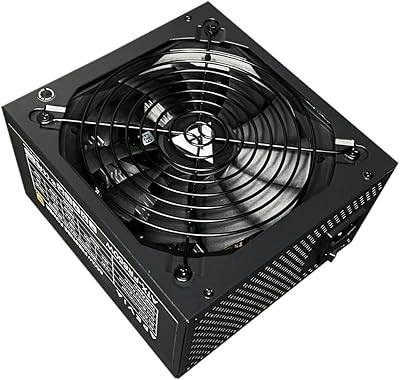
Apevia ATX-PR850W Prestige 850W ATX Power Supply
73%
83%
Value for Money
88%
Connector Selection
84%
Efficiency & Power Quality
54%
Long-Term Reliability
48%
Brand Confidence
More
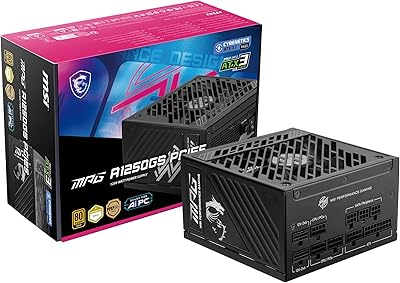
MSI MPG A1250GS 1250W Power Supply
85%
91%
Build Quality
93%
Power Delivery
86%
Efficiency
84%
Cable Quality
82%
Noise Level
More
MSI MPG A850G 850W ATX Power Supply
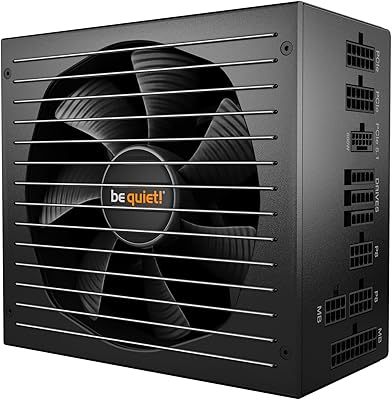
83%
91%
Build Quality
88%
Power Delivery Stability
83%
Noise Level
93%
Modularity & Cable Management
86%
Efficiency & Thermal Performance
More
be quiet! Straight Power 12 1000W PSU
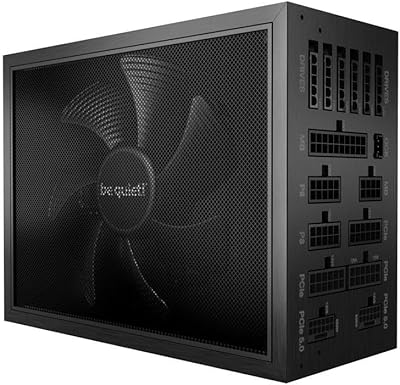
84%
91%
Acoustic Performance
89%
Build Quality
68%
Cable Quality
93%
Connector Compatibility
71%
Value for Money
More
be quiet! Pure Power 13 750W PSU
86%
93%
Noise Level
88%
Build Quality
86%
Value for Money
74%
Wattage & Power Headroom
84%
Cable Quality & Modularity
More
be quiet! Dark Power Pro 13 PSU
84%
96%
Voltage Stability & Regulation
93%
Noise Level
94%
Efficiency (80 Plus Titanium)
91%
PCIe 5.0 & 12VHPWR Compatibility
83%
Rail Configuration Flexibility
More

FAQ

Yes, and that is actually correct behavior, not a defect. Most equipment labeled as 12V — especially radios and communications gear — is designed to operate at 13.8V, which mimics a fully charged 12V lead-acid battery. If your device is genuinely rated for exactly 12V with no tolerance, verify its spec sheet before connecting, but the vast majority of 12V accessories will work fine.

Yes, this is one of the most common use cases for this type of supply. Ham radio transceivers typically draw several amps at 13.8V during transmit, and this unit handles up to 10A continuously, which covers most HF and VHF rigs at moderate power levels. Just confirm your radio's peak current draw does not regularly exceed 10A.

It runs continuously whenever the unit is switched on, regardless of load. This is a design choice, not a malfunction. The fan keeps temperatures consistently low, but it does produce a constant low hum, so keep that in mind if you are placing it in a noise-sensitive environment.

Most users describe it as a low, steady hum rather than anything distracting, roughly comparable to a desktop computer running in the background. It is not a loud fan, but because it never stops, it is noticeable in a quiet room. In a busy workshop or radio shack with other equipment running, you likely will not notice it at all.

The screw-type terminals accept standard bare wire leads. For most radio and bench applications, 14 to 18 AWG stranded wire is a reasonable choice depending on your current draw. Strip back about 3/8 inch of insulation, insert the wire, and tighten the screw firmly. Make sure you observe correct polarity before powering on.

It is designed for extended operation, and the built-in fan and heatsink exist specifically to manage heat over long sessions. The auto-reset overload protection also adds a layer of safety against fault conditions. That said, like any electronics, it is good practice not to leave it powered and unattended for days at a time, particularly near its maximum current rating.

Yes, as long as the combined current draw of everything connected stays within the 10A continuous limit. The cigarette lighter socket on the front also makes it easy to connect accessories that use a standard 12V car-style plug without any additional wiring.

No, not directly. The input is fixed at 115V AC, 60Hz, which is the standard North American supply. Using it in a country with 220–240V mains would require a separate voltage step-down transformer rated for at least 250W. It is not a universal-input supply.

The built-in short-circuit protection should activate immediately and cut output to prevent damage. Once the fault is cleared, the auto-reset fuse allows the supply to recover on its own — you do not need to replace a fuse or open the unit. It is a practical safety feature, though you should still avoid repeated shorts, which can stress any power supply over time.

No, the output is fixed at 13.8V DC with no adjustment controls. If you need a variable output voltage for different experiments or components, you would need a different type of bench supply — typically one marketed specifically as a variable or adjustable bench power supply. This unit is purpose-built for stable, fixed-voltage 12V-class applications.