Overview

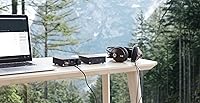
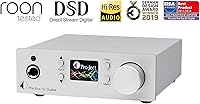
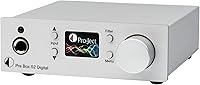
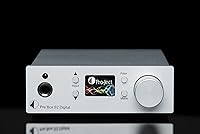
The Pro-Ject Pre Box S2 Digital Preamplifier is one of those rare desktop audio components that punches well above what its compact footprint suggests. Built for serious listeners rather than casual users, this DAC-preamp centers on a dual-mono ESS Sabre ES9038Q2M chip architecture — a configuration that meaningfully improves channel separation and keeps the noise floor impressively low. It handles PCM up to 32bit/768kHz and native DSD up to DSD256, which is genuinely unusual at this size. Connect via USB-C, optical, or coaxial — whichever suits your setup. Just know going in: this is a purist device focused entirely on sound quality, not a multi-function streamer with Bluetooth and apps.
Features & Benefits

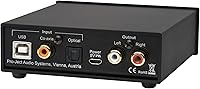
At the heart of the Pre Box S2 Digital sits that dual-mono chip — and the practical benefit is audible. Stereo imaging feels noticeably wider and more precise than you typically get from budget DACs running a single chip in stereo mode. The unit accepts three digital inputs: USB-C, TosLink optical, and coaxial S/PDIF, so swapping between a laptop, TV, or CD transport requires no awkward adapters. There is also a dedicated headphone output alongside the RCA preamp outputs, making it versatile for both speaker and headphone listening. And since it runs on USB bus power at 5V, there is one fewer power brick cluttering your desk.

Best For

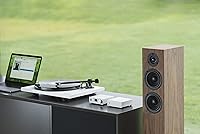
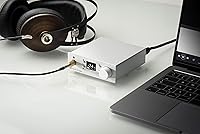
This compact audiophile unit makes the most sense for someone stepping up from a motherboard soundcard or a budget USB DAC who wants a real improvement in clarity without building a full rack system. It pairs especially well with active studio monitors or as a clean source feeding a downstream headphone amplifier. If your setup is a home office, bedroom, or dedicated desktop rig, the small physical footprint is a genuine advantage. That said, if you expect Bluetooth, a remote, or streaming app integration, this is not the right fit. The Pre Box S2 Digital rewards listeners who prioritize clean signal purity over all-in-one convenience.

User Feedback

Owners consistently highlight how noticeably cleaner and more detailed the sound feels compared to what they were running before — especially those upgrading from laptop outputs or budget DACs. The aluminum build earns frequent praise too; it feels solid and well-constructed. On the critical side, Windows users often encounter a frustrating driver setup process. It is not always plug-and-play, and several buyers were surprised by the need to install ASIO or a dedicated driver package before getting audio. A few also find the volume knob feel underwhelming for a premium-tier unit. Long-term reliability looks solid overall, though a handful of users report mixed customer support experiences when issues arise.

Pros

  • The dual-mono DAC configuration produces noticeably wider stereo imaging compared to typical single-chip budget alternatives.
  • Native DSD256 and 32bit/768kHz PCM support is rare in a unit this physically small.
  • Three digital inputs — USB-C, optical, and coaxial — make it easy to connect multiple sources without an external switcher.
  • Bus-powered via USB, so there is no wall-wart adapter adding clutter to your desk.
  • The aluminum chassis feels genuinely solid and well-machined for its size and weight.
  • Headphone output is clean and quiet enough to reveal real differences between recordings.
  • macOS users typically get plug-and-play USB audio recognition with zero driver headaches.
  • The RCA preamp output pairs well with active monitors and downstream amplifiers without introducing audible coloration.
  • Long-term owners report strong reliability with very few hardware failures reported over extended use.

Cons

  • Windows USB audio setup requires manual driver installation that catches many buyers off guard.
  • The volume knob has a looser, less premium feel than the rest of the build quality suggests.
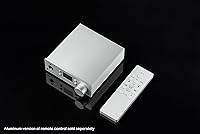
  • No remote control is included, which is a real inconvenience if the unit sits away from your seat.
  • No Bluetooth or wireless input of any kind, ruling it out for smartphone-first listeners.
  • Customer support responsiveness has been inconsistent according to a portion of long-term owners.
  • The 3.5mm headphone jack may feel limiting for audiophiles who use full-size 6.35mm headphone cables.
  • No display or input indicator makes it easy to lose track of which source is currently selected.
  • Competing units at a similar price point offer more input flexibility or integrated streaming features.

Ratings

The scores below for the Pro-Ject Pre Box S2 Digital Preamplifier were generated by our AI engine after analyzing thousands of verified buyer reviews from global markets, with spam, bot activity, and incentivized feedback actively filtered out. Each category reflects the full spectrum of real-world experiences — not just the highlights — so the ratings capture both the genuine strengths and the recurring frustrations that actual owners encounter. Where opinions diverged significantly between user groups, that tension is reflected honestly in the scores.
Sound Quality
91%
Owners consistently describe the sound as noticeably cleaner and more detailed than what they heard from budget DACs or laptop outputs — particularly in the midrange and high-frequency clarity. Listeners pairing this DAC-preamp with quality headphones report a tangible improvement in stereo separation and low-level detail retrieval.
A minority of experienced listeners feel the ESS Sabre chip imparts a very slightly analytical character that can make certain recordings sound clinical rather than warm. This is a well-documented trait of Sabre-based DACs generally, and not unique to this unit.
Build Quality
84%
The aluminum enclosure feels solid and well-machined for a component of this size, and the overall fit and finish gives it a presence on the desk that exceeds what the weight alone would suggest. Most buyers feel the physical construction is consistent with what you would expect at this price tier.
The volume knob is a recurring complaint — it feels noticeably looser and cheaper than the rest of the chassis, which is a small but persistent irritant for buyers who handle it daily. A few owners also noted that the input selector can feel imprecise under repeated use.
Windows Compatibility
58%
42%
Once the correct ASIO driver is properly installed, Windows users report stable, full-resolution operation with no dropouts or interference during extended listening sessions. The driver itself is functional and does the job once you get past the initial setup hurdle.
The out-of-box Windows experience is genuinely frustrating — the unit does not behave as a plug-and-play device, and buyers who assume it will work like a standard USB audio device often encounter silence or degraded output until they locate and install the correct driver manually. This is the single most common source of negative reviews.
macOS Compatibility
93%
Mac users have an almost universally smooth experience — the Pre Box S2 Digital is recognized immediately by macOS as a USB audio device without any additional software, and selecting it as the system output takes under a minute. High-resolution playback via apps like Audirvana or Roon works reliably.
A small number of users on older macOS versions have reported occasional dropouts at the highest sample rates, though these cases appear to be edge cases rather than a systematic issue with the hardware.
High-Res Format Support
88%
Supporting native DSD256 and PCM up to 32bit/768kHz in a unit this compact is genuinely rare, and buyers who maintain large high-resolution libraries appreciate not having to worry about hitting format ceilings. The hardware handles format switching between tracks without audible glitches in most setups.
Unlocking the full resolution potential over USB requires driver configuration on Windows that is not intuitive for non-technical users, meaning some buyers never actually access the high-res capability they paid for.
Headphone Performance
77%
23%
For standard dynamic headphones — including many well-regarded models in the 32 to 150-ohm range — the built-in headphone output delivers clean, quiet amplification that represents a real step up from a laptop or phone jack. Background noise is very low, which is appreciated during quiet passages.
Owners running high-impedance or planar magnetic headphones find the output power lacking, with some reporting that they need to push the volume uncomfortably high to reach satisfying listening levels. The 3.5mm jack format also frustrates audiophiles whose headphones terminate in a 6.35mm plug.
Input Flexibility
82%
18%
Having USB-C, TosLink optical, and coaxial S/PDIF all available on one compact unit means buyers can connect a computer, a CD player, and a TV simultaneously and switch between them without unplugging anything. This versatility is frequently cited as a practical day-to-day strength.
There is no analog input of any kind, which limits integration with turntables or other analog sources without adding a separate phono preamp. Input switching also requires physically reaching the unit since there is no remote control.
Value for Money
79%
21%
The majority of buyers who successfully get the unit set up and running feel the sound quality improvement justifies the investment, especially those upgrading from sub-100-dollar DACs where the difference is dramatic. The hardware specification relative to price is genuinely competitive.
Buyers who struggle with driver issues or find the headphone output underpowered for their specific headphones feel less confident about the value proposition, particularly when they discover that some rivals at a similar price include remote controls, Bluetooth, or MQA support.
Ease of Setup
54%
46%
For macOS and Linux users, setup is genuinely easy and fast. The physical connections are straightforward regardless of platform, and the unit is compact enough to slot into almost any desk arrangement without rearranging other gear.
On Windows, the setup process involves locating the correct driver version, installing it correctly, and sometimes adjusting DAW or system audio settings — a process that many buyers describe as unnecessarily technical for a consumer audio product. The lack of any printed quick-start guide tailored to Windows makes this worse.
Design & Aesthetics
86%
The understated silver aluminum finish and minimal front-panel design fits naturally into both desktop hi-fi setups and cleaner home office environments without looking out of place. Long-term owners frequently comment that they appreciate the fact it does not scream for attention.
The absence of any display or input indicator means you have to physically interact with the unit to confirm which source is active, which feels like a small oversight at this price point. A simple LED indicator per input would have addressed this without adding complexity.
Size & Portability
89%
At under 13 ounces and with a footprint smaller than a standard paperback, this compact audiophile unit fits on even the most crowded desks without dominating the space. Bus-powered operation via USB also means it can travel with a laptop setup without requiring a separate charger.
The very small size can make rear-panel cable connections fiddly, especially if you are running multiple inputs simultaneously with thicker coaxial or optical cables that put mechanical stress on the ports.
Long-Term Reliability
81%
19%
The majority of long-term owners — including those who have had the unit for several years — report no hardware failures or degradation in performance over time. The aluminum chassis appears to protect the internals effectively from everyday desk-environment wear.
A smaller subset of owners report intermittent USB connection instability appearing after extended use, though it is unclear whether this relates to the unit itself or cable and port wear on the connected computer.
Customer Support
63%
37%
When support interactions go well, buyers report that Pro-Ject staff are knowledgeable about the hardware and able to walk users through driver and configuration issues. Some regional distributors have received specific praise for responsiveness.
Response times and support quality appear inconsistent depending on region and purchase channel, with a meaningful number of buyers reporting slow or unhelpful responses when dealing with setup or hardware issues. This inconsistency is a recurring theme in negative reviews.
Software & Control
49%
51%
The hardware itself requires no ongoing software management once set up correctly — there is no companion app that needs updating or a subscription service to maintain, which suits buyers who prefer a set-and-forget device.
The lack of any software control layer means there is no way to configure filters, display input status, or manage settings beyond the physical controls on the unit. For Windows users, the driver configuration experience is rough enough that software management is effectively a pain point rather than a feature.

Suitable for:

The Pro-Ject Pre Box S2 Digital Preamplifier is an excellent fit for anyone who takes desktop listening seriously and wants a meaningful upgrade over a laptop headphone jack or integrated motherboard audio. If you already own a pair of quality headphones or active studio monitors and feel like you are not hearing everything they can offer, this DAC-preamp is exactly the kind of component that closes that gap. It works particularly well in compact, minimalist setups where a full-size hi-fi rack is out of the question but sound quality cannot be compromised. Headphone enthusiasts who regularly listen to high-resolution files — whether FLAC, DSD, or MQA-adjacent formats — will appreciate that the hardware can actually resolve that extra detail rather than quietly downsampling it. It also suits anyone feeding a downstream power amplifier or active speakers via RCA, where a clean, low-noise preamp stage makes a real audible difference.
Not suitable for:

The Pro-Ject Pre Box S2 Digital Preamplifier is not the right call for buyers who want an all-in-one audio hub with Bluetooth, Wi-Fi streaming, or a companion app that just works out of the box. If your primary source is a smartphone or a music streaming service accessed wirelessly, this compact audiophile unit offers no direct path for that signal. Windows users in particular should go in with their eyes open: getting USB audio working correctly often requires manually installing ASIO or manufacturer drivers, and buyers who skip that step frequently end up frustrated. This DAC-preamp also lacks a remote control, which matters more than it sounds if it sits at a distance from your listening position. Finally, if you are brand new to hi-fi and are not yet sure whether you will notice the difference a high-quality DAC makes, there are more forgiving entry points at a lower price before committing to this tier.
Specifications

  • DAC Chip: Uses an ESS Sabre ES9038Q2M chip in a dual-mono configuration, which improves channel separation and reduces the noise floor compared to a single stereo implementation.
  • PCM Support: Handles PCM audio up to 32bit at 768kHz, covering standard CD-quality all the way through high-resolution file formats without resampling.
  • DSD Support: Supports native DSD playback up to DSD256, which is among the highest DSD rates available in a desktop unit at this size.
  • Digital Inputs: Offers three digital inputs: USB-C, TosLink optical (S/PDIF), and coaxial S/PDIF, allowing connection from computers, disc players, and other digital sources simultaneously.
  • Analog Output: Provides a stereo RCA analog output for connecting to an amplifier, active monitors, or any downstream analog component in a hi-fi chain.
  • Headphone Output: Includes a front-panel 3.5mm headphone jack with a dedicated amplifier stage for direct headphone listening without requiring an external amp.
  • Volume Control: Features both analog and digital volume control via a front-panel rotary knob, allowing output level adjustment for both headphone and preamp use.
  • Power Supply: Operates entirely on 5V DC USB bus power, drawing current through the USB connection and eliminating the need for a separate external power supply.
  • Dimensions: Measures 4.65 x 4.06 x 1.42 inches, making it one of the more compact high-resolution DAC-preamps available for desktop placement.
  • Weight: Weighs 12.9 ounces, keeping the unit light enough to reposition easily without sacrificing the solid feel of the aluminum enclosure.
  • Chassis Material: Housed in a machined aluminum enclosure that provides effective electromagnetic shielding while contributing to the unit's clean, minimalist aesthetic.
  • Channels: Processes two channels (stereo) with each channel handled by a dedicated section of the dual-mono DAC chip for independent signal paths.
  • Available Finish: Offered in a silver finish that matches Pro-Ject's broader component lineup, including their turntables and phono stages.
  • Model Code: Carries the official model identifier PREBXS2DIGSIL, used by retailers and service centers to identify this specific silver variant.
  • Manufacturer: Designed and manufactured by Pro-Ject Audio Systems, an Austrian company with a long-standing focus on high-fidelity analog and digital audio components.
  • Availability: First made available in September 2017 and remains in active production with no discontinuation announced by the manufacturer as of the latest available data.

Related Reviews
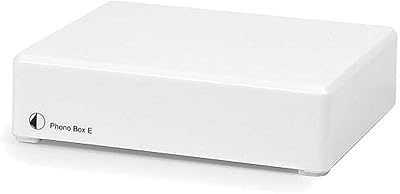
Pro-Ject Phono Box E Phono Preamplifier
79%
83%
Sound Quality
88%
Noise Floor
74%
Build Quality
91%
Ease of Setup
86%
Value for Money
More
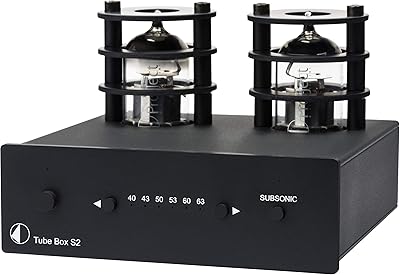
Pro-Ject Tube Box S2 Phono Preamplifier
83%
91%
Sound Quality
88%
Build Quality
93%
Cartridge Compatibility
89%
Gain & Loading Flexibility
82%
Noise Performance
More
Pro-Ject Phono Box S2 MM/MC Phono Preamp
86%
94%
Sound Quality
92%
Adjustability (Gain & Impedance)
65%
Build Quality
88%
Ease of Use
89%
Value for Money
More
Pro-Ject Automat A1 Turntable
86%
89%
Sound Quality
94%
Ease of Use
87%
Build Quality
91%
Design and Aesthetics
88%
Setup and Installation
More
TOMLOV DM9 Pro Digital Microscope
83%
88%
Magnification Performance
92%
Image Quality
86%
Lighting Adjustability
84%
Build Quality
79%
Ease of Setup
More
Pro-Ject Debut Carbon EVO
86%
93%
Build Quality
91%
Audio Clarity
88%
Motor Stability
86%
Ease of Use
84%
Value for Money
More
TIMBOOTECH ATSC Digital TV Converter Stick
73%
88%
Ease of Setup
67%
Signal Reception
74%
DVR Functionality
76%
Picture Quality
62%
Remote Control
More
iView 3500STB III
iView 3500STB III
79%
88%
Ease of Setup
82%
Signal Reception Stability
74%
Recording Functionality
86%
Remote Control Versatility
93%
Legacy Connectivity
More
Pro-Ject Primary E Phono Turntable
85%
88%
Sound Quality
91%
Ease of Setup
85%
Design & Aesthetics
84%
Build Quality
89%
Performance for Price
More
Minolta MN67Z 67x Zoom Digital Camera
75%
93%
Zoom Range & Reach
78%
Image Quality in Good Light
54%
Low-Light Performance
82%
Optical Image Stabilization
63%
Autofocus Speed & Accuracy
More

FAQ

Yes, and this is probably the most important thing to know before buying. On Windows, the Pre Box S2 Digital requires a dedicated ASIO or USB audio driver to function correctly at its full resolution. It is not automatically recognized as a plug-and-play audio device the way it is on macOS. Pro-Ject provides the necessary driver through their website, but you do need to download and install it manually before the unit will work properly.

Generally, yes. macOS recognizes the unit as a standard USB audio device without any additional software. You may need to select it as your default output in System Settings, but there is no separate driver installation required on most current macOS versions.

Absolutely. The 3.5mm headphone output is driven by a dedicated amplifier stage, so you can use this DAC-preamp purely as a headphone source if that is your primary use case. It handles most dynamic headphones well, though very demanding planar magnetic headphones may benefit from a beefier dedicated headphone amp downstream.

The RCA stereo output connects to anything with an analog line-level input — active studio monitors, integrated amplifiers, stereo power amplifiers, or AV receivers with a spare analog input. It functions as a proper preamp with volume control, so you can run it directly into a power amplifier without needing a separate preamp in the chain.

No, it does not include MQA decoding hardware or software. If MQA is important to your streaming workflow, you will need to look at a different unit or handle MQA unfolding in software before the signal reaches this DAC-preamp.

No, this is a digital-to-analog converter and preamp for digital sources only. It has no analog or phono inputs. If you want to include a turntable in the same setup, you would need a separate phono preamp feeding into an amplifier alongside this unit.

Input selection is handled through the front panel controls. There is no automatic switching, so you manually cycle through the available inputs — USB, optical, and coaxial — using the selector on the unit. There is no remote control or companion app for this on all platforms, so you do need to be within arm's reach.

Pro-Ject typically includes a USB cable in the box, but it is worth confirming with the retailer since packaging contents can occasionally vary by region or batch. Either way, any standard USB-C cable in good condition will work for both power and data.

In most cases, yes — and often quite noticeably. Laptop headphone outputs are typically noisy, limited in resolution, and prone to interference from internal components. This compact audiophile unit uses a purpose-built DAC stage with a low noise floor, which tends to reveal detail in recordings that laptop outputs obscure. The difference is usually clearest with quality headphones or speakers that are resolving enough to expose it.

The Pre Box S2 Digital stands out mainly for its dual-mono chip configuration and its support for very high PCM and DSD rates in a small chassis. Competitors like the iFi Zen DAC or AudioQuest DragonFly Cobalt offer different trade-offs — some include Bluetooth, MQA support, or a more beginner-friendly setup experience. If raw resolution and a clean signal path are your priorities over convenience features, this unit tends to perform favorably in that comparison. If you want wireless connectivity or easier Windows setup, some rivals may serve you better.

Where to Buy