Overview

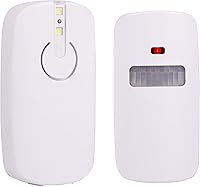
The Power Gear 36014-S1 Wireless Driveway Alarm is a straightforward, no-fuss motion alert system made by Jasco Products for homeowners who want a basic heads-up before a visitor reaches their door. The setup concept is simple: a battery-powered sensor goes outside, a receiver sits indoors, and the two communicate wirelessly across distances of up to 150 feet. There's no wiring required, no monthly subscription, and no professional installation needed. The sensor covers a 120-degree detection zone with a range of up to 25 feet, making it practical for most standard driveways or entry points. It's sold as a single-pack, though extra sensors can be added later if needed.
Features & Benefits

The motion alert system gives you two audible volume options: a louder setting that hits up to 70dB and a quieter mode capped around 50dB, so you can calibrate how aggressively it grabs your attention. If sound isn't appropriate — say, during late-night hours — there's a silent mode that kills the chime entirely and signals movement through a flashing LED on the receiver instead. Installation is genuinely quick; the included mounting bracket and hardware handle the physical setup without much fuss. Keep in mind the sensor is rated for outdoor dry locations only, so it won't hold up in heavy rain or standing water. Both units need three AA batteries each — not included, so pick some up before you start.

Best For

This driveway alarm is a natural fit for a pretty wide range of people. Renters and apartment dwellers especially benefit since there's no drilling into walls or running cable — just mount the sensor and plug in the receiver. Rural and suburban homeowners who get the occasional surprise visitor or delivery driver will find it useful for a heads-up before anyone reaches the porch. It also works well for elderly individuals or anyone with mobility challenges who simply needs a little extra warning time before answering the door. Small business owners keeping an eye on a single entry point — a back gate, a shop entrance — will find the wireless sensor kit a practical and low-cost monitoring option.

User Feedback

Buyers consistently highlight how quick and painless the initial setup is — most report having everything running in under ten minutes with no tools required. The range tends to satisfy people in typical suburban setups, though some note the real-world detection distance falls a bit short of the maximum spec, particularly when there are walls, bushes, or other obstructions in the way. A handful of users report false alerts triggered by pets or fast-moving vehicles on nearby roads, which can get tiresome over time. Battery life is generally described as decent for occasional use, but homes with heavy foot traffic may find themselves swapping cells more often than expected. Overall, buyers treat it as a capable first line of awareness rather than a comprehensive security solution.

Pros

  • No wiring required makes setup possible in under ten minutes for most users.
  • The 150-foot sensor-to-receiver range gives plenty of flexibility for where you place each unit.
  • Silent LED mode is genuinely useful for nighttime hours when an audible alarm would be disruptive.
  • Two selectable volume levels let you match the alert intensity to your environment.
  • Additional sensors can be added to the same receiver, so coverage can grow over time.
  • Mounting hardware is included out of the box, so there's nothing extra to source before installing.
  • Battery-powered design means no electrician, no outlets, and no installation headaches.
  • Works well as a first alert layer for rural driveways where surprise visitors are common.
  • Compact and lightweight enough to reposition or take with you if you move.

Cons

  • Batteries are not included, which catches many first-time buyers off guard at setup.
  • Real-world detection range often falls noticeably short of the advertised 25-foot maximum.
  • The sensor is not waterproof, limiting its reliability in rainy or humid climates.
  • False triggers from pets, blowing debris, or fast road traffic can become a persistent nuisance.
  • No smartphone connectivity or app alerts means you must be within earshot of the receiver to notice anything.
  • Battery life degrades faster than expected in high-traffic locations, adding recurring replacement costs.
  • The receiver must stay indoors, which can be a limitation for detached garages or outbuildings.
  • There is no way to log or review alert history, so missed events go completely unrecorded.

Ratings

The scores below reflect an AI-driven analysis of verified global buyer reviews for the Power Gear 36014-S1 Wireless Driveway Alarm, with spam, bot-submitted, and incentivized feedback actively filtered out before any scoring was applied. This driveway alarm earned strong marks in areas that matter most to everyday homeowners, but the data also surfaces some recurring frustrations that are worth knowing before you buy. Both the highs and the genuine pain points are represented transparently in every category below.

Ease of Installation
91%
Buyers across a wide range of technical comfort levels consistently describe setup as one of the fastest and least stressful they have experienced with any home security product. The included mounting hardware and the total absence of wiring mean most people are up and running in under ten minutes, with no drilling into electrical boxes or reading complex manuals.
A small number of users noted that the mounting bracket feels flimsier than expected, and a few reported that the adhesive option they improvised did not hold in direct sun. Instructions could also be clearer about optimal sensor placement height for the best detection angle.
Detection Reliability
68%
32%
For standard driveway and front-path setups with clear sightlines, the motion alert system performs reliably enough to catch approaching visitors before they reach the door. Users with straightforward single-entry setups and no obstructions tend to report consistent, timely alerts throughout the day.
Detection consistency drops noticeably when real-world conditions deviate from ideal — thick shrubs, parked vehicles, and extreme cold all appear to reduce sensitivity. A meaningful portion of buyers report missed detections when the sensor is placed at the edge of its range or in indirect angles, which is a genuine limitation for properties with complex layouts.
False Alert Frequency
54%
46%
Users who place the sensor in tightly controlled zones — aimed specifically at a narrow gate or a front path with little peripheral activity — report relatively manageable false alert rates. The adjustable sensitivity settings do give some room to dial back triggers in environments with moderate ambient movement.
Households with outdoor pets, properties near busy roads, or installations in windy areas frequently report excessive false alarms that erode trust in the system over time. Multiple buyers mention eventually switching to silent LED mode or simply ignoring the chime after too many triggers from passing cars, falling leaves, or a roaming dog.
Wireless Range Performance
72%
28%
In typical single-story or open-plan homes, the RF connection between sensor and receiver holds up well within the 150-foot specification, and many buyers confirm reliable signal through one or two interior walls without any dropout issues. The wireless design also gives meaningful flexibility in where the receiver gets placed inside the home.
In two-story homes, properties with thick masonry walls, or installations where the sensor is near the far boundary of the stated range, signal reliability becomes noticeably inconsistent. Several buyers report that the real-world effective range is closer to 80 to 100 feet when walls and structural materials are factored in.
Volume & Alert Audibility
78%
22%
The high-volume setting is loud enough to be heard clearly from an adjacent room or a mid-sized open-plan living area, and users with hearing difficulties or background noise from appliances appreciate having a dedicated high setting. The two-tier volume system gives meaningful flexibility for different times of day.
In larger homes with multiple floors or long hallways, the 70dB ceiling can fall short — some users note they only hear the alert when already close to the receiver. The alert tone itself is also described by several buyers as fairly generic, which makes it easy to tune out after a period of regular use.
Silent LED Mode Usefulness
81%
19%
Night-shift workers, light sleepers, and households with young children consistently praise the silent mode as a practical feature that most competing units at this price point do not offer. Being able to monitor driveway activity through a visual indicator without waking anyone up is a meaningful real-world advantage.
The LED flash is only visible if you are already looking at the receiver, which makes it easy to miss activity when you are in another room or focused on something else. A few users wish there were a way to receive silent alerts on a secondary device or through a paired phone app, which this system does not support.
Battery Life
61%
39%
In low-traffic locations — a side gate or a rarely used back entry — users report battery life that can stretch to several months per set, which keeps ongoing running costs minimal. For properties where alerts are infrequent, the AA battery requirement feels like a sensible and accessible power choice.
In busy driveways or commercial entry points where the sensor triggers many times daily, battery replacement becomes a recurring chore that frustrates buyers who expected longer intervals. Several reviewers note that cold winter temperatures also accelerate battery drain in the outdoor sensor, sometimes cutting expected life significantly.
Weather Resistance
47%
53%
In genuinely dry climates or well-sheltered mounting spots — under a deep porch overhang or inside a covered carport — the outdoor sensor holds up adequately over multiple seasons without visible degradation. The dry-location rating is at least honest about what the product is designed to handle.
Any buyer in a region with regular rainfall, coastal humidity, or winter snow should consider this a real limitation — the sensor is not waterproof, and several users report malfunction or erratic behavior after exposure to moisture. This is one of the most consistent negative themes in buyer reviews and a hard constraint that the product cannot overcome by design.
Build Quality
63%
37%
The overall form factor is compact and functional, and most users find the plastic housing adequate for the price tier this system occupies. The receiver in particular tends to feel solid enough to sit on a shelf or countertop without concern.
The outdoor sensor housing feels noticeably lightweight and thin-walled, which raises durability questions among buyers who handle it during installation. A handful of reviewers note that the sensor casing showed stress marks or cracking after a single winter season, suggesting the plastic compound does not handle temperature swings especially well.
Value for Money
83%
For buyers who go in with calibrated expectations — a simple wireless heads-up device, not a full security solution — the motion alert system delivers strong value at its accessible price point. The included mounting hardware and the ability to expand with additional sensors later make the upfront cost feel reasonable.
The batteries-not-included reality adds a small but immediate cost that some buyers feel should be bundled at this price. If battery replacements become frequent due to high traffic volume, the total cost of ownership over a year can creep higher than the initial purchase price suggests.
Expandability
74%
26%
The ability to pair multiple sensors to a single receiver is a genuinely useful design choice that gives buyers a growth path without replacing the entire system. Rural homeowners and small business owners who want to cover a gate, a door, and a driveway simultaneously appreciate this flexibility.
Additional sensors are sold separately at their own cost, and there is no published limit on how many can be paired, which leaves buyers guessing about system capacity. A few users also note that managing multiple sensors with the same receiver and alert tone makes it difficult to know which zone triggered the alarm.
Setup Instructions
66%
34%
The general installation concept is intuitive enough that many buyers skip the manual entirely and get everything working by common sense alone, which speaks to how logically the product is designed. The hardware kit is complete, and no supplementary trips to a hardware store are needed for a standard wall mount.
The printed instructions are described by multiple buyers as vague in key areas — particularly around optimal sensor placement height, ideal detection angles, and how to pair additional sensors. Buyers who want to fine-tune their setup beyond the basics often resort to online searches rather than finding answers in the included documentation.
Aesthetics & Discreetness
77%
23%
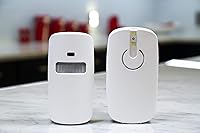
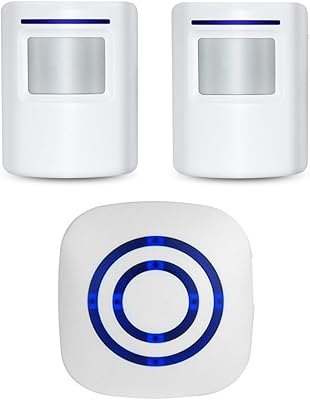
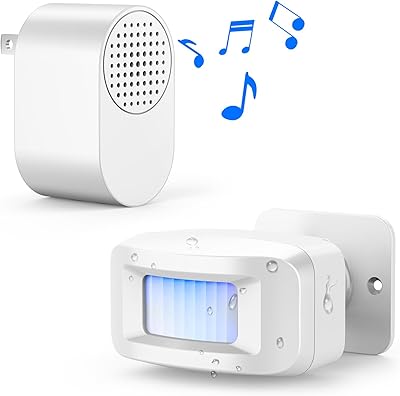
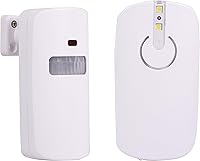
The compact white housing of both units blends into most standard home exteriors and interior walls without drawing attention, which matters to buyers who want functional security hardware that does not look institutional or out of place. The receiver in particular has a clean enough appearance to sit openly on a windowsill or shelf.
The styling is purely utilitarian and unmistakably budget-tier in person, which bothers buyers who care about how hardware looks in a well-designed entryway or modern interior. The sensor mount is also fixed in angle after installation, offering limited ability to adjust direction without fully dismounting the bracket.

Suitable for:

The Power Gear 36014-S1 Wireless Driveway Alarm is a strong fit for anyone who wants a simple, low-commitment way to know when someone is approaching their property. Renters top the list of ideal buyers — since the whole system is wireless and battery-powered, there's nothing to hardwire and nothing to patch when you move out. Suburban and rural homeowners who have a long driveway or a blind entry point will get genuine value from the advance notice this system provides, especially if unexpected visitors or delivery drivers are a regular occurrence. It also works well for elderly individuals or anyone who has trouble getting to the door quickly and simply needs a few extra seconds of warning. Small business owners covering a single entry point — a back gate, a side door, a storage area — will find this wireless sensor kit a practical and affordable monitoring option that requires almost no ongoing maintenance.
Not suitable for:

Buyers who need a weatherproof outdoor sensor will want to look elsewhere, because the Power Gear 36014-S1 Wireless Driveway Alarm is rated for dry outdoor locations only — it is not designed to handle rain, snow, or prolonged moisture exposure. Anyone expecting professional-grade detection accuracy or a system that covers a large perimeter with a single sensor will likely feel constrained by the 25-foot detection ceiling, which in practice can be shorter depending on obstructions like shrubs, fences, or parked vehicles. Households with large or active dogs may find the motion alert system too easily triggered, producing frequent false alarms that desensitize everyone to the alerts over time. This is also not a replacement for a real security system — there's no camera, no connectivity to a smartphone app, no recording capability, and no integration with smart home platforms beyond basic compatibility. If you need that level of sophistication, this wireless sensor kit will feel underpowered for the job.
Specifications

  • Brand: Manufactured by Jasco Products and sold under the Power Gear label.
  • Model Number: The unit carries the part number 36014-S1, consistent across packaging and product documentation.
  • Detection Range: The outdoor sensor detects motion within a radius of up to 25 feet under ideal conditions.
  • Detection Zone: The sensor covers a 120-degree arc, providing broad coverage across a driveway or entry area.
  • Wireless Range: The sensor and indoor receiver can be positioned up to 150 feet apart and still maintain a reliable RF signal.
  • Volume High: The high alert setting produces an audible alarm of up to 70dB, suitable for larger or noisier indoor spaces.
  • Volume Low: The low alert setting produces a softer alarm of up to 50dB, appropriate for quieter home environments.
  • Silent Mode: When silent mode is activated, the audible chime is disabled and movement is indicated only by a flashing LED on the receiver.
  • Power Source: Both the outdoor sensor and the indoor receiver each require three AA alkaline batteries, which are not included in the package.
  • Outdoor Rating: The sensor is rated for outdoor use in dry locations only and should not be exposed to rain, snow, or standing water.
  • Receiver Placement: The receiver unit is designed for indoor use only and must be kept inside to function correctly.
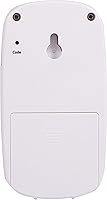
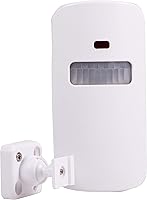
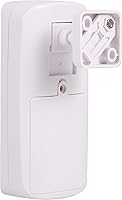
  • Mounting Type: The sensor attaches via a wall-mount bracket with all necessary installation hardware included in the box.
  • Item Weight: The complete package weighs 8.5 ounces, making it easy to handle and reposition if needed.
  • Dimensions: The overall product dimensions are 2.9 x 7.85 x 10 inches for the packaged unit.
  • Expandability: Additional motion sensors are sold separately and can be paired to the same receiver for broader property coverage.
  • Wireless Protocol: The system uses RF wireless communication between the sensor and receiver, requiring no Wi-Fi or Bluetooth connection.
  • Compatibility: The system is listed as compatible with wireless security systems and basic smart home hubs as a supplementary alert device.
  • Manufacturer: The product is designed and distributed by Jasco Products, a US-based electronics manufacturer with a broad home safety portfolio.

Related Reviews
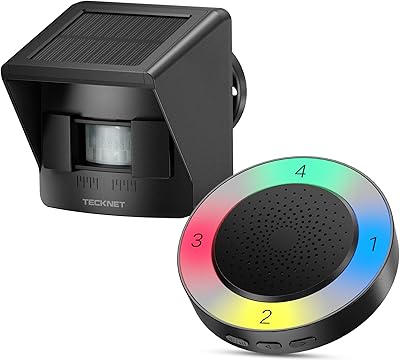
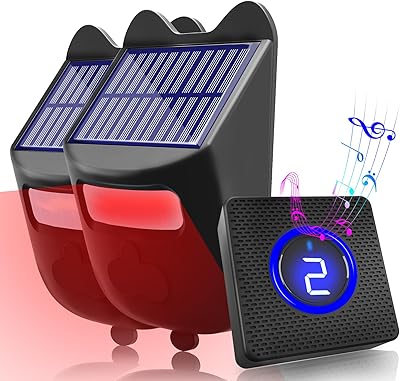
TECKNET EMD01001BA01 Solar Wireless Driveway Alarm
76%
91%
Ease of Setup
74%
Solar Charging Performance
68%
Detection Accuracy
86%
Wireless Signal Range
83%
Alert Customization
More
Bistee Wireless Driveway Alarm with Microwave-Infrared Sensor
83%
92%
Wireless Range
88%
Ease of Installation
85%
Motion Detection Performance
80%
Build Quality
89%
Weatherproof Design
More
Qualirey Driveway Alarm Wireless Motion Sensor System
86%
92%
Value for Money
94%
Ease of Installation
89%
Range of Detection
88%
Weather Resistance
85%
Alert Customization
More
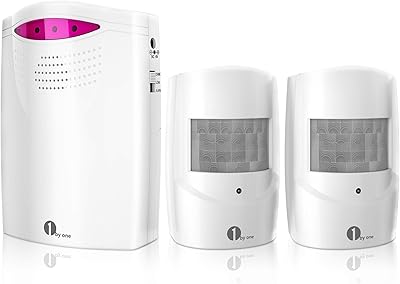
1byone Wireless Driveway Motion Sensor Alarm
71%
91%
Ease of Setup
67%
Wireless Range
63%
Detection Accuracy
88%
Alert Volume & Clarity
71%
Build Quality
More
Enegg Wireless Driveway Motion Sensor Alarm

69%
93%
Ease of Setup
81%
Wireless Range
74%
Detection Reliability
63%
Sound Quality
79%
Volume Output
More
HTZSAFE 808A Wireless Driveway Alarm System

76%
83%
Wireless Transmission Range
91%
Ease of Installation
72%
Motion Detection Accuracy
61%
Battery Life
68%
Receiver Alert Volume
More
FREETIM Wireless Driveway Motion Sensor Alarm System
74%
91%
Ease of Setup
78%
Detection Reliability
67%
Wireless Range
72%
Weather Resistance
58%
Battery Life
More
ZONWOO S1 Wireless Earbuds
86%
94%
Battery Life
86%
Sound Quality
88%
Fit and Comfort
91%
Water Resistance
75%
Bluetooth Connectivity
More
Chesbung Solar Driveway Alarm System
87%
93%
Ease of Installation
88%
Detection Range
90%
Battery Life
85%
Reliability of Motion Detection
87%
Build Quality and Durability
More
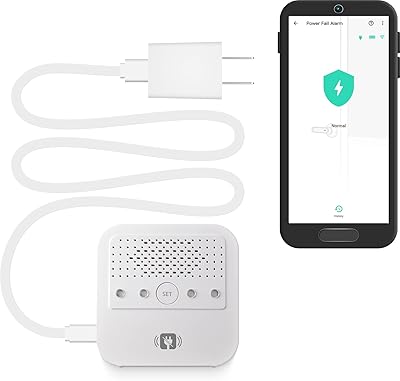
YoLink YS7106 Smart Power Outage Alarm
71%
91%
Alert Reliability
88%
Notification Speed
58%
Hub Dependency & Ecosystem
63%
Setup & Pairing
74%
LoRa Range Performance
More

FAQ

Yes, you do. Both the sensor and the receiver each need three AA batteries to operate, and none are included in the box. Pick up a pack of six AA batteries before you start so you can get everything running right away without a separate trip to the store.

Not really. The sensor is rated for outdoor dry-location use, which means it can handle normal outdoor conditions but is not waterproof. Prolonged exposure to rain, snow, or humidity could damage the unit over time. If your mounting spot is exposed to the elements, consider adding a small protective housing or choosing a sheltered position under an eave.

The system is rated for up to 150 feet between the two units, which covers most standard home layouts comfortably. Keep in mind that walls, floors, and large metal objects can reduce that effective range, so if you are placing the sensor at the far end of a long driveway with the receiver deep inside the house, you may want to test the signal before committing to a permanent mount.

It very likely will. The motion sensor does not distinguish between humans, animals, or moving objects — it simply reacts to movement within its detection zone. If you have pets that roam outside, expect some false alerts, especially if they pass through the sensor's 120-degree field of view regularly.

It lists basic compatibility with wireless security systems and smart home hubs, but it operates as a standalone RF alert device rather than a true smart home component. There is no Wi-Fi, no app, and no push notification feature — so do not expect it to integrate deeply with platforms like Google Home or Amazon Alexa the way a dedicated smart sensor would.

On the high setting it reaches up to 70dB, which is roughly as loud as a typical conversation or a running dishwasher — noticeable in an adjacent room but not jarring from across a large house. If you have an open floor plan or keep the receiver in a central hallway, coverage should be fine. For bigger homes, you might want to place the receiver in a frequently occupied room.

Yes, the receiver supports pairing with additional sensors that are sold separately. This makes it practical to start with one entry point and expand coverage over time without needing an entirely new system.

Battery life depends heavily on how much activity the sensor sees. In a low-traffic location, batteries can last several months. In a busier spot where the sensor triggers frequently throughout the day, you may find yourself replacing them every few weeks. Keeping a spare set of AA batteries on hand is a good habit once you get a sense of your usage patterns.

It is genuinely one of the easier setups you will find in this category. There is no wiring involved at all — you mount the sensor bracket with the included hardware, snap in the batteries, and the two units communicate wirelessly right out of the box. Most people report having everything operational in under ten minutes.

Yes, and this is one of the more practical features of the motion alert system. You can switch it to silent mode, which completely disables the audible chime and only signals movement with a blinking LED on the receiver. It is a useful option if you still want to be aware of activity but do not want noise disrupting a sleeping household.