Overview

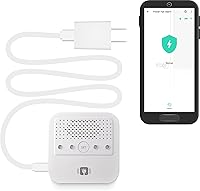
The YoLink YS7106 Smart Power Outage Alarm is a LoRa-based AC monitoring device built for people who need to know the moment power goes out — even when they're nowhere near the property. Unlike simple plug-in alerters that only beep locally, this AC monitoring sensor pairs with a separate YoLink hub to deliver remote notifications through an app, SMS, or email. That hub requirement is worth understanding upfront: it's an additional purchase, and full functionality depends on it. At its price point, it sits above bare-bones plug-and-alert options but well below whole-home monitoring systems, making it a practical mid-tier choice for targeted outage awareness.
Features & Benefits

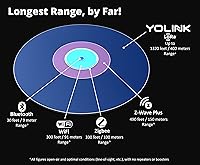
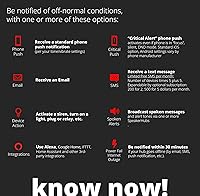
The LoRa wireless technology powering this power outage alarm is what separates it from Wi-Fi-dependent competitors — in open-air conditions it can communicate with the hub up to 1,056 feet away, though real-world range through walls and floors will naturally be shorter. When AC power drops, a 110 dB sounder fires immediately alongside four bright LED indicators, so anyone nearby knows instantly. For those away from home, push notifications, SMS, and email alerts arrive without any monthly subscription. The device also supports pairing with compatible YoLink siren accessories for extended local alerting, and the included AA batteries ensure it keeps functioning and reporting even while the outage is actively underway.

Best For

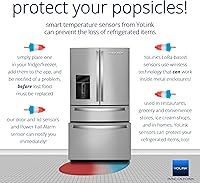
This AC monitoring sensor earns its place in scenarios where power loss carries real consequences. Homeowners who travel frequently or manage vacation rentals get obvious value — knowing the power is out at an unoccupied property can prevent serious damage from thawed freezers or failed sump pumps. Aquarium keepers and reptile hobbyists treat this as a near-essential tool, since even a brief outage can be fatal for their animals. Small business owners protecting refrigerated stock will find the no-subscription alerts especially appealing over time. It also fits naturally for anyone already building out a YoLink ecosystem, adding outage detection alongside existing sensors and smart devices.

User Feedback

Buyers consistently highlight two things: fast alert delivery and the reassurance that notifications still arrive during extended outages thanks to battery backup. The no-subscription pricing draws frequent praise, particularly from people who abandoned competing devices over recurring fees. That said, the most common frustration is the hub dependency — several buyers admit they didn't fully register it was a separate, required purchase until after the fact. A handful of users also describe the initial app setup and hub pairing as more involved than expected. Build quality feedback is generally positive at this price, though a few note the plastic housing feels lightweight. Overall, satisfaction skews solidly positive among buyers who went in with clear expectations.

Pros

  • No monthly subscription is required for push, SMS, and email alerts — a real differentiator versus many competitors.
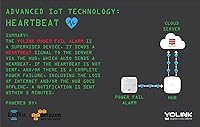
  • Battery backup keeps the YoLink alert device transmitting even while the outage is actively happening.
  • The 110 dB local alarm is loud enough to be useful in large spaces or outbuildings.
  • LoRa wireless technology provides stronger range and wall penetration than standard Wi-Fi or Bluetooth alternatives.
  • Self-adhesive installation means no drilling or tools needed for most placements.
  • Four LED indicators give an instant visual cue that power has failed, useful in noisy environments.
  • Compatible siren accessories can extend local alerting range significantly across a property.
  • Fits naturally into an existing YoLink sensor setup without requiring a separate hub purchase if you already own one.
  • Alert delivery is consistently reported as fast, with notifications arriving within seconds of an outage.
  • The compact size makes it easy to tuck discreetly near a panel or appliance.

Cons

  • The hub is sold separately and is a non-optional additional expense that meaningfully raises the total setup cost.
  • Initial app setup and hub pairing have a steeper learning curve than the packaging implies.
  • Real-world LoRa range through walls and floors is considerably shorter than the open-air specification suggests.
  • The plastic housing feels lightweight to some buyers, which can undercut confidence in long-term durability.
  • Without the hub, the device is essentially just a basic local alarm with no smart functionality.
  • The YoLink ecosystem is self-contained, so integration with third-party smart home platforms is limited.
  • AA battery life under continuous backup conditions has drawn mixed feedback from users who have experienced prolonged outages.
  • Buyers who need monitoring across multiple properties will face escalating hub costs for each separate location.

Ratings

The scores below reflect an AI-driven analysis of verified global buyer reviews for the YoLink YS7106 Smart Power Outage Alarm, with spam, bot-submitted, and incentivized feedback actively filtered out before scoring. Each category is rated on real-world performance patterns drawn from hundreds of confirmed purchases, capturing both what buyers genuinely love and where the device consistently falls short. Nothing has been softened or cherry-picked — the numbers reflect the full picture.

Alert Reliability
91%
Buyers repeatedly describe receiving push notifications within seconds of an outage, which is the core job of this AC monitoring sensor and the reason most people buy it. Vacation homeowners and aquarium keepers specifically praise how consistently the alerts fire, even during prolonged outages when the battery backup takes over.
A small but notable group of users reports occasional missed or delayed SMS alerts, which appears to be tied to carrier routing rather than the device itself. In areas with spotty cellular service, SMS delivery can lag by several minutes, which undermines confidence in time-sensitive scenarios.
Notification Speed
88%
App push notifications are consistently flagged as nearly instantaneous in user reports, with many buyers noting their phone buzzed before they even realized the power had gone out at their property. This responsiveness is a clear differentiator from simpler plug-in alternatives.
Email alerts tend to arrive noticeably later than push notifications, and some users forget to enable SMS during setup, leading to frustration when they only receive delayed email notices during an actual event. The multi-channel setup requires deliberate configuration to get right.
Hub Dependency & Ecosystem
58%
42%
For buyers already inside the YoLink ecosystem, adding this power outage alarm is straightforward and cost-effective since the hub investment has already been made. The platform supports a wide range of compatible devices, so the system genuinely grows in value over time.
The hub is a hard requirement and is sold separately, which catches many first-time buyers off guard and raises the real entry cost considerably. Users who assumed the device was standalone frequently leave frustrated reviews — not because the product fails, but because the dependency was not clearly communicated at purchase.
Setup & Pairing
63%
37%
Users with any prior smart home experience generally get through the app registration, hub connection, and sensor pairing within 15 to 20 minutes without hitting major snags. The YoLink app is considered clean and logically organized once you understand its structure.
First-time smart device buyers consistently describe the multi-step onboarding — router connection, account creation, hub pairing, then sensor pairing — as more involved than expected for a device at this price tier. Pairing failures on the first attempt are reported often enough to be a recurring theme in negative reviews.
LoRa Range Performance
74%
26%
In standard residential construction with drywall and wood framing, the LoRa signal holds up impressively across multiple rooms and floors, which genuinely sets it apart from Wi-Fi or Bluetooth alternatives that struggle with distance and interference. Buyers using it in detached garages or outbuildings within a couple hundred feet typically report solid connectivity.
The 1,056-foot open-air specification creates expectations that real-world environments rarely meet, and users in homes with concrete, brick, or metal construction report noticeably shorter effective range. A few buyers in older construction or basement installations have experienced intermittent connectivity that required relocating the hub.
Local Alarm Volume
86%
The 110 dB sounder is genuinely loud and serves its purpose well in larger spaces like basements, utility rooms, or workshops where a quiet beep would go unnoticed. Several users specifically called out the alarm as the feature that first caught a neighbor's attention during an outage at a vacation property.
In smaller apartments or confined indoor spaces, the alarm volume is described as startling and difficult to silence quickly during false triggers or testing, which has frustrated some users. The alarm cannot be volume-adjusted, so placement near sleeping areas is not recommended.
Battery Backup
67%
33%
During outages lasting a few hours, the included AA batteries perform reliably and continue transmitting alerts without interruption, which is exactly the scenario most buyers need covered. Users monitoring freezers or aquariums during summer storms report the backup held through multi-hour outages without issue.
Extended outage scenarios — 12 hours or more — expose the limits of two AA batteries under continuous transmission load, and some buyers found their batteries depleted before power was restored. The lack of any low-battery indicator prior to an outage adds a layer of uncertainty that more careful users address by replacing batteries on a regular schedule.
App Experience
76%
24%
Once configured, the YoLink app is praised for being clean, responsive, and free of the cluttered interfaces common in budget smart home ecosystems. Alert history logs and device status checks work reliably, and the no-subscription model means the full feature set is always accessible without paywalls.
The initial app experience is rougher than the ongoing experience — account setup, permission prompts, and device discovery can feel disjointed, particularly on older Android versions. A handful of users also note the app occasionally requires a restart to reflect current device status after network changes.
Build Quality
69%
31%
The compact housing fits neatly near an outlet or electrical panel without drawing attention, and the physical buttons and LED indicators feel responsive and well-integrated. For a device that is meant to sit unnoticed until it is needed, the form factor is sensible and appropriately sized.
The plastic shell feels noticeably lightweight for a mid-range monitoring device, and some buyers compare it unfavorably to competing sensors at similar price points that use denser materials. A few long-term users report the self-adhesive backing degrading over time in humid environments like basements or laundry rooms.
Value for Money
71%
29%
The no-subscription alert model is a genuine long-term value advantage — competing products at this price tier frequently gate SMS or email alerts behind monthly fees, making this power outage alarm cheaper to operate over any period longer than a few months. Buyers who already own the hub see excellent value per sensor.
For buyers who do not own the hub, the true cost of entry is substantially higher than the device price alone, which skews the value calculus significantly. At the all-in price for a first-time buyer, several competing ecosystems offer comparable alert functionality with a lower combined cost.
Third-Party Compatibility
41%
59%
The YoLink platform does offer some third-party integration pathways through automation services, and users comfortable with tools like IFTTT or Home Assistant have found ways to connect the device to broader smart home routines. For power users willing to invest setup time, cross-platform functionality is achievable.
Native integration with Alexa, Google Home, or Apple HomeKit is absent, which is a meaningful gap for buyers who manage other smart devices through those platforms. The closed ecosystem approach means the YoLink alert device lives in its own silo, and buyers who discover this post-purchase are among the most disappointed reviewers.
Siren Accessory Integration
79%
21%
Buyers who invest in the compatible YoLink Siren Alarm report that the Control-D2D pairing works reliably and dramatically extends the practical alerting coverage of the system, particularly on larger properties or in outbuildings. The quarter-mile open-air accessory range is considered a standout feature by hobby farmers and workshop users.
The siren is a separate purchase that adds to the overall system cost, and the pairing process has its own setup steps that some users find cumbersome. Those who expected the siren to be included or assumed easier compatibility report feeling nickeled-and-dimed by the accessory model.
Documentation & Support
62%
38%
YoLink provides online support resources and the community around the platform is active enough that most common setup questions have documented answers available. Users who contacted support directly generally report reasonable response times and helpful guidance.
The printed documentation included in the box is minimal and does not adequately explain the hub dependency or the multi-step setup process for new users. Several buyers describe feeling lost after unboxing and resorting to YouTube tutorials or community forums to complete basic configuration.

Suitable for:

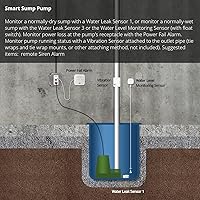
The YoLink YS7106 Smart Power Outage Alarm was clearly designed with a specific type of buyer in mind: someone who needs to know about a power failure at a property they're not physically present at. Vacation and rental property owners are an obvious fit — whether it's a cabin, a short-term rental, or a second home, getting an SMS the moment power drops can mean the difference between a quick fix and a ruined freezer full of food. Aquarium hobbyists and reptile keepers represent another group for whom this device is essentially a safeguard against disaster, since even a few hours without heat or filtration can be catastrophic. Small business operators running walk-in coolers, server rooms, or refrigerated display cases will also appreciate the no-subscription alert model, which keeps ongoing costs predictable. Finally, anyone already using other YoLink sensors for doors, temperature, or water leaks will find this fits cleanly into their existing setup without adding another app or ecosystem to manage.
Not suitable for:

The YoLink YS7106 Smart Power Outage Alarm is not the right choice for buyers expecting a standalone, plug-and-done experience. The hub is a hard requirement for remote alerts to function, and if you're not willing to buy one or don't already own one, the device loses most of its value proposition — the local alarm alone doesn't justify the cost compared to far simpler options. People living in dense apartments or buildings with thick concrete walls should also temper expectations around LoRa range, since the quoted open-air figure rarely translates directly to multi-story or heavily partitioned spaces. If you're looking for a solution that works with an existing smart home platform like Google Home, Amazon Alexa, or Apple HomeKit natively, this power outage alarm operates within its own ecosystem and may not integrate the way you'd expect. Buyers who prefer a completely hands-off setup will likely find the initial hub pairing and app configuration more involved than anticipated.
Specifications

  • Brand: Manufactured by YoSmart and sold under the YoLink brand.
  • Model Number: The unit is identified by part number YS7106.
  • Sensor Technology: Uses LoRa (Long Range) wireless technology for communication between the sensor and hub.
  • Maximum Range: Rated up to 1,056 feet in open-air conditions; real-world range through walls will be shorter.
  • Local Alarm: Built-in sounder produces a 110 dB alert that activates immediately upon detecting AC power loss.
  • Visual Alert: Four bright LED indicators illuminate on the device when power failure is detected.
  • Power Source: Operates on corded AC power with two AA alkaline batteries providing backup during an outage.
  • Batteries: Two AA alkaline batteries are included in the box and required for backup operation.
  • Dimensions: The device measures 3.15 x 1.97 x 1.1 inches, making it compact enough for discreet placement.
  • Weight: The unit weighs 7.2 ounces including its housing and internal components.
  • Installation: Mounts via self-adhesive backing; no drilling or additional hardware required for standard placement.
  • Control Method: Can be controlled and monitored through the YoLink smartphone app or via a physical touch interface on the device.
  • Alert Types: Delivers remote notifications via smartphone push alerts, email, and SMS text messages at no subscription cost.
  • Hub Requirement: A YoLink Hub (sold separately, model B07TQLKQLJ) is required to enable all remote notification and app features.
  • Compatible Devices: Works with iOS and Android smartphones through the free YoLink app.
  • Accessory Support: Supports Control-D2D pairing with compatible YoLink Siren Alarms (model B0887SMPKK) for extended local alerting.
  • Connectivity: Wireless connectivity is handled entirely via LoRa protocol; no direct Wi-Fi connection is required on the sensor itself.
  • Subscription Fee: All app-based remote alert features are available without any recurring monthly or annual subscription fee.
  • Package Contents: Each package includes one power fail alarm detector and two AA batteries; hub is not included.
  • Best Sellers Rank: Ranked #124 in Home Security Systems on Amazon at the time of this review.

Related Reviews
YoLink YS7103-UC Smart Siren Alarm
76%
74%
Ease of Setup
83%
Alarm Volume
88%
Wireless Range
81%
Offline Reliability
67%
App Experience
More
YoLink YS6801-UC Smart Power Strip with Hub
80%
93%
Wireless Range
89%
Reliability & Uptime
78%
Value for Money
71%
Setup & Onboarding
74%
App Experience
More
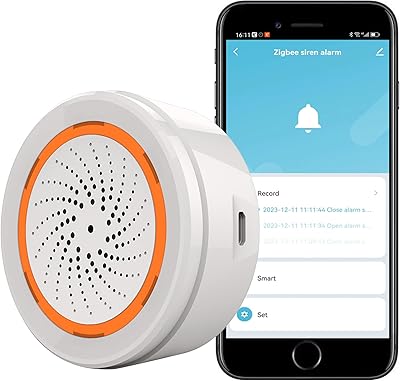
SENCKIT Zigbee Smart Siren Alarm
71%
71%
Ease of Setup
54%
Hub Dependency
67%
Sound Performance
58%
Strobe Effectiveness
73%
App Experience
More
meross Smart WiFi 4-Outlet Power Strip
81%
93%
Ecosystem Compatibility
88%
Individual Outlet Control
84%
Setup Experience
81%
App Performance
89%
Value for Money
More
UseeLink Matter Smart Power Strip
80%
91%
Matter Protocol Integration
88%
Individual Outlet Control
67%
App & Setup Experience
83%
Build Quality & Form Factor
79%
USB-C Fast Charging
More
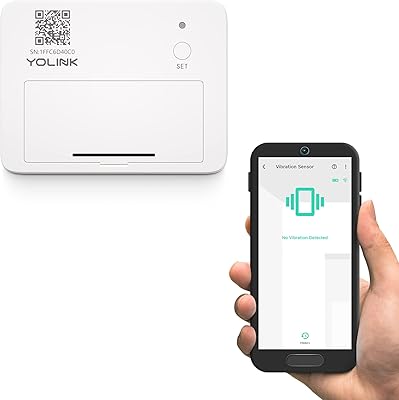
YoLink YS7201 LoRa Vibration Sensor
72%
91%
Wireless Range
88%
Value for Money
83%
Setup & Installation
79%
App & Notifications
76%
Detection Reliability
More
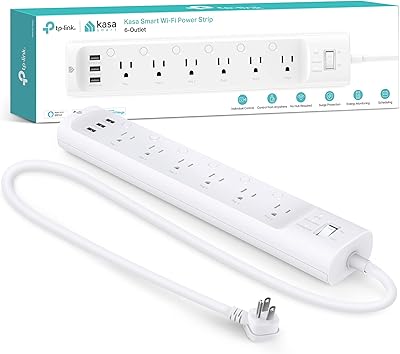
Kasa KP303 Smart Power Strip
86%
92%
Setup & Installation
94%
App Usability
89%
Wi-Fi Stability
96%
Surge Protection & Safety
61%
USB Functionality
More
Thermaltake SMART 600W ATX Power Supply
78%
91%
Value for Money
83%
Reliability & Longevity
86%
Power Stability
84%
Noise Level
48%
Cable Management
More
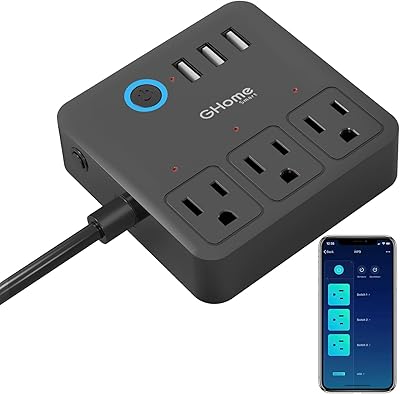
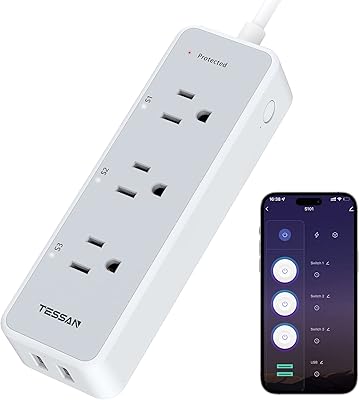
GHome Smart WP9-BK WiFi Smart Power Strip
81%
88%
Ease of Setup
79%
App Experience
83%
Voice Control Reliability
86%
Individual Outlet Control
74%
Build Quality
More
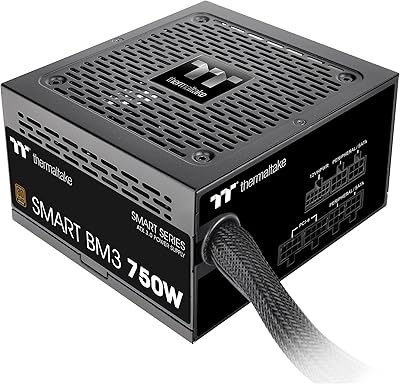
Thermaltake Smart BM3 750W Semi-Modular PSU
82%
88%
Value for Money
83%
Build Quality
86%
Noise Level
79%
Cable Management
92%
ATX 3.0 & PCIe 5.0 Compatibility
More

FAQ

Yes, the hub is genuinely required and is not included in the standard package. Without it, the app alerts, SMS, and email notifications simply will not work — you only get the local sounder. YoLink does sell a starter kit that bundles the hub with sensors, which may be a more cost-effective entry point if you are new to the ecosystem.

It does not integrate natively with those platforms out of the box. The YoLink alert device operates within its own app-based ecosystem. Some users have found workarounds through third-party automation services, but if seamless integration with a major smart home platform is a priority, you should verify current compatibility before purchasing.

Under normal standby conditions the batteries should last a reasonable amount of time, but actual backup duration during an active outage — when the device is continuously transmitting alerts — will be shorter than typical standby figures suggest. User reports are mixed on this point, with some noting the batteries held up well through multi-hour outages and others finding performance inconsistent. Keeping fresh batteries installed is a good habit.

Most users report receiving push notifications within a few seconds of an outage occurring, which is genuinely fast for a LoRa-based system. SMS delivery can occasionally lag behind by a minute or two depending on carrier routing, but the push alert through the app tends to be nearly immediate.

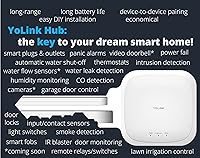
Yes, a single YoLink Hub can support multiple sensors, so you can place sensors in different rooms, outbuildings, or locations and manage them all from one app. This makes it practical for small businesses or larger properties without needing to buy a hub for each sensor.

The setup is manageable but requires some patience. You need to install the hub, connect it to your router, download the app, create an account, and then pair the sensor — there are several steps involved. Most users get through it without major issues, but a handful do report that the pairing process can be finicky on the first attempt. YoLink offers support documentation that helps.

The 1,056-foot figure is an open-air maximum, and you should expect noticeably shorter range indoors. In a typical home with standard drywall construction, LoRa generally performs well across one or two floors, but thick concrete, brick, or metal structures can reduce range significantly. Most residential use cases fall well within a workable range, but larger or unusually constructed properties may need the hub placed more centrally.

Yes, the 110 dB local sounder and LED indicators activate purely on the detection of AC power loss and do not depend on internet connectivity or the hub. The remote app alerts, however, do require the hub and an active internet connection to reach your phone.

Yes, using the Control-D2D device-to-device pairing feature you can link this AC monitoring sensor to a compatible YoLink Siren Alarm. That siren can be placed up to roughly a quarter mile away in open air, which is useful for workshops, barns, or outbuildings where you want the alarm to be audible without running any wiring between locations.

Automated phone call alerts are listed as an optional feature within the YoLink platform, so it is possible depending on your notification settings. Central station monitoring integration is also mentioned as an advanced option. For most users, the push and SMS alerts are sufficient, but it is worth exploring the app settings to configure exactly how and when you want to be contacted.