Overview

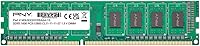
PNY Performance 8GB DDR3 Desktop RAM is the kind of upgrade that does not try to be anything it is not — a solid, dependable module built for desktop systems still running on legacy DDR3 platforms. PNY has been in the memory business long enough that their sticks just work, and that track record matters when you are dropping one into a Sandy Bridge or Ivy Bridge machine that needs more breathing room. This is not RAM for overclockers chasing benchmark scores. It is for the person keeping an older PC alive and productive without spending serious money. Budget-conscious upgraders and small office IT managers will find it hits the right balance of reliability and simplicity.
Features & Benefits

Running at 1600MHz (PC3-12800) with CL11 latency, this DDR3 memory stick covers the standard JEDEC spec that works out of the box with most motherboards from the last DDR3 generation — Intel 3rd and 4th Gen Core platforms, AMD AM3+ boards, and everything in between. The 1.5V operating voltage is right where it needs to be, with no risk of over-volting older memory controllers. It also steps down gracefully to 1333MHz on boards that cannot push higher, which is a quiet but practical advantage. There is no XMP profile here, and honestly that is fine — plug-and-play installation means no BIOS adjustments needed, which is exactly what most people in this upgrade scenario want.

Best For

This desktop RAM upgrade makes the most sense for a fairly specific type of buyer. If you are sitting on a machine stuck at 4GB and noticing it choking on browser tabs or light office work, moving to 8GB on a single DIMM is the fastest fix without touching anything else. Small businesses with a fleet of older workstations — still running Windows 10 on Haswell or older chips — will find this a cost-effective way to squeeze more life out of hardware that still has functional value. It also works well as a direct replacement when a stick fails, since broad compatibility means less guessing about whether it will play nice with whatever board is already installed.

User Feedback

Buyers consistently rate this PNY 8GB module well, and the pattern across reviews is clear: it installs cleanly, the system recognizes it without fuss, and it keeps working day after day. People replacing failed sticks or pairing two for dual-channel setups tend to be especially satisfied, since running them together noticeably improves real-world performance on older platforms. The occasional caveat involves compatibility with very old or obscure motherboards, where a BIOS update is sometimes needed before the module is recognized. Long-term reliability looks solid based on feedback trends, but checking your board's qualified vendor list first is a smart step if you are working with an unusual or aging chipset.

Pros

  • Installs without any BIOS changes needed — recognized immediately on compatible boards.
  • Works on both 1600MHz and 1333MHz motherboards, covering a wide range of legacy desktop platforms.
  • PNY is a proven memory brand with a long track record of consistent, compatible modules.
  • Single 8GB DIMM leaves a second slot free for future dual-channel expansion.
  • Standard 1.5V voltage keeps it safe and within spec for virtually all DDR3 desktop systems.
  • Highly rated by a meaningful number of verified buyers, with stable long-term performance reported.
  • Pairs well in dual-channel configurations when a second matching stick is added later.
  • Straightforward drop-in replacement for failed DDR3 sticks with minimal compatibility risk.
  • Compact and light enough that handling and installation require no special care or tools.

Cons

  • No XMP support means zero overclocking flexibility for users who want to push beyond stock speeds.
  • DDR3 is a legacy standard — this desktop RAM upgrade has no path to future platform compatibility.
  • Some users with older or obscure motherboards have needed a BIOS update before the module is recognized.
  • 8GB may still feel limiting on heavily loaded systems running multiple applications simultaneously.
  • Not compatible with DDR3L boards that require 1.35V low-voltage memory without prior verification.
  • No heat spreader or thermal protection, which may matter in poorly ventilated older cases.
  • Limited appeal for buyers who discover their system actually needs a full hardware refresh rather than just more RAM.
  • Availability and long-term support for DDR3 modules industry-wide is gradually declining as the standard ages out.

Ratings

The scores below were generated by our AI engine after analyzing verified buyer reviews for PNY Performance 8GB DDR3 Desktop RAM from multiple global markets, with spam, bot activity, and incentivized feedback actively filtered out. Each category reflects the honest balance of what real users praised and where they ran into friction — nothing is glossed over. Both the standout strengths and the genuine limitations are represented transparently in every scorecard.
Compatibility
88%
The vast majority of buyers dropped this PNY 8GB module into their older Intel Sandy Bridge, Ivy Bridge, or Haswell desktops and had it running within minutes — no BIOS changes, no fiddling. The automatic downclocking to 1333MHz on slower boards is a quiet but appreciated safety net that prevents a lot of potential headaches.
A small but recurring group of users with older or lesser-known motherboards reported needing a BIOS update before the stick was recognized. Compatibility with certain AMD budget boards from the AM2+ era also proved inconsistent, which is worth verifying before purchasing.
Ease of Installation
93%
First-time upgraders consistently described this desktop RAM upgrade as one of the easiest hardware installs they had attempted — slot it in, boot up, done. The absence of XMP configuration actually works in favor of nervous newcomers who just want the system to work without touching BIOS settings.
A handful of users noted the module fits snugly in tight cases where clearance near the CPU cooler is limited, which can make seating the stick fully a bit awkward. This is a physical case constraint rather than a flaw in the module itself, but it does come up in feedback from compact desktop form factors.
Value for Money
86%
For buyers keeping an older office PC alive or refreshing a secondary home machine, the cost-to-capacity ratio on this DDR3 memory stick is genuinely difficult to argue with. Getting a full 8GB from a reputable brand, with proven reliability, at this price tier gives it a clear edge over generic no-name alternatives.
Some buyers who compared prices across multiple vendors felt the module occasionally sits slightly above the lowest available DDR3 8GB options. For strict budget builds where every dollar matters, the premium attached to the PNY name — however modest — can be a minor sticking point.
System Performance Impact
79%
21%
Users upgrading from 4GB to 8GB noticed real differences in everyday responsiveness — fewer slowdowns when juggling multiple browser tabs, smoother operation in office suites, and less time staring at loading screens during Windows startup. For the workloads these legacy systems typically handle, the improvement is tangible.
Buyers hoping this upgrade would meaningfully speed up older processors or aging hard drives were disappointed to find those components remained the true bottleneck. The module does its job, but on systems with spinning HDDs or 1st and 2nd Gen Intel CPUs, the performance ceiling remains low regardless of RAM capacity.
Long-Term Reliability
84%
A notable portion of reviewers reported running this PNY 8GB module continuously for several years without encountering errors, crashes, or degradation in system stability. PNY's reputation for consistent manufacturing quality holds up in the feedback, with very few reports of early failure or data corruption.
As with any bare DDR3 DIMM without a heat spreader, a small number of users in poorly ventilated cases or warm environments flagged occasional memory errors after extended periods. These cases were not widespread, but thermal management in the host system does appear to be a factor in edge-case longevity.
Dual-Channel Performance
76%
24%
Buyers who purchased two of these sticks and ran them in matched dual-channel pairs reported a noticeably smoother experience compared to single-channel operation, particularly on integrated graphics platforms where memory bandwidth directly impacts display performance. The value of buying a pair is well understood among more experienced users.
Single-module buyers sometimes felt they had left performance on the table after learning about dual-channel benefits post-purchase. The product is not marketed as a kit, which means less informed buyers may miss the opportunity to configure for optimal bandwidth from the start.
Motherboard Recognition
82%
18%
On mainstream DDR3 boards from major manufacturers like ASUS, Gigabyte, and MSI, this desktop RAM upgrade was recognized correctly on first boot in virtually all cases. Users reported the system reporting the full 8GB and correct 1600MHz speed without any manual memory configuration.
Recognition problems surfaced primarily on older boards with outdated BIOS versions, and a small number of users found their system defaulting to slower speeds even when the board was technically rated for 1600MHz. Running the memory at full spec occasionally required a manual BIOS adjustment on these outlier configurations.
Build & Physical Quality
74%
26%
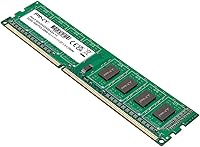
The PCB feels solid and well-manufactured for a standard bare DDR3 stick, and the contacts are clean with no reports of oxidation or fitment problems out of the box. For a module at this price tier, the physical construction is exactly what buyers should expect from an established memory brand.
The lack of a heat spreader is the most frequently noted physical limitation, particularly among users who were comparing it visually against branded enthusiast memory. While it does not affect standard performance, buyers who associate a heat spreader with quality may perceive the bare PCB as a corner cut.
Overclocking Headroom
31%
69%
For users who have no interest in overclocking — which is the clear majority of this product's target buyers — the lack of XMP is entirely irrelevant. Running at stable JEDEC specs is exactly what most legacy desktop upgraders need, and the module delivers that reliably.
There is simply no overclocking story here. No XMP profile, no tested headroom, no manufacturer guidance on pushing timings tighter. Enthusiasts or tinkerers who want any flexibility beyond stock 1600MHz CL11 will need to look at a different product category entirely.
Packaging & Unboxing
68%
32%
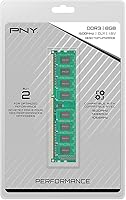
The module arrives in a standard static-protective clamshell that does the job of keeping it safe during shipping. Most buyers confirmed the stick arrived undamaged and was easy to access without any specialized tools or excessive packaging to cut through.
The packaging is functional but entirely bare-bones — no installation guide, no warranty card in the box, and no accessories included. Buyers who are newer to hardware upgrades noted they would have appreciated even a basic instruction sheet pointing them toward slot placement guidance.
Speed Tier Relevance
71%
29%
The 1600MHz DDR3 spec is the sweet spot for the platforms this module targets, covering the most common Intel and AMD desktop chipsets from the years when DDR3 was the dominant standard. Buyers get the highest JEDEC tier without paying for anything their platform cannot actually use.
DDR3 as a whole is a legacy standard, and even 1600MHz — fast for its era — is well below the bandwidth available on any modern platform. Buyers considering this upgrade need to go in with eyes open: this extends the useful life of existing hardware, but it does not modernize it.
Thermal Performance
72%
28%
Under normal desktop workloads and in adequately ventilated cases, this DDR3 memory stick runs at a perfectly safe temperature without any active or passive cooling assistance. The 1.5V operating voltage is conservative enough that heat generation is a non-issue for the vast majority of use cases.
In systems with restricted airflow — older micro-ATX or small-form-factor cases where hot air lingers — temperatures can climb higher than ideal under sustained load. Without a heat spreader to distribute warmth across the module surface, prolonged thermal stress in confined spaces is a low-but-real risk.
Brand Trustworthiness
83%
PNY has enough history in the memory and storage space that buyers are not taking a leap of faith on an unknown manufacturer. Users who had previously owned PNY products often returned to the brand specifically because their earlier modules had performed without issue over multi-year periods.
PNY does not carry the same enthusiast cachet as brands like Corsair or Kingston in memory circles, which occasionally leads buyers to second-guess their purchase even when the specs and ratings objectively support it. The brand is well regarded among practical upgraders but largely overlooked by performance-focused buyers.

Suitable for:

PNY Performance 8GB DDR3 Desktop RAM is a practical, well-matched choice for anyone still running a desktop built around an older Intel Core i3, i5, or i7 (2nd through 4th Gen) or an AMD AM3+ platform that simply needs more memory to keep up with daily demands. If your machine is stuck at 4GB and crawling through browser tabs, spreadsheets, or light media work, doubling that capacity on a single stick makes an immediate, noticeable difference without requiring any system-level changes. Small business owners refreshing a batch of aging office desktops will appreciate how straightforward the install process is — no BIOS configuration, no compatibility guesswork for standard boards. It also fits neatly into the used and refurbished PC market, where sourcing a reliable DDR3 stick at a sensible price is genuinely harder than it sounds. First-time upgraders who feel nervous about opening a PC case will find this desktop RAM upgrade about as low-risk as memory installs get.
Not suitable for:

Anyone building or upgrading a modern system should look elsewhere entirely — PNY Performance 8GB DDR3 Desktop RAM is incompatible with DDR4 or DDR5 platforms, which covers every mainstream desktop motherboard released in the last several years. Enthusiasts chasing overclocking headroom or tighter timings will also be disappointed, since this PNY 8GB module runs at standard JEDEC specs with no XMP profile and no headroom beyond rated speed. If your workload involves video editing, 3D rendering, or running virtual machines, 8GB on a legacy DDR3 platform is not going to solve the problem — the bottleneck at that point goes well beyond memory. Laptop users should not consider this at all, since it is a full-size DIMM designed exclusively for desktop slots. And if your motherboard requires low-voltage DDR3L memory at 1.35V, this stick at 1.5V may not be the right fit without confirming compatibility first.

Specifications

  • Capacity: This module provides 8GB of memory on a single DIMM, suitable for everyday desktop multitasking on legacy platforms.
  • Memory Type: Uses DDR3 SDRAM technology, the standard for desktop systems built roughly between 2007 and 2015.
  • Form Factor: Full-size DIMM (Dual Inline Memory Module) designed exclusively for desktop motherboards, not compatible with laptop slots.
  • Frequency: Rated at 1600MHz (PC3-12800), the most common DDR3 speed tier and the default for most Intel 3rd and 4th Gen Core platforms.
  • CAS Latency: Operates at CL11, which is the standard latency for 1600MHz DDR3 modules running at JEDEC specifications.
  • Voltage: Runs at 1.5V, the standard operating voltage for DDR3 SDRAM; not a low-voltage DDR3L module.
  • XMP Support: No XMP (Extreme Memory Profile) support is included, meaning the module runs only at its rated JEDEC specifications without overclocking capability.
  • Speed Compatibility: Automatically downclocks to 1333MHz on boards that do not support 1600MHz, ensuring broad compatibility across older DDR3 platforms.
  • OS Support: Officially supported on Windows 10 and earlier versions of Windows running on compatible DDR3 desktop hardware.
  • Module Weight: The module weighs 0.8 ounces, which is standard for a bare DDR3 DIMM without a heat spreader.
  • Dimensions: Physical dimensions are 8 x 5.25 x 0.55 inches, consistent with a standard full-height desktop DIMM.
  • Manufacturer: Manufactured by PNY Technologies, a company with decades of experience producing consumer and professional memory modules.
  • Model Number: The official model number is MD8GSD31600NHS, used for cross-referencing with motherboard qualified vendor lists.
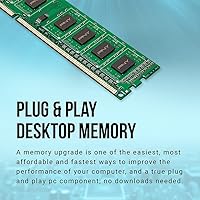
  • Heat Spreader: No heat spreader is included; the module uses a bare PCB design, which is typical for standard-voltage, non-overclocking DDR3 memory.
  • Channel Support: A single module operates in single-channel mode; installing two identical modules enables dual-channel operation for improved memory bandwidth.
  • Seller Rank: Ranked #774 in the Computer Memory category on Amazon, reflecting consistent sales volume among DDR3 desktop modules.
  • Average Rating: Holds a 4.6 out of 5 star average across more than 200 verified buyer ratings at the time of review.

Related Reviews

NVTEK 8GB DDR4 2666MHz Desktop RAM
71%
83%
Value for Money
78%
Compatibility
88%
Ease of Installation
71%
Reliability & Stability
74%
Performance at Rated Speed
More
A-Tech 16GB DDR3 1600MHz Desktop RAM
79%
93%
Value for Money
88%
Compatibility
91%
Installation Ease
86%
System Stability
82%
Performance Uplift
More
KingSpec 32GB DDR4 3200MHz Desktop RAM
80%
91%
Value for Money
93%
Installation Ease
84%
Compatibility
87%
Stability & Reliability
78%
Performance at Rated Speed
More
A-Tech 32GB DDR3 1600MHz Desktop RAM
78%
91%
Value for Money
74%
Compatibility Range
88%
Installation Experience
89%
System Stability
86%
Thermal Performance
More
Corsair Vengeance 8GB DDR3 Desktop RAM
76%
91%
Installation Ease
93%
Reliability & Longevity
83%
Value for Money
44%
Platform Longevity
63%
XMP Configuration
More
Yongxinsheng DDR3 32GB Kit (8GBx4) Desktop RAM 1600MHz
85%
88%
Performance
92%
Ease of Installation
90%
Value for Money
83%
Heat Dissipation
75%
Compatibility with Motherboards
More
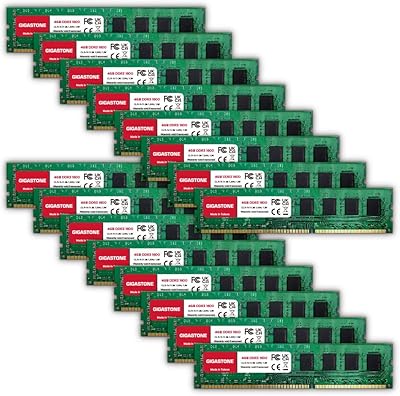
Gigastone 64GB Kit (16x4GB) DDR3 1600MHz Desktop RAM
84%
88%
Performance
91%
Installation Ease
85%
Compatibility
82%
Energy Efficiency
87%
Build Quality
More
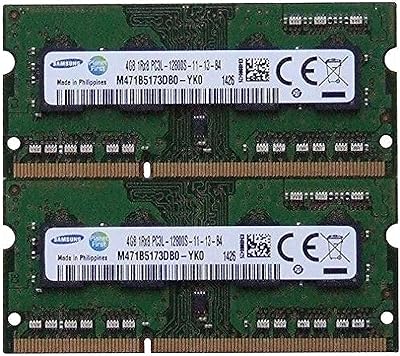
Samsung 8GB DDR3 PC3L-12800 SODIMM RAM
78%
93%
Installation Ease
91%
Brand & Chip Reliability
87%
Value for Money
76%
Performance Impact
62%
Mac Compatibility Range
More
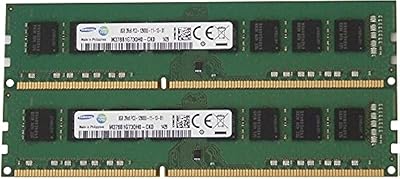
Samsung 16GB (2 x 8GB) DDR3 1600 MHz Desktop Memory Module
89%
93%
Performance Boost for Multitasking
88%
Ease of Installation
91%
Gaming Performance
92%
Build Quality and Durability
89%
Compatibility with Desktops
More
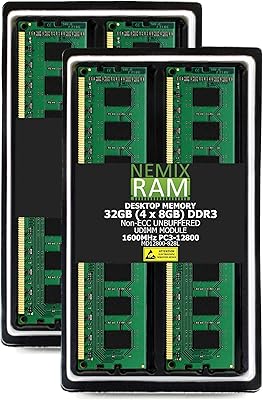
NEMIX RAM 32GB (4x8GB) DDR3 1600MHz PC3-12800 Desktop Memory Kit
87%
88%
Performance
95%
Ease of Installation
92%
Energy Efficiency
91%
Value for Money
85%
Compatibility
More

FAQ

Yes, it should work without any issues. Intel 3rd Gen (Ivy Bridge) and 4th Gen (Haswell) platforms are among the most common DDR3 1600MHz environments, and this PNY 8GB module is built to JEDEC spec, which means standard boards recognize it automatically. If you want to be thorough, cross-check the model number MD8GSD31600NHS against your motherboard manufacturer's qualified vendor list.

Yes, AMD AM3+ boards support DDR3 memory, and this desktop RAM upgrade runs at the standard 1600MHz spec that those platforms commonly use. Just confirm your board supports 1.5V DDR3 rather than requiring DDR3L at 1.35V, and you should be good to go.

It will. This DDR3 memory stick automatically downclocks to 1333MHz on boards that cap out at that speed. You will not get the full 1600MHz rated frequency, but the module will run stably at 1333MHz without any manual configuration needed.

In most cases, no. The PNY Performance 8GB DDR3 Desktop RAM runs at standard JEDEC specifications, so your system will detect and configure it automatically on first boot. There is no XMP profile to enable, and no voltage or timing adjustments are required under normal conditions.
Yes, and it is a worthwhile upgrade if your motherboard has a second DDR3 slot available. Running two matched 8GB sticks in dual-channel mode increases memory bandwidth noticeably, which benefits everyday performance on older platforms. Just make sure both sticks are identical or at minimum match in speed and capacity.

This is worth checking carefully. This module operates at 1.5V, which is standard DDR3. Some newer low-power platforms specify DDR3L at 1.35V. Many DDR3L-compatible boards will also accept standard 1.5V DDR3, but not all of them do. Check your motherboard manual or manufacturer specs before purchasing if you are unsure.

On an older DDR3 desktop, the jump from 4GB to 8GB is one of the most noticeable upgrades you can make for everyday tasks. Web browsing with multiple tabs, running office applications alongside email, and general Windows responsiveness all improve meaningfully. Do not expect it to transform a slow processor into a fast one — the rest of your hardware still matters — but memory headroom is often the actual bottleneck on 4GB systems.

PNY typically backs their memory products with a limited lifetime warranty, which is standard practice for the brand. It is worth confirming current warranty terms directly with PNY or the retailer at the time of purchase, as warranty policies can vary by region or product revision.

Yes, it matters. Most dual-channel motherboards require you to install matching sticks in specific paired slots — often slots 1 and 3 or 2 and 4 — rather than adjacent slots. Check your motherboard manual for the recommended configuration; it usually shows a diagram. Installing in the wrong slots will still work, but the system will run in single-channel mode instead.

It is a solid pick for exactly that kind of build. If you are piecing together a secondary workstation or a basic home office machine from used DDR3 parts, this DDR3 memory stick covers the most common speed and form factor spec without overcomplicating things. The broad compatibility across legacy Intel and AMD platforms means less time worrying about whether it will work and more time actually using the machine.

Where to Buy