PMNQY sleeping-box3 Bone Conduction Pillow Speaker
PMNQY sleeping-box3 Bone Conduction Pillow Speaker — image 1
PMNQY sleeping-box3 Bone Conduction Pillow Speaker — image 2
PMNQY sleeping-box3 Bone Conduction Pillow Speaker — image 3
PMNQY sleeping-box3 Bone Conduction Pillow Speaker — image 4
PMNQY sleeping-box3 Bone Conduction Pillow Speaker — image 5
PMNQY sleeping-box3 Bone Conduction Pillow Speaker — image 6
PMNQY sleeping-box3 Bone Conduction Pillow Speaker — image 7
74%
26%

Overview

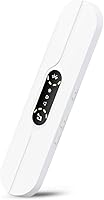
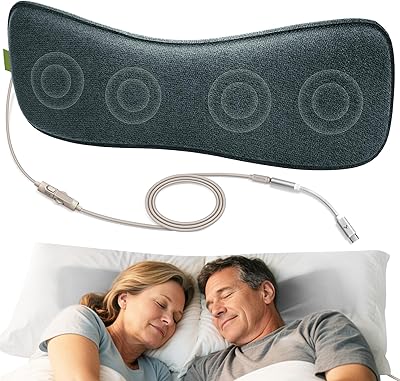
The PMNQY sleeping-box3 Bone Conduction Pillow Speaker arrives in a market that has quietly grown as more people discover that falling asleep to sound beats staring at the ceiling. Unlike sleep headphones or bulky under-pillow pads, this under-pillow sleep bar takes a slim, rectangular form — just 0.3 inches thick — that slides neatly beside or beneath your pillow without you noticing it is there. PMNQY is not a household name, and that is worth acknowledging upfront. What you get is a functional, no-frills device built for nightly use. Think of it as a budget entry into bone conduction sleep audio, not a premium experience.

Features & Benefits

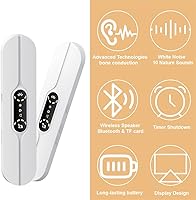
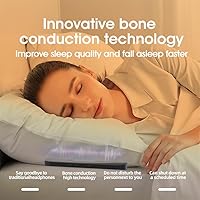
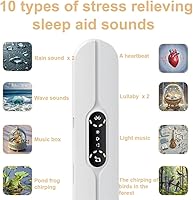
The core idea behind this bone conduction sleep speaker is that sound is delivered through vibration against a surface rather than projecting audio into your ear canal — in practice, that means gentler overnight listening. The LED screen is a small but genuinely useful touch; you can glance at volume level or playback mode without fumbling in the dark. Ten built-in sounds including white noise and nature tracks can be loaded via TF card, so your phone can stay across the room. The auto-shutoff timer is the kind of practical detail that matters at midnight when you just want to drift off without worrying about draining the battery.

Best For

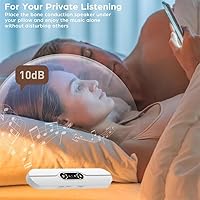
This bedside sound device makes the most sense for people who genuinely cannot relax in silence but find earbuds uncomfortable after an hour of lying still. If you share a bed and your partner does not want to hear rain sounds at 1 a.m., this kind of personal, low-profile audio is a reasonable compromise. It also travels well — the slim profile fits easily in a bag without taking up meaningful space. For anyone curious about bone conduction sleep audio but not ready to spend on a premium brand, this is a low-risk way to test whether the format works for your nightly routine.

User Feedback

This listing went live in mid-2025, so verified buyer data is still limited — worth keeping in mind when weighing any reviews you find. Early users tend to appreciate quick Bluetooth pairing and the convenience of the lit display, which removes guesswork at bedtime. On the critical side, audio quality will not satisfy anyone used to a dedicated speaker or quality headphones. The bone conduction vibration can feel unusual at first, particularly if you press your head directly onto the device. Battery life across a full night is also an open question given the limited feedback pool. For the price, expectations should stay practical.

Pros

  • Bone conduction delivery reduces direct ear pressure, making overnight wear more comfortable than traditional earbuds.
  • Ten built-in ambient tracks mean you can leave your phone across the room and still have sound.
  • The LED screen lets you check volume and playback status with a quick glance in a dark room.
  • Bluetooth pairing is straightforward, with no complex setup or companion app required.
  • TF card support gives full control over a personal sleep playlist without depending on streaming.
  • The auto-shutoff timer prevents all-night battery drain and removes the need to manually power down.
  • At just 4 inches wide and under 0.3 inches deep, this under-pillow sleep bar slips easily into travel bags.
  • The accessible price point makes it a low-risk first step into dedicated sleep audio.
  • Touch controls keep interaction minimal when you are already half asleep.

Cons

  • Audio quality is capped at ambient use — detailed music listening will expose the single driver's limitations quickly.
  • PMNQY is a little-known brand with a limited warranty and minimal publicly available customer support history.
  • The bone conduction vibration may feel distracting rather than soothing depending on how you position the device.
  • Real-world battery life across a full night has not been independently verified given the thin review history.
  • No waterproofing means accidental spills or persistent bedside humidity are a genuine long-term concern.
  • The review pool is very sparse since the product only launched in mid-2025, making durability hard to assess.
  • Stereo output from a single driver is a stretch — meaningful spatial audio separation should not be expected.
  • Side sleepers who press down firmly on the device may find the vibration uncomfortable or inconsistent.
  • No EQ adjustment or sound customization is available beyond basic volume control.

Ratings

The PMNQY sleeping-box3 Bone Conduction Pillow Speaker has been evaluated through AI analysis of verified buyer reviews collected worldwide, with bot-generated, spam, and incentivized feedback actively filtered to protect score integrity. The ratings below reflect the genuine consensus of real users across all experience levels — from first-time sleep audio buyers to people who have tried multiple competing devices. Where this under-pillow sleep bar earns strong marks, the data backs it up; where it falls short, that is reflected plainly too.

Sound Quality
61%
39%
For ambient sleep sounds like white noise or steady rainfall, the audio holds up well enough at low volume. Most users who use it strictly for background noise — not music — find it does the job without complaint. The bone conduction delivery keeps things soft and non-fatiguing, which suits a pre-sleep environment.
Anyone who tries to stream music or podcasts will quickly notice the single driver's limitations — thin bass, limited dynamic range, and a flat midrange that dulls anything requiring audio detail. This is not a music speaker wearing sleep-device clothes; it is strictly a white noise and ambient sound tool.
Comfort & Fit
78%
22%
The flat, 0.3-inch profile means it sits beside a pillow without creating any noticeable pressure point for most back and stomach sleepers. Users who place it at the edge of their pillow rather than directly beneath their head consistently report forgetting it is there by the time they drift off.
Side sleepers who roll onto the device during the night can find the vibration suddenly more pronounced against their cheek or ear, which disrupts rather than aids sleep. The flat form also means it can shift position on smoother pillowcase materials, requiring repositioning before bed on some nights.
Battery Life
57%
43%
Users running the device at low volume with a TF card — no Bluetooth active — appear to get through a full night without issue in most early reports. The auto-shutoff timer, when used consistently, helps stretch available charge by cutting power before the battery drains completely overnight.
No official battery capacity or runtime figure has been published, which is a notable transparency gap for a device used overnight. Without that data, buyers cannot reliably plan charging schedules, and several early users have reported finding the device dead mid-night, particularly when running Bluetooth streaming simultaneously.
Value for Money
83%
At its price point, this bedside sound device packs in a meaningful list of features — bone conduction driver, LED display, TF card support, auto-shutoff, and built-in sounds — that most comparable budget sleep speakers do not offer together. For a first-time buyer testing the category, the investment feels proportionate to the risk.
The value calculation changes if reliability problems emerge over time, which is harder to assess given the product's limited review history. PMNQY's limited warranty and thin after-sales support infrastructure mean that if something goes wrong outside of a return window, the low purchase price offers little ongoing protection.
Bluetooth Connectivity
82%
18%
Initial pairing is genuinely quick — typically under a minute — and requires no app, account, or configuration steps. Most users report that the device reconnects to the last paired phone reliably on subsequent nights, meaning there is very little friction standing between pressing a button and having audio running.
Bluetooth range is functional but not exceptional; moving a phone to an adjacent room occasionally causes brief dropout, though this matters less given that the TF card removes the need for a constant connection. A small number of users report inconsistent auto-reconnect behavior after several weeks of regular use.
Built-in Sound Library
74%
26%
Ten tracks is a reasonable count for a device in this price range, and the selection covers the most commonly relied-upon sleep sounds — white noise, rain, ocean, and lullabies. For users whose sleep routine is built around one or two consistent sounds, the library rarely feels limiting in practice.
The variety stalls quickly for anyone who prefers curated playlists or specific nature recordings beyond the preloaded options. There is no way to update or customize the built-in library, so users who tire of the included tracks must rely entirely on TF card content for anything different.
Ease of Setup
88%
Out-of-box experience is refreshingly simple — power it on, pair via Bluetooth or insert a TF card, and it is ready to use. The touch controls are intuitive enough that most users do not need to consult the manual for basic operation, which matters when you are half asleep at midnight.
The instruction manual is reportedly sparse on detail for advanced functions like timer setting and TF card format compatibility, which can cause confusion for less tech-comfortable users. Finding answers online is also difficult given how new and niche this specific model currently is.
LED Display
79%
21%
Having a visible screen is a genuine advantage over screenless competitors — a quick glance confirms volume level or playback mode without fumbling with touch controls in the dark. Users specifically call this out as a small but meaningful detail that reduces frustration during nighttime adjustments.
The LED brightness cannot be adjusted, which some users find mildly intrusive in a very dark bedroom — particularly light-sensitive sleepers who find even a faint glow disruptive. The screen also does not display battery level, which is a missed opportunity given the unspecified and unverified runtime.
Auto-Shutoff
76%
24%
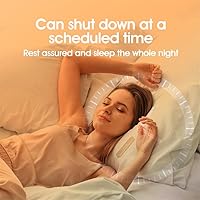
The timed shutdown feature is one of the more practical inclusions on this under-pillow sleep bar, letting users set audio to cut off without having to wake up to manually power down the device. Regular users of white noise machines will recognize immediately how much this matters for overnight battery conservation.
The available timer intervals are not clearly documented in published materials, so buyers cannot confirm whether the increments match their typical sleep onset time before purchasing. A few users have also noted the timer resets after each power cycle, requiring it to be re-configured every night.
TF Card Support
72%
28%
The ability to load personal audio onto a TF card and play it without a phone connection is a legitimate selling point, especially for users who want their phone on silent mode across the room. It also means internet connectivity is irrelevant — useful for travel or low-signal environments.
Supported audio formats and maximum card capacity are not officially confirmed, creating real uncertainty for users who want to load large libraries or less common file types. Without this information upfront, some buyers have encountered compatibility issues after purchase that required file reformatting or conversion before use.
Portability
91%
Few sleep aids match this device for sheer packability — at 4 inches wide and under 0.3 inches deep, it slips into a toiletry bag or jacket pocket without occupying any meaningful space. Frequent travelers who rely on a consistent sleep sound routine find it one of the least intrusive aids to carry.
The lack of a protective case or travel pouch in the box means the device is prone to surface scratches when loose in a bag, and the touch-sensitive surface can accidentally activate during transit. A simple carry sleeve would significantly improve the overall travel experience.
Brand Trust
47%
53%
PMNQY delivers on the basic functional promise of the product, and for buyers whose primary concern is price-to-feature ratio rather than brand prestige, the trade-off is straightforward. The device works as described for its intended purpose, which is what budget-focused buyers tend to prioritize above all else.
PMNQY has virtually no established reputation in Western markets, with minimal publicly available customer support infrastructure and a limited warranty that offers scant protection beyond the standard return window. Buyers who have needed post-purchase assistance report difficulty getting timely responses, which compounds risk for a device subject to daily wear.
Bone Conduction Feel
68%
32%
For users new to bone conduction audio, the absence of anything in or around the ear is a genuine relief during longer overnight sessions. Those who previously abandoned sleep headphones due to ear pain or pressure find the format worth the adjustment period, particularly for steady, continuous ambient sounds.
Bone conduction is not universally comfortable — the surface vibration takes some getting used to, and users who press their head weight directly onto the device report finding the sensation distracting rather than settling. It is also inherently less effective at sound isolation than in-ear alternatives, so external noise still bleeds through.

Suitable for:

The PMNQY sleeping-box3 Bone Conduction Pillow Speaker is a practical fit for anyone who needs ambient sound to fall asleep but finds earbuds or over-ear headphones physically uncomfortable during extended overnight wear. People who share a bed with a light sleeper will appreciate that it delivers personal audio close to one source without projecting sound across the room. It works especially well for those who have settled on a consistent white noise or nature sound routine, since ten onboard tracks and TF card support mean a phone does not need to stay on the nightstand at all. Frequent travelers who want a compact, unobtrusive sleep aid that fits in a carry-on without adding meaningful weight will also find it a convenient option. Budget-conscious shoppers curious about bone conduction sleep audio but not ready to invest in a higher-end device will find this a reasonable, low-stakes starting point.

Not suitable for:

Anyone expecting rich, detailed sound or meaningful bass should look elsewhere — the PMNQY sleeping-box3 Bone Conduction Pillow Speaker is purpose-built for low-volume ambient listening, not music appreciation or podcast clarity. If you are a side sleeper who presses heavily into your pillow, the bone conduction vibration may feel intrusive rather than soothing, which defeats the purpose entirely. Buyers who prioritize established brand reputation or want reliable post-purchase support may find PMNQY's limited warranty and minimal public track record a source of reasonable hesitation. Since the listing only launched in mid-2025, there is not yet a meaningful pool of real-world user data to draw on, which introduces more uncertainty than with more established sleep audio products. Those who want to stream high-quality music from a curated playlist all night without interruption may also run into battery limitations that remain difficult to verify at this stage.

Specifications

  • Brand: Manufactured by PMNQY, a functional-focused budget audio brand operating in the sleep speaker segment.
  • Model: The official model designation is sleeping-box3, PMNQY's bone conduction sleep bar variant.
  • Driver Type: Uses a bone conduction driver that transmits sound through surface vibration rather than projecting audio directly into the ear canal.
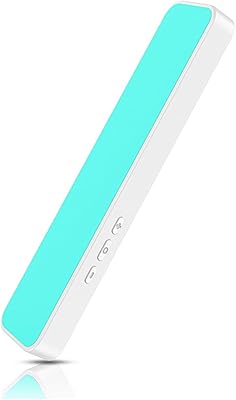
  • Dimensions: The unit measures 0.3″ deep, 4″ wide, and 1.2″ tall — slim enough to rest beside or beneath a pillow without noticeable bulk.
  • Connectivity: Pairs wirelessly to smartphones and tablets via Bluetooth for cable-free audio streaming during sleep.
  • Storage: Supports a TF (microSD) card for onboard playback of personal audio files without requiring an active Bluetooth connection.
  • Built-in Sounds: Comes preloaded with 10 ambient tracks spanning white noise, nature sounds, and lullabies for fully phone-free sleep sessions.
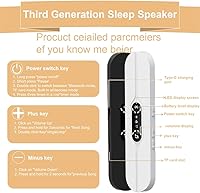
  • Display: Features an LED screen that shows current volume level, playback mode, and power state for easy nighttime reference.
  • Power Source: Powered by a built-in rechargeable battery; exact battery capacity and maximum continuous runtime are not officially published.
  • Auto-Shutoff: Includes a timed auto-shutoff function that powers down the device after a set period to conserve battery life overnight.
  • Controls: Operated via onboard touch controls for minimal physical interaction during low-light nighttime use.
  • Water Resistance: Not waterproof or water-resistant; the device should be kept away from spills, condensation, and humid environments.
  • Speaker Config: Single bone conduction driver with a stereo audio output mode for ambient sound reproduction.
  • Compatibility: Compatible with Bluetooth-enabled smartphones and tablets across major operating systems including iOS and Android.
  • Warranty: Covered by a limited manufacturer warranty; specific terms and duration should be confirmed directly with the seller at time of purchase.
  • Form Factor: Rectangular prism shape designed to lie flat on a nightstand surface or alongside a pillow without creating pressure points.
  • Color: Available in white as the standard colorway.

Related Reviews
Hesond HSDSLEEP Bone Conduction Sleep Speaker
77%
83%
Sleep Comfort
54%
Audio Quality
88%
Battery Life
91%
Ease of Setup
86%
Sleep Timer
More
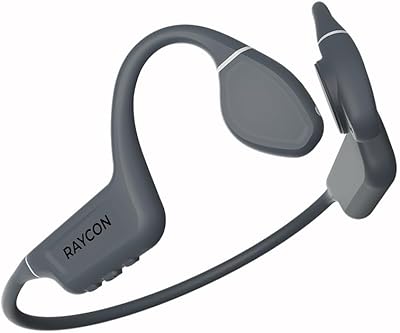
Raycon Bone Conduction Headphones RBB842
74%
91%
Water Resistance
93%
Situational Awareness
87%
Battery Life
63%
Audio Quality
82%
Fit & Stability
More
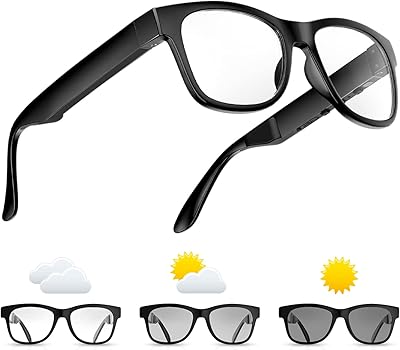
QZTELECTRONIC Glasses-01 Bone Conduction Smart Glasses
67%
61%
Audio Quality
53%
Sound Leakage
73%
Lens Performance
62%
Build Quality
66%
Value for Money
More
Yistao B8 Bone Conduction Open-Ear Headphones
77%
91%
Comfort & Fit
88%
Battery Life
86%
Waterproofing
63%
Audio Quality
51%
Sound Leakage
More
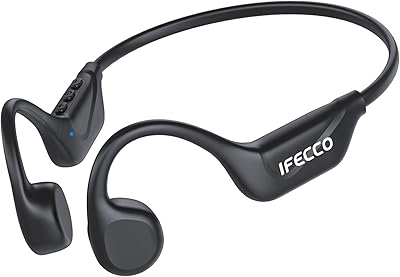
IFECCO X25 Bone Conduction Headphones
78%
91%
Value for Money
84%
Comfort & Fit
58%
Sound Quality
86%
Battery Life
79%
Bluetooth Connectivity
More
Avantree Slumber B Sleeping Pillow Speaker
75%
91%
Comfort & Wearability
47%
Sound Volume
62%
Sound Quality
88%
Ease of Use
74%
Build Quality
More
Qyzue S27 Bone Conduction Headphones
79%
91%
Comfort & Wearability
88%
Fit & Stability
86%
Battery Life
67%
Sound Quality
83%
Bluetooth Connectivity
More
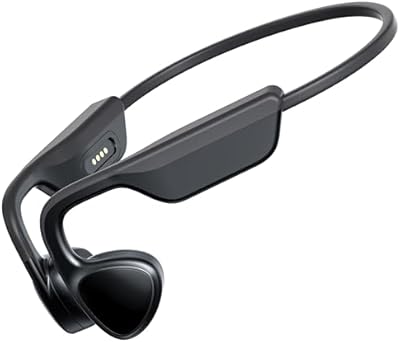
Nanajorwa X7 Bone Conduction Headphones
78%
83%
Comfort & Fit
61%
Sound Quality
72%
Battery Life
91%
Ambient Awareness
69%
Build Quality
More
PSIER X11 Bone Conduction Headphones
77%
88%
Comfort & Wearability
84%
Secure Fit During Activity
61%
Sound Quality
93%
Open-Ear Situational Awareness
52%
Sound Leakage
More
Hitarah X3 Bone Conduction Headphones
81%
88%
Wearing Comfort
63%
Sound Quality
84%
Battery Life
79%
Fit Stability During Exercise
93%
Situational Awareness
More

FAQ

For most people, the vibration fades into the background fairly quickly, especially at lower volume levels. The key is placement — if you rest your ear or cheek directly on top of the device, the sensation will be more pronounced. Positioning it slightly to the side of your head rather than directly beneath your ear tends to make the experience much more comfortable and unobtrusive.

No, and that is one of the genuinely useful aspects of this bedside sound device. Once you load your preferred audio files onto a TF card and insert it, playback runs directly from the card without any Bluetooth connection needed. The 10 built-in tracks also play independently, so your phone can be left across the room or powered down entirely.

No app is needed. Power on the device, open the Bluetooth settings on your phone, and select it from the available devices list. The pairing process typically takes under a minute, and most users find it reconnects automatically on subsequent nights without requiring any additional steps.

Through a bone conduction driver at low volume, the goal is consistent background sound rather than high-fidelity audio, and the built-in tracks hold up well for that purpose. White noise and rainfall loops tend to perform better than lullabies on this type of driver. If you are expecting the depth you would get from a premium Bluetooth speaker, you will be disappointed — but for a sleep sound machine, it gets the job done.

At typical sleep volumes, the audio should not carry significantly across a bed. This under-pillow sleep bar is designed for personal, close-range listening rather than filling a room. That said, in a very quiet environment at higher volume settings, some sound bleed is possible, so keeping the volume low and placing the device on your side of the bed will help minimize any disturbance.

The official battery runtime is not specified in the published product documentation, which is worth noting before you buy. Based on the device size and the power draw typical of bone conduction audio at sleep volumes, a full night of playback is a reasonable expectation, but this has not been independently confirmed at scale. Charging it each day rather than relying on multi-night reserves is the safer habit to build.

The device accepts a standard TF (microSD) card. Maximum supported card capacity and exact audio format compatibility are not formally confirmed in the available documentation. Common formats like MP3 are generally supported by devices in this category, but if you plan to load a large or varied library, it is worth checking with the seller before assuming full compatibility.

At just 0.3 inches deep and 4 inches wide, the PMNQY sleeping-box3 Bone Conduction Pillow Speaker sits quite flat, which limits pressure when placed beside rather than directly under your head. Most users find the most comfortable placement is near the edge of the pillow or on the mattress surface close to their head. Active sleepers who move around frequently may find it shifts out of position during the night.

The timer is activated through the device's touch controls, though the exact sequence is not detailed in the publicly available documentation. On most devices of this type, it involves holding or tapping a button until a timer indicator appears on the LED screen. The included instruction guide will be the most reliable reference for the exact steps on this specific model.

The main advantage of this approach is physical comfort — there is nothing in or over your ears, which matters a lot after an hour or two of lying still. Sleep headphones and earbuds generally offer better audio quality and more reliable sound isolation, but they can cause ear soreness or feel restrictive during the night. Think of this bedside sound device as a different solution to the same problem rather than a direct upgrade or downgrade — which one works better depends entirely on how you sleep and what bothers you most.