Overview

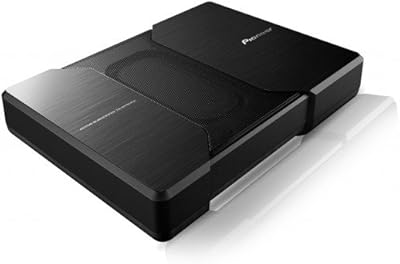
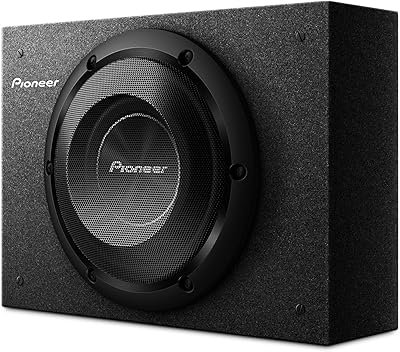
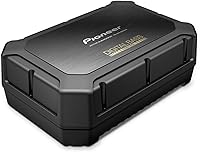
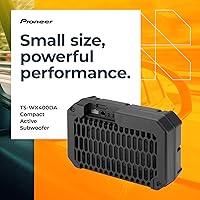
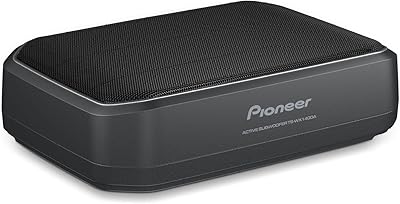
The Pioneer TS-WX400DA Compact Powered Car Subwoofer is built for one specific type of driver: someone who wants real bass improvement without ripping apart their car's interior or running new wiring for a separate amplifier. Pioneer has been a trusted name in car audio for decades, and this model sits squarely in their convenience-first category — not their performance flagship line. The slim, sealed enclosure measures under 4 inches tall, tucking cleanly under most passenger or rear seats. At its mid-to-premium price point, you are paying for all-in-one simplicity, and understanding that trade-off upfront will save you from unrealistic expectations later.
Features & Benefits

The built-in Class D amp is the centerpiece here — it runs cooler and draws less current than traditional designs, which genuinely matters when electronics are crammed into a sealed box with limited airflow. Two selectable bass modes give you real control: Deep mode rounds out the low-end nicely for hip-hop or R&B, while Dynamic mode tightens the response for rock or spoken-word content where punch counts more than rumble. High-level speaker inputs let you tap directly into existing speaker wires, so keeping your factory head unit is not a compromise. The wired remote, with its nearly 16-foot cable, handles driver-seat adjustments without any contortion.

Best For

This Pioneer powered sub is the right call for commuters and daily drivers who want genuine low-end without a weekend installation project. It fits naturally in sedans, compact SUVs, and crossovers where trunk space is already claimed. The sealed enclosure delivers tight, controlled bass that adds weight to kick drums and basslines without overwhelming the cabin. That said, if you are chasing sub-bass that extends below 40Hz or you want serious volume output, a ported box paired with a dedicated external amp will outperform this slim under-seat subwoofer every time. Honest expectations matter here.

User Feedback

Owners consistently note that the improvement over factory speakers is immediately obvious — the TS-WX400DA simply moves more air than any OEM driver can. Most report finishing the install in under an hour using basic hand tools, which aligns with Pioneer's claims. Long-term reliability feedback has been largely solid, with no recurring heat issues reported by owners who have run the unit for a year or more. Where opinions diverge is output ceiling — at higher volumes, some listeners feel this slim under-seat subwoofer runs out of headroom compared to a separate amp-and-sub pairing. The remote's plastic build also draws scattered criticism as feeling underwhelming for the overall asking price.

Pros

  • Installs in under an hour for most vehicles using basic hand tools — no professional help needed.
  • Works directly with factory head units via high-level speaker inputs, so no new radio is required.
  • The built-in Class D amp runs cool and efficiently, even tucked away in a sealed under-seat space.
  • Two selectable bass modes let you match the sound character to your music genre or personal preference.
  • At under 4 inches tall, the TS-WX400DA fits under most passenger seats without blocking legroom.
  • The wired remote puts bass control at your fingertips from the driver seat without any reaching or guessing.
  • Long-term owners consistently report reliable, stable performance with no heat-related failures.
  • Everything needed for a basic install — harness, fuse, and mounting hardware — is included in the box.
  • Noticeable, immediate improvement over factory speakers that even casual listeners will appreciate.

Cons

  • Max output headroom is limited; at higher volumes, this slim under-seat subwoofer can feel strained.
  • The 250W rating is a peak figure — real-world continuous output is considerably lower, so manage expectations accordingly.
  • Sub-bass extension below roughly 40Hz is modest; deep rumble fans will likely feel shortchanged.
  • The plastic wired remote feels inexpensive relative to the overall cost of the unit.
  • Larger vehicles like full-size trucks or SUVs may not get enough bass fill from a single compact enclosure.
  • No wireless connectivity means the remote cable needs to be routed and managed during install.
  • Buyers upgrading from a dedicated amp-and-sub setup will likely find the output a step down, not up.
  • Frequency response tops out at 125Hz, leaving some mid-bass duties to door speakers that may not be up to the task.

Ratings

The scores below reflect an AI-driven analysis of verified buyer reviews for the Pioneer TS-WX400DA Compact Powered Car Subwoofer, drawn from global purchase data with spam, bot-generated, and incentivized feedback actively filtered out. Every category captures what real owners experienced over weeks and months of daily use — not just first impressions. Both the genuine strengths and the recurring frustrations are reflected transparently so you can make a well-informed call.

Ease of Installation
92%
This is arguably where this Pioneer powered sub earns its strongest marks. The vast majority of owners — even those with zero prior car audio experience — report completing the full install in 45 minutes to an hour using only a screwdriver and wire stripper. The included harness and pre-fused power lead remove most of the guesswork.
A small number of users found routing the remote control cable neatly behind trim panels more fiddly than expected. Owners of vehicles with particularly deep or sealed seat-rail channels also noted that fishing wires through tight spots added time to what is otherwise a straightforward job.
Bass Quality
74%
26%
For commuters replacing a tinny factory system, the improvement in bass presence is immediately noticeable and genuinely satisfying. The sealed enclosure keeps bass tight and controlled rather than boomy, which suits daily listening genres like pop, hip-hop at moderate volume, and acoustic music that benefits from a fuller low-end foundation.
Listeners who want bass that physically moves air or extends convincingly below 40Hz will hit the ceiling of what a compact sealed unit can physically deliver. At higher volume levels, the sub begins to sound labored, and the gap compared to a purpose-built ported box with a dedicated external amp becomes hard to ignore.
Factory Stereo Compatibility
91%
The high-level speaker input system works reliably with the overwhelming majority of OEM factory head units without any additional adapters or signal processors. Owners who specifically wanted to avoid replacing their factory radio praised this as the defining reason they chose this slim under-seat subwoofer over alternatives.
A handful of users with certain older or non-standard factory systems reported needing to verify wire polarity carefully before connecting, as incorrect polarity caused phase issues rather than outright failure. It is not a widespread problem, but it caught a few buyers off guard during install.
Size & Fitment
88%
At just under 4 inches tall, the TS-WX400DA slides under most front passenger seats in sedans, crossovers, and compact SUVs without sacrificing legroom. Owners of space-constrained vehicles like Honda Civics, Toyota Corollas, and similar compact cars specifically called out the fitment as a deciding factor in their purchase.
Vehicles with particularly low seat frames, under-seat storage bins, or complex rail systems presented real fitment challenges for a minority of buyers. A few truck owners also noted that while the unit technically fits, the placement felt exposed rather than tucked away without some additional securing effort.
Volume & Output Headroom
61%
39%
For background listening and moderate daily volume levels, the output is fully adequate and adds genuine warmth to the overall system. Owners who listen at 60 to 70 percent of their head unit's maximum volume range rarely pushed the sub to its limits and stayed satisfied for months of regular use.
The 250W rating is a peak maximum, and the real continuous output is considerably lower — a fact that catches some buyers by surprise. At higher volumes, distortion becomes perceptible before the rest of the system does, and anyone who regularly drives with the volume cranked will likely feel this unit underdelivers relative to its price.
Build Quality
78%
22%
The main enclosure feels solid and well-assembled, and the IMPP driver cone shows no signs of degradation even in owners who have run the unit through hot summers and cold winters. Long-term users — those past the one-year mark — largely report the unit looking and performing the same as day one.
The wired bass remote is a consistent weak point in build perception; its plastic construction feels noticeably budget relative to the cost of the overall unit. A small number of owners also reported the mounting feet loosening over time on vehicles with significant cabin vibration, requiring occasional re-tightening.
Bass Mode Versatility
83%
Having two distinct bass characters in a single unit adds genuine practical value that owners appreciate more over time than they expected at purchase. Deep mode works especially well for R&B and lo-fi playlists, while Dynamic mode tightens up noticeably for rock, electronic, or spoken-word content during commutes.
The difference between the two modes, while real, is subtle enough that some users initially wondered if the switch was functioning correctly. Buyers expecting a dramatic night-and-day shift in sound character may need time to train their ears to distinguish the two profiles clearly.
Remote Control Usability
69%
31%
The 16.25-foot cable length is generous enough to reach the driver seat from under the passenger seat or even from a trunk installation in most normal-sized vehicles. Owners appreciate being able to nudge the bass level up or down without pulling over or reaching awkwardly across the cabin.
The remote itself is a simple knob housed in plastic, and the tactile feedback when adjusting levels is minimal — you cannot easily tell how much you have changed the level without listening carefully. The build quality of the remote unit is the single most criticized accessory in the entire package.
Thermal Management
89%
The Class D amplifier's efficiency advantage is real in practice, not just on paper. Verified long-term owners who have run the TS-WX400DA through multi-year ownership cycles report no heat-related shutdowns, thermal warnings, or performance degradation, even in climates with extreme summer temperatures inside parked vehicles.
Pioneer recommends basic airflow clearance around the unit, and the rare overheating complaints that do appear in reviews almost exclusively come from owners who fully enclosed the unit inside tight storage areas with no ventilation gap at all — essentially an installation error rather than a product defect.
Value for Money
67%
33%
For buyers who specifically value the all-in-one convenience of having enclosure, driver, and amplifier in a single ready-to-install package, the price is defensible. The time saved versus sourcing and assembling a comparable three-component system has real monetary value that some owners explicitly acknowledge in their reviews.
Buyers who compare the raw audio performance against a separately assembled amp-plus-subwoofer setup in the same price range often conclude the convenience premium is steeper than they expected. For performance-focused buyers, this unit can feel like it asks a lot for what it delivers at the volume ceiling.
Long-Term Reliability
86%
Multi-year ownership reviews paint a reassuring picture — most owners who installed the unit correctly report zero functional issues over extended periods of daily use. Pioneer's hardware reputation in the car audio segment adds confidence, and the sealed enclosure protects the driver from road dust and incidental moisture exposure.
There are scattered reports of the wired remote developing inconsistent behavior after one to two years of use, suggesting the remote connection or internal potentiometer may be a durability weak point over the very long term. This is a minority experience, but it appears with enough frequency to be worth noting.
Wiring & Setup Completeness
84%
Arriving with a pre-fused power lead, wire harness, and mounting hardware means most buyers can start the install immediately without a separate trip to an electronics store. Owners frequently mention this out-of-box completeness as a pleasant surprise compared to competitors that require purchasing accessories separately.
The included wire harness is functional but uses relatively thin gauge wire that a handful of experienced installers flagged as marginal for the long run. It covers the basics comfortably, but anyone planning a permanent, high-quality installation may prefer sourcing heavier gauge power wire independently.
Cabin Sound Integration
77%
23%
When properly tuned, the TS-WX400DA integrates naturally with most factory speaker setups, adding weight to the low end without creating an obvious tonal disconnect between the sub and the door speakers. Owners who took time to adjust the remote level carefully describe the result as a noticeably more complete, cohesive sound.
In vehicles with very weak or small factory door speakers, the sub can occasionally expose the gap in mid-bass response — the sub handles the low end while the doors handle everything above, and if the doors are poor, the mismatch becomes apparent at moderate volume. This is a system-level issue rather than a flaw specific to this unit, but it affects the experience.

Suitable for:

The Pioneer TS-WX400DA Compact Powered Car Subwoofer is purpose-built for drivers who want a meaningful bass upgrade without committing to a full audio overhaul. If you are keeping your factory head unit and simply want the music to feel fuller and more complete, this is one of the most practical ways to get there. It is a strong match for anyone driving a sedan, compact crossover, or small SUV where trunk real estate is too tight or too useful to sacrifice for a traditional enclosure. Commuters who want their daily drive to sound better — not louder or more aggressive, just better — will find the two bass modes genuinely useful for dialing in the right response for different listening habits. If your idea of a successful install is finishing before lunch on a Saturday without calling a professional, this slim under-seat subwoofer is exactly that kind of product.
Not suitable for:

The Pioneer TS-WX400DA Compact Powered Car Subwoofer is not the right tool if your goal is serious output, very deep sub-bass extension, or a system that can compete with dedicated component builds. The sealed enclosure and compact driver have physical limits — the low-end rolls off before it gets truly chest-thumping, and at higher volume levels the unit can feel like it is working at its ceiling rather than cruising comfortably. Buyers who already own or plan to buy a standalone amplifier and a properly sized subwoofer box will almost certainly get more performance per dollar by going that route instead. If you drive a larger vehicle like a full-size SUV, pickup truck, or minivan and want bass that fills the cabin convincingly, this slim under-seat subwoofer may leave you underwhelmed. Audiophiles who tune systems by ear and care about precise frequency response below 40Hz should also look elsewhere.

Specifications

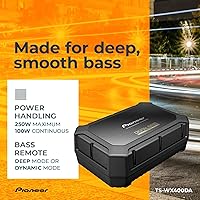
  • Max Power: The unit is rated at 250W peak power, which represents the absolute ceiling under ideal conditions — everyday listening output will be notably lower.
  • Amplifier Type: A built-in Class D amplifier powers the driver, offering high efficiency and low heat output compared to older Class A/B designs.
  • Bass Modes: Two selectable modes are included: Deep for rich, extended low-end character and Dynamic for punchy, tighter bass response.
  • Enclosure Type: The subwoofer ships pre-mounted in a sealed enclosure, which produces accurate, controlled bass with a tight transient response.
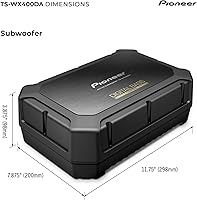
  • Dimensions: The enclosure measures 7.88″ deep by 11.75″ wide by 3.88″ tall, making it one of the slimmer powered subs available for under-seat placement.
  • Weight: The complete unit weighs 8.81 lbs, light enough for a single person to position and secure without assistance.
  • Driver Size: A 9-inch IMPP cone driver handles bass reproduction, offering a balance of surface area and cone rigidity within the compact housing.
  • Cone Material: The driver uses an IMPP (Injected Molded Polypropylene) cone, which resists moisture and temperature fluctuations common in vehicle environments.
  • Input Type: Both high-level speaker inputs and RCA line-level inputs are supported, covering factory head units and aftermarket radios equally.
  • Input Voltage: The unit operates on 12V DC, drawing power directly from the vehicle's electrical system via the included wiring harness.
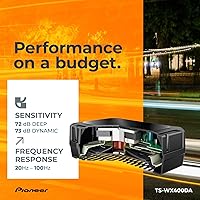
  • Frequency Response: Bass reproduction is handled up to 125Hz, covering standard sub-bass and upper bass frequencies typical for this enclosure class.
  • Sensitivity: Sensitivity is rated at 72 dB in Deep mode and 73 dB in Dynamic mode, indicating a reasonable ability to produce output from modest power inputs.
  • Remote Control: A wired digital bass remote is included, attached to a 16.25-foot cable that reaches the driver seat from most under-seat or trunk mounting positions.
  • Connectivity: All connections are wired only; no Bluetooth or wireless pairing is supported.
  • Fuse Rating: A 10A ATO blade fuse is pre-installed on the power wire to protect the vehicle's electrical system during installation.
  • Included Parts: The package contains the subwoofer in its sealed enclosure, a wire harness, a 10A ATO fuse on the power lead, the wired remote, and two mounting feet with screws.
  • Power Source: The unit is corded electric, hardwired to the vehicle battery rather than relying on any internal battery or USB power.
  • Warranty: Pioneer provides a limited warranty on this unit; buyers should confirm current terms directly with Pioneer or the authorized retailer at the time of purchase.

Related Reviews
Pioneer TS-WH500A Compact Series Subwoofer
86%
88%
Bass Performance
91%
Ease of Installation
92%
Value for Money
86%
Build Quality
78%
Power Output
More
Pioneer TS-WX140DA
Pioneer TS-WX140DA
78%
88%
Ease of Installation
71%
Bass Output & Performance
91%
EV Compatibility & Power Efficiency
79%
Listening Mode Versatility
83%
Remote Bass Control
More
Pioneer TS-A2000LD2 8″ Shallow-Mount Subwoofer
77%
81%
Bass Output for Size
89%
Fitment & Installation Ease
76%
Sound Clarity & Definition
72%
Amplifier Compatibility
83%
Build Quality & Durability
More
Pioneer TS-A2000LB 8-inch Subwoofer
79%
74%
Bass Output Quality
91%
Installation Ease
78%
Enclosure & Build Quality
86%
Vehicle Fitment Versatility
81%
Power Handling & Efficiency
More
Pioneer TS-WX010A Powered Under-Seat Subwoofer
80%
91%
Ease of Installation
67%
Bass Output Quality
93%
Factory Stereo Compatibility
78%
Crossover Tuning
62%
Physical Fit & Clearance
More
Pioneer TS-WX1210A 12-inch Powered Subwoofer
74%
88%
Ease of Installation
79%
Bass Output Quality
84%
Factory Stereo Compatibility
83%
Value for Money
72%
Tuning & Sound Customization
More
Pioneer TS-A25S4 10-inch Car Subwoofer
79%
84%
Bass Accuracy
88%
Value for Money
81%
Build Quality
83%
Installation Ease
79%
Amplifier Compatibility
More
Pioneer TS-A250D4 10-inch Car Subwoofer
81%
88%
Bass Performance
91%
Value for Money
83%
Build Quality
92%
Amplifier Compatibility
79%
Installation Experience
More
Pioneer TS-A301D4 12-inch Car Subwoofer
75%
83%
Bass Output
79%
Build Quality
88%
Value for Money
81%
Amplifier Compatibility
63%
Installation Ease
More
KICKER 46HS10 Hideaway 10-Inch Powered Subwoofer
80%
88%
Build Quality
74%
Sound Quality
91%
Installation Ease
77%
Value for Money
62%
Output Power
More

FAQ

No new head unit required. The TS-WX400DA includes high-level speaker inputs, which means you simply tap into your existing speaker wires coming out of the factory radio. It is one of the main reasons this unit appeals to people who want better bass without touching the rest of their setup.

Most owners handle it themselves in under an hour. The included wire harness simplifies the connections, and the physical footprint is small enough that finding a placement spot is rarely a problem. If you are comfortable with basic tools and can follow a wiring diagram, this is a manageable DIY job on a weekend morning.

At 3.88″ tall, this slim under-seat subwoofer clears the floor-to-seat gap in most modern sedans, crossovers, and compact SUVs. That said, seat rail systems vary, so it is worth measuring your available clearance before purchasing, especially in vehicles with low seat positions or under-seat storage drawers.

Deep mode emphasizes extended, warmer low-end that works well with hip-hop, R&B, or any genre where you want bass to feel full and rounded. Dynamic mode tightens the response and adds impact, which suits rock, electronic, or podcasts where clarity and punch matter more than depth. Most users end up picking one and leaving it there based on their typical listening habits.

That 250W figure is the peak maximum, not the continuous RMS rating. Real-world output during normal listening is considerably lower. It is a common point of confusion in car audio specs, so just know that this is a compact unit optimized for quality over raw volume — it is not going to rattle your mirrors.

Yes, the enclosure can be placed in a trunk corner or cargo area if you prefer. The sealed rectangular housing makes it easy to wedge into corners. Just keep in mind that under-seat placement typically keeps the bass feel more centered in the cabin, while trunk placement can sometimes make the bass source feel more directional.

The Class D amplifier inside runs significantly cooler than older amp designs, and long-term owners have generally not flagged overheating as a concern. That said, make sure the mounting location allows at least some airflow around the unit and is not completely sealed off — basic ventilation goes a long way in any enclosed space.

The cable measures 16.25 feet, which is sufficient for the majority of vehicle layouts, whether the unit is under the passenger seat or in the trunk. A small number of users in larger trucks or full-size SUVs have noted it runs just barely long enough, so if you drive something unusually large, it is worth planning the cable routing before committing.

Sealed enclosures like the one on this Pioneer powered sub produce tighter, more accurate bass with better transient response — meaning kick drums and bass notes stop when they are supposed to rather than lingering. Ported boxes tend to go louder and deeper at the low end but can sound looser. For most everyday listening, sealed bass is arguably more musical, though it does have a ceiling in terms of raw depth and volume.

Yes, the unit accepts standard RCA line-level input as well, so if your aftermarket radio has a subwoofer output or dedicated pre-amp outputs, you can connect directly via RCA. This typically gives you cleaner signal quality and more precise volume control from the head unit, so it is the preferred connection method when available.