Overview

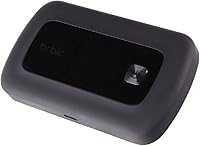
The Orbic Speed 4G LTE Mobile Hotspot is a no-frills, entry-level device built for Verizon subscribers who want affordable, portable connectivity without a steep learning curve. Pull it out of the box, activate a plan, and you're online — there's genuinely not much more to it than that. At roughly the size of a credit card stack, this Verizon hotspot slips into a jacket pocket without a second thought. It's not designed for power users pushing heavy data loads all day, but that's not the point. With a 3.8-star average across more than 446 ratings, it lands in honest, mixed-but-leaning-positive territory — and that context matters before you buy.

Features & Benefits

Running on Verizon's 4G LTE network, the Orbic Speed delivers solid connectivity when you're in good coverage territory. It supports up to 10 devices simultaneously across dual-band frequencies — both 2.4GHz and 5GHz — so your laptop, tablet, and a few phones can share the connection without fighting for bandwidth. Wi-Fi standards top out at 802.11ac, meaning most modern devices pair without issue. Battery life is rated at 12 hours of active use, which holds up reasonably well through a moderate workday. WPS pairing keeps new device connections quick and fuss-free, and the Linux-based internals are a minor curiosity for anyone who likes to know what's running underneath.

Best For

This portable hotspot is a natural fit for remote workers who want a backup connection for when their home internet drops — not a full-time broadband replacement. Frequent travelers and commuters staying within Verizon's stronger coverage areas will get the most consistent experience. Families or small teams sharing a connection won't feel cramped by the 10-device ceiling. If you've never owned a mobile hotspot and want a low-risk starting point, this is a sensible choice. One thing worth factoring in before purchasing: the device price is only part of what you'll spend — a Verizon data plan is a separate, ongoing requirement on top of the hardware cost.

User Feedback

The review split for this Verizon hotspot is pretty telling. Buyers in areas with strong LTE signal consistently highlight the easy setup experience and reliable performance for everyday tasks like video calls, email, and light streaming. On the other side, users in weaker coverage zones report frustrating speed drops — which is more a reflection of signal availability than any flaw in the hardware itself. A handful of reviewers also flagged the plastic casing as feeling basic for something they use daily. The pattern is clear: buyers who go in with realistic expectations and live in solid Verizon coverage tend to walk away satisfied; those who don't are the ones pulling the rating down.

Pros

  • Setup takes minutes — power it on, activate a Verizon plan, and you are connected with no technical expertise needed.
  • Dual-band Wi-Fi covers both 2.4GHz and 5GHz frequencies, giving you options for range versus speed.
  • Supports up to 10 simultaneous devices, making it workable for a small family or a compact team.
  • The compact size and light weight mean it genuinely fits in a pocket without any bulk.
  • Up to 12 hours of rated battery life holds up reasonably well through a standard workday of moderate use.
  • WPS pairing makes adding new devices to the network fast and straightforward.
  • At its price point, the Orbic Speed offers a very low-risk entry into mobile hotspot ownership.
  • Five days of standby time means you can keep it in a bag ready to go without constantly recharging.
  • 802.11ac support ensures compatibility with virtually all modern laptops, tablets, and smartphones.

Cons

  • Real-world LTE speeds vary significantly by location — performance in weak signal zones can be noticeably poor.
  • The device is locked exclusively to Verizon, offering zero flexibility for users of other carriers.
  • The data plan is a separate ongoing cost that buyers sometimes overlook when evaluating the purchase price.
  • Plastic build quality feels basic and does not inspire confidence for users who handle gear roughly every day.
  • No display screen means you cannot check signal strength, data usage, or connected devices at a glance.
  • Heavy simultaneous usage across all 10 supported devices is likely to strain performance noticeably.
  • Not suited for bandwidth-intensive tasks like 4K streaming or large cloud backups over extended periods.
  • Verizon plan pricing and data caps ultimately determine how useful this portable hotspot can be long-term.

Ratings

Our AI-generated scores for the Orbic Speed 4G LTE Mobile Hotspot were produced by analyzing verified global buyer reviews, with spam, bot-submitted, and incentivized feedback actively filtered out before scoring. The ratings reflect a candid, balanced picture — where this Verizon hotspot genuinely delivers and where real users have run into consistent frustrations. Both strengths and pain points are transparently represented across every category below.

Ease of Setup
91%
Getting connected is one of the most consistently praised aspects of the Orbic Speed. Buyers across all technical skill levels report being online within minutes of unboxing — no drivers, no complicated menus, no head-scratching. For first-time hotspot users in particular, this plug-and-play experience is a genuine relief.
A small number of users encountered activation hiccups tied to Verizon account setup rather than the device itself, which can feel frustrating when you are eager to get started. The lack of a display makes it harder to troubleshoot on the spot if something does go wrong during initial configuration.
Portability
88%
At 7.4 ounces and roughly the footprint of a deck of cards, this portable hotspot genuinely earns its portability label. Commuters and travelers consistently mention tossing it into a jacket pocket or bag without any second thought, which is exactly the kind of friction-free carry experience this category demands.
The device has no carry pouch or protective case included, and a few users noted that the exposed plastic surface picks up scratches fairly quickly. For frequent travelers who toss gear loosely into bags, the lack of any bundled protection feels like a missed inclusion at this price tier.
Network Performance
67%
33%
In strong Verizon LTE coverage areas, the Orbic Speed handles everyday tasks — video calls, streaming, general browsing — without much complaint. Users in suburban and urban centers with dense Verizon infrastructure tend to report a satisfying and consistent connection for moderate workloads.
This is where the review score polarizes most sharply. Users in rural areas or on the fringes of Verizon coverage zones report unpredictable speed drops and frequent signal instability. Real-world throughput is also heavily dependent on the data plan tier, so buyers expecting carrier-grade consistency everywhere will be disappointed.
Battery Life
74%
26%
For a backup or travel device used in stretches rather than all day continuously, the battery holds up well enough. Remote workers using it as an internet failover during occasional outages — rather than their primary connection — find the runtime adequate for most realistic use sessions.
Heavy simultaneous usage across multiple devices chews through the battery faster than the rated 12-hour figure suggests. Users running 5 or more connected devices throughout an intensive workday consistently report needing a recharge by mid-afternoon, which limits its value as a full-day standalone solution.
Build Quality
58%
42%
The device is light and compact, which contributes to its portability appeal. Buyers who treat it gently and keep it in a bag or on a desk report no structural issues over months of normal use, and the slim profile does feel considered for a device in this category.
The all-plastic construction is the most recurring complaint in negative reviews. Multiple users describe the casing as feeling hollow or flimsy compared to competing hotspot devices, and the finish shows wear quickly. For daily handlers who want something that feels durable, this is a real sticking point.
Device Compatibility
86%
Support for 802.11ac, b, g, and n standards means virtually every modern laptop, tablet, or smartphone connects without any fuss. Dual-band capability lets newer devices hop onto the 5GHz band for better throughput while older gear connects on 2.4GHz, which is a genuinely useful real-world advantage.
A handful of users with older or non-standard devices noted occasional difficulty maintaining a stable connection on the 5GHz band specifically. There is also no USB tethering option, so connectivity is entirely dependent on Wi-Fi — a minor but real limitation for certain use cases.
Multi-Device Sharing
71%
29%
The 10-device ceiling is more than enough for a small family or a compact remote team sharing a connection for light tasks. In real-world use, families on road trips or small offices using it as a temporary connection report it handling 3 to 5 simultaneous devices without obvious degradation.
Pushing close to the 10-device limit with active data use across all connections strains the device noticeably. Users attempting to run a full team on a single unit for bandwidth-intensive tasks like video conferencing or file syncing found performance drops quickly become a practical problem.
Value for Money
76%
24%
As an entry point into mobile hotspots, the hardware cost is accessible enough that buyers feel little risk testing it out. For users who only need occasional backup connectivity or light travel use, the price-to-utility ratio holds up honestly well against more expensive alternatives.
The total cost of ownership climbs once you factor in a recurring Verizon data plan, which many buyers admit they underestimated before purchasing. For users who end up needing the hotspot frequently, the monthly plan cost can quickly outweigh the initial savings of choosing a budget device.
Carrier Coverage Dependency
61%
39%
Verizon operates one of the more expansive LTE networks in the United States, which does give this portable hotspot a reasonable coverage footprint for domestic travel and commuting. Users in well-served metro and suburban corridors rarely mention coverage as a pain point.
Being locked exclusively to Verizon is a hard constraint with no workaround. Buyers who later switch carriers or who spend time in areas where Verizon coverage is spotty have no fallback option — the device simply cannot be unlocked or used with another network's SIM.
Standby Efficiency
82%
18%
The 5-day standby figure is one of the more practically useful specs on this device. Users who keep it in a bag as an emergency backup describe it as reliably powered when they need it, without the frustration of arriving to a dead device after a few days of inactivity.
A small number of users reported the device draining faster than expected in standby when placed in areas with weak signal, as the radio works harder searching for a connection. This is a known behavior across hotspot devices generally, but worth knowing if you plan to leave it idle in signal-poor environments.
WPS Pairing Experience
79%
21%
WPS pairing is a practical convenience that most buyers appreciate once they discover it. Adding a new device to the network without manually typing in a password is a small but genuinely time-saving feature, especially when onboarding multiple devices in a hurry.
Some technically cautious users flagged WPS as a security consideration, preferring to disable it in favor of manual password entry. The device does not offer granular security configuration options, which limits control for users who want tighter network management.
Onscreen Feedback
44%
56%
The absence of a screen keeps the device slim and simple, which aligns with its plug-and-play design philosophy. For buyers who connect and forget, not having a display to check is rarely an active inconvenience during typical daily use.
The lack of any display is a genuine usability gap that frustrates a meaningful portion of buyers. Without being able to glance at signal strength, battery level, or connected device count directly on the unit, users are left guessing or forced to log into an admin portal on a connected device to get basic status information.
Long-Term Reliability
66%
34%
Buyers who use this Verizon hotspot as an occasional backup rather than a daily driver report it functioning without issue over extended periods. The device does not run hot under typical moderate workloads, which is a positive indicator for longevity in light-use scenarios.
Users who lean on it heavily as a primary connection report more reliability concerns over time, including occasional firmware-related hiccups and intermittent disconnects that require a reboot to resolve. Long-term durability of the plastic chassis is also a common concern among frequent handlers.

Suitable for:

The Orbic Speed 4G LTE Mobile Hotspot is a practical pick for anyone who needs simple, portable internet access without committing to a complex setup or a high-end device. Remote workers who occasionally lose their home broadband signal will appreciate having a reliable backup they can activate in seconds. Frequent travelers and daily commuters who spend most of their time within Verizon's well-established coverage areas are also well-served here — the pocket-sized form factor means it never feels like a burden to carry. Households looking for a secondary connection to handle light browsing, video calls, or casual streaming on a handful of devices will find it capable enough. It also makes a sensible first hotspot for anyone new to the category who wants to test the waters without a large financial commitment.

Not suitable for:

If you depend on a hotspot as your primary, full-time internet connection, the Orbic Speed 4G LTE Mobile Hotspot is likely to leave you frustrated. Users who work in areas with weak or inconsistent Verizon LTE coverage will run into speed drops and reliability issues that no device setting can fix — the hardware is only as good as the signal it receives. Power users who routinely push through large file transfers, 4K streaming, or bandwidth-heavy video conferencing throughout an entire workday will hit the limits of what this entry-level device can sustain comfortably. It is also worth noting that the device is carrier-locked to Verizon, so anyone on a different network or looking for flexibility across carriers should look elsewhere. Finally, buyers expecting a premium, durable build will find the plastic casing underwhelming for sustained daily handling.

Specifications

  • Brand: Manufactured by Orbic, model number ORB400LBVZRT.
  • Network: Operates exclusively on Verizon's 4G LTE network.
  • Max Devices: Supports up to 10 simultaneous Wi-Fi connected devices.
  • Frequency Bands: Dual-band operation across both 2.4GHz and 5GHz frequencies.
  • Wi-Fi Standards: Compatible with 802.11ac, 802.11b, 802.11g, and 802.11n wireless standards.
  • Battery Life: Rated for up to 12 hours of active usage on a full charge.
  • Standby Time: Offers up to 5 days of standby time when not actively transmitting data.
  • Security: Uses WPS (Wi-Fi Protected Setup) protocol for device pairing and network security.
  • Operating System: Runs an internal Linux-based operating system.
  • Dimensions: Measures 4.41 x 2.56 x 0.69 inches, making it pocket-sized and highly portable.
  • Weight: Weighs 7.4 ounces, light enough for all-day carry in a bag or jacket pocket.
  • Compatible Devices: Designed for use with laptops, tablets, and any Wi-Fi enabled device.
  • Carrier Lock: This device is locked to Verizon and cannot be used with other carrier SIM cards.
  • Recommended Use: Intended primarily for home connectivity backup and remote or mobile work scenarios.
  • User Rating: Holds a 3.8 out of 5 star average rating based on 446 customer reviews on Amazon.
  • Release Date: First made available to buyers in November 2020.

Related Reviews
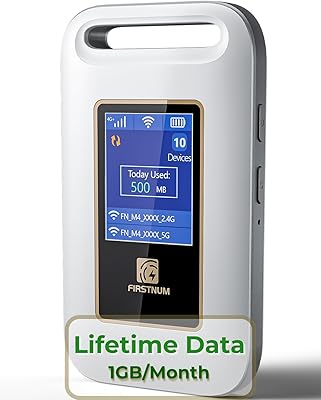
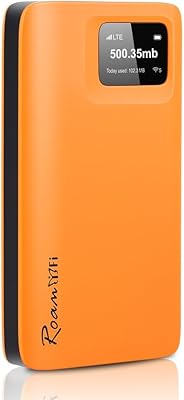
RoamFi RoamWiFi R10 Portable Mobile Hotspot
71%
92%
Ease of Setup
78%
International Coverage
61%
Data Value & Plan Inclusivity
69%
Connection Speed
71%
Battery Life
More
Firstnum M4 4G LTE Mobile Hotspot
84%
91%
Value for Money
94%
Ease of Use
92%
Portability
88%
Network Performance
83%
Battery Life
More
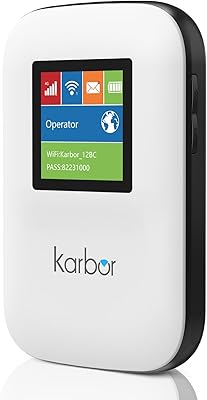
Karbor MF833-4G Portable 4G LTE WiFi Hotspot
71%
82%
Ease of Setup
71%
Network Coverage
63%
Connection Speed
58%
Data Plan Value
66%
Battery Life
More
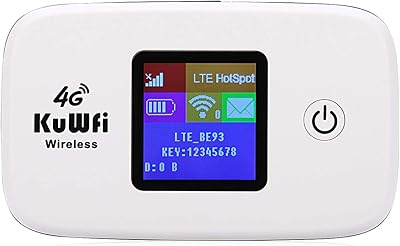
KuWFi L100EU 4G LTE Mobile Hotspot
69%
83%
Band Compatibility
58%
Ease of Setup
61%
Wi-Fi Performance
63%
Battery Life
88%
Portability
More
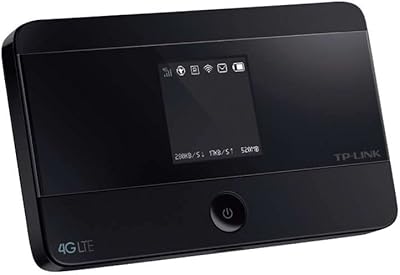
TP-Link M7350 4G LTE Mobile Hotspot
85%
86%
Performance
92%
Portability
88%
Battery Life
90%
Ease of Use
80%
Connectivity
More
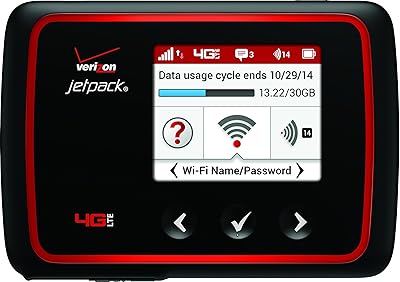
Verizon MiFi 6620L Jetpack 4G LTE Mobile Hotspot
84%
91%
Battery Life
87%
Connectivity Reliability
85%
Portability & Size
78%
Ease of Setup
88%
Performance for Multiple Devices
More
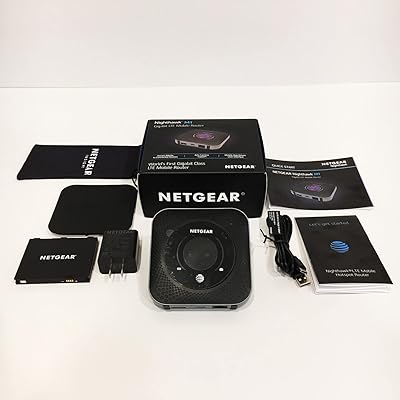
Netgear Nighthawk MR1100 4G LTE Mobile Hotspot Router
82%
87%
Performance
78%
Battery Life
91%
Portability
84%
Setup & Installation
65%
Carrier Compatibility
More
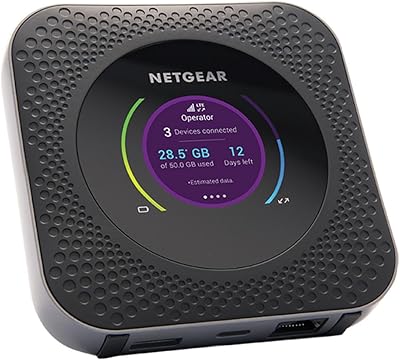
Netgear Nighthawk MR1100 4G LTE Mobile Hotspot Router
85%
87%
Performance
92%
Battery Life
90%
Portability
85%
Connectivity
88%
Ease of Use
More
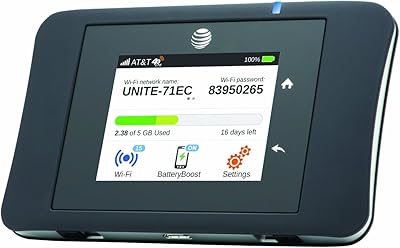
Netgear Unite Pro AC-781S Mobile Hotspot
68%
81%
Value for Money
74%
Connectivity Performance
67%
Carrier Compatibility
69%
Refurbished Condition
61%
Battery Life
More
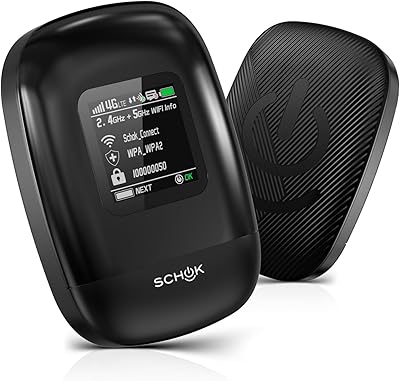
Schok G140 4G LTE Mobile Hotspot
73%
83%
Value for Money
71%
Real-World Download Speeds
78%
Battery Life
67%
SIM Compatibility & Setup
81%
Connected Device Capacity
More

FAQ

Yes, absolutely — and this is one of the most important things to understand before purchasing. The device itself does not include any data service. You will need an active Verizon data plan, either prepaid or postpaid, to get online. Factor that ongoing monthly cost into your decision.

No. The Orbic Speed is locked exclusively to Verizon's network and will not work with SIM cards from other carriers. If you are not a Verizon customer or prefer carrier flexibility, you will need to look at unlocked hotspot options instead.

Setup is genuinely straightforward. Once you have an active Verizon plan, you power on the device, find the network name and password printed on the device or in the box, and connect your devices just like you would to any home Wi-Fi router. Most users are up and running within a few minutes.

For occasional use and moderate tasks like video calls, email, and light browsing, it performs well in areas with strong Verizon LTE signal. That said, real-world speeds depend heavily on your location and the data plan you are on, so if you rely on it as your sole connection for full workdays, results can vary considerably.

You can connect virtually any Wi-Fi enabled device to the Orbic Speed, including smartphones. The listed compatible devices — laptops and tablets — are just the primary examples. As long as your device supports standard Wi-Fi, it will connect without any issue.

No, this portable hotspot does not have a display. There is no screen to check signal bars, data usage, or connected device count directly on the unit. You would need to log into the device's admin interface through a browser on a connected device to see those details.

The 12-hour rating is achievable under moderate, real-world conditions — say, a few devices connected and typical browsing or call activity. If you push it harder with more devices and constant data throughput, expect closer to 8 to 10 hours. The 5-day standby figure is reasonable if you leave it on but idle.

No — this device is designed for domestic Verizon 4G LTE coverage only. It does not support international roaming. If you need connectivity abroad, you would need a separate internationally compatible device or a local SIM solution in your destination country.

It is functional but not particularly rugged. The plastic casing is lightweight, which helps with portability, but a number of users have noted it feels basic for a device they handle every day. It is fine for occasional travel use or as a backup device, but it is not built to withstand rough handling or outdoor conditions.

In theory, yes — it supports up to 10 simultaneous connections. In practice, connecting that many devices and having them all actively pulling data at the same time will put noticeable strain on performance. Realistically, for smooth everyday use, keeping it to 3 to 5 active devices at a time is a more sensible expectation.

Where to Buy