Overview

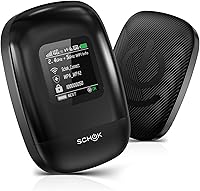
The Schok G140 4G LTE Mobile Hotspot is a compact, unlocked device that arrived in April 2025, entering a crowded category with a straightforward pitch: bring your own Nano SIM, skip the carrier contract, and get online. Built primarily around Verizon's network, it also works with T-Mobile, AT&T, and several Canadian carriers including Rogers and TELUS. One important note before buying — no SIM card is included, and that catches a surprising number of buyers off guard. At its price point, this travel Wi-Fi device sits comfortably in the budget tier, competing directly against entry-level carrier-leased alternatives.
Features & Benefits

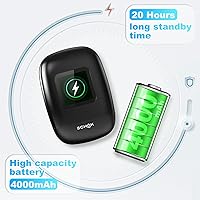
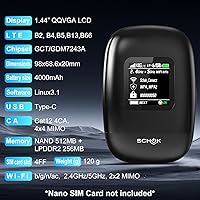
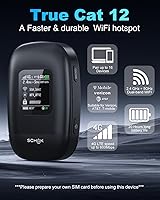
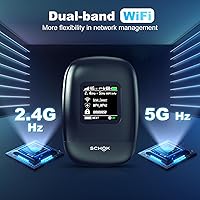
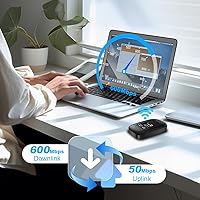
Under the hood, this portable hotspot runs on Cat 12 LTE with 4CA — Quad Carrier Aggregation — which allows theoretical download speeds up to 600Mbps. Real-world speeds will be lower depending on your carrier and location, but the architecture gives it headroom most budget hotspots lack. Dual-band Wi-Fi covering both 2.4GHz and 5GHz, paired with 2x2 MIMO, means you can push bandwidth-hungry devices onto the faster 5GHz band while lighter ones stay on 2.4GHz. It supports up to 16 connected devices simultaneously. The removable 4000mAh battery is a genuine advantage — carry a spare and you never have to hunt for an outlet mid-trip.

Best For

This travel Wi-Fi device makes the most sense for a specific type of buyer. Frequent travelers who rely on Verizon or T-Mobile coverage will get the most out of it, especially those tired of paying monthly device rental fees to their carrier. It also works well for remote workers or students who need to connect a laptop, tablet, and phone at once without juggling personal hotspot limits on their phone plan. Road-tripping families will appreciate the 16-device ceiling. Anyone who has been burned by a non-replaceable battery dying halfway through a long travel day will find the swappable battery here a practical advantage.

User Feedback

Because this portable hotspot only launched in early 2025, the pool of user reviews is still building, so treat early impressions as directional rather than definitive. Buyers who got setup right report that SIM insertion is straightforward once you know the card orientation, though a few noted initial network registration delays before the device found a signal. Battery life feedback has been mostly positive under moderate use. The 5GHz band performance appears solid in close range but drops off faster than some users expected. A recurring comparison point is value versus carrier-branded devices — most agree the no-contract flexibility justifies the trade-off for occasional and travel use.

Pros

  • Unlocked design works across Verizon, T-Mobile, AT&T, and select Canadian carriers with a Nano SIM.
  • Cat 12 with Quad Carrier Aggregation gives it a real speed architecture advantage over basic budget hotspots.
  • Supports up to 16 connected devices simultaneously — plenty for a family or small remote team.
  • The removable 4000mAh battery means you can carry a spare and never get stranded mid-trip.
  • No long-term carrier contract required — pair it with any compatible prepaid or MVNO plan.
  • Weighing just 5 ounces, this portable hotspot slips into a pocket without adding noticeable bulk.
  • Dual-band Wi-Fi lets you route demanding devices to 5GHz while others stay on the more stable 2.4GHz band.
  • Solid value for buyers who want to avoid monthly device rental fees from their carrier.

Cons

  • SIM card is not included and must be purchased separately — easy to overlook until unboxing.
  • Real-world download speeds fall well short of the 600Mbps theoretical maximum in most conditions.
  • 5GHz band range drops off quickly, making it unreliable across larger spaces or multiple rooms.
  • Network registration at startup can take several minutes and is frequently mistaken for a malfunction.
  • MVNO and AT&T compatibility is inconsistent — some SIM configurations require manual APN setup.
  • Replacement batteries are not widely available through mainstream retail channels yet.
  • The plastic build feels functional but won't hold up well to drops or rough handling over time.
  • Brand support resources are thin, making complex troubleshooting harder than with carrier-backed devices.
  • Heat buildup during extended heavy use can cause speed throttling, particularly in warm environments.

Ratings

The Schok G140 4G LTE Mobile Hotspot scores below reflect AI-driven analysis of verified global user reviews, with spam, bot-generated, and incentivized feedback actively filtered out. Ratings capture the honest spread of buyer experiences — from what this travel Wi-Fi device genuinely does well to the friction points real users have run into. Both strengths and trade-offs are represented transparently so you can make an informed call.
Value for Money
83%
For buyers who want an unlocked, no-contract hotspot without paying carrier rental fees month after month, this portable hotspot delivers solid bang for the spend. The Cat 12 spec and dual-band support at this price tier stand out against comparably priced alternatives.
A few buyers felt the overall package was diminished by the SIM card not being included, since the added cost of sourcing a compatible prepaid SIM nudges the effective entry price higher than the sticker suggests.
Real-World Download Speeds
71%
29%
Users on strong Verizon LTE coverage reported noticeably fast browsing and smooth video calls, with the 4CA architecture helping pull better speeds in areas with fragmented signal bands — something single-carrier LTE hotspots can't do.
The 600Mbps figure is a theoretical ceiling, and real-world throughput is considerably lower in most conditions. Users in rural or fringe coverage areas reported frustrating inconsistency, and a handful expected near-peak speeds based on the marketing language.
Battery Life
78%
22%
The 4000mAh removable battery is one of the standout practical features here. Under moderate use — a few connected devices, light streaming — most users reported getting through a full workday without reaching for a charger.
Heavy usage with multiple devices on the 5GHz band drained the battery faster than some expected. A subset of users also noted the battery indicator wasn't always accurate, making it hard to gauge remaining runtime during longer trips.
SIM Compatibility & Setup
67%
33%
Once properly inserted, the Nano SIM activated without much fuss on Verizon and T-Mobile. Users who had prior experience with unlocked devices generally found the setup process quick and painless right out of the box.
First-time hotspot buyers ran into confusion around SIM orientation and the initial network registration delay, which the device itself warns about. Several users powered off and back on prematurely, mistaking the registration wait for a malfunction.
Connected Device Capacity
81%
19%
Supporting 16 devices simultaneously proved genuinely useful for families sharing a hotspot on road trips, covering phones, tablets, a laptop, and a smart TV all at once without obvious degradation under light to moderate loads.
When several bandwidth-hungry devices were active at the same time — think simultaneous video streams — users noticed a meaningful drop in individual device speeds. The 16-device ceiling is real, but performance at full capacity is a different story.
Build Quality & Portability
74%
26%
At 5 ounces and roughly the size of a thick credit card stack, this travel Wi-Fi device slips into a jacket pocket or small bag without adding noticeable bulk. The removable battery back felt reasonably solid to most users.
The plastic housing doesn't inspire confidence in drop resistance, and a few users noted the battery cover felt slightly loose after repeated removal. It reads as functional rather than durable for genuinely rugged conditions.
5GHz Band Performance
66%
34%
Users who positioned the device close to their workspace appreciated the 5GHz band for video calls and file transfers, where the lower-congestion channel made a real difference compared to crowded 2.4GHz environments.
The 5GHz range drops off faster than many expected, with devices more than a room or two away falling back to 2.4GHz or losing connection. For hotel rooms or open spaces, this is less of an issue, but in larger environments it becomes limiting.
2.4GHz Band Reliability
79%
21%
The 2.4GHz band held up well for lower-bandwidth tasks across a wider area — checking email, messaging apps, and light browsing stayed stable even when users moved around a hotel floor or outdoor space.
In congested environments like busy airports or hotel lobbies, the 2.4GHz band suffered from interference, leading to slower connections. This is a limitation of the band itself, not unique to this device, but worth knowing.
Network Registration Reliability
62%
38%
On well-supported networks like Verizon postpaid and major T-Mobile plans, the device found and held a signal reliably once the initial registration completed. Switching locations typically re-registered without requiring a restart.
A recurring complaint involved the no-service screen appearing at startup, sometimes for several minutes. Users unfamiliar with LTE registration behavior found this alarming, and a small number reported persistent registration failures with certain MVNO SIM configurations.
Carrier Compatibility Range
73%
27%
The multi-carrier support — spanning Verizon, T-Mobile, AT&T, and Canadian operators like Rogers and TELUS — gives this portable hotspot real flexibility for cross-border travelers who want one device for North American trips.
AT&T compatibility generated mixed feedback, with some users reporting slower or less consistent performance compared to Verizon. MVNO SIM results varied widely, and not all budget SIM providers worked as expected without manual APN configuration.
Ease of Use & Interface
76%
24%
Most users found the device straightforward to set up and manage via the companion web interface or app. Connecting devices was described as intuitive, with no steep learning curve for non-technical buyers.
The management interface felt dated to users accustomed to more polished carrier-branded hotspots. A few reported minor bugs with the settings panel on certain mobile browsers, requiring a desktop browser to make changes reliably.
Heat Management
68%
32%
Under typical usage — two to four devices, a mix of browsing and video — the device stayed at a comfortable temperature. Most users didn't flag heat as a concern during normal daily routines.
Extended sessions with multiple active devices caused noticeable warmth, particularly around the battery compartment. A handful of users reported the device throttling speeds after prolonged heavy use in warm environments, such as a hot car or direct sunlight.
Removable Battery Design
84%
The ability to swap in a spare battery mid-trip is a feature that sounds minor until you actually need it. Long-haul travelers and field workers specifically called this out as a reason they chose this device over fixed-battery competitors.
Replacement batteries from Schok aren't widely available through major retail channels yet, which limits the practical value of this feature for buyers who want a ready spare without hunting through third-party listings.
Brand Support & Documentation
58%
42%
The included quick-start documentation covers the basics adequately, and Schok's customer support was responsive enough for straightforward issues like APN settings and SIM troubleshooting according to early buyers.
As a smaller US brand, Schok lacks the support infrastructure of carrier-backed devices. Users with more complex issues — firmware questions, regional compatibility — found community resources thin and official documentation limited for a device this new.

Suitable for:

The Schok G140 4G LTE Mobile Hotspot is a strong fit for travelers, remote workers, and students who want a flexible, no-contract way to stay connected without being locked into a carrier plan. If you're frequently on Verizon or T-Mobile and need to share a reliable connection across multiple devices — a laptop, tablet, and a few phones at once — this portable hotspot handles that load comfortably under normal conditions. Families taking road trips will appreciate not having to fight over a single phone's hotspot or worry about burning through a mobile plan's tethering allowance. The removable battery is a genuine advantage for anyone spending long days away from power outlets, whether that's a cross-country flight layover, a remote job site, or a camping trip with light connectivity needs. Budget-conscious buyers who already know how to source a prepaid Nano SIM — or are willing to spend a few minutes researching compatible plans — will find this travel Wi-Fi device punches above its price tier in terms of raw specs.

Not suitable for:

Buyers who expect plug-and-play simplicity right out of the box should be aware that the Schok G140 4G LTE Mobile Hotspot does not include a SIM card, and getting one that actually works well requires a bit of homework upfront — the wrong MVNO or an improperly configured APN can make the device feel broken when it isn't. Power users who need consistently fast speeds for bandwidth-intensive tasks like 4K streaming or large file transfers will find real-world throughput disappointing compared to the 600Mbps headline figure, which is a theoretical ceiling rather than an expected result. Anyone relying heavily on 5GHz Wi-Fi across a large space — say, a sprawling vacation rental or an open office — may find the band's range underwhelming. If you need carrier-level customer support, firmware update guarantees, or a robust warranty ecosystem, Schok's smaller brand footprint may leave you underserved compared to devices backed by major carriers. And if your primary coverage area is AT&T, early user feedback suggests the experience is less consistent than on Verizon or T-Mobile, so it's worth verifying band compatibility before committing.
Specifications

  • Brand & Model: Manufactured by Schok under model number G140, a US-based budget mobile device brand.
  • Network Standard: Operates on 4G LTE Cat 12 with Quad Carrier Aggregation (4CA) for improved signal utilization across multiple LTE bands.
  • Max Download Speed: Theoretical maximum download speed is 600Mbps; real-world speeds vary significantly by carrier, location, and network congestion.
  • Wi-Fi Bands: Supports dual-band Wi-Fi on both 2.4GHz and 5GHz frequencies with 2x2 MIMO antenna configuration.
  • Connected Devices: Accommodates up to 16 simultaneous Wi-Fi connected devices across both bands.
  • Battery: Equipped with a removable 4000mAh lithium battery that can be swapped out by the user without tools.
  • SIM Type: Requires a standard Nano SIM card, which is not included in the box and must be purchased separately.
  • Compatible Carriers: Confirmed compatible with Verizon, T-Mobile, AT&T, Speedtalk, Rogers, Fido, and TELUS; performance varies by carrier and regional band support.
  • Dimensions: Physical footprint measures 2.76″ long by 3.94″ tall by 0.59″ wide, making it roughly the size of a small smartphone.
  • Weight: Complete unit weighs 5 ounces, light enough to carry in a jacket pocket or small travel bag without noticeable bulk.
  • Contract Required: No long-term carrier contract is required; the device works with prepaid, postpaid, or MVNO SIM plans independently.
  • Launch Date: First made available in April 2025, making it a relatively recent entry in the portable hotspot category.
  • Connectivity Tech: Uses Wi-Fi as the primary client-facing connectivity method; no Ethernet port or USB tethering mode is listed in official specs.
  • MIMO Config: 2x2 MIMO antenna arrangement improves signal stability and throughput efficiency compared to single-antenna designs.
  • Item Model Number: Official model identifier is G140, as listed by Schok and reflected in regulatory and retail documentation.

Related Reviews

RoamFi RoamWiFi R10 Portable Mobile Hotspot
71%
92%
Ease of Setup
78%
International Coverage
61%
Data Value & Plan Inclusivity
69%
Connection Speed
71%
Battery Life
More
Firstnum M4 4G LTE Mobile Hotspot
84%
91%
Value for Money
94%
Ease of Use
92%
Portability
88%
Network Performance
83%
Battery Life
More
Karbor MF833-4G Portable 4G LTE WiFi Hotspot
71%
82%
Ease of Setup
71%
Network Coverage
63%
Connection Speed
58%
Data Plan Value
66%
Battery Life
More
KuWFi L100EU 4G LTE Mobile Hotspot
69%
83%
Band Compatibility
58%
Ease of Setup
61%
Wi-Fi Performance
63%
Battery Life
88%
Portability
More
TP-Link M7350 4G LTE Mobile Hotspot
85%
86%
Performance
92%
Portability
88%
Battery Life
90%
Ease of Use
80%
Connectivity
More
Netgear Nighthawk MR1100 4G LTE Mobile Hotspot Router
82%
87%
Performance
78%
Battery Life
91%
Portability
84%
Setup & Installation
65%
Carrier Compatibility
More
Verizon MiFi 6620L Jetpack 4G LTE Mobile Hotspot
84%
91%
Battery Life
87%
Connectivity Reliability
85%
Portability & Size
78%
Ease of Setup
88%
Performance for Multiple Devices
More
Netgear Nighthawk MR1100 4G LTE Mobile Hotspot Router
85%
87%
Performance
92%
Battery Life
90%
Portability
85%
Connectivity
88%
Ease of Use
More
Netgear Unite Pro AC-781S Mobile Hotspot
68%
81%
Value for Money
74%
Connectivity Performance
67%
Carrier Compatibility
69%
Refurbished Condition
61%
Battery Life
More
GlocalMe DuoTurbo 4G LTE Portable WiFi Hotspot
75%
81%
International Coverage
88%
Ease of Setup
74%
Data Plan Flexibility
73%
Connection Stability
61%
Battery Life
More

FAQ

No, it does not. The Schok G140 4G LTE Mobile Hotspot requires you to supply your own Nano SIM card before it will connect to any network. You can pick one up from Verizon, T-Mobile, AT&T, or a compatible prepaid or MVNO provider — just make sure it is a Nano SIM format, not a Micro or Standard SIM.
Yes, it is designed primarily for Verizon's LTE network. If you already have a Verizon data plan that supports additional devices or a standalone data SIM, you can insert that Nano SIM and it should register without issue. Contact Verizon if you are unsure whether your plan supports a hotspot device on your account.

LTE Category 12 refers to the modem's capability tier, which determines how fast it can theoretically download data. With Quad Carrier Aggregation, this portable hotspot can combine up to four LTE channels at once to reach speeds up to 600Mbps under ideal conditions. In everyday use you will see a fraction of that, but it does mean the device handles real-world congestion better than older Cat 4 or Cat 6 hotspots.

Absolutely — the device supports up to 16 simultaneous connections across its 2.4GHz and 5GHz bands. For best performance, connect bandwidth-heavy devices like laptops to the 5GHz band and leave phones or smart speakers on 2.4GHz.

Under moderate use with a handful of connected devices doing typical browsing and video calls, most users report getting through a full workday on a single charge. Heavy usage with multiple active streams will drain it faster. The standout feature is that the battery is removable, so you can carry a spare and hot-swap it without any downtime.

Yes, it is listed as compatible with Canadian carriers including Rogers, Fido, and TELUS. That said, actual band compatibility depends on which specific LTE bands those carriers use in your region, so it is worth confirming band overlap before relying on it internationally.

This is normal behavior during the initial network registration process. LTE devices need a moment — sometimes a few minutes — to scan available towers and register your SIM with the network. Give it up to five minutes before assuming something is wrong. If the issue persists, double-check that the Nano SIM is fully seated and oriented correctly in the tray.

In close range — same room or an adjacent one — the 5GHz band handles HD video streaming and video calls without much trouble. The trade-off is range: 5GHz signals lose strength over distance faster than 2.4GHz, so if you are more than a couple of rooms away you may want to stick to 2.4GHz for a more stable connection.

Potentially yes, but results vary. This travel Wi-Fi device is unlocked and not carrier-restricted, but some MVNOs require manual APN configuration before data will work correctly on a non-phone device. Look up the correct APN settings for your specific MVNO and enter them through the device's admin interface if it does not connect automatically.

Using your phone as a hotspot works in a pinch, but it drains your phone battery fast and often counts against a separate tethering data cap on your plan. A dedicated device like this one keeps your phone free, has its own substantial battery, and can handle more simultaneous connections without throttling your personal device. For anyone who hotspots regularly, a dedicated unit pays for itself quickly in convenience alone.