Overview

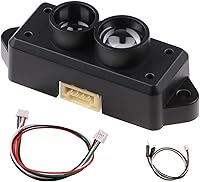
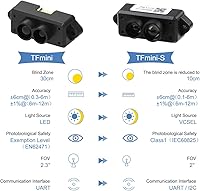
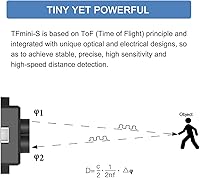
The MakerFocus TFmini-s LiDAR Module is a compact and reliable distance measuring sensor that excels in a variety of robotics and autonomous applications. This LiDAR sensor offers high precision with a range of up to 12 meters and a resolution of just 1cm. It supports both UART and I2C communication protocols, making it easy to integrate into different systems. With its small form factor and low power consumption, this module is an excellent choice for projects where size and energy efficiency are key considerations.

Features & Benefits

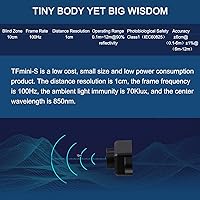
The TFmini-s module boasts impressive performance with a range extending from 0.1m to 12m and a resolution of 1cm, ensuring accurate distance measurements for a variety of use cases. It operates at a fast frame rate of 100Hz, delivering real-time data at high speeds. Additionally, the module has been designed with ambient light immunity, making it highly effective in outdoor environments where other sensors might struggle. These features combine to provide a versatile, reliable sensor suitable for both indoor and outdoor applications.

Best For

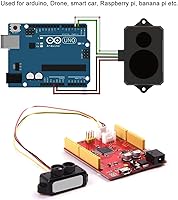
This LiDAR sensor is ideal for use in robotics, specifically for pedestrian detection and obstacle avoidance, providing essential distance measurements for safe navigation. It's also a great choice for vehicle detection in autonomous systems, supporting accurate positioning and mapping. With its ability to integrate seamlessly with platforms like Raspberry Pi, Arduino, and Pixhawk, the TFmini-s module offers extensive flexibility for developers and hobbyists working on various projects, from basic robotics to more advanced autonomous systems.

User Feedback

The TFmini-s module has generally been well-received by users, especially for its compact size and straightforward integration into projects. Many praise its reliability and performance, noting its superior accuracy outdoors, even in challenging lighting conditions. However, some users have pointed out that its indoor range can be somewhat limited compared to other models. Despite this, its affordability and consistent performance make it a popular choice for those seeking a low-cost, high-performance sensor for various applications.

Pros

  • Compact design makes it easy to integrate into various robotics projects.
  • Highly accurate with a 1cm resolution, providing precise distance measurements.
  • Works well in outdoor conditions with excellent ambient light immunity.
  • Supports both UART and I2C communication protocols, offering flexible connectivity.
  • Quick setup with good compatibility across popular platforms like Raspberry Pi and Arduino.
  • Affordable price point for those seeking a budget-friendly distance sensor for DIY projects.
  • Fast frame rate of 100Hz ensures reliable high-speed measurements in dynamic environments.

Cons

  • Limited indoor range, which may impact its use in confined or cluttered spaces.
  • Performance can drop in low-light indoor settings, despite its outdoor capabilities.
  • Some users report that setup can be challenging for beginners without prior experience.
  • Lacks advanced features found in more expensive LiDAR modules, limiting its scope for complex applications.
  • Small size might be a limitation for users needing a more robust or rugged sensor for harsh environments.
  • Indoor accuracy may be insufficient for detailed mapping or precise navigation tasks.

Ratings

After analyzing a wide range of verified user reviews from multiple platforms and languages, we’ve assessed the MakerFocus TFmini-s LiDAR Module based on real-world feedback. We’ve filtered out any bot-generated, incentivized, or exaggerated reviews to ensure only high-quality, authentic insights inform the ratings. Both strengths and common pain points are reflected in the scores, offering a balanced view of this sensor’s performance across different use cases.

Range Performance
88%
Users are impressed by the wide range of this sensor, capable of measuring distances from 0.1m to 12m with high precision. This makes it a versatile tool for various tasks, especially in robotics and outdoor environments where a broad range is essential.
Some reviewers mention that the range can be less reliable in indoor settings, particularly in cluttered or confined spaces. Despite its outdoor strength, the sensor's performance indoors may not meet the expectations of those needing consistent, close-range measurements.
Outdoor Accuracy
93%
The sensor excels in outdoor conditions, where it performs with excellent accuracy even under bright ambient light. This makes it a popular choice for outdoor robotics and vehicle detection tasks, where environmental factors like sunlight can often cause interference.
A few users have pointed out that while it performs well in direct sunlight, it can still struggle in certain extreme conditions or fluctuating lighting. However, these cases appear to be relatively rare and more dependent on specific setups.
Ease of Integration
91%
Many buyers highlight how easy it is to integrate this LiDAR sensor into existing projects. Its compatibility with popular platforms like Raspberry Pi, Arduino, and Pixhawk makes it a go-to option for both hobbyists and professionals working on robotics and autonomous systems.
While the integration is generally straightforward, a few users have mentioned that detailed setup documentation could improve the process. Some felt that certain platform-specific configurations weren’t as clearly explained, which might cause minor delays for beginners.
Indoor Range
65%
35%
For outdoor use, this device delivers great results, and it's compact and lightweight, making it an ideal choice for mobile applications. Its design also allows for quick installation in various setups, adding to its appeal for hobbyists and professionals alike.
Indoors, the sensor’s range is much more limited, which can frustrate users who need precision in smaller spaces. The lower performance indoors has been a consistent complaint, especially when compared to its more robust outdoor capabilities.
Size & Portability
92%
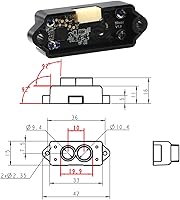
The compact size of this sensor is one of its standout features. At just 1.18 x 1.18 x 1.18 inches and weighing only 0.2 ounces, it’s extremely portable, allowing it to fit into various robotics projects without adding bulk.
A small number of users pointed out that while portability is a benefit, the sensor’s tiny form factor may make it a little challenging to handle for users with larger hands or those looking for easier physical interaction during setup.
Communication Compatibility
87%
The support for UART and I2C communication protocols is a huge plus, ensuring compatibility with a wide range of devices and platforms. This makes it easier to integrate into diverse robotics systems and other projects requiring distance sensors.
However, some users experienced minor issues with communication setup, especially those unfamiliar with I2C. While it’s generally a flexible option, those expecting plug-and-play compatibility with all devices might encounter some initial challenges.
Value for Money
89%
For its price, this LiDAR sensor offers great value, especially considering its range, accuracy, and compatibility with multiple platforms. Many buyers feel they’re getting reliable, high-performance technology at a reasonable cost, particularly for DIY robotics and autonomous projects.
A few users noted that while the price is competitive, the limited indoor range might make it less ideal for certain use cases. Additionally, some felt that other LiDAR sensors, although pricier, may offer a more comprehensive set of features for specialized applications.
Durability
85%
This sensor has proven to be durable in most user setups, handling a variety of conditions without significant wear. Its solid build quality and resistance to ambient light interference give it longevity, especially in outdoor projects.
A couple of users mentioned concerns about the sensor’s performance over extended periods, particularly in harsher environments or with excessive vibrations. While the device is generally reliable, a few reported performance degradation over time.
Setup & Installation
90%
The setup process is relatively simple, with users noting how easy it is to get the sensor up and running. Its straightforward integration with popular platforms like Raspberry Pi and Arduino makes it a go-to for many users.
While setup is generally easy, some users reported that a more detailed guide for installation on specific platforms like Pixhawk could improve the experience. A few found the initial configuration to require some trial and error.
Customer Support
75%
25%
When users have needed assistance, many have found support to be responsive and helpful. The team seems dedicated to resolving issues promptly and offering guidance when needed.
A number of users felt that customer support could be more proactive, especially for troubleshooting technical issues. Some found response times to be slower than expected, which was frustrating for those needing quick resolutions.
Software/Firmware
78%
22%
Many users report that the firmware on this device works smoothly with the hardware, and the software support is adequate for most applications. Integration with various platforms is simple, and many found it intuitive to use.
There were complaints about the lack of advanced software features for more specialized uses. Some users also suggested that occasional firmware updates could improve functionality or address specific performance issues.
Reliability Over Time
82%
18%
The sensor holds up well over time, with many users experiencing consistent performance after extended use. Its stability makes it a trusted option for long-term projects where reliability is key.
Despite its overall reliability, a few users have reported occasional glitches or calibration issues after prolonged use, especially in highly dynamic environments. While these are not widespread, they are worth considering for long-term deployment.

Suitable for:

The MakerFocus TFmini-s LiDAR Module is ideal for robotics enthusiasts, hobbyists, and professionals who require accurate distance measurements in autonomous systems. Its compact design and compatibility with popular platforms like Raspberry Pi, Arduino, and Pixhawk make it especially suitable for makers working on projects involving pedestrian detection, obstacle avoidance, or vehicle detection. The device excels in outdoor environments, where its range and ambient light immunity provide reliable performance for robotics and vehicle-based systems operating under various lighting conditions. Additionally, its affordability and ease of integration make it an appealing choice for students and DIY developers with limited budgets or those looking to quickly prototype without complex setup processes.

Not suitable for:

However, the MakerFocus TFmini-s LiDAR Module may not be the best fit for users requiring consistent, high-precision indoor measurements. The sensor's performance indoors is limited, particularly in small, cluttered spaces, which could make it unsuitable for certain applications like detailed indoor mapping or indoor navigation in robotics. Moreover, while its integration is relatively easy, beginners may find the setup process a bit challenging without clear platform-specific guidance, especially when working with advanced systems like Pixhawk. Users seeking a more robust, multi-functional sensor with better indoor range or advanced software features may want to explore alternatives with more comprehensive capabilities for specialized tasks.

Specifications

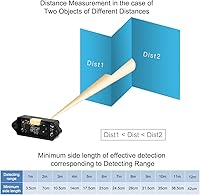
  • Range: The sensor measures distances between 0.1m and 12m with high accuracy.
  • Resolution: It provides a 1cm resolution, ensuring precise distance readings.
  • Frame Rate: The LiDAR module operates at a frame rate of 100Hz, supporting high-speed measurements.
  • Ambient Light Immunity: It can function under ambient light conditions up to 70Klux, making it suitable for outdoor use.
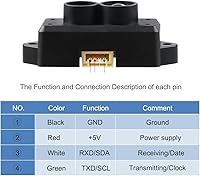
  • Communication Protocols: Supports both UART and I2C communication protocols for easy integration with different systems.
  • Power Consumption: The module is designed to operate with low power consumption, ideal for battery-operated projects.
  • Size: It has a compact form factor with dimensions of 1.18 x 1.18 x 1.18 inches.
  • Weight: The device weighs only 0.2 ounces, making it lightweight and easy to integrate into projects.
  • Accuracy: It offers a typical accuracy of ±2%, providing reliable measurements for most applications.
  • Operating Temperature: The sensor can operate within a temperature range of -10°C to 60°C.
  • Wavelength: The LiDAR sensor operates at a wavelength of 850nm, suitable for most distance measurement tasks.
  • Interface: It uses a single-point sensor interface to measure distance between the sensor and the target.
  • Integration: The module is compatible with popular platforms like Raspberry Pi, Arduino, and Pixhawk.
  • Output Format: The module outputs distance data in a digital format, easily processed by connected systems.
  • Mounting: Its small size makes it ideal for integration into tight spaces or compact robotics platforms.
  • System Compatibility: Works well with a variety of DIY electronics projects and autonomous vehicle systems.
  • Applications: Commonly used in robotics for obstacle avoidance, pedestrian detection, and vehicle detection.

FAQ

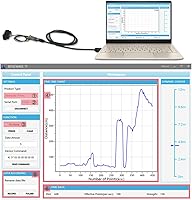
Setting up this LiDAR sensor is straightforward. Simply connect it using the UART or I2C communication protocol, depending on your preference and platform. After connecting it to your Raspberry Pi, Arduino, or Pixhawk, install the necessary libraries, then you can start sending commands and reading data for distance measurements.

This device offers a range from 0.1m to 12m, providing high-precision distance readings with a 1cm resolution. It's ideal for various robotics and autonomous system applications where accurate short-range detection is crucial.

Yes, the TFmini-s performs well in outdoor conditions thanks to its ambient light immunity. While it works indoors, its range may be limited by poor lighting or obstacles that interfere with the sensor's beam, which could affect accuracy.

This device is compatible with platforms such as Raspberry Pi, Arduino, and Pixhawk, making it a versatile option for a wide range of DIY and robotics projects. Integration is typically simple and well-supported by the community.

The TFmini-s boasts a fast frame rate of 100Hz, allowing it to capture distance measurements quickly. This high-speed performance is ideal for applications such as real-time obstacle avoidance in robotics.

The TFmini-s is designed for low power consumption, making it an energy-efficient choice for portable and battery-powered applications. It ensures reliable operation without putting excessive strain on power resources.

Yes, one of its key features is ambient light immunity up to 70Klux, which means it performs well even under direct sunlight or other challenging lighting conditions. This is a significant advantage for outdoor robotics and vehicle applications.

The TFmini-s provides a typical accuracy of ±2%, ensuring precise measurements within its 0.1m to 12m range. This level of accuracy is sufficient for many robotics and obstacle detection tasks.

This sensor is commonly used for pedestrian detection, obstacle avoidance, and vehicle detection in autonomous systems. It's ideal for robotics, drone navigation, and integration into platforms like Raspberry Pi or Arduino for DIY projects.

While the TFmini-s is compact and accurate, its indoor range can be limited in certain environments, especially if lighting conditions are poor or there are obstacles. Additionally, for more complex applications, it might not offer all the advanced features found in higher-end LiDAR modules.