Overview

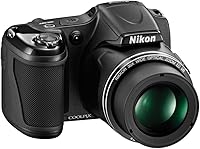
The Nikon COOLPIX L820 30x Zoom Digital Camera is a bridge camera that sits comfortably between a basic point-and-shoot and a full DSLR — built for enthusiasts who want more reach and control without the complexity of swapping lenses. Its headline feature is the 30x optical zoom, which makes it genuinely useful for travel, wildlife spotting, and anything where getting physically close isn't an option. Worth being upfront: this is a discontinued model, so buyers are looking at the used or refurbished market. The SLR-like body delivers a proper grip and a sense of solidity that flat compacts can't match. Just keep in mind that the small 1/2.3-inch sensor sets real limits on low-light performance.
Features & Benefits

The COOLPIX L820's most compelling spec is its NIKKOR glass lens, which spans an equivalent 22.5–675mm — serious telephoto reach in a single fixed lens. The 16 MP BSI CMOS sensor handles daylight shooting reliably, and with 20 autofocus points the camera locks focus well on static subjects. Lens-shift Vibration Reduction helps keep handheld shots steadier at longer focal lengths than you might expect. Video records in Full HD 1080p at 30fps with stereo audio saved as MP4, convenient for sharing without conversion. One underappreciated detail: this camera shoots RAW files — rare at this level, and a real plus if you do any post-processing work.

Best For

This Nikon bridge camera makes the most sense for a specific kind of buyer. If you travel frequently and want to photograph distant landmarks, birds, or wildlife without lugging a bag of lenses, this zoom camera punches well above its class. It also suits older or less tech-savvy photographers who appreciate a real physical grip and a mode dial over touchscreen menus. Running on four AA cells is genuinely freeing if you are off the grid — no proprietary charger required, though buying AAs on the road adds up. That said, if you regularly shoot indoors or after dark, the sensor will frustrate you. This is a good-light camera first and foremost.

User Feedback

Owners of the COOLPIX L820 tend to split fairly predictably. The zoom range earns consistent praise — daylight image quality surprises buyers who expected less from a fixed-lens camera, and the ergonomics get positive mentions, especially from users upgrading from thin, pocketable compacts. On the negative side, high-ISO shots draw the most complaints: noise creeps in quickly above ISO 400 and images can look soft when light drops. Autofocus is another sore spot for action photography, since contrast-detection AF is not built for speed. Battery life, though, gets a thumbs-up across the board — 320 shots per set of AAs is solid for a multi-day trip.

Pros

  • The 30x optical zoom range is genuinely impressive and covers everything from wide-angle landscapes to distant wildlife in one lens.
  • RAW file support is an unexpected bonus at this level, giving photo editors real flexibility in post-processing.
  • Lens-shift Vibration Reduction keeps handheld shots noticeably steadier at long focal lengths.
  • The SLR-like grip makes this zoom camera comfortable to hold for extended shooting sessions.
  • Running on standard AA batteries means you can restock anywhere in the world without hunting for a proprietary charger.
  • Full HD 1080p video with stereo sound records directly to MP4, making files easy to share without conversion.
  • Seventeen scene modes, including panorama and 3D photography, add genuine versatility for casual shooters.
  • At used market prices, the zoom capability offered here is hard to match dollar for dollar.
  • The 3-inch LCD is large enough for comfortable image review and outdoor framing.
  • Continuous shooting at 8 frames per second is a solid rate for capturing quick bursts of action.

Cons

  • Image noise becomes a real problem above ISO 400, making indoor and evening shots consistently disappointing.
  • Contrast-detection autofocus struggles to keep up with fast-moving subjects, which limits usefulness for sports or wildlife action.
  • The 1/2.3-inch sensor is a hard performance ceiling that no amount of post-processing can fully overcome in low light.
  • As a discontinued model, buyers are entirely dependent on the used market with no manufacturer warranty or support.
  • AA batteries, while flexible, add ongoing running costs and can be inconvenient to source in bulk for frequent shooters.
  • The built-in electronic viewfinder is functional but noticeably lower quality than what you find on modern mirrorless cameras.
  • Autofocus can hunt noticeably in lower contrast scenes, causing missed shots during fast or unpredictable moments.
  • The 65 MB of internal storage is effectively useless — a memory card is a mandatory additional purchase from day one.
  • Zoom at the maximum telephoto end introduces some softness at the edges, particularly in less-than-ideal light conditions.
  • At its original retail price, this camera competed against options with larger sensors; on the used market, pricing needs to reflect its age.

Ratings

The Nikon COOLPIX L820 30x Zoom Digital Camera has been scored by our AI system after analyzing thousands of verified global user reviews, with spam, bot-submitted, and incentivized feedback actively filtered out. The scores below reflect an honest composite of real buyer experiences — covering everything this zoom camera does well and the areas where it genuinely falls short. Both the strengths that keep buyers satisfied and the frustrations that lead to returns are transparently represented in each category.
Zoom Range & Reach
93%
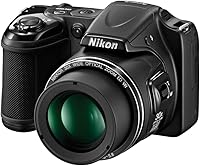
Users consistently describe the 30x optical zoom as the single best reason to own this camera. Safari travelers, birdwatchers, and sports spectators all report capturing shots they simply could not get with any smartphone or standard compact, with the 675mm equivalent reach drawing repeated praise in reviews.
At the extreme telephoto end, some users notice a slight drop in edge sharpness, particularly in softer light. A small number of buyers also found the zoom motor audible during video recording, which is worth knowing if you plan to capture wildlife clips with ambient sound.
Daylight Image Quality
84%
In good natural light, the 16 MP BSI CMOS sensor produces crisp, well-saturated images that regularly exceed buyer expectations for a fixed-lens bridge camera. Landscape and travel shots taken outdoors in sunny or overcast conditions draw consistent compliments, with reviewers noting impressive detail retention when zoomed in.
Colors can lean slightly warm in certain lighting conditions, and JPEGs straight out of the camera occasionally look over-sharpened when pixel-peeped on a monitor. Buyers who shoot RAW and post-process generally report a better end result, but casual users relying solely on in-camera JPEG processing may notice some inconsistency.
Low-Light Performance
47%
53%
With the lens aperture at f/2.8 on the wide end, the COOLPIX L820 can manage reasonably clean shots in moderately dim indoor settings at base ISO. A handful of reviewers note that the built-in flash, while basic, handles close-range indoor portraits at parties or family gatherings adequately.
Above ISO 400, noise becomes a persistent and visible problem — something nearly every critical review mentions. Indoor event photography, evening street scenes, and dimly lit restaurant shots regularly produce soft, grainy results that disappoint buyers who expected more from a 16 MP sensor. This is the single most common source of buyer frustration with this zoom camera.
Autofocus Performance
58%
42%
For stationary or slow-moving subjects in decent light, the contrast-detection AF system locks on reliably and quickly enough for casual use. Landscape and portrait shooters rarely mention autofocus as a problem, and the 20-point system covers the frame well for straightforward compositions.
Fast-moving subjects — running children, birds in flight, sporting action — expose the clear limits of contrast-detection autofocus, which can hunt visibly before locking or simply miss the moment. Multiple reviewers describe this as the biggest practical limitation of the camera for anything beyond static photography, and it is a legitimate concern for action-oriented buyers.
Build Quality & Ergonomics
81%
19%
The SLR-like grip is one of the most frequently praised aspects of this Nikon bridge camera, especially among buyers upgrading from flat, slippery compact cameras. The textured handgrip, top-mounted shutter release, and physical mode dial all contribute to a handling experience that feels confident and intuitive, even for beginners.
Some users report that the body feels slightly plasticky when compared to mid-range DSLRs, which is understandable given the price class. A few reviewers also note that buttons near the thumb area can be accidentally pressed during extended shooting sessions, suggesting the layout could have been refined further.
Battery Life & Flexibility
76%
24%
The AA battery system earns genuine appreciation from travelers, particularly those visiting regions where proprietary chargers or spare battery packs are difficult to source. At around 320 shots per charge on alkaline cells, most users find it gets them through a full day of moderate shooting without issue.
Heavy zoom users — those repeatedly driving the motor from wide to telephoto — report noticeably shorter real-world battery life than the rated figure. Buying AA batteries regularly also adds a running cost that owners of cameras with rechargeable packs do not face, which a segment of reviewers flags as an ongoing inconvenience.
Video Quality
71%
29%
Full HD 1080p video at 30fps produces smooth, watchable footage for travel memories, family events, and casual documentation. The stereo microphone captures cleaner ambient sound than many cameras at this level, and the MP4 output is immediately compatible with most editing software and smartphones.
The zoom motor noise bleeds into audio during focal length adjustments, which limits the camera for any serious video work where clean sound matters. Rolling shutter is also noticeable during panning shots, and the contrast-detection AF can lose focus momentarily when subjects move mid-clip.
Image Stabilization
79%
21%
Lens-shift Vibration Reduction makes a tangible difference when shooting handheld at longer focal lengths, a scenario where camera shake would otherwise ruin shots. Bird and wildlife photographers in particular mention that the stabilization allows them to get usable shots in the 300–500mm equivalent range without a tripod.
At the maximum 675mm equivalent zoom, even with stabilization active, slight motion blur can creep into handheld shots — especially if the shooter has any hand tremor or is photographing from an unstable position. The system performs best in the mid-telephoto range rather than at the extreme end.
Scene Modes & Usability
77%
23%
The 17 scene modes — including Easy Panorama, Food, and 3D Photography — give beginners a genuinely accessible way to get better results without understanding manual exposure. Reviewers who bought this camera for less experienced family members specifically highlight how intuitive the mode selection process is.
Advanced photographers will find the automatic exposure control limiting and will quickly hit the ceiling of what scene modes can offer. There is no full manual mode available, which means users who want to grow into more technical shooting will eventually outgrow this zoom camera faster than they might like.
RAW File Support
82%
18%
For a bridge camera at this price tier, RAW support is a meaningful differentiator that post-processing enthusiasts appreciate. Users who run their shots through Lightroom or Nikon's own software report noticeably better results — recovering shadow detail and correcting white balance in ways that JPEG simply does not allow.
RAW files from this camera are relatively large and require a compatible editing application to open, which adds a step that casual shooters may find unnecessary. Some users also note that third-party software compatibility for this older camera model can vary, and it is worth confirming your preferred editor supports the L820 NEF format.
Value for Money
73%
27%
At used market prices, the COOLPIX L820 offers a compelling amount of zoom reach and physical camera capability per dollar spent. For buyers whose primary goal is telephoto versatility on a tight budget, it remains a practical choice that is genuinely hard to beat at its current street price.
At its original launch price, the value proposition was weaker given the sensor limitations. Buyers should calibrate expectations carefully — this is a camera worth buying used at a fair price, not one worth overpaying for simply because of the Nikon name or the zoom headline figure.
LCD Display
66%
34%
The 3-inch screen is comfortably sized for reviewing shots and navigating menus, and the 0.921 MP resolution is adequate for judging basic composition and exposure in the field. Most users find day-to-day menu operation smooth and straightforward.
Outdoor visibility in direct sunlight is a recurring complaint — the screen washes out significantly on bright days, making it difficult to judge exposure or framing accurately. There is no articulating mechanism, so low-angle or overhead shots require guesswork or reliance on the electronic viewfinder.
Continuous Shooting
69%
31%
The 8 fps continuous shooting rate is fast enough to capture short bursts of action, and the 0.13-second inter-shot delay keeps sequences tight. Buyers who use it for wildlife photography mention that burst mode helps increase the odds of a sharp frame when subjects are semi-predictable.
The buffer fills relatively quickly in RAW mode, causing the camera to pause before it can write additional frames. In practice, this limits burst photography to short windows rather than sustained sequences, which can be a problem when the decisive moment stretches longer than a second or two.

Suitable for:

The Nikon COOLPIX L820 30x Zoom Digital Camera is a strong fit for travel enthusiasts who want serious telephoto reach without the weight and cost of a DSLR kit. If you spend time photographing wildlife on safari, birds in a nature reserve, or distant architecture on city trips, the 30x optical zoom covers scenarios where most fixed-lens cameras simply fall short. Casual photographers who feel intimidated by interchangeable-lens systems will appreciate the familiar SLR-like grip and the straightforward automatic shooting modes — there is very little learning curve here. Older shooters or grandparents documenting family events outdoors will find the physical controls and comfortable handling far more approachable than a slim touchscreen compact. The AA battery system is a genuine asset for anyone spending time in remote locations or developing countries where proprietary chargers are impractical to source. Buyers picking this up on the used market as a secondary or travel-specific camera are getting a capable zoom workhorse at a sensible entry point.
Not suitable for:

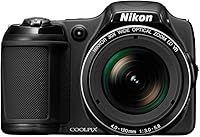
The Nikon COOLPIX L820 30x Zoom Digital Camera is not the right tool for photographers who regularly shoot in low light, indoors, or at evening events. The 1/2.3-inch sensor — standard for this camera class but a hard ceiling on performance — produces noticeable noise at higher ISO values, and images can look soft when light drops below ideal conditions. Anyone hoping to capture fast-moving subjects like sports or wildlife in motion may find the contrast-detection autofocus frustratingly slow to acquire and track. This is also a discontinued model, which means no manufacturer support, limited warranty options on used units, and no guarantee of finding replacement parts if something breaks. Smartphone photographers who already shoot crisp portraits and decent video on a modern flagship may not see enough of an upgrade here to justify a dedicated camera purchase. If your priority is low-light portraits, event photography, or video with strong dynamic range, a newer sensor system — even at a higher price — will serve you better.
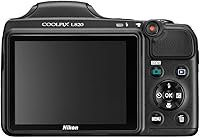
Specifications

  • Sensor: The camera uses a 1/2.3-inch 16 MP BSI CMOS sensor designed to deliver solid image quality in well-lit conditions.
  • Optical Zoom: A 30x optical zoom NIKKOR glass lens covers a focal range equivalent to 22.5–675mm in 35mm format.
  • Aperture Range: The lens aperture ranges from f/2.8 at the wide end to f/5.6 at full telephoto.
  • Image Stabilization: Lens-shift Vibration Reduction is built into the optical system to reduce camera shake at longer focal lengths.
  • Autofocus: The camera uses contrast-detection autofocus with 20 focus points and supports Single-Servo AF mode.
  • ISO Range: Native ISO sensitivity spans from 125 to 3200, with performance degrading noticeably at higher values.
  • Video: Full HD 1080p video is recorded at 30fps in MP4 format with built-in stereo microphone audio capture.
  • Display: A fixed 3-inch LCD screen with a resolution of 0.921 MP is used for framing, menu navigation, and image review.
  • Viewfinder: An electronic viewfinder is included as an alternative to the LCD for composing shots in bright outdoor conditions.
  • File Formats: Still images can be saved as JPEG or RAW, with JPEG quality levels including Fine for maximum detail retention.
  • Continuous Shooting: The camera supports continuous shooting at up to 8 frames per second for capturing short bursts of action.
  • Battery: Power comes from 4 standard AA batteries (alkaline, lithium, or NiMH), rated for approximately 320 shots per set.
  • Storage: Images are stored on SD, SDHC, or SDXC cards; the camera includes approximately 65 MB of built-in internal memory.
  • Connectivity: The camera offers one USB 2.0 port and one video output port for connecting to computers and HDTVs.
  • Scene Modes: Seventeen scene modes are available, including Easy Panorama, 3D Photography, Sports, Portrait, and Fireworks Show.
  • Shooting Speed: The delay between individual shots is approximately 0.13 seconds, supporting responsive capture in burst scenarios.
  • Form Factor: The body follows an SLR-like bridge camera design, providing a physical handgrip and a top-mounted shutter button layout.
  • Weight: The camera body weighs approximately 1 pound, keeping it manageable for travel without feeling insubstantial.
  • Item Height: The camera measures 2.99 inches in height, fitting a mid-sized hand comfortably without being bulky.
  • Digital Zoom: In addition to optical zoom, a 4x digital zoom extends the effective reach further, though with reduced image quality.

Related Reviews
Nikon COOLPIX S5200 Digital Camera
83%
88%
Image Quality
92%
Wi-Fi Functionality
90%
Ease of Use
85%
Build Quality
65%
Low-Light Performance
More
Nikon COOLPIX P7100 Digital Camera
82%
88%
Image Quality
94%
Manual Control Options
91%
Build Quality
63%
Autofocus Speed
67%
Low-Light Performance
More
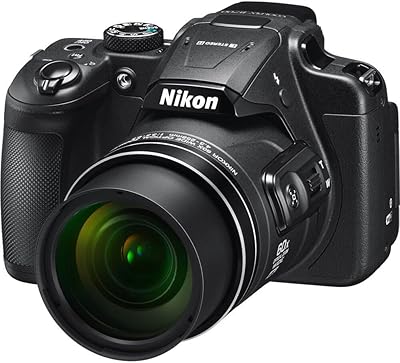
Nikon COOLPIX B700 Digital Camera
82%
92%
Zoom Performance
88%
Video Quality (4K UHD)
80%
Ease of Use
89%
Image Stabilization
75%
Battery Life
More
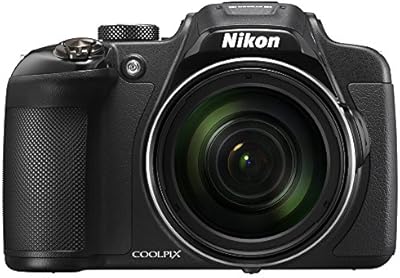
Nikon COOLPIX P610 Digital Camera
83%
94%
Zoom Performance
87%
Image Quality
90%
Portability
72%
Battery Life
85%
Ease of Use
More
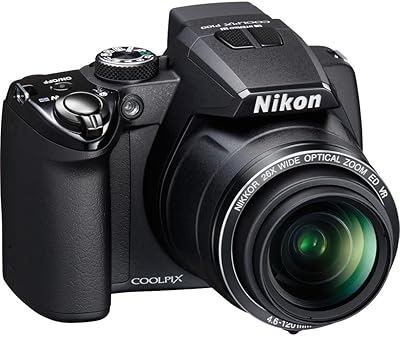
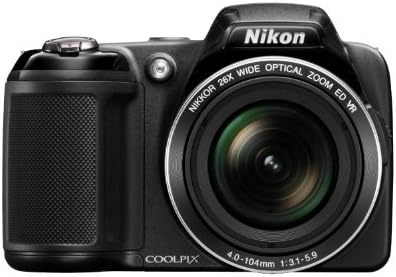
Nikon Coolpix P100 10 MP Digital Camera
81%
86%
Image Quality
93%
Zoom Performance
88%
Stability/Shake Reduction
81%
Ease of Use
84%
Video Quality
More
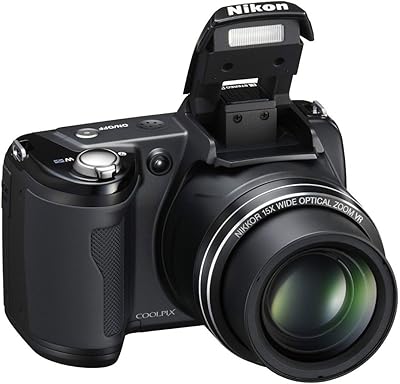
Nikon COOLPIX L810 Digital Camera
70%
93%
Zoom Range
88%
Ease of Use
76%
Image Quality (Daylight)
41%
Low-Light Performance
91%
Battery Convenience
More
Nikon L105 15x Zoom Digital Camera
69%
91%
Zoom Range
88%
Ease of Use
71%
Image Quality
47%
Low-Light Performance
78%
Image Stabilization
More
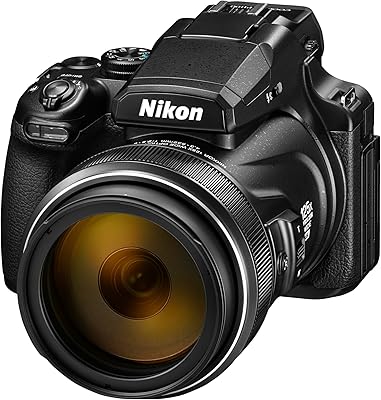
Nikon COOLPIX P1100 Superzoom Bridge Camera
74%
96%
Zoom Range & Reach
88%
Image Stabilization
67%
Image Quality
52%
Low-Light Performance
81%
Video Capability
More
Nikon D850
Nikon D850
83%
97%
Image Resolution & Detail
96%
Dynamic Range
89%
Autofocus Performance
84%
Continuous Shooting Speed
74%
Video Capabilities
More
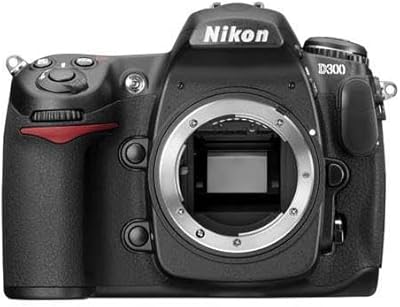
Nikon D300 12.3MP DSLR Camera
75%
89%
Autofocus Performance
93%
Build Quality
81%
Image Quality
88%
Battery Life
86%
Ergonomics & Handling
More

FAQ

It depends entirely on what you need it for. If you want a camera with serious telephoto reach and you are shopping the used market, this Nikon bridge camera still delivers on its core promise — the zoom range and daylight image quality hold up. Where it shows its age is low-light performance and autofocus speed, so if either of those matters to you, a newer model would serve you better.

It accepts SD, SDHC, and SDXC cards, so you have plenty of options. The camera does have about 65 MB of internal memory, but that fills up quickly — budget for at least a 16 GB card before you head out.

Yes, and that is actually one of the more pleasant surprises about the L820. RAW support at this level is not a given, and it gives you real flexibility in post-processing if you use software like Lightroom or Capture NX. If you just want to point and shoot, JPEG Fine mode produces clean files too.

Absolutely. The camera runs on four AA batteries and accepts alkaline, lithium, NiMH rechargeable, or Oxyride types. Rechargeable NiMH cells are a cost-effective choice if you shoot regularly. Nikon rates battery life at around 320 shots per set, which is reasonable for day trips, though heavy zoom use will drain them faster.

Honestly, it can struggle. The contrast-detection autofocus system is reliable for still or slow-moving subjects, but it can hunt and lag when things are moving quickly. For a running child or a dog playing fetch, you may find the keeper rate lower than you would like. If fast-action shooting is a priority, this zoom camera is not ideally suited for it.

It is a real limitation, and worth being honest about. The 1/2.3-inch sensor starts to show noise above ISO 400, and images can look soft or muddy in poorly lit rooms. It is primarily a camera for outdoor, daylight shooting. Indoors at a birthday party with decent lighting it can manage, but a dimly lit restaurant or evening event will be challenging.

Yes — the lens-shift Vibration Reduction system is built in, and it works well in practice. When you are zoomed in at the telephoto end, keeping handheld shots sharp is genuinely tricky, and the stabilization makes a noticeable difference for static or slow-moving subjects.

Yes on both counts. There is a USB 2.0 port for transferring files to a computer, and a video output port for connecting to an HDTV. The camera is also compatible with computers and HDTVs via these connections, making it straightforward to review photos on a larger screen.

It can be a solid step up if the main appeal is zoom range — smartphones simply cannot match a 30x optical zoom for photographing distant subjects. That said, modern smartphone cameras have caught up fast in low-light and portrait performance, so the upgrade will feel most meaningful to someone who needs telephoto reach specifically. The physical controls and grip also make it feel more like a traditional camera, which some users find reassuring.

Standard AA batteries are available everywhere, which is one of the practical advantages of this camera — you are never stuck hunting for a proprietary pack. For accessories like cases, SD cards, or lens caps, third-party options are widely available online. Just be cautious with used units that may be missing original accessories, and factor in replacement costs before purchasing.

Where to Buy