Overview

The Nikon COOLPIX L810 Digital Camera is a bridge camera that sits squarely between a basic point-and-shoot and the more demanding world of interchangeable-lens systems. Its defining feature is a 26x optical zoom, which gives casual photographers genuine telephoto reach without the weight or learning curve of a DSLR. The sensor underneath is an older CCD design — perfectly capable in good light, but worth keeping in mind if you regularly shoot in dim conditions. What sets the L810 apart for practical shooters is its AA battery system, a real convenience when you're away from reliable charging. This is an enthusiast-friendly camera built for accessibility, not advanced manual control.

Features & Benefits

The headline draw is the 26x NIKKOR ED glass lens, spanning an equivalent of 22.5mm to 585mm — enough to fill the frame with a perched hawk, a stage performer, or a football play from the stands. The sensor-shift image stabilization helps considerably at those longer focal lengths, where camera shake would otherwise ruin most shots. The 3-inch LCD is sharp at 921,000 dots but can wash out in direct afternoon sun. Video tops out at HD 720p with stereo sound, which feels dated compared to any current smartphone. Scene modes like panorama, night landscape, and 3D photography add creative flexibility. With four standard AA batteries powering everything, you are never stranded far from resupply.

Best For

This bridge camera is a natural fit for budget-minded travelers who want genuine zoom range without the bulk of a mirrorless or DSLR kit. Wildlife watchers and birdwatchers will appreciate the 585mm reach for spotting distant subjects, even if the autofocus can need a moment to lock on. It works well for family events, school sports days, and vacations — situations where you want more than a phone can deliver but do not want to think hard about settings. Anyone venturing off the beaten path will particularly value the AA battery advantage, since you can resupply at virtually any gas station or village shop worldwide. Beginners stepping into dedicated cameras will also find the automatic modes approachable.

User Feedback

Owners consistently praise the zoom range as the standout reason they chose this Nikon superzoom over competing options, and many note how easy it is to pick up and shoot without reading a manual. The recurring criticism, however, is low-light performance — images at ISO 800 and above show noticeable noise, a known limitation of the small CCD sensor. Autofocus at full telephoto can be slow to confirm, which is frustrating when photographing moving subjects. Several buyers mention the body feels comfortable to hold for its size, though extended sessions can cause hand fatigue. Long-term owners report the L810 holds up reliably over years of casual use, which is encouraging given its age on the market.

Pros

  • The 26x optical zoom delivers impressive reach for birdwatching, sports, and travel photography.
  • Four standard AA batteries mean you can resupply almost anywhere in the world without a charger.
  • Lightweight at under one pound, making it comfortable to carry all day.
  • Simple automatic modes make it genuinely easy for beginners to get decent shots quickly.
  • Sensor-shift image stabilization helps keep handheld shots sharp at long focal lengths.
  • A wide range of scene modes covers everything from panoramas to night landscapes out of the box.
  • The 3-inch high-resolution LCD is sharp and easy to frame shots on in typical lighting.
  • Face detection autofocus works reliably for portraits and family group shots.
  • Nikon build quality gives the L810 durability that holds up well over years of casual use.
  • HDMI output makes it easy to review photos directly on a TV without a computer.

Cons

  • Low-light image quality degrades noticeably at ISO 800 and above, producing muddy, grainy shots.
  • Autofocus at full telephoto zoom is slow and can miss fast-moving subjects entirely.
  • HD 720p video looks soft and underwhelming compared to current smartphones.
  • The LCD screen washes out in bright sunlight, making framing difficult outdoors on sunny days.
  • Continuous shooting at only 1.2 frames per second is too slow for capturing action sequences.
  • No raw file support limits post-processing options for more serious hobbyists.
  • The small CCD sensor struggles to produce clean images in anything less than ideal daylight.
  • Being an older, discontinued model means no firmware updates or manufacturer support going forward.
  • Internal storage of just 50MB is barely enough for a handful of full-resolution images.
  • The maximum aperture of f/5.9 at the long end significantly limits light gathering at full zoom.

Ratings

The scores below for the Nikon COOLPIX L810 Digital Camera were generated by AI after analyzing thousands of verified global buyer reviews, with spam, bot-submitted feedback, and incentivized reviews actively filtered out. The result is an honest, balanced picture of where this bridge camera genuinely delivers and where real-world users consistently ran into frustration. Both strengths and recurring pain points are reflected transparently in every category score.

Zoom Range
93%
The 26x optical zoom is the single most praised feature across virtually every user review, and for good reason — owners describe pulling in crisp shots of eagles perched in faraway trees, tracking athletes across a full sports field, and reaching performers on distant concert stages. For a compact camera, this reach is exceptional.
A small number of users note that at the absolute maximum zoom, even with image stabilization active, getting a sharp handheld shot requires patience and steady hands. Windy outdoor conditions in particular make the full telephoto range harder to use reliably.
Ease of Use
88%
Buyers who describe themselves as non-technical shooters consistently say the L810 is one of the least intimidating cameras they have owned. The menu layout is logical, scene modes are clearly labeled, and newcomers report getting usable shots within minutes of unboxing.
A handful of users with more photography experience find the automatic bias frustrating — the camera makes many decisions for you, and overriding them requires digging through menus that are not always intuitive once you want more control.
Image Quality (Daylight)
76%
24%
In decent natural light, the 16.1MP sensor produces sharp, well-exposed images with accurate colors that comfortably outperform what a typical smartphone delivered at the time of this camera's release. Landscape shots and outdoor portraits taken in good light regularly earn compliments from users sharing them online.
Colors can occasionally look slightly oversaturated in automatic mode, and fine detail in foliage or fabric sometimes softens at the pixel level in a way that becomes visible when printing larger than 8x10 inches. It is a competent daytime camera, but not a class leader even by the standards of its era.
Low-Light Performance
41%
59%
The built-in flash handles close-range indoor shots reasonably well in a pinch, and the night landscape scene mode squeezes a bit more detail out of dimly lit scenes than the standard auto mode does.
This is the L810's most consistent weakness in user feedback. Images taken at ISO 800 and above show heavy noise and smearing of fine detail — indoor birthday parties, evening events, and poorly lit venues regularly produce disappointing results. Users who expected decent indoor performance without flash are frequently let down.
Battery Convenience
91%
Owners who travel internationally or spend extended time outdoors describe the AA battery system as a genuine relief compared to cameras with proprietary packs. Picking up a fresh set of lithium AAs at a rural petrol station or a village shop abroad has saved more than a few trips from a dead-camera situation.
Alkaline batteries drain faster than many buyers expect under heavy zoom use, and the approximately 300-shot rating assumes moderate use. A few users report getting noticeably fewer shots in cold weather with alkalines, though switching to lithium cells largely resolves this.
Autofocus Performance
58%
42%
In good light with stationary or slowly moving subjects, face detection works reliably and locks on quickly enough for casual family and portrait shooting. Most everyday shooting scenarios — posed group shots, still wildlife, static subjects — are handled without drama.
At full telephoto zoom or in lower light, autofocus slows considerably and occasionally hunts back and forth without confirming. Users trying to photograph dogs running, birds in flight, or children at play describe a noticeable hit rate problem that proves genuinely frustrating over time.
Video Quality
44%
56%
The stereo microphone captures reasonably clear audio for casual clips, and the 720p footage is adequate for simple home viewing on a television or sharing as a memory rather than a produced video.
Against any current smartphone or modern point-and-shoot, the 720p output looks soft and dated. Motion artifacts appear during panning, and the lack of 1080p is a real limitation for anyone who wants to share videos on social platforms without them looking visibly old-fashioned.
Build Quality
74%
26%
Long-term owners — some of whom have used the L810 for several years — report that the camera holds up well with everyday bumps and bag life. The body feels solid enough for its class, and Nikon's reputation for durable consumer cameras is broadly reflected in user comments.
The plastic body does show scuffs and scratches over time, and the rubber grip area can start to feel tacky after extended use. A few users mention the battery compartment door feels less robust than the rest of the body.
Ergonomics & Handling
71%
29%
The camera balances well in one hand for quick shots, and the grip provides enough purchase for casual outings. Buyers with average-sized hands generally find it comfortable for short shooting sessions at markets, parks, or family gatherings.
Extended handheld use — especially at full zoom where you are bracing the camera for longer periods — leads to hand fatigue that multiple users mention. The body is also slightly slippery in damp conditions, and a wrist strap is essentially mandatory for safety when shooting one-handed.
LCD Display
67%
33%
The 921,000-dot resolution is genuinely sharp for reviewing images and navigating menus indoors, and the screen size makes framing feel comfortable compared to smaller-screened cameras in its price bracket.
Bright sunlight is a persistent problem — the screen washes out significantly on sunny days, making accurate framing and exposure assessment difficult. There is no viewfinder to fall back on in these conditions, which frustrates users who shoot a lot outdoors.
Scene Mode Versatility
79%
21%
The breadth of scene presets — covering fireworks, food, museums, sports, night landscapes, panoramas, and even 3D photography — is broader than many buyers expect. Casual users report that simply dialing in the right scene mode produces noticeably better results than leaving the camera on full auto.
Experienced photographers will find the scene modes redundant since they lack the granular control that manual or semi-manual settings offer. The 3D mode in particular requires specific Nikon-compatible displays to view properly, making it a niche feature that most buyers will never actually use.
Value for Money
62%
38%
For buyers who find the L810 at a significantly reduced price — as a used or heavily discounted unit — the zoom range alone justifies the purchase for casual outdoor photographers who cannot afford a newer superzoom or entry-level DSLR with a telephoto lens.
At or near its original price point, the L810 is a harder sell given how much the camera market has advanced. Newer cameras in the same general price bracket offer larger sensors, faster processors, Wi-Fi connectivity, and 1080p video — all areas where this bridge camera shows its age clearly.
Image Stabilization
77%
23%
Sensor-shift stabilization makes a meaningful difference when shooting at 300mm or beyond — users describe being able to capture usable handheld shots of distant subjects that would have been blurry without it. For a camera designed around its zoom range, this is a sensible and genuinely effective inclusion.
Stabilization cannot fully compensate for extreme magnification when the shooter is moving or standing on unsteady ground, such as a boat or moving vehicle. Users expecting to shoot sharp images at full zoom while walking will still encounter blur in a notable share of their frames.
Connectivity & Transfer
48%
52%
HDMI output is appreciated for connecting directly to a TV to browse photos on a big screen — a feature that grandparents and family users in particular mention as a practical convenience for sharing shots without needing a laptop.
The complete absence of Wi-Fi or Bluetooth is a significant drawback by today's standards, and USB cable transfer feels cumbersome to users who are used to wirelessly syncing their smartphone photos. Getting images onto social media or cloud storage requires an extra step that many buyers find unnecessarily inconvenient.
Long-Term Reliability
82%
18%
Considering the camera has been on the market for well over a decade, the volume of users reporting years of trouble-free use is encouraging. Many buyers who purchased the L810 as a gift for a parent or relative report it is still functioning normally after years of casual use.
Being a discontinued model means there is no firmware support, no manufacturer service pathway, and replacement parts are increasingly scarce. Buyers should be aware that any hardware fault is effectively unrepairable through official channels at this stage.

Suitable for:

The Nikon COOLPIX L810 Digital Camera is a solid pick for casual photographers who want meaningful zoom reach without committing to a heavier, more complex camera system. Travelers heading on safari, to national parks, or to outdoor sporting events will get genuinely useful telephoto range — enough to pull in distant wildlife or action from the sidelines. Birdwatchers and nature hobbyists on a tighter budget will find the 585mm equivalent reach hard to match at this price point in a camera this light. It also works well for family-oriented shooters — grandparents, parents at school plays, or anyone who just wants to point, zoom, and get a decent shot without fiddling with settings. The AA battery system is a practical bonus for anyone traveling internationally or venturing into areas where charging infrastructure is unreliable.

Not suitable for:

The Nikon COOLPIX L810 Digital Camera is not the right choice for anyone expecting performance on par with current cameras in its class, since this is an older model with technology that has been surpassed. Photographers who regularly shoot in low light — indoor events, evening gatherings, or night scenes — will struggle with noticeable image noise at higher ISO settings. Anyone who shoots video as a primary use case should look elsewhere; the 720p output feels genuinely dated next to what modern smartphones or newer cameras produce. Action and sports photographers who need fast, confident autofocus will also find the L810 frustrating, particularly at full telephoto zoom where locking onto moving subjects takes longer than you would want. If you are hoping for fine manual control, RAW workflow flexibility, or the ability to swap lenses as your skills grow, this bridge camera will feel limiting sooner rather than later.
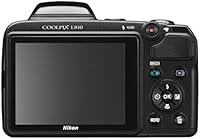
Specifications

  • Sensor: A 16.1-megapixel CCD sensor measuring 1/2.3 inches captures stills at up to 4608 x 3456 pixels.
  • Optical Zoom: The 26x NIKKOR ED glass lens covers a focal range equivalent to 22.5–585mm in 35mm format.
  • Image Stabilization: Sensor-shift vibration reduction is built in to compensate for camera shake, particularly useful at longer focal lengths.
  • ISO Range: Sensitivity runs from ISO 80 up to ISO 1600, with best results achieved at the lower end of that range.
  • Display: A fixed 3″ LCD with 921,000-dot resolution serves as the primary framing and review screen.
  • Video: The camera records HD 720p video in MPEG-4 format with stereo sound via a built-in microphone.
  • Autofocus: A 5-point contrast-detection autofocus system includes face detection and continuous-servo AF mode.
  • Battery: Power comes from four standard AA batteries (alkaline, NiMH, or lithium), good for approximately 300 shots per set.
  • Storage: The camera accepts SD, SDHC, and SDXC cards and includes approximately 50MB of built-in internal storage.
  • Connectivity: Output options include USB 2.0 for data transfer and an HDMI Mini (Type C) port for connecting to a TV.
  • Continuous Shooting: The burst mode captures up to 4 frames at approximately 1.2 frames per second at full resolution.
  • Aperture Range: The lens aperture ranges from f/3.1 at the wide end to f/5.9 at full telephoto zoom.
  • Shutter Speed: Shutter speeds range from 1 second up to 1/2000 second depending on mode and lighting conditions.
  • File Formats: Still images are saved as JPEG files; video is recorded in MOV format using MPEG-4 compression.
  • Scene Modes: Over a dozen scene presets are available, including panorama, night landscape, sports, fireworks, and 3D photography.
  • Weight: The camera body weighs approximately 0.95 pounds without batteries or memory card installed.
  • Flash: A built-in flash supports auto, red-eye reduction, and fill-flash modes with a guide number of 10.
  • Self-Timer: A 10-second self-timer is available for hands-free shots and group photographs.
  • Metering: Exposure metering uses a 256-segment matrix system with center-weighted and spot options also available.
  • Digital Zoom: An additional 4x digital zoom extends reach beyond the optical range, though with a reduction in image quality.

Related Reviews
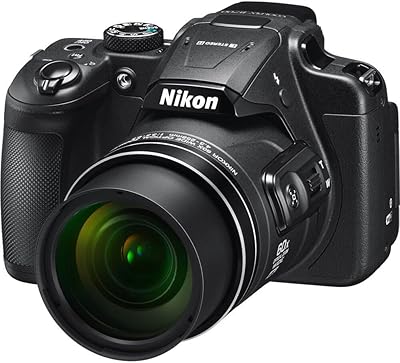
Nikon COOLPIX B700 Digital Camera
82%
92%
Zoom Performance
88%
Video Quality (4K UHD)
80%
Ease of Use
89%
Image Stabilization
75%
Battery Life
More
Nikon COOLPIX S5200 Digital Camera
83%
88%
Image Quality
92%
Wi-Fi Functionality
90%
Ease of Use
85%
Build Quality
65%
Low-Light Performance
More
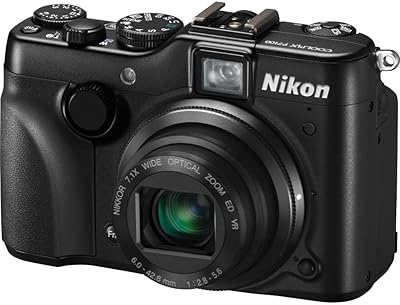
Nikon COOLPIX P7100 Digital Camera
82%
88%
Image Quality
94%
Manual Control Options
91%
Build Quality
63%
Autofocus Speed
67%
Low-Light Performance
More
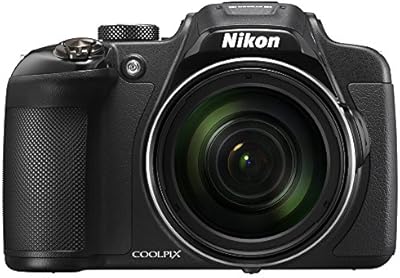
Nikon COOLPIX P610 Digital Camera
83%
94%
Zoom Performance
87%
Image Quality
90%
Portability
72%
Battery Life
85%
Ease of Use
More
Nikon Coolpix P100 10 MP Digital Camera
81%
86%
Image Quality
93%
Zoom Performance
88%
Stability/Shake Reduction
81%
Ease of Use
84%
Video Quality
More
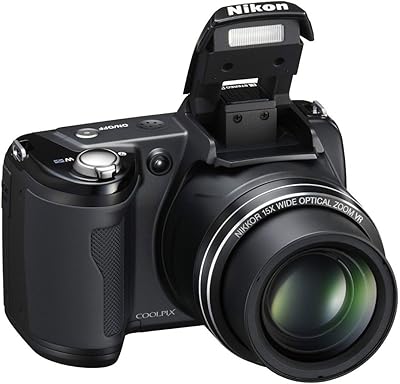
Nikon L105 15x Zoom Digital Camera
69%
91%
Zoom Range
88%
Ease of Use
71%
Image Quality
47%
Low-Light Performance
78%
Image Stabilization
More
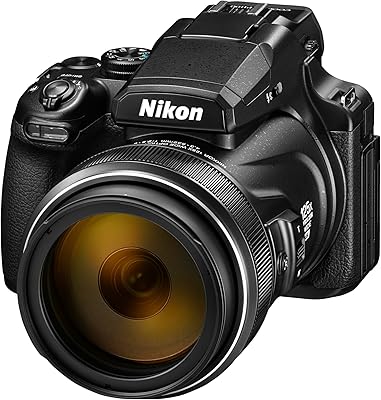
Nikon COOLPIX P1100 Superzoom Bridge Camera
74%
96%
Zoom Range & Reach
88%
Image Stabilization
67%
Image Quality
52%
Low-Light Performance
81%
Video Capability
More
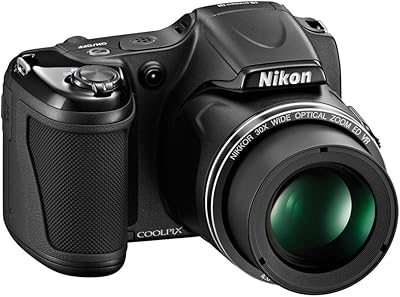
Nikon COOLPIX L820 30x Zoom Digital Camera
74%
93%
Zoom Range & Reach
84%
Daylight Image Quality
47%
Low-Light Performance
58%
Autofocus Performance
81%
Build Quality & Ergonomics
More
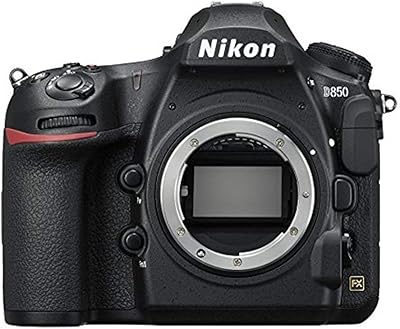
Nikon D850
Nikon D850
83%
97%
Image Resolution & Detail
96%
Dynamic Range
89%
Autofocus Performance
84%
Continuous Shooting Speed
74%
Video Capabilities
More
Nikon D300 12.3MP DSLR Camera
75%
89%
Autofocus Performance
93%
Build Quality
81%
Image Quality
88%
Battery Life
86%
Ergonomics & Handling
More

FAQ

It uses standard SD, SDHC, or SDXC cards, which are widely available and inexpensive. The camera does have a small amount of internal storage, but you will want a card — a 16GB or 32GB SDHC card is more than enough for a full day of shooting.

The 26x optical zoom reaches a focal length equivalent to 585mm on a 35mm camera, which is genuinely impressive for a compact body. In practical terms, you can photograph a bird perched in a distant tree, pull in details from across a sports field, or zoom into performers on a stage from the back of a venue. Just keep in mind that at maximum zoom, holding the camera steady becomes more important, which is where the built-in image stabilization earns its keep.

Honestly, this is one area where the L810 shows its limitations. The small CCD sensor struggles once the light drops, and images at higher ISO settings tend to look grainy and soft. It is fine for well-lit indoor rooms, but dimly lit restaurants or evening outdoor events will likely produce disappointing results. If low-light shooting is important to you, a more current camera with a larger sensor would serve you better.

The camera runs on four standard AA batteries, which is one of its most practical advantages over cameras with proprietary rechargeable packs. Nikon rates battery life at around 300 shots per set with alkaline batteries; lithium AAs will last noticeably longer and perform better in cold weather. You can buy replacements at virtually any shop worldwide, which makes this camera especially sensible for extended travel.

The Nikon COOLPIX L810 Digital Camera tops out at HD 720p video, which looks acceptable for casual home viewing but will seem noticeably soft compared to modern smartphone footage or 1080p and 4K cameras. If video is a major priority for you, this camera will feel limiting. For simple vacation clips or family memories it gets the job done, but it is not a camera you would choose specifically for video.

Yes, it is a reasonable first step up from a smartphone for someone who wants a simple shooting experience. The automatic and scene modes handle most of the decision-making, and the controls are not overwhelming. The payoff for a beginner is immediately obvious — that zoom range is something no phone can match. Just go in knowing that the learning curve is gentle by design, and you will not find many manual controls to grow into.

Autofocus is reliable in good light for moderately paced subjects, but it struggles with fast or unpredictable movement, especially at full zoom. Tracking a dog sprinting across a field or a bird in flight is genuinely difficult with this bridge camera — the system needs a moment to acquire and confirm focus. For slower-moving or stationary subjects it performs well enough, but action photographers will find it frustrating.

Yes, the camera has an HDMI Mini output and also supports AV output, so you can connect it directly to most TVs for viewing photos and video. This is a convenient feature for sharing holiday or family shots on a big screen without needing a laptop or streaming device.

That depends entirely on your expectations. If you are looking for a lightweight camera with a long zoom, simple controls, and the AA battery convenience for travel, this bridge camera still delivers that experience at a lower cost than newer alternatives. Where it falls short is image quality in challenging conditions and video capability — both of which have improved significantly in cameras released since. If you can find it at a sensible price and your shooting needs match its strengths, it remains a practical choice for casual use.

No, the L810 does not include Wi-Fi or Bluetooth connectivity. Transferring photos requires either connecting the camera to a computer via USB cable or removing the SD card and using a card reader. This is one area where the camera's age shows clearly compared to modern point-and-shoots, most of which include wireless transfer as standard.

Where to Buy