Overview

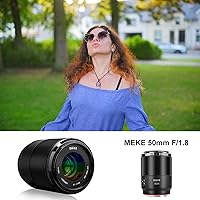
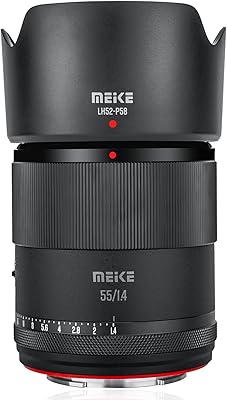
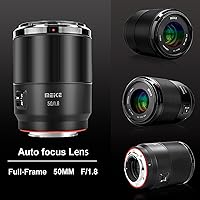
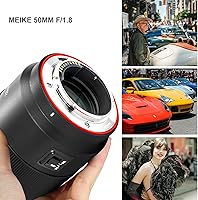
The Meike 50mm F1.8 Sony E Mount Lens arrived in early 2024 as a genuinely interesting option for Sony mirrorless shooters who want a fast prime without spending what Sony charges for its own glass. Third-party 50mm lenses for E-mount are nothing new, but most have been manual-focus only — this Meike prime changes that by including an STM autofocus motor, which is a real differentiator at this price point. It sits in a crowded budget segment, yet its growing user base and active firmware support suggest Meike is treating this as a serious, long-term product rather than a throwaway release.
Features & Benefits

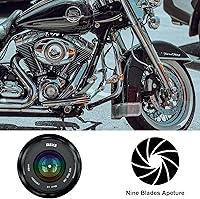
At f/1.8, the background separation you get from this budget Sony E-mount prime is legitimately attractive — the 9-blade aperture diaphragm helps produce rounded, smooth bokeh rather than the harsh geometric rendering cheaper lenses often deliver. The STM motor runs quietly enough to avoid issues during video work, and AF response in decent light is solid. Optically, the 7-element construction handles center sharpness well for the price. The Type-C firmware port is a thoughtful addition, letting you pull updates directly from Meike's site — though only Android devices are supported, which is a real inconvenience for anyone deep in the Apple ecosystem.

Best For

This Meike prime makes the most sense for Sony mirrorless beginners stepping off a kit lens who want to explore shallow depth of field without a significant financial commitment. APS-C users on bodies like the A6300 or A6500 get an effective 75mm equivalent — useful for portraits and tighter everyday shots. Video shooters who need a quiet AF motor and cannot justify native Sony glass will find it capable. Full-frame photographers on an A7-series body who are not yet ready to invest in Sony G-series optics will find the 50mm Meike lens a practical, low-risk starting point before upgrading.

User Feedback

With a 4.6-star average across more than 170 ratings, buyer sentiment is clearly positive, with sharpness and value topping the list of praised qualities. Many users note that autofocus performs confidently during everyday shooting in good light. Critical reviews, however, flag a noticeable drop in AF accuracy under low-light conditions, so managing expectations there is sensible. A handful of buyers point out that edge sharpness at wide apertures falls short of pricier native lenses — understandable given the positioning. The firmware update process gets mixed reactions: Android users find it workable, while iPhone users are simply locked out, and that frustration surfaces repeatedly in the comments.

Pros

  • F1.8 aperture delivers strong background separation that kit lenses simply cannot match.
  • The STM motor is quiet enough for casual video work without audible focus noise in footage.
  • Works across both full-frame and APS-C Sony E-mount bodies with correct EXIF data passed through.
  • Nine aperture blades produce smooth, rounded bokeh in portrait and lifestyle shooting.
  • Center sharpness at f/1.8 is genuinely good for the price tier, requiring minimal post-processing.
  • Type-C firmware port means Meike can push optical improvements after purchase — not common at this price.
  • At roughly 382 grams, it balances well on mid-sized Sony bodies during extended shooting sessions.
  • Ranked among the top sellers in mirrorless lenses, reflecting strong real-world buyer satisfaction.
  • Minimum focusing distance of 63cm gives usable close-focusing capability for tighter portrait framing.

Cons

  • Autofocus becomes unreliable in dim lighting — not a lens to depend on at evening events or indoor venues.
  • Edge and corner sharpness at wide apertures falls noticeably short of Sony native glass.
  • Firmware updates are Android-only, leaving iPhone users with no straightforward way to update.
  • The manual focus ring has a short rotation throw, making precise manual focus pulls difficult.
  • No weather sealing makes it a risky choice for outdoor photographers shooting in unpredictable conditions.
  • Build materials feel budget-oriented in hand — the gap versus Sony FE lenses is immediately noticeable.
  • AF hunting during video is an inconsistent but recurring issue when subjects move or the frame changes.
  • Some purple fringing appears in backlit high-contrast scenes when shooting wide open.
  • The included lens hood locks loosely and does not inspire confidence during active use.

Ratings

The Meike 50mm F1.8 Sony E Mount Lens has been scored by our AI system after parsing verified buyer reviews from multiple global markets, with spam, incentivized, and bot-generated feedback actively filtered out. The ratings below reflect an honest composite of real-world shooting experiences — from portrait sessions and street work to video projects — capturing both what this budget Sony E-mount prime genuinely delivers and where it falls short compared to pricier native alternatives.
Value for Money
93%
Buyers consistently express surprise at how much optical performance this Meike prime offers relative to what they paid. For photographers stepping off a kit lens, the jump in creative control — especially background separation at f/1.8 — feels substantial without a painful financial commitment.
A small number of more experienced users feel the value equation weakens when comparing it directly against used Sony native primes available at similar prices on the secondary market. For those buyers, the gap in overall optical quality becomes harder to overlook.
Autofocus Speed & Accuracy
74%
26%
In well-lit environments — outdoor portraits, street photography during daytime, indoor studio setups with adequate lighting — the STM motor acquires focus quickly enough to feel responsive and confident. Many users report it handles standard portrait distances without hesitation.
Low-light AF is a recurring complaint. Several buyers describe noticeable hunting in dim restaurant settings or indoor events without flash, and a handful report occasional missed focus on moving subjects. It is capable but not reliable enough to use as a primary event lens after dark.
Image Sharpness
81%
19%
Center sharpness at f/1.8 draws genuine praise from users shooting portraits and product shots. Stop down to f/4 or f/5.6 and the results across the frame are sharp enough that many buyers say the images required minimal post-processing sharpening.
Edge and corner sharpness at wide apertures is a documented weak point. Users shooting architecture or landscapes where corner detail matters will notice softness that native Sony glass at this focal length does not produce. It is a portrait-first lens, and straying from that use case highlights its limits.
Bokeh Quality
86%
The 9-blade aperture diaphragm earns specific praise in user reviews, with portrait photographers noting that background elements blur into smooth, rounded shapes rather than the harsh, angular rendering common in cheaper lenses. Subject isolation in head-and-shoulders shots looks genuinely pleasing.
At close focusing distances, a few users have noted some busy or slightly nervous bokeh in high-contrast backgrounds — twinkly lights or dense foliage can reveal outlining. It is not a dealbreaker, but it is present and visible in certain shooting scenarios.
Build Quality & Feel
68%
32%
Most buyers describe the physical build as solid enough for a lens at this price tier. The barrel feels reasonably dense in hand, and the mount connection to Sony bodies is reported as snug without play or wobble in day-to-day use.
Compared to Sony's own FE lenses, the plastics used feel noticeably less premium. A few users mention a slightly loose manual focus ring, and the overall tactile experience reads as budget-oriented. Anyone upgrading from a Sony G or Zeiss-branded lens will feel the difference immediately.
Video Performance
72%
28%
The STM motor is quiet enough that it does not bleed into footage recorded with an on-camera microphone during casual video work. Vloggers and YouTube creators shooting talking-head content report clean, usable results when the subject stays at a consistent distance from the camera.
AF hunting during video — particularly when the camera reacquires focus after a pan or subject movement — is a cited concern. It is not constant, but unpredictable enough that videographers shooting dynamic content or run-and-gun footage may find it frustrating without manual focus override.
Compatibility & Versatility
89%
Full-frame and APS-C coverage across Sony E-mount bodies is a genuine strength. Users on older bodies like the A6300 and newer full-frame bodies like the A7III both report clean, functional performance with correct EXIF data passed through without issue.
There is no weather sealing, which limits its appeal for outdoor photographers who shoot in unpredictable conditions. A small number of users on older Sony bodies report needing a firmware update before autofocus functioned correctly out of the box.
Firmware Update Experience
54%
46%
Meike provides a Type-C firmware update port and publishes updates on their official site, which is a meaningful commitment that purely manual third-party lenses do not offer. Android users who have gone through the process generally describe it as functional once they locate the correct app.
The update process only works on Android devices, and this is a significant friction point for the large portion of photographers who use iPhones. Several reviews specifically call out this limitation as a frustration, and the update app interface is described as unintuitive even for those who can use it.
Low-Light Performance
66%
34%
The f/1.8 aperture does meaningful work in low-light stills, allowing photographers to raise shutter speed or keep ISO lower than a kit lens would allow. For static subjects — candlelit portraits, indoor gatherings — the lens gathers enough light to produce usable images.
The autofocus system struggles when light drops significantly, and wide-open sharpness in low light is softer than some buyers anticipate. The lens performs better than a kit zoom in dim conditions, but it is not the low-light specialist that a similarly priced used Sony 50mm f/1.8 OSS might be.
Weight & Portability
88%
At roughly 382 grams, this Meike prime balances well on mid-sized Sony bodies without feeling front-heavy. Street photographers and travel shooters appreciate that the combination of a Sony A7-series body and this lens stays manageable over a long shooting day.
On smaller APS-C bodies like the A6000-series, a handful of users note the lens feels slightly oversized proportionally — not a functional problem, but an ergonomic one that takes some adjustment. It is not the most compact 50mm option available for compact Sony APS-C systems.
Manual Focus Usability
63%
37%
The manual focus ring is present and functional, and photographers who use focus peaking on Sony bodies can pull focus manually without major issues. For videographers who prefer manual control, it provides a workable option when AF behavior is unpredictable.
The focus ring lacks the smooth, damped feel of dedicated manual focus lenses and covers the full focus range in a fairly short rotation, making precise focus pulls difficult. It is useful as a fallback, but not a selling point for anyone who intends to shoot manual focus intentionally.
Optical Distortion & Aberrations
71%
29%
For a budget prime at 50mm, barrel distortion is minimal and easily corrected in post if shooting raw. Chromatic aberration in high-contrast edge scenarios is present but not severe, and many users say standard lens correction profiles in Lightroom handle it adequately.
Some purple fringing is visible in backlit situations or high-contrast edges when shooting wide open. It is not prominent enough to ruin shots but does require correction work in post, which may frustrate photographers who prefer to deliver images with minimal editing.
Packaging & Unboxing
77%
23%
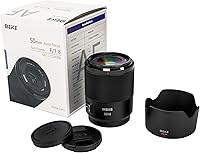
Buyers note the lens arrives well-protected and includes a lens cap, rear cap, and hood, which covers the expected basics. The presentation feels considered for the price tier and avoids the flimsy packaging sometimes associated with budget third-party optics.
The included lens hood is basic and plastic, and a few buyers mention it does not lock as securely as they expected. No lens pouch or carrying case is included, which some users feel would have been a simple addition at this price point.
Autofocus Noise
83%
The STM motor runs noticeably quieter than older screw-drive or micro-motor designs, and users recording video or shooting in quiet environments like libraries or ceremonies report that the focus motor is not audible in finished recordings under normal conditions.
It is not silent. A faint mechanical sound is perceptible if you hold the camera close to your ear during focus acquisition. In quiet studio environments with a sensitive external microphone placed near the lens, some bleed is possible and worth testing before relying on it professionally.

Suitable for:

The Meike 50mm F1.8 Sony E Mount Lens is a strong fit for Sony mirrorless photographers who want to move beyond a kit zoom without spending heavily on native glass. Beginners shooting portraits, casual street photography, or everyday life will immediately notice the difference that an f/1.8 aperture makes — backgrounds blur cleanly, and low-light stills become noticeably more workable. APS-C users on bodies like the A6300 or A6500 get an effective focal length that works well for portraits and tighter compositions, making it a versatile everyday option. Video creators who shoot talking-head content, vlogs, or simple narrative work will appreciate the quiet STM motor, which keeps focus acquisition from bleeding into on-camera audio. It also suits hobbyists who have recently invested in a full-frame Sony body and want a capable fast prime to learn with before committing to the significantly higher cost of Sony G-series or Zeiss-branded lenses.
Not suitable for:

The Meike 50mm F1.8 Sony E Mount Lens is not the right choice for photographers who regularly shoot in challenging low-light environments and need dependable autofocus — weddings, concerts, and indoor events with poor lighting will expose the AF system's limitations quickly. Working professionals who need edge-to-edge sharpness for architecture, real estate, or detailed product photography will find the corner softness at wide apertures a genuine problem rather than an acceptable trade-off. If you are an iPhone user who wants to stay current with firmware updates, the Android-only update tool is a real obstacle that Meike has not yet resolved. Outdoor and adventure photographers should also note there is no weather sealing, so shooting in rain or dusty conditions carries real risk. Anyone who has used Sony native FE lenses regularly will likely find the build quality and tactile feel of this budget Sony E-mount prime a step down that is hard to ignore in daily handling.
Specifications

  • Focal Length: Fixed 50mm focal length suitable for full-frame and APS-C Sony E-mount mirrorless cameras.
  • Maximum Aperture: Wide maximum aperture of f/1.8 enables shallow depth of field and strong subject-background separation.
  • Minimum Aperture: Minimum aperture of f/16 provides extended depth of field for landscape and architectural shooting.
  • Lens Mount: Designed exclusively for Sony E-mount mirrorless cameras, covering both full-frame and APS-C sensor formats.
  • Optical Design: Internal construction consists of 7 elements arranged in 11 groups for center sharpness and contrast control.
  • Aperture Blades: Nine rounded aperture blades contribute to smooth, circular bokeh rendering in out-of-focus areas.
  • Focus Motor: STM (Stepping Motor) autofocus system provides quieter and smoother focus acquisition compared to older motor types.
  • Focus Modes: Supports both autofocus and full-time manual focus override, selectable depending on shooting scenario.
  • Min. Focus Distance: Minimum focusing distance of 63cm (approximately 24.8 inches) from the focal plane.
  • Filter Thread: 58mm front filter thread accepts standard circular polarizers, ND filters, and UV protective filters.
  • Weight: Lens body weighs approximately 382g (about 13.47 oz), balancing adequately on mid-sized Sony mirrorless bodies.
  • Firmware Port: Type-C USB port on the lens barrel allows firmware updates via Meike's official website.
  • Firmware Support: Firmware update process is supported on Android devices only; Apple iOS and macOS devices are not compatible.
  • Sensor Coverage: Full-frame coverage with no vignetting on Sony full-frame bodies; also fully compatible with APS-C sensor cameras.
  • Aperture Range: Aperture adjusts from f/1.8 through to f/16 in standard incremental steps controlled by the camera body.
  • Market Position: Ranked #24 in the Mirrorless Camera Lenses category on Amazon at time of data capture.
  • Release Date: First made available for purchase in February 2024, making it a relatively recent addition to the third-party E-mount lens market.
  • Manufacturer: Produced by Meike, a third-party optics brand known for budget-oriented lenses and accessories for major mirrorless systems.

Related Reviews
Meike 25mm F1.8 Sony E-Mount Lens
78%
88%
Build Quality
74%
Optical Sharpness
81%
Bokeh & Background Blur
77%
Low-Light Performance
83%
Manual Focus Experience
More
Meike 85mm F1.8 AF STM Sony E Mount Lens
85%
92%
Value for Money
88%
Autofocus Speed and Accuracy
90%
Image Quality
85%
Bokeh and Background Blur
78%
Low-Light Performance
More
Sony E 50mm F1.8 OSS Portrait Lens
86%
89%
Image Quality
74%
Autofocus Performance
92%
Bokeh and Background Blur
80%
Low-Light Performance
85%
Build Quality
More
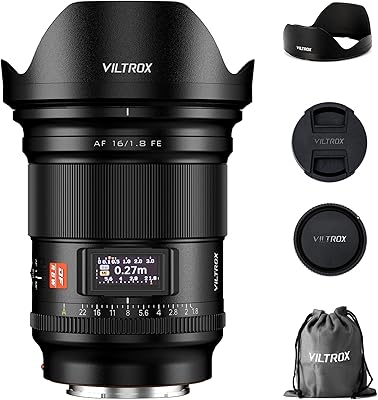
VILTROX 16mm F1.8 FE Lens for Sony E Mount
88%
89%
Image Quality
91%
Autofocus Speed and Accuracy
85%
Low-Light Performance
87%
Build Quality
93%
Portability
More
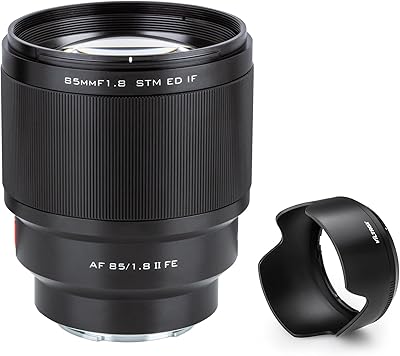
Viltrox AF 85mm F1.8 Mark II Lens
81%
86%
Autofocus Speed
91%
Autofocus Noise
88%
Center Sharpness
63%
Edge & Corner Sharpness
79%
Bokeh Quality
More
Sigma 18-50mm F2.8 DC DN Zoom Lens
84%
88%
Optical Sharpness
91%
Autofocus Performance
74%
Build Quality & Handling
86%
Value for Money
93%
Portability & Size
More
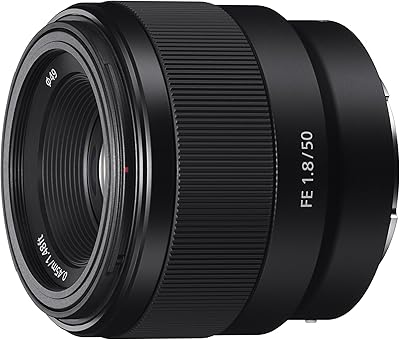
Sony FE 50mm F1.8 Standard Lens
80%
88%
Image Sharpness
91%
Bokeh Quality
71%
Autofocus Performance
63%
Build Quality
93%
Value for Money
More
Meike 55mm F1.4 Sony E-Mount Prime Lens
76%
83%
Image Sharpness
88%
Bokeh Quality
76%
Autofocus Speed & Accuracy
81%
Low-Light Performance
63%
Build Quality & Materials
More
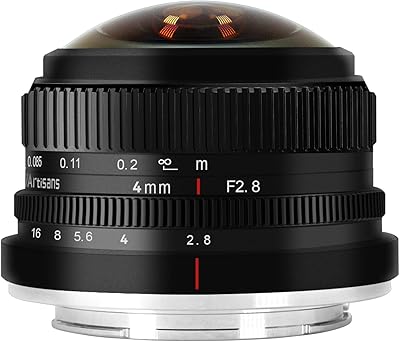
7Artisans 4mm F2.8 Fisheye Lens for Sony E-Mount
82%
88%
Image Quality
93%
Portability
75%
Manual Focus Control
82%
Build Quality
70%
Low-Light Performance
More
Sony SEL24F14GM 24mm F1.4 GM Wide-angle Lens
84%
96%
Sharpness Wide Open
93%
Bokeh Quality
94%
Low-Light Performance
89%
Autofocus Speed & Accuracy
88%
Build Quality & Weather Sealing
More

FAQ

Yes, it is fully compatible with Sony full-frame E-mount bodies including the A7III, A7RIV, and the broader A7-series lineup. The lens communicates with the camera body and passes through EXIF data correctly, so aperture information shows up in your image metadata as expected.

It does work on APS-C bodies like the A6400, A6500, and A6300, and the 50mm focal length gives you an effective field of view of around 75mm on those smaller sensors, which is flattering for portraits. Autofocus performance in good light is solid, though as with any STM-based third-party lens, you may notice some hesitation in low-light conditions.

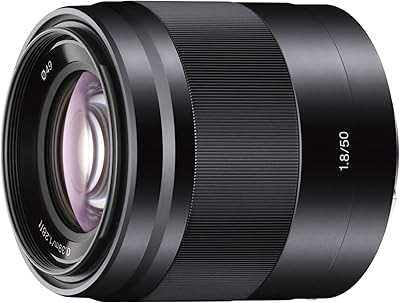
Sony's native 50mm is generally faster and more consistent in tracking, particularly in low light and during video. The 50mm Meike lens holds its own in well-lit stills shooting, but if reliable AF in difficult conditions is a priority, the Sony native option has a clear edge. The trade-off is a significant difference in price, which is where this Meike prime makes its case.

It is not always necessary right out of the box, but Meike does push updates that can improve autofocus behavior, so it is worth checking their official website when you first get the lens. The update requires a compatible Android device and a Type-C cable — you download the Meike app, connect the lens directly to your phone, and follow the on-screen steps. If you only have Apple devices, you are currently unable to perform the update without borrowing an Android phone.

The STM motor is quiet enough that it does not bleed audibly into footage recorded with an on-camera microphone in most situations. For static or slowly moving subjects — talking-head videos, interviews, simple vlog setups — it performs well. Where it struggles is with fast-moving subjects or scenes with dramatic light changes, where you may see the lens hunting briefly before locking on.

No, this lens does not include optical image stabilization. If your Sony body has in-body image stabilization (IBIS), such as the A7III or A7RIV, that system will still work and will help compensate for camera shake. On bodies without IBIS, like the A6300, you will need to manage shutter speed manually to avoid motion blur.

The front filter thread is 58mm, so 52mm filters will not fit directly without a step-up ring adapter. If you already own a set of 58mm filters from another lens, you are in luck — otherwise, 58mm circular polarizers and ND filters are widely available and reasonably priced.

For a lens at this price point, the bokeh is genuinely one of its stronger qualities. The nine rounded aperture blades produce soft, circular out-of-focus highlights rather than harsh geometric shapes. In clean backgrounds — open skies, simple walls, soft foliage — it looks natural and pleasing. In busy, high-contrast backgrounds like string lights or cluttered scenes, some outlining can appear, but that is common across most lenses in this class.

It feels reasonably solid for its price tier, and the mount connection to Sony bodies is snug without wobble. That said, there is no weather sealing of any kind, so shooting in rain, heavy humidity, or dusty environments is a genuine risk. For fair-weather outdoor shooting or controlled indoor environments, it holds up fine with normal handling care.

At around 382 grams, it is heavier than a standard Sony 28-70mm kit zoom but not dramatically so, and it balances well on full-frame bodies like the A7-series. On smaller APS-C bodies, some users find it slightly front-heavy by comparison. It is not a pocketable lens, but it is compact enough for a day bag or a small camera pouch without much hassle.

Where to Buy