Overview

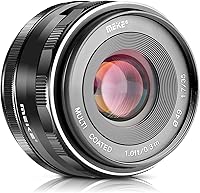
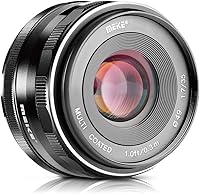
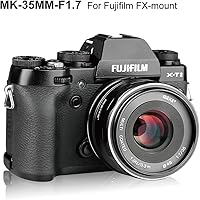
The Meike 35mm f1.7 Manual Focus Lens has been a quiet fixture in the Fujifilm X mount ecosystem since 2016, offering shooters a fast, affordable prime without the price tag of native glass. On an APS-C sensor, 35mm translates to roughly 52mm equivalent — that classic, natural field of view that works equally well for portraits, street, and everyday carry shooting. It is small, light, and unobtrusive. One thing to know upfront: this manual prime requires you to enable lensless or manual release mode in your camera settings before it will fire. That is not a flaw — it is simply the nature of the lens.
Features & Benefits

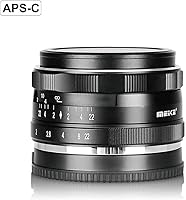
The f1.7 maximum aperture is the headline here, and for good reason — it lets you pull subjects away from backgrounds nicely and keep shooting in dim cafes or evening street scenes where slower lenses struggle. The optical construction uses five groups and six elements, with a nano multi-layer coating that keeps flare reasonably controlled when you are shooting toward light sources. The 49mm filter thread is a practical bonus, since that size is widely available and inexpensive. At just over nine ounces, this fast Fujifilm prime sits on a mirrorless body without feeling front-heavy, and the full f1.7–f22 range covers nearly any lighting situation you will encounter.

Best For

This manual prime genuinely shines in the hands of street photographers who enjoy slowing down, pre-focusing, and working with intention rather than chasing autofocus locks. It is also a strong pick for Fujifilm beginners who want to experiment with shallow depth of field without committing to a pricier native lens. Video shooters and filmmakers will appreciate the smooth, damped focus ring for controlled manual pulls during a scene. If you travel light or just want a compact walk-around lens that does not draw attention, this fast Fujifilm prime fits the bill. It is also genuinely useful for anyone learning manual focus fundamentals.

User Feedback

Across more than 300 ratings, this manual prime holds a 4.5-star average, which tells a clear story: most buyers feel they got more than what they paid for. Center sharpness at moderate apertures draws consistent praise. Where things get more nuanced is wide open — at f1.7, some softness and a touch of chromatic aberration are noticeable, particularly toward the edges. Most shooters consider this a reasonable trade-off given the price. Build quality earns positive mentions, especially the smooth feel of the focus ring. The main source of frustration in negative reviews is almost always the manual-only operation catching buyers off guard — so read the listing before purchasing.

Pros

  • The f1.7 aperture enables genuine low-light shooting without pushing ISO to noisy extremes.
  • Center sharpness from f2.8 onward is impressive and well above what the price suggests.
  • The smooth, well-damped focus ring makes manual pulling during video a pleasure.
  • At just over nine ounces, this fast Fujifilm prime balances perfectly on compact mirrorless bodies.
  • The 49mm filter thread keeps accessory costs low — polarizers and NDs in that size are everywhere.
  • Solid all-metal build gives the lens a reassuring feel that outlasts its budget reputation.
  • Background separation at wide apertures is smooth and flattering for portraits and street work.
  • Compatible with the entire Fujifilm X mount lineup, past and present, with no adaptation needed.
  • An honest entry point for learning manual exposure and focus discipline without a large financial commitment.

Cons

  • No autofocus whatsoever — a hard dealbreaker for action, sports, or fast-moving subject photography.
  • Softness and chromatic aberration at f1.7 limit the practical usefulness of the maximum aperture.
  • No electronic contacts mean zero EXIF data for aperture, making post-shoot organization harder.
  • Vignetting wide open is noticeable and may require correction in post for critical work.
  • No lens hood included in the box despite the lens being susceptible to flare in harsh light.
  • Camera settings must be manually reconfigured before the lens will fire — not obvious to new buyers.
  • Focus breathing during video, while not severe, will bother detail-focused filmmakers.
  • No weather sealing limits use on Fujifilm bodies that are otherwise rated for outdoor conditions.

Ratings

The Meike 35mm f1.7 Manual Focus Lens has been rated and analyzed by our AI system after processing hundreds of verified global buyer reviews, with spam, bot activity, and incentivized feedback actively filtered out. What emerges is a candid picture of a lens that consistently punches above its price point for the right shooter — while carrying a few real limitations worth knowing before you buy. Both the strengths and the friction points are reflected honestly in the scores below.
Value for Money
93%
Buyers repeatedly describe this manual prime as one of the best budget decisions they have made for their Fujifilm kit. When stacked against native autofocus alternatives costing three to five times more, the optical performance at moderate apertures makes the price gap feel almost absurd. It is a common first fast prime for shooters who are not ready to invest heavily.
The value equation assumes you are comfortable with manual focus — if you are not, the savings feel less compelling. A small number of buyers who expected autofocus felt the pricing was misleading relative to what the lens actually offers operationally.
Optical Sharpness
78%
22%
Center sharpness from around f2.8 to f8 is where this lens earns its reputation. Portrait and street shooters report crisp, detailed results in that range, with a rendering quality that surprises people given the price tier. Stopped down, it is genuinely competitive with lenses costing considerably more.
Wide open at f1.7, softness is noticeable — especially toward the frame edges — and some chromatic aberration creeps in around high-contrast boundaries. It is not a dealbreaker for most buyers, but anyone expecting clinical sharpness at maximum aperture will be disappointed.
Build Quality
81%
19%
The all-metal construction gives this fast Fujifilm prime a reassuring solidity that feels out of step with its price. The focus ring action is smooth and well-damped, which matters a lot for deliberate manual shooters and especially for video work where jerky focus pulls ruin footage.
There is no weather sealing, which limits use in light rain or dusty environments that Fujifilm bodies with weather resistance can otherwise handle. A few buyers noted the aperture ring clicks feel slightly less refined than premium glass, though most consider this a minor nitpick.
Aperture Performance
74%
26%
The f1.7 maximum aperture is the lens's headline feature, and for low-light street shooting or indoor available-light work it genuinely delivers. Being able to shoot comfortably in dim restaurants or evening markets without pushing ISO into noisy territory is a tangible everyday benefit.
Vignetting is fairly pronounced wide open, and while the nano coating helps with flare control, shooting directly toward strong light sources at f1.7 can still produce unwanted artifacts. Stopping down even to f2.4 clears most of these issues, but it narrows the effective use of the maximum aperture.
Manual Focus Experience
84%
For photographers who have embraced manual focus as part of their practice, the focus ring on this lens is one of its genuine highlights. The throw is well-judged — not so short that precise focusing is stressful, and not so long that it slows you down on the street. Paired with Fujifilm's focus peaking, it is a smooth workflow.
There is a real learning curve for anyone new to manual focus, and the lens offers no focus distance window or hard stops that some experienced manual shooters prefer. In fast-moving situations like candid photography, missed focus is a frequent complaint from buyers who underestimated the adjustment period.
Flare & Coating Quality
71%
29%
The nano multi-layer coating does a reasonable job managing flare in typical shooting conditions — backlit portraits and scenes with soft light sources generally come out clean. Most buyers shooting in controlled or semi-controlled environments never encounter a problem.
Shooting directly into strong artificial lighting or harsh sun reveals the coating's limits, with some ghosting and color fringing appearing in more demanding situations. It is not a lens built for shooting directly into bright point-light sources, and buyers who do that regularly will notice.
Size & Portability
91%
At just over nine ounces and with compact dimensions, this manual prime disappears into a jacket pocket or sits on a Fujifilm body without throwing off the balance that makes those cameras enjoyable to carry. Travel photographers and daily walkers consistently mention the size as a key reason they reach for it.
There is genuinely little to criticize here — the only gripe from a small number of buyers is that the compact size makes the focus ring feel slightly cramped for those with larger hands during extended shooting sessions.
Bokeh Quality
76%
24%
Background blur at f1.7 and f2 is smooth enough to please most portrait and street shooters, with a rendering that avoids the harsh, nervous bokeh some budget lenses produce. Subject separation in good light looks genuinely pleasing, which is ultimately what most buyers are chasing with a fast prime.
Bokeh balls show some outlining toward the edges of the frame, and close inspection of specular highlights reveals they are not as circular or clean as those from premium glass. For buyers pixel-peeping or printing large, this is noticeable — for social media and everyday use, most will not care.
Compatibility & Setup
67%
33%
The lens fits the full range of Fujifilm X mount bodies, so anyone in the ecosystem can use it without worrying about crop-factor compatibility issues. Once the lensless release mode is correctly enabled in camera settings, operation is straightforward.
The requirement to dig into camera menus and enable a non-default setting before the lens will fire catches a meaningful number of buyers off guard. It is a one-time setup, but the lack of any clear in-box instruction for this step has generated frustrated early reviews from users who assumed the lens was defective.
Low-Light Usability
79%
21%
The combination of f1.7 and Fujifilm's capable high-ISO performance means this fast Fujifilm prime is a legitimate low-light tool. Evening street scenes, dim cafes, and indoor events without flash are all scenarios where it enables shots that a slower kit lens simply cannot capture.
Wide-open low-light shooting amplifies the lens's optical weaknesses — softness and vignetting become more visible in high-ISO files where noise reduction is also doing its work. For critical low-light use, stopping down even slightly is necessary, which reduces the practical brightness advantage.
Video & Filmmaking Use
82%
18%
The smooth, damped focus ring makes this manual prime a genuinely practical choice for solo video shooters doing manual focus pulls. The compact size pairs well with gimbal setups, and the wide aperture is useful for that cinematic shallow-focus look without additional lighting gear.
There is no electronic communication with the body, so focus distance and aperture data do not appear in video metadata. Breathing — the slight change in field of view when adjusting focus — is present and may bother meticulous filmmakers, though it is not severe by manual lens standards.
Filter & Accessory Ecosystem
88%
The 49mm filter thread is a sensibly common size, and buyers find that UV filters, polarizers, and ND filters in that diameter are inexpensive and widely available. It is a small but meaningful practical advantage over lenses with unusual filter diameters that require custom accessories.
No hood is included in the box, which is a minor omission given the lens's susceptibility to flare in challenging light. Third-party 49mm hoods are cheap and easy to find, but it is an extra purchase buyers should factor in, particularly if they plan to shoot outdoors frequently.
Longevity & Reliability
77%
23%
The lens has been on the market since 2016 with no discontinuation, and long-term owners report consistent performance without optical degradation or mechanical failure under normal use. The all-manual design means there are no electronic components to fail over time.
A small percentage of buyers report the aperture ring loosening slightly with heavy use over months, and since there is no weather sealing, exposure to moisture or dust over time is a genuine concern for outdoor shooters. These are edge cases rather than widespread failures, but worth noting for buyers planning heavy field use.

Suitable for:

The Meike 35mm f1.7 Manual Focus Lens is an excellent fit for Fujifilm shooters who either already enjoy shooting manually or are actively looking to develop that skill. Street photographers will find the focal length and fast aperture a natural match for the way they work — pre-focusing at a set distance, moving through a scene, and letting the moment come to them rather than relying on autofocus to keep up. Beginners who want to explore shallow depth of field and background separation without spending heavily on native glass will get real photographic value here. Travelers and minimalist shooters will appreciate how little space and weight this manual prime adds to a bag. Video creators doing narrative or documentary work who need smooth, controllable focus pulls on a budget will also find it practical and reliable paired with Fujifilm's focus peaking tools.
Not suitable for:

The Meike 35mm f1.7 Manual Focus Lens is a poor match for anyone who depends on autofocus in their day-to-day shooting — there is simply no autofocus here, and no electronic communication with the camera body at all. Sports photographers, wildlife shooters, and parents trying to capture fast-moving kids will find manual focus a genuine obstacle rather than a creative choice. Anyone expecting clinical sharpness wide open will be frustrated; f1.7 on this lens is soft around the edges and not suited to situations where pixel-level detail at maximum aperture matters. Wedding and event photographers working in unpredictable, fast-changing conditions should look at native Fujifilm glass instead. There is also no weather sealing, so shooters who regularly work in rain or dusty environments are taking a real risk with long-term reliability.
Specifications

  • Focal Length: The lens has a fixed 35mm focal length, equivalent to approximately 52mm on an APS-C sensor, approximating a natural, human-eye field of view.
  • Maximum Aperture: The maximum aperture is f1.7, enabling strong background separation and usable exposure in low-light environments without flash.
  • Minimum Aperture: The aperture closes down to f22, giving photographers full flexibility across a wide range of lighting conditions.
  • Lens Construction: Optical design consists of 5 groups and 6 elements, balanced for compact size while maintaining reasonable center sharpness at mid-range apertures.
  • Coating: Nano multi-layer anti-reflective coating is applied to reduce flare and vignetting when shooting in challenging or backlit conditions.
  • Filter Thread: The front element accepts 49mm screw-in filters, a widely available and affordable standard size compatible with most third-party filter brands.
  • Mount: Designed exclusively for the Fujifilm X mount system, compatible with all APS-C Fujifilm X series mirrorless camera bodies.
  • Focus System: Fully manual focus only — there are no autofocus motors or electronic contacts, requiring the photographer to focus manually at all times.
  • Aperture Control: Aperture is adjusted via a dedicated physical aperture ring on the lens barrel, with click stops at each marked f-stop value.
  • Dimensions: The lens measures 1.61 inches in length and 2.38 inches in diameter, making it one of the more compact fast primes available for Fujifilm X mount.
  • Weight: Total weight is 9.1 ounces, light enough to keep a Fujifilm mirrorless body well-balanced during extended handheld shooting sessions.
  • Sensor Format: Designed for APS-C format sensors and optimized for full image coverage without vignetting at the image circle edges on Fujifilm bodies.
  • Model Number: The official model designation is MK-FX-35-1.7, useful for identifying the correct lens when searching for compatible accessories or firmware notes.
  • Availability: This lens has been commercially available since March 2016 and remains in active production with no discontinuation announced by the manufacturer.
  • Manufacturer: Produced by Meike, a Chinese optical accessory brand known for making affordable third-party lenses and camera grips for major mirrorless systems.
  • Hood Included: No lens hood is included in the standard packaging, though the 49mm thread accepts widely available third-party hoods purchased separately.
  • Weather Sealing: The lens has no weather or dust sealing, and should not be used in rain or dusty outdoor environments without protective measures.
  • Aperture Blades: The aperture diaphragm uses a standard blade configuration that produces reasonably smooth bokeh at wide apertures in typical shooting conditions.

Related Reviews

Meike 25mm F1.8 Manual Focus Lens for Micro Four Thirds
81%
91%
Value for Money
88%
Image Quality
70%
Manual Focus Control
85%
Portability
80%
Build Quality
More
Meike 35mm F1.4 MFT Lens
84%
89%
Sharpness & Image Quality
74%
Manual Focus Usability
91%
Build Quality
87%
Low Light Performance
92%
Value for Money
More
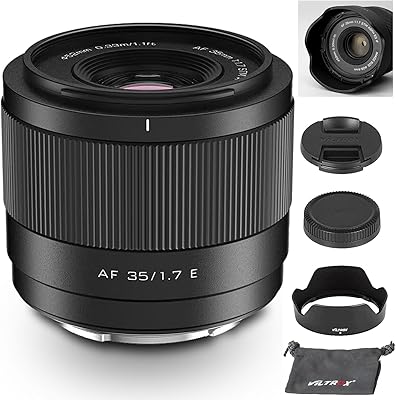
Viltrox 35mm F1.7 E-Mount Prime Lens
81%
93%
Value for Money
88%
Build Quality
79%
Autofocus Performance
82%
Optical Sharpness
86%
Bokeh Quality
More
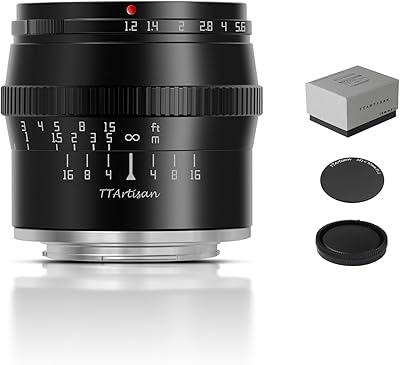
TTArtisan 50mm F1.2 APS-C Manual Focus Lens
84%
88%
Image Quality
75%
Manual Focus Experience
90%
Low Light Performance
85%
Build Quality
91%
Portability
More
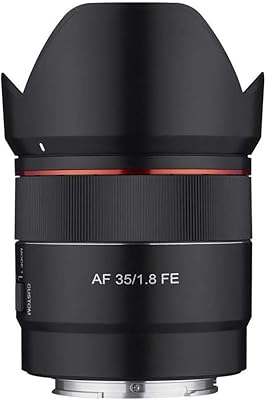
Rokinon AF 35mm F1.8 Wide Angle Lens
77%
83%
Autofocus Performance
81%
Sharpness & Clarity
78%
Bokeh Quality
79%
Build Quality
72%
Weather Sealing
More
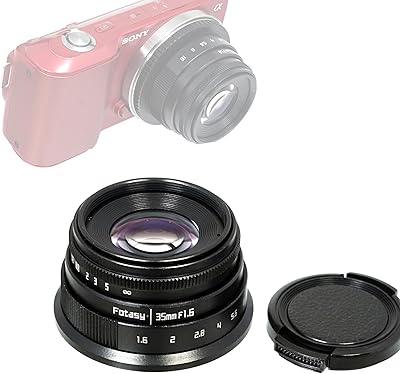
Fotasy 35mm F1.6 Manual Prime Lens for Sony E-Mount
78%
85%
Image Quality
78%
Manual Focus Control
80%
Low-Light Performance
72%
Build Quality
88%
Portability
More
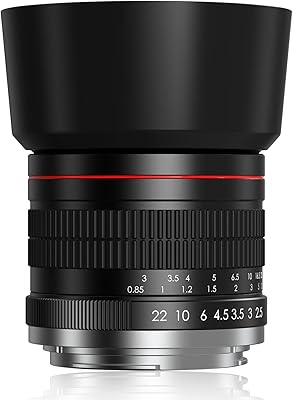
BENOISON 85mm f/1.8 Portrait Prime Lens
76%
83%
Bokeh & Background Separation
88%
Value for Money
71%
Build Quality & Feel
74%
Optical Sharpness (Center)
66%
Manual Focus Accuracy
More
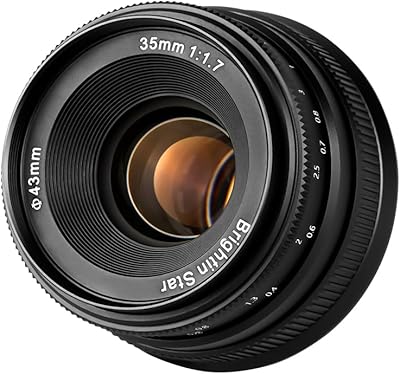
Brightin Star 35mm F1.7 Lens for Nikon Z-Mount Mirrorless Cameras
86%
88%
Image Quality
85%
Manual Focus Control
90%
Portability & Weight
87%
Build Quality
91%
Low-Light Performance
More
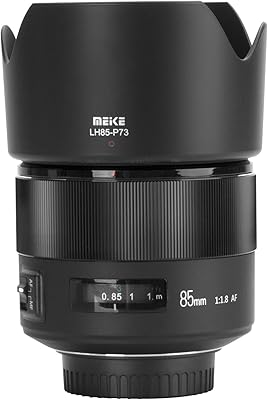
Meike 85mm F1.8 Nikon F Portrait Lens
75%
91%
Value for Money
76%
Image Sharpness
83%
Bokeh Quality
61%
Autofocus Speed
72%
Autofocus Accuracy
More
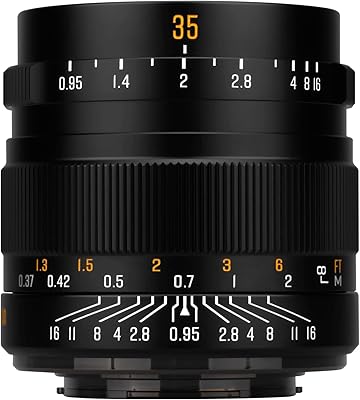
Brightin Star 35mm F0.95 Prime Lens
80%
91%
Bokeh & Background Separation
88%
Aperture & Low-Light Performance
67%
Sharpness Wide Open
89%
Build Quality & Finish
72%
Manual Focus Experience
More

FAQ

No — the Meike 35mm f1.7 Manual Focus Lens is fully manual in every sense. There are no electronic contacts and no autofocus motor, so it will not autofocus on any body, regardless of how new or capable the camera is. You focus entirely by turning the focus ring yourself.

Yes, and this catches a lot of new buyers off guard. You need to go into your Fujifilm camera menu and enable either the shoot-without-lens option or set the camera to manual mode before it will allow a shutter release. It is a one-time setup and takes about thirty seconds once you know where to look.

Yes, it fits any camera with a Fujifilm X mount — that covers the entire lineup including X-T, X-Pro, X-E, X-H, and X-A series bodies. The mount itself has not changed since Fujifilm launched the X system, so compatibility is universal across the range.

It is genuinely sharp in the center from around f2.8 onward, and many photographers use it professionally for street work and portraiture at those apertures. Wide open at f1.7, the edges are soft and there is some chromatic aberration, so for critical sharpness across the full frame you will want to stop down a bit.

The native Fujifilm option gives you autofocus, weather sealing, electronic communication with the body, and slightly better wide-open performance — but at a significantly higher price. This manual prime gives up all of those things but delivers a genuinely usable and enjoyable shooting experience for photographers who are comfortable with manual focus and want to keep costs low.

No. Because there are no electronic contacts between the lens and the camera body, no aperture, focal length, or lens identification data is recorded in the file metadata. If that matters to you for cataloging or post-processing workflows, it is worth factoring in before buying.

Absolutely, and many videographers specifically seek out this manual prime for that purpose. The focus ring is smooth and well-damped, which makes controlled focus pulls much easier than with autofocus lenses hunting in manual mode. The lack of electronic noise from a motor is also a bonus if you are recording audio through the camera.

Any standard 49mm screw-in filter works — UV filters, circular polarizers, variable ND filters, you name it. The 49mm size is one of the most common in photography, so options are plentiful and inexpensive compared to larger or less common filter diameters.

There is no weather sealing on this lens, so shooting in rain or heavy dust carries a real risk of moisture or particles getting inside the barrel over time. Fujifilm X-T and X-H bodies with their own weather resistance will still be exposed through the unsealed lens mount, so take precautions if you are working outdoors in tough conditions.

No, the standard package does not include a hood. Given that the lens can show some flare when shooting toward strong light sources, picking up a 49mm snap-on or screw-in hood separately is a worthwhile few dollars to spend, especially if you shoot outdoors regularly.

Where to Buy