Overview

The MB Quart NA24002 2-Channel Marine Amplifier is a solid mid-range option for boaters and powersports enthusiasts who need reliable amplified audio without overcomplicating their setup. MB Quart has spent decades building car and marine audio gear, and that experience shows in how this amp is designed — practical, durable, and built for conditions that would kill a standard car amp. It runs in Class D configuration, keeping it efficient and cool, and carries an IPX5 waterproof rating for real spray and rain resistance. This is not a boutique audiophile amplifier. It is a workhorse meant to push deck speakers on a pontoon or jet ski without complaints.

Features & Benefits

One thing worth clarifying upfront: the 400-watt rating is peak power, not what you will consistently draw day to day. The practical figure is 2x100W RMS at 4 ohms — still more than adequate for a pair of quality marine speakers. The PWM MOSFET power supply keeps voltage stable under load, producing noticeably cleaner output at higher volumes compared to cheaper alternatives. An aluminum heatsink manages heat quickly, so this marine amplifier can handle lower-impedance operation for extended stretches without shutting down. The variable crossover controls — switchable between full range, low-pass, and high-pass modes — let you tune the signal without needing an outboard processor.

Best For

This 2-channel boat amp makes the most sense for a specific type of buyer. Setting up amplified audio on a pontoon, bowrider, or deck boat for the first time? This unit covers the basics cleanly, with no exotic signal processing required. Powersports riders running UTVs, ATVs, or jet skis will appreciate the compact, rugged build that handles vibration and moisture without babying. The quick-disconnect wiring is a genuine practical bonus for anyone who stores their boat seasonally — pulling the amp for winter takes minutes rather than an afternoon. If you are chasing reference-quality audio or a large multi-zone setup, look elsewhere. Built for recreational use, it performs best in that lane.

User Feedback

Owners of this marine amplifier consistently highlight two strengths: how straightforward the installation is and how well the unit holds up in genuinely wet conditions — rain, spray, and salt air included. Several long-term users report solid performance across multiple seasons without corrosion issues, a meaningful endorsement at this price tier. The most recurring criticism centers on wattage expectations — some buyers feel the real-world volume does not quite match what the peak power figure implies. A handful also note the crossover controls can feel slightly imprecise without clear reference markings. Stacked against similarly priced competitors, most buyers land on this as a reliable baseline choice that trades sound refinement for durability and ease of use.

Pros

  • IPX5 waterproofing holds up reliably in real spray, rain, and salt-air marine environments.
  • Class D efficiency keeps the amp running cool during extended recreational use.
  • Quick-disconnect wiring makes seasonal removal and reinstallation genuinely fast and painless.
  • Built-in variable crossover eliminates the need for an external signal processor in most basic setups.
  • The aluminum heatsink manages heat well enough to sustain low-impedance operation without frequent thermal shutdowns.
  • MB Quart's track record in marine audio gives this 2-channel boat amp a credibility edge over no-name competitors.
  • Compact and lightweight at just over two pounds, fitting into tight mounting spaces on smaller watercraft.
  • Bridged mono mode adds installation flexibility for buyers who want to run a single subwoofer instead of two speakers.
  • Nickel-plated RCA connectors resist corrosion and maintain secure signal connections over multiple seasons.
  • Straightforward wiring layout makes this an accessible first marine amp for DIY installers.

Cons

  • Peak wattage is heavily marketed, but real-world RMS output at 4 ohms is considerably lower than the headline figure implies.
  • Crossover adjustment controls lack clear reference markings, making precise tuning more of a guessing game.
  • Not well suited for multi-zone or high-channel-count audio builds common on larger boats.
  • Buyers wanting genuinely clean, high-fidelity sound at loud volumes may notice distortion at the upper end of the output range.
  • Operating voltage starting at 9V may cause performance inconsistencies in electrical systems prone to voltage fluctuations.
  • No onboard Bluetooth or digital signal processing, which some newer competitors include at a similar price point.
  • Long-term durability reports beyond two or three seasons of heavy use are relatively limited compared to more established marine audio brands.
  • Surface-mount only design restricts installation options in recessed or enclosed compartments on some boat models.

Ratings

The MB Quart NA24002 2-Channel Marine Amplifier earned its scores through AI analysis of verified global buyer reviews, with spam, incentivized submissions, and bot activity actively filtered out before scoring. The ratings below reflect both the genuine strengths that keep this amp competitive in the mid-range marine audio market and the real frustrations that recurring buyers flag across multiple seasons of use. Nothing has been softened or inflated — what you see is what honest ownership actually looks like.
Weatherproofing
88%
The IPX5 rating holds up in practice, not just on paper — boaters running through afternoon storms and jet ski riders dealing with constant spray consistently report zero water ingress issues. Salt-air corrosion on the connectors and housing is minimal even after a full season of coastal use.
A small number of buyers in extremely humid, enclosed bilge-adjacent mounting spots report early surface oxidation on non-plated metal areas. Prolonged submersion or pooling water in a poorly drained compartment can push past what IPX5 was designed to handle.
Power Accuracy
61%
39%
At 2x100W RMS into 4 ohms, this 2-channel boat amp delivers enough clean output to fill a mid-size pontoon deck or cockpit with comfortable listening volume, and buyers running quality 4-ohm marine speakers generally feel the pairing is well-matched.
The 400-watt peak figure dominates the marketing, and buyers who purchase based on that number frequently feel misled once they realize continuous usable power is a fraction of that. This is the single most common source of disappointment in user feedback, particularly among buyers upgrading from entry-level systems expecting a dramatic volume jump.
Installation Ease
84%
DIY boaters and powersports riders with moderate wiring confidence typically complete the installation in under two hours without professional help. The terminal layout is logical, and the quick-disconnect system genuinely reduces the friction of seasonal removal — a detail that gets praised repeatedly by buyers who store their boats each winter.
The included documentation is minimal, and buyers without prior amplifier installation experience occasionally struggle with RCA routing and gain matching without a wiring diagram. Surface-mount-only design also limits placement options on boats with recessed or enclosed electronics panels.
Build Quality
79%
21%
The aluminum heatsink housing feels solid and purposeful, and the nickel-plated RCA connectors are noticeably better quality than the plastic-feel connectors common on budget marine amps at a lower price point. Most multi-season owners report no structural failures or housing cracks even after heavy vibration exposure.
The overall chassis feels slightly less premium than the price suggests when compared side-by-side with competitors like Rockford Fosgate's marine line. Some buyers note that the surface finish on non-critical internal fasteners and non-plated areas shows wear faster than expected after consistent saltwater exposure.
Thermal Management
81%
19%
The aluminum heatsink dissipates heat quickly enough that thermal shutdown during normal recreational use is rarely reported, even on hot summer days with the amp running for several continuous hours. Buyers running 4-ohm loads in well-ventilated mounting spots report virtually no heat-related issues.
Pushing the amp at 2-ohm loads in tight, poorly ventilated compartments during extended high-volume sessions does occasionally trigger thermal protection cutoffs. Buyers who did not account for airflow in their mounting location are the most likely to encounter this, particularly in enclosed ATV or UTV speaker enclosures.
Sound Quality
67%
33%
For recreational listening on a moving boat or powersports vehicle — where wind, water, and engine noise are competing — the output is clean and enjoyable at moderate volumes. The PWM MOSFET power supply keeps distortion low enough that casual listeners are generally satisfied with the audio character.
Audiophiles or buyers migrating from premium car audio setups will notice the limits in soundstage width and high-frequency detail, particularly at elevated volume levels where the amp starts to compress. This is not a unit that rewards critical listening — it is background and entertainment audio for outdoor environments.
Crossover Flexibility
72%
28%
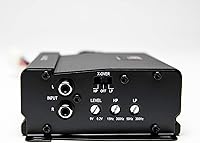
Having switchable full-range, high-pass, and low-pass filter modes built directly into the amp is a meaningful convenience, removing the need for an external crossover unit in most basic 2-speaker setups. Buyers who run this marine amplifier with a dedicated subwoofer particularly appreciate the low-pass mode for easy integration.
The crossover adjustment knobs lack clear frequency markings, making precise cutoff tuning a matter of ear-testing rather than confident dialing. Buyers who want repeatable, documented crossover settings — for example, after removing and reinstalling the amp seasonally — have no reliable reference points on the unit itself.
Long-Term Durability
76%
24%
A meaningful portion of buyers report using the MB Quart NA24002 across two or more full boating seasons without component failures, which is a reasonable durability benchmark for a mid-range marine amp at this price. The ASTM compliance gives some structural confidence that the amp was engineered with real marine conditions in mind.
Multi-season durability data beyond three years is sparse in user feedback, making it difficult to assess true long-term reliability with confidence. A subset of buyers does report intermittent channel loss or reduced output sensitivity after prolonged heavy use, suggesting that sustained high-stress operation accelerates wear on internal components.
Value for Money
78%
22%
For buyers who understand they are buying a recreational-grade marine amp rather than a professional-level system, the price-to-performance ratio is genuinely solid. The weatherproofing, built-in crossover, and brand credibility together offer more per dollar than many no-name alternatives clustered at the same price point.
Buyers who purchase expecting performance equivalent to similarly priced car audio amps — which often deliver cleaner power figures at 4 ohms — tend to feel the value proposition is weaker. The gap between marketed peak power and real-world RMS output makes the price feel less competitive when scrutinized against spec-for-spec competitors.
Connector Quality
83%
The nickel-plated RCA inputs feel robust, seat securely, and show meaningful corrosion resistance after full saltwater seasons — a genuine differentiator from budget competitors whose connectors oxidize within a single season. The high-temperature rating on the connectors also holds up well in sun-exposed mounting locations.
Buyers who use aftermarket high-end RCA cables occasionally note that the connector fit tolerances are tighter than expected, making cable insertion slightly awkward. A small number of users also report that repeated seasonal removal and reconnection over several years begins to loosen the connector grip slightly.
Compact Footprint
86%
At just over two pounds and with a slim profile, this amp fits into mounting spaces that would reject bulkier alternatives — a practical advantage on smaller boats, jet skis, and side-by-side UTVs where real estate for electronics is tight. Powersports riders specifically call out the size as a key reason they chose it over competing models.
The surface-mount-only configuration means buyers cannot flush-mount or recess it into a panel for a cleaner installation aesthetic. On premium boats where visual presentation matters, the exposed surface-mount look can feel utilitarian compared to installation options offered by more expensive marine amp alternatives.
Gain & Tuning Controls
68%
32%
The onboard gain control is responsive and gives users a reasonable starting point for matching the amp to different head unit output levels without needing an oscilloscope or professional setup. Most buyers achieve acceptable system balance through ear-tuning alone within a short adjustment period.
The lack of labeled reference points on the gain and crossover dials makes repeatable tuning frustrating, especially for buyers who remove and reinstall the amp each season and need to restore their previous settings. More experienced installers accustomed to amps with detented or marked controls find the adjustment interface underwhelming.
Brand Reputation
82%
18%
MB Quart's history in car and marine audio carries real weight with buyers who have used the brand before, and many reviewers specifically cite brand trust as a factor in choosing this amp over cheaper alternatives. That heritage translates into a reasonable level of confidence in support, parts availability, and product consistency.
Buyers less familiar with the brand sometimes feel the MB Quart name commands a slight premium that the raw specifications do not fully justify on paper. Compared to marine audio specialists like Wet Sounds or JL Audio, MB Quart occupies a middle tier where brand prestige is present but not dominant.

Suitable for:

The MB Quart NA24002 2-Channel Marine Amplifier is a smart pick for recreational boaters and powersports riders who want reliable, weather-resistant audio without diving into a complex installation. If you are rigging up a pontoon, bowrider, or deck boat with a basic pair of marine speakers for the first time, this amp covers everything you need at a price that does not demand serious commitment. ATV, UTV, and jet ski riders will also find it compelling — it is compact, handles vibration well, and the IPX5 rating means rain and spray are not a concern. The quick-disconnect wiring makes it particularly practical for seasonal boaters who pull their electronics each fall and reinstall in spring. DIY installers who prefer a clean, self-contained setup without signal processors or crossover units will appreciate how much tuning control is built directly into the amp.
Not suitable for:

The MB Quart NA24002 2-Channel Marine Amplifier is not the right tool for buyers who expect studio-quality audio reproduction on the water. If you are chasing tight stereo imaging, low-noise floors at high volume, or the kind of clarity that audiophiles expect from premium car audio, this unit will leave you wanting more. It is also a poor fit for larger, multi-zone audio setups — two channels cover a basic speaker pair, but anyone building out a full boat audio system with subwoofers, tower speakers, and cockpit zones will need a more expansive amplifier configuration. Buyers who will push the amp hard at low impedance for extended periods should also temper expectations, since sustained demanding use can stress the thermal management more than casual recreational sessions. Finally, if peak wattage claims drive your buying decision, it is worth knowing that the real-world RMS output is considerably more modest than the headline number suggests.

Specifications

  • Model Number: This amplifier is identified by model number NA24002, manufactured by MB Quart.
  • Amplifier Class: Class D topology is used, prioritizing power efficiency and reduced heat output compared to Class A/B designs.
  • Number of Channels: Operates as a 2-channel stereo amplifier or can be configured in bridged mono mode for single-channel subwoofer use.
  • Peak Power Output: Maximum rated power output reaches 400 watts total across both channels under optimal conditions.
  • RMS Power at 4 Ohms: Continuous usable power is rated at 2x100 watts RMS when driving 4-ohm speaker loads.
  • RMS Power at 2 Ohms: Continuous usable power increases to 2x200 watts RMS when driving lower 2-ohm speaker loads.
  • Waterproof Rating: Carries an IPX5 certification, meaning it is protected against water jets from any direction, suitable for marine spray and rain exposure.
  • Standard Compliance: Built to meet both ASTM and IPX5 specifications, confirming its suitability for outdoor and marine installation environments.
  • Power Supply Type: Uses a PWM MOSFET power supply that maintains stable voltage under varying load conditions, reducing signal distortion at high output levels.
  • Crossover Type: Features a switchable crossover with full range, low-pass filter, and high-pass filter modes, operating at 12dB per octave with a frequency ceiling of 300Hz.
  • Heatsink Material: The enclosure incorporates an aluminum heatsink that dissipates heat rapidly to sustain lower impedance operation over extended periods.
  • Connector Type: RCA input connectors are nickel-plated and rated for high-temperature and impact resistance, providing secure and corrosion-resistant signal connections.
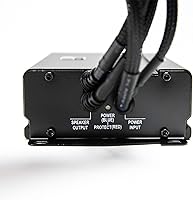
  • Wiring System: Quick-disconnect wiring terminals are included, simplifying removal and reinstallation for off-season storage or maintenance.
  • Mounting Type: Designed exclusively for surface mounting, requiring a flat, accessible panel or structure for installation.
  • Operating Voltage: Compatible with electrical systems operating from 9 volts, making it suitable for standard marine and powersports battery configurations.
  • Item Weight: The amplifier weighs 2.1 pounds, keeping it lightweight enough for compact installations on smaller watercraft and powersports vehicles.
  • Primary Materials: The unit is constructed using aluminum for the heatsink body and nickel for the RCA connector plating.
  • Speaker Amp Type: Classified as an active amplifier, meaning it requires its own power source rather than drawing signal power passively from a head unit.

Related Reviews
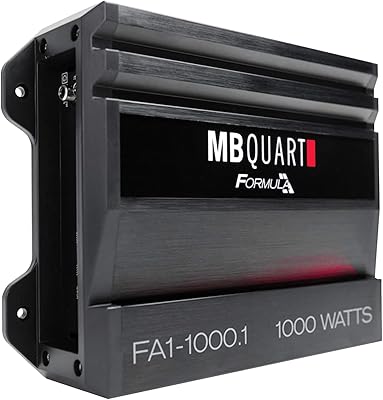
MB Quart FA1-1000.1 Mono Car Amplifier
78%
88%
Installation Ease
81%
Bass Output Quality
62%
Power Accuracy
67%
Thermal Performance
84%
Crossover Flexibility
More
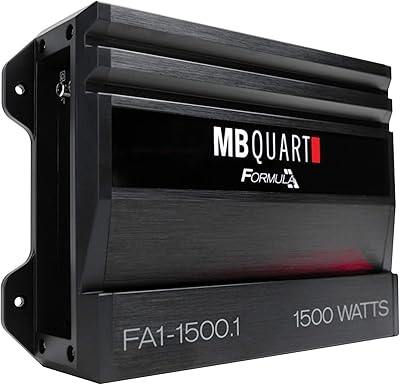
MB Quart FA1-1500.1 Mono Channel Car Audio Amplifier
84%
91%
Sound Quality
88%
Power Delivery
87%
Durability & Build Quality
85%
Ease of Setup & Installation
65%
Thermals (Heat Management)
More
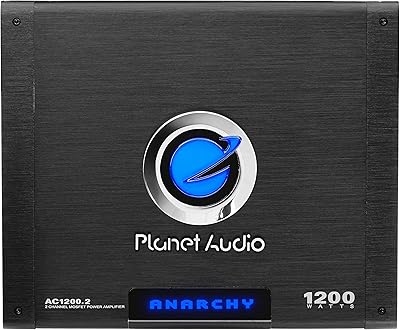
Planet Audio AC1200.2 2-Channel Car Amplifier
72%
84%
Value for Money
67%
Power Output
88%
Ease of Installation
71%
Sound Quality
58%
Thermal Performance
More
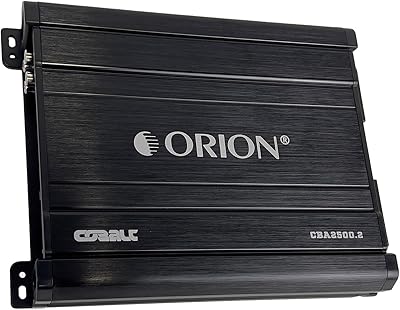
Orion CBA2500.2 2-Channel Car Amplifier
73%
82%
Value for Money
63%
Power Output
67%
Build Quality
88%
Ease of Installation
71%
Sound Quality
More
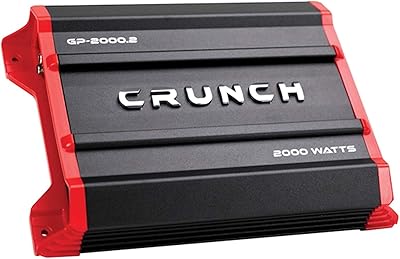
Crunch GP-2000.2 2-Channel Car Amplifier
71%
88%
Value for Money
83%
Ease of Installation
61%
Power Output
58%
Build Quality
54%
Heat Management
More
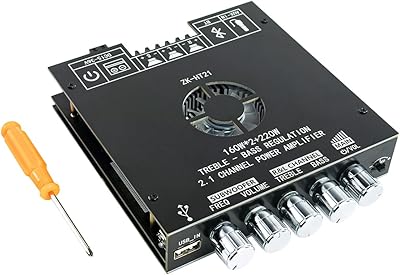
Hosyond TDA7498E 2.1 Channel Bluetooth Amplifier Board 160W×2+220W
73%
88%
Value for Money
76%
Power Output & Headroom
83%
Bluetooth Connectivity
79%
Build & Component Quality
62%
Thermal Management
More
Onkyo M-5010 2-Channel Power Amplifier
78%
88%
Audio Clarity
91%
Build Quality
93%
Noise Floor
84%
Power Delivery
71%
Value for Money
More
Orion Cobalt 2-Channel Car Amplifier
73%
81%
Value for Money
84%
Ease of Installation
73%
Sound Quality
78%
Bass Performance
58%
Build Quality
More
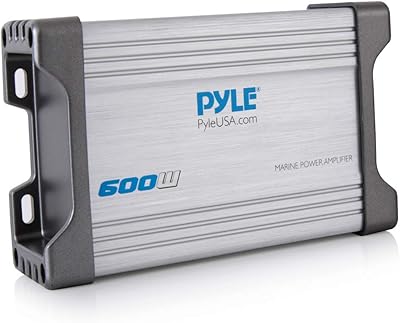
Rockville DBM65 6-Channel Marine Amplifier
73%
88%
Value for Money
83%
Power Output
71%
Waterproofing & Weather Resistance
91%
Channel Flexibility
67%
Build Quality
More
Rockville RPA5 2-Channel Power Amplifier
78%
88%
Value for Money
76%
Power Output & Headroom
67%
Build Quality & Construction
79%
Cooling & Thermal Management
91%
Connectivity & I/O Flexibility
More

FAQ

The 400-watt figure is peak power — the maximum the amp can theoretically output in short bursts under ideal conditions. Day to day, you are working with 2x100 watts RMS at 4 ohms, which is the continuous, usable power level. That is plenty for a solid pair of marine speakers on a recreational boat, but temper expectations if you are comparing it to amps rated by their continuous RMS figures.

It works well on powersports vehicles, not just boats. The IPX5 waterproof rating handles spray and rain, and the compact, lightweight build fits into tight mounting spots on jet skis, UTVs, and ATVs. The surface-mount design does require a flat panel, so just plan your mounting location before purchasing.

Not particularly. The wiring layout is straightforward, and the built-in crossover means you do not need external signal processors to get a usable, tuned sound. Most buyers with basic wiring confidence handle the installation themselves without professional help. Having a wiring diagram from a marine audio forum on hand does not hurt.

Bridged mono combines both channels into a single, more powerful output — useful if you are running one subwoofer instead of two full-range speakers. Instead of 2x100W at 4 ohms, you get a single combined channel driving the sub. It is a handy option if your setup evolves or you want to add low-end punch without buying another amp.

Multiple owners report using this marine amplifier across more than one season without corrosion issues or waterproofing failures. The IPX5 and ASTM compliance are genuine protections, not just marketing labels. That said, rinsing the area around any electronics after saltwater exposure is always a smart habit regardless of the amp's ratings.

Standard 4-ohm marine speakers are the sweet spot — you get the full 2x100W RMS output and the amp runs comfortably within its thermal range. If you push down to 2-ohm loads, you gain more power, but run the amp harder thermally. Stick with reputable marine speaker brands rated to handle at least 100W RMS per channel for the best match.

They are functional and appreciated by buyers who want basic tuning without an external processor. Switching between full range, high-pass, and low-pass modes is simple. The main criticism is that the adjustment knobs lack clear calibration markings, so dialing in a precise cutoff frequency requires some trial and error rather than confident, targeted tuning.

The aluminum heatsink handles heat well under normal recreational use, and most users do not report thermal shutdown issues during typical boating or riding sessions. Running it hard at 2 ohms for several hours in hot weather would stress it more, so give the amp adequate airflow in whatever compartment you mount it in.

Genuinely easy, which is one of its underrated practical strengths. The quick-disconnect wiring terminals mean you can pull the amp in minutes without cutting or re-crimping wires. This matters more than buyers realize until they are staring at a frozen marina in October trying to pull electronics quickly.

At this price tier, the main competitors are brands like Rockville, Pyle, and Boss Marine. The MB Quart tends to earn more trust from buyers who have tried cheaper alternatives, largely because of build quality and a more credible brand history in marine audio. It is not dramatically better in raw audio performance, but the weatherproofing reliability and connector quality feel a step above the budget-brand alternatives most buyers compare it against.