Overview

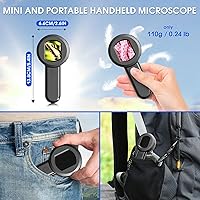
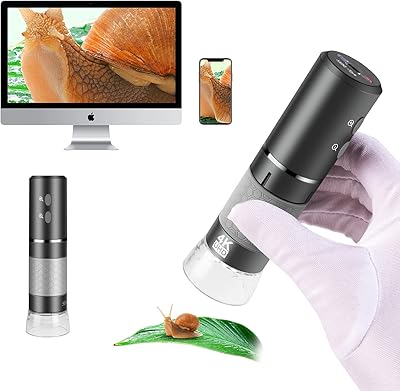
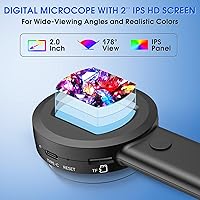
The MAXLAPTER Pocket 100X Digital Microscope arrived on the scene in late 2024 as a genuinely self-contained tool — no phone app, no laptop required, just pick it up and look. The built-in 2″ IPS screen shows a live feed at 100X fixed magnification, with an extra layer of digital zoom when you need to push in closer. At under five ounces, it slips into a jacket pocket without a second thought. MAXLAPTER clearly aimed this at hobbyists and curious kids rather than lab professionals, and that positioning shapes everything about how the handheld magnifier performs and where it falls short.
Features & Benefits

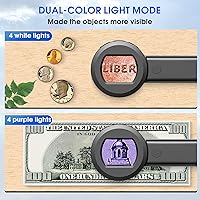
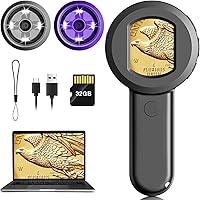
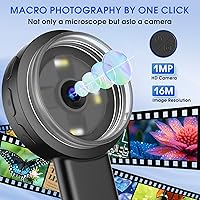
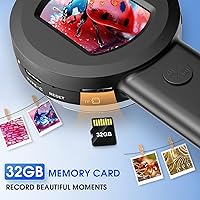
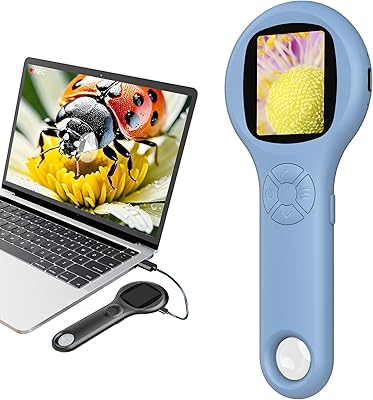
The on-board screen is the feature that sets this pocket microscope apart from basic loupes — you get a real-time color image without squinting through an eyepiece. Photos and video are captured at 16 megapixels and stored on an included 32GB card, so documenting a coin collection or a mineral sample is straightforward. The dual lighting system is a genuine plus: four white LEDs handle general illumination, while four UV LEDs let you spot fluorescent security features on banknotes or stamps. A USB cable connects to a computer when you want to share findings on a larger screen. One honest caveat — fast-moving subjects like live insects will blur badly, so plan accordingly.

Best For

Coin and stamp collectors are probably the most natural fit here — the handheld magnifier lets you inspect hallmarks, mint marks, and watermarks on the spot without hauling out a bench setup. Kids doing school projects get a lot of mileage from it too; handing a child something they can point at a leaf, a pebble, or a piece of fabric and immediately see magnified on a little screen tends to spark real curiosity. Trichome inspection for home growers is another strong use case the UV mode supports well. Where it struggles is anywhere that demands clinical precision or crisp imaging of anything that won't hold still.

User Feedback

Buyers who pick up this mini digital scope for kids consistently mention how quickly children figure it out — the learning curve is nearly flat, which counts for a lot. Portability earns repeat praise, especially from collectors who want something bag-friendly. The honest pushback centers on image sharpness: several reviewers note that a modern smartphone with a macro lens can outperform it optically, which is worth keeping in mind. Screen brightness in direct sunlight draws some complaints too. That said, most buyers seem to weigh those limitations against the standalone convenience and land in a reasonably satisfied place, reflected in a rating that sits solidly above average for the category.

Pros

  • Zero setup required — battery and 32GB memory card are included right out of the box.
  • The built-in screen means no phone pairing, app downloads, or Bluetooth headaches.
  • Weighing under five ounces, this pocket microscope genuinely fits in a jacket pocket.
  • Dual white and UV LED modes add real versatility for stamp, banknote, and mineral inspection.
  • Kids can operate the handheld magnifier independently after about sixty seconds of instruction.
  • USB output to a computer or projector works reliably for classroom sharing sessions.
  • The self-contained design makes it a practical companion for coin markets or estate sales.
  • Photo and video capture lets collectors document finds without reaching for a separate camera.
  • At its price tier, the feature set — screen, UV mode, camera, storage — is genuinely competitive.
  • Fixed-focus operation removes one variable entirely, making it approachable for non-technical users.

Cons

  • Image sharpness falls noticeably short of what a modern smartphone macro lens can produce.
  • Screen brightness is insufficient in direct sunlight, limiting real-world outdoor usability.
  • The fixed focal distance requires precise hand positioning that younger or impatient kids find frustrating.
  • Digital zoom amplifies blur rather than resolving extra detail — use it sparingly.
  • The plastic build feels light in a way that raises durability questions for regular field use.
  • UV output is too weak for serious banknote or document authentication beyond casual checking.
  • No autofocus means live insects and any moving subjects produce unusable, blurry footage.
  • The included USB cable was described by multiple buyers as noticeably flimsy and prone to wobbling.
  • Instruction documentation is sparse and poorly translated, causing confusion around UV mode and PC output.
  • Saved video can appear choppy at higher zoom levels, limiting its value for documentation purposes.

Ratings

The MAXLAPTER Pocket 100X Digital Microscope has been scored by our AI system after processing verified buyer reviews from global markets, with spam, bot-generated, and incentivized feedback actively filtered out. The result is an honest picture of where this pocket microscope genuinely delivers and where real users ran into friction. Both the strengths and the frustrations are reflected transparently in every category below.
Portability & Form Factor
91%
Buyers consistently praise how easy this mini digital scope is to slip into a bag or coat pocket for school trips, market visits, or outdoor walks. At under five ounces, it never feels like a burden, and the self-contained design means no tangled cables or companion devices are needed in the field.
The narrow body can feel slightly awkward for adults with larger hands during extended sessions. A few users also noted the plastic casing feels light in a way that raises durability questions when handing it to younger children.
Ease of Use
88%
Parents and teachers repeatedly highlight how quickly kids get comfortable with the handheld magnifier — there are no menus to dig through or apps to configure. Powering on and pointing it at an object to get a live image on screen takes seconds, which keeps curiosity alive rather than killing it with setup friction.
The button layout is minimal, which is mostly a positive, but a handful of adult users wanted finer controls for brightness or focus adjustment. The fixed-focus design removes one variable entirely, though it also removes flexibility for users with more specific needs.
Image & Optical Quality
63%
37%
For casual hobbyist use — checking a coin's surface detail, scanning a postage stamp, or spotting trichome maturity — the optics do their job at the core magnification level. The image is clear enough for basic identification tasks, and the live feed responds without noticeable lag.
This is where honest feedback diverges sharply from marketing expectations. Multiple reviewers point out that a modern smartphone with a macro lens produces noticeably sharper and more color-accurate images. On the 2″ screen, a 16-megapixel claim does not translate to the crisp detail that number implies on paper.
Screen Quality
71%
29%
The IPS panel renders colors reasonably well indoors, and having any screen at all removes the need to squint through an eyepiece — a genuine usability advantage that buyers appreciate, especially for sharing a view with a child standing next to them.
Outdoor use in bright conditions is a real weak point. Several reviewers mention the screen washes out in direct sunlight, making field use less practical than the portability might suggest. Brightness tops out at a level that works fine at a desk but struggles anywhere sunny.
UV Light Performance
74%
26%
Stamp and banknote enthusiasts specifically call out the UV mode as a useful bonus at this price tier. Switching between white and UV illumination is straightforward, and the four UV LEDs produce enough output to reveal fluorescent security features on currency and philatelic items.
The UV coverage is adequate rather than impressive — it works well on small flat items but loses effectiveness on anything irregular or three-dimensional. A few collectors noted the UV intensity falls short of dedicated authentication tools, limiting its use to casual verification rather than serious forensic work.
White LED Lighting
79%
21%
The four white LEDs do a solid job of flooding small subjects with even light in typical indoor conditions. Jewelry hobbyists and coin collectors find the illumination sufficient to reduce shadows on textured surfaces, which is the core need for this type of inspection work.
Glare on reflective surfaces — polished coins, metal jewelry settings, foil stamps — is a recurring complaint. The fixed positioning of the LEDs means there is no way to adjust the angle of light to cut reflections, which can obscure the very detail users are trying to examine.
Photo & Video Capture
67%
33%
The ability to save stills and short clips directly to the included memory card without needing a phone or computer is genuinely convenient for documenting a collection or a classroom discovery. The card slot comes pre-loaded, so there is nothing to purchase or configure before first use.
Saved image quality disappoints users who compare results to phone cameras. Compression artifacts are visible on zoomed-in shots, and video footage can appear choppy at higher digital zoom levels. For serious documentation needs, the output quality may not meet expectations.
Magnification Usefulness
72%
28%
For the intended audience — hobbyists, students, curious kids — the fixed 100X level covers most casual inspection needs confidently. Trichome growers note it shows enough detail to make harvest timing judgments, and collectors find it adequate for surface-level examination of stamps and coins.
Users who expected a tool closer to a lab-grade instrument felt let down. The fixed focus means there is no sweet spot adjustment, and some subjects require very precise positioning to land in the narrow focal zone. The additional digital zoom amplifies blur rather than revealing extra detail.
Build Quality & Durability
58%
42%
The slim plastic body keeps weight down and makes the handheld magnifier easy for children to hold independently. For light, occasional use on a desk or in a classroom setting, the construction holds up without obvious issues in the short term.
The all-plastic build generates skepticism among buyers who plan to use it regularly outdoors. Several reviewers reported concern about the lens cover and button feel after a few weeks of use, and the device does not appear to have any meaningful water or dust resistance for field conditions.
Battery Life & Charging
76%
24%
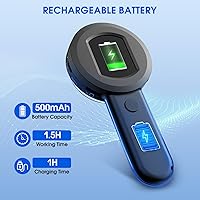
The included lithium-ion battery means the pocket microscope is genuinely ready to use straight out of the box, which parents and gift-givers appreciate. Charge duration is sufficient for a full classroom session or a couple of hours of casual collecting without needing a top-up.
Exact battery capacity is not disclosed, and a few users noted the runtime felt shorter than expected during extended outdoor sessions. Charging via USB is convenient but the cable included was described by some buyers as flimsy — a minor but recurring gripe.
USB Connectivity & Sharing
69%
31%
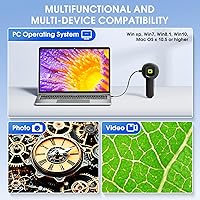
Plugging the mini digital scope into a laptop or classroom projector to display a live feed on a larger screen works as advertised and adds real value for group learning contexts. Teachers in particular mention using this feature during science demonstrations.
The connection is functional but basic — there is no dedicated software bundled, and compatibility with certain operating systems required some manual driver hunting according to a handful of reviewers. The experience is not plug-and-play on every setup, which can frustrate less technical users.
Value for Money
82%
18%
Relative to other self-contained digital microscopes with built-in screens, the price point is competitive and the included memory card adds tangible value. For a gift, a classroom tool, or a first microscope for a curious child, the overall package feels fairly priced for what it delivers.
Buyers who upgrade from a basic loupe and expect a dramatic quality leap may feel the gap is smaller than anticipated. If optical performance is the primary concern, spending more on a phone-compatible microscope attachment might yield better results for the same or similar budget.
Setup & Out-of-Box Experience
86%
Almost every reviewer comments positively on the unboxing experience — battery installed, memory card included, and the device powers on immediately. For gift situations especially, this zero-configuration approach eliminates the frustration of hunting for accessories before the fun starts.
The instruction manual is brief and available only in limited languages according to some international buyers, which caused minor confusion around the UV mode toggle and USB output settings. A short quick-start card with clearer visuals would meaningfully improve the initial experience.
Suitability for Kids
84%
Children between roughly six and twelve years old respond particularly well to this handheld magnifier — the screen format makes discoveries immediately visible and shareable, which keeps engagement high. Parents report it holding attention longer than expected for a science-adjacent toy.
The fixed focus requires the user to hold the device at a very specific distance from the subject, which younger or less patient children find frustrating. Without autofocus, a wiggly six-year-old will spend more time chasing the focal zone than actually observing.
Outdoor Usability
54%
46%
The compact size and battery power make this pocket microscope theoretically appealing for nature walks, garden exploration, and school field trips. Carrying it alongside a field journal for documenting plant or soil observations is a reasonable use case for older students.
Screen washout in sunlight and the strict focal distance requirement make genuine outdoor use much harder in practice than in theory. Fast-moving subjects like live insects are explicitly unsupported, which removes a large portion of what makes outdoor nature observation exciting for kids.

Suitable for:

The MAXLAPTER Pocket 100X Digital Microscope is a strong fit for parents looking for a science-oriented gift that a child can pick up and use independently within minutes. Kids aged roughly six to twelve get the most out of it — the live screen format makes discoveries instantly visible and shareable, which keeps curiosity engaged far longer than a traditional eyepiece design would. Hobbyist collectors are another natural audience: coin enthusiasts, stamp collectors, and jewelry hobbyists who want a portable loupe they can bring to a market, estate sale, or swap meet without lugging a full desktop setup. Home growers inspecting trichome development will find the magnification level practical for harvest timing decisions. Teachers and classroom aides will also appreciate the USB output feature, which lets the handheld magnifier feed a live image to a projector or monitor for group observation sessions.
Not suitable for:

The MAXLAPTER Pocket 100X Digital Microscope is the wrong tool for anyone whose primary need is sharp, detailed imaging — if optical precision matters to you, a phone-compatible macro attachment or a dedicated lab microscope will serve you better at a comparable or slightly higher spend. Anyone hoping to observe live insects, small animals, or any fast-moving subject should look elsewhere; the fixed-focus optics simply cannot track motion, and the results are blurry and frustrating. Outdoor use is more limited than the portable form factor implies — the screen washes out in direct sunlight, which undermines the appeal of taking it on nature walks during the day. Serious philatelists or numismatists who need clinical-grade UV authentication will find the UV output underwhelming compared to purpose-built verification tools. And buyers with durability requirements — rough handling, dusty environments, or any exposure to moisture — should note the all-plastic construction offers no meaningful protection against the elements.
Specifications

  • Magnification: Fixed 100X optical magnification with an additional 4X digital zoom for closer inspection of fine details.
  • Screen: Built-in 2″ IPS color display provides real-time live viewing without requiring a connected phone or computer.
  • Camera: 16-megapixel sensor captures still photos and video clips directly to the onboard memory card.
  • Storage: Includes a 32GB memory card pre-installed, providing ample space for photos and short video recordings.
  • Lighting: Dual light system comprising 4 white LEDs for general illumination and 4 UV LEDs for fluorescence-based inspection.
  • Battery: Rechargeable lithium-ion battery is included and pre-installed, enabling immediate use straight from the box.
  • Weight: Weighs approximately 4.8 oz (136g), light enough for extended handheld use by adults and older children.
  • Dimensions: Measures 2.63″ in length, 0.7″ in width, and 5.43″ in height, fitting comfortably in a jacket or trouser pocket.
  • Connectivity: USB cable connection allows the device to output its live feed to a computer screen for group viewing or classroom sharing.
  • Material: Housing is constructed from plastic, keeping overall weight low while providing a basic level of structural rigidity.
  • Color: Available in black as the standard colorway.
  • Voltage: Rated at 110V, compatible with standard North American power outlets when charging via the included USB cable.
  • Video Capture: Supports video recording in addition to still photography, with footage saved directly to the included memory card.
  • Digital Zoom: An additional 4X digital zoom layer can be applied on top of the base optical magnification for further close-up views.
  • UV LEDs: Four dedicated UV LEDs allow users to switch into ultraviolet mode for inspecting fluorescent security features on documents and minerals.
  • Compatibility: Connects to Windows and Mac computers via USB for live feed display, though driver installation may be required on some systems.

Related Reviews
T TAKMLY 8910-355 Pocket Digital Microscope
77%
91%
Portability & Form Factor
74%
Magnification Performance
83%
Display Quality
88%
Ease of Use
61%
Battery Life
More
National Geographic Kids Digital Handheld Microscope
81%
88%
Ease of Use for Kids
83%
Image & Screen Quality
71%
Magnification Performance
79%
Battery Life
91%
Kit Completeness & Value
More
TOMLOV DM702 Digital Coin Microscope 10-inch
78%
88%
Display Quality
74%
Magnification Performance
83%
Build Quality & Durability
86%
Lighting System
84%
Stand & Working Space
More
Andonstar AD266S 7-Inch 5-Lens Digital Microscope
74%
83%
Image Clarity
88%
Lens Versatility
81%
Build Quality
79%
Value for Money
76%
LCD Display
More
KEXWAXX KX-1000-CY Kids Pocket Digital Microscope
76%
91%
Ease of Setup
63%
Magnification Clarity
71%
Screen Quality
67%
Build Quality & Durability
78%
Battery Life
More
MAXLAPTER RM Binocular Compound Microscope
78%
83%
Optical Clarity (Mid-Range)
58%
Maximum Magnification Quality
86%
Build Quality
91%
Mechanical Stage
84%
Illumination System
More
Ahalfcit Digital Microscope 500X
83%
88%
Magnification Quality
91%
Ease of Use
92%
Portability
83%
Battery Life
89%
Display Quality
More
Cainda 4K WiFi Handheld Digital Microscope
75%
83%
Image Clarity
78%
WiFi Connectivity
61%
App Performance
69%
Magnification Range
74%
LED Lighting
More
TOMLOV DM9 Pro Digital Microscope
83%
88%
Magnification Performance
92%
Image Quality
86%
Lighting Adjustability
84%
Build Quality
79%
Ease of Setup
More
Ninyoon 4K Digital USB Microscope
83%
88%
Image Quality
85%
Ease of Use
90%
Cross-Device Compatibility
80%
Build Quality
91%
Stability of Stand
More

FAQ

No, it operates entirely on its own. The built-in 2″ screen shows a live image the moment you power it on, so you can use it anywhere without pairing it to another device. The USB connection to a computer is an optional extra for when you want to display the feed on a larger screen.

It can work well for that age range, but with one caveat: the fixed focal distance means the child needs to hold the device at a very specific distance from the subject to get a clear image. Younger kids can find that fiddly. For children eight and up who have a bit more patience, it tends to work really well.

Not effectively. The device is designed for stationary or very slow-moving subjects, and any significant movement will result in a blurry, unusable image. For live insect observation, you would need a microscope with a much faster capture rate.

You toggle between white and UV lighting using the onboard button. The UV mode causes certain materials to fluoresce, which is useful for spotting security features on banknotes, checking for markings on stamps, or examining fluorescent minerals. It is a genuine bonus feature, though the UV intensity is better suited to casual checking than serious professional authentication.

The device saves image and video files directly to the included 32GB memory card in standard formats that are readable on both Windows and Mac computers. You can remove the card and transfer files to your computer, or connect the device via USB to view files directly.

The manufacturer does not publish an exact runtime figure, but based on user feedback, expect somewhere between one and two hours of active use per charge under typical indoor conditions. For classroom sessions or collecting trips, that is generally sufficient, though heavy UV use may shorten runtime slightly.

Yes, this is actually one of its stronger use cases. The magnification level is sufficient to observe trichome colour and development for harvest timing purposes. Just make sure the plant material is as still as possible — any movement from air currents will blur the image.

The USB output is designed for connection to a computer, where it displays as a standard USB camera. Direct connection to a TV via USB is unlikely to work unless the TV specifically supports USB camera input. For projector use, connecting through a laptop in between is the most reliable approach.

No, the handheld magnifier has no stated water or dust resistance rating. It is an all-plastic consumer device intended for careful indoor or light outdoor use. Avoid exposing it to rain, high humidity, or dusty environments for anything beyond brief use.

Most blurriness with this mini digital scope comes down to focal distance — there is a very specific range at which the fixed-focus lens produces a sharp image, usually a few millimetres from the subject. Try slowly moving the device closer to or further from the object until the image snaps into focus on the screen. If you are using the digital zoom at higher levels, some softness is expected and unavoidable.