Overview

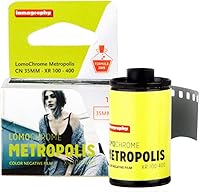
The Lomography LomoChrome Metropolis 135 Color Film is Lomography's answer to a very specific creative craving — the kind of muted, slightly dystopian look that standard color negative stocks simply cannot replicate. Launched as part of the LomoChrome family, the Metropolis line was built around an intentionally desaturated color palette, pulling warm tones down and pushing images toward something bleaker and more cinematic. Shooting at ISO 100, this specialty emulsion is designed for daylight or well-lit environments — it is not a grab-and-go film for every situation. Think of it less as a utility emulsion and more as a deliberate creative tool you plan a shoot around.
Features & Benefits

What makes the Metropolis 135 stand out is its signature tonal shift — colors lean cold, muted, and slightly off in a way that feels intentional rather than accidental. The ISO 100 rating means contrast and grain behave predictably in good light, producing a subtle texture that complements rather than fights the desaturated look. Because it shoots in standard 35mm format, you can load it into virtually any film camera you already own. Architecture and street scenes respond especially well, though environmental portraits also take on a haunting, editorial quality. Lomography's production consistency means each roll delivers predictable results — assuming your metering and development are on point.

Best For

This Lomography film is squarely aimed at street and urban photographers who want mood baked into the negative rather than added in post. If you shoot Kodak Gold or Fuji 200 and want to try something with a sharply different visual identity, the Metropolis 135 is a natural next step without demanding darkroom gymnastics like cross-processing. That said, it rewards photographers who already understand exposure discipline — the ISO 100 speed is unforgiving in lower light. It also works well for anyone building a consistent visual project: zines, printed portfolios, or a curated social feed where tonal cohesion matters. As a gift for an analog enthusiast, it is genuinely distinctive and unlikely to already be sitting in their film fridge.

User Feedback

Across its ratings, this specialty emulsion earns consistent praise for its moody color rendering — buyers frequently cite it as the main draw. The most common criticism is the ISO 100 limitation: photographers who loaded it indoors or on overcast days without a tripod were often underwhelmed. Several reviewers also flag that results shift noticeably depending on scanner or processing lab, making this a film that rewards some technical familiarity. Still, a 4.3 out of 5 rating across dozens of real buyers tells a clear story — informed buyers tend to leave satisfied. Know what you are buying, and this Lomography film delivers squarely on its specific promise.

Pros

  • Delivers a strikingly moody, desaturated look straight out of the camera with no filters or heavy editing required.
  • Compatible with any standard 35mm film camera, so no specialized equipment is needed to get started.
  • Grain is subtle and purposeful, adding texture that reinforces the cinematic character without overwhelming the image.
  • Performs especially well on urban architecture and street scenes, producing tones that feel intentional and editorial.
  • Backed by Lomography's quality control, each roll behaves consistently within its intended aesthetic range.
  • A real creative differentiator for photographers tired of predictable results from mainstream color stocks.
  • Active user community means sample galleries, metering tips, and lab recommendations are easy to find online.
  • 36 exposures per roll gives enough frames to experiment with metering approaches and still walk away with keepers.

Cons

  • ISO 100 speed significantly limits usability indoors, in shade, or on overcast days without a tripod.
  • Results shift noticeably depending on your scanning equipment or development lab, adding real unpredictability to the workflow.
  • Overexposure washes out the desaturation effect — sloppy metering can undermine the entire aesthetic payoff of the roll.
  • Sold only in single-roll packs, making it a higher per-roll cost compared to multi-pack alternatives.
  • Not suited for events, travel shoots, or mixed-lighting scenarios where adaptability across conditions is essential.
  • The color palette is highly specific and polarizing — photographers whose style evolves may find it creatively limiting over time.
  • First-time film shooters likely lack the metering discipline needed to get consistent, repeatable results from this emulsion.
  • The final look is difficult to preview before committing, since scanning and development choices heavily shape the output.

Ratings

The scores below were generated by our AI engine after analyzing verified buyer reviews for the Lomography LomoChrome Metropolis 135 Color Film worldwide, with spam, bot-generated, and incentivized submissions actively filtered out before any score was calculated. Each category reflects a synthesis of real shooting experiences — not manufacturer claims — so genuine strengths and common frustrations are represented with equal honesty. Whether this Lomography film earns a place in your camera bag depends heavily on understanding where it excels and where it falls short, and these scores are built to make that call clearer.

Aesthetic Output
91%
The desaturated, muted color palette is the core reason photographers reach for this film, and it delivers on that promise with rare consistency. Street scenes and architecture captured in good daylight take on a cinematic, almost dystopian quality straight from the lab — no presets or hours of editing needed to communicate mood.
The look is highly specific, and if metering drifts even slightly toward overexposure, the desaturation effect gets washed out and images can appear flat rather than moody. Buyers who loaded it expecting vibrant, true-to-life color rendition were understandably disappointed, since this emulsion is simply not engineered for that outcome.
Creative Differentiation
94%
No mainstream color film stock produces the Metropolis look straight out of the camera — that is the single most important thing experienced buyers say about it. For photographers building a personal visual style or working on a project demanding a consistent, distinctive aesthetic, this specialty emulsion has no direct equivalent at any price point.
The same uniqueness that makes this film so appealing also limits its versatility considerably. If you need your film to serve multiple creative purposes — family snapshots one weekend, street work the next — the highly opinionated color palette makes it a poor all-rounder for everyday use.
ISO Versatility
43%
57%
For photographers who stick strictly to bright daylight shooting — urban streets at midday, open plazas, or well-lit studio environments — ISO 100 behaves predictably and cleanly. Exposures at this speed let the emulsion's full tonal character come through without the grain amplification that push-processing would inevitably introduce.
ISO 100 is where the Metropolis 135 most frequently disappoints real-world buyers. Indoors, under overcast skies, or in any situation requiring handheld shooting in anything less than strong daylight, the slow speed almost guarantees underexposed frames — and that underexposure produces muddy results with none of the intended cinematic quality.
Ease of Use
57%
43%
For photographers who already meter confidently and understand how to read light in the field, using this film is no different from any other 35mm stock — load, shoot, develop. The standard C-41 development requirement also removes any need for specialized darkroom knowledge or equipment.
For anyone still building their analog fundamentals, the combination of a slow ISO, an unforgiving tonal response to exposure errors, and variable scanning outcomes makes this a genuinely frustrating experience. Multiple buyers who expected a point-and-shoot-friendly result were left with flat, underexposed frames that bore no resemblance to the editorial look they had admired online.
Value for Money
67%
33%
For photographers who know exactly what aesthetic they are after, the per-roll cost is justifiable — you get 36 frames of a look that genuinely stands apart from any mainstream stock. Compared to achieving a similar result through repeated post-processing sessions across an entire shoot, the investment starts to make practical sense.
Sold as a single-roll pack, this Lomography film sits at a noticeably higher price point than standard color stocks, which stings further when you factor in the additional cost of C-41 development and quality scanning. Casual shooters who do not fully appreciate the aesthetic nuance are very likely to feel shortchanged.
Street Photography
89%
Urban environments are where this emulsion genuinely earns its reputation. Concrete walls, steel architecture, harsh shadows, and the muted clothing tones of city crowds all interact with the Metropolis palette in a way that feels natural and purposeful — as if the film was engineered specifically for this environment, which in many ways it was.
The slow ISO restricts useful shooting to well-lit streets during daytime hours, which cuts out night photography and work in naturally shaded spaces like covered markets or narrow side alleys. Golden hour and dusk shooting requires careful planning, and most street photographers will want a faster backup stock in the bag.
Lab Compatibility
88%
Because the Metropolis 135 uses the standard C-41 development process, it can be dropped off at virtually any color film lab without special instructions or added fees. Most mail-in services, local photo shops, and even some drugstores handle it cleanly, removing a meaningful barrier to entry for film shooters without home darkrooms.
While development itself is trouble-free, the scanning step introduces real variability. Labs that apply aggressive auto-color correction can partially undo the film's desaturation during scanning, meaning the characteristic look depends heavily on how clearly you communicate your scanning preferences to the technician before handing over the roll.
Grain Quality
84%
The grain on this specialty emulsion is one of its quieter strengths — fine enough not to distract, but present enough to reinforce the film's intentional, textured feel. Photographers building street portfolios or shooting for print consistently note that the grain sits naturally within the frame rather than appearing as unwanted digital-style noise.
Pushing the film beyond its rated ISO to compensate for difficult lighting amplifies grain noticeably, and not always in a flattering direction. A handful of reviewers also found that certain lab scanning setups rendered the grain more harshly than they expected, which required additional correction work in post-processing.
Brand Trust
86%
Lomography has spent decades building a passionate global community around analog and experimental photography, and that credibility extends directly to the Metropolis 135. Buyers consistently trust that each roll represents a deliberate creative product rather than a manufacturing compromise, and the brand's active online presence provides real community support when questions arise.
Lomography is a specialty brand, and not all buyers come in fully aware of what that means in practice. A portion of negative feedback reads more as frustration with the brand's experimental philosophy than with the product itself — a mismatch in expectations that better pre-purchase communication from both the brand and sellers could prevent.
Roll-to-Roll Consistency
78%
22%
Lomography's manufacturing quality control keeps each roll of the Metropolis 135 producing broadly consistent results within its intended aesthetic range. Photographers who have shot multiple rolls across different projects report that the desaturated character remains stable, which is genuinely important for anyone building a cohesive long-form visual project.
Consistency depends significantly on keeping your own exposure and development conditions stable — the film does not self-correct for imprecise technique the way higher-latitude stocks do. A minority of buyers also reported subtle variation between production batch runs, though this appears to be uncommon rather than a systemic quality control issue.
Portrait Performance
73%
27%
Environmental portraits — subjects placed within urban settings and shot in good daylight — take on a haunting, editorial quality with this specialty emulsion. Skin tones render cooler and more muted than on conventional film, which works well for stylized portraiture aimed at editorial, zine, or alternative portfolio contexts.
Traditional portrait photographers looking for warm, flattering skin tones will find the Metropolis 135 actively works against them. The heavy desaturation can make skin look sallow or washed-out under anything other than very carefully controlled light, and it demands a deliberate, considered styling approach to avoid unflattering results.
Scan Friendliness
62%
38%
The negatives themselves are well-structured for scanning — C-41 chemistry produces consistent base density, and the modified emulsion does not introduce unusual challenges for scanner hardware. Photographers with a decent home film scanner can pull the characteristic tones directly from the negative without heavy intervention if they scan to a flat profile.
Auto-scanning profiles at many consumer labs are calibrated to boost saturation, which can actively undermine the Metropolis look before you ever see the files. Several buyers reported getting scans back that looked nothing like the sample images they had seen, only to discover the lab's automatic color grading had corrected away the very qualities they had paid for.
Camera Compatibility
93%
As a standard 135 format cartridge, this specialty emulsion loads into any 35mm camera on the market — film SLRs, compact point-and-shoots, vintage rangefinders, and everything in between. Photographers who shoot with multiple camera bodies can switch freely without any compatibility concerns whatsoever.
There is very little to criticize from a pure compatibility standpoint. The only real consideration is that cameras with limited manual metering controls make it harder to nail exposure consistently, which matters more here than it does with wider-latitude, more forgiving film stocks.
Tonal Range
71%
29%
Within its intended aesthetic, the Metropolis 135 handles highlights and midtones with real care — urban scenes with strong contrast between bright sky and shadowed facades retain readable detail in both areas, giving the cinematic character room to work without collapsing into pure black in the shadow zones.
Shadow detail can be genuinely difficult to retain at ISO 100 in high-contrast scenes where the exposure window is narrow. The compressed, muted tonal palette also gives the film less room to recover from exposure mistakes than wider-latitude stocks like Kodak Portra, which a meaningful number of buyers found limiting in practice.
Packaging & Build
76%
24%
The film comes in a standard plastic canister with Lomography's clean, restrained branding — compact enough to tuck into a jacket pocket or small bag without wasted bulk. The cartridge itself feels well-constructed and loads without the stiffness or resistance that some off-brand specialty films produce.
Single-roll packaging means more individual waste compared to buying in multi-roll bricks, which is both an environmental and a cost-per-roll concern for regular shooters. A few buyers also noted the packaging feels functional rather than premium, which sits slightly at odds with the specialty positioning and price point.

Suitable for:

The Lomography LomoChrome Metropolis 135 Color Film is built for analog photographers who shoot with real intention — particularly those drawn to street photography, urban landscapes, and editorial portraiture where a desaturated, cinematic aesthetic is the goal rather than a happy accident. If you already understand exposure fundamentals and work primarily in daylight or controlled lighting, this specialty emulsion rewards that discipline with a look that would otherwise require significant post-processing or risky darkroom experimentation. It fits naturally into the workflow of intermediate and advanced film shooters building a cohesive visual identity across a project — zine makers, portfolio builders, and photographers curating a consistent social presence will get the most out of it. The Metropolis 135 is also a genuinely thoughtful gift for analog enthusiasts who have exhausted the usual Kodak and Fuji options and are ready to explore something with a sharper, more specific creative edge.

Not suitable for:

The Lomography LomoChrome Metropolis 135 Color Film is the wrong choice for anyone who needs a versatile, all-conditions emulsion they can load and forget about. At ISO 100, it struggles badly in low-light situations — shooting indoors, under shade, or on overcast days without a tripod will likely produce results that have nothing to do with the film's intended aesthetic and everything to do with underexposure. Beginners still learning to meter manually, or anyone expecting color-accurate output close to what they see with their eyes, will find this Lomography film frustrating rather than inspiring. Results are also heavily dependent on your development lab and scanning setup, and inconsistent processing can shift the tones in ways that are hard to predict or control. If you want one roll to carry across a trip, an event, or unpredictable shooting conditions, the Metropolis 135 will almost certainly disappoint.

Specifications

  • Brand: Manufactured by Lomography, a Vienna-based company specializing in analog and experimental photography products.
  • Film Line: Part of the LomoChrome Metropolis series, engineered specifically to produce an urban, desaturated aesthetic rather than standard color accuracy.
  • Format: 135 format (35mm) film cartridge, compatible with any standard 35mm film camera including SLRs, rangefinders, and point-and-shoots.
  • Film Type: Color negative film with a modified emulsion that significantly reduces saturation and shifts tonal response away from conventional color reproduction.
  • ISO Speed: Rated at ISO 100, optimized for bright daylight or controlled lighting environments rather than low-light or indoor use.
  • Exposures: Each roll yields 36 exposures per cartridge.
  • Development: Processed using the standard C-41 color negative development process, accepted by most commercial labs, mail-in services, and home development kits.
  • Dimensions: The packaged canister measures 3.15 x 2.20 x 1.60 inches (length x width x height).
  • Weight: The packaged roll weighs 2.39 oz, light enough to carry multiple rolls in any camera bag without meaningful added bulk.
  • Model Number: The official item model number assigned by Lomography is F236MPOLIS.
  • Aesthetic Style: Produces heavily desaturated, muted tones with a cinematic, urban-dystopian color palette that is intentional rather than a processing artifact.
  • Grain Structure: The emulsion features a fine, controlled grain structure that adds subtle visual texture without overwhelming the image or appearing harsh.
  • Color Rendering: Warm tones are significantly suppressed across the full tonal range, with the overall palette shifting toward cooler, more neutral midtones.
  • Pack Size: Sold as a single-roll pack containing one 36-exposure cartridge per purchase.
  • First Available: This product was first listed for purchase in March 2020.

Related Reviews
Lomography Fisheye No.2 35mm Film Camera
81%
91%
Creative Flexibility
87%
Ease of Use for Beginners
93%
Portability
80%
Build Quality
75%
Manual Control Usability
More
Fujifilm Fujicolor 100 35mm Film (36 Exposures)
80%
88%
Color Rendition
91%
Grain & Sharpness
43%
Low-Light Performance
79%
Value for Money
93%
Daylight & Outdoor Use
More
RETO RETOCOLOR Prism 400 35mm Film (36 EXP)
82%
83%
Color Rendition
88%
ISO Versatility
86%
Value for Money
94%
Lab Compatibility
91%
DX Coding Accuracy
More
Kodak Ultra Max 400 35mm Color Film 36 Exposures
82%
88%
Lighting Versatility
79%
Color Rendition
82%
Grain at Standard Sizes
84%
Exposure Latitude
71%
Value per Roll
More
Kodak Portra 160 35mm Color Film (24 Exposures)
83%
94%
Skin Tone Rendering
92%
Grain Structure
89%
Color Accuracy
91%
Exposure Latitude
93%
Performance in Daylight
More
Dynamic Color Circa 1oz Tattoo Ink Set
82%
91%
Color Vibrancy
88%
Pigment Consistency
86%
Flow Rate & Workability
83%
Healing & Color Retention
84%
Packaging & Authenticity
More
CineStill CS41 32oz C-41 Film Developing Kit
84%
88%
Ease of Use
91%
Color Accuracy
89%
Value for Money
86%
Process Reliability
84%
Kit Completeness
More
Kodak Portra 400 35mm Film 36 Exposures
83%
94%
Skin Tone Rendering
91%
Exposure Latitude
88%
Grain Structure
86%
Color Saturation & Palette
83%
Versatility Across Lighting
More
COS Color Out System Hair Color Remover

85%
88%
Effectiveness in Color Removal
92%
Ease of Use
91%
Speed of Results (20-Minute Process)
85%
Hair Health After Use
86%
Gentleness on Hair
More
Solong Tattoo 9-Color 1oz Tattoo Ink Set
74%
88%
Value for Money
79%
Color Vibrancy
83%
Ink Flow & Consistency
61%
Color Longevity
76%
Color Range & Selection
More

FAQ

Any standard 35mm film camera will accept it — SLRs, rangefinders, point-and-shoots, and everything in between. As long as your camera takes 135 format cartridges, you are set. There is nothing proprietary about the cartridge itself.

Yes, without any issue. The Metropolis 135 uses the standard C-41 color negative process, which is the same process used for most consumer color films. Any local lab, drugstore photo counter, or mail-in service that handles color film can develop it. Just be sure to tell them to scan without auto-correction if you want the desaturated look preserved.

The difference is quite noticeable. Films like Kodak Gold and Fuji 200 aim for warm, saturated, natural-looking color rendition. This specialty emulsion does the opposite — it deliberately pulls saturation down and shifts tones toward cooler, muted territory, so the result looks more like a cinematic still than a memory snapshot. It is a look you would typically spend hours trying to replicate in editing software.

Honestly, it is a stretch in most indoor situations. ISO 100 is a slow film speed, and without a tripod or very strong artificial lighting, you are likely to end up with underexposed frames indoors. This emulsion really performs best in bright daylight or well-controlled studio lighting. If indoor shooting is part of your plan, a faster film stock is a more practical choice.

You can expose it at a higher ISO and ask your lab to push-process it, and some photographers do experiment with this approach. That said, pushing significantly alters the grain and color characteristics, and the results may drift away from the signature Metropolis aesthetic you are paying for. If you regularly need flexibility across lighting conditions, a faster, more versatile stock will serve you better day-to-day.

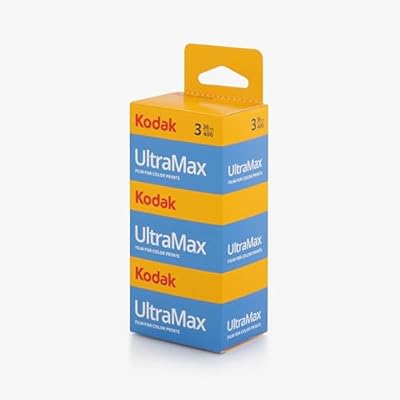
Overexposure tends to wash out the desaturation effect — the image can look muddy or flat rather than moody and intentional, which defeats the purpose of using this film in the first place. Careful metering matters here more than it does with forgiving stocks like Kodak Ultramax. Exposing at box speed or even pulling back slightly tends to preserve the tonal character more reliably.

More than you might expect, yes. Some labs apply automatic color correction during scanning, which can inadvertently boost saturation and undo the very quality that makes this Lomography film worth buying. It helps to specify flat or uncorrected scans when you drop off your roll, or to handle scanning yourself if you have a home film scanner. The negative itself will carry the characteristic tones — you just need to make sure the scan reflects them accurately.

Probably not as a first roll. It rewards experience — specifically, the ability to meter accurately in bright daylight and a clear sense of the aesthetic you are chasing. A beginner will get more learning value and consistent satisfaction from a more forgiving, faster stock first. Come back to this one once you have a few rolls of something straightforward under your belt and you know what properly exposed film looks like from your camera.

Keep it somewhere cool and dry, away from heat sources and humidity. If you are not planning to shoot it within a few weeks, storing it in the fridge is perfectly fine — just let it come back to room temperature for about 30 minutes before loading to avoid condensation on the emulsion. Avoid leaving it in a hot car or anywhere with direct sun exposure.

All three are part of the same experimental emulsion family, but each has a very distinct personality. The Purple introduces dramatic hue shifts toward pinks and purples, especially in areas that would normally render green, which gives it a surreal, nature-focused quality. The Turquoise leans into teal and cyan shifts with a dreamy character. The Metropolis 135 is the most restrained and urban-feeling of the three — its desaturation is controlled and cinematic rather than color-shifting, which makes results feel editorial and intentional rather than fantastical.