Overview

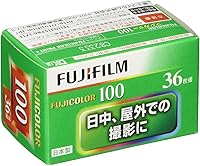
Fujifilm Fujicolor 100 35mm Film (36 Exposures) sits comfortably in Fujifilm's broad catalog as an accessible, no-fuss color emulsion for everyday shooting. Fujifilm has been making film for decades, and that experience shows even in their more approachable offerings. At ISO 100, you get fine-grained, sharp results in good light — 36 frames per roll means a bit more breathing room than the typical 24-exposure option. Sold as a single roll, it's easy to pick up and try without committing to a bulk purchase. Just know going in: this is a consumer-grade emulsion, honest and practical, not a boutique specialty film chasing cinematic looks.
Features & Benefits

ISO 100 sensitivity is the defining characteristic here, and it shapes everything about how this Fuji color negative roll performs. In bright daylight — think sunny afternoons, open shade, or beach outings — it rewards you with impressively clean, detailed images. The grain is genuinely fine, which matters a lot if you scan your negatives rather than print optically. Colors lean slightly warm and natural, rendering skin tones and green landscapes in a way that feels grounded rather than hyped-up. The 36-frame count is a quiet but real advantage; you simply get more shots per roll. And being a standard 135-format film, it slots into virtually any 35mm camera without fuss.

Best For

This Fujicolor emulsion is a natural starting point for anyone picking up a film camera for the first time. The forgiving color palette and predictable exposure behavior make it far less stressful to shoot than faster, more specialized stocks. If your photography happens mostly outdoors — travel, weekend walks, portraits in open shade — this is where ISO 100 really earns its keep. It is also a solid choice for anyone who digitizes their work; the fine grain scans cleanly with minimal noise, even on modest flatbed scanners. Street photographers working in daylight or with a flash will find this 35mm film equally capable and consistently reliable.

User Feedback

Across a solid base of buyer reviews, consistent praise centers on natural color accuracy and how well this Fuji color negative roll holds up in bright conditions. Skin tones get favorable mentions in particular — people find the warmth flattering without looking artificial. The cassette loads reliably, and exposure consistency across the roll is rarely an issue. On the flip side, some shooters note it struggles in dim interiors without flash, which is simply the reality of any ISO 100 emulsion — not a flaw, just a limitation worth knowing upfront. The main recurring frustration is stock availability, which can fluctuate. Film performance itself almost never draws complaints.

Pros

  • Fine grain at ISO 100 produces clean, sharp negatives that scan beautifully on most flatbed scanners.
  • Warm, natural color rendering flatters skin tones without heavy correction in post-processing.
  • 36 exposures per roll gives you noticeably more shooting room than a standard 24-frame option.
  • Works reliably in any 135-format camera, from vintage SLRs to modern point-and-shoots, with no compatibility headaches.
  • Fujifilm's manufacturing consistency means exposure is stable and predictable from the first frame to the last.
  • A single-roll format makes it easy to try without committing to a bulk purchase upfront.
  • Outdoor and travel photography in bright conditions is where this Fujicolor emulsion genuinely delivers.
  • Backed by a manufacturer with decades of film production experience — not a no-name emulsion with uncertain quality control.
  • Beginners get a forgiving, approachable stock that teaches good exposure habits without punishing every mistake.

Cons

  • Low-light and indoor performance is poor without a flash — ISO 100 is simply not built for dim environments.
  • Availability can be inconsistent across retailers, with occasional price spikes during periods of low stock.
  • Underexposed frames lose shadow detail quickly and offer limited room for recovery in scanning or development.
  • Per-roll cost is higher than bulk generic stocks, making it less economical for frequent shooters.
  • Color palette is understated — buyers expecting vivid, punchy saturation out of the scanner will be disappointed.
  • Results vary noticeably depending on the development lab and scanner quality, which is outside the buyer's control.
  • The exposure latitude for underexposure is narrow compared to faster, more forgiving ISO 400 alternatives.
  • Not a practical choice for event, concert, or indoor documentary photography where supplemental lighting is unavailable.

Ratings

The scores below for Fujifilm Fujicolor 100 35mm Film (36 Exposures) were generated by our AI system after analyzing verified buyer reviews from multiple global markets, with spam, bot-generated, and incentivized feedback actively filtered out. This Fujicolor emulsion earns strong marks in several key areas, though real-world limitations — particularly in low light — are reflected honestly in the numbers. Both what buyers love and where they run into frustration are represented transparently across every category.
Color Rendition
88%
Shooters consistently describe the colors as natural and grounded, with a slight warmth that flatters skin tones and makes outdoor scenes feel lived-in rather than artificial. Travel and portrait photographers in particular appreciate that the palette stays honest without heavy correction in post.
Those chasing bold, punchy color saturation will find this emulsion a bit understated. It is not a film that makes a scene pop straight out of the scanner — it rewards thoughtful exposure rather than covering up flat lighting.
Grain & Sharpness
91%
At ISO 100, the grain structure is genuinely fine, and buyers who scan their negatives report clean, detailed files even on mid-range flatbed scanners. In good light, the sharpness holds up well for enlargements and prints.
Grain performance is closely tied to development quality and scanning technique, which means results can vary significantly between labs. Shooters using older or budget scanners may not fully realize the fine-grain advantage this emulsion offers.
Low-Light Performance
43%
57%
With flash or a tripod in controlled conditions, this 35mm film can still deliver clean exposures even as the light drops. Some portrait photographers use it successfully in studio setups with artificial lighting.
ISO 100 is simply not built for dim or indoor environments, and buyers who try to push it without supplemental light come away disappointed. Underexposed frames tend to lose shadow detail quickly, and pushing the film in development is not a reliable fix at this speed.
Value for Money
79%
21%
As a single-roll purchase from a trusted manufacturer, this Fuji color negative roll offers solid quality without requiring a bulk commitment. The 36-exposure count stretches the value a bit further than a standard 24-frame roll, which buyers appreciate.
Per-frame cost is not the lowest on the market when compared to bulk generic stocks, and single-roll pricing can vary quite a bit by retailer. For high-volume shooters, the math starts to feel less favorable over time.
Daylight & Outdoor Use
93%
This is where this Fujicolor emulsion genuinely excels. Sunny days, open shade, and bright overcast skies all produce well-exposed, vibrant frames with natural contrast. Travel and landscape shooters routinely call it their go-to for outdoor rolls.
The film's sweet spot is fairly narrow in terms of lighting conditions — once you move toward golden hour or heavy shade without boosting exposure compensation, the results become less consistent and require more careful metering.
Scanning Compatibility
86%
The fine grain and clean negative base make this 35mm film genuinely well-suited for digital workflows. Buyers who digitize their work report minimal noise and good tonal separation, especially in highlight areas.
Results still depend heavily on the scanner and the operator's settings. A poorly calibrated flatbed can make even a clean negative look muddy, and this film offers no special advantage in that regard over competing emulsions at a similar speed.
Camera Compatibility
97%
Standard 135 format means this roll drops into virtually every 35mm camera ever made — from vintage Pentax SLRs to disposable-style point-and-shoots. Buyers rarely report any loading or transport issues regardless of the camera body.
There are essentially no compatibility concerns, which is expected for any standard 35mm film. The only minor note is that DX coding may not be read correctly on very old cameras, requiring manual ISO setting.
Cassette & Loading Reliability
89%
Buyers mention smooth, consistent loading across a wide range of camera bodies, with few reports of mid-roll jams or leader issues. The cassette feels solid and well-manufactured, which matters for cameras with sensitive film transport mechanisms.
A small number of buyers reported the occasional tight leader that required extra care to seat properly in older cameras. This appears to be an edge case rather than a systemic issue, but it is worth noting for shooters using vintage bodies with manual loading.
Exposure Latitude
67%
33%
Like most color negative films, this Fujicolor emulsion handles slight overexposure reasonably well, which gives less experienced shooters a bit of margin for error in bright conditions. Slightly overexposed frames often still produce usable, pleasant results.
The latitude is narrower than faster, more forgiving stocks. Underexposure in particular is unforgiving — shadow areas block up quickly, and there is limited detail to recover in development or scanning. It punishes exposure mistakes more than ISO 400 alternatives would.
Skin Tone Accuracy
87%
Portrait shooters are one of the most vocal groups of satisfied buyers. The slight warmth in the color rendering translates well to a range of skin tones, avoiding the greenish cast that some competing budget films can introduce.
Results are still influenced by the light source and white balance during scanning. Mixed lighting or heavy shade can introduce unwanted color shifts that require correction, which somewhat offsets the film's natural skin tone advantage.
Consistency Across the Roll
84%
Buyers who shoot full rolls in a single session report very consistent density and color from frame one to frame 36. There are few complaints about mid-roll exposure shifts, which speaks to the manufacturing quality of the emulsion.
Consistency can break down if a roll sits half-shot for an extended period or is stored in non-ideal conditions before development. This is not unique to this film, but it is a real consideration for casual shooters who take weeks between outings.
Availability
58%
42%
The film is actively manufactured and has been available since 2012 without discontinuation, which gives buyers confidence that it will remain accessible long term. It is listed on major retail platforms and through specialty film shops.
Stock levels fluctuate noticeably, and several buyers mention difficulty finding it reliably at consistent prices. This is arguably the most common non-performance complaint across reviews, with some buyers reporting sudden price spikes during periods of low availability.
Packaging & Storage
76%
24%
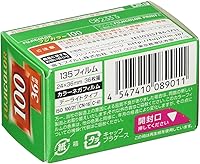
The film arrives in a compact, standard cassette box that protects the roll adequately during shipping and short-term storage. The packaging is minimal and functional, which suits buyers who care more about the film inside than the box around it.
The packaging offers no special moisture or heat protection beyond a basic cardboard shell. Buyers in humid climates or those who store film for extended periods are advised to refrigerate it, as the standard packaging alone is not a reliable long-term storage solution.

Suitable for:

Fujifilm Fujicolor 100 35mm Film (36 Exposures) is an excellent match for anyone who does most of their shooting outdoors in decent light — think weekend travel, day hikes, beach outings, or casual portrait sessions in open shade. Beginners picking up a film camera for the first time will find it forgiving enough to learn on without burning through expensive specialty stock, and the predictable color palette means fewer surprises when the roll comes back from the lab. If you are the kind of shooter who digitizes your negatives, the fine grain pays real dividends — scans come out clean and detailed without heavy noise reduction work. Portrait photographers who shoot in daylight or with a portable flash will also get a lot out of the warm, flattering skin tones this Fujicolor emulsion tends to produce. It is equally well-suited to anyone returning to analog after a long break and wanting a familiar, reliable starting point rather than an experimental or high-contrast stock.
Not suitable for:

Shooters who regularly find themselves in dim restaurants, concert venues, indoor events, or any situation where the light drops below a comfortable outdoor level should think carefully before reaching for Fujifilm Fujicolor 100 35mm Film (36 Exposures). ISO 100 simply does not have the sensitivity to handle low-light environments gracefully without a flash, and underexposed frames on this emulsion tend to lose shadow detail quickly with limited recovery options. Photographers chasing bold, saturated, high-contrast looks — the kind of aesthetic associated with cross-processed or specialty cinema stocks — will find this Fuji color negative roll too restrained for their taste. It is also not the most economical choice for high-volume shooters who burn through several rolls a week, as single-roll pricing adds up faster than bulk alternatives. Finally, anyone shooting primarily at dusk, dawn, or under artificial indoor lighting without supplemental flash will consistently hit the film's limits and would be better served by a faster emulsion like an ISO 400 stock.

Specifications

  • Film Format: Standard 135 format (35mm), compatible with all 135-format film cameras including SLRs and point-and-shoots.
  • ISO Sensitivity: ISO 100, optimized for bright daylight and well-lit outdoor environments where fine grain and accurate exposure are priorities.
  • Exposures per Roll: 36 exposures per roll, offering more frames per cassette than the standard 24-exposure option.
  • Film Type: Color negative film, which produces a color-inverted negative that is printed or scanned to create the final positive image.
  • Color Rendition: Natural, slightly warm color palette with accurate tonal reproduction, particularly well-suited to skin tones and landscape greens.
  • Grain Structure: Fine grain emulsion that delivers clean, sharp negatives with minimal visible grain under correct exposure and development conditions.
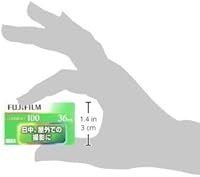
  • Package Dimensions: The packaged cassette measures 2.36 x 1.46 x 1.46 inches, making it compact enough to carry in any camera bag or jacket pocket.
  • Item Weight: The packaged roll weighs 1.06 ounces, adding negligible weight to any kit.
  • Sold As: Available as a single-roll purchase, with no multi-pack required for buyers who want to try the emulsion before committing to more.
  • Manufacturer: Produced by Fujifilm (officially 富士フイルム), a Japanese manufacturer with decades of photographic film production expertise.
  • Best Light Conditions: Performs optimally in bright daylight, open shade, or with supplemental flash; not recommended as a primary stock for indoor or low-light shooting.
  • DX Coding: The cassette includes standard DX coding, allowing compatible cameras to automatically detect and set the ISO 100 sensitivity.
  • Availability Status: This film has not been discontinued by the manufacturer and has remained in active production since its listing date of August 7, 2012.
  • Development Process: Developed using the standard C-41 color negative process, which is supported by virtually all professional labs and most local photo development services.
  • Scanning Suitability: The fine grain structure makes this emulsion well-suited for digital scanning workflows, producing clean files with good tonal separation on flatbed and dedicated film scanners.

Related Reviews
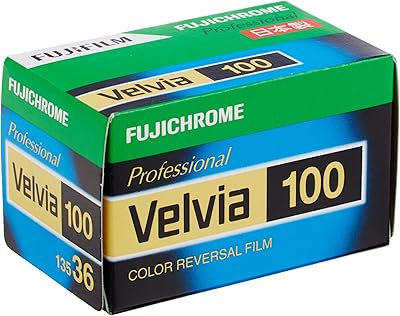
Fujifilm Fujichrome Velvia 100 35mm Film 36 Exposures
86%
95%
Color Reproduction
92%
Sharpness & Detail
94%
Outdoor Photography Performance
89%
Vividness of Colors
90%
Grain Quality
More
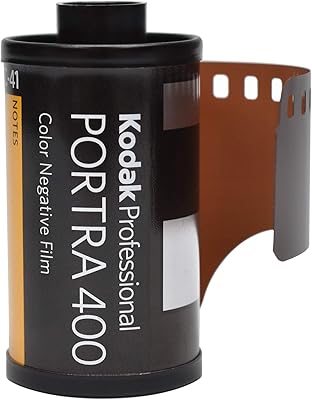
Kodak Portra 400 35mm Film 36 Exposures
83%
94%
Skin Tone Rendering
91%
Exposure Latitude
88%
Grain Structure
86%
Color Saturation & Palette
83%
Versatility Across Lighting
More
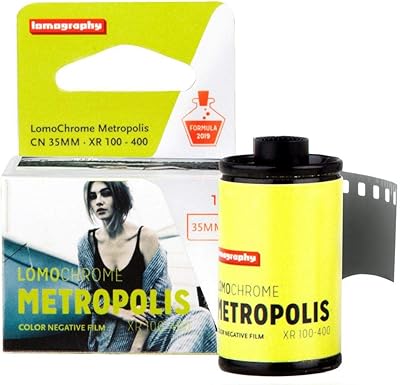
Lomography LomoChrome Metropolis 135 Film - 100 Exposures
88%
88%
Color Accuracy & Contrast
92%
Ease of Use
85%
Performance in Bright Light
83%
Performance in Low Light
90%
Aesthetic Quality
More
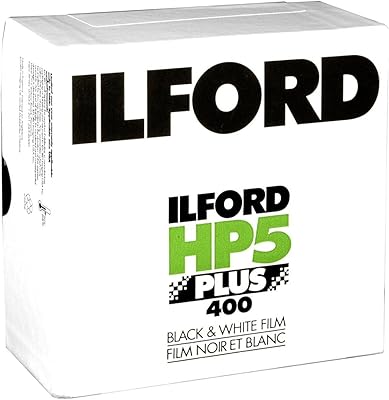
Ilford HP5 Plus Black and White Negative Film 35mm 100' Roll
86%
91%
Image Quality
85%
Flexibility in Lighting
92%
Value for Money
88%
Grain Quality
82%
Ease of Use
More
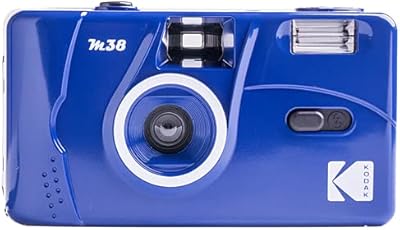
Kodak M38 35mm Film Camera
82%
89%
Ease of Use
75%
Photo Quality
91%
Portability
80%
Build Quality
78%
Low-Light Performance
More
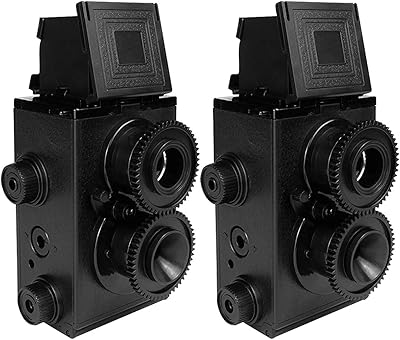
DEVMO 35mm Film TLR Camera Kit
81%
89%
DIY Assembly Experience
75%
Build Quality
68%
Manual Controls Usability
92%
Aesthetic Appeal
74%
Learning Curve
More
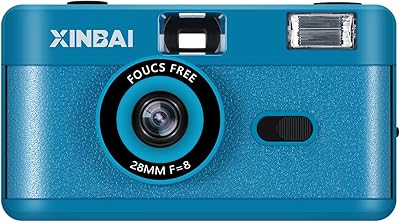
XINBAI B10 Reusable 35mm Film Camera
84%
89%
Ease of Use
72%
Image Quality
84%
Build Quality
91%
Portability/Weight
77%
Flash Performance
More
Kodak M35 35mm Reusable Film Camera
79%
93%
Ease of Use
61%
Image Quality
67%
Build Quality
88%
Value for Money
71%
Flash Performance
More
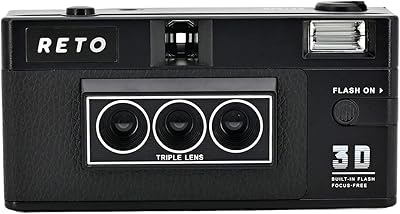
RETO Reto3D 35mm Film Camera
76%
83%
3D Wigglegram Effect Quality
88%
Ease of Use
71%
App Experience
63%
Build Quality
74%
Value for Money
More
Lomography Fisheye No.2 35mm Film Camera
81%
91%
Creative Flexibility
87%
Ease of Use for Beginners
93%
Portability
80%
Build Quality
75%
Manual Control Usability
More

FAQ

Almost certainly yes. As long as your camera accepts standard 35mm cassettes — which covers the vast majority of film cameras ever made — this roll will load and transport without any issues. If your camera reads DX coding, it will automatically detect ISO 100. Older cameras without DX readers just need you to set the ISO manually on the camera body.

Honestly, not without a flash. ISO 100 is a slow emulsion, which means it needs a good amount of light to expose correctly. In dim indoor spaces or at night, you will get underexposed, muddy frames unless you are using a strong flash or have the camera on a tripod with a long shutter speed. For regular indoor use, an ISO 400 stock would serve you much better.

Yes, without any trouble. This Fuji color negative roll uses the C-41 development process, which is the global standard for color negative film. Any professional lab, and even many drugstores or camera shops that still offer film processing, will handle it routinely. If you are new to film, just drop it off and ask for C-41 processing — that is all you need to say.

The main practical difference is light sensitivity. This ISO 100 emulsion is finer-grained and performs beautifully in bright conditions, but it requires more light than the ISO 200 or ISO 400 Superia stocks. If you shoot mostly outdoors in good weather, the 100 speed gives you slightly cleaner grain. If your shooting is more mixed — indoors, evenings, or overcast days — Superia 400 is generally the more versatile everyday choice.

It is actually one of the better consumer films for scanning, precisely because of the fine grain. Clean negatives mean less noise to deal with in your scans, and the tonal range holds up well for making adjustments in software. Results still depend on your scanner model and how you set up the scan, but the film itself is not going to be the weak link in that workflow.

Before shooting, store it somewhere cool, dry, and away from direct sunlight. A drawer or cupboard away from heat sources works fine for short-term storage. If you plan to hold onto rolls for several months, a sealed bag in the refrigerator is the smarter option. After shooting, get it developed reasonably promptly — leaving exposed film sitting around for weeks or months can affect color accuracy and shadow detail.

Yes, like all photographic film, it carries an expiration date. Past that date, the emulsion gradually loses sensitivity and can develop color shifts or increased grain. That said, film stored properly in cool, dry conditions often remains usable for a year or two beyond the printed date, though results become less predictable. For best results, shoot and develop before expiration.

It is a solid starting point, with one important caveat: shoot it outside in good light. ISO 100 is unforgiving in dim conditions, which can be discouraging for a first roll if you end up with a lot of dark, flat frames. If you know you will be shooting outdoors — a trip, a day out, a portrait session in daylight — then this Fujicolor emulsion is predictable, quality-made, and a great introduction to analog color photography.

Technically yes, but with realistic expectations. Pushing this 35mm film one stop (rating it at ISO 200) can help in slightly lower light, but you will notice increased grain and some color shift. Pulling it is less commonly useful since it is already a slow stock. This emulsion was not designed to be pushed heavily, and the results at extreme pushes will not flatter it. If you need consistent flexibility, a film designed for pushing is a better starting point.

This is one of the more common frustrations buyers report, and it comes down to stock availability rather than the film itself. Supply of 35mm film in general has been under pressure as demand for analog photography has grown faster than manufacturing has scaled. When stock gets low on major retail platforms, third-party sellers tend to raise prices. Buying from authorized retailers and checking availability across multiple sources can help you avoid paying a premium during shortage periods.