





Overview

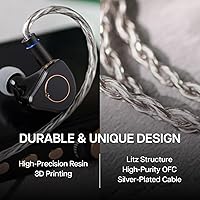
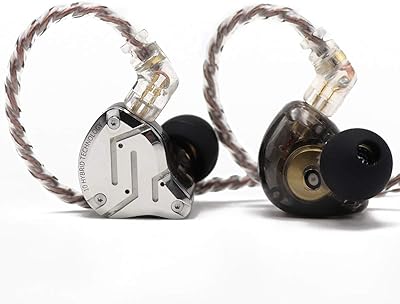
The SIMGOT SuperMix 4 Hybrid In-Ear Monitor is one of those rare mid-tier IEMs that actually makes a case for its driver count. Four distinct driver types — dynamic, balanced armature, planar magnetic, and PZT piezoelectric — work together in a way that feels purposeful rather than just specced-out on paper. The shell is 3D-printed resin with a CNC-machined metal faceplate, keeping weight manageable without sacrificing resonance control. This is a strictly wired earphone with passive isolation from the in-ear fit — worth stating plainly for anyone hoping for Bluetooth. The detachable 2-pin cable is a smart long-term inclusion, giving owners a realistic upgrade path without replacing the earphone entirely.

Features & Benefits

Each driver in this hybrid IEM handles a specific slice of the frequency spectrum, and that division of labor is where the design earns its keep. The 10mm dynamic driver delivers bass that feels grounded and physical rather than muddy. A large balanced armature covers the midrange, capturing vocal detail with the density that smaller BA drivers tend to lose. Above that, a micro planar magnetic driver takes over the highs with low distortion, while a PZT piezoelectric unit extends into the upper treble for added air and resolution. An RC four-way crossover ties everything together, and at just 7.2 ohms impedance, you don't need a dedicated amplifier to hear it performing well.

Best For

The SuperMix 4 is built for listeners who want serious multi-driver engineering without crossing into flagship pricing territory. It's especially well-matched for musicians and audio engineers using IEMs for on-stage monitoring or detailed studio work — the midrange clarity makes it easy to pick out individual instruments and vocal nuances. DAC and DAP owners will appreciate how readily the low impedance pairs without extra hardware. That said, it also suits attentive home listeners making a first step away from single-driver earphones. The clean, professional look of the resin-and-metal housing means it doesn't read as conspicuously hobbyist gear, which some buyers find useful in both professional and social settings.

User Feedback

Owners of Simgot's four-driver earphone frequently point to the soundstage and treble as genuine highlights — the PZT layer adds an airiness that simpler hybrids in this price range don't tend to offer. Bass response draws consistent praise too; most listeners find it controlled and well-textured rather than boosted for casual effect. The criticism that comes up most often is fit — the shell shape doesn't work equally well for every ear, and some users spend real time tip-rolling before landing a comfortable, isolating seal. Cable microphonics are a minor but recurring complaint. Compared to single-driver or two-driver IEMs, the overall tuning earns praise for its balance, though a handful find the PZT-driven treble slightly sharp at higher listening volumes.

Pros

  • Four driver types each cover a dedicated frequency range, producing layered, coherent sound from deep bass through ultra-high treble.
  • The large balanced armature delivers midrange density and vocal texture that most similarly priced IEMs genuinely cannot match.
  • At just 7.2 ohms impedance, the SuperMix 4 drives cleanly from a phone or DAP without any external amplifier.
  • The wide 8Hz–40kHz frequency range makes this a capable choice for high-resolution audio formats and professional reference work.
  • The OFC silver-plated cable is a noticeable step above the generic rubber cables that ship with most competitors at this price.
  • The RC four-way crossover keeps phase errors in check, which translates to cleaner instrument separation during complex recordings.
  • Passive in-ear isolation works effectively enough for studio sessions and focused commuting without relying on any electronics.
  • The resin-and-metal build feels solid and looks refined, avoiding the plasticky impression common in this price category.
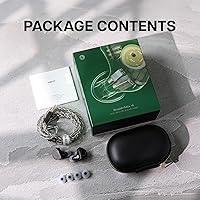
  • Everything needed to get started — eartips in multiple sizes, a protective case, and a user manual — is included in the box.

Cons

  • The shell geometry doesn't suit every ear; many buyers report needing to try several eartip sizes before achieving a reliable, isolating seal.
  • Cable microphonics are a recurring real-world complaint — movement noise transmits noticeably through the cord during commuting or casual wear.
  • There is zero water resistance, making this a poor choice for workouts, outdoor runs, or any environment involving moisture.
  • Wireless connectivity is entirely absent; buyers accustomed to Bluetooth earbuds will need to fully commit to a wired listening setup.
  • The PZT-driven upper treble can feel slightly sharp or fatiguing for treble-sensitive listeners, particularly at higher volume levels.
  • The all-resin shell, however neatly finished, may feel less premium in hand compared to all-metal IEM housings at a similar price point.
  • The more balanced tuning can initially sound underwhelming to listeners conditioned by the boosted signatures of mainstream consumer earphones.

Ratings

The SIMGOT SuperMix 4 Hybrid In-Ear Monitor scores below reflect AI-synthesized analysis of verified buyer reviews gathered from global markets, with deliberate filtering applied to exclude incentivized, bot-generated, and spam submissions. Across thousands of real user experiences, this hybrid IEM demonstrates genuine strengths in midrange clarity and soundstage performance alongside honest pain points — most notably fit consistency and cable microphonics — that are given equal weight here. Every score is designed to represent what actual buyers encounter in daily use, not a curated promotional summary.

Sound Quality
88%
Listeners consistently describe the overall presentation as balanced and detailed without feeling clinical or fatiguing during longer sessions. The four-driver architecture genuinely pays off in complex recordings — jazz trios, orchestral pieces, and densely layered studio productions all come across with strong separation and natural tonal weight.
A subset of users — particularly those migrating from V-shaped consumer earphones — find the neutral-leaning tuning underwhelming at first. Those expecting exaggerated bass or boosted treble out of the box may feel the signature is too restrained for casual, background listening.
Midrange Clarity
91%
This is where the SuperMix 4 earns its most consistent praise — the large balanced armature driver renders vocals with a density and texture that is noticeably ahead of simpler IEMs in the same price class. Singers, acoustic guitars, and piano recordings feel lifelike rather than processed or hollow.
A small number of users find the upper midrange slightly forward, which can make certain bright recordings or female vocals sound a touch intense during extended sessions. It is not a universal complaint, but listeners who are particularly sensitive to midrange peaks may want to audition before committing.
Soundstage & Imaging
86%
Reviewers consistently single out soundstage as one of the strongest aspects of this hybrid IEM — instruments feel placed in a believable three-dimensional space rather than crammed between the ears. Orchestral recordings and binaural tracks especially showcase how well the earphone separates and positions individual sound sources.
Compared to open-back headphones or some top-tier single dynamic driver IEMs known for expansive staging, the soundstage still has recognizable in-ear limitations. A portion of users also note that imaging, while accurate, can feel slightly compressed during the densest multi-track arrangements.
Bass Performance
84%
The 10mm dynamic driver produces low-end that feels controlled and textured rather than artificially inflated — users frequently note how bass guitar lines and kick drum transients stay distinct rather than blurring together. During critical listening sessions, the sub-bass extension adds physical presence without overwhelming the rest of the mix.
Bassheads and fans of genres like EDM or hip-hop may find the quantity of low-end more restrained than they prefer. A few users note the bass, while technically capable, lacks the visceral punch of single dynamic driver IEMs specifically tuned for maximum low-frequency impact.
Treble Extension
79%
21%
The micro planar magnetic and PZT piezoelectric drivers together give the high-frequency range a level of air and extension that clearly outpaces most two-driver hybrids at this price. Cymbal decay, room reverb tails, and high-pitched string instruments come through with real sparkle and resolution.
The PZT driver's ultra-high extension is not universally loved — a meaningful portion of users flag the top-end as slightly sharp or brittle at higher volumes, especially with poorly mastered recordings. Treble-sensitive listeners may experience fatigue over long sessions, and the issue is difficult to address without eartip swapping or EQ.
Comfort & Fit
67%
33%
When a good seal is achieved — which many users do find with the included eartips — the earphones sit securely enough for extended home listening and studio sessions without causing noticeable pressure fatigue. The housings themselves are not the problem; the shell shape simply works better for some ear geometries than others.
Fit is the single most commonly raised complaint — the shell geometry does not suit all ear shapes, and a notable portion of buyers resort to third-party eartips before finding a comfortable, isolating seal. Without a proper fit, both isolation and bass response suffer noticeably, which can make the earphone sound underwhelming to buyers who never land the right combination.
Build Quality
83%
The combination of 3D-printed resin and CNC-machined metal gives the housing a substantial, crafted feel that holds up well under daily use. Users frequently note that the earphones look and feel more expensive than competing options at this price point, and reports of physical damage from normal wear are rare.
Some buyers note that the resin body, however neatly finished, can feel less premium in hand than fully metal housings from competing brands. The complete absence of water resistance also raises durability concerns for users who commute regularly in unpredictable weather or want to use these outside a controlled environment.
Driver Coherence
87%
One technical area where this hybrid IEM genuinely stands out is how naturally the four drivers integrate across the full frequency range — transitions between bass, midrange, and treble feel continuous rather than stitched together. The RC crossover and independent acoustic ducts do real audible work, keeping the sound cohesive in fast-moving passages.
A vocal subset of audiophiles argue that no multi-driver hybrid achieves the absolute phase coherence of a well-implemented single dynamic driver, particularly around crossover transition zones. At higher volumes, discerning listeners may occasionally detect a slight discontinuity in the midrange-to-treble handoff on demanding recordings.
Value for Money
82%
18%
For listeners who want genuine multi-driver technology and precision tuning without entering flagship territory, Simgot's four-driver earphone represents a compelling proposition — the acoustic architecture and build quality are both noticeably ahead of simpler IEMs at the same price. The detachable cable system also extends long-term value by enabling upgrades without replacing the earphone itself.
Buyers who need aftermarket eartips or a replacement cable to get the best from these will add incremental cost not reflected in the initial price. At this tier, a few competing options offer similar driver configurations, so careful shoppers should compare tuning signatures and fit profiles before making a final decision.
Cable Quality
77%
23%
The OFC silver-plated cable is a genuine step above the basic rubber cords that ship with most IEMs in this price range, and users appreciate both its visual refinement and its fully detachable 0.78mm 2-pin connector. Swapping to a balanced aftermarket cable for output upgrades is a straightforward process.
Cable microphonics are a recurring real-world complaint — movement noise transmits through the cord noticeably and becomes distracting during commuting or casual outdoor use. A handful of users also find the cable tangles more easily than expected, and a few describe the texture as slightly stiff compared to softer aftermarket alternatives.
Ease of Driving
93%
At 7.2 ohms impedance and 120dB sensitivity, Simgot's four-driver earphone is one of the easiest in its class to drive to full potential — even a basic smartphone delivers satisfying volume and detail. This removes the common barrier of needing a separate amplifier, making the earphone genuinely accessible to users stepping up from everyday consumer earbuds.
The very low impedance means that certain high-output source devices — particularly older audio equipment or DAPs in high-gain mode — can introduce a faint background hiss at idle. This affects a small portion of buyers, but those pairing with older or budget-tier DACs should check their device's noise floor first.
Noise Isolation
73%
27%
In controlled environments like a home studio, library, or standard commute by train, the passive in-ear seal works well enough to block ambient conversation and moderate background noise without any electronic components involved. Users who focus primarily on reference listening in predictable settings find the isolation more than adequate.
Passive isolation is entirely seal-dependent, and users who struggle with fit will find the isolation disappointing — loud public transit and busy streets can still intrude significantly. There is no active noise cancellation of any kind, which puts this at a structural disadvantage against dedicated ANC earphones in genuinely high-noise environments.
Packaging & Accessories
81%
19%
The included accessories are well-considered for this tier — multiple eartip sizes, a protective carrying case, and an OFC silver-plated cable from day one means buyers can start listening immediately without feeling shortchanged. The carrying case in particular is a practical inclusion that encourages proper storage and reduces cable wear over time.
The eartip selection, while adequate for most buyers, may not include foam or double-flange options that some users prefer for a tighter seal — making third-party eartip purchases a likely addition for tip-rolling enthusiasts. A few users also find the outer packaging itself functional rather than premium, which can slightly dampen first impressions.
Tuning Versatility
76%
24%
The balanced, reference-leaning tuning works across a wide range of genres — from jazz and classical to indie rock and acoustic folk — and adapts well to different listening contexts without requiring EQ adjustments between sessions. Users with genre-diverse listening habits particularly appreciate the consistency across varied material.
For bass-heavy genres like hip-hop, trap, or EDM, the neutral signature requires deliberate EQ work to deliver the impact those styles demand — the out-of-box presentation will feel restrained to fans expecting big low-end. The absence of onboard tuning switches, which some competing IEMs at this price include, means software EQ is the only adjustment option available.

Suitable for:

The SIMGOT SuperMix 4 Hybrid In-Ear Monitor is a strong match for listeners who take sound quality seriously but don't want to spend flagship money to get there. Musicians and audio engineers who rely on IEMs for on-stage monitoring or studio reference work will find the midrange detail and wide frequency coverage particularly useful. The low 7.2-ohm impedance means it pairs effortlessly with a smartphone, laptop, or portable DAP — no separate amplifier required, which makes it genuinely practical for daily use. Vocal-focused listeners will appreciate how the large balanced armature driver renders texture and breath in a way that cheaper single-driver earphones simply can't replicate. Wired audiophiles who already own a DAC or DAP and want an IEM they can upgrade incrementally — by swapping cables or trying different eartips — will find the 2-pin detachable system a real long-term asset. The refined build also suits buyers who want something that looks professional and understated rather than flashy.

Not suitable for:

The SIMGOT SuperMix 4 Hybrid In-Ear Monitor is not the right pick for buyers who primarily use wireless earbuds or need active noise cancellation — it is strictly wired and relies entirely on the passive seal of the eartips for isolation. Anyone who finds in-ear monitors uncomfortable or struggles with fit consistency should proceed cautiously; the shell geometry may not suit every ear shape, and achieving a proper seal often requires experimenting with different eartip sizes and materials. Buyers who are sensitive to cable noise during movement will likely find the microphonics from the included cord disruptive, particularly during commuting or light activity. Those who prefer a pronounced V-shaped or bass-heavy sound signature designed for casual, high-energy listening may find the more balanced tuning less immediately gratifying. Water resistance is absent entirely, so outdoor athletes and anyone prone to sweaty workouts should look at other options. Finally, buyers without a wired audio source — a laptop, portable DAP, or a phone with a 3.5mm jack — will need additional hardware before they can get started.

Specifications

  • Driver Config: The earphone uses a 1DD + 1BA + 1 Planar + 1 PZT hybrid driver matrix, with each driver type dedicated to a distinct frequency range for divided acoustic responsibility.
  • Dynamic Driver: A 10mm high-polymer nano-diaphragm dynamic driver with a long-stroke design and high-elastic suspension system handles low-frequency reproduction.
  • Impedance: Rated impedance is 7.2 ohms (±15% at 1kHz), low enough to drive clearly from a smartphone, laptop, or tablet without a dedicated amplifier.
  • Sensitivity: Sensitivity is rated at 120dB/Vrms at 1kHz, meaning these earphones reach listening volume easily even from lower-powered source devices.
  • Frequency Range: The stated frequency range spans 8Hz to 40kHz, extending well beyond standard human hearing and supporting high-resolution audio formats.
  • Cable Type: The included cable is constructed from oxygen-free copper (OFC) with silver plating, intended to reduce signal resistance and support cleaner audio transmission.
  • Cable Connector: The earphone uses a 0.78mm 2-pin connector interface, a widely adopted IEM standard that allows straightforward aftermarket cable upgrades.
  • Headphone Jack: The stock cable terminates in a standard 3.5mm single-ended headphone jack compatible with most source devices.
  • Shell Material: Each earphone housing is built from 3D-printed resin with a CNC-machined metal faceplate, combining acoustic tuning control with a refined exterior finish.
  • Crossover Design: An RC four-way crossover with independent acoustic ducts per driver is used to minimize phase inconsistencies and maintain a cohesive frequency response.
  • Noise Isolation: Isolation is entirely passive, achieved through the in-ear seal of the eartips — no active noise-cancellation circuitry is present.
  • Water Resistance: These earphones carry no water or sweat resistance rating and should be kept away from moisture at all times.
  • Wireless Support: These are strictly wired earphones; Bluetooth and all other wireless connectivity protocols are not supported.
  • In Box: The package includes an OFC silver-plated cable, multiple pairs of eartips in varying sizes, a protective carrying case, and a user manual.
  • Package Weight: The packaged unit weighs approximately 9.5 oz (269g); the earphones themselves are considerably lighter for comfortable in-ear use.

Related Reviews
SIMGOT EM6L Hybrid In-Ear Monitor
78%
88%
Sound Quality
91%
Soundstage & Imaging
72%
Bass Performance
86%
Midrange Clarity
79%
Treble Extension
More
SIMGOT EW300 DSP Hybrid In-Ear Monitor

79%
86%
Sound Quality
88%
Build Quality
67%
Fit & Comfort
83%
DAC Performance
81%
Nozzle System
More
Linsoul Kiwi Ears Quartet 2DD+2BA Hybrid In-Ear Monitor
88%
94%
Sound Quality
91%
Bass Performance
83%
Treble Clarity
88%
Comfort & Fit
89%
Build Quality
More
Kiwi Ears KE4 Hybrid In-Ear Monitor
80%
88%
Sound Quality
86%
Bass Performance
91%
Midrange Clarity
83%
Treble Extension
78%
Soundstage & Imaging
More
KZ ZAR Hybrid In-Ear Monitors
86%
92%
Sound Quality
89%
Comfort & Fit
90%
Noise Isolation
84%
Build Quality & Durability
72%
Cable Durability
More
BASN Metalen In-Ear Monitors with Hybrid Drivers

82%
91%
Audio Quality
87%
Build Quality
75%
Comfort & Fit
88%
Sound Isolation
82%
Durability
More
Linsoul ZiiGaat Arete 1DD+4BA Hybrid In-Ear Monitor
86%
91%
Sound Quality
76%
Bass Performance
88%
Comfort & Fit
89%
Build Quality
85%
Noise Isolation
More
KZ ZS10 Pro Hybrid IEM Earphones
76%
88%
Sound Clarity
63%
Bass Performance
82%
Soundstage & Imaging
86%
Build Quality
54%
Cable Quality
More
MEE audio MX3 PRO In-Ear Monitor
76%
78%
Sound Quality
84%
Midrange Clarity
71%
Build Quality
58%
Cable Quality
74%
Comfort & Fit
More
Kiwi Ears Orchestra Lite
88%
93%
Tonal Neutrality
89%
Build Quality & Materials
91%
Imaging & Soundstage
76%
Long-Term Comfort
88%
Value for Money
More

FAQ

No — the low 7.2-ohm impedance and high sensitivity mean these earphones run without issue straight from a phone, laptop, or tablet. A dedicated DAC or DAP can refine the sound further, but it is genuinely not required to hear them performing well.

Yes, and it's one of the more practical advantages of this design. The 0.78mm 2-pin connector is a widely used standard in the IEM world, so finding aftermarket cables with 2.5mm or 4.4mm balanced terminations is straightforward. If your source device supports balanced output, the upgrade is worth considering.

Each driver handles a specific slice of the audio spectrum. The dynamic driver covers bass — the weight and texture in kick drums and bass guitar. The balanced armature takes the midrange, including vocals and most instruments. The planar magnetic driver adds detail and extension in the upper frequencies, and the PZT piezoelectric unit pushes into the extreme high end, contributing the sense of air and space around instruments.

They can work well for detail-oriented gaming, particularly where positional audio matters — the wide soundstage and treble extension help with directionality. That said, the wired-only design and absence of a built-in microphone mean you will need a separate mic for voice chat, which is worth factoring in.

Single-driver and basic hybrid IEMs often produce a blended, less differentiated sound where bass can bleed into the mids or highs feel rolled off. The SuperMix 4 gives each frequency band its own dedicated driver, which results in noticeably cleaner separation — especially in busy, layered recordings. Whether that complexity matches your taste in tuning is a separate question, but the technical difference is real.

Yes, through a USB-C or Lightning to 3.5mm adapter. Given how low the impedance is, sound quality holds up well even through basic adapters, so you don't need an expensive dongle DAC to get a good result — though a higher-quality adapter certainly doesn't hurt.

That depends heavily on your ear shape. Some users wear them for hours without issues, while others find the shell geometry requires tip-rolling — experimenting with different eartip sizes and materials — before landing on a comfortable, stable fit. If past IEMs have given you trouble with comfort or seal consistency, factor that into your decision here.

It is not recommended. There is no sweat or water resistance rating of any kind, which means moisture from exercise poses a real risk over time. The cable also lacks any sport-style cinch or ear hook to secure the fit during physical activity, and cable microphonics can become distracting when moving.

Wipe the resin housing with a soft, dry cloth — or a very lightly dampened one if needed — and avoid any liquid near the driver openings. Remove the eartips and rinse them with water, then let them dry fully before reattaching. For the nozzle, a dry soft-bristle brush works well for clearing earwax without pushing debris further into the acoustic duct.

Essentially yes — the package includes the earphones, the OFC silver-plated cable, multiple pairs of eartips in different sizes, a protective carrying case, and a user manual. The only thing you need to supply is a source device with a 3.5mm headphone output, or an appropriate adapter if your device lacks one.