
Overview

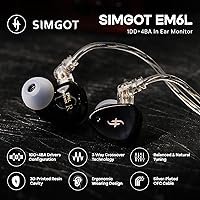
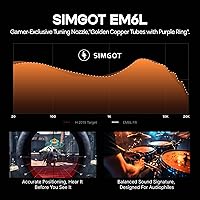
The SIMGOT EM6L Hybrid In-Ear Monitor sits in an interesting corner of the mid-range IEM market — detailed enough to satisfy serious listeners, yet priced accessibly enough that it doesn't feel like a gamble. SIMGOT has built a reputation for careful tuning and thoughtful driver selection, and this earphone carries that tradition forward. The H-2019 target curve philosophy means the aim is balanced, natural-sounding audio rather than artificially boosted bass or hyped treble. The 3D-printed resin housing is an unusual build choice at this tier, and it's not just for looks. If you want an honest, reference-leaning listen without spending flagship money, this hybrid IEM deserves a serious look. Heavy bass lovers should probably look elsewhere.

Features & Benefits

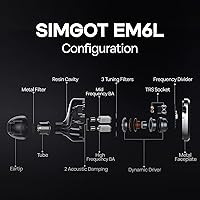
The EM6L runs a 1DD plus 4BA driver setup, and the division of labor is what makes it interesting. The 8mm dynamic driver handles bass and lower midrange with a sense of body and weight that balanced armatures alone rarely pull off, while the two BA pairs take over in the upper midrange and treble with sharper transient response. The result is a coherent sound that doesn't feel patched together. At 26 ohms and 119dB sensitivity, it drives fine from a phone or laptop without needing external amplification. The included silver-plated OFC cable is a genuine step above stock offerings at this price, and the recessed 2-pin connector means swapping cables down the road is completely straightforward.

Best For

This hybrid IEM makes the most sense for neutral-leaning listeners stepping up from single-driver earphones who want more resolution and layering without paying flagship prices. Gamers will find real value in the accurate imaging and passive isolation — not because of any gimmicky gaming mode, but because the H-2019 tuning naturally reproduces spatial cues with precision. Musicians and creators doing on-the-go reference work will appreciate the honest midrange presentation. Cable enthusiasts get a solid modular 2-pin foundation to build on. That said, if your library is built around bass-heavy genres and you want physical thud, SIMGOT's mid-range earphone isn't designed to scratch that particular itch — it's built for accuracy.

User Feedback

Across more than 500 ratings, the EM6L holds a 4.0-star average — respectable, though not without legitimate gripes. Most praise clusters around soundstage width and the level of detail you get for the asking price, with several buyers noting build quality that feels above its tier. The friction points are predictable: people with smaller ear canals often struggle to get a consistent seal, and the stock cable can transmit movement noise. A recurring theme worth noting is that eartip selection matters enormously — switching to foam or a wider silicone option frequently changes how the treble and bass land. A handful of users also find the upper frequencies a touch forward compared to warmer-tuned rivals.

Pros

  • Hybrid driver setup delivers a coherent, layered sound that single-driver IEMs at this price rarely match.
  • H-2019 tuning produces a natural, balanced frequency response without artificial coloring or over-hyped highs.
  • Accurate soundstage imaging makes the EM6L genuinely useful for competitive gaming and spatial audio.
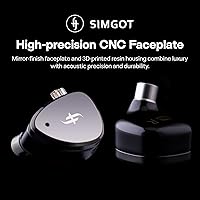
  • 3D-printed resin housing feels premium and helps eliminate internal resonance for cleaner sound.
  • At 26 ohms, this hybrid IEM drives easily from smartphones and laptops with no additional gear needed.
  • Detachable OFC silver-plated cable is a step above typical stock cables and supports future upgrades.
  • Recessed 2-pin connector system is durable and compatible with a wide range of aftermarket cables.
  • Passive noise isolation is solid enough for commutes, open offices, and focused listening sessions.
  • Compact carrying case and accessory kit make it travel-ready straight out of the box.
  • Build quality and aesthetics punch noticeably above the price tier, with a mirror-finish CNC faceplate.

Cons

  • Stock eartips may not suit smaller ears, requiring third-party eartip rolling to get an optimal seal.
  • Cable microphonics are noticeable during movement, making it a poor fit for active or on-the-go use.
  • Bass quantity will disappoint listeners who prefer a warm or V-shaped sound signature.
  • No water or sweat resistance whatsoever — a real limitation for gym or outdoor use.
  • Treble tuning can feel slightly forward or fatiguing during long sessions for treble-sensitive listeners.
  • No Bluetooth option means you are committed to wired-only use in an increasingly wireless world.
  • Sound performance is noticeably eartip-dependent, which adds an unexpected cost and effort to the setup process.
  • The included cable, while decent, has been flagged for stiffness that reduces comfort during extended wear.

Ratings

The SIMGOT EM6L Hybrid In-Ear Monitor scores below were generated by our AI rating engine after analyzing verified global buyer reviews, actively filtering out incentivized, duplicate, and bot-generated feedback to surface what real listeners actually experienced. Across more than 500 confirmed ratings, both the genuine strengths and the recurring frustrations are transparently reflected in each category. This hybrid IEM earns praise in several areas but also shows clear weaknesses that prospective buyers deserve to know about before committing.

Sound Quality
88%
The hybrid driver arrangement produces a cohesive, layered sound that genuinely stands apart from single-driver earphones at this price. Buyers consistently highlight how natural vocals and acoustic instruments sound, with detail retrieval that holds up well during critical listening sessions at home or on quiet commutes.
Listeners coming from warmer, more colored tunings sometimes find the H-2019 presentation a little lean in the bass and slightly cool in tone. A handful of users also note that treble energy can become tiring over multi-hour sessions, particularly on brighter source devices.
Soundstage & Imaging
91%
Soundstage width is among the most praised attributes across user feedback, with many noting that stereo separation feels unusually spacious for an in-ear design. For gaming, the precise imaging translates directly into reliable directional cues — footsteps and ambient audio lock into distinct positions in a way that feels genuinely useful rather than gimmicky.
Depth and layering, while good, do not quite reach the level of more expensive multi-driver flagships. Some listeners find the stage slightly two-dimensional when listening to densely arranged orchestral recordings, where true three-dimensional separation becomes harder to achieve.
Bass Performance
72%
28%
Bass is clean, controlled, and well-textured — kick drums have realistic punch and bass guitar lines carry natural weight during jazz or rock playback. For accuracy-focused listeners, the low-end behavior is considered a strength because it never bleeds into the midrange.
Quantity is the clear dividing line in user opinion. Bass-heavy genre fans — those who listen primarily to hip-hop, EDM, or trap — consistently flag the low-end as insufficient, especially without a proper seal from the right eartip. This is not a bass-forward earphone by any interpretation.
Midrange Clarity
86%
Vocals sit forward and natural in the mix, which makes the EM6L a particularly enjoyable earphone for singer-songwriter music, podcasts, and spoken-word content. Musicians using this hybrid IEM for casual reference monitoring consistently cite the midrange honesty as a practical asset when evaluating their own recordings on the go.
Some users feel the upper midrange has a slight forwardness that makes certain electric guitar tones or female vocals feel a touch intense at higher volumes. This is a relatively minor criticism and does not affect all listeners, but it does come up enough to note.
Treble Extension
79%
21%
Treble is well-extended and adds genuine air and sparkle to high-frequency content like cymbal work and hi-hats, which is where the balanced armature drivers earn their place. Listeners who prefer detail and resolution over a dark or rolled-off presentation find this aspect particularly satisfying.
Treble-sensitive listeners flag occasional sharpness on sibilant recordings, and a subset of users find the high-frequency energy too prominent after extended sessions. Source pairing matters here — a warmer DAC or dongle tends to smooth things out considerably.
Build Quality
84%
The 3D-printed resin shells feel dense and well-finished, with none of the hollow plasticky flex that cheaper earphones often suffer from. The CNC-processed metal faceplate gives the earphones a premium visual presence that consistently surprises buyers when they first take them out of the box.
The included cable, while better than most stock cables at this price, has been described as somewhat stiff — a characteristic that affects both comfort during wear and how much microphonic noise it generates during movement. The resin housing, while attractive, does show fingerprints and minor surface marks with regular handling.
Comfort & Fit
67%
33%
For average to larger ear canals, the ergonomic shell shape sits securely without applying excessive pressure during hour-long listening sessions. The lightweight resin build avoids the fatigue that heavier metal-shelled IEMs can cause during extended use at a desk or during travel.
Fit is genuinely polarizing. Users with smaller ears regularly report difficulty achieving a stable, isolating seal with the stock eartips, which directly compromises both comfort and sound quality. This is one of the more common points of frustration in negative reviews and is not a minor edge case.
Noise Isolation
74%
26%
With a good eartip fit, passive isolation is strong enough to handle open-plan offices, public transport, and library environments comfortably. Several users specifically mention that background chatter and ambient hum drop noticeably once a proper seal is established.
Isolation performance is entirely dependent on achieving a solid eartip seal, which — as noted in fit feedback — is not guaranteed for all ear shapes with the stock tips. Without that seal, isolation drops significantly and the low-end presentation suffers alongside it.
Cable Quality
69%
31%
The OFC silver-plated cable is a genuine step above the basic copper cables often bundled with earphones at this price point, and users who have compared it side-by-side with generic alternatives note a perceptible improvement in background clarity. The recessed 2-pin connector locks in firmly and shows no sign of loosening with repeated swaps.
Stiffness and microphonics are the two most cited cable complaints. The cable transmits handling and movement noise quite readily, which becomes distracting during walks or commutes. Several buyers recommend swapping it for a softer, more flexible aftermarket cable fairly early in ownership.
Eartip Compatibility
71%
29%
The standard recessed 2-pin socket is compatible with the vast majority of aftermarket eartip options on the market, giving buyers real flexibility to customize fit and tune the sound slightly without spending much money. The included eartip variety covers a range of sizes, which helps most users find a workable starting point.
The sound is noticeably eartip-dependent in a way that some buyers find frustrating — what sounds good with one tip type can sound underwhelming with another. This adds an unexpected layer of experimentation that less experienced IEM users may not anticipate when purchasing.
Source Pairing
76%
24%
Low impedance and high sensitivity make this hybrid IEM easy to drive from virtually any consumer device — no amp required. The vast majority of buyers report perfectly satisfying volume and dynamics from a standard smartphone output alone.
The tuning is transparent enough that source quality becomes audible. Bright or noisy audio outputs can accentuate the treble's forward tendencies, while a warmer or cleaner DAC dongle meaningfully improves the overall experience. This earphone does reward even modest source upgrades.
Value for Money
83%
For buyers who align with the neutral tuning and understand what a hybrid IEM offers, the combination of driver configuration, build materials, and included accessories represents strong value in the mid-range segment. The detachable cable system and durable housing add long-term cost efficiency that budget earphones cannot match.
The mid-range IEM market is competitive, and some buyers feel that similarly priced alternatives offer a more immediately satisfying out-of-the-box experience — particularly for those who prefer warmer or more energetic tunings without needing to swap eartips or cables to optimize performance.
Accessory Package
78%
22%
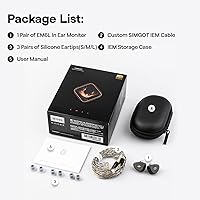
The included carrying case is solid and practical — not the thin drawstring pouch that often accompanies earphones at this tier, but a proper semi-rigid case that genuinely protects the earphones in a bag or pocket. Multiple eartip sizes and a quality cable make the out-of-box experience feel considered rather than bare minimum.
There is no chin slider or cable management clip included, which would have helped address the microphonics issue without requiring a separate purchase. Some buyers also wish for a wider variety of eartip materials — foam tips in particular are absent from the stock package.
Gaming Performance
77%
23%
The accurate imaging and wide soundstage translate into a genuinely competitive gaming experience for titles where positional awareness matters — first-person shooters, battle royale games, and immersive RPGs all benefit from the honest spatial reproduction. Passive isolation also helps block out ambient room noise during long sessions.
The lack of a dedicated microphone and the wired-only 3.5mm connection limit its practicality for console or wireless gaming setups. Bass-light tuning also means explosion effects and low-frequency game audio lack the visceral punch that gamers accustomed to consumer gaming headsets might expect.

Suitable for:

The SIMGOT EM6L Hybrid In-Ear Monitor is a strong match for listeners who have outgrown budget single-driver earphones and want something with genuine resolution and tonal balance without committing to a four-figure investment. Audiophiles who appreciate a neutral, reference-adjacent sound signature — think accurate timbre, natural vocals, and a wide soundstage rather than exaggerated bass — will find this hybrid IEM rewarding to listen to across a range of genres. Gamers who rely on positional audio cues rather than booming sound effects will benefit from the H-2019-tuned imaging, which places sounds in space with real precision. Musicians and content creators who need a portable, honest-sounding monitoring option for quick reference checks on the go will also get genuine utility here. The detachable 2-pin cable system makes this a sensible long-term buy for hobbyists who like to experiment with cable upgrades, and the easy-to-drive impedance means it works well straight from a smartphone or laptop without any extra hardware.

Not suitable for:

The SIMGOT EM6L Hybrid In-Ear Monitor is not the right call for listeners who primarily want deep, powerful bass — its tuning is built for accuracy, not impact, and bass-heads who love the physical thud of genres like EDM or hip-hop will likely find it underwhelming. People with smaller ear canals may struggle to get a reliable seal with the stock eartips, which directly affects both sound quality and noise isolation, so fit is a genuine variable to consider. The stock cable has been noted for microphonics during movement, which makes this hybrid IEM a less comfortable choice for active use like commuting by foot or working out. There is no wireless option whatsoever, so anyone who has moved fully to Bluetooth listening will need to adjust their setup. Finally, listeners who expect a bold, exciting, V-shaped sound signature right out of the box may find the reference tuning a little dry at first — this is an earphone that rewards careful listening rather than casual background use.

Specifications

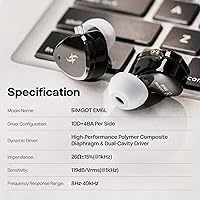
  • Driver Type: Hybrid configuration combining one 8mm high-polymer diaphragm dynamic driver with four balanced armature drivers split across two pairs.
  • Tuning Target: Voiced to the H-2019 reference curve, aiming for a balanced three-frequency response with natural soundstage reproduction and accurate imaging.
  • Impedance: Rated at 26Ω ±15% measured at 1kHz, making it compatible with most consumer sources without requiring a dedicated amplifier.
  • Sensitivity: 119dB/Vrms at 1kHz, indicating efficient power use and adequate volume output from smartphones, tablets, and laptops.
  • Frequency Range: Specified from 8Hz to 40kHz, covering the full audible spectrum and extending well into ultrasonic territory.
  • Cable Connector: Recessed 2-pin detachable interface, compatible with standard 0.78mm 2-pin aftermarket IEM cables for future upgrades or replacements.
  • Included Cable: High-purity OFC silver-plated cable terminating in a 3.5mm single-ended jack, designed to minimize signal loss and improve conductivity.
  • Housing Material: Shell constructed from 3D-printed resin, with a CNC-processed metal faceplate finished to a mirror-like appearance.
  • Noise Control: Passive sound isolation only — no active noise cancellation; isolation is achieved through physical ear canal seal.
  • Connectivity: Wired only via 3.5mm analog jack; no Bluetooth, wireless pairing, or USB-C audio output is supported.
  • Compatible Devices: Works with smartphones, tablets, laptops, and desktop computers equipped with a 3.5mm headphone output.
  • Water Resistance: No water or sweat resistance rating is provided; this earphone is not suitable for use during exercise or in wet conditions.
  • In the Box: Package includes the earphones, OFC silver-plated cable, multiple eartip sets, a protective carrying case, and a user manual.
  • Package Weight: Total product and packaging weight is 9.2 oz, which includes all included accessories and the carrying case.
  • Audio Driver Size: The dynamic driver measures 8mm in diameter, a compact format optimized for in-ear fit and low-frequency response within a sealed cavity.

Related Reviews
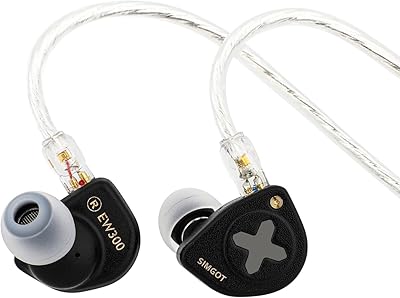
SIMGOT EW300 DSP Hybrid In-Ear Monitor
79%
86%
Sound Quality
88%
Build Quality
67%
Fit & Comfort
83%
DAC Performance
81%
Nozzle System
More
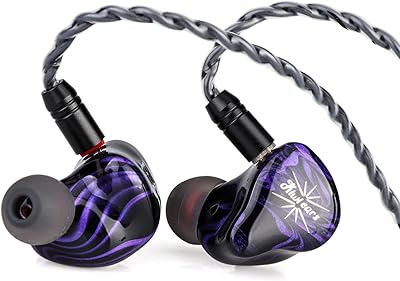
Linsoul Kiwi Ears Quartet 2DD+2BA Hybrid In-Ear Monitor
88%
94%
Sound Quality
91%
Bass Performance
83%
Treble Clarity
88%
Comfort & Fit
89%
Build Quality
More
Kiwi Ears KE4 Hybrid In-Ear Monitor
80%
88%
Sound Quality
86%
Bass Performance
91%
Midrange Clarity
83%
Treble Extension
78%
Soundstage & Imaging
More
KZ ZAR Hybrid In-Ear Monitors
86%
92%
Sound Quality
89%
Comfort & Fit
90%
Noise Isolation
84%
Build Quality & Durability
72%
Cable Durability
More
BASN Metalen In-Ear Monitors with Hybrid Drivers
82%
91%
Audio Quality
87%
Build Quality
75%
Comfort & Fit
88%
Sound Isolation
82%
Durability
More
Linsoul ZiiGaat Arete 1DD+4BA Hybrid In-Ear Monitor
86%
91%
Sound Quality
76%
Bass Performance
88%
Comfort & Fit
89%
Build Quality
85%
Noise Isolation
More
MEE audio MX3 PRO In-Ear Monitor
76%
78%
Sound Quality
84%
Midrange Clarity
71%
Build Quality
58%
Cable Quality
74%
Comfort & Fit
More
KZ ZS10 Pro Hybrid IEM Earphones
76%
88%
Sound Clarity
63%
Bass Performance
82%
Soundstage & Imaging
86%
Build Quality
54%
Cable Quality
More
Kiwi Ears Orchestra Lite
88%
93%
Tonal Neutrality
89%
Build Quality & Materials
91%
Imaging & Soundstage
76%
Long-Term Comfort
88%
Value for Money
More
CCZ Melody In-Ear Monitors
84%
89%
Sound Quality
91%
Comfort and Fit
77%
Build Quality
68%
Cable Durability
84%
Ease of Use
More

FAQ

No, you do not. At 26 ohms and 119dB sensitivity, the EM6L is easy to drive from almost any standard consumer device. A smartphone, laptop, or tablet will get you to comfortable listening volumes without any additional hardware. That said, pairing with a decent DAC or dongle can clean up the background noise floor and add a bit more control to the presentation if you want to get the most out of it.

Yes, the recessed 2-pin connector system is one of the more practical features of this hybrid IEM. The 2-pin format is an industry standard in the IEM world, so replacement and upgrade cables are widely available from many manufacturers at a range of price points. Swapping the cable takes only a few seconds and no tools.

This is one area where some buyers run into trouble. The stock eartips may not provide an adequate seal for listeners with smaller ear canals, which affects both sound quality and passive isolation. Trying different tip sizes from the included set is the first step, and many users find that switching to third-party foam or wider-bore silicone tips solves the problem entirely. It is worth budgeting a small amount for tip experimentation if fit is a concern for you.

The H-2019 curve is a well-regarded reference tuning target that prioritizes tonal balance across bass, midrange, and treble rather than emphasizing any single frequency range. In practical terms, it means vocals sound natural, instruments have realistic body, and the treble is present without being sharp or fatiguing. It is a sound signature aimed at accuracy, not excitement — so if you are used to bass-heavy consumer earphones, it may initially sound a bit restrained.

Yes, and it performs genuinely well in that context. The accurate imaging that comes from H-2019 tuning means directional audio cues — footsteps, gunshots, environmental sounds — are placed with real spatial precision. It is not a hyped gaming headset with exaggerated surround processing, but for competitive games where positional awareness matters, that honest sound reproduction is actually an advantage. You will need a PC with a 3.5mm output or a USB DAC, as there is no wireless option.

Microphonics — the rustling or tapping noise transmitted through the cable — have been flagged by a number of users, particularly during movement. It is not severe enough to be a problem during stationary listening, but if you plan to use this hybrid IEM while commuting on foot or exercising, it can become distracting. Wearing the cable over the ear rather than letting it hang straight down usually reduces this noticeably.

Very important, and this is something a lot of IEM reviews gloss over. The eartip creates the acoustic seal that directly shapes how bass extends and how well the tuning performs as intended. With a poor seal, the low end gets thin and the overall sound loses cohesion. Spending time trying each included tip size is essential, and switching to aftermarket tips — foam tips are a popular choice — can meaningfully change and often improve the listening experience.

For casual on-the-go reference work, yes. The balanced tuning and relatively accurate midrange make it useful for checking mixes or evaluating recordings in a pinch. It is not a studio-grade reference tool and should not replace dedicated monitoring earphones for professional mixing decisions, but for a musician who wants a portable, honest-sounding option that works without a bulky interface, it covers that role well.

The cable terminates in a standard 3.5mm jack, so you will need a USB-C to 3.5mm adapter for phones without a headphone port. These adapters are inexpensive and widely available, and a quality dongle DAC will actually improve the audio performance compared to a basic built-in headphone jack anyway. Just make sure your adapter or dongle outputs analog audio, not just charging or data.

The overall rating sits at 4.0 stars across more than 500 reviews, which reflects a generally positive but honest picture. Most buyers highlight the soundstage, detail retrieval, and build quality as genuine strengths at this price point. The main friction points are fit variability, the eartip dependence for optimal sound, and occasional cable stiffness complaints. For listeners who know what they are buying — a neutrally tuned, wired hybrid IEM built for accuracy — it tends to meet or exceed expectations. For buyers expecting a bass-forward, plug-and-play experience, it can disappoint.