Overview

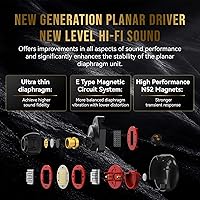
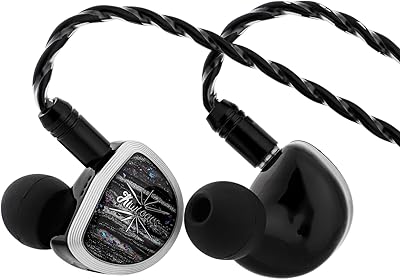
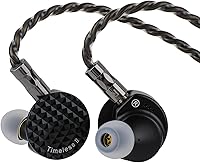
The 7Hz Timeless II Planar Magnetic IEM arrives with real weight behind it — 7Hz built genuine credibility with the original Timeless, and the audiophile community was watching closely to see whether the follow-up could justify the upgrade. This isn't a cosmetic refresh. The headline engineering story is the dual-sided coated diaphragm, a 14.5mm planar membrane with a microns-thin silver-alloy coating applied to both faces — something 7Hz claims is a first in the IEM space. In a mid-range planar market that's increasingly crowded, that kind of specific, verifiable innovation matters. This planar IEM is built for enthusiasts who read frequency response graphs for fun, not for someone who just needs earbuds for the commute.
Features & Benefits

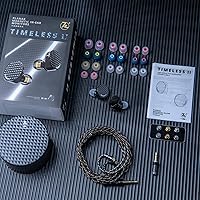
The engineering on the Timeless II goes several layers deep — literally. The 14.5mm planar driver pairs its silver-alloy coated diaphragm with a dual-sided N52 magnet array, which translates to faster diaphragm response and tighter transient control. A 7-layer enclosure with double rear acoustic venting gives the driver room to breathe without sacrificing tuning precision. Then there's the tunable nozzle system: three options — standard copper, stainless steel cone, and copper cone — each shifting the upper-frequency response in subtle but real ways. The included 4-core 7N OCC copper cable is a solid inclusion, adding warmth without dramatically altering the character. Both 3.5mm and 4.4mm terminations are supported, a practical touch for balanced source users.

Best For

This planar IEM rewards listeners who already have some skin in the game. Running a dedicated DAC/amp or a balanced source output will extract considerably more from the 15-ohm impedance than plugging straight into a phone. Studio musicians and producers will appreciate the spatial accuracy — planar drivers at this level tend to render imaging more precisely than similarly priced dynamic-driver alternatives. The nozzle-swapping feature suits enthusiasts who like to tinker; if the stock tuning runs slightly bright or rolled off for your taste, there's an actual adjustment mechanism rather than just EQ. For anyone stepping up from entry-level gear, 7Hz's latest in-ear monitor offers a meaningful jump in technical performance without crossing into exotic pricing territory.

User Feedback

Sitting at a 4.5-star average, the Timeless II earns consistent praise for its technical detail retrieval and soundstage width — buyers across genres note that the planar driver handles fast, complex passages well, whether that's jazz brushwork or dense electronic layering. Treble extension is a frequent highlight, though a minority of listeners find the upper registers fatiguing over long sessions. Where opinions split is around the tunable nozzles: some users treat them as a genuinely useful adjustment tool, while others tried each option once and settled back on the stock setting. Fit comfort for larger ears comes up occasionally. Owners of the original Timeless generally agree this is a real step forward, not a marginal update, though a few note the shell size requires some adjustment period.

Pros

  • The dual-sided coated diaphragm is a genuinely novel engineering approach, not just a spec sheet talking point.
  • Planar imaging and transient speed are strong for the price — complex mixes stay organized and spatially clear.
  • Three interchangeable nozzles give you a real, hardware-based way to adjust upper-frequency response.
  • The included 7N OCC copper cable is a quality inclusion that holds up well compared to typical stock cables.
  • Both 3.5mm and 4.4mm terminations are supported, making it compatible with balanced sources right out of the box.
  • At just 5 grams per earpiece, long listening sessions are comfortable despite the technical-grade build.
  • The 0.78mm 2-pin detachable connector makes cable replacement or upgrading straightforward.
  • Existing Timeless owners broadly agree this is a substantive improvement, not a superficial generational bump.
  • The 4.5-star average reflects genuine satisfaction across a wide range of listening preferences and genres.
  • Treble extension is notably clean, benefiting acoustic instruments, strings, and high-resolution recordings.

Cons

  • Requires a dedicated DAC/amp to perform at its best — phone-only users will not get the full picture.
  • The plastic shell, while lightweight, does not feel as premium as the asking price might suggest.
  • No water or sweat resistance makes this planar IEM a poor choice for outdoor or athletic use.
  • The nozzle tuning differences are subtle enough that some users settle on the default and never revisit the others.
  • Wired-only design with no wireless option limits flexibility for listeners who move around frequently.
  • Treble emphasis can cause fatigue over long sessions for those sensitive to upper-frequency energy.
  • The shell size may require an adjustment period for users with smaller ears before fit feels secure.
  • No active noise isolation means ambient noise bleeds in more than with sealed dynamic-driver alternatives.
  • Learning which nozzle configuration suits your preferences adds a tinkering overhead not everyone wants.
  • Not ideal for genres that demand heavy sub-bass impact — the planar tuning skews toward balance over punch.

Ratings

Our AI rating system analyzed verified global user reviews for the 7Hz Timeless II Planar Magnetic IEM, actively filtering out incentivized, bot-generated, and duplicate submissions to surface what real buyers actually experienced. The scores below reflect both the genuine strengths this planar IEM delivers and the friction points that came up repeatedly across thousands of honest assessments. Nothing has been smoothed over — where buyers were divided, the scores show it.

Sound Quality
93%
This is where the Timeless II earns its reputation. Listeners consistently praised the clarity and layering across complex recordings — jazz ensembles, orchestral tracks, and dense electronic productions all came through with impressive separation and detail. The planar driver's speed means fast transients in percussion and strings register cleanly without smearing.
A recurring minority of reviewers found the overall tuning to skew slightly lean in the mid-bass region, which can make certain genres feel less engaging than expected. Those coming from warm, bassy dynamic-driver IEMs may need time to adjust to the more neutral, analytical presentation this planar IEM delivers.
Treble Extension
88%
High-frequency extension is one of the most praised traits across user feedback, particularly among listeners who prioritize detail in acoustic instruments and vocals. Cymbal decay, string harmonics, and breathy vocal textures all render with an airiness that is noticeably above average for the price segment.
The same extended treble that impresses detail-focused listeners can tip into fatigue territory during sessions exceeding two hours, especially at higher listening volumes. Users sensitive to upper-frequency energy flagged this as a consistent concern, and it is worth auditing before committing if you listen for long stretches.
Soundstage & Imaging
91%
Soundstage width and imaging precision were among the most frequently cited strengths in user discussions. Listeners using the Timeless II for studio monitoring and gaming both noted that directional placement of instruments and sound effects felt accurate and three-dimensional rather than compressed and central.
A smaller segment of users felt the soundstage depth — the sense of front-to-back layering — was less developed than the width, making some recordings feel wide but slightly flat in the z-axis. This is a nuanced criticism, but it came up consistently enough among experienced listeners to be worth noting.
Bass Performance
74%
26%
The low end on this planar IEM is tight, articulate, and well-controlled — bass lines in jazz, acoustic recordings, and well-mastered pop tracks come through with good texture and definition. Listeners who value accuracy over volume consistently rated bass performance positively.
Hip-hop, EDM, and bass-forward genre listeners found the sub-bass lacking in physical impact and presence. The Timeless II does not generate the elevated low-end weight that many casual buyers expect at this price, and several users noted they reached for EQ to compensate — which adds a step not everyone wants.
Tunable Nozzle System
69%
31%
Users who engaged with the nozzle system appreciated having a tangible, hardware-based way to shift the high-frequency character of the IEM without touching an EQ app. Switching between the copper and stainless steel cone nozzles produced audible differences that some listeners found genuinely useful for matching the IEM to different genres.
A significant portion of buyers tried all three nozzles once and reverted to the default, finding the differences too subtle to justify the swapping effort. The learning curve for understanding which nozzle suits which scenario is real, and several users felt the feature was better in concept than in everyday practice.
Build Quality
67%
33%
The internal engineering — the 7-layer enclosure, the precision driver mounting, the dual rear venting — reflects serious design effort that buyers who opened up the product documentation tended to appreciate. The detachable cable system is implemented cleanly, and connector fit is tight without being fragile.
The plastic outer shell is the most polarizing aspect of the physical build. At this price point, buyers reasonably expect metal housings, and the plastic finish drew repeated criticism for feeling inconsistent with the engineering quality inside. Handling the earpieces for the first time left some buyers questioning their purchase before even listening.
Cable Quality
82%
18%
The included 7N OCC copper cable is meaningfully better than the thin, tangle-prone stock cables that ship with most IEMs in and below this price bracket. It has noticeable weight and flexibility, and users appreciated the inclusion of both 3.5mm and 4.4mm terminations to accommodate different source setups without an immediate aftermarket purchase.
While the cable is a quality inclusion, a few users reported that the connectors at the ear end showed wear after several months of repeated attachment and removal. Cable rollers who swap regularly may want to treat the stock cable gently or budget for an aftermarket replacement sooner than expected.
Comfort & Fit
72%
28%
At 5 grams per earpiece, fatigue from weight is virtually nonexistent. Most users reported comfortable sessions of one to two hours without pressure points, and the rounded earpiece shape sits naturally in a wide range of ear anatomies when paired with the right tip size.
Shell size was a recurring friction point for buyers with smaller ear canals, who found the fit less secure without extended tip experimentation. Some users also noted that achieving a consistent acoustic seal took several tip-swapping sessions, which is a minor but real barrier for buyers who expect the stock tips to work immediately.
Source Pairing & Scalability
84%
The Timeless II rewards better source gear in ways that buyers with dedicated DAC/amp setups found genuinely satisfying. Running through a balanced 4.4mm output noticeably tightened the low end and added dynamic headroom compared to a standard dongle, and several users noted improvements when moving from a smartphone to even an entry-level portable DAC.
This scalability is a double-edged reality: buyers who drive this planar IEM exclusively from their phone are not getting the full experience the driver is capable of delivering. For a purchase at this price, the implicit expectation of additional source hardware is a real consideration that not all buyers factor in upfront.
Value for Money
86%
Buyers who understood what they were purchasing — a technically advanced planar IEM for enthusiast use — consistently rated value highly, particularly when comparing the driver technology and cable quality against similarly priced competitors. The tunable nozzle system adds tangible customization that most rivals at this tier do not offer.
Buyers who expected plug-and-play performance from any source, or who prioritized bass weight and build prestige over technical accuracy, felt the value case was weaker. The plastic shell and the implicit requirement for good source hardware are costs — literal or practical — that can erode the perceived value equation.
Detachable Cable System
88%
The 0.78mm 2-pin connector standard is widely supported across the aftermarket, which users appreciated for its upgrade flexibility and its role in extending the usable lifespan of the IEM. Several buyers noted they already owned compatible cables from other IEMs and could swap immediately.
While the connector standard is reliable, a small number of users flagged minor wobble in the cable-to-earpiece connection after extended use. This did not translate into audio dropouts for most, but it is a noted wear point worth monitoring if you frequently detach and reattach the cable.
Noise Isolation
61%
39%
In quiet indoor environments — home listening sessions, studio monitoring, or office use — the passive isolation from a good ear tip seal is adequate for blocking out low-level ambient noise. Users in controlled listening environments found isolation sufficient for focused sessions.
In commuting or public transit environments, the isolation falls short of what sealed dynamic-driver IEMs in this bracket can deliver. The acoustic venting design, while beneficial for tuning precision, allows more ambient bleed than fully sealed alternatives, which frustrated users who expected these to double as a daily commuter IEM.
Durability & Longevity
71%
29%
The internal driver mounting is reinforced for rigidity, and the overall construction holds up well under normal careful use. Buyers who treat their audio gear with appropriate care reported no issues after months of regular use, and the detachable cable design meaningfully extends the product's potential lifespan.
The absence of any water or sweat resistance rating is a genuine durability concern for users who carry audio gear in variable conditions. The plastic shell, while lightweight, also drew some skepticism around long-term scratch and impact resistance compared to aluminum-shelled alternatives at similar prices.
Generational Upgrade Value
79%
21%
Among buyers who owned the original Timeless, the majority agreed the Timeless II represents a substantive improvement in driver technology, tuning flexibility, and cable quality rather than a superficial refresh. The diaphragm coating and nozzle system are features that did not exist in the first generation.
A portion of original Timeless owners felt the sonic character remained similar enough that the upgrade cost was harder to justify unless they specifically wanted the nozzle tuning feature or the improved cable. For those fully satisfied with the original, the incremental gains require careful consideration against the price difference.

Suitable for:

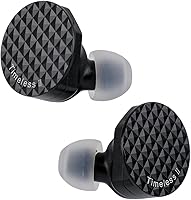
The 7Hz Timeless II Planar Magnetic IEM is purpose-built for listeners who treat audio gear as a hobby, not just a utility purchase. If you already own a dedicated DAC/amp or a source with a balanced 4.4mm output, this planar IEM will reward that investment with imaging precision and transient speed that casual setups simply cannot unlock. Musicians tracking in a home studio or monitoring live on stage will find the spatial accuracy genuinely useful — planar drivers at this price tier tend to render stereo placement more honestly than comparable dynamic-driver alternatives. Enthusiasts who enjoy personalizing their listening experience through nozzle swapping or cable rolling will appreciate having a legitimate tuning mechanism built into the hardware itself. It also makes a strong case as a first serious upgrade for anyone who has outgrown budget-tier IEMs and wants to understand what planar magnetic technology actually sounds like in practice.
Not suitable for:

If you plan to drive the Timeless II straight from a smartphone with no additional amplification, you are likely leaving a meaningful portion of its performance on the table — the 15-ohm planar impedance is manageable, but this type of driver responds noticeably to better source gear. The 7Hz Timeless II Planar Magnetic IEM is also not a practical choice for commuters or gym use: it has no water resistance rating, no wireless option, and a wired cable that demands more care than a truly portable pair of earbuds. Listeners who prefer a warmer, bassier, or more forgiving tuning out of the box may find the stock sound signature leaner than expected, and not everyone will want to spend time experimenting with nozzle combinations to correct that. If your listening is casual and source-agnostic, there are far more practical ways to spend this kind of money.

Specifications

  • Driver Type: Each earpiece uses a 14.5mm planar magnetic driver with a dual-sided silver-alloy coated diaphragm for enhanced surface tension and responsiveness.
  • Magnet Array: A dual-sided N52 magnet array drives the diaphragm from both faces, providing strong and even magnetic force across the full diaphragm surface.
  • Impedance: The rated impedance is 15.2 ohms, which is low enough for portable sources but benefits noticeably from a dedicated amplifier.
  • Sensitivity: Sensitivity is rated at 108 dB, meaning the earphones will reach listenable volumes from most sources without requiring extreme output levels.
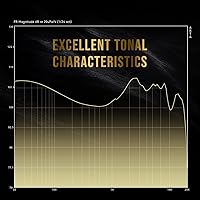
  • Frequency Range: The stated frequency response spans 20Hz to 20kHz, covering the full range of human hearing.
  • Nozzle Options: Three interchangeable nozzles are included — a standard copper nozzle, a stainless steel cone nozzle, and a copper cone nozzle — each offering subtle differences in upper-frequency tuning.
  • Cable Spec: The stock cable is a 4-core, 7N single-crystal OCC copper build, chosen to add warmth and body to the overall sound without excessive coloration.
  • Connector Type: The earpiece end uses a 0.78mm 2-pin detachable connector, a widely supported standard that makes third-party cable upgrades straightforward.
  • Termination Jacks: The cable ships with both 3.5mm single-ended and 4.4mm balanced termination options, supporting a wide range of DAC and amp outputs.
  • Enclosure Design: The driver enclosure features a 7-layer construction with a double acoustic rear venting system, designed to allow more precise internal tuning and improved driver stability.
  • Earpiece Weight: Each earpiece weighs approximately 5 grams, keeping fatigue low during extended listening sessions.
  • Shell Material: The outer shell is constructed from plastic, which contributes to the low weight but has a less premium tactile feel than metal alternatives in this price range.
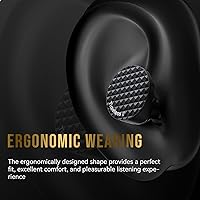
  • Earpiece Shape: The earpieces use a rounded tip form factor designed to sit securely in the ear canal with standard silicone or foam ear tips.
  • Water Resistance: There is no water or sweat resistance rating on this IEM, making it unsuitable for use during exercise or in wet conditions.
  • Connectivity: The Timeless II is a strictly wired IEM with no Bluetooth or wireless capability of any kind.
  • Cable Termination: The cable uses a detachable design at the earpiece end, extending the usable life of the IEM even if the stock cable is damaged or replaced.
  • Diaphragm Coating: The diaphragm is coated on both sides with a microns-thin layer of specialized silver alloy applied through an in-house process to increase surface tension uniformity.
  • Product Dimensions: The overall packaged dimensions are approximately 3.94 x 3.94 x 0.79 inches, reflecting the compact size of the earpieces themselves.

Related Reviews
KZ x HBB PR2 Planar Magnetic IEM
84%
91%
Sound Clarity
87%
Bass Performance
82%
Build Quality
75%
Comfort for Extended Listening
70%
Noise Isolation
More
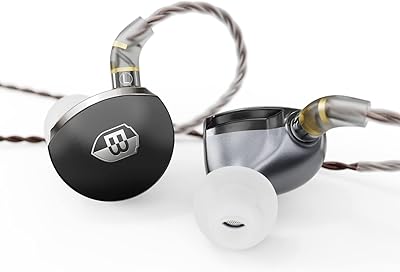
Letshuoer S08 4th Gen Planar Magnetic IEMs
88%
94%
Sound Quality
91%
Bass Performance
89%
Build Quality
78%
Comfort & Fit
87%
Sound Isolation
More
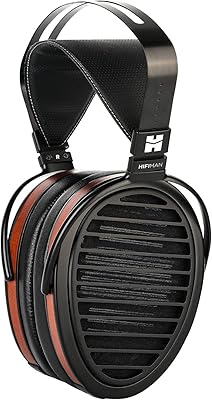
HIFIMAN Ananda Nano Planar Magnetic Headphones
75%
93%
Sound Quality
94%
Soundstage & Imaging
91%
Treble & Detail
89%
Midrange Performance
87%
Bass Performance
More
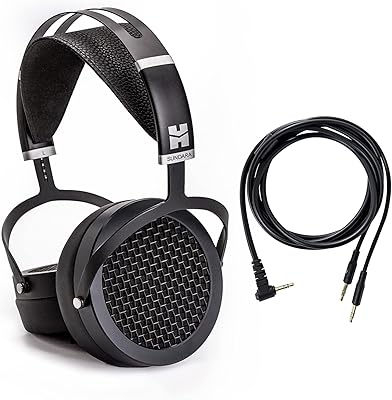
BASN MTPro Planar Magnetic In-Ear Monitors
88%
93%
Sound Quality
87%
Comfort & Fit
90%
Noise Isolation
92%
Build Quality
85%
Cable Quality & Durability
More
Linsoul Kiwi Ears Aether Planar IEM
86%
94%
Sound Quality
91%
Soundstage and Imaging
88%
Build Quality and Durability
89%
Comfort for Extended Listening
72%
Bass Performance
More
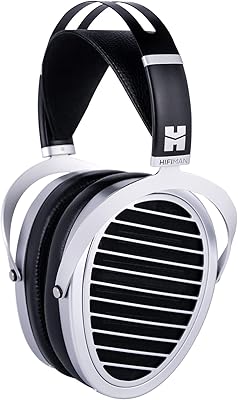
HIFIMAN Sundara 2020 Planar Magnetic Over-Ear Headphones
75%
91%
Sound Quality
88%
Value for Money
74%
Comfort & Fit
78%
Build Quality
54%
Cable Quality
More
HIFIMAN Arya Organic Over-Ear Planar Magnetic Headphones
88%
94%
Sound Quality
88%
Comfort for Extended Use
92%
Build Quality
96%
Clarity and Detail
84%
Bass Response
More
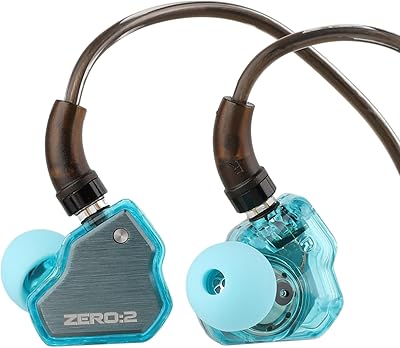
7Hz x Crinacle Zero:2
78%
93%
Sound Tuning & Tonal Balance
79%
Bass Performance
91%
Midrange Clarity
83%
Treble & Detail Retrieval
76%
Soundstage & Imaging
More
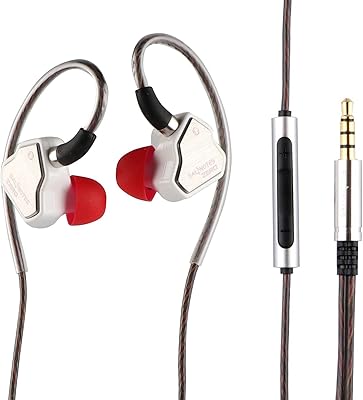
BASN ASONE Planar Magnetic In-Ear Monitors
80%
88%
Sound Quality
79%
Bass Performance
91%
Soundstage & Imaging
67%
Fit & Comfort
84%
Build Quality
More
7Hz Salnotes Zero In-Ear Earphones
77%
91%
Sound Quality
94%
Value for Money
78%
Build Quality
53%
Cable Quality
76%
Comfort & Fit
More

FAQ

Your phone will technically drive them — the 15.2-ohm impedance is low and the sensitivity is reasonable at 108 dB. That said, planar magnetic drivers generally respond well to cleaner, more powerful sources. If you have a USB DAC dongle or a portable amp, you will likely hear a noticeable improvement in control and dynamics compared to a phone headphone jack.

The three nozzles — standard copper, stainless steel cone, and copper cone — each alter the ultra-high-frequency extension and air of the sound in subtle ways. Start with the standard copper nozzle, which is the default tuning 7Hz intended as the baseline. From there, try the others back to back with a familiar track and see if you notice a difference worth keeping. The changes are real but not dramatic, so do not expect a transformation.

Most owners who have used both report that this is a genuine step forward rather than a marginal update. The new diaphragm coating, revised enclosure design, and tunable nozzle system are substantive changes. That said, if you are happy with your original Timeless, the jump is meaningful but not radical — it is an evolution of the same sonic philosophy, done with better tools.

Standard silicone and foam ear tips with a bore size compatible with the nozzle diameter will work fine. The nozzle shape does vary slightly between the three options, so some ear tips may seat more securely on one nozzle than another. Most third-party tips with a snug inner bore will fit without issue, but it is worth testing each nozzle swap to make sure your tips are not loose.

It works well beyond music. The spatial accuracy and imaging precision that make this IEM good for studio monitoring also translate well to gaming and film, where directional cues and dialogue clarity matter. It is not going to add exaggerated bass slam like a gaming headset, but if you prefer accuracy over enhancement, it holds up well across these use cases.

The included 7N OCC copper cable is a quality stock cable, but cables do wear over time, particularly at stress points near the connectors. The good news is the 0.78mm 2-pin detachable design is one of the most widely used IEM connector standards, so finding a replacement or upgrade cable from a third-party brand is easy and reasonably affordable.

It is the most common criticism raised by buyers who handle the Timeless II before they hear it. The plastic shell is noticeably less tactile than metal-housed IEMs in the same price bracket. In use, it is lightweight and comfortable, but if your purchase decision is partly about how a product feels in hand, this is worth knowing upfront.

Planar magnetic drivers at this tuning level tend toward balance and accuracy rather than elevated bass. The low end on the Timeless II is tight and well-defined, but it does not emphasize sub-bass in the way a V-shaped dynamic driver would. Listeners who want physical bass impact may find the presentation a little restrained. EQ can help, but if heavy low-end is your primary priority, there are better-suited options.

At 5 grams per earpiece, they are genuinely light. Most users report comfortable fit over one to two hours without pressure fatigue. The caveat is that the shell size can be a snug fit for smaller ear canals, and some listeners need to experiment with ear tip sizes to get the right seal. Once the fit is dialed in, extended sessions are generally comfortable.

Technically yes, but practically they are not the right tool for it. There is no water or sweat resistance rating, so moisture exposure is a real risk during exercise. The wired cable also requires more management than a wireless pair during physical activity. For commuting where you are mostly seated, they work fine — just be mindful of the cable and keep them away from rain.