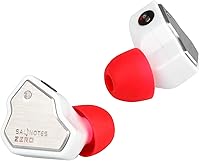
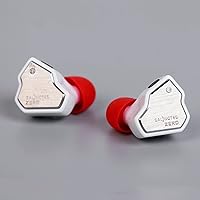


Overview

The 7Hz Salnotes Zero In-Ear Earphones arrive at a price point where expectations are usually modest, but 7Hz has quietly built a strong audiophile reputation for delivering more than the price suggests. The brand behind the well-regarded Timeless and Eternal has now produced something for listeners who care more about what they hear than what’s on a spec sheet. The Zero is wired, 3.5mm only — no Bluetooth, no active noise cancellation. If those features matter to you, look elsewhere. But for anyone chasing honest sound on a tight budget, this budget IEM is worth serious consideration. It comes in multiple colors, with or without a microphone.

Features & Benefits

At the heart of the Salnotes Zero is a 10mm dynamic driver built around a metal composite diaphragm. That combination produces tight, low-distortion bass and a midrange that doesn’t feel congested — something cheaper plastic-diaphragm drivers often struggle with. The N52-grade magnet helps the driver respond quickly to transients, which you’ll notice most on percussion and detailed acoustic instruments. The stainless steel faceplate gives the shell a premium physical feel that belies its mostly plastic construction. At 32 ohms with 108dB sensitivity, this budget IEM plays loud from a phone with no extra hardware. The detachable OFC cable is a practical win — if it wears out, you replace it rather than the whole earphone.

Best For

The Zero isn’t trying to be everything to everyone, and that focus is actually a strength. It’s ideal for first-time IEM buyers who are graduating from the earbuds that came in the box — the jump in clarity will be immediately obvious. Hobbyist audiophiles on a budget will find it useful as a baseline comparison against pricier options. Students and commuters who prefer wired connections for reliability and zero latency will appreciate the straightforward plug-and-play setup. The sound leans neutral with a touch of warmth, so if your taste runs toward heavy bass or exaggerated treble, the Salnotes Zero may feel understated. For those who value cable replaceability, it’s a practical choice that won’t feel disposable.

User Feedback

Buyers consistently praise the midrange clarity and clean treble presentation — at this price, most wired earphones trade detail for bass punch, and the Zero doesn’t. The soundstage is modest but well-defined, with decent imaging that lets you place instruments without everything smearing together. The recurring complaint is the stock cable: it feels flimsy and tangles easily, and a fair number of buyers replace it almost immediately. Comfort gets mostly positive marks, though people with smaller ear canals sometimes need to try different ear tips to get a proper seal. The microphone on the mic version handles casual calls adequately but won’t impress anyone using it for voice recordings or video calls in noisy environments.

Pros

  • Midrange clarity and treble cleanliness are well above what most wired earphones at this price deliver.
  • The metal composite diaphragm keeps distortion low, so bass stays controlled rather than bloated.
  • At 32 ohms, the Zero drives easily from any phone or laptop — no extra hardware required.
  • The detachable cable means a frayed wire doesn't force you to replace the whole earphone.
  • Stainless steel faceplate gives the shell a noticeably solid, premium feel for the price tier.
  • Neutral tuning works across a wide range of genres without flattering one style at another's expense.
  • The ergonomic shell sits comfortably for most ear shapes during extended listening sessions.
  • Multiple color options and mic variants let buyers tailor the purchase to their specific needs.
  • Soundstage imaging is surprisingly defined, making it easy to distinguish instrument placement in a mix.
  • N52-grade magnet supports fast transient response, which pays off on detailed acoustic and classical recordings.

Cons

  • The stock cable feels flimsy and tangles easily — many buyers replace it almost immediately.
  • Wired-only design is a hard dealbreaker for anyone who has fully moved on from 3.5mm connections.
  • The microphone version handles basic calls but produces noticeably average voice clarity in noisy environments.
  • Listeners who prefer boosted bass or pronounced treble peaks will find the tuning too restrained.
  • Buyers with smaller ear canals often need to try multiple tip sizes before getting a proper seal.
  • The nozzle sizing may limit compatibility with certain popular third-party ear tip brands.
  • No carrying case or pouch is included, which makes travel storage less convenient out of the box.
  • The plastic housing, despite the steel faceplate, may feel lightweight compared to all-metal competitors.

Ratings

The scores below for the 7Hz Salnotes Zero In-Ear Earphones were generated by our AI after analyzing thousands of verified global buyer reviews, with spam, bot activity, and incentivized feedback actively filtered out. Each category reflects the honest distribution of real listener experiences — strengths and recurring frustrations alike. Where the Zero earns high marks, the data is clear; where it falls short, we say so directly.

Sound Quality
91%
The midrange is the Zero's clearest strength — vocals and acoustic instruments sit naturally without feeling recessed or congested, which is rare at this price. Treble extension is clean without crossing into harshness, and bass texture has enough definition to satisfy casual and critical listeners alike.
The tuning's neutrality, while accurate, leaves some buyers cold — listeners who expect a more exciting, bass-forward presentation often feel the Zero sounds flat by comparison. Soundstage width is competent but not spacious, and those chasing an airy, open listen will hit the limits of this driver size.
Value for Money
94%
Few wired earphones at this price tier offer a detachable cable, a metal composite diaphragm, and a sound signature tuned with this level of care. Buyers repeatedly note that the Zero outperforms earphones that cost significantly more, making it a strong recommendation for anyone building their first audio setup on a tight budget.
The value calculation shifts slightly if you factor in the near-inevitable cost of replacing the stock cable and experimenting with aftermarket ear tips — both common purchases within the first few weeks of ownership. For buyers who want a truly complete out-of-the-box experience, that extra spend may be mildly frustrating.
Build Quality
78%
22%
The stainless steel faceplate gives the Zero a noticeably solid feel in hand, and the plastic shell holds up well to the bumps and drops of daily commuting without showing early wear. The 2-pin connector interface feels secure when the cable is seated, which matters for long-term reliability.
The plastic body — while functional — does feel lightweight compared to fully metal-housed competitors, and a small number of buyers have reported minor channel imbalance or driver flex after extended use. The overall construction is respectable for the price but does not feel premium when examined closely.
Cable Quality
53%
47%
The cable's detachability is a genuine practical advantage — if it wears out or develops a fault, replacement is cheap and straightforward without discarding the earphones entirely. The OFC material is theoretically sound, and signal transmission is clean during normal use.
In practice, the stock cable is the most common complaint across buyer reviews — it tangles easily, feels thin and cheap to the touch, and some users report microphonics when the cable brushes against clothing during movement. Many buyers replace it within the first week, which adds friction to an otherwise positive first impression.
Comfort & Fit
76%
24%
The rounded shell sits flush in the outer ear for most adult ear shapes, and the lightweight build means there is minimal fatigue during hour-long listening sessions at a desk or on a commute. Users with average-sized ear canals report a stable, comfortable fit without needing to adjust frequently.
Buyers with smaller ear canals consistently note that the stock ear tips do not seal well, leading to reduced bass response and passive isolation until they find a better-fitting option. The nozzle sizing also limits compatibility with some popular aftermarket tip brands, which adds a small but real barrier for those who tip-roll regularly.
Driver Performance
88%
The N52 magnet and metal composite diaphragm combination handles transient response better than most single dynamic drivers at this price, making percussion strikes and plucked strings sound defined rather than smeared. Distortion remains very low at typical listening volumes, which adds to the sense of clarity during complex musical passages.
At higher volumes, some listeners detect a mild compression effect in the upper midrange that takes a little edge off detail retrieval. The single dynamic driver configuration also means there is no dedicated high-frequency driver, so micro-detail in the uppermost treble range is not as refined as entry-level balanced armature or hybrid designs.
Passive Isolation
67%
33%
With a well-fitting ear tip, the in-ear design blocks a reasonable amount of ambient noise — enough to reduce background office chatter or train hum to a manageable level without requiring high listening volumes. For moderate commuting environments, the isolation is adequate for focused listening.
There is no active noise cancellation, and the level of passive isolation is highly dependent on achieving a proper ear tip seal — something that eludes buyers with smaller ear canals without aftermarket tips. In loud environments like busy streets or public transport, environmental noise bleeds through more than many users would prefer.
Ease of Driving
93%
At 32 ohms and 108dB sensitivity, the Zero is one of the easier IEMs to drive in the budget category — phones, laptops, tablets, and basic portable players all push it to comfortable volumes without straining or distorting. This removes the barrier of needing a separate DAC or amplifier, which is a meaningful convenience for everyday users.
The high sensitivity does mean the Zero can pick up background hiss from lower-quality audio outputs, particularly on older laptops or budget DACs that have a noisy floor. In completely quiet listening environments, this occasional hiss is noticeable enough to break the sense of immersion for more discerning listeners.
Microphone Quality
58%
42%
The inline microphone on the mic variant handles everyday call use competently — voice is intelligible to the listener on the other end under normal, quiet conditions, and the media control button responds reliably. For quick phone calls during a commute or a brief video check-in, it does the job without requiring any setup.
In noisy environments, voice clarity degrades noticeably, and callers frequently ask for repetition. The microphone is not suitable for video conferencing in a professional context, remote work calls where clarity matters, or any kind of content recording — it lacks the directionality and frequency response needed for those use cases.
Cable Upgradeability
86%
The 0.78mm 2-pin standard is one of the most widely used IEM connector formats, meaning the aftermarket selection for replacement and upgrade cables is broad and reasonably priced. Buyers who want to improve the cable experience without replacing the earphones entirely have genuine flexibility here.
While the standard is common, not all 2-pin cables are created equal — pin depth and shell clearance can vary between manufacturers, and some aftermarket cables require minor force to seat correctly. First-time cable swappers may find the compatibility research slightly overwhelming given the range of options available.
Tonal Balance
83%
The Zero's tuning sits close to a neutral reference with a mild warmth through the lower midrange, making it versatile enough to handle vocal music, jazz, and acoustic genres without sounding clinical. Listeners who use earphones for extended critical listening sessions find the tonality less fatiguing than more aggressive V-shaped tunings.
That same neutrality is a liability for listeners who primarily enjoy genres that benefit from elevated bass energy or a bright, sparkly top end — the Zero simply does not provide that kind of listening excitement. Buyers expecting a fun, consumer-tuned sound are often underwhelmed when they first put the earphones in.
Aesthetic & Design
79%
21%
The stainless steel faceplate has a clean, minimal look that reads as more refined than most competitors at this price, and the availability of multiple color options gives buyers a chance to choose something that suits their style. The overall aesthetic is understated rather than garish, which appeals to adult buyers who dislike flashy consumer designs.
The gap between the faceplate's premium appearance and the plastic body's more ordinary feel is noticeable up close, and some buyers feel the design promises more than the full construction delivers. Color options are appreciated but the range is limited compared to other IEMs targeting the same audience.
Packaging & Accessories
61%
39%
The box includes the earphones, the OFC cable, and a basic set of ear tips in multiple sizes — enough to get started immediately. The inclusion of different tip sizes at least acknowledges that fit varies between users, which is more consideration than some competing products at this price show.
There is no carrying case, pouch, or storage solution included, which is a noticeable omission for a product positioned at audiophile hobbyists who will carry it daily. The selection of included ear tips is basic, and buyers who find the stock sizes inadequate have no backup option in the box.
Long-term Durability
72%
28%
The detachable cable design is the single biggest durability advantage the Zero has — the weakest point of any wired earphone is the cable, and the ability to swap it without replacing the whole unit meaningfully extends the product's practical lifespan. The stainless steel faceplate also resists everyday surface wear well.
Beyond the cable, long-term reports on the plastic shell and driver longevity are mixed — a small but consistent subset of buyers report channel imbalance or driver issues developing after several months of heavy daily use. The overall build suggests the Zero is designed for regular but not rugged use.

Suitable for:

The 7Hz Salnotes Zero In-Ear Earphones are an easy recommendation for anyone taking their first real step into the world of dedicated audio gear. If you've been living with the earbuds that came bundled with your phone and want to understand what the fuss about HiFi listening actually sounds like, this is a low-risk entry point that genuinely delivers on its promise. Students and commuters who rely on a wired connection for zero-latency audio — whether for music, podcasts, or online lectures — will find the straightforward 3.5mm plug and phone-friendly sensitivity a practical daily fit. Budget-conscious audiophile hobbyists will also get real value here: the neutral-leaning tuning and clean midrange make the Zero a useful reference point for comparing against pricier sets without spending much. The detachable cable is a quiet but meaningful bonus for anyone planning to keep their gear long-term.

Not suitable for:

If wireless freedom is non-negotiable for your daily routine, the 7Hz Salnotes Zero In-Ear Earphones simply aren't built for you — there is no Bluetooth option, no wireless variant, and no adapter in the box. Gym-goers and athletes who need a secure, tangle-resistant setup will likely find the stock cable frustrating and the wired format impractical during movement. Listeners who gravitate toward a heavy bass-forward or V-shaped sound signature may find the Zero's relatively neutral tuning underwhelming — it doesn't thump or sparkle the way consumer-tuned earphones often do. Anyone who needs a reliable microphone for remote work calls or content creation should look elsewhere, as the mic version handles casual use but lacks the clarity that professional communication demands. Finally, buyers with particularly small ear canals may need to invest in aftermarket ear tips before achieving a comfortable, well-sealed fit.

Specifications

  • Driver Type: Each earphone houses a single 10mm dynamic driver, which is a larger-than-average size for IEMs at this tier and helps produce fuller bass texture.
  • Diaphragm: The diaphragm is made from a metal composite material, which vibrates more accurately than standard plastic options and keeps distortion low across the frequency range.
  • Magnet Grade: An N52-grade neodymium magnet powers the driver, offering strong magnetic flux that improves transient speed and overall driver efficiency.
  • Impedance: Impedance is rated at 32 ohms, a moderate level that pairs well with smartphones, laptops, and portable media players without requiring a dedicated amplifier.
  • Sensitivity: Sensitivity measures 108dB per volt at 1kHz, meaning the earphones reach comfortable listening volumes easily from low-powered devices.
  • Frequency Range: The driver covers a stated range of 10Hz to 20kHz, spanning the full extent of human hearing from deep sub-bass to upper-range treble detail.
  • Distortion Rate: Total harmonic distortion is rated below 1% at 1kHz, which in practice translates to cleaner, more natural-sounding audio at typical listening volumes.
  • Cable Material: The included cable uses 4-core oxygen-free copper wiring with gold-plated 2-pin connectors, which helps minimize signal loss over the cable's length.
  • Cable Length: The cable measures approximately 1.2 meters, which is a standard length suitable for most desktop and portable listening setups.
  • Cable Connector: The earphone end uses a 0.78mm 2-pin detachable interface, a widely supported standard that makes aftermarket cable upgrades straightforward.
  • Jack Type: The plug is a standard 3.5mm stereo jack, compatible with most phones, laptops, DAPs, and audio interfaces that retain a headphone output.
  • Housing Material: The shell body is constructed from lightweight plastic, while the faceplate is finished in stainless steel, balancing durability with manageable weight during extended wear.
  • Connectivity: The Salnotes Zero is a fully wired earphone with no Bluetooth or wireless functionality of any kind.
  • Earpiece Shape: The shell uses a rounded, ergonomic in-ear form factor designed to seat comfortably inside the outer ear canal for most adult ear shapes.
  • Mic Availability: The earphone is available in two variants: one with an inline microphone for calls and one without, allowing buyers to choose based on their primary use case.
  • Color Options: The Zero is offered in multiple color finishes, giving buyers a degree of personal expression that is uncommon at this price point.
  • Item Weight: The earphone unit weighs approximately 0.08 kilograms including the cable, making it light enough for comfortable daily commuting and extended listening sessions.
  • Noise Isolation: Passive noise isolation is provided by the in-ear fit and included ear tips, with no active noise cancellation technology included.

Related Reviews
Kiwi Ears KE4 Hybrid In-Ear Monitor
80%
88%
Sound Quality
86%
Bass Performance
91%
Midrange Clarity
83%
Treble Extension
78%
Soundstage & Imaging
More
CCA CRA+ In-Ear Monitor Earphones
86%
88%
Sound Quality
85%
Comfort for Extended Use
86%
Bass Response
83%
Build Quality
90%
Ease of Use
More
TRUTHEAR Zero:BLUE2 In-Ear Headphones
81%
87%
Sound Quality
79%
Comfort & Fit
85%
Build Quality
62%
Noise Isolation
80%
Microphone Quality
More
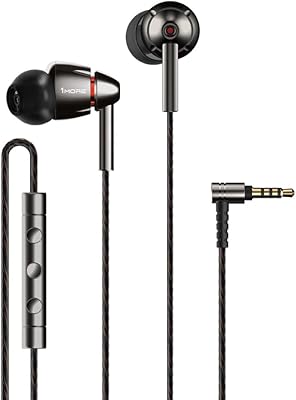
1MORE Quad Driver (E1010)
80%
91%
Sound Quality
83%
Bass Performance
87%
Treble Clarity
89%
Soundstage & Imaging
88%
Build Quality
More
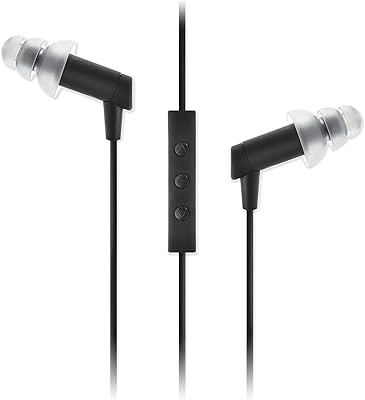
Etymotic HF3 Noise-Isolating In-Ear Earphones
76%
93%
Noise Isolation
91%
Sound Accuracy
67%
Fit & Comfort
92%
Passive Isolation Without Battery
62%
Cable Durability
More
Kinboofi KZ AS16 In-Ear Monitor Earphones
84%
94%
Sound Quality
89%
Build Quality
78%
Comfort & Fit
85%
Cable Durability
91%
Frequency Range
More
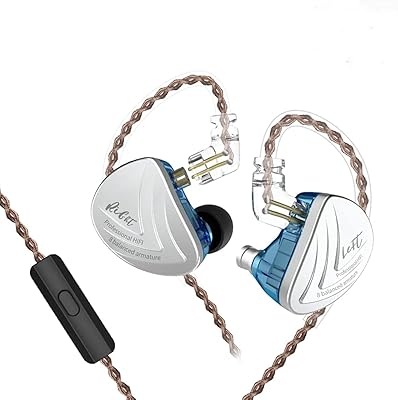
SIMGOT EW200 In-Ear Earphones
80%
88%
Sound Quality
91%
Build Quality
72%
Comfort & Fit
89%
Value for Money
78%
Cable Quality
More
7Hz x Crinacle Zero:2
78%
93%
Sound Tuning & Tonal Balance
79%
Bass Performance
91%
Midrange Clarity
83%
Treble & Detail Retrieval
76%
Soundstage & Imaging
More
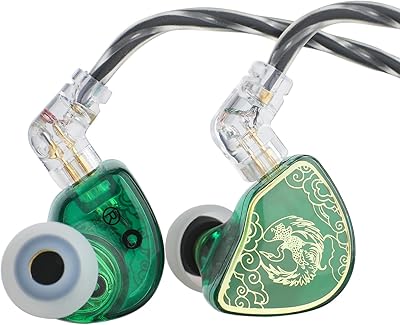
Linsoul KZ ZSX 5BA+1DD Hybrid In-Ear Earphones
85%
92%
Sound Quality
88%
Comfort & Fit
89%
Build Quality
90%
Noise Isolation
85%
Cable Durability & Customization
More
TANGZU Wan'er S.G Dynamic Driver In-Ear Earphones
75%
83%
Sound Quality
91%
Value for Money
78%
Comfort & Fit
67%
Build Quality
54%
Cable Quality
More

FAQ

No, you don't. The Zero's 32-ohm impedance and high sensitivity mean it gets plenty loud from a phone or laptop headphone jack without any extra hardware. A DAC or amp can improve the experience if you already own one, but it's not a requirement.

Yes, the cable detaches via a standard 0.78mm 2-pin connector, which is widely used across the IEM market. You'll find plenty of replacement and upgrade cables available from various audio accessory brands without spending much.

The difference is fairly immediate. The midrange is noticeably cleaner, vocals sit more naturally in the mix, and there's much less of the muddiness that budget bundled earbuds often have. Bass is present but controlled rather than exaggerated.

If you occasionally need to take calls while out, the mic version handles that fine. Just don't expect it to perform like a dedicated headset microphone — voice pickup is adequate for casual conversations but not great in noisy environments or for recording purposes.

Absolutely, and many users do. The nozzle size is fairly standard, though it's worth double-checking compatibility before buying, since sizing can vary slightly between brands. Foam tips in particular are a popular swap for people who struggle with silicone tips.

The tuning leans neutral with a slight warmth, which works well across acoustic, jazz, classical, and vocal-heavy music. It's less exciting for listeners who specifically enjoy heavy bass in EDM or hip-hop, where a more V-shaped earphone would feel more engaging.

No, the Zero is wired only and uses a standard 3.5mm jack. There is no Bluetooth or wireless variant. If wireless connectivity is important to your daily use, you'd need to look at a different product entirely.

The stainless steel faceplate handles daily handling reasonably well, and the plastic shell feels solid enough for regular commuting. The main vulnerability is the stock cable, which feels thinner than ideal — some users replace it proactively rather than waiting for it to fail.

Not directly. You'd need a USB-C to 3.5mm adapter, which many phone manufacturers sell separately or bundle with their devices. A basic adapter works fine here since the Zero doesn't demand a particularly powerful output.

For walking and casual movement, the fit is generally stable. That said, this budget IEM isn't designed with sport or fitness use in mind, and the wired cable adds some movement noise during more active activity. It's better suited to stationary or low-movement listening.

Where to Buy