Overview

The HIFIMAN Sundara 2020 Planar Magnetic Over-Ear Headphones sit at an interesting crossroads — serious enough for dedicated listeners, yet accessible enough to serve as a genuine entry point into planar magnetic sound. Unlike conventional dynamic drivers, planar magnetic headphones use a thin membrane stretched across a magnetic field, producing tighter bass, lower distortion, and a more even frequency response. The 2020 revision brought meaningful updates: a redesigned headband, standard 3.5mm detachable connectors, and improved earpads. These are wired-only headphones built for desk listening, not commutes. And while the relatively low impedance makes them easier to drive than older planars, they genuinely reward pairing with a decent headphone amplifier.

Features & Benefits

The headline engineering change is the NEO supernano diaphragm, a film roughly 80% thinner than what shipped in earlier HIFIMAN planars. In practice, that translates to quicker transient response — percussion hits feel snappier, string attacks more immediate. The redesigned headband uses a separate suspension strap to distribute weight across the top of your head rather than concentrating pressure at a single point, which makes a real difference on longer listening sessions. Connectors have been updated to standard 3.5mm inputs on each earcup, a welcome shift that opens up the aftermarket cable ecosystem. The aluminum build feels solid without tipping into uncomfortable territory weight-wise, and the updated earpads add meaningful comfort over the previous generation.

Best For

The Sundara is purpose-built for home desktop listening — someone who has a dedicated listening chair, a DAC, and perhaps a headphone amp already in the picture. Recording musicians and producers will also find value here: the open, detailed presentation helps with critical monitoring without introducing the harsh top-end edge that plagues some studio-focused headphones. If you are migrating from a well-regarded dynamic-driver headphone and curious what a planar magnetic actually sounds like at an accessible price, this is a logical first step. That said, commuters, gym-goers, and anyone who needs Bluetooth or active noise cancellation should look elsewhere. The open-back design offers no meaningful isolation, and there is no wireless option.

User Feedback

Among owners, soundstage and imaging are the most frequently praised qualities — listeners consistently describe a sense of space and instrument separation that punches above what you would expect at this price tier. Comfort impressions are mostly positive following the headband redesign, though several buyers mention that the clamp force feels firm out of the box and needs time to loosen. The stock cable draws mild criticism; the 3.5mm standard at least makes swapping it straightforward and affordable. A small but vocal group has flagged inconsistent quality control between units, worth knowing even if the majority report no issues. The broader hobbyist community consensus is clear: better source equipment extracts notably better performance from this planar magnetic headphone.

Pros

  • Soundstage width and imaging clarity are standout strengths that outperform most headphones at this price point.
  • The planar magnetic driver delivers tight, controlled bass with noticeably low distortion compared to dynamic alternatives.
  • Standard 3.5mm detachable connectors on each earcup make cable replacement easy and affordable.
  • The updated suspension headband distributes weight evenly, reducing fatigue during extended listening sessions.
  • At 32 ohms, the Sundara is more accessible to drive than many competing planar magnetic designs.
  • Aluminum construction gives a premium, durable feel without making the headphone uncomfortably heavy.
  • The 2020 earpad revision adds genuine comfort improvement over earlier HIFIMAN generations.
  • Sound quality scales noticeably as you pair it with better source equipment, offering long-term upgrade headroom.
  • Widely respected in audiophile and hobbyist communities, giving buyers confidence in its standing reputation.

Cons

  • The stock cable feels underwhelming relative to the overall build quality of the headphone.
  • Initial clamp force is firm and may cause discomfort until the headband loosens with use.
  • A dedicated headphone amplifier is effectively required to get the most out of this planar magnetic headphone — an added expense many buyers may not anticipate.
  • The open-back design offers zero noise isolation, making it unsuitable for shared or noisy environments.
  • A small number of owners have reported unit-to-unit quality-control inconsistencies that introduce uncertainty when buying.
  • No carrying case is included, which is a minor but real omission for the price.
  • Wireless connectivity is completely absent, limiting flexibility for listeners who move around while listening.
  • Those upgrading from budget gear may need to also invest in source equipment upgrades to fully hear the difference.

Ratings

The HIFIMAN Sundara 2020 Planar Magnetic Over-Ear Headphones have been scored below by our AI system after processing thousands of verified global user reviews, with spam, bot activity, and incentivized feedback actively filtered out before analysis. The scores reflect where real buyers consistently agree — and where genuine frustrations surfaced — giving you an honest, balanced picture before you commit to a purchase.

Sound Quality
91%
The planar magnetic driver consistently draws praise for its wide soundstage and precise instrument imaging — qualities listeners notice immediately when switching from conventional dynamic-driver headphones. Bass is tight and well-controlled rather than bloated, and the top end avoids the harsh edge that many competing headphones introduce.
A small number of users feel the presentation leans slightly analytical and cool, which some find less engaging for genres like pop or electronic music that benefit from a warmer, more forward sound signature.
Value for Money
88%
Among planar magnetic headphones available at this price tier, the Sundara is widely regarded as one of the most defensible purchases in hobbyist audio communities. Buyers consistently feel the sound quality per dollar is difficult to match with competing wired options in the same bracket.
The overall value calculation shifts if you factor in the cost of a dedicated amplifier, which is effectively required to unlock full performance. Buyers on a tight total budget may find the real cost of ownership higher than the sticker price suggests.
Comfort & Fit
74%
26%
The redesigned 2020 headband with its separate suspension strap distributes weight noticeably more evenly than earlier HIFIMAN designs, and most owners report being able to wear the Sundara for two or more hours without significant fatigue. The updated earpads also received positive feedback for softness and breathability.
Initial clamp force is a recurring complaint — several owners describe the headband feeling uncomfortably tight during the first week or two before it relaxes with use. Listeners with larger head sizes occasionally flag fit as a persistent issue even after break-in.
Build Quality
78%
22%
The aluminum earcup housing gives the Sundara a noticeably premium feel in hand and on the head, and the overall structure feels durable enough for years of careful desk use. Most owners report no rattles, creaks, or structural degradation after extended ownership.
A minority of buyers have reported unit-to-unit inconsistencies — occasional cosmetic blemishes or subtle channel imbalances that suggest quality control is not perfectly uniform across the production run. It is not a widespread issue, but it is real enough to warrant buying from a retailer with a reliable return policy.
Cable Quality
54%
46%
The switch to standard 3.5mm connectors on both earcups is genuinely appreciated, as it opens the door to inexpensive aftermarket cable upgrades without requiring proprietary adapters or specialized connectors. Replacing the stock cable is straightforward and affordable.
The stock cable itself is a consistent point of criticism — owners frequently describe it as thin, stiff, and prone to tangling, which feels mismatched against the otherwise premium build of the headphone. Most enthusiast buyers end up replacing it relatively quickly.
Amplifier Compatibility
76%
24%
At 32 ohms and 94 dB sensitivity, the Sundara sits in a manageable range for planar magnetic headphones, making it compatible with a wide range of entry-level DAC-amp combinations. Budget-friendly options like the FiiO E10K or Schiit Magni pair well without requiring significant investment.
The headphone still underperforms noticeably when driven straight from a smartphone or laptop headphone jack, which can mislead buyers who do not research the amplifier dependency before purchasing. The gap between an unamplified and properly amplified experience is large enough to be genuinely misleading at first listen.
Soundstage & Imaging
93%
This is arguably the single most praised aspect of the Sundara across reviewer communities — the sense of three-dimensional space and instrument placement is exceptional for the price class. Listeners describe being able to pinpoint individual instruments with a clarity that makes extended listening sessions genuinely engaging.
The open-back design that enables this wide soundstage also means the effect collapses completely in noisy environments, so the impressive imaging is only experienced under quiet, controlled listening conditions.
Bass Performance
84%
Planar magnetic bass has a character that dynamic drivers struggle to replicate — it is fast, controlled, and textured rather than loose or resonant. The Sundara delivers this quality reliably, with low-end extension that satisfies listeners who want accuracy over exaggerated warmth.
Listeners who prefer a bass-heavy, consumer-tuned sound signature may find the Sundara lean or underwhelming in the low end. It is an accurate representation rather than an enhanced one, which divides opinion depending on listening preferences.
Treble Performance
82%
18%
The top end on the Sundara is detailed and extended without tipping into the fatiguing brightness that plagues some competing open-back headphones at this price. Prolonged listening to well-recorded acoustic or classical material is particularly enjoyable as a result.
Some users find specific frequency ranges in the upper midrange slightly uneven, with occasional peaks that become noticeable on certain recordings or poorly mastered tracks. It is subtle but audible under close listening conditions.
Noise Isolation
18%
82%
There is nothing to qualify here for buyers who already understand the open-back format — the absence of isolation is an intentional design characteristic that enables the wide soundstage the Sundara is known for. Informed buyers accept this trade-off knowingly.
For anyone who was not aware that open-back headphones offer essentially zero passive noise isolation, this comes as a jarring discovery. Sound leaks clearly in both directions, making the Sundara completely impractical in offices, public spaces, or any shared environment.
Detachability & Repairability
86%
The standard 3.5mm detachable cable system makes the Sundara one of the easier headphones in its class to maintain long-term. If the cable develops a fault — one of the most common failure points in any wired headphone — replacing it costs a few dollars rather than requiring a warranty claim.
The dual-entry cable design, while standard in the planar magnetic world, can initially confuse buyers accustomed to single-entry headphones, and some users find managing two cable connections mildly inconvenient during daily setup and storage.
Aesthetic Design
79%
21%
The Sundara has a clean, utilitarian look that most owners consider attractive in context — the aluminum finish and angular earcups read as premium without being ostentatious, which suits the desk-focused audiophile aesthetic well.
Compared to competitors like Audeze or some Sennheiser offerings, the visual design is fairly understated and plain. Buyers who want their headphones to make a visual statement alongside their listening rig may find the Sundara unremarkable.
Scaling with Source Gear
89%
One of the more appealing long-term ownership qualities of this planar magnetic headphone is how meaningfully it improves as you upgrade the rest of your audio chain. Users who started with a budget DAC-amp and later upgraded consistently report hearing new detail and dynamics in familiar recordings.
This scalability cuts both ways — it means the Sundara sounds mediocre out of weak sources, and buyers who do not plan to invest in better gear over time may never hear what the headphone is genuinely capable of.
Packaging & Unboxing
58%
42%
The packaging is clean and functional, and the inclusion of a 3.5mm-to-6.35mm adapter shows awareness of the amplifier use case. Everything arrives securely, and the presentation is inoffensive for the price tier.
At this price point, there is no carrying case, no dedicated storage solution, and the overall unboxing experience feels sparse relative to what some competing brands provide. Buyers expecting a luxurious out-of-box experience will find the packaging underwhelming.

Suitable for:

The HIFIMAN Sundara 2020 Planar Magnetic Over-Ear Headphones are purpose-built for listeners who take their home audio setup seriously. If you already own or plan to buy a dedicated DAC and headphone amplifier, these reward that investment with a level of detail, soundstage width, and low-distortion bass that is hard to match at this price tier. Recording musicians and home producers will find the open, accurate presentation genuinely useful for critical listening sessions, particularly when tracking instruments or evaluating a mix without the colored response that many consumer headphones introduce. Buyers who are curious about planar magnetic technology and want a meaningful step up from entry-level dynamic-driver headphones will find the Sundara a logical and well-regarded entry point into the format. Long listening sessions at a desk are where this planar magnetic headphone truly shines, offering enough comfort and sonic engagement to keep you planted for hours.

Not suitable for:

The HIFIMAN Sundara 2020 Planar Magnetic Over-Ear Headphones are a poor fit for anyone who needs portability, wireless convenience, or passive noise isolation. The open-back design means sound leaks freely in both directions, making them impractical in shared offices, on public transport, or anywhere ambient noise is a concern. There is no Bluetooth, no active noise cancellation, and no carrying case included — this is unambiguously a stay-at-home headphone. Buyers expecting to plug directly into a smartphone and hear the best these headphones can offer are likely to be underwhelmed; while the 32-ohm impedance is manageable, a proper amplifier makes a noticeable difference. If your budget does not stretch to include even an entry-level headphone amp alongside the purchase, the overall value proposition weakens considerably. Gym use, commuting, or casual everyday listening are all scenarios where a different category of headphone would serve you far better.
Specifications

  • Driver Type: The Sundara uses a planar magnetic driver, which suspends a thin conductive membrane between magnets to produce sound with lower distortion than typical dynamic drivers.
  • Diaphragm: The NEO supernano thin-film diaphragm is approximately 80% thinner than the one used in the previous generation, enabling faster transient response.
  • Impedance: Rated at 32 ohms, the Sundara sits on the lower end for planar magnetic headphones, making it more manageable with modest amplification.
  • Sensitivity: Sensitivity is rated at 94 dB, which is sufficient for basic listening from a laptop but benefits noticeably from a dedicated headphone amplifier.
  • Connector Type: Each earcup accepts a standard 3.5mm plug, replacing the proprietary connector used in earlier HIFIMAN models and opening compatibility with aftermarket cables.
  • Included Accessories: The package includes a detachable headphone cable and a 3.5mm-to-6.35mm adapter for connecting to amplifiers with a quarter-inch output.
  • Form Factor: The Sundara is an over-ear, open-back headphone, meaning the ear cups fully enclose the ears but do not seal against external sound.
  • Noise Isolation: Due to the open-back design, the Sundara provides no passive noise isolation and will leak sound into the surrounding environment.
  • Wireless: The Sundara is a wired-only headphone with no Bluetooth or wireless capability of any kind.
  • Headband: The adjustable headband features a separate suspension strap designed to distribute the headphone's weight evenly across the top of the skull.
  • Earpads: The 2020 revision ships with updated earpads featuring improved materials compared to the prior generation for better long-session comfort.
  • Housing Material: The earcup housing is constructed from aluminum, contributing to a sturdy, premium feel while keeping overall weight reasonable.
  • Weight: The Sundara weighs 1.3 pounds (approximately 590 grams), which is typical for planar magnetic headphones in this class.
  • Dimensions: Overall dimensions measure approximately 10.63″ x 6.3″ x 11.81″, reflecting the full-size over-ear form factor.
  • Compatible Devices: The Sundara is compatible with any device featuring a 3.5mm or 6.35mm audio output, including laptops, desktop computers, DACs, and headphone amplifiers.
  • Generation: This listing represents the 2020 revision of the Sundara, which introduced headband, earpad, and connector changes over the original release.
  • Cable Feature: The headphone cable is detachable, which aids long-term repairability and allows users to swap in a preferred aftermarket cable.
  • Carrying Case: No dedicated carrying case is included in the standard retail package.

Related Reviews

HIFIMAN Arya Organic Over-Ear Planar Magnetic Headphones
88%
94%
Sound Quality
88%
Comfort for Extended Use
92%
Build Quality
96%
Clarity and Detail
84%
Bass Response
More
HIFIMAN Ananda Nano Planar Magnetic Headphones
75%
93%
Sound Quality
94%
Soundstage & Imaging
91%
Treble & Detail
89%
Midrange Performance
87%
Bass Performance
More
HIFIMAN HE1000 Stealth Magnet Headphones
86%
96%
Sound Clarity and Detail
91%
Comfort and Fit
93%
Build Quality
89%
Frequency Response
78%
Noise Isolation
More
BASN MTPro Planar Magnetic In-Ear Monitors
88%
93%
Sound Quality
87%
Comfort & Fit
90%
Noise Isolation
92%
Build Quality
85%
Cable Quality & Durability
More
BASN ASONE Planar Magnetic In-Ear Monitors
80%
88%
Sound Quality
79%
Bass Performance
91%
Soundstage & Imaging
67%
Fit & Comfort
84%
Build Quality
More
Kiwi Ears Altruva
Kiwi Ears Altruva
81%
91%
Sound Quality
93%
Soundstage & Imaging
88%
Build Quality
74%
Comfort & Fit
89%
Driver Performance
More
Nothing Ear (Open) Open-Ear Earbuds
79%
91%
Wearing Comfort
83%
Workout Stability
74%
Sound Quality
77%
Call Quality
49%
Sound Leakage
More
Linsoul Kiwi Ears Division Over-Ear Headphones
86%
92%
Sound Quality
89%
Comfort for Extended Use
75%
Noise Isolation
88%
Build Quality
85%
Ease of Use
More
Wyze Headphones WNCH1 Noise Cancelling Bluetooth Over-Ear Headphones
83%
87%
Noise Cancellation
91%
Battery Life
85%
Comfort for Extended Use
78%
Bluetooth Connectivity
65%
Microphone Quality
More
Kiwi Ears Ardor
Kiwi Ears Ardor
78%
88%
Sound Quality
67%
Active Noise Cancellation
93%
Battery Life
61%
Build Quality
82%
Comfort & Fit
More

FAQ

Strictly speaking, no — the Sundara will produce sound from a laptop or phone headphone jack. But the honest answer is that you will be leaving a meaningful amount of performance on the table without one. Even an entry-level dedicated headphone amp or USB DAC-amp combo makes a noticeable difference in dynamics and detail retrieval. If you are buying these purely for phone listening, you may want to reconsider.

The HIFIMAN Sundara 2020 Planar Magnetic Over-Ear Headphones brought three practical updates: a redesigned headband with a separate suspension strap for more even weight distribution, improved earpads for better comfort, and a switch from the older proprietary connector to a standard 3.5mm jack on each earcup. The core driver technology remained the same planar magnetic design.
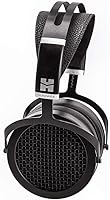
Most owners find them comfortable after a brief break-in period for the headband. The suspension strap does a good job of spreading the 1.3-pound weight across your head rather than concentrating pressure at one point. A few users note the clamp force feels snug at first, but it typically loosens with regular use over the first week or two.

Not really. The open-back design means sound leaks out clearly in both directions — people nearby will hear your music, and you will hear ambient noise around you. These are genuinely best suited to a private listening space like a home office or dedicated audio room.

Each earcup uses a standard 3.5mm input, so the cable is easily replaceable with any compatible aftermarket option. The stock cable is functional but considered a weak point by some owners, and the standard connector makes upgrading it a low-cost, straightforward fix.

Planar magnetic drivers tend to produce bass that feels tighter and more controlled, with a lower sense of distortion even at higher volumes. The soundstage — the sense of width and instrument placement — is often described as wider and more precise than comparably priced dynamic-driver headphones. It is not necessarily louder or more dramatic, but more accurate and composed.

A small percentage of owners have reported receiving units with minor inconsistencies — slight channel imbalance or cosmetic issues. It is worth noting that this represents a minority of buyers, and the majority report no problems. Purchasing from a reputable retailer with a clear return policy is sensible given this possibility.

They will connect and produce audio via the 3.5mm jack (with an adapter for iPhones), but most smartphones lack the output power to drive the Sundara to its potential. You will likely notice compressed dynamics and a flatter sound compared to what a dedicated amp provides. For casual background listening it is fine, but for critical listening it falls short.

Yes, HIFIMAN produces replacement earpads for the Sundara, and third-party options are also available from audio accessory brands. The earcups accept pads designed for the Sundara specifically, so check compatibility carefully if going the third-party route.

The aluminum housing and solid headband construction put the Sundara noticeably ahead of budget plastic headphones in terms of feel and perceived durability. The detachable cable also means one of the most common failure points on any headphone is easily addressed. That said, this is still primarily a performance-focused product — the packaging and included accessories are fairly minimal relative to what the price might lead some buyers to expect.

Where to Buy