Overview

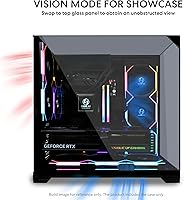
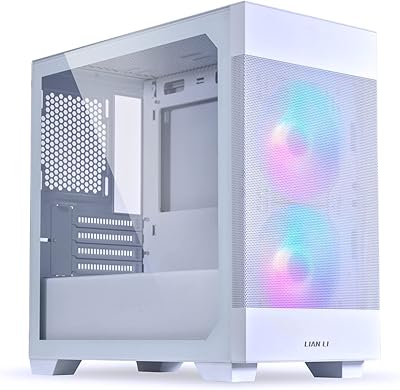
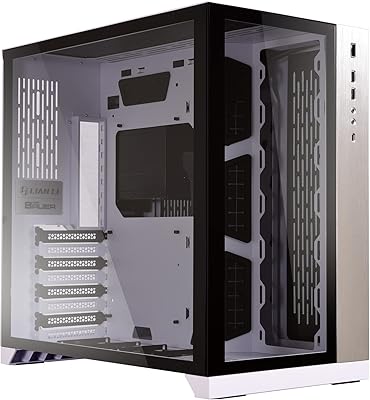
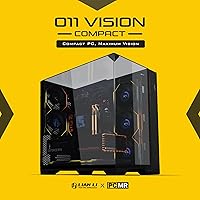
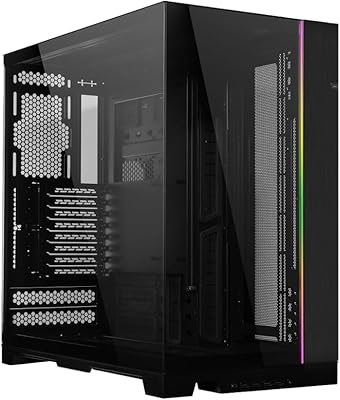
The Lian Li O11 Vision Compact arrived in late 2024 as one of the more visually ambitious mid-tower cases in its price bracket — triple tempered glass panels on the front, top, and left side make clear this chassis was built to show off a finished build, not hide it. Developed in collaboration with the PCMasterRace community, this mid-tower build carries real enthusiast DNA. What separates it from similar glass-heavy competitors is its back-connect motherboard support, which reflects where the high-end DIY market is heading. At its price point, it sits firmly in the upper-mid tier, going head-to-head with showcase-oriented cases from Fractal, Corsair, and be quiet!
Features & Benefits

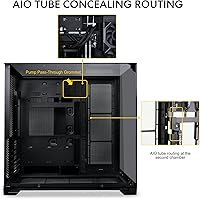
The dual-chamber design is probably the most practical thing this Lian Li case offers — when mounting an AIO on the side, the tubing routes into the second chamber and stays completely out of sight. That alone saves builders the frustration of working around visible hose runs. The top panel accepts a full 360mm radiator, so there is real thermal headroom for demanding CPUs. Motherboard support runs from Mini-ITX to Extended ATX, and the PSU mounts at the bottom behind a shroud. The front I/O covers two USB 3.0 and two USB 2.0 ports — workable for most setups. SECC steel construction keeps the chassis feeling solid without pushing the weight to uncomfortable levels.

Best For

The O11 Vision Compact was clearly designed with a specific type of builder in mind. If you are going all-in on a back-connect motherboard — Asus BTF, MSI Project Zero, or similar — this is one of the few cases that actually anticipates your needs rather than just tolerating them. It also suits anyone who treats their PC as part of their desk setup, not just a box under it. Streamers, content creators, and builders running a 360mm AIO will get the most out of what it offers. Those upgrading from an older O11 Dynamic who want something slightly smaller without sacrificing the signature glass-forward look will find this a natural next step.

User Feedback

With over 800 ratings and a 4.7-star average earned within months of launch, the reception for this Lian Li case has been genuinely strong. Buyers consistently highlight glass panel quality and the hidden-tubing chamber, calling it one of the cleaner-looking builds they have put together. That said, a portion of users note that cable management can get tricky if you are not running a back-connect board — standard ATX builds demand more patience to keep tidy. A few buyers also wished the front I/O placement sat lower on the chassis. Compared to the O11 Dynamic, most reviewers see this as the better-looking option, though some feel the Dynamic allows slightly more flexibility for unconventional cooling layouts.

Pros

  • Triple tempered glass on three sides makes finished builds look display-ready straight out of the box.
  • The dual-chamber design hides AIO tubing completely, eliminating one of the most common aesthetic frustrations in liquid-cooled builds.
  • Back-connect motherboard support is genuinely well-implemented, not just a checkbox feature.
  • 360mm top radiator support gives high-TDP CPU builds real thermal headroom without layout compromises.
  • SECC steel construction feels solid and premium — panels do not flex or rattle during handling.
  • Broad motherboard support from Mini-ITX to Extended ATX adds flexibility across future build cycles.
  • The bottom PSU shroud keeps power supplies fully hidden, which matters when three sides are glass.
  • Over 800 verified ratings with a 4.7-star average signals strong real-world satisfaction for a recently launched case.
  • The PCMasterRace collaboration backing reflects genuine community input rather than pure marketing positioning.

Cons

  • No front USB-C port is a notable omission for a case launched in late 2024.
  • Standard ATX builders without back-connect motherboards will struggle to match the clean look this case promises.
  • Front I/O placement sits too high on the chassis for comfortable daily use at normal desk height.
  • Internal volume is more constrained than the O11 Dynamic, which can cause fitment issues with large component combinations.
  • Top mesh panel provides zero noise dampening — high fan speeds are clearly audible in quiet environments.
  • Only available in black at launch, limiting options for builders planning a white or light-themed build.
  • Rear cable management channels are adequate but not generous, and thick modular PSU cables can make panel reinstallation awkward.
  • The case's value proposition weakens significantly if you are not using a 360mm AIO and a back-connect board together.

Ratings

The Lian Li O11 Vision Compact has been put through its paces by builders worldwide, and our AI-driven scoring system has combed through hundreds of verified purchase reviews — actively filtering out incentivized submissions and bot patterns — to produce the balanced breakdown below. Scores reflect real ownership experiences across a range of build types, from entry-level glass showcases to high-end back-connect setups. Where this mid-tower build shines and where it frustrates are both represented here without spin.
Build Quality
91%
The SECC steel frame feels planted and rigid during installation — panel flex is minimal even when handling the chassis solo. Buyers consistently note that the tempered glass panels arrive without scratches or visible distortion, which is not always guaranteed at this price tier.
A handful of users reported that the top mesh panel feels slightly less premium than the rest of the chassis, with a few noting minor flex when pressing down. At 26.4 pounds, some builders also found the overall weight harder to manage on a desk without a second pair of hands.
Aesthetic Design
94%
Triple tempered glass coverage across the front, top, and left side creates one of the most visually open interiors available in a mid-tower. Builders who run RGB lighting report that the glass quality amplifies light diffusion in a way that photographs and streams extremely well.
The all-black exterior, while clean, may feel limiting for builders who prefer a white or neutral colorway. There is no white variant at launch, and some buyers noted the dark tinted panels slightly mute RGB output compared to clearer alternatives from competing brands.
Back-Connect Motherboard Support
89%
For builders committing to Asus BTF, MSI Project Zero, or similar back-connect platforms, this case is one of the most thoughtfully designed options available. The interior layout anticipates the absence of traditional cabling, so the main chamber looks genuinely clean without any extra effort.
Builders running conventional ATX motherboards without back-connect find the cable management less intuitive than in cases explicitly designed for standard routing. The case is clearly optimized for one ecosystem, and those outside it may need to put in extra work to achieve a presentable finish.
Cooling Performance
86%
The top mesh panel comfortably handles a 360mm AIO, which gives high-TDP CPU builds real thermal headroom without layout compromises. The dual-chamber design also reduces warm air recirculation by physically separating the AIO tubing path from the main component area.
Air cooling configurations get less obvious support — the mesh area is concentrated at the top, which may not suit all fan layouts equally. A few builders noted that without a high static-pressure fan setup, airflow through the front glass panel is more restricted than expected.
Cable Management
74%
26%
Back-connect motherboard users report an almost effortlessly clean build once the board is seated — the second chamber hides AIO tubing naturally and the main chamber stays nearly wire-free. For this specific use case, the routing experience is genuinely among the best in class.
Standard motherboard builders face a more frustrating experience. The cable routing channels behind the motherboard tray are adequate but not generous, and a few buyers with high-modular PSUs noted that thick cable bundles made rear panel reinstallation tighter than expected.
AIO Compatibility
88%
360mm radiator support at the top is executed cleanly, with enough clearance for most modern pump heads and thick radiators. Builders using popular AIO units from Corsair, NZXT, and Arctic confirmed solid fitment without requiring fan trimming or bracket modifications.
Side-mounted AIO routing, while visually elegant through the hidden-tubing chamber, requires precise planning during the build. Some users found the tubing path slightly constrained depending on the AIO brand, and longer tube lengths are recommended to avoid stress on fittings.
Motherboard Compatibility Range
83%
Supporting everything from Mini-ITX through Extended ATX gives this Lian Li case flexibility that outlasts a single build cycle. Builders who repurpose cases across multiple upgrades appreciate not being locked into one board size, particularly when moving between ATX and Micro-ATX.
Extended ATX support exists on paper, but some users with larger EATX boards reported that GPU clearance and cable reach became tighter than ideal. The compact in the name is real — this chassis has less interior volume than the standard O11 Dynamic, which matters for large component combinations.
Front I/O Usability
67%
33%
Two USB 3.0 ports cover the daily needs of most users — plugging in drives, peripherals, or a headset without reaching around the back. The port placement is clean and flush with the chassis exterior.
The front I/O position drew consistent criticism from users who prefer lower placement on the front panel. Buyers with the case on a desk at standard height found the ports awkward to reach without looking. The absence of a USB-C port also stood out as a notable gap for a 2024 case at this price level.
Glass Panel Durability
79%
21%
All three tempered glass panels are solid and arrived intact for the vast majority of buyers. The mounting system uses thumbscrews that feel secure without requiring tools, making panel removal and reinstallation reasonably straightforward during cleaning or part swaps.
A small but consistent group of reviewers mentioned that the front glass panel, because of its size and positioning, is prone to visible fingerprints and smudging during the build process. Microfiber cloth access is limited in certain spots, making touch-up cleaning slightly tedious.
PSU Mounting & Shroud
82%
18%
The bottom-mounted PSU with a full shroud keeps power supplies completely out of sight, which matters a lot in a case where the interior is on display from three angles. Modular PSU installs are clean and the shroud design does not interfere with airflow beneath the GPU.
PSU length limits were flagged by a few builders running extended modular units. Very long PSUs can make cable routing behind the shroud more cramped than expected, and accessing the shroud area post-build for cable adjustments requires more disassembly than some users anticipated.
Value for Money
77%
23%
For a glass-heavy enthusiast case with back-connect support and a dual-chamber layout, the price sits at a reasonable point compared to direct competitors. Builders who fully leverage the back-connect and AIO features tend to feel the price is well justified.
Buyers using the case with a conventional motherboard and no 360mm AIO are essentially paying for features they cannot use — which makes the price feel harder to justify in those configurations. Compared to the O11 Dynamic, which offers more internal flexibility at a lower cost, the value case depends heavily on your specific build plan.
Packaging & Unboxing
81%
19%
Glass panels arrived individually wrapped and protected in foam cutouts for the majority of buyers, with no reported widespread shipping damage. The unboxing experience felt considered, which matters when buying a glass-heavy case online without inspecting it in person.
A few buyers noted that smaller included accessories — standoffs, screws, and documentation — were loosely organized in a single bag rather than sorted by type. It is a minor complaint but adds friction during a build that already has enough steps to track.
Noise Dampening
61%
39%
The SECC steel construction absorbs some resonance from fans and spinning drives, and the sealed glass panels help contain fan noise at moderate RPMs. Builders running low-RPM fan curves in a quiet environment found the case reasonably unobtrusive.
This is not a case designed for silence. The top mesh panel, while great for cooling, offers no acoustic buffering at all. Builders running high-speed fans for thermal performance will find the case amplifies that noise rather than containing it — something buyers expecting a quiet build should weigh carefully.
Upgrade & Modding Flexibility
71%
29%
The broad motherboard support and 360mm cooling headroom give this mid-tower build reasonable future-proofing for standard upgrade cycles. Swapping GPU or CPU generations should be straightforward without needing to change cases.
The case is optimized tightly around one aesthetic and one build philosophy. Builders who like to experiment with unconventional cooling layouts, vertical GPU mounts, or custom water-cooling loops with multiple radiators will find the interior constraints more limiting than the O11 Dynamic or larger full-tower alternatives.

Suitable for:

The Lian Li O11 Vision Compact was built with a very specific kind of builder in mind, and if you fit that profile, it is hard to argue against it. This is the case for someone who has already committed — or is about to commit — to a back-connect motherboard platform like Asus BTF or MSI Project Zero, where the whole point is a pristine, cable-free main chamber. Pair that with a 360mm AIO and a set of RGB components, and this mid-tower build delivers one of the cleanest finished interiors available at its price point. It is equally well-suited for streamers and creators who keep their rig on the desk as part of their setup, since the triple glass coverage means every camera angle shows something worth looking at. Upgraders coming from an older O11 Dynamic who want a more compact chassis without abandoning the O11 aesthetic will also find the transition natural and rewarding.
Not suitable for:

The Lian Li O11 Vision Compact is a case built around a specific vision, and buyers who fall outside that vision will likely feel they are paying for features they cannot fully use. If you are running a conventional ATX motherboard with standard front-routed cables, expect a more laborious build process — the interior layout rewards back-connect setups and is noticeably less forgiving for traditional cable runs. Builders who prioritize silence over aesthetics should also think twice, since the top mesh panel does nothing to dampen fan noise, and the all-glass construction offers no acoustic isolation to speak of. Anyone planning an elaborate custom water-cooling loop with multiple radiators may find the compact interior dimensions restrictive compared to the standard O11 Dynamic or a full-tower alternative. Finally, if a front USB-C port is part of your daily workflow, its absence here is a genuine functional gap that is hard to overlook on a 2024 case at this price tier.
Specifications

  • Case Type: Mid-tower form factor designed for standard desktop builds with enthusiast-oriented interior space.
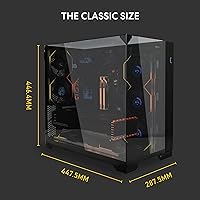
  • Dimensions: The chassis measures 17.6 x 11.3 x 17.57 inches (L x W x H), placing it in the compact end of the mid-tower segment.
  • Weight: The case ships at 26.4 pounds, reflecting the combined mass of SECC steel construction and three tempered glass panels.
  • Materials: Primary construction uses SECC (Steel Electrogalvanized Cold-rolled Coil) steel for the frame, with tempered glass used for the front, top, and left side panels.
  • Motherboard Support: Compatible with Mini-ITX, Micro-ATX, standard ATX, and Extended ATX motherboards, including back-connect variants from Asus BTF and MSI Project Zero platforms.
  • Glass Panels: Three tempered glass panels are included — one each on the front, top, and left side — providing wide interior visibility from multiple angles.
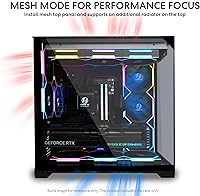
  • Cooling Support: The top panel accommodates radiators up to 360mm for AIO liquid cooling, and the case also supports air cooling configurations.
  • PSU Mount: Power supply mounts at the bottom of the chassis behind a full shroud, keeping it hidden from the glass-facing interior view.
  • Front I/O: The front panel includes two USB 2.0 ports and two USB 3.0 ports; no USB-C port is present on this model.
  • Dual Chamber: An internal second chamber separates AIO tubing from the main component area, concealing hose runs when the radiator is mounted on the side.
  • Top Mesh Panel: A removable mesh panel on the top supports radiator and fan mounting while promoting airflow through the chassis.
  • Color: Available in black (model O11VPX); no white or alternative colorways were offered at launch.
  • Model Number: The official model identifier is O11VPX, used for warranty registration, spare parts sourcing, and retailer lookup.
  • Community Collab: Developed in collaboration with the PCMasterRace community, reflecting direct input from the enthusiast builder audience the case targets.
  • Amazon Ranking: Holds the number 2 position in the Computer Cases category on Amazon, with a 4.7-star average across over 800 verified ratings as of late 2024.

Related Reviews
Lian Li O11 Dynamic EVO XL Full Tower Case
86%
95%
Cooling Performance
92%
Build Quality
91%
Customization Options
89%
Ease of Cable Management
94%
Airflow Design
More
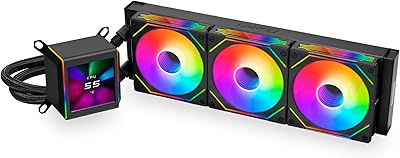
Lian Li GA II LCD 360MM AIO
88%
92%
Cooling Performance
88%
Noise Level
90%
Ease of Installation
94%
Customizability of LCD Screen
89%
RGB Effects and Aesthetics
More
Lian Li SP750 White SFX Power Supply
84%
92%
Power Efficiency
88%
Noise Level
90%
Build Quality
91%
Modular Cable Management
85%
Compactness for Small Builds
More
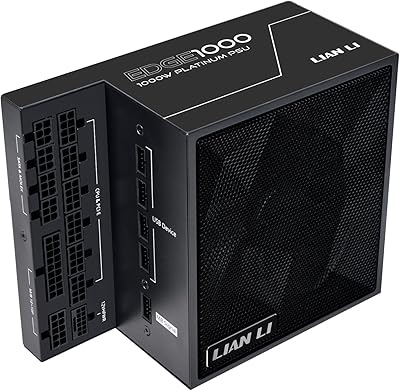
Lian Li EDGE 1000W Platinum Power Supply
89%
94%
Performance
97%
Energy Efficiency
90%
Build Quality
89%
Cooling Performance
92%
Modular Design
More
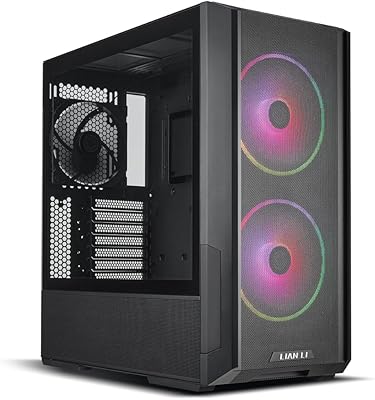
Lian Li LANCOOL 207 Digital ATX Case
85%
92%
Cooling Performance
88%
Build Quality
85%
Ease of Setup
89%
Cable Management
78%
LCD Screen Functionality
More
Lian Li LANCOOL 205M MESH Micro ATX Case
84%
91%
Cooling & Airflow
88%
Build Quality
84%
Ease of Installation
90%
Cable Management
86%
Aesthetics & RGB Features
More
Lian Li SP850 White 850W SFX Power Supply
86%
93%
Performance
91%
Energy Efficiency
88%
Build Quality
90%
Modular Design & Cable Management
89%
Compatibility with High-End GPUs
More
Lian Li LANCOOL 216 E-ATX PC Case
86%
94%
Cooling Performance
92%
Airflow Design
89%
Cable Management
85%
Ease of Installation
91%
GPU Compatibility
More
Lian Li A3-mATX-WD Micro ATX Case
85%
88%
Build Quality
91%
Cooling Performance
85%
Modularity & Customization
92%
Aesthetic Appeal
89%
Airflow Efficiency
More
Lian Li Lancool III RGB White Mid-Tower Case
88%
94%
Cooling Performance
88%
Build Quality
92%
Design and Aesthetics
85%
Ease of Installation
91%
Airflow Optimization
More

FAQ

It works with standard ATX motherboards just fine — the back-connect support is an added feature, not a requirement. That said, the interior layout is clearly optimized for back-connect builds. If you are using a conventional board, cable management will take more effort to keep things looking tidy through the glass panels.

Yes, a 360mm radiator mounts at the top of the case using the mesh panel area. Most popular 360mm AIOs from Corsair, NZXT, and Arctic fit without modification. Just double-check your specific AIO pump head clearance against the top of your motherboard before committing.

When the radiator is mounted on the side rather than the top, the tubing runs into the second internal chamber rather than cutting across the main component bay. This keeps the visible interior clean and tube-free, which is the whole point of the design. It is one of the more practically useful features in the O11 Vision Compact and a genuine differentiator from standard single-chamber cases.

Not at launch. The case currently ships only in black. If a white version becomes available it would likely be released as a separate SKU, so keep an eye on Lian Li's product pages if that matters to your build theme.

The overall build process is manageable, but this is not the most beginner-friendly case on the market. The dual-chamber layout adds planning steps, particularly for AIO routing, and the cable management behind the motherboard tray can get snug with thicker cables. If you are newer to building, leaving extra time and watching a build video specific to this chassis beforehand is a good idea.

No, and this is one of the more commonly raised criticisms from buyers. The front I/O is limited to two USB 3.0 and two USB 2.0 ports. For a case released in late 2024, the omission of USB-C is a real gap — especially if you regularly plug in modern peripherals or smartphones at the front.

The O11 Dynamic offers more internal volume and tends to be more flexible for unconventional cooling layouts or very large component combinations. This mid-tower build trades some of that spaciousness for a more refined aesthetic and back-connect support. If you are planning a straightforward ATX build without back-connect, the Dynamic is worth comparing directly before deciding.

Yes, the panels use thumbscrews and are designed to come off without tools. The process is reasonably quick once you have done it a couple of times. The front glass panel in particular tends to collect fingerprints during the build, so having easy access for cleaning is useful in practice.

It depends on the specific unit. Most standard ATX power supplies fit without issue, but some longer modular PSUs can make cable routing behind the shroud tighter than expected. If your PSU exceeds around 180mm in length, it is worth checking community build logs or the official compatibility notes before purchasing.

Honestly, it is a harder sell in that scenario. The back-connect support and hidden-tubing chamber are the two features that justify the price premium over simpler glass cases. If you are running a conventional build and mainly want the look, there are competing options at lower price points that deliver similar visual results without charging for features you will not use.