Overview

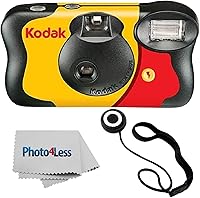
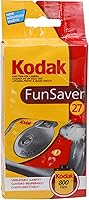
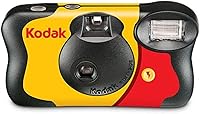
The Kodak Fun Saver 27-Exposure Single-Use Camera is essentially a throwback done right — a compact, no-fuss film camera that taps into the renewed appetite for analog photography without asking you to learn anything complicated. Film has been quietly making a comeback, especially among people in their teens and twenties who grew up on digital and are now drawn to something more tactile and unpredictable. With 27 exposures on a standard 35mm roll, you get enough shots to cover a full day out without feeling like you are rationing frames. The included hand strap is a small but thoughtful touch that keeps the camera accessible and secure during active use.
Features & Benefits

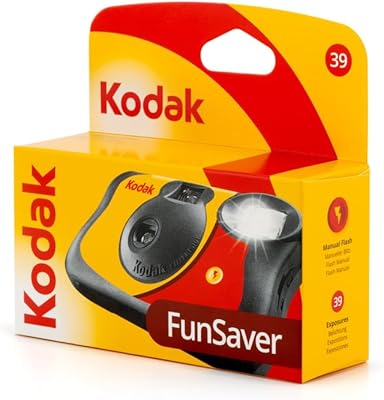
The built-in flash is one of the most practically useful things about this disposable camera — it handles indoor parties and dimly lit venues reasonably well, though it does have its limits in very dark spaces. The camera itself weighs just five ounces and fits in a jacket pocket, so carrying it around all day never becomes a burden. What the 35mm film format gives you is a certain quality that no phone filter can fake: real grain, real light leaks, real imperfections that somehow make photos feel more alive. Having the AA battery already inside means you can pick it up and start shooting immediately, no setup required.

Best For

This single-use film camera makes the most sense for people heading into situations where pulling out a phone feels risky or just wrong — concerts, beach days, festivals, or anywhere a dropped or stolen device would ruin your week. It also works surprisingly well as a gift for beginners who are curious about film but not ready to invest in a proper reusable camera and developing gear. Travelers who want a lightweight analog option alongside their main camera will find it practical. And honestly, anyone who still gets a little excited about picking up a packet of developed prints from the drugstore will enjoy the whole experience.

User Feedback

People who buy the Kodak Fun Saver tend to love the authentic analog look of the photos — the warmth, the grain, the slightly unpredictable exposure feel genuinely different from anything a smartphone produces. The fun factor is real too; buyers frequently mention using it at weddings and parties where it became a shared object rather than a personal device. That said, a common frustration is that film development costs are an ongoing expense that can add up quickly and are not reflected in the purchase price. Flash range gets flagged occasionally in very dark environments, and image consistency under mixed lighting can vary. For buyers who factor in the total cost, it remains a satisfying purchase.

Pros

  • The warm, grainy 35mm film look is genuinely distinctive and cannot be replicated with a phone filter.
  • Ready to shoot out of the box — battery included, no setup required.
  • At just five ounces, this disposable camera is light enough to forget it is in your pocket.
  • The built-in flash handles indoor parties and casual low-light situations reasonably well.
  • 27 exposures is enough for a full day out without feeling like you are constantly rationing shots.
  • The hand strap keeps the camera secure during active or outdoor use without needing a case.
  • A great low-commitment gift for curious beginners who have never tried film photography.
  • Eliminates phone anxiety at events — no worrying about theft, drops, or a dead battery.
  • The anticipation of developing physical prints adds a fun, old-school dimension to the experience.

Cons

  • Film development costs are an ongoing expense not included in the purchase price and can add up fast.
  • Only 27 exposures per camera — once the roll is done, you need to buy another unit entirely.
  • Flash range is limited and struggles in genuinely dark venues beyond a few feet.
  • Image sharpness and exposure consistency can vary noticeably depending on lighting conditions.
  • No way to review, delete, or reshoot a bad frame — every shot is a permanent commitment.
  • The single-use format generates plastic waste, which is a concern for environmentally conscious buyers.
  • No control over exposure, focus, or any camera settings whatsoever.
  • Total cost per photo becomes significant once you include lab development and scanning fees.
  • Not a practical option for anyone who needs their images quickly or digitally without extra steps.

Ratings

Our AI scoring system analyzed thousands of verified global buyer reviews for the Kodak Fun Saver 27-Exposure Single-Use Camera, actively filtering out incentivized, bot-generated, and spam feedback to surface what real users consistently experienced. The scores below reflect an honest synthesis of both the genuine strengths that keep buyers coming back and the recurring pain points that caused frustration — nothing is glossed over.

Analog Image Quality
74%
26%
Buyers who embraced the analog aesthetic were consistently delighted by the warm tones, natural grain, and organic feel of the developed photos. At outdoor events and in good daylight, the results carry a character that phone cameras simply do not replicate, and many users described their prints as looking genuinely artistic without any editing.
Image sharpness is inconsistent, particularly in mixed or artificial lighting where exposures can come out muddy or flat. Buyers expecting digital-level clarity were frequently disappointed, and quality can vary noticeably from shot to shot even within the same roll.
Flash Performance
61%
39%
The built-in flash works reliably for close-range indoor shots — think birthday parties, table settings, or small group photos within about six to eight feet. Users appreciated that it activated easily and did not require any technical knowledge to operate.
In genuinely dark venues like concert halls or nightclubs, the flash struggles to reach subjects beyond a short distance, leaving backgrounds underexposed and murky. Several buyers noted that flash photos at events often looked washed out on faces while the surroundings remained dark.
Ease of Use
93%
This single-use film camera is about as simple as a camera can get — advance the film, aim, and press the shutter. First-time film users and children picked it up without any instruction, and the included battery means there is zero setup between unboxing and the first shot.
The film advance wheel can feel stiff for some users, especially younger children or those unfamiliar with disposable cameras. A handful of buyers also reported accidentally wasting a frame or two before understanding the winding mechanism.
Value for Money
58%
42%
The upfront purchase price is reasonable for a branded, ready-to-shoot film experience that includes a hand strap and a pre-installed battery. For a one-off event or a casual gift, many buyers felt the cost was justified by the fun and novelty factor.
Once you factor in the separate cost of film development and scanning, the total investment per usable photo becomes considerably higher than it initially appears. Buyers who purchased multiple cameras for an event reported that the cumulative development fees significantly affected their overall satisfaction with the value proposition.
Portability & Size
91%
At just five ounces and small enough to drop into a jacket pocket, the Kodak Fun Saver is one of the most genuinely pocketable cameras available. Festival-goers and travelers consistently praised how unobtrusive it was to carry throughout a full day.
The compact plastic casing does not feel particularly rugged, and a few buyers noted minor cosmetic damage after carrying it loosely in a bag alongside other items. It is light, but that lightness comes with a build that feels somewhat fragile if handled carelessly.
Build Quality
63%
37%
The camera holds together well under normal use, and the shutter mechanism felt consistent and responsive for most buyers throughout the full 27-exposure roll. Kodak has refined this basic form factor over many years, and it shows in the reliability of the core shooting mechanics.
The outer casing is thin plastic that can crack or dent with even moderate impact, and the overall construction makes it feel more fragile than its price suggests. Several buyers who dropped the camera even from low heights reported visible damage that raised concerns about whether the film inside survived unharmed.
Flash Usability
69%
31%
Activating the flash is intuitive — a single button charges it in a few seconds, and a small indicator light lets you know when it is ready. Users appreciated not having to navigate any menus or settings to get the flash working at an indoor event.
The flash charge time can feel slow when you are trying to capture spontaneous moments, and there is no automatic mode — you have to remember to activate it manually each time. A number of buyers missed shots in dimly lit settings because they forgot to pre-charge the flash before the moment passed.
Film Development Access
55%
45%
35mm film remains widely supported, and buyers in most cities reported being able to find development services at pharmacies, dedicated labs, or through mail-in options without much difficulty. The format is well-established enough that sourcing development is not a major obstacle.
Availability varies significantly by location, and buyers in smaller towns or rural areas reported having to rely entirely on mail-in services with turnaround times of one to two weeks. The lack of any development option bundled into the purchase was a recurring frustration, particularly for gift recipients who were unfamiliar with the process.
Gifting Appeal
88%
This single-use film camera consistently ranked among the most positively received gifts in buyer reviews, particularly for teens, young adults, and anyone with a nostalgic connection to analog photography. The novelty factor and the anticipation of developing physical prints made it a memorable and conversation-starting present.
Without a note explaining the development process and its associated costs, gift recipients were sometimes confused about what to do after finishing the roll. A few buyers mentioned that the gift felt incomplete without including a prepaid development mailer or a heads-up about lab options.
Exposure Count
71%
29%
27 exposures is enough to cover a full day at a festival, a wedding reception, or a weekend trip without running out partway through. Most buyers felt it hit a reasonable balance between having enough shots and being pushed to be more intentional about what they photographed.
For longer events or multi-day trips, a single camera does not stretch far enough, and buying additional units multiplies both the upfront cost and the subsequent development fees. A few buyers wished the camera came with a higher exposure count, especially given the per-unit investment.
Packaging & Unboxing
77%
23%
The camera arrives in clean, recognizable Kodak packaging that felt appropriate for a gift context — no excessive plastic waste, and the product itself is accessible immediately without fiddly packaging. Several buyers noted that the presentation added to the retro charm of the overall experience.
The packaging is functional rather than premium, and buyers expecting a polished unboxing experience for a gift were occasionally let down by how basic it felt. There is no instruction card included for first-time film users, which left some buyers uncertain about how to operate the flash or advance the film correctly.
Hand Strap Utility
72%
28%
The included hand strap was more useful than buyers initially expected, particularly at crowded outdoor events where keeping both hands free was impractical. It added a layer of security that prevented the camera from slipping out of hand during active moments.
The strap material feels thin and basic, and a few buyers noted it was not adjustable enough to fit comfortably over bulkier clothing. It functions adequately but does not feel like a well-engineered accessory — more of an afterthought than a deliberate design feature.

Suitable for:

The Kodak Fun Saver 27-Exposure Single-Use Camera is a genuinely smart pick for anyone who wants to engage with film photography without any learning curve or upfront gear investment. It works especially well for festival-goers, concert attendees, and travelers who would rather not risk an expensive phone or mirrorless camera in crowded, unpredictable environments. Teens and young adults discovering analog photography for the first time will find it an approachable and low-stakes entry point — you shoot, you develop, you see what you get. It also makes a thoughtful and genuinely fun gift, particularly for people who appreciate the tactile ritual of physical photos over endlessly scrolling through a camera roll. Anyone who enjoys the anticipation of waiting for developed prints, rather than reviewing shots instantly, will find the whole experience surprisingly rewarding.
Not suitable for:

The Kodak Fun Saver 27-Exposure Single-Use Camera is not the right choice for buyers who need consistent, high-resolution images or who shoot primarily in very dark environments where flash range falls short. If you are planning to document something important — a wedding, a professional event, or any occasion where retakes matter — a single-use camera with 27 fixed exposures is a risky primary tool. The ongoing cost of film development is a real financial consideration that many buyers underestimate; once you factor in lab fees, the total cost per usable photo climbs quickly. People who prefer instant digital feedback, who want to zoom, or who expect smartphone-level sharpness in every frame will likely come away disappointed. This single-use film camera is also not ideal for anyone who wants to experiment with different films, lenses, or manual settings, since none of those options exist here.
Specifications

  • Brand: Manufactured and distributed by Kodak, one of the most recognized names in film photography.
  • Model: This camera is the Kodak Fun Saver, a long-running single-use camera model designed for casual everyday shooting.
  • Film Format: Uses standard 35mm color film, which is widely compatible with most photo development labs and mail-in services.
  • Exposures: Each camera comes pre-loaded with 27 exposures, giving you one full roll of film per unit.
  • Flash: A built-in flash is included and is suitable for indoor and close-range low-light shooting up to approximately 4 to 10 feet.
  • Battery: Powered by one AA battery, which is included in the box and pre-installed at the factory.
  • Body Type: Single-use disposable construction; the camera is not designed to be reloaded or reused after the roll is finished.
  • Weight: The camera weighs 5 ounces, making it light enough to carry in a pocket or small bag without any noticeable bulk.
  • Dimensions: Package measures 5.31 x 3.31 x 2.17 inches, compact enough to fit in most jacket pockets or small purses.
  • Accessories: Comes with a hand strap included in the kit, designed to keep the camera secure during active use.
  • Use Environment: Rated for both indoor and outdoor use under normal daylight and flash-assisted conditions.
  • Film Color: The pre-loaded film produces color photographs with the warm tones and grain characteristic of 35mm analog film.
  • UPC: The product UPC is 657701055053, useful for retail identification and gift registry purposes.
  • Availability: This product has been available for purchase since June 2021 and is sold as a single unit per order.
  • Category Rank: Currently ranked among the top 35 products in the Single-Use Film Cameras category on Amazon.

Related Reviews
Kodak Fun Saver Single-Use Camera with Flash
74%
94%
Ease of Use
67%
Image Quality
71%
Flash Performance
72%
Value for Money
58%
Film Development Experience
More
Kodak Weekend Underwater Disposable Camera
85%
91%
Ease of Use
88%
Waterproof Performance
92%
Portability
78%
Image Quality
85%
Durability in Water
More
KODAK PIXPRO WPZ2 Waterproof Digital Camera
72%
88%
Waterproof Performance
83%
Build & Durability
71%
Image Quality (Outdoors)
47%
Image Quality (Low Light)
69%
Video Quality
More
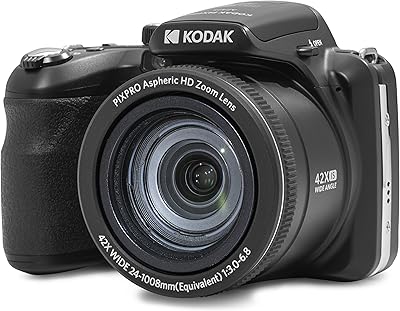
KODAK PIXPRO AZ255 Digital Camera
78%
92%
Value for Money
89%
Ease of Use
85%
Zoom Performance
80%
Image Stabilization
78%
Video Quality
More
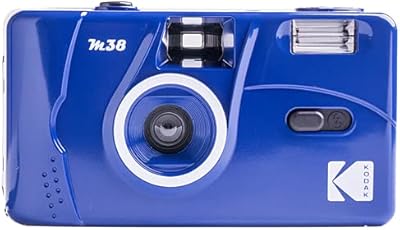
Kodak M38 35mm Film Camera
76%
93%
Ease of Use
81%
Value for Money
74%
Image Quality
78%
Flash Performance
62%
Build Quality
More
Kodak Pixpro C1
Kodak Pixpro C1
73%
72%
Image Quality (Daylight)
47%
Low-Light Performance
88%
Flip Screen Usability
83%
Waterproofing & Durability
69%
Video Quality
More
Kodak PIXPRO FZ45
Kodak PIXPRO FZ45
72%
93%
Ease of Use
78%
Daylight Image Quality
41%
Low-Light Performance
72%
Zoom Range & Optical Quality
69%
Video Quality
More
Kodak PRINTOMATIC Instant Print Camera
78%
93%
Ease of Use
61%
Print Quality
74%
Value for Money
88%
Portability & Size
63%
Build Quality & Durability
More
Kodak Smile Classic Digital Instant Camera
69%
63%
Print Quality
71%
Bluetooth Connectivity
58%
Value for Money
67%
Build Quality & Design
84%
Print Size
More
Kodak Pixpro AZ405
Kodak Pixpro AZ405
72%
91%
Optical Zoom Range
78%
Image Quality in Good Light
52%
Low-Light Performance
74%
Optical Image Stabilization
67%
Video Quality
More

FAQ

It comes fully ready to shoot right out of the box. The AA battery is already installed at the factory, so there is nothing to set up — just advance the film and start taking pictures.

Most pharmacies like CVS and Walgreens still offer film development services, as do dedicated photo labs and a growing number of mail-in services. Prices and turnaround times vary, but mail-in labs often give you the best scan quality if you want digital copies alongside your prints.

Development costs are separate from the camera purchase and can range anywhere from around ten dollars for basic prints to over twenty dollars when you add high-resolution scanning. It is worth factoring this into your total budget before buying, especially if you plan to use multiple cameras.

On most disposable cameras of this type, the flash is manually activated rather than always-on, so you can simply choose not to press the flash charge button before taking a shot. That said, in dim lighting the images may come out underexposed without it.

You get exactly 27 exposures per camera — no more, no less. Once the roll is finished, the entire unit goes to the lab for processing and cannot be reloaded with new film.

It is quite kid-friendly given how simple it is to operate — no settings, no screen, just point and shoot. The hand strap also helps prevent drops. Younger children will need a little guidance on advancing the film wheel and using the flash button, but overall it is one of the more approachable cameras out there.

Exposing the film to direct light before development will ruin some or all of your photos, so it is important not to open the camera casing. Always hand the entire intact unit to your developer rather than trying to remove the film yourself.

Expect a soft, grainy look that is characteristic of 35mm film rather than the crisp clarity of a modern digital camera. This aesthetic is a feature for many buyers, but if you need sharp, high-detail images, a digital camera or smartphone will serve you better.

Film is sensitive to X-ray radiation, and high-powered scanners can damage it. For domestic travel, standard carry-on X-ray is generally low enough to be safe for ISO 400 or lower film, but it is always safer to request a hand inspection from TSA, especially for multiple cameras.

It is actually one of the best options for a first-time film experience precisely because there is nothing to learn. You do not need to understand exposure settings, focus distances, or film loading — all of that is handled for you. Just make sure the recipient knows upfront that developing the photos will be a separate cost and step.

Where to Buy