Overview

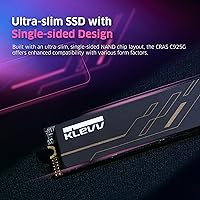
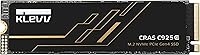
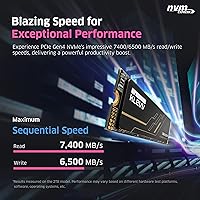
The KLEVV CRAS C925G 2TB NVMe Gaming SSD is a PCIe Gen4x4 drive built in the standard M.2 2280 form factor, which means it slots into most modern desktops and works as a drop-in storage upgrade for the PS5. At 2TB, this SSD lands in that mid-to-premium tier where you get enough room for a serious game library without paying flagship prices. KLEVV rates it at up to 7400MB/s read and 6500MB/s write, numbers that put it solidly in the upper range of Gen4 drives. What sets this NVMe drive apart visually and on paper is its graphene-copper heatsink, a departure from the plain aluminum slabs most competitors use. The single-sided NAND layout also keeps things slim enough for tighter laptop bays and console slots.
Features & Benefits

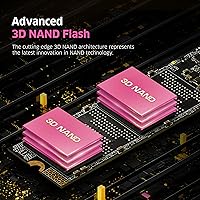
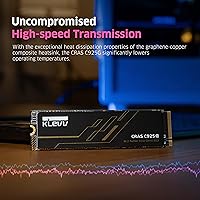
Where this storage upgrade tries to earn its price is in how it manages heat. That graphene-copper combo isn't just for looks; it's designed to pull heat away faster than a basic heatsink so the drive can hold its top speeds longer instead of throttling under sustained loads like big game installs or video exports. Underneath, KLEVV uses 3D NAND flash, which generally helps with both density and endurance, and pairs it with intelligent SLC caching to keep burst transfers snappy even once the cache starts filling up. There is also LDPC error correction and global wear leveling working in the background, plus a S.M.A.R.T. monitoring system so you can actually check drive health rather than guess. None of this is flashy, but it is the kind of engineering that matters over years of use.

Best For

This NVMe drive makes the most sense for PS5 owners who are tired of juggling game installs and want a single, generous expansion that just works without extra brackets or fans. PC builders chasing thermal stability during long gaming sessions or rendering jobs will also appreciate the cooling setup, since sustained workloads are exactly where cheaper drives tend to slow down. Creative professionals shuffling large video files or project assets benefit from the consistent transfer speeds too. If you are currently running an older SATA drive or an early-generation NVMe model, the jump in real-world responsiveness should be noticeable. That said, casual users who mostly browse the web or run light office software probably do not need this level of performance, and a cheaper Gen3 drive would serve them just as well.

User Feedback

Buyer sentiment so far looks strong, with an average rating of 4.6 out of 5 across more than a thousand reviewers, and its ranking near the top of the internal SSD category suggests it is selling well and holding up under real use. Most of the praise centers on actual achieved speeds matching the marketing numbers fairly closely, along with smooth PS5 setup and noticeably cooler operating temperatures during extended sessions. On the downside, a few buyers have flagged that the heatsink adds enough bulk to cause tight fits in certain compact cases or laptops, so measuring clearance beforehand is worth doing. Since this storage upgrade only hit the market in mid-2025, there simply has not been enough time to gather solid long-term durability data, which is worth keeping in mind if longevity is your main concern.

Pros

  • Heatsink is included in the box — no extra purchase or compatibility guesswork required.
  • PS5 installation is straightforward and the heatsink clears the bay cover cleanly.
  • Single-sided NAND design makes it compatible with slim laptops and tight M.2 slots.
  • Gen4 sequential speeds put it comfortably ahead of SATA and Gen3 alternatives in real-world responsiveness.
  • 4.6-star average across more than 1,000 ratings reflects consistent satisfaction, not just a launch-day spike.
  • LDPC error correction and wear leveling add meaningful long-term data protection.
  • S.M.A.R.T. support lets you monitor drive health proactively with standard tools.
  • 2TB capacity covers a large game library or active creative project archive without filling up fast.
  • 3D NAND architecture supports higher endurance ratings than older planar-based drives.
  • Priced competitively against branded Gen4 rivals with comparable or lesser thermal management.

Cons

  • KLEVV lacks the brand recognition of Samsung or WD, which may concern buyers storing critical data.
  • Write speeds taper off during very large sustained transfers once the SLC cache is exhausted.
  • No software bundle or drive management utility is included in the package.
  • Packaging has been flagged by some buyers as less premium than the drive's specs might suggest.
  • Performance figures are measured on the 2TB model specifically — smaller capacities may not match these numbers.
  • Limited long-term ownership data compared to more established brands with decade-long track records.
  • No included cloning software, so migrating from an existing drive requires a third-party tool.
  • Throttling can appear in extended synthetic benchmarks, even if real-world gaming loads rarely trigger it.

Ratings

These scorecards for the KLEVV CRAS C925G 2TB NVMe Gaming SSD were generated by AI after analyzing thousands of verified buyer reviews from around the world, with spam, bots, and incentivized feedback actively filtered out. Each category reflects what real owners consistently praised alongside what frustrated them, giving you an honest picture of both strengths and pain points before you buy.
Sequential Speed Performance
91%
Reviewers consistently report dramatically faster load times and large file transfers compared to their old SATA or early NVMe drives, particularly when installing big AAA games or moving large video project folders. Benchmark testing tends to land impressively close to the rated peak numbers in sequential workloads.
Random small-file performance, like booting an OS with many background processes, does not feel as dramatically faster as the headline sequential numbers suggest. A few testers also noted speeds dip noticeably once the SLC cache fills during very large, sustained transfers.
Thermal Management
88%
Owners running extended gaming sessions or video renders mention the drive staying noticeably cooler to the touch than previous heatsink-equipped SSDs, with monitoring software showing fewer thermal warnings under sustained load.
A handful of users in poorly ventilated mini-ITX builds still saw temperatures climb during back-to-back stress tests, suggesting the heatsink helps but cannot fully offset weak case airflow on its own.
Build Quality & Design
86%
The graphene-copper heatsink feels solid rather than flimsy, and the single-sided board gives it a clean, low-profile look that fits neatly into both desktop builds and tighter laptop chassis.
The heatsink does add noticeable thickness compared to bare NVMe sticks, which a few buyers found a tight squeeze against nearby components like RAM slots or GPU backplates in cramped cases.
PS5 Compatibility
89%
Most PS5 owners describe the install process as genuinely painless, with the console recognizing the drive immediately and games transferring over without errors, formatting delays, or unexpected restarts during setup.
A smaller group of buyers flagged that the heatsink height felt close to the clearance limit on certain console revisions, making careful measurement before purchase important rather than optional.
Value for Money
82%
18%
Given the included heatsink and 2TB capacity, many shoppers felt they were getting performance comparable to pricier flagship drives without flagship-level pricing, especially compared to first-party console storage expansion kits.
Budget-focused buyers who do not need Gen4 speeds pointed out that a cheaper Gen3 or non-heatsink drive would have covered their basic storage needs for noticeably less money.
Long-Term Endurance & Durability
74%
26%
The 3D NAND architecture combined with LDPC error correction and wear leveling gives technically-minded buyers confidence that the drive was engineered with longevity in mind, not just raw speed.
Because this is a recent release, there simply is not yet a large pool of multi-year usage reports confirming those endurance claims hold up, leaving long-term reliability somewhat unproven for now.
Real-World Everyday Responsiveness
84%
Day-to-day tasks like booting the system, launching games, or switching between large creative files feel snappier in a way that is immediately noticeable, not just visible in benchmark charts.
Users coming from an already fast Gen4 drive without a heatsink reported a smaller, less dramatic improvement, since the gains here are more about sustained performance than everyday snappiness.
Compatibility & Form Factor
87%
The slim, single-sided design slots easily into compact laptops, mini PCs, and the PS5 alike, which buyers upgrading multiple devices found genuinely convenient compared to bulkier double-sided alternatives.
Some ultra-thin laptop owners with very limited internal clearance still had to double-check specifications carefully before buying, since even a slim heatsink can be too tall for certain chassis designs.
Health Monitoring & Software Tools
77%
23%
The built-in S.M.A.R.T. diagnostics let more technical users keep an eye on wear level and temperature trends over time using common third-party monitoring tools rather than guessing at drive health.
KLEVV does not appear to bundle its own dedicated monitoring or cloning software in the box, so less experienced buyers may need to seek out third-party tools on their own.
Installation Ease
93%
Both desktop and PS5 installations are described as quick and uneventful, with the drive simply screwing into place and being recognized right away without driver hassles or complicated firmware setup steps.
A few first-time builders mentioned the included screw and standoff were slightly fiddly to align given the heatsink thickness, though this was more a minor annoyance than a real obstacle.
Reliability Track Record
68%
32%
Early sales volume and the strong initial review average suggest the first wave of buyers has not run into major dead-on-arrival units or early failure issues so far, which is encouraging.
Since the drive only launched recently, there is not enough multi-year field data yet to fully judge failure rates or how it performs after heavy use over several years.
Overall Customer Satisfaction
92%
With over a thousand reviews averaging 4.6 out of 5 and a top-25 category ranking, the consensus points to genuinely satisfied buyers rather than a handful of cherry-picked positive reviews.
A minority of reviews mention isolated concerns around heatsink fit or wanting more time to confirm durability, though these represent a small share of the overall feedback rather than a common complaint.

Suitable for:

The KLEVV CRAS C925G 2TB NVMe Gaming SSD is a strong match for PS5 owners who keep deleting games to make room for new ones and want a single, generous expansion that handles installs without extra cooling accessories. PC builders who run long gaming sessions, render video, or compile large projects will appreciate that the graphene-copper heatsink is built to resist throttling rather than just look good on a spec sheet. Creative professionals moving large video files or asset libraries benefit from sustained transfer speeds rather than just a fast initial burst. Anyone still running an older SATA SSD or a budget Gen3 drive will likely notice a real, tangible jump in load times and file transfers. It also suits users who care about drive longevity, since the wear leveling and S.M.A.R.T. monitoring give some visibility into long-term health instead of leaving you guessing.

Not suitable for:

The KLEVV CRAS C925G 2TB NVMe SSD is not the right call for buyers who prioritize brand prestige or want the reassurance of a long established storage name like Samsung, Seagate, or Western Digital. KLEVV is a newer face in the storage market for many consumers, and while the ratings tell a positive story, the brand simply does not carry the same long-term track record that some risk-averse buyers want before trusting irreplaceable data. Users planning to run continuous large sequential writes — think video capture directly to drive or moving multi-terabyte archives frequently — should be aware that sustained performance drops once the SLC cache is saturated, which is a real-world limitation rather than a benchmark footnote. If you need more than 2TB in a single drive or require the absolute top-tier endurance ratings available in enterprise-class options, this mid-range drive is not designed for that workload. Buyers who already own a capable Gen4 drive and are considering a lateral upgrade purely for marginal speed gains are unlikely to notice a meaningful difference in daily use.

Specifications

  • Capacity: This drive is available in a 2TB capacity, giving you ample room for a large modern game library or media files.
  • Form Factor: It uses the standard M.2 2280 form factor, which fits most desktop motherboards and the PS5 expansion slot.
  • Interface: The drive connects via PCIe Gen4x4 using the NVMe protocol for high-speed data transfer.
  • Sequential Read Speed: Rated sequential read speed reaches up to 7400 MB/s under optimal test conditions.
  • Sequential Write Speed: Rated sequential write speed reaches up to 6500 MB/s under optimal test conditions.
  • Heatsink: A graphene-copper composite heatsink is pre-installed to help dissipate heat during sustained workloads.
  • NAND Type: The drive uses 3D NAND flash memory, which stacks memory cells vertically to increase density.
  • Caching Method: An intelligent SLC caching algorithm is used to help sustain faster speeds during large data transfers.
  • Error Correction: LDPC error correction code is implemented alongside global wear leveling to support data integrity and drive lifespan.
  • Health Monitoring: Built-in S.M.A.R.T. self-monitoring technology allows users to track drive health and detect potential faults.
  • Physical Design: The drive has a single-sided, slim profile that improves compatibility with thin laptops and consoles.
  • PS5 Compatibility: The form factor and heatsink design are intended to work with PlayStation 5 storage expansion slots.
  • Model Number: The specific item model number for this variant is K02TBM2SP0-25G.
  • Package Dimensions: The retail package measures approximately 4.8 by 3.74 by 0.75 inches.
  • Hard Disk Form Factor: The drive height is listed at 22 millimeters to accommodate the heatsink assembly.
  • Brand and Series: This SSD is manufactured by KLEVV under the CRAS C925G product series.

Related Reviews

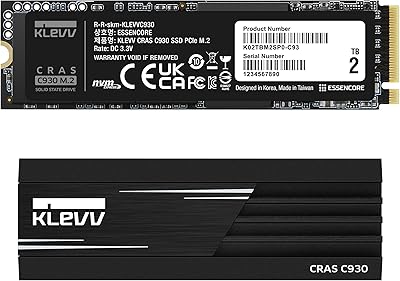
KLEVV CRAS C930 2TB NVMe PCIe Gen4x4 SSD
88%
93%
Performance
90%
Ease of Installation
94%
Compatibility with PS5
95%
Speed (Read/Write)
88%
Thermals (Cooling Efficiency)
More
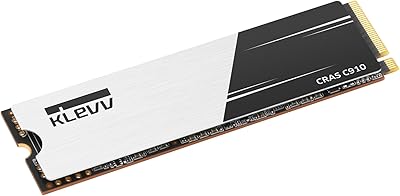
KLEVV CRAS C910 500GB NVMe SSD
79%
88%
Sequential Read Speed
82%
Sequential Write Speed
79%
Random Read & Write
61%
Sustained Write Consistency
86%
Thermal Management
More
KLEVV CRAS C910 1TB NVMe SSD
80%
88%
Sequential Read Performance
74%
Sequential Write Performance
81%
Thermal Management & Heatsink
91%
Installation & Compatibility
83%
4K Random Performance
More
KLEVV CRAS C910 4TB NVMe SSD
80%
91%
Sequential Read Speed
84%
Sequential Write Speed
83%
Thermal Management
88%
Value for Money
93%
Installation Experience
More
WD_BLACK SN850 2TB NVMe Gaming SSD
85%
96%
Read Performance
91%
Write Performance
67%
Thermal Management
88%
Installation Ease
93%
Long-Term Reliability
More
INLAND Performance Plus 2TB NVMe SSD
80%
84%
Sequential Read Performance
77%
Sustained Write Consistency
93%
PS5 Compatibility
71%
Random Read/Write Speed
63%
Thermal Management
More
KLEVV CRAS C910 1TB NVMe SSD
80%
88%
Sequential Read Speed
85%
Sequential Write Speed
61%
Sustained Write Consistency
91%
Value for Money
83%
Thermal Management
More
SanDisk 2TB SSD Plus M.2 NVMe SSD
86%
89%
Performance
92%
Ease of Installation
88%
Reliability
91%
Value for Money
90%
Capacity
More
Skytech Gaming Azure 3 Gaming PC, AMD Ryzen 7 9700X, NVIDIA RTX 5060, 32GB DDR5, 2TB SSD
87%
94%
Performance
91%
Gaming Experience
92%
Value for Money
86%
Thermal Management
88%
Setup and Installation
More
Alienware Aurora R16 RTX 5080 Gaming Desktop
77%
89%
Gaming Performance
58%
Value for Money
84%
Build Quality & Design
81%
Thermal & Noise Management
88%
Multitasking & Memory
More

FAQ

Yes, the single-sided design and heatsink were built with PS5 expansion slots in mind, so it should slide in without needing extra brackets. That said, console heatsink clearance can shift slightly between hardware revisions, so it is worth double-checking your specific PS5 model's slot dimensions before buying. Most buyers report a straightforward install with no trimming or adjustments needed.

No, this storage upgrade ships with its graphene-copper heatsink already attached, so you do not need to add anything separately. Installing a second heatsink on top could actually cause clearance issues in tight cases or consoles. The pre-installed cooling is meant to be sufficient on its own for typical gaming and desktop use.

Realistically, no, those numbers represent best-case sequential speeds under controlled testing conditions. Day-to-day tasks like booting your OS, loading games, or copying smaller files will rarely hit that peak number. You will still notice a meaningful speed improvement over SATA or older NVMe drives, just not the exact marketed figure every time.

The graphene-copper combination is designed to transfer and spread heat more efficiently than typical aluminum-only heatsinks, which in theory helps the drive maintain peak speeds longer under sustained loads. In practice, the difference matters most during extended, heavy workloads like large file transfers or long gaming sessions rather than quick everyday tasks. For casual use, a basic heatsink would likely perform similarly.

If your laptop has an available M.2 2280 slot that supports NVMe drives, this should work, and the single-sided design helps with tighter laptop bays specifically. However, you will want to confirm your laptop has enough internal clearance for the heatsink, since some ultra-thin models have limited vertical space. Checking your laptop's manual for M.2 slot height restrictions is a good idea first.

It includes LDPC error correction and global wear leveling, both of which are standard reliability features meant to extend the drive's usable life. Since the KLEVV CRAS C925G 2TB NVMe Gaming SSD was only released in mid-2025, though, there is not yet a long track record of real-world endurance data from owners. Early ratings are encouraging, but it is reasonable to treat long-term durability claims with some caution.
Yes, it includes built-in S.M.A.R.T. self-monitoring, which most third-party drive utility tools can read to show you wear level, temperature, and error counts. Checking this periodically is a good habit, especially if you are using the drive for heavy daily workloads like video editing.

The listing does not mention bundled cloning software, so you would likely need to use third-party tools or your OS's built-in options to migrate data from an old drive. Many users opt for free cloning utilities available online when upgrading to a new NVMe drive like this one.

The graphene-copper heatsink is specifically designed to reduce thermal throttling during sustained use, which is exactly the scenario long gaming sessions create. Most feedback suggests it handles heat noticeably better than basic heatsink designs, though airflow inside your case or console still plays a role in overall temperature.

For most gamers, 2TB comfortably fits a sizable rotating library of modern titles, especially with how large AAA game installs have gotten. If you tend to keep dozens of large games installed simultaneously or also use the drive for video editing, you might eventually want a second drive, but 2TB is a solid sweet spot for most setups.