Overview

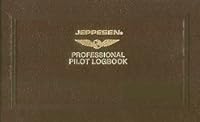
The Jeppesen Professional Pilot Logbook has been a fixture in cockpits and flight bags for decades, trusted by pilots at every stage of their careers. The dark brown leather-style soft cover gives it a polished look that reads as professional without being pretentious. With 256 pages of capacity, this aviation record book can carry a significant chunk of a flying career between its covers. Jeppesen’s standing in aviation — from approach plates to training materials — lends this logbook a credibility that generic alternatives simply can’t match. It sits in a price range that signals you take your logbook seriously.
Features & Benefits

The 12 x 9-inch format is one of the first things you notice — pages are roomy enough to write legibly through a long duty day without squinting at cramped columns. The ruled layout covers all the standard fields pilots need: aircraft type, departure and arrival airports, flight conditions, and total time. At 1.75 pounds, the Jeppesen logbook has some heft, but it tucks into a flight bag without drama. The column structure is broadly compatible with FAA and international standards, which matters when a chief pilot or designated examiner is flipping through your record. Nothing feels flimsy here, though the cover is leather-style rather than genuine hide.

Best For

Student pilots working toward their private or instrument rating will find this aviation record book sets a solid professional tone from day one — no small thing when you eventually hand it across a desk during a checkride. For commercial and ATP candidates, the clean format and authoritative Jeppesen branding can make a quiet but real impression during airline interviews. Flight instructors juggling endorsements and dual time across multiple aircraft types will appreciate the clear column structure. And for pilots who rely primarily on digital logging software, this pilot logbook makes a sensible, structured backup that holds up if an app goes dark or a sync fails.

User Feedback

Across more than 1,100 ratings, the Jeppesen logbook holds a 4.7-star average — strong by any measure and consistent with the praise pilots leave in their reviews. The most common compliment is how professional it looks during airline and checkride interviews; it reads as a serious document, not a spiral notebook. That said, a handful of reviewers note that the cover, while attractive, is leather-style rather than genuine leather, which is a fair observation at this price point. High-time pilots also flag that 256 pages fills quickly if you’re logging serious hours, making repeat purchases a routine part of a long career.

Pros

  • The Jeppesen name carries real weight in aviation circles, lending the logbook instant credibility at interviews and checkrides.
  • A 4.7-star average across more than 1,100 ratings reflects consistent, long-term satisfaction from working pilots.
  • The spacious 12 x 9-inch page format means entries stay legible even after a long, tiring duty day.
  • Column layout aligns with FAA standards and is broadly accepted by airlines and flight schools.
  • At 1.75 pounds, this pilot logbook has a solid feel without being a burden in a flight bag.
  • The dark brown cover looks polished and professional in formal aviation settings without appearing overdone.
  • 256 pages offer enough capacity for a meaningful stretch of a flying career in a single volume.
  • Repeat buyers are common, which says a lot about long-term trust in the product.
  • Works well as a structured paper backup for pilots who primarily log digitally.
  • Clean, intuitive column design requires no learning curve for pilots familiar with standard logbook formats.

Cons

  • The cover is leather-style, not genuine leather, which may disappoint buyers expecting premium material at this price.
  • 256 pages can fill surprisingly fast for pilots logging heavy commercial or instructional hours annually.
  • No built-in index, tab dividers, or reference pages for regulations or endorsement language.
  • The large format, while readable, makes this aviation record book less convenient to carry in smaller bags or backpacks.
  • There is no companion digital integration or QR-code backup feature for pilots wanting a hybrid logging solution.
  • Pilots outside the U.S. should double-check that the column layout meets their national authority’s specific logbook requirements.
  • Soft cover, while presentable, offers less structural protection than a hard-bound logbook during rough handling.
  • No waterproofing or moisture resistance on the cover, which is a practical concern in humid or wet flying environments.

Ratings

The scores below for the Jeppesen Professional Pilot Logbook were generated by our AI system after analyzing verified buyer reviews from multiple global markets, with spam, bot activity, and incentivized feedback actively filtered out. The result is a balanced picture that honestly reflects both what pilots love and where they've run into friction. Strengths and real pain points are weighted equally so you can make a clear-eyed decision.

Page Layout & Usability
93%
Pilots consistently describe the column structure as intuitive and immediately usable — no adjustment period required. The fields cover all the standard categories a working pilot needs, from aircraft type and conditions to departure and arrival points, and the spacing makes handwriting genuinely legible even after a tiring day of flying.
A small number of international pilots note that a few column categories lean heavily toward FAA conventions, which can create minor friction for those logging under different national authority frameworks. There is no flexibility to customize or rearrange columns for non-standard operations.
Professional Appearance
91%
This is one of the most praised aspects across thousands of reviews. Pilots heading into airline interviews and checkrides repeatedly mention that this aviation record book projects the right level of seriousness — the dark brown cover and clean internal layout read as authoritative without being flashy.
The professional impression does depend partly on how well the logbook is maintained over time, and the soft cover can show creasing or edge wear if it is carried loose in a crowded bag. A hard-bound version would hold its shape more reliably in those conditions.
Cover Build Quality
74%
26%
The leather-style soft cover holds its shape well under normal use and resists minor scuffs better than a paper or cardstock cover would. For day-to-day transport in a flight bag, most pilots find it more than adequate for years of use.
It is not genuine leather, and buyers who expect that from the look and price point are consistently disappointed. The material does not develop character or patina with age the way real hide would, and it offers limited structural rigidity if the book takes a knock in a packed bag.
Page Capacity
68%
32%
At 256 pages, this pilot logbook holds a meaningful stretch of a flying career in a single volume, which suits student pilots and low-to-moderate-hour private pilots very well. Most general aviation pilots get several years of comfortable use before needing a replacement copy.
High-time commercial pilots, airline first officers, and active flight instructors can burn through 256 pages in a year or less, making the capacity a recurring limitation. Several reviewers specifically flag this as a frustration, noting that frequent replacements chip away at the value proposition over a long career.
Value for Money
82%
18%
Relative to what the Jeppesen name represents in aviation and the overall quality of materials and layout, most buyers consider the price fair. The logbook feels like a considered purchase rather than an afterthought, and repeat buyers rarely switch to cheaper alternatives once they have used it.
Pilots who compare it strictly on a cost-per-page basis or who expected genuine leather at this tier tend to feel the value is slightly overstated. If you are filling multiple volumes per year, the cumulative cost does become a real budgeting consideration.
Page Quality
86%
The paper stock handles ballpoint and gel ink cleanly without significant bleed-through, which matters when entries on both sides of a page need to remain legible for official audits or inspector reviews. Pages feel substantial rather than flimsy when turning them.
Some pilots who use fine-tip fountain pens or certain felt-tip instruments report minor ink feathering on the page surface. The paper is functional rather than premium, and those with a preference for smoother writing stock may notice the difference.
Column Standardization
89%
The column headers match what most U.S. airlines, designated examiners, and flight schools expect to see, reducing the risk of needing to relog or annotate entries to meet external requirements. For FAA-based operations, this is as close to a plug-and-play solution as a physical logbook gets.
Pilots operating under EASA, CASA, or other international authorities may find certain column categories misaligned with their specific regulatory requirements. The layout is standardized for the U.S. market first, and international compatibility is secondary rather than guaranteed.
Portability
79%
21%
At 1.75 pounds and roughly the footprint of a standard notepad, this aviation record book fits naturally in most pilot flight bags alongside charts, headsets, and approach plates without dominating the available space. The weight feels reassuring rather than burdensome.
The 12 x 9-inch footprint is noticeably large for pilots who travel light with smaller sling bags or personal item carry-ons. Those who favor compact flight bags over traditional pilot cases may find the format a tighter fit than they would like.
Longevity of Cover
71%
29%
Under typical use — carried in a dedicated bag pocket and handled with reasonable care — the cover maintains a presentable appearance for the life of the logbook. It does not peel or crack under normal conditions, which is a baseline expectation at this price.
Without genuine leather’s natural resilience, the cover is more susceptible to moisture damage and deep scratching than pilots working in challenging outdoor environments might prefer. There is no waterproofing or protective coating, which is a gap for those flying floatplanes or operating in consistently humid climates.
Binding Durability
77%
23%
The binding holds up well through regular daily use and survives being opened flat repeatedly without showing signs of cracking or page separation that would compromise the integrity of the record. Most pilots complete the full 256 pages without any structural issues.
A small number of reviewers report binding wear toward the later pages of a heavily used volume, particularly when the logbook has been stored under weight or packed tightly. This is not a widespread complaint but worth monitoring if the book is going into rough daily conditions.
Ease of Entry
92%
The large page format makes filling out entries genuinely comfortable, even for pilots with larger handwriting or those logging in low-light cockpit conditions. Columns are wide enough to accommodate full airport identifiers, aircraft registrations, and routing notes without abbreviating everything into shorthand.
The large page format that makes writing easy also means the logbook lies flat and takes up significant desk or table space during entry sessions. Pilots who prefer to log on their knee or in a tight cockpit may find the size slightly awkward in the moment.
Brand Credibility
94%
Jeppesen’s standing in aviation is difficult to overstate — from approach plates to training manuals, the brand is woven into how professional pilots learn and operate. Carrying this pilot logbook into an interview or presenting it to an examiner signals familiarity with the tools of the trade.
Brand credibility alone does not overcome the product’s physical limitations for every buyer. Pilots who prioritize material quality or format flexibility over name recognition may find that the Jeppesen reputation is priced in at a premium that does not fully translate to product superiority in every category.
Repeat Purchase Rate
88%
The number of pilots who come back for a second or third copy is a meaningful indicator of genuine satisfaction. It suggests that even when the logbook runs out of pages, buyers are choosing to maintain continuity with the same format rather than exploring alternatives.
Repeat purchasing also reflects a lack of a higher-capacity alternative from the same brand rather than pure preference in every case. Some repeat buyers mention in reviews that they would switch to a larger-page-count version if one were offered at a comparable price.
Suitability for Student Pilots
91%
For students starting their first official flight record, adopting a format that is recognized, structured, and professionally presented from lesson one is a real long-term advantage. The layout teaches good logging habits early, and there is no need to transfer records to a more formal book later.
Students who are unsure whether they will continue beyond an initial discovery flight may find this a more substantial investment than a simpler introductory logbook warrants at that stage. The format is best suited to pilots with a clear commitment to progressing through ratings.
Digital Logbook Compatibility
58%
42%
As a physical backup or supplementary record alongside digital logging software, this aviation record book fills its role reliably. Its standardized layout makes manual entry straightforward, and having a paper record provides a contingency that purely digital pilots lack.
There is no built-in functionality to bridge the gap between paper and digital — no QR codes, no companion app, no scan-to-sync workflow. Pilots who rely heavily on digital tools will find this a purely analog solution with no native path to integrate their records without manual re-entry.

Suitable for:

The Jeppesen Professional Pilot Logbook is the right call for anyone who wants their flight record to look as serious as their career. Student pilots starting from zero will benefit from adopting an industry-recognized format early, since building clean, well-organized records from the first lesson pays dividends at every checkride down the road. Commercial candidates heading into airline interviews will appreciate that this pilot logbook carries visual credibility — a neat, structured record in a professional-looking book sends a signal without you having to say a word. Flight instructors who log dual time across dozens of students and aircraft types will find the spacious column layout keeps entries readable and auditable over years of use. It also works well for pilots who prefer a physical backup alongside digital tools, giving them a paper trail that doesn't depend on app updates, cloud syncs, or battery life.

Not suitable for:

Pilots who exclusively use digital logbook software and have no professional or regulatory need for a paper record will likely find this aviation record book sits unused on a shelf. The 256-page capacity, while generous for most, is a real limitation for high-time pilots logging hundreds of hours per year — those individuals should plan to cycle through multiple copies and factor that into the long-term cost. Anyone expecting genuine leather at this price point will be disappointed, as the cover is a leather-style material that looks the part but won’t develop the same patina or feel as true hide. Ultralight or sport pilots with minimal logging requirements may find the large 12 x 9-inch format unnecessarily bulky for their needs. Finally, pilots operating strictly under international frameworks with highly specific national logbook format requirements should verify compatibility before committing.

Specifications

  • Brand: Manufactured by Jeppesen Sanderson, Inc., a longstanding authority in aviation training and navigation materials.
  • Model Number: This logbook is identified by model number JS506050.
  • Dimensions: The overall size measures 12 x 9 x 1 inches, providing a full-sized, professional format for clear record-keeping.
  • Page Size: Each page measures 8.5 x 11 inches, matching standard letter size for legible, well-spaced log entries.
  • Page Count: The logbook contains 256 ruled pages, offering substantial capacity for recording flight hours over an extended career.
  • Cover Material: The cover is constructed from a leather-style soft material in dark brown, designed to present a professional appearance.
  • Cover Color: The exterior features a dark brown finish that conveys a polished, formal look suitable for professional aviation settings.
  • Ruling Type: All interior pages use a ruled format with aviation-specific column layouts for structured flight data entry.
  • Weight: The logbook weighs 1.75 pounds, giving it a solid, durable feel without adding significant bulk to a flight bag.
  • Style: The design follows a traditional pilot logbook style, compatible with both private pilot and ATP logging requirements.
  • Format: The column layout is standardized to accommodate entries for aircraft type, flight conditions, departure and arrival points, and total time.
  • Compatibility: The layout is broadly accepted by U.S. airlines, flight schools, and FAA-designated examiners for official record purposes.
  • First Available: This logbook has been commercially available since March 2006, reflecting a well-established product with a long track record.
  • Discontinuation: The product is not discontinued by the manufacturer and remains an active part of the Jeppesen product lineup.
  • Item Count: Each purchase includes one logbook; pilots who accumulate high flight hours typically purchase multiple copies over their careers.

Related Reviews

Sony MDR7506
Sony MDR7506
85%
93%
Audio Accuracy
96%
Mechanical Durability
94%
Value for Money
82%
Sound Isolation
91%
Repairability
More
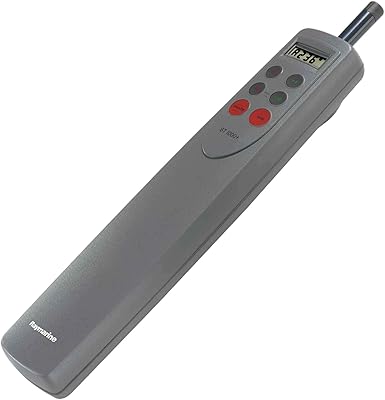
Raymarine ST1000+ Tiller Pilot
85%
88%
Ease of Installation
85%
Reliability in Challenging Conditions
72%
Wireless Remote Performance
90%
Steering Precision
93%
System Integration with SeaTalk & NMEA 0183
More
LaCie d2 Professional 16TB External Hard Drive
78%
88%
Transfer Speed
86%
Build Quality
71%
Reliability
83%
Noise & Vibration
67%
Value for Money
More
Inland Professional 1TB SATA Internal SSD

80%
92%
Value for Money
89%
Installation Ease
83%
Real-World Speed
81%
Reliability & Longevity
84%
Compatibility
More
ShearGuru Professional Barber Kit
86%
92%
Sharpness & Cutting Precision
88%
Ergonomics & Comfort for Long Sessions
94%
Durability & Material Quality
85%
Ease of Use
90%
Value for Money
More
INLAND Professional 512GB SATA Internal SSD

84%
91%
Value for Money
83%
Read/Write Performance
93%
Installation Experience
76%
Reliability & Longevity
88%
Boot & Load Times
More
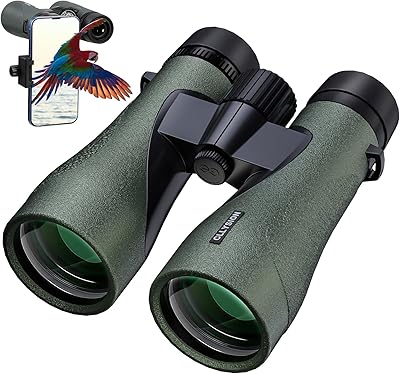
GLLYSION GS-B1 12x50 Binoculars
79%
83%
Optical Clarity
86%
Brightness & Low-Light Performance
78%
Build Quality & Durability
91%
Waterproofing & Weather Resistance
69%
Magnification Usability
More
GERmanikure Professional Perforated Slanted Tweezers
86%
94%
Precision and Accuracy
91%
Durability and Build Quality
88%
Ergonomic Grip and Comfort
87%
Eco-Friendliness
90%
Ease of Use
More
Wahl Professional Barber Tray Organizer
84%
91%
Stability of Non-Slip Material
88%
Organization & Slot Design
85%
Overall Usability
83%
Fit for Professional Environments
72%
Size for Smaller Workstations
More
Avantone MP1 MixPhone
84%
93%
Mid-Range Clarity
91%
Reference Versatility
86%
Passive Noise Isolation
74%
Build Materials
62%
Long-Session Comfort
More

FAQ

Yes, the column layout aligns with FAA requirements for pilot flight records. It covers all the standard fields examiners and airlines expect to see, including aircraft type, conditions, and total time. That said, the FAA does not mandate a specific logbook brand, so any accurate, legible record generally satisfies the requirement.

That really depends on how much you fly. A student or low-hours private pilot might use a single volume for several years. High-time commercial pilots or active flight instructors logging daily hours can fill this aviation record book in a year or two. Most pilots who go the distance end up buying multiple copies throughout their careers.

The cover is a leather-style synthetic material, not genuine leather. It looks the part and holds up well with normal use, but it won’t develop the natural patina of real hide over time. For most pilots, the appearance is more than adequate, especially in professional interview settings.

The format is widely used and recognized across many countries, but it is primarily designed around U.S. FAA standards. If you operate under a specific national aviation authority with strict logbook format requirements, it is worth checking those requirements before committing to this particular layout.

Absolutely, and many pilots do exactly that. Keeping a physical record alongside a digital system is a smart redundancy strategy in case of data loss, software changes, or app discontinuation. The Jeppesen Professional Pilot Logbook is well-suited for this role given its structured, standardized format.

The pages come pre-printed with standard aviation logbook columns, so you are not starting from scratch. The headers cover the fields you would expect: aircraft type and registration, departure and arrival airports, flight conditions, and various time categories. It is ready to use straight out of the box.

Generally well, with reasonable care. The soft cover is not as rigid as a hard-bound book, so it can show wear if it is getting tossed around loosely with heavy equipment. Keeping it in a sleeve or dedicated pocket in your bag will extend its life and appearance significantly.

It is one of the better choices for a student who wants to start on the right foot. Adopting a structured, professional format early builds good habits and means you won’t need to transfer records into a more formal book later when checkrides and interviews start to matter.

No, this aviation record book is focused purely on flight logging. There are no built-in endorsement templates, regulatory summaries, or index tabs. If you need those resources, you will want to keep them separately, either in a printed reference guide or through your flight school’s materials.

Yes, this is an actively sold product with wide availability, and many pilots purchase subsequent copies as their careers progress. Because the format is consistent across editions, transitioning from one volume to the next is straightforward and your record remains continuous and coherent.

Where to Buy