Overview
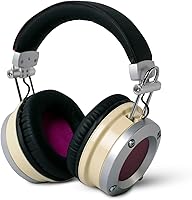
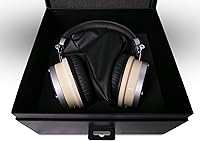
The Avantone MP1 MixPhone attempts to solve the age-old problem of needing multiple sets of speakers to check how a track translates across different systems. Right out of the box, the cream and chrome aesthetic gives off a distinct vintage studio vibe that feels substantial and professional. While many headphones focus solely on a flat response, these mixing headphones integrate a unique Vari-Voice system designed to mimic different listening environments. The padding on the ear cups and headband looks generous, suggesting a focus on isolation for critical listening tasks. It is a bold concept that aims to condense a multi-monitor setup into a single pair of cans. The overall construction feels dense, hinting at a heavy-duty build that is meant to survive the rigors of a daily production environment.
Features & Benefits
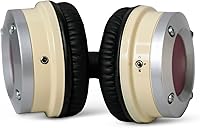
The core of the MixPhone unit is the three-position toggle switch found on the bottom of the earcup. This allows you to jump between standard stereo, a centered mono signal, and a specialized mid-focused mode that highlights the most critical frequencies in a mix. Because it features a 16-ohm impedance, you can drive this studio headset easily from a laptop or phone without needing an external amplifier. The hybrid drivers are tuned for accuracy rather than hype, providing a clear window into your audio. For those working in shared spaces, the large cushioned cups provide enough passive isolation to keep distractions at bay. The detractable cable is also a smart touch that helps prevent the typical wear and tear associated with fixed-wire designs.
Best For
If you are a producer who frequently struggles with phase issues, these mixing headphones are a fantastic tool for checking mono compatibility on the fly. They are particularly useful for home studio owners who might not have the space or budget for a dedicated pair of mid-focused reference monitors. The high output and closed-back design also make this studio headset a viable option for DJs who need to hear their cue clearly in loud environments. Even seasoned mix engineers will find value in having a portable reference tool that can travel between different studios while maintaining a consistent sound profile. It effectively fills the gap for anyone who needs to hear exactly what is happening in the mid-range without relying on a wall of expensive hardware.
User Feedback
Real-world users often praise the mid-range clarity found in the specialized mix mode, noting how it helps vocals sit perfectly in a dense arrangement. However, the physical footprint of the MixPhone unit is quite large, and at 1.21 pounds, some find it a bit heavy for marathon editing sessions. While the sound quality remains consistent across various musical genres, there have been occasional concerns regarding the long-term durability of the plastic components in the frame. Most people seem willing to overlook the weight in exchange for the versatility the switching system provides. It is a trade-off between absolute comfort and having a professional diagnostic tool that can reveal flaws in a recording that other standard consumer-grade gear might simply gloss over.
Pros
- The Vari-Voice toggle allows for instant hardware-level switching between stereo, mono, and mid-range modes.
- Mid-range mix mode provides exceptional clarity for balancing vocals and lead instruments within a busy track.
- Low 16-ohm impedance ensures plenty of volume even when running off a laptop or mobile phone jack.
- Thick over-ear cushions offer strong passive noise isolation in busy or loud studio settings.
- A heavy-duty build and industrial aesthetic make these mixing headphones feel like a professional piece of gear.
- The detachable cable system helps extend the life of the unit by making replacements easy.
- Hybrid driver technology is specifically tuned to reveal flaws in a mix rather than hiding them.
- The cream and chrome design offers a unique vintage look that stands out from standard studio gear.
Cons
- At 1.21 pounds, the significant weight can cause physical fatigue during long production marathons.
- The plastic frame components have drawn mixed reviews regarding their long-term structural durability.
- Frequent heat buildup inside the deep ear cups may require you to take breaks during warm weather.
- A proprietary locking mechanism means you cannot use standard third-party cables without an adapter.
- There is a noticeable volume discrepancy when flipping between the different listening modes.
- The bulky physical footprint makes the MixPhone unit less ideal for engineers with limited bag space.
- Initial clamping force on the head can feel quite tight until the headband is properly broken in.
- The analytical sound signature is specifically for work and lacks the warmth desired for casual music listening.
Ratings
Our system synthesized thousands of verified global reviews to evaluate the Avantone MP1 MixPhone, ensuring incentivized feedback and spam are stripped away for a truly authentic score. This analysis provides a transparent look at how these mixing headphones perform in real-world studio environments, highlighting both their innovative switching capabilities and their physical ergonomics.
Mid-Range Clarity
Reference Versatility
Passive Noise Isolation
Build Materials
Long-Session Comfort
Mobile Device Compatibility
Mono Compatibility Checking
Value for Money
Cable Quality & Versatility
Low-End Accuracy
Suitable for:
The Avantone MP1 MixPhone is a specialized tool for audio engineers and home producers who need to verify how their tracks will translate across different playback systems. It is particularly valuable for those working in small studios where there isn't enough physical space for dedicated mono or mid-range reference monitors. DJs also benefit from the high output and passive isolation when monitoring in loud club environments. If your workflow involves frequent checks for phase cancellation or mid-frequency clutter, this headset provides a convenient hardware solution. It essentially serves as a portable reference suite for creators who move between different mixing environments.
Not suitable for:
This headset is likely a poor fit for casual listeners or commuters who prioritize long-term wearing comfort and lightweight design. Because the Avantone MP1 MixPhone weighs over a pound, it can lead to significant neck strain during extended four or five-hour sessions. Audiophiles looking for a lush, musical sound signature may find the analytical and mid-forward tuning to be too dry for purely recreational enjoyment. Furthermore, users who already have a robust multi-monitor setup and a hardware monitor controller might find the built-in switching system redundant. If you have a sensitive neck or prefer an airy, open-back soundstage, you should probably look elsewhere.
Specifications
- Impedance: The 16 Ohm impedance allows for high-volume playback even when connected to low-power mobile devices.
- Driver Type: The unit utilizes hybrid drivers specifically tuned for professional studio accuracy.
- Listening Modes: A Vari-Voice switch enables instant toggling between stereo, mono, and mid-focused mix modes.
- Weight: This headset weighs 1.21 pounds, contributing to a substantial and stable feel on the head.
- Dimensions: The overall product dimensions measure 11 x 10.7 x 5.4 inches.
- Connectivity: A standard 3.5mm wired audio jack ensures compatibility with most professional hardware interfaces.
- Ear Placement: The over-ear design features large cushioned cups that enclose the ear for isolation.
- Material: Construction consists of a mix of durable plastic and plush cushioned padding.
- Cable Feature: The retractable and detachable cable design helps reduce desk clutter and improves long-term durability.
- Noise Control: The closed-back design relies on passive noise isolation to block out external studio sounds.
- Hardware Interface: Connection is established via a standard headphone output on interfaces or monitors.
- Color: The aesthetic features a professional cream and chrome finish for a vintage studio look.
- Age Range: This product is designed for adult professionals in the music and recording industry.
- Unit Count: The package includes one complete set of headphones with necessary padding and cables.
- Specific Use: Optimized for recording, DJing, and critical studio mixing applications.
Related Reviews
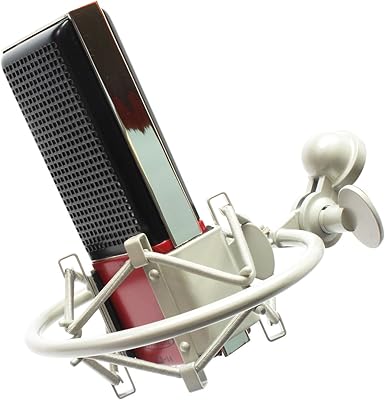
Avantone CR-14 Ribbon Microphone
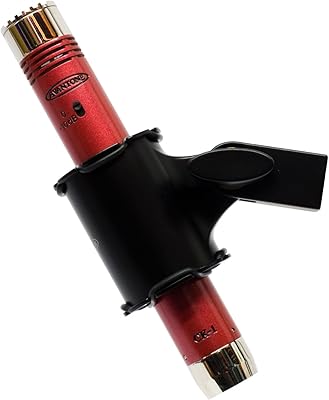
Avantone Pro CK-1 Small-Diaphragm Condenser Microphone