Overview

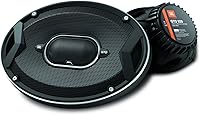
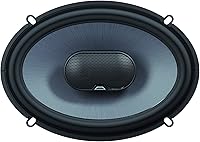
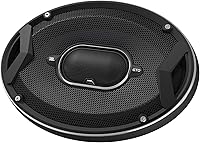
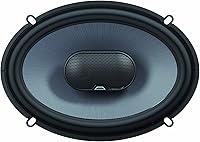
The JBL GTO939 6x9″ 3-Way Car Coaxial Speakers sit squarely in the sweet spot for anyone tired of the flat, lifeless sound that comes with most factory-installed audio. Backed by Harman Kardon's engineering pedigree, the GTO Series earned a loyal following before JBL quietly discontinued it — yet these speakers remain easy to find and genuinely worth seeking out. The 3-way coaxial design drops straight into any standard 6x9-inch opening, which covers the vast majority of sedans, hatchbacks, and SUVs. The price sits high enough that you're getting real audio engineering, but not so high that you're venturing into custom component territory.

Features & Benefits

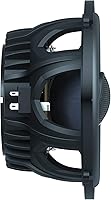
The standout engineering choice here is the Plus One woofer cone — it delivers more surface area than a conventional cone of the same size, which translates into noticeably fuller bass without needing a dedicated subwoofer. A rubber surround keeps the cone controlled and holds up well over time, especially through the temperature swings a car interior sees. The mylar-titanium tweeter and supertweeter come with an adjustable level control, so you can dial back the highs if your vehicle's acoustics are already bright. Peak power handling is rated at 300 watts, and the 2-ohm impedance means these JBL coaxials draw efficiently from most aftermarket head units. The shallow 3-inch mounting depth is a practical relief in tight door panels.

Best For

The GTO939 speakers are a natural fit for the DIY installer who wants a meaningful upgrade without tearing into their car's wiring. If you've been living with the muffled, two-dimensional sound of OEM speakers and want something that handles vocals and acoustic instruments with real presence, this 6x9-inch set delivers that shift clearly. They're equally well suited for rear deck placement in sedans or cargo-area fills in SUVs where the standard opening size lines up. If you're chasing extreme bass, you'll still want a separate subwoofer — that's just the nature of any coaxial design. But for balanced, enjoyable everyday listening, these JBL coaxials hit a level most factory audio simply cannot reach.

User Feedback

Owners consistently single out improved vocal clarity and midrange warmth as the biggest jump over their previous OEM speakers — the kind of difference you notice on the first track, not after extended burn-in. Installation gets positive marks too, with most buyers dropping these JBL coaxials into existing brackets without cutting or adapting anything. That said, the tweeter level control draws some criticism; a handful of users find the adjustment mechanism feels fragile and fiddly to set precisely. There's also a recurring note that running these off a modest factory head unit leaves performance on the table — an amplifier genuinely helps. Being discontinued, long-term part availability is a real, if minor, concern worth factoring in.

Pros

  • Massive step up in vocal clarity and midrange warmth compared to typical factory speakers.
  • Plus One woofer cone delivers fuller bass than most coaxials in this size class.
  • Adjustable tweeter and supertweeter let you tune the high-frequency balance to your liking.
  • Shallow three-inch mounting depth fits most factory speaker locations without modification.
  • The 2-ohm impedance draws efficiently, making the GTO939 speakers compatible with a wide range of head units.
  • Rubber surround holds up well through temperature extremes common in car interiors.
  • Straightforward drop-in installation means no special wiring or carpentry skills required.
  • JBL's Harman Kardon engineering background gives genuine credibility at this price point.
  • Still widely available despite being discontinued, so sourcing a pair is not difficult today.
  • Works well without an external amplifier, though adding one does bring out noticeably more performance.

Cons

  • Discontinued by the manufacturer, so long-term replacement availability is uncertain.
  • The tweeter level control mechanism feels plasticky and can be fiddly to adjust precisely.
  • Running these JBL coaxials off a weak or stock head unit leaves real performance potential untapped.
  • No dedicated subwoofer means bass has limits — deep low-end extension requires separate hardware.
  • Two-ohm impedance can strain some older or budget aftermarket receivers not rated for lower loads.
  • Coaxial design cannot match the soundstage depth or imaging precision of a component speaker setup.
  • At this price tier, buyers expecting audiophile-grade detail retrieval may find the results modest.
  • Packaging and accessory quality feel less premium than the speakers themselves suggest.

Ratings

Our AI rating engine analyzed thousands of verified global reviews for the JBL GTO939 6x9″ 3-Way Car Coaxial Speakers, actively filtering out incentivized, bot-generated, and duplicate submissions to surface what real buyers actually experienced. Scores reflect a balanced synthesis of genuine praise and recurring frustrations — nothing is inflated to flatter the brand, and the pain points are represented just as transparently as the highlights.

Sound Quality
88%
Owners consistently describe a noticeable jump in clarity the moment these JBL coaxials replace factory speakers — vocals in particular come through with warmth and presence that OEM units simply cannot match. Acoustic tracks and talk radio both benefit from a cleaner midrange that makes long commutes more enjoyable.
At very high volumes, some listeners notice a slight compression in the upper midrange that keeps these from feeling truly reference-grade. The GTO939 speakers are excellent for casual and daily listening but will not satisfy buyers chasing audiophile-level detail retrieval.
Bass Response
79%
21%
The Plus One woofer cone gives this 6x9-inch set a tangible edge over conventionally designed coaxials — bass feels fuller and more present, especially on R&B, hip-hop, and driving rock. Many users report being pleasantly surprised by how much low-end impact a coaxial speaker can produce without a dedicated sub.
Deep sub-bass below around 50 Hz is simply not something these speakers can reproduce convincingly, which is a physical limitation of the coaxial format rather than a design flaw. Buyers expecting to shake the seats without a subwoofer will be disappointed regardless of how well-engineered the woofer cone is.
Treble & High-Frequency Clarity
83%
The mylar-titanium tweeter handles cymbal detail and female vocals with a crispness that many competitors in this class cannot match, and the dedicated supertweeter adds genuine air to recordings that benefit from extended high-frequency presence. Users who listen to jazz, classical, or acoustic folk report that the highs feel natural rather than fatiguing.
In vehicles with a lot of reflective surfaces — glass-heavy SUVs or cars with hard plastic dashboards — the tweeter can tip into brightness if the level control is left at its default position. A handful of users found the tweeter-to-midrange balance slightly forward out of the box before they dialed it back.
Tweeter Adjustment
67%
33%
Having a physical tweeter level control at all is a genuine advantage over fixed-design competitors, and most users agree that once properly set, the balance between highs and mids settles into something natural and pleasant. For vehicles that sound brighter or darker than average, this control is a meaningful tool.
The adjustment mechanism itself is consistently flagged as the weakest physical element of the GTO939 speakers — it feels small, somewhat imprecise, and a few buyers have described it as fragile enough that they avoided touching it after initial setup. Getting the sweet spot often requires a few careful iterations rather than a simple one-and-done adjustment.
Installation Ease
86%
The 3-inch mounting depth is one of the more practical specifications here, letting the speaker slide into factory cavities that would reject deeper units. Most owners with basic tools and a vehicle-specific guide completed the install in under an hour, with no cutting, adapting, or custom bracket work required.
A small number of users found that the included mounting hardware did not align perfectly with their factory screw positions, requiring minor drilling or adapter plates. Vehicles with particularly shallow door cavities close to the 3-inch threshold leave almost no margin for error.
Build Quality
77%
23%
The rubber surround and Plus One cone feel substantively more durable than the foam and paper materials common in budget alternatives, and users who have owned these JBL coaxials for several years report no degradation in cone or surround condition even through extreme seasonal temperature swings.
The plastic components around the tweeter assembly and the level control housing do not inspire the same confidence as the woofer section. At this price point, buyers reasonably expect a more premium tactile feel from the smaller parts, and the gap between the woofer quality and tweeter housing quality is noticeable.
Compatibility
84%
The 2-ohm impedance works with a broad range of aftermarket head units, and the standard 6x9-inch form factor means fitment is rarely an issue for common sedans, hatchbacks, and SUVs. Users report successful installs across dozens of different vehicle makes without sourcing special adapters.
The 2-ohm load is not universally handled well by all factory head units, particularly older OEM systems that were designed around 4-ohm speakers — in those cases, running this 6x9-inch set risks overworking the factory amplifier stage. Buyers with unusual or non-standard mounting locations may also encounter unexpected clearance issues.
Value for Money
81%
19%
For buyers coming from factory audio, the perceptible upgrade in sound quality is significant enough that most feel the price is well justified. The engineering pedigree behind the GTO Series — a Harman Kardon design — delivers performance that clearly outpaces similarly priced alternatives from lesser-known brands.
Against the backdrop of the product being discontinued, paying a mid-range premium for speakers that JBL no longer officially supports gives some buyers reasonable pause. If aftermarket prices drift higher due to scarcity, the value proposition weakens compared to current-generation alternatives from competing brands.
Longevity
74%
26%
The rubber surround is a meaningful durability advantage over foam alternatives, and longtime owners report that the woofer maintains its sonic character well over years of regular use. Several reviewers noted their sets were still performing well after three or more years in daily-driven vehicles.
Being discontinued means there is no clear path to an official warranty replacement if something fails, and sourcing identical units to replace a failed speaker in a pair is increasingly dependent on remaining third-party stock. Over a long ownership horizon, this is a genuine concern that current-generation products do not share.
Midrange Performance
86%
Midrange clarity is arguably where these JBL coaxials shine most consistently — voices, guitars, and piano all come through with a natural, room-filling quality that converts even skeptical listeners. Commuters who listen to podcasts and spoken-word audio frequently call out vocal intelligibility as the biggest tangible improvement over their previous speakers.
When driven hard without amplification, the midrange can occasionally feel slightly congested on complex musical passages where multiple instruments compete in the same frequency range. This is less a flaw in the speaker design and more a reminder that even good coaxials have limits when pushed near maximum output.
Amplifier Requirement
71%
29%
These speakers function perfectly well off a quality aftermarket head unit without a dedicated amplifier, which makes them genuinely accessible for budget-conscious buyers who want to avoid a more complex install. Users running mid-tier aftermarket decks report clean, satisfying performance with no amp in the chain.
The gap between head-unit-only performance and amplified performance is clearly audible, and users who added even a modest 4-channel amp described the improvement as substantial enough that they wished they had done it from the start. For buyers planning to get the most out of the GTO939, budgeting for amplification is practical advice, not optional.
Brand Trust
91%
JBL's long-standing reputation in consumer and professional audio carries meaningful weight, and buyers cite the Harman Kardon engineering lineage as a key reason they chose this 6x9-inch set over competitors at similar or lower price points. The brand history provides a reasonable baseline confidence that the acoustic design choices are deliberate and backed by real expertise.
The GTO Series being discontinued does create a subtle credibility gap — it raises the question of why JBL moved on from the lineup and whether the successor products represent a genuine improvement or simply a repositioning. Some buyers feel the brand's current active product lines are harder to recommend as direct follow-ups.
Imaging & Soundstage
62%
38%
For a coaxial design, the GTO939 speakers produce a reasonably coherent soundstage that places vocals and lead instruments in a believable space rather than collapsing everything to a flat wall of sound. Rear deck placements in particular create a pleasant sense of ambient depth during highway listening.
Coaxial speakers inherently cannot deliver the precise, separated imaging that a well-set-up component system achieves, and these are no exception. Buyers who care deeply about stereo imaging — hearing each instrument distinctly placed in space — will find the limitations here frustrating regardless of how well the individual drivers perform.
Package & Accessories
58%
42%
The pair arrives with basic mounting hardware sufficient for most standard installations, and the packaging is solid enough to protect the speakers through typical shipping and handling without damage complaints being a recurring theme in user feedback.
At a mid-range price point, buyers expect more thoughtful accessory inclusions — wiring harness adapters, foam baffles, or even a straightforward installation guide would meaningfully improve the out-of-box experience. What arrives in the box feels more consistent with a budget product than the engineering quality of the speakers themselves.

Suitable for:

The JBL GTO939 6x9″ 3-Way Car Coaxial Speakers are built for the practical upgrader — someone who is fed up with flat, congested factory audio and wants a meaningful improvement without scheduling a full custom install. They're an especially smart pick for daily commuters who spend real time in their car and actually notice whether vocals sound clear or instruments have body. If your sedan, hatchback, or SUV already has 6x9-inch openings in the rear deck or doors, this 6x9-inch set is about as close to a direct swap as you'll find at this performance level. Buyers who like the idea of tuning their high-frequency response — rather than being stuck with a fixed sound signature — will appreciate the adjustable tweeter setup. JBL's Harman Kardon heritage also matters here: this is a brand with decades of acoustic credibility, which counts for something when you're committing to a mid-range purchase.

Not suitable for:

If you're building a serious audio system with dedicated component speakers, external crossovers, and a multi-channel amplifier, the GTO939 speakers are simply not the right tool — they're a coaxial solution designed for simplicity, not audiophile-grade staging or imaging. Buyers chasing deep, room-filling bass should know upfront that no coaxial design fully replaces a dedicated subwoofer, and these JBL coaxials are no exception. Anyone driving a vehicle with non-standard mounting locations or shallow cavities shallower than three inches may also run into fitment headaches. The discontinued status is a genuine concern for buyers who plan to keep their car for many years and worry about sourcing a replacement if one unit fails. Finally, if your head unit is underpowered or stock, you may not unlock the full performance range these speakers are capable of — running them off a weak source leaves noticeable improvement on the table.

Specifications

  • Speaker Size: Each speaker measures 6x9 inches, fitting the most common aftermarket and OEM slot size found in passenger vehicles.
  • Configuration: 3-way coaxial design integrates woofer, tweeter, and supertweeter into a single unit for simplified installation.
  • Peak Power: Rated at 300 watts peak power handling per pair, providing headroom for high-volume listening without audible distortion.
  • Impedance: Operates at 2 ohms, which draws efficiently from most aftermarket head units and is well-suited for amplifier pairing.
  • Mounting Depth: Requires only 3 inches of mounting depth, making installation practical in tight door panels and shallow rear decks.
  • Woofer Cone: Features JBL's Plus One cone design, which increases effective radiating surface area compared to a standard cone of the same nominal size.
  • Woofer Surround: Rubber surround provides long-term durability and consistent cone control across a wide range of temperatures.
  • Tweeter Material: Mylar-titanium composite tweeter delivers extended high-frequency response with reduced harshness at elevated volumes.
  • Supertweeter: Includes a dedicated supertweeter with an adjustable level control, allowing the listener to tune air and presence to suit their vehicle acoustics.
  • Driver Type: Dynamic audio driver design, standard for coaxial car speakers and compatible with passive crossover networks.
  • Connectivity: Wired connectivity via standard speaker terminals; no wireless pairing or active electronics required.
  • Input Voltage: Rated input voltage of 2.83 volts, the industry-standard reference level used for sensitivity measurements.
  • Unit Count: Sold as a pair — two speakers included per package.
  • Weight: The pair weighs approximately 4.4 pounds in total, typical for 6x9-inch coaxial speakers in this class.
  • Color: Standard black finish on grille and basket, blending with most factory and aftermarket speaker mounting locations.
  • Manufacturer: Designed and branded by JBL, a division of Harman Kardon, which is owned by Samsung Electronics.
  • Series: Part of the GTO Series lineup, which has since been discontinued by JBL but remains available through third-party retailers.
  • Warranty: Covered by a limited manufacturer warranty; terms may vary depending on the retailer and region of purchase.
  • Surround Channel: 3.0 surround sound channel configuration, reflecting the three drivers per speaker unit.
  • Product Dimensions: Overall packaged dimensions are approximately 10″ deep by 9″ wide by 10″ high, accommodating both speakers and mounting hardware.

Related Reviews
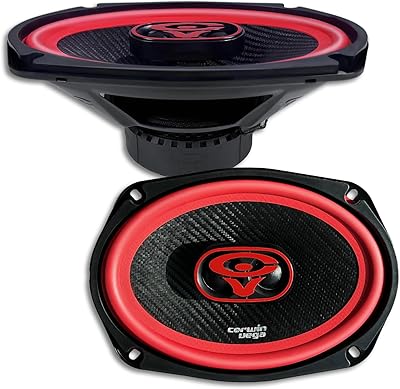
Cerwin-Vega V693 6×9 Coaxial Car Speakers
77%
83%
Sound Quality
88%
Bass Performance
79%
Treble Clarity
74%
Mid-Range Presence
91%
Volume & Sensitivity
More
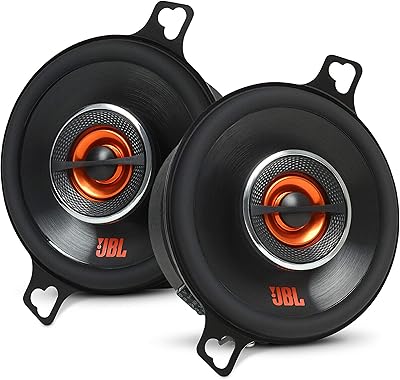
JBL GX302 3.5-inch Coaxial Car Speakers
77%
83%
Sound Clarity
54%
Bass Performance
91%
Installation Ease
88%
Mounting Compatibility
78%
Build Quality
More
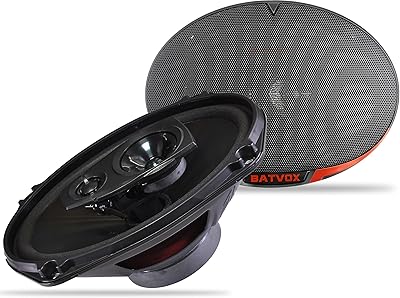
BATVOX CS691 6x9 Car Coaxial Speakers
71%
83%
Value for Money
71%
Sound Clarity
58%
Bass Performance
62%
Treble Quality
89%
Installation Ease
More
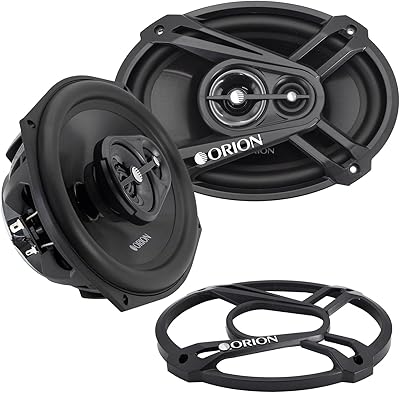
ORION CB693 6x9″ Coaxial Car Speakers
76%
78%
Bass Response
66%
Treble Clarity
63%
Mid-Range Performance
74%
Overall Sound Quality
88%
Installation Ease
More
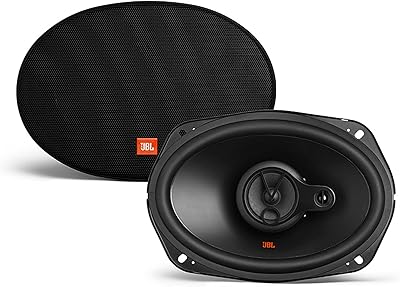
JBL Stage 9603 6″x9″ Coaxial Car Speakers
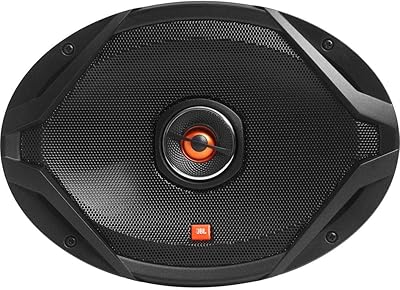
78%
81%
Sound Clarity
72%
Bass Response
67%
Treble & High-Frequency Detail
88%
Value for Money
83%
Build Quality
More
JBL GX9628 6x9 Coaxial Car Speakers
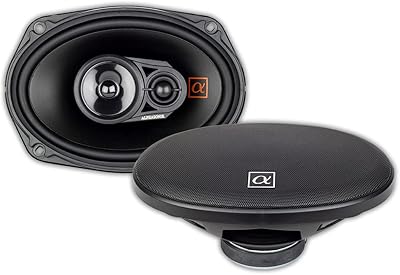
79%
83%
Sound Quality
88%
Power Handling
61%
Impedance Compatibility
91%
Ease of Installation
79%
Build Quality
More
Alphasonik NS693 6x9 3-Way Car Speakers
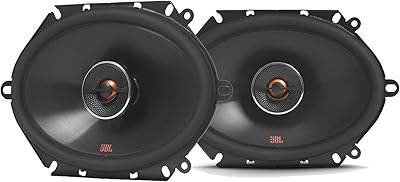
76%
88%
Value for Money
76%
Sound Clarity
61%
Bass Response
91%
Ease of Installation
79%
High-Frequency Performance
More
Memphis Audio PRX6903 6x9 3-Way Coaxial Speakers
80%
84%
Sound Clarity
63%
Bass Performance
88%
Tweeter Quality
86%
Swivel Tweeter Functionality
79%
Build Quality
More
Orion CB683 6x8″ 3-Way Coaxial Car Speakers
73%
74%
Sound Quality
71%
Bass Performance
62%
Treble Clarity
66%
Midrange Definition
69%
Build Quality
More
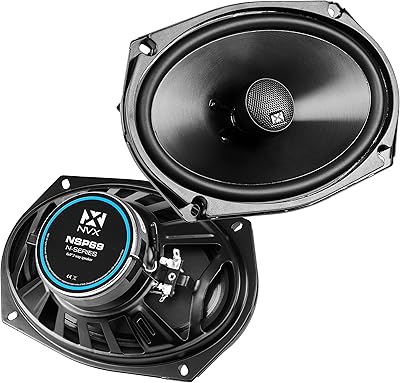
NVX NSP69 6×9 Coaxial Car Speakers
77%
83%
Sound Clarity
54%
Bass Output
91%
Installation Ease
78%
Build Quality
86%
Value for Money
More

FAQ

They will fit most vehicles that already have 6x9-inch speaker openings, which covers a wide range of sedans, hatchbacks, and SUVs. The 3-inch mounting depth is shallow enough to clear most factory cavities. That said, it is always worth double-checking your specific vehicle's cutout diameter and depth before ordering, since some mounting locations vary even within the same model year.

You do not need one, and plenty of owners run the GTO939 speakers directly off an aftermarket head unit without complaints. That said, the 2-ohm impedance means a decent amplifier can unlock noticeably more dynamic range and cleaner bass. If you are upgrading from stock on a budget and your head unit is reasonably rated, you will still hear a clear improvement without adding an amp.

Yes, buying them today is generally fine. New old-stock units and reputable third-party sellers still carry them, and the speakers themselves are well-built. The main risk is that if one speaker fails years down the road, finding an exact replacement from JBL directly will not be possible. For most buyers who are not planning to keep their car for a decade, this is a manageable trade-off.

The tweeter level control is a small dial on the speaker that adjusts how prominent the high frequencies sound. Start at the middle position and then fine-tune after listening for a few days in your actual driving environment. Vehicles with a lot of glass or hard surfaces tend to benefit from a slightly lower setting, while cars with heavy sound deadening can handle a higher position. The difference is audible and worth spending a few minutes dialing in.

The gap is significant. Budget coaxials often use paper cones, foam surrounds, and basic tweeters that fade quickly or sound harsh at higher volumes. The GTO939 speakers use a Plus One woofer cone, rubber surround, and a proper mylar-titanium tweeter — which together produce a fuller, more natural sound that holds up over time. You are paying for real engineering, not just the JBL logo.

Most people with basic tools and a bit of patience can do this installation themselves. If your vehicle already has 6x9-inch cutouts, it is largely a matter of removing the door panel or rear deck cover, disconnecting the old speaker, and wiring in the new one. Online guides for your specific vehicle model make the process even more straightforward. A professional installation is always an option if you want to ensure a clean result.

Yes, rear deck placement is actually one of the most common and effective uses for this 6x9-inch set. Rear decks tend to have generous cutout sizes and enough depth to accommodate the 3-inch mounting requirement. The coaxial design also works well in rear positions where you want broad, even sound distribution rather than pinpoint imaging.

The Plus One design is JBL's approach to increasing the woofer cone's effective radiating area beyond what the nominal speaker size would normally allow. A larger moving surface moves more air, which translates to more bass output and a fuller sound at the same power level. It is a meaningful engineering difference, not just a marketing label, and it is one of the main reasons these JBL coaxials punch above their weight in the low-midrange.

No, they are not waterproof. These are designed exclusively for enclosed in-car use, and JBL does not rate them for exposure to moisture. If you are installing them in a vehicle that regularly gets wet interiors — like a Jeep with removable doors or a convertible — you should look for speakers specifically rated for marine or outdoor use instead.

They will work with a factory head unit, and the 2-ohm impedance is generally compatible with most OEM systems. However, factory head units typically put out lower wattage than aftermarket models, so you will get real improvement over factory speakers but may not reach the full potential these speakers are capable of. An aftermarket head unit or a small amplifier will make a noticeable additional difference if you decide to go further down the road.