Overview

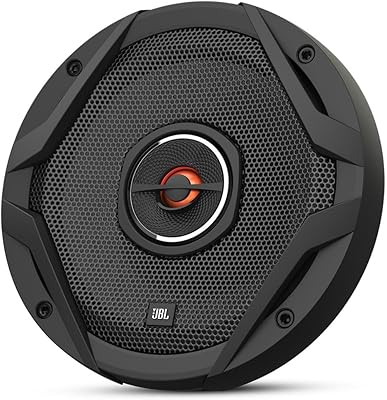
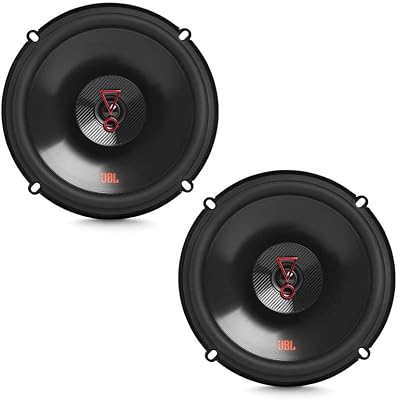
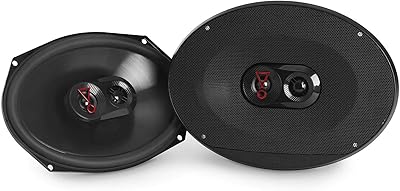
The JBL Stage 9603 6″x9″ Coaxial Car Speakers sit in a well-defined sweet spot: a mid-range upgrade aimed at drivers who are simply tired of the flat, lifeless sound most factory stereos produce. JBL's car audio pedigree carries real weight here — this isn't a no-name brand slapping a logo on cheap drivers. The Stage series represents their accessible tier, and that context matters. These coaxials handle 140W continuously, which is honest, usable power for most setups. The 4-ohm design means they'll work with virtually any head unit right out of the box. Solid performance for the money — just don't expect audiophile-grade results.

Features & Benefits

The woofer cone is built from injection-molded polypropylene, a material that resists humidity and physical flex while still moving air efficiently — a practical choice for a car environment. The 3-way driver layout is where things get interesting: the woofer handles low-end weight, a PEI dome tweeter covers the mid and upper frequencies, and a piezoelectric super tweeter adds some extra extension at the top end. On power ratings: the 140W RMS figure is the one that matters day-to-day — peak figures are theoretical ceilings, not sustained reality. The coaxial mounting design means this speaker set drops right into standard 6″x9″ cutouts, and the box includes a pair plus basic hardware to get started.

Best For

These JBL coaxials make the most sense for drivers doing a direct factory replacement — if your car has standard 6″x9″ openings in the rear deck or doors, this is largely a bolt-in swap. They're also a smart choice for anyone running a factory or modest aftermarket head unit, since the 4-ohm impedance plays nicely without needing a separate amplifier. Genre flexibility is a genuine strength; this speaker set handles pop, rock, hip-hop, and spoken-word content with reasonable balance across the range. If you're already eyeing component separates or dedicated subs, these aren't your end destination — but for a clean OEM upgrade, they deliver where it counts.

User Feedback

With a 4.4-star average across more than 1,700 reviews, the Stage 9603 speakers have clearly earned their place among everyday drivers seeking a straightforward upgrade. Most buyers highlight dramatically improved clarity and volume over their stock speakers, and installation consistently gets positive marks. That said, two recurring criticisms are worth flagging: the highs can feel slightly sharp or fatiguing at higher volumes — something more critical listeners notice — and a handful of buyers have reported unit-to-unit inconsistency within the same pair, which is frustrating regardless of price point. Fitment is smooth for most vehicles, but confirming compatibility with your specific make beforehand is wise. Solid, well-regarded choice for the casual listener stepping up from OEM.

Pros

  • Noticeable step up in clarity and volume compared to typical factory-installed speakers.
  • The 3-way driver setup delivers a fuller sound range than most coaxial competitors at this price tier.
  • 4-ohm impedance means no external amplifier is required — works straight from most head units.
  • Drop-in installation fits standard 6″x9″ openings with no cutting or custom work for most vehicles.
  • JBL brand carries real credibility and a track record in car audio — not a gamble on an unknown label.
  • Polypropylene woofer cone handles humidity and temperature swings well, which matters in a car environment.
  • Ships as a complete pair with basic mounting hardware included — ready to install out of the box.
  • Over 1,700 user ratings averaging 4.4 stars reflects broad, sustained satisfaction across diverse vehicles.

Cons

  • Highs can turn harsh or fatiguing at elevated volumes, particularly noticeable on treble-heavy tracks.
  • Piezoelectric super tweeter is a polarizing design choice that audiophile-minded buyers tend to dislike.
  • Some buyers have received pairs where the two units sound slightly inconsistent — a quality-control concern.
  • Fitment is not universal; certain vehicle makes have mounting depth or bracket configurations that complicate installation.
  • No waterproofing at all, so exposure to moisture from open windows or trunk leaks is a real risk.
  • Peak power figures printed prominently on packaging can mislead buyers — real-world continuous output is significantly lower.
  • Does not include any aftermarket wiring adapters or vehicle-specific brackets, which may add extra cost depending on your car.

Ratings

Our AI-generated scores for the JBL Stage 9603 6″x9″ Coaxial Car Speakers were produced by analyzing thousands of verified global user reviews, with spam, bot-submitted, and incentivized feedback actively filtered out. The result is an honest, multi-dimensional breakdown that reflects what real buyers consistently praised and what genuinely frustrated them. Both strengths and shortcomings are represented transparently so you can make a confident, informed decision.

Sound Clarity
81%
19%
Across daily commuters and weekend drivers alike, the jump in vocal and mid-range clarity over factory speakers is one of the most frequently praised qualities. Listeners report that instruments feel more separated and voices on talk radio or podcasts come through noticeably cleaner than with OEM units.
At higher volume levels, some users find the clarity starts to suffer — particularly in the upper frequencies where the piezo tweeter can add a slightly brittle edge to cymbals and sibilant vocals. This is more apparent on treble-heavy recordings than on bass-forward tracks.
Bass Response
72%
28%
For a coaxial speaker without a dedicated subwoofer, the low-end performance earns solid marks. Drivers who listen to hip-hop or rock report that the polypropylene woofer delivers enough body and punch to make music feel full rather than thin, which is the baseline expectation at this tier.
Buyers with a preference for deep, room-filling bass will find these speakers fall short without a subwoofer in the system. The low-end rolls off noticeably below around 60Hz, and no amount of EQ adjustment fully compensates for the physical size limitations of a coaxial 6″x9″ design.
Treble & High-Frequency Detail
67%
33%
The combination of the PEI dome tweeter and piezoelectric super tweeter does extend the high-frequency range beyond what a typical 2-way coaxial manages. Users who listen to acoustic guitar, jazz, or classical music appreciate the added airiness compared to most competing options in this price range.
The piezo super tweeter is divisive. A consistent subset of users — particularly those with any audiophile background — describe the highs as fatiguing or sharp during extended listening sessions at highway volumes. It is not universally harsh, but it is a real risk for sensitive listeners.
Value for Money
88%
The Stage 9603 speakers consistently score well on perceived value, especially when buyers compare what they paid against the brand pedigree and the audible improvement over stock audio. Many reviewers explicitly describe the purchase as one of the most cost-effective upgrades they have made to their vehicle.
A handful of buyers feel the pricing edges slightly high relative to competing 6″x9″ coaxials from brands like Pioneer or Kenwood that offer comparable measured performance. For buyers on a strict budget, the JBL name carries a modest premium that not everyone feels is fully justified by the output.
Build Quality
83%
The physical construction earns consistent praise for feeling more substantial than the price tag might suggest. The polypropylene cone resists flex well, the basket feels rigid, and the overall assembly does not rattle or creak after installation — a common failure point on cheaper alternatives.
A notable minority of users have flagged quality-control inconsistency, specifically between the two units in the same pair. In some cases, one speaker sounds slightly brighter or louder than the other, which points to manufacturing variance rather than a design flaw, but it is frustrating regardless.
Ease of Installation
86%
The coaxial design is a genuine advantage for anyone tackling this as a DIY project. Most buyers with standard 6″x9″ openings — rear decks being the most common — report completing the swap in under an hour using basic tools, with the included hardware covering the essentials.
Fitment is not universal, and a subset of users with specific vehicle makes encounter mounting depth conflicts or bracket mismatches that require sourcing additional adapters. The instruction documentation included in the box is minimal, which can leave first-time installers searching online for vehicle-specific guidance.
Compatibility
84%
The 4-ohm impedance rating is a practical strength — these JBL coaxials work out of the box with virtually any factory or aftermarket head unit without requiring amplifier upgrades. This makes them genuinely accessible to the majority of car owners who want better sound without rebuilding their entire audio setup.
Users with non-standard head units or those attempting to bridge into a 2-ohm configuration have occasionally reported impedance-related complications. Additionally, compatibility with some factory-amplified systems — common in premium OEM trim levels — requires additional research before purchasing.
Volume Output
79%
21%
Buyers replacing thin factory speakers consistently report a meaningful increase in overall loudness and presence, even when powered solely by a stock head unit. At moderate highway volumes, the Stage 9603 speakers fill the cabin without strain or audible distortion creeping in.
Pushed to their upper limits on a head unit alone, some users detect the onset of compression and a slight loss of dynamic punch. Those who listen at genuinely high volumes regularly would benefit from a modestly powered external amplifier to get cleaner, more controlled output from this speaker set.
Midrange Performance
78%
22%
Midrange is where these speakers tend to shine most consistently across listener preferences. Vocals, guitar body, and piano presence all come through with good definition, and the crossover between the woofer and dome tweeter is reasonably smooth for a coaxial design in this category.
In a few user reports, the midrange can feel slightly recessed when bass and treble are both prominent in a track, giving certain recordings a mild scooped quality. This is subtle for casual listeners but noticeable to those with a reference point from higher-quality component systems.
Durability Over Time
74%
26%
Most long-term owners report that the speakers hold up well through seasons of regular use, with no reported cone degradation, tweeter failure, or terminal corrosion under normal in-car conditions. The polypropylene material choice holds up reasonably well to the thermal cycling that car interiors experience.
Since these speakers carry no moisture or weather resistance, users in humid climates or vehicles prone to condensation have reported early degradation in a small number of cases. The lack of any protective rating is a genuine long-term risk that buyers in challenging environments should factor in.
Stereo Imaging
69%
31%
For a coaxial speaker — where all drivers share a single mounting point — the spatial separation these produce is reasonable. Users who position them in rear deck locations report a decent sense of width and depth that improves significantly over flat-sounding factory configurations.
Coaxial designs are inherently limited in true stereo imaging compared to component setups where tweeters can be positioned at ear level. Buyers expecting precise soundstage placement — the kind where you can clearly locate individual instruments — will find the imaging diffuse and center-heavy compared to a well-set-up component system.
Packaging & Unboxing
76%
24%
The presentation is clean and functional, with both speakers securely housed and the mounting hardware organized in a way that does not require digging through loose parts. For a mid-range product, the unboxing experience feels appropriately professional without unnecessary waste.
The included documentation is sparse — essentially just a basic spec sheet — which leaves buyers without much installation guidance beyond what they can find independently online. A fitment guide or wiring diagram would have been a low-cost addition that would meaningfully reduce confusion for first-time buyers.
Brand Trust & Support
82%
18%
JBL's presence in car audio gives buyers a reasonable level of confidence that what they are purchasing has gone through structured engineering and quality validation. For many buyers, buying from a name they recognize is itself part of the value equation, and the brand's reputation generally holds up in this product.
Some users have reported friction when attempting to engage JBL's warranty or customer support for the Stage series specifically, citing slower-than-expected response times. The manufacturer listed on this product is a third-party trading group rather than JBL directly, which may complicate support pathways in edge cases.

Suitable for:

The JBL Stage 9603 6″x9″ Coaxial Car Speakers are a strong match for everyday drivers who are done tolerating the thin, underwhelming sound of factory-installed speakers and want a meaningful upgrade without diving into a full audio build. If your vehicle already has standard 6″x9″ openings — common in rear decks and rear doors across a wide range of sedans, trucks, and SUVs — this speaker set drops in without requiring custom fabrication or extra wiring runs. They work particularly well for people running a stock or entry-level aftermarket head unit, since the 4-ohm impedance plays nicely without demanding a separate amplifier. Drivers who enjoy a broad mix of music — pop, rock, podcasts, hip-hop — will appreciate the balanced full-range output the 3-way configuration provides. This is also a smart pick for anyone who values brand reliability and wants the peace of mind that comes with buying from an established audio name rather than an unknown import.

Not suitable for:

The JBL Stage 9603 6″x9″ Coaxial Car Speakers are not the right tool for listeners who take sound quality seriously enough to notice subtle tuning flaws or driver inconsistencies. Dedicated enthusiasts building an amplified system with component separates will quickly find this speaker set limiting — the piezoelectric super tweeter, while functional, is a known compromise compared to a quality silk-dome component tweeter. Anyone sensitive to bright or fatiguing highs at higher volumes should be cautious, as this is one of the more consistent criticisms from real-world buyers. These speakers are also not suited for outdoor, marine, or any moisture-exposed environments, since they carry no waterproofing. If your vehicle has non-standard cutout dimensions or unusual mounting depth restrictions, fitment is not guaranteed, so checking compatibility with your specific make and model before purchasing is essential.

Specifications

  • Speaker Size: Each driver measures 6″x9″, a common size that fits a wide range of factory cutouts in rear decks and doors.
  • Configuration: These are 3-way coaxial speakers, meaning the woofer, dome tweeter, and piezoelectric super tweeter are mounted together on a single chassis.
  • RMS Power: The speakers handle 140W of continuous (RMS) power, which reflects real-world sustained output under normal listening conditions.
  • Peak Power: The rated peak power ceiling is 420W, representing a brief maximum threshold rather than a figure achievable under sustained use.
  • Impedance: Impedance is rated at 4 ohms, making this speaker set broadly compatible with factory and entry-level aftermarket head units without requiring a separate amplifier.
  • Woofer Material: The woofer cone is constructed from injection-molded polypropylene, a material chosen for its resistance to humidity and its ability to move air efficiently.
  • Tweeter Type: The mid-to-high frequency range is handled by a PEI (polyetherimide) balanced dome tweeter, which offers reasonable durability and smooth frequency response.
  • Super Tweeter: A piezoelectric super tweeter is included to extend high-frequency reproduction beyond what the dome tweeter covers on its own.
  • Mounting Type: The speakers use a coaxial car-mount design, allowing direct installation into standard 6″x9″ speaker openings without cutting new holes.
  • Dimensions: Each speaker unit measures 4″ deep by 6″ wide by 9″ high, keeping the physical footprint manageable for most mounting locations.
  • Weight: The complete package weighs approximately 4.6 pounds, reflecting the pair and included hardware combined.
  • Color: The speakers are finished in black, a neutral choice that blends into most interior mounting locations without drawing attention.
  • Waterproofing: These speakers carry no waterproof rating and should not be exposed to direct moisture, rain, or high-humidity environments.
  • Power Source: The speakers are passively powered via corded connection to a head unit or amplifier — no built-in power source is included.
  • Included Contents: Each purchase includes one matched pair of speakers along with a standard set of mounting accessories to assist with installation.
  • Connectivity: Connection is wired and coaxial, using standard speaker wire terminals compatible with conventional car audio wiring harnesses.

Related Reviews
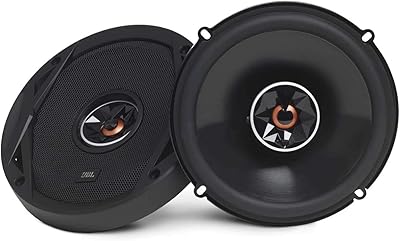
JBL CLUB6520 6.5″ Coaxial Car Speakers
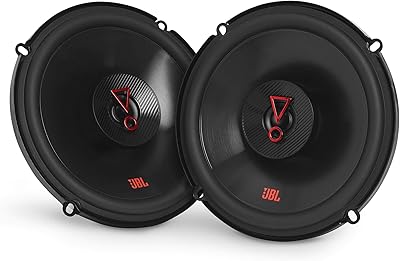
77%
84%
Sound Clarity
61%
Bass Response
88%
Sensitivity & Volume Output
86%
Installation Ease
79%
Build Quality
More
JBL Stage 3627F 6.5″ Car Audio Speaker
85%
89%
Sound Quality
92%
Value for Money
85%
Installation Ease
88%
Build Quality
91%
Volume Handling
More
JBL GX602 6.5″ 2-Way Coaxial Car Speakers
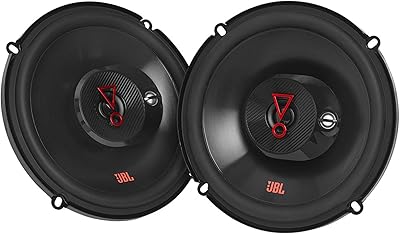
85%
89%
Sound Clarity
70%
Bass Performance
93%
Installation Ease
85%
Build Quality
82%
Durability
More
JBL GX642 4″ x 6″ 2-Way Coaxial Car Speakers
84%
89%
Sound Clarity
75%
Bass Response
91%
Ease of Installation
92%
Value for Money
80%
Compatibility with Car Models
More
JBL Stage 602 6-1/2″ 2-Way Coaxial Speakers
82%
88%
Sound Quality
85%
Bass Performance
83%
Treble Clarity
91%
Installation Ease
82%
Build Quality
More
JBL Stage 3637F 6.5″ Three-Way Car Speaker
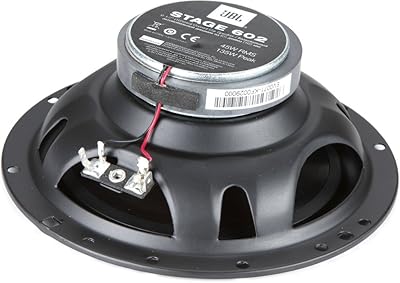
78%
86%
Sound Clarity
54%
Bass Response
83%
High-Frequency Performance
89%
Installation Ease
81%
Value for Money
More
JBL Stage 39637 6x9 Coaxial Car Speakers
76%
83%
Sound Clarity
61%
Bass Performance
78%
Treble & High-Frequency Response
88%
Ease of Installation
81%
Value for Money
More
JBL Stage 36427 4×6 Coaxial Car Speakers
78%
86%
Sound Clarity
54%
Bass Response
81%
High-Frequency Performance
89%
Installation Ease
88%
Sensitivity & Head Unit Compatibility
More
JBL Stage3 627FHI 6″ Coaxial Speakers
84%
88%
Sound Quality
92%
Bass Performance
84%
Clarity of Highs
70%
Ease of Installation
89%
Build Quality
More
JBL GX402 4″ Coaxial Car Audio Speakers
88%
88%
Sound Quality
84%
Bass Performance
91%
High Frequency Clarity
92%
Installation Ease
87%
Build Quality
More

FAQ

For most vehicles with standard 6″x9″ cutouts — common in rear decks and rear door panels of sedans, trucks, and SUVs — this is a direct swap with no cutting needed. That said, mounting depth and bracket configuration vary by make and model, so it's worth checking a fitment guide or forum for your specific vehicle before ordering.

No, you don't. The 4-ohm impedance is designed to work directly with factory and most aftermarket head units. If your car stereo can power standard speakers, these JBL coaxials will run off it without any additional hardware.

The 140W figure is the RMS rating — that's the continuous power these speakers can handle during normal use, and it's the number that actually matters. The 420W peak figure is a momentary ceiling that isn't sustained in real listening situations. Focus on matching your head unit or amp's RMS output to the 140W rating.

It's a real pattern worth knowing about. At moderate volumes most listeners won't notice anything problematic, but at higher volumes the piezoelectric super tweeter can push the highs into slightly sharp territory. If you're sensitive to bright audio or tend to crank the volume, it's a legitimate thing to factor in.

If your front doors have 6″x9″ cutouts, yes — there's nothing in the design that restricts them to rear placement. Rear decks are the most common installation spot because that's where 6″x9″ openings appear most often, but front fitment works fine if the dimensions line up.

They should, and in most cases they do. However, a small number of buyers have flagged minor inconsistency between the two units in the same box — usually in tonal balance. It's not a widespread epidemic, but it's something to be aware of. If you notice a clear mismatch after installation, that's a legitimate reason to pursue a return or exchange.

Yes, reasonably so. The Stage 9603 speakers deliver a fuller frequency range than most factory speakers, and the 3-way setup means you're getting some low-end body alongside the mids and highs. They won't replace a dedicated sub for bass-heavy listening, but for general music and podcasts they handle the full range without sounding hollow.

For most cars, you'll need a basic screwdriver set, possibly a panel-removal pry tool to pop off door or deck trim, and wire connectors or a soldering kit depending on how you prefer to connect them. The speakers come with standard mounting hardware, so you likely won't need to source additional brackets unless your vehicle has non-standard mounting points.

The difference usually shows up in build consistency, frequency balance, and brand support. Generic budget speakers can measure similarly on paper but often fall short on durability and tonal accuracy over time. The JBL name here isn't just marketing — the Stage series goes through more rigorous engineering than most white-label alternatives at a similar price point.

No, they carry no moisture or weather resistance rating. If your trunk leaks, your windows are regularly left open in rain, or you're installing them in a boat or outdoor vehicle, these are the wrong choice. For any application where moisture exposure is realistic, you'd want to look at marine-rated or IPX-certified speakers instead.