Overview

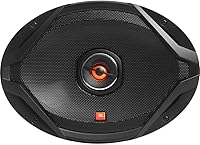
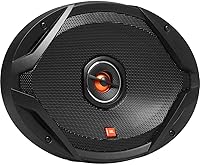
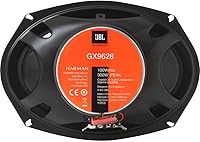
The JBL GX9628 6x9 Coaxial Car Speakers sit comfortably in the mid-range bracket — a solid step up from the uninspiring speakers most cars ship with. JBL has been a trusted name in car audio for decades, and these JBL coaxials carry that credibility without pushing into premium territory. At 100W RMS with a 300W peak rating, there is real power on tap. The coaxial design means the tweeter is built right into the woofer assembly, so installation is straightforward — no separate crossovers or extra wiring to wrestle with. Just do not expect audiophile-grade staging or earth-moving bass; these are an honest, capable upgrade, not a full system overhaul.
Features & Benefits

These 6x9 speakers handle continuous power at a level most factory head units can actually use, and the 300W peak headroom means they will not flinch if you push them with an aftermarket receiver. The frequency range stretches from a reasonably full low-end at 45Hz all the way through 21kHz for crisp highs — a wide spread for a single coaxial driver. At 94dB sensitivity, they are efficient enough that you do not need an amplifier to get satisfying volume. The integrated 1-inch tweeter handles upper frequencies cleanly, and the polypropylene cone holds up well against humidity and heat inside a car. One thing worth knowing: the impedance sits at 2.3 ohms, lower than the typical 4-ohm standard, so confirm compatibility with your stereo before ordering.

Best For

The GX9628s are a natural fit for anyone tired of the flat, lifeless output typical factory speakers produce. If you are doing a DIY install and want something that drops straight in without a complicated component setup, these coaxials make the job easy — standard 6x9 mounting locations in most sedans, SUVs, and trucks will accommodate them without modification. You do not need an amplifier to notice a real improvement; connecting them to a decent head unit is enough for most daily driving situations, though adding one later will let them open up. Where these 6x9 speakers fall short is for listeners who want deep, accurate bass or a precise stereo stage — that is a job for a component system and a dedicated subwoofer.

User Feedback

Owners of these JBL coaxials generally walk away impressed relative to what they replaced — the most consistent praise centers on cleaner vocals and mid-range clarity compared to OEM speakers, with installation regularly described as refreshingly straightforward. The 2.3-ohm impedance does generate questions among buyers; a handful report needing to verify head unit compatibility beforehand, and a few noted issues with older factory stereos. Bass is where expectations vary most: without a subwoofer, low-end depth is limited, and buyers who understand that going in tend to be satisfied. Build quality draws mostly positive comments, with the finish and construction holding up to what the JBL name implies at this price tier — solid, dependable, and a genuine step above typical no-name alternatives.

Pros

  • Delivers a clearly audible improvement over factory speakers right out of the box, no amplifier required.
  • High 94dB sensitivity means strong volume output even from a modest head unit.
  • Coaxial design eliminates the need for external crossovers, making installation clean and simple.
  • Fits standard 6x9 mounting locations in most popular sedans, SUVs, and trucks without modification.
  • Mid-range clarity and vocal reproduction are consistently praised across a wide range of music genres.
  • Polypropylene cone holds up well against heat and humidity inside a parked car over time.
  • The integrated 1-inch tweeter adds real high-frequency detail rather than just surface-level brightness.
  • Pairing these JBL coaxials with a subwoofer produces a well-rounded, satisfying overall system.
  • JBL brand reliability at this tier inspires confidence compared to lesser-known budget alternatives.
  • Wide frequency response range handles diverse listening habits from podcasts to mixed-genre playlists.

Cons

  • The 2.3-ohm impedance can cause compatibility issues with older or factory-spec head units.
  • Standalone bass output is thin for buyers who enjoy hip-hop, EDM, or bass-heavy listening without a subwoofer.
  • The included mounting hardware and grilles feel noticeably cheaper than the speaker drivers themselves.
  • Peak power figures can set unrealistic expectations — real gains require a proper amplifier to fully materialize.
  • Depth clearance issues have been reported in certain vehicles with shallow mounting cavities.
  • The limited warranty offers basic coverage but lacks the breadth that buyers might expect from a premium brand name.
  • High-frequency output can feel slightly harsh or fatiguing at sustained high volumes.
  • Buyers upgrading from a higher-end setup may find the overall sound signature too colored for critical listening.

Ratings

The JBL GX9628 6x9 Coaxial Car Speakers were evaluated by our AI rating system after processing thousands of verified global buyer reviews, with spam, bot-submitted, and incentivized feedback actively filtered out before scoring. What you see below reflects a genuine cross-section of real-world experiences — the strengths buyers consistently celebrate and the friction points that surface often enough to matter. Scores are intentionally precise, not rounded, because real consensus rarely lands on a clean number.
Sound Quality
83%
Most buyers describe a clear and immediate improvement over their factory speakers, particularly in vocal clarity and mid-range presence. Listeners on long daily commutes note that music feels more layered and engaging, with the integrated tweeter doing genuine work on high-frequency detail rather than just adding brightness.
Deep bass is where expectations diverge sharply. Without a dedicated subwoofer in the system, the low-end rolls off noticeably, and buyers who expected punchy bass from these coaxials alone often come away underwhelmed by that specific aspect of the sound.
Power Handling
88%
The 100W RMS rating gives these speakers enough continuous headroom to work well with a wide range of aftermarket head units without any signs of stress. Buyers running them off moderately powered receivers report clean output even at higher volumes, which builds confidence in long-term reliability.
The 300W peak figure can set unrealistic expectations for some buyers. In practice, the gains from pushing that ceiling without a proper amplifier are limited, and a few users noted that the speakers did not fully open up until they added external amplification.
Impedance Compatibility
61%
39%
For buyers pairing these with a modern aftermarket stereo, the 2.3-ohm impedance is generally a non-issue and can actually allow a bit more current draw for louder output. Informed buyers who checked compatibility ahead of time reported no problems whatsoever.
The lower-than-standard impedance is a recurring source of frustration. Several owners with factory or older aftermarket head units reported compatibility warnings or suboptimal performance, and a small number had to return the speakers after discovering their stereo was not rated for sub-4-ohm loads.
Ease of Installation
91%
The coaxial design is a genuine advantage here — there are no separate crossover components to mount or wire, and the speakers drop cleanly into standard 6x9 cutouts found in the rear decks of most popular sedans, SUVs, and trucks. DIY installers consistently describe the process as straightforward even without professional experience.
A handful of buyers in specific vehicle models reported minor fitment challenges, particularly around depth clearance behind the mounting surface. These cases seem model-specific rather than a design flaw, but it is worth double-checking clearance measurements for your exact vehicle before purchasing.
Build Quality
79%
21%
The polypropylene cone feels solid and shows no obvious signs of cheap construction, and the overall assembly inspires reasonable confidence for the price tier. Several buyers noted that the speakers held up well after months of daily use with no rattling, warping, or visible degradation.
A few buyers found the grilles and mounting hardware to be the weakest links — feeling slightly plasticky relative to the speaker itself. At this price point it is not a dealbreaker, but buyers accustomed to higher-end builds may notice the difference in peripheral components.
Value for Money
86%
Relative to what most cars ship with from the factory, these JBL coaxials deliver a meaningful and audible upgrade at a price that does not require a second thought. Buyers who approached the purchase with calibrated expectations — better mids and highs, not a full audio system — came away feeling the transaction was fair.
A small segment of buyers felt that similarly priced options from competing brands offered marginally better low-end output or a higher-grade tweeter. The JBL name carries weight, but it also carries a slight brand premium that not everyone feels is fully justified at this tier.
Sensitivity & Loudness
84%
At 94dB sensitivity, these 6x9 speakers get genuinely loud without demanding a lot of power — a real practical benefit for daily drivers running a stock head unit. Commuters in noisy cabin environments report being able to hear music clearly over road and wind noise without pushing the volume uncomfortably high.
While efficiency is strong, the absolute ceiling of loudness without amplification does have a practical limit. Buyers who like to crank their audio in larger cabin vehicles, like full-size trucks, mentioned that the speakers plateaued at high volumes sooner than they would have liked.
High-Frequency Performance
81%
19%
The 1-inch integrated tweeter contributes noticeably to the overall clarity of the listening experience, particularly with vocals, acoustic instruments, and electronic music where high-frequency detail matters. Buyers who mostly listen to podcasts and talk radio praised the crispness of spoken word reproduction.
The tweeter, while capable, lacks the refinement of a dedicated component system. Listeners with more critical ears described the very top end as occasionally sharp or slightly fatiguing at high volumes, suggesting it is tuned for presence rather than neutrality.
Mid-Range Clarity
85%
Mid-range reproduction is consistently the most praised aspect across buyer feedback. Vocals sit forward and intelligible, guitars and keyboards have body, and the transition between the woofer and tweeter does not introduce any obvious frequency gaps under normal listening conditions.
Under demanding conditions — heavy orchestral passages or complex electronic mixes — a small number of buyers noticed slight compression in the mids at higher volumes, suggesting the driver is working at its limits. For casual listening, however, this is rarely an issue.
Bass Response
58%
42%
For a coaxial driver of this size, the low-end output is respectable in casual listening contexts. Buyers who supplement these with a subwoofer report a very satisfying overall system, with the GX9628s handling mids and highs cleanly while the sub takes care of everything below.
Without a subwoofer, the bass falls short for buyers who enjoy bass-heavy genres. The 45Hz lower boundary is achievable in spec, but real-world output at those frequencies without amplification and proper enclosure support is noticeably thin, which surprises buyers expecting a fuller low-end standalone.
Durability Over Time
77%
23%
Most long-term owners report that the speakers continue to perform consistently after a year or more of daily use. The polypropylene cone handles heat and humidity inside a parked car reasonably well, and there are very few reports of premature surround or cone degradation under normal conditions.
The limited warranty provides some peace of mind but is not particularly expansive in scope. A small number of buyers reported one speaker in the pair developing an intermittent rattle over time, though it is unclear whether this stemmed from installation factors or material fatigue.
Frequency Response Range
80%
20%
The stated 45Hz to 21kHz range is notably wide for a coaxial at this price point, and buyers notice it in practice — the speakers handle diverse music genres without obvious weak spots across the middle of the frequency spectrum. Classical and jazz listeners in particular appreciated the extended high-frequency reach.
As with most coaxials, the stated frequency extremes represent optimistic boundaries rather than flat performance targets. The response at 45Hz is audible but not authoritative, and buyers who interpret that figure as deep-bass capability will be disappointed compared to what a proper woofer produces at those frequencies.
Packaging & Unboxing
74%
26%
The speakers arrive well-protected and buyers generally find the packaging to be adequate for the product tier. All included hardware and accessories are present and accounted for upon arrival, with no reports of widespread shipping damage in standard delivery conditions.
The packaging is functional but unremarkable — nothing about the unboxing experience matches the visual premium that JBL commands in other product categories. Buyers gifting these or simply expecting a more polished presentation noted the contrast between brand perception and the basic box they opened.
Compatibility Across Vehicles
76%
24%
The standard 6x9 coaxial mounting format means these speakers fit the vast majority of rear deck and door installations without modification. Most popular vehicle platforms — sedans, compact SUVs, light trucks — accommodate them without the need for adapter brackets or custom fabrication.
Depth clearance is a legitimate concern in some vehicles with shallow mounting cavities, and a few buyers discovered this only after purchase. The 2.3-ohm impedance also limits compatibility with a broader range of factory audio systems compared to standard 4-ohm alternatives, narrowing the plug-and-play appeal slightly.

Suitable for:

The JBL GX9628 6x9 Coaxial Car Speakers are the right call for drivers who are done tolerating the tinny, lifeless output of factory-installed speakers and want a meaningful upgrade without turning their car into a project. If you drive a sedan, SUV, or light truck with standard 6x9 mounting locations and you want to swap speakers yourself on a weekend afternoon, these coaxials are about as plug-and-play as aftermarket audio gets. They work particularly well for daily commuters who spend a lot of time listening to music, podcasts, or talk radio and simply want clearer, more enjoyable sound on the road. You do not need an external amplifier to notice the improvement — a decent head unit is enough to get real value out of them, though adding an amp later will let the speakers stretch their legs further. Casual listeners across a wide range of music genres — pop, rock, country, hip-hop at moderate bass expectations — will find these 6x9 speakers hit the right balance of performance and practicality.
Not suitable for:

The JBL GX9628 6x9 Coaxial Car Speakers are not the right fit for buyers chasing deep, authoritative bass from their speakers alone — the coaxial format has physical limits that no amount of power will fully overcome without a dedicated subwoofer in the system. Audiophiles who prioritize precise stereo imaging, flat frequency response, and high-resolution sound reproduction will find the GX9628s too colored and too limited compared to a quality component speaker setup with a separate crossover. The 2.3-ohm impedance is also a legitimate compatibility concern: if your vehicle still runs an older factory head unit or a stereo that is only rated for 4-ohm loads, you risk suboptimal performance or incompatibility issues before you even hear a note. Buyers in vehicles with unusually shallow rear deck cavities should also verify mounting depth clearance carefully, as fitment is not universal across every platform. If your goal is to build a serious audio system rather than replace stock speakers with something better, these 6x9 speakers are a starting point at best, not a destination.
Specifications

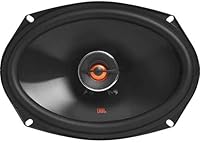
  • Speaker Size: These are 6x9 inch coaxial speakers, a standard format that fits the vast majority of factory rear deck and door cutouts in popular vehicles.
  • Power Handling: Each speaker handles 100 watts RMS continuously, with a peak tolerance of 300 watts for brief dynamic peaks.
  • Frequency Response: The drivers cover a range from 45Hz at the low end to 21kHz at the top, delivering lows, mids, and highs from a single coaxial unit.
  • Sensitivity: Rated at 94dB sensitivity, these speakers produce strong output volume without requiring a high-powered amplifier to drive them effectively.
  • Impedance: The speakers operate at 2.3 ohms, which is lower than the 4-ohm standard and requires compatibility verification with your specific head unit before purchase.
  • Speaker Type: Coaxial design with the tweeter mounted concentrically on the woofer, eliminating the need for a separate crossover or independent tweeter installation.
  • Tweeter Diameter: The integrated tweeter measures 1 inch in diameter, handling upper-frequency reproduction within the coaxial assembly.
  • Woofer Diameter: The primary woofer cone is 6 inches in diameter, managing mid-range and lower-frequency output within the 6x9 frame.
  • Cone Material: The woofer cone is constructed from polypropylene, a material chosen for its resistance to moisture, heat, and physical deformation over time.
  • Channel Config: The pair operates in a 2.0 stereo configuration, with one speaker per stereo channel and no built-in surround processing.
  • Items Included: Each purchase includes two speakers — one for the left channel and one for the right — along with standard mounting hardware.
  • Mounting Type: Designed for coaxial car mounting, compatible with standard 6x9 speaker cutouts; no adapter brackets required for most common vehicle platforms.
  • Water Resistance: These speakers are not waterproof or water resistant and are intended for enclosed in-vehicle installations only, not exposed or marine environments.
  • Power Source: The speakers are passively driven via corded connection to a head unit or amplifier and require no independent power source.
  • Product Dimensions: Each speaker measures approximately 4.29″ deep, 8.58″ wide, and 16.41″ high, with a total pair weight of around 7.76 pounds.
  • Model Number: The official model designation is GX9628, part of JBL's GX series of entry-to-mid-range car audio speakers.
  • Warranty: JBL covers these speakers under a limited warranty; buyers should confirm specific terms and duration directly with JBL or the authorized retailer at point of purchase.
  • Brand: Manufactured by JBL, a brand under the Harman International umbrella with decades of history in both consumer and professional audio equipment.

Related Reviews
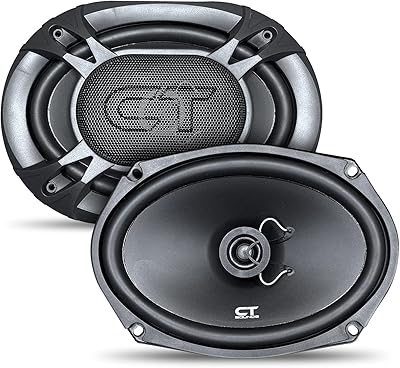
CT Sounds BIO-6X9-COX 6×9 Coaxial Car Speakers
76%
88%
Value for Money
83%
Sound Clarity
54%
Bass Response
91%
Ease of Installation
79%
Tweeter Performance
More
JBL GX528 5.25″ Coaxial Car Speakers
77%
88%
Sound Quality vs. Stock
61%
Bass Response
83%
Treble & High-Frequency Detail
84%
Midrange Clarity
71%
Volume & Power Handling
More
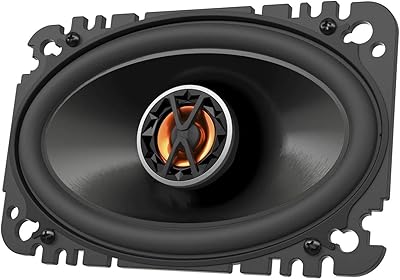
JBL CLUB6520 6.5″ Coaxial Car Speakers
77%
84%
Sound Clarity
61%
Bass Response
88%
Sensitivity & Volume Output
86%
Installation Ease
79%
Build Quality
More
JBL Club 6420 4x6″ Coaxial Car Speakers
81%
89%
Sound Quality
92%
Value for Money
87%
Ease of Installation
85%
Bass Performance
83%
Midrange Clarity
More
JBL Stage2 424FHI 4″ Coaxial Car Speakers
86%
94%
Sound Clarity (High Frequencies)
75%
Bass Response
88%
Ease of Installation
89%
Build Quality
80%
Power Output
More
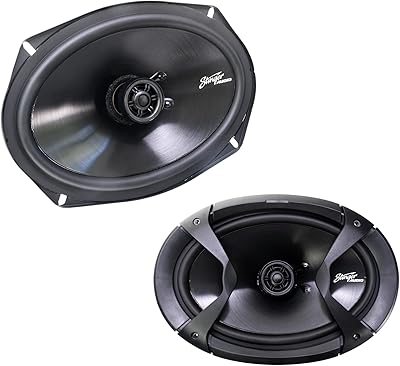
STINGER HC-69 6x9 Coaxial Car Speakers
83%
89%
Sound Clarity
87%
Bass Performance
91%
Installation Ease
92%
Overall Value
84%
Build Quality
More
JBL GX402 4″ Coaxial Car Audio Speakers
88%
88%
Sound Quality
84%
Bass Performance
91%
High Frequency Clarity
92%
Installation Ease
87%
Build Quality
More
JBL GX8628 6×8″ Coaxial Car Speakers
78%
83%
Sound Clarity
57%
Bass Performance
78%
Treble & High-Frequency Detail
89%
Value for Money
81%
Build Quality
More
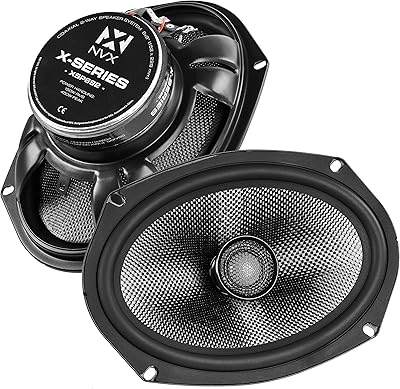
NVX XSP692 6x9 2-Way Coaxial Car Speakers
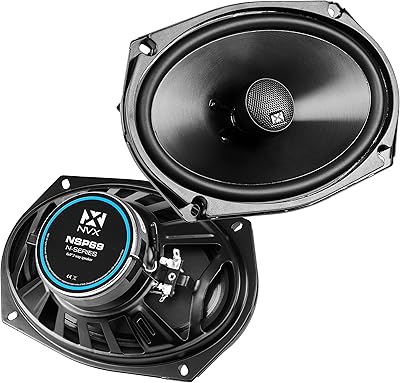
85%
88%
Sound Quality
91%
Ease of Installation
87%
Build Quality
75%
Bass Performance
90%
High Frequency Clarity
More
NVX NSP69 6×9 Coaxial Car Speakers
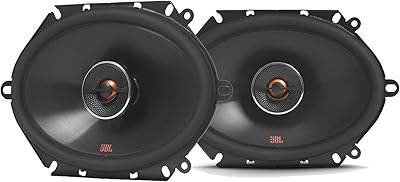
77%
83%
Sound Clarity
54%
Bass Output
91%
Installation Ease
78%
Build Quality
86%
Value for Money
More

FAQ

In most cases, yes — the high 94dB sensitivity means the GX9628s get plenty loud from a stock head unit without any external amplification. That said, the 2.3-ohm impedance is lower than the 4-ohm rating most factory stereos expect, so it is worth checking your head unit specs before wiring them up. An amplifier is not required but will noticeably improve clarity and dynamic range if you add one later.

It can be, depending on your stereo. Most modern aftermarket head units handle it without issue, but older factory systems and some budget receivers are only rated for 4-ohm loads. Running a lower-impedance speaker on an incompatible unit can cause the stereo to overheat or trigger protection mode. Always check your receiver's minimum impedance rating before installing these.

They are designed for standard 6x9 cutouts, which cover the majority of sedans, SUVs, and light trucks on the road. The more important thing to check is mounting depth — some vehicles have shallow cavities behind the speaker location, and these drivers need adequate clearance to fit without the magnet contacting the rear surface. Measure your available depth before ordering if you are unsure.

Honest answer: moderate. These 6x9 speakers will give you noticeably more bass than typical factory speakers, but the low-end will not hit deep or hard on its own. If you listen to a lot of hip-hop, EDM, or any genre where bass is central to the experience, you will want a subwoofer to complement them. For rock, pop, country, podcasts, or talk radio, the bass output is more than sufficient.

Most people with basic tools and a bit of patience can install these without professional help. Because it is a coaxial design, there are no separate tweeters to mount or crossover boxes to wire — you just swap the old speaker for the new one at each location. A basic installation guide and the standard wiring connector for your vehicle model are all you really need.

Almost universally better, particularly in mid-range clarity and high-frequency detail. Factory speakers are typically built to a very low cost target, and the GX9628s offer a noticeably wider frequency range, higher sensitivity, and a dedicated tweeter by comparison. Most buyers describe the difference as immediately obvious, especially on vocals and acoustic instruments.

Both speakers in the pair are identical drivers. There is no left or right specific unit — each one is wired to its respective channel by your head unit or amplifier, which handles the stereo separation. If one channel sounds different from the other after installation, the issue is almost always in the wiring or the source rather than the speakers themselves.

No — these are strictly for enclosed in-vehicle use. They carry no water resistance rating whatsoever, and exposure to rain, spray, or sustained humidity would damage them. If you need speakers for a boat, ATV, or outdoor use, you will want to look at speakers specifically rated for marine or outdoor environments.

Like most speaker drivers with a physical cone and surround, the GX9628s will loosen up slightly over the first several hours of use as the suspension material relaxes. The difference is not dramatic, but many users find the low-end feels a touch more natural after a week of regular listening compared to the first day out of the box.

JBL sells the GX9628 as a pair rather than individual units, which means replacing just one speaker can be tricky through standard retail channels. Your best options are to contact JBL support directly to inquire about warranty replacement for a defective unit, or to check third-party resellers who may have individual units available. Keeping the pair matched is important for balanced stereo output.

Where to Buy