Overview

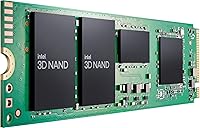
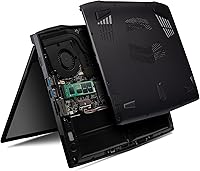
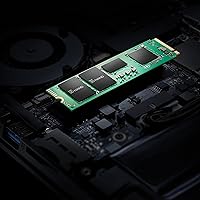
The Intel 670p Series 2TB M.2 NVMe SSD sits squarely in the value-oriented tier of the NVMe market, targeting everyday users who need serious storage capacity without paying a premium for enthusiast-grade hardware. QLC NAND — the technology powering this Intel NVMe drive — packs more bits per cell than TLC or MLC alternatives, which is how Intel achieves 2TB in a single stick at an accessible price point. The M.2 2280 form factor and PCIe 3.0 x4 interface make it compatible with the vast majority of modern laptops and desktops. Just be clear-eyed going in: this is a solid everyday drive, not a high-endurance unit built for punishing write workloads.

Features & Benefits

At 3500 MB/s sequential read, the 670p 2TB is a substantial jump over any SATA SSD — the kind of difference you actually notice when transferring large video files or loading a heavily modded game. On paper, write speeds reach 2700 MB/s, though real-world sustained writes tell a different story with QLC: once the SLC write cache fills, speeds can drop noticeably. For typical workloads — installing software, copying moderate file batches, everyday OS use — that rarely matters. The drive also supports Intel's SSD Toolbox, giving you health monitoring and firmware management without third-party utilities. Two terabytes in a single M.2 slot is genuinely practical for anyone consolidating storage.

Best For

This Intel NVMe drive makes the most sense for users upgrading from a SATA SSD or HDD who want a meaningful speed boost without stretching their budget. It's a natural fit for gamers needing room for a large library — loading times are snappy, and heavy sustained writes during game installs are infrequent enough that QLC throttling rarely surfaces in practice. Students and content consumers storing videos, project files, or large archives will appreciate having 2TB in one slot. It also excels as a secondary storage drive in a desktop, paired alongside a TLC-based primary drive that handles the OS and the bulk of frequent write activity.

User Feedback

With over 1,000 ratings averaging 4.8 out of 5, this QLC SSD has earned genuine user trust — and the feedback largely tracks what you'd expect. Installation gets consistent praise: it drops into any M.2 slot and boots fast. Long-term owners report stable, reliable daily performance across months of typical use. Where criticism appears, it centers on sustained write throttling during back-to-back large transfers — a known QLC trait, not a defect. A handful of users in tight, poorly ventilated cases flag heat as something to monitor. Neither issue is a dealbreaker for the right buyer, but both are worth factoring in before committing.

Pros

  • 2TB of NVMe storage in a single M.2 slot is genuinely convenient and frees up additional slots for other upgrades.
  • Sequential read speeds up to 3500 MB/s make boot times and application loads noticeably faster than any SATA drive.
  • Broad compatibility with both laptops and desktops means you are unlikely to hit a fitment issue.
  • The 670p 2TB earns a 4.8-star average across more than 1,000 real-world ratings — that level of user satisfaction is not common at this price tier.
  • Intel SSD Toolbox provides drive health monitoring and firmware management without needing third-party software.
  • Installation is straightforward — drop it into an M.2 2280 slot and go, with no extra cables or adapters needed.
  • Excellent cost-per-gigabyte makes this QLC SSD one of the more practical ways to hit 2TB without overspending.
  • Long-term owners consistently report stable, reliable daily performance for typical consumer workloads over months of use.

Cons

  • Sustained write speeds fall noticeably once the SLC write cache fills — a real-world limitation for heavy transfer sessions.
  • QLC NAND has lower write endurance ratings than TLC alternatives, which matters if you write large amounts of data daily.
  • Benchmark numbers look impressive, but real-world performance under sustained load is meaningfully lower than advertised peaks.
  • Users in thermally restricted builds report heat accumulation that may require additional cooling solutions.
  • Not ideal as the sole drive in a system used for frequent large-file writing, such as video production or server workloads.
  • QLC technology puts it at a disadvantage compared to similarly priced TLC drives in workloads involving consistent mixed read-write cycles.
  • No included heatsink, which can be a drawback in builds where M.2 thermals are already tight.
  • Write cache behavior is not always transparent to end users, meaning some buyers may not realize the performance drop until they encounter it.

Ratings

The scores below reflect an AI-driven analysis of thousands of verified global reviews for the Intel 670p Series 2TB M.2 NVMe SSD, with spam, incentivized submissions, and bot activity actively filtered out to ensure the ratings represent genuine buyer experiences. Both the real strengths and the recurring frustrations are accounted for — nothing has been smoothed over to make the drive look better than it is in practice.

Read Performance
91%
Day-to-day read performance is where the 670p 2TB genuinely earns its keep — boot times are noticeably fast, game levels load quickly, and large media files open without hesitation. Users upgrading from SATA drives consistently describe the difference as immediately apparent, not just a spec-sheet improvement.
While peak sequential reads hit impressive numbers in benchmarks, real-world read speeds in mixed workloads can fall below those headline figures. Users running demanding read-intensive server or virtualization tasks may find the performance ceiling lower than competing TLC-based NVMe options.
Write Performance
63%
37%
For short write bursts — installing software, saving documents, downloading files — the SLC cache kicks in and speeds feel perfectly responsive. Casual users moving moderate amounts of data at a time rarely encounter any friction, and the drive handles typical PC workloads with no noticeable hesitation.
This is the category where QLC NAND's limitations surface most clearly. Once the SLC write cache is exhausted during sustained large transfers, write speeds can drop dramatically — a frustration that catches some buyers off guard who relied only on the advertised peak figures before purchasing.
Storage Capacity
94%
Two terabytes in a single M.2 stick is a genuinely practical amount of storage for almost any consumer use case — full game libraries, years worth of photos and videos, large software suites, and an OS partition all fit comfortably without compromise. Users consistently praise this as one of the most compelling reasons to choose this QLC SSD.
The only real tension here is that heavy users who fill a QLC drive close to capacity may see performance degrade faster than they would with a TLC alternative, since available SLC cache space shrinks as the drive approaches full. Keeping the drive under 80% capacity is a reasonable precaution.
Value for Money
88%
The cost-per-gigabyte on this Intel NVMe drive is one of the most competitive in the 2TB NVMe category, and buyers who understand what QLC is buying them feel well-served. For read-heavy workloads and casual daily use, the performance-to-price ratio is genuinely strong.
For users who later discover the sustained write limitations, the value proposition feels less clear — a slightly higher investment in a TLC alternative would have served those workloads better. The value score depends heavily on whether the buyer matched the drive to the right use case upfront.
Compatibility
93%
The M.2 2280 form factor is essentially universal among modern laptops and desktops, and PCIe NVMe 3.0 x4 works in both Gen 3 and Gen 4 slots without issue. Users across a wide range of systems — budget AMD builds, Intel mainstream platforms, and even older NVMe-capable laptops — report clean, trouble-free installation.
The 670p 2TB is not compatible with PCIe 4.0 consoles like the PS5, and buyers who purchase it expecting console storage expansion will be disappointed. It also does not fit older laptops with only SATA M.2 slots, which is a less common but still relevant compatibility gap.
Installation Ease
96%
Installation is about as straightforward as PC hardware gets — insert the drive at the correct angle, secure it with a single screw, and it is ready to go. First-time builders and users migrating from a hard drive consistently describe the process as painless, even without prior experience.
The drive ships without a heatsink or thermal pad, which means users in tight or warm builds need to source that separately. It is a minor omission, but one that adds a small extra step for anyone building in a compact case or a thermally demanding environment.
Thermal Management
67%
33%
In well-ventilated mid-tower desktops and laptops with adequate airflow, the 670p 2TB runs at manageable temperatures during typical workloads. Most everyday users never encounter thermal throttling in normal mixed-use scenarios, and the drive behaves reliably under light-to-moderate loads.
Users in compact builds — particularly small form factor PCs and thin-and-light laptops with M.2 slots sandwiched between other components — flag elevated temperatures under sustained workloads. Without an aftermarket heatsink, thermal throttling in restricted environments is a documented concern among a meaningful subset of buyers.
Long-Term Reliability
78%
22%
Long-term owners who use the drive for typical consumer tasks — daily OS use, gaming, media storage — report consistent and stable performance over months and in some cases years of use. The 4.8-star average across a large review base suggests that outright drive failures are not a common complaint.
QLC NAND carries inherently lower write endurance than TLC or MLC alternatives, and for users who write large volumes of data daily, the total bytes written ceiling will be reached sooner. Buyers planning to use this as a high-write primary drive over many years should factor that into the long-term reliability picture.
Software & Tooling
74%
26%
Intel SSD Toolbox provides useful at-a-glance drive health data, remaining lifespan estimates, and firmware update management — functionality that many competing drives at this price tier leave entirely to third-party utilities. Users who proactively monitor their storage hardware appreciate having a dedicated first-party tool.
Intel has since shifted its SSD business, and some users report uncertainty around the long-term support and update cadence for the Toolbox software going forward. The utility itself is functional but not particularly polished compared to what some rival brands offer.
Gaming Storage Performance
89%
For gaming specifically, this QLC SSD punches well above its price point — game load times are fast, asset streaming feels smooth, and the 2TB capacity comfortably holds a large mixed library of titles. Read-heavy game workloads play directly to QLC's strengths, making this one of the most practical use cases for the drive.
During game installs or large patch downloads that involve sustained sequential writes, some users notice that speeds taper off noticeably as the SLC cache depletes. It is not a dealbreaker, but for users who frequently download and install large game files, the wait time can stretch longer than a TLC alternative would require.
Benchmark vs Real-World Gap
58%
42%
In short-burst scenarios that align with how benchmarks are typically run, the drive performs close to its advertised figures, and users who run quick benchmark passes after installation are generally satisfied with the numbers they see.
The gap between peak benchmark performance and sustained real-world write throughput is more pronounced on this drive than on TLC alternatives, and buyers who dig into extended benchmark tests often find the delta jarring. This is an inherent QLC characteristic, but the marketing framing of peak speeds can set unrealistic expectations.
Form Factor & Build
87%
At just 1.59 oz and in the universally compatible M.2 2280 footprint, the physical drive is compact, light, and unobtrusive. It fits cleanly into the vast majority of modern systems and does not add meaningful weight or bulk to a laptop build.
The bare PCB design without any integrated thermal protection means the drive relies entirely on the host system for heat dissipation. In builds where the M.2 slot lacks a motherboard heatsink cover, this leaves the drive more exposed to temperature fluctuations than some better-equipped alternatives.
User Satisfaction
92%
A 4.8-star average across more than 1,000 ratings is a genuinely strong signal of real-world satisfaction, not just early enthusiasm from early adopters. The consistency of positive feedback across a broad range of system configurations and use cases reflects that the drive delivers on its core promise for most buyers.
The minority of dissatisfied users tend to cluster around a specific profile: buyers who expected sustained write performance comparable to TLC drives, or who encountered thermal issues in poorly ventilated builds. Expectation misalignment, rather than outright product failure, accounts for most of the negative reviews.

Suitable for:

The Intel 670p Series 2TB M.2 NVMe SSD is a strong fit for everyday users who want a meaningful storage upgrade without the cost of a premium TLC drive. If you are coming from a SATA SSD or spinning hard drive, the jump in read performance will be immediately noticeable — faster boot times, quicker application launches, and snappier file access across the board. Gamers who want to keep a large local library without constantly juggling installs will find the 2TB capacity genuinely useful, since game workloads lean heavily on reads rather than sustained writes. Students and media-heavy users storing video projects, course archives, or large photo collections also get real value here — the capacity-to-cost ratio is hard to beat for those use cases. It also works well as a secondary drive in a desktop build, sitting alongside a faster TLC-based primary drive that absorbs the most write-intensive tasks.

Not suitable for:

The Intel 670p Series 2TB M.2 NVMe SSD is not the right tool for users who regularly push large volumes of data in sustained write sessions. Video editors exporting multi-gigabyte files repeatedly, data scientists running constant read-write cycles, or anyone using this as a primary drive for a NAS or workstation will run into QLC's core limitation: once the SLC write cache is exhausted, sustained write speeds drop significantly below the advertised figures. Professional content creators who depend on consistent throughput during long captures or renders should look toward a TLC-based NVMe drive instead. Users building in compact, thermally constrained systems — thin-and-light laptops with limited airflow — should also be cautious, as some owners report the drive running warm under load without adequate ventilation. If long-term endurance and write consistency are your top priorities, the 670p 2TB is not the drive to bet on.

Specifications

  • Brand: Manufactured by Intel under the 670p Series product line.
  • Model Number: The specific model identifier for this drive is SSDPEKNU020TZX1.
  • Capacity: Provides 2TB (2000 GB) of usable flash storage in a single module.
  • Form Factor: Uses the M.2 2280 form factor, measuring 80mm in length and 22mm in width.
  • Interface: Connects via PCIe NVMe 3.0 x4, delivering significantly higher bandwidth than SATA-based SSDs.
  • NAND Type: Built on Intel QLC (Quad-Level Cell) 3D NAND, which stores four bits per cell for high-density, cost-efficient storage.
  • Sequential Read: Rated for sequential read speeds of up to 3500 MB/s under optimal conditions.
  • Sequential Write: Rated for sequential write speeds of up to 2700 MB/s, though sustained writes may drop after SLC cache depletion.
  • Installation Type: Designed for internal installation directly into an M.2 slot on a compatible motherboard or laptop.
  • Compatible Platforms: Compatible with desktop PCs and laptops equipped with an M.2 PCIe NVMe slot.
  • Weight: The drive weighs approximately 1.59 oz, making it one of the lightest storage upgrade options available.
  • Software Support: Compatible with Intel SSD Toolbox for drive health monitoring, secure erase, and firmware management.
  • Availability Date: This drive was first made available for purchase in February 2021.
  • Amazon Ranking: Ranked #319 in the Internal Solid State Drives category on Amazon at time of review.
  • User Rating: Holds an average rating of 4.8 out of 5 stars based on over 1,058 verified ratings.

Related Reviews
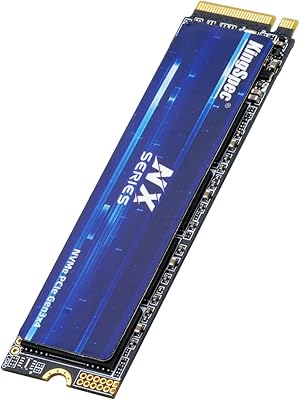
KingSpec NX Series 2TB Gen3x4 NVMe M.2 SSD
87%
92%
Performance
94%
Speed (Read & Write)
89%
Value for Money
86%
Build Quality & Durability
91%
Ease of Installation
More
SanDisk 2TB SSD Plus M.2 NVMe SSD
86%
89%
Performance
92%
Ease of Installation
88%
Reliability
91%
Value for Money
90%
Capacity
More
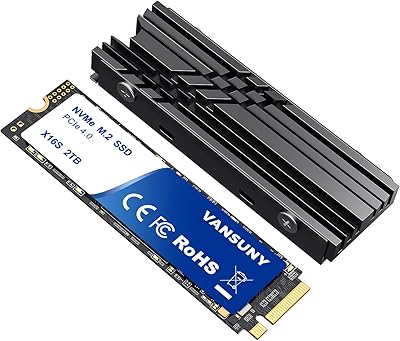
Vansuny 2TB NVMe M.2 SSD
86%
95%
Performance
88%
Installation Ease
78%
Thermal Management
92%
Storage Capacity
94%
Speed for Gaming
More
GAMERKING 2TB M.2 NVMe SSD
85%
91%
Performance (Read/Write Speeds)
72%
Thermal Management
88%
Ease of Installation
94%
Compatibility with PS5
87%
Value for Money
More
ORICO IG740PRO 2TB NVMe SSD
83%
93%
Read & Write Speed
91%
Endurance & Longevity
84%
Thermal Management
88%
Data Security & Protection
92%
PS5 Compatibility & Installation
More
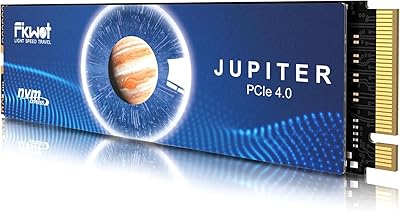
Fikwot FX991 2TB M.2 NVMe SSD
88%
94%
Performance
96%
Read Speed
92%
Write Speed
89%
Thermal Management
90%
Ease of Installation
More
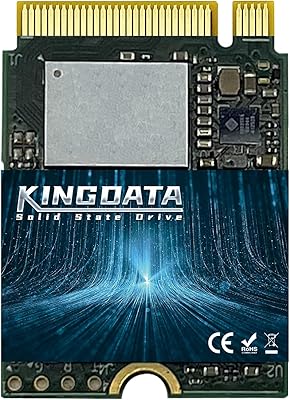
KINGDATA M.2 2230 2TB NVMe SSD
88%
91%
Performance
93%
Read Speed
89%
Write Speed
85%
Durability
88%
Temperature Management
More
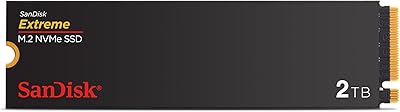
SanDisk Extreme M.2 NVMe 2TB SSD
79%
91%
Read Speed Performance
63%
Sustained Write Performance
94%
Installation Ease
83%
Value for Money
88%
Compatibility & Versatility
More
fanxiang S770 2TB NVMe M.2 SSD
79%
88%
Sequential Read Speed
91%
PS5 Compatibility
86%
Value for Money
83%
Thermal Management
74%
Build Quality
More
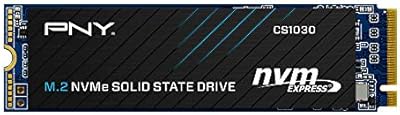
PNY CS1030 2TB M.2 NVMe SSD
88%
92%
Performance Speed
88%
Ease of Installation
90%
Reliability
89%
Value for Money
85%
Power Efficiency
More

FAQ

It uses the M.2 2280 form factor, which is the most common M.2 size found in modern laptops and desktops. Check your laptop's specs or user manual to confirm it has an M.2 slot that supports PCIe NVMe — most machines made in the last five or six years do, but a quick check before buying saves headaches.

For most people, not really. QLC gets a bad reputation in enthusiast circles because its sustained write endurance is lower than TLC or MLC, but the average user rarely pushes a drive hard enough to notice. If your day involves loading apps, browsing, gaming, or streaming files you already have stored, the 670p 2TB will handle it without issue. The limitation only becomes practical if you are regularly copying hundreds of gigabytes in a single session.

The drive uses a portion of its NAND as a fast SLC cache to accelerate write bursts. Once that cache is saturated — which takes a sustained, back-to-back write workload to trigger — the drive falls back to native QLC write speeds, which are considerably slower. For typical consumer tasks this rarely happens, but if you are transferring very large batches of data in one go, you may see a slowdown partway through.

The Intel 670p Series 2TB M.2 NVMe SSD does not include a heatsink, and for most builds it does not need one. In well-ventilated desktop cases with reasonable airflow, the drive stays within acceptable temperatures during everyday use. That said, if your build is compact or your M.2 slot sits directly beneath a GPU with little airflow, a low-profile M.2 heatsink is a cheap and sensible precaution.

Yes, and many users do exactly that. Boot times are fast and everyday OS responsiveness is excellent. Just be aware that if you are someone who regularly writes large amounts of data — say, video editing with constant exports — a TLC-based NVMe drive would hold up better over time as a primary drive under that kind of sustained load.

Yes, it will work in a PCIe 4.0 slot, but it will run at PCIe 3.0 speeds since that is the maximum the drive supports. You will not be taking full advantage of a Gen 4 slot, but it is fully functional and backward compatibility is not an issue.

Intel SSD Toolbox lets you check drive health, view estimated remaining lifespan, run diagnostics, update firmware, and perform a secure erase if you ever need to wipe the drive cleanly. It is free and lightweight. For anyone keeping a drive long-term, it is worth having installed just to keep an eye on the health data over time.

It is actually one of the stronger use cases for this QLC SSD. Games are read-heavy by nature — loading levels, streaming assets, accessing save files — and that is exactly where this drive performs well. The 2TB capacity is generous enough to hold a substantial library without constantly juggling installs, and load times will be noticeably faster than any SATA drive.

A TLC drive at a similar price will generally offer better sustained write performance and higher write endurance over the drive's lifespan. The tradeoff is that TLC options at 2TB capacity tend to cost more. The 670p 2TB wins on cost-per-gigabyte; a comparable TLC drive wins on long-term write durability. For read-heavy use, the gap in real-world experience is smaller than the specs suggest.

No. The PS5 requires an M.2 NVMe SSD that supports PCIe 4.0, and this Intel NVMe drive is a PCIe 3.0 device, so it does not meet Sony's compatibility requirements. It is strictly designed for use in PC desktops and laptops with a standard M.2 NVMe slot.