
Overview

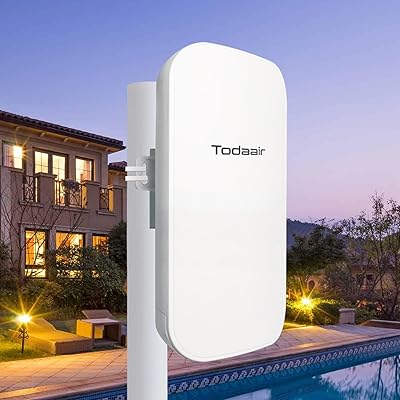
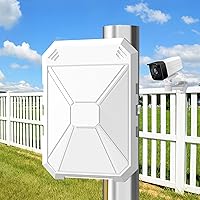
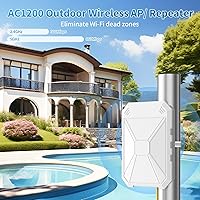
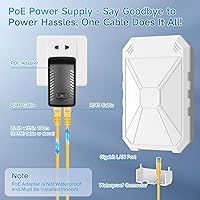
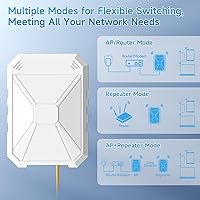
The INEAUTO AC1200 Outdoor WiFi Extender is a dual-band unit built specifically for the connectivity problems indoor routers simply cannot solve — dead zones in detached garages, patchy signal across large backyards, or a barn sitting fifty yards from the house. What sets this weatherproof repeater apart from a typical extender is its passive PoE power delivery, which means a single Ethernet cable carries both power and data to wherever you mount it. No outlet hunting, no extension cords. Add three selectable operating modes — repeater, AP, and router — and you have a mid-range outdoor networking option that adapts to a surprisingly wide range of real-world setups.

Features & Benefits

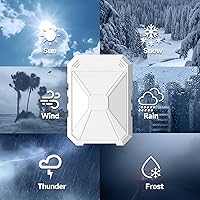
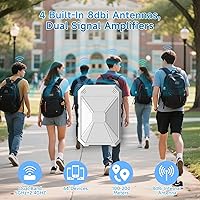
The 2.4GHz band handles longer-range connections well — think a security camera at the far end of the property — while the 5GHz band delivers enough throughput for HD streaming on the patio without buffering. The IP67 weatherproof rating is worth paying close attention to: it covers full dust ingress protection and temporary water submersion, a meaningful step above the vague weather-resistant language on cheaper units. The directional antenna focuses signal toward a specific zone, which sharpens performance in that area but does require careful aiming during installation. It also supports WPA3 encryption, so newer devices connect with current security standards alongside older WPA2 clients.

Best For

This outdoor WiFi extender makes the most sense if you have an outbuilding — a detached garage, workshop, or barn — sitting beyond reliable router range. It is also a strong pick for anyone running outdoor IP cameras that drop connection or produce choppy footage due to weak signal. Patios and covered entertainment areas benefit too, especially for streaming music or video outdoors. The passive PoE requirement is an important detail: you need an existing Ethernet run or a PoE-capable switch, so it is not the right fit if a standard outlet is your only option. Rural and small-farm setups where cable is already laid but electrical runs are impractical are where this unit genuinely earns its keep.

User Feedback

Buyers consistently highlight the physical build quality and how straightforward the PoE installation process is — no fumbling for an outdoor outlet. Real-world coverage gains draw positive mentions too, particularly from people replacing a struggling indoor extender. That said, a recurring theme is that configuring AP mode versus repeater mode is not always intuitive, and the management interface feels functional rather than polished. A few users note that repeater mode introduces noticeable latency, which matters for outdoor gaming or video calls. Feedback on the brand's customer support is mixed — some report quick, helpful responses, others less so. Weather resilience in heavy rain and cold temperatures draws consistent praise, which is arguably the most critical thing any outdoor unit needs to deliver.

Pros

  • IP67 weatherproofing holds up in heavy rain, dust, and cold temperatures — not just light drizzle.
  • Passive PoE means a single Ethernet cable powers and connects the unit, keeping installation clean and flexible.
  • Three operating modes let you match the device to your existing network rather than rebuilding around it.
  • WPA3 security support keeps modern devices protected without locking out older clients.
  • Real-world coverage gains over struggling indoor extenders are consistently noted by buyers.
  • The directional antenna concentrates signal where you actually need it, improving performance in targeted zones.
  • Solid physical construction gives confidence it will last through multiple seasons outdoors.
  • Dual-band operation lets range-sensitive devices use 2.4GHz while faster tasks run on 5GHz simultaneously.
  • MU-MIMO support handles multiple outdoor devices connecting at once without significant throughput drops.

Cons

  • Repeater mode introduces added latency that can affect latency-sensitive applications like video calls.
  • The management interface feels dated and functional rather than intuitive, especially for first-time network device users.
  • Directional antenna requires precise physical aiming during installation — minor misalignment meaningfully reduces performance.
  • No power outlet option means buyers without existing Ethernet runs are completely blocked from using this unit.
  • Customer support responsiveness from the brand is inconsistent based on reported buyer experiences.
  • AP mode, which avoids the latency issue, requires a wired Ethernet backhaul that not all setups can accommodate.
  • Mode selection during setup can confuse less experienced users and incorrect configuration is not always obvious.
  • At its price point, the software experience lags behind more established outdoor networking brands.

Ratings

The scores below reflect an AI-driven analysis of verified global buyer reviews for the INEAUTO AC1200 Outdoor WiFi Extender, with spam, bot-generated, and incentivized feedback actively filtered out before scoring. Each category is evaluated on real-world usage patterns drawn from confirmed purchases, meaning both the strengths and the frustrations you see here come from people who actually installed and used this unit outdoors. Nothing is glossed over — where buyers ran into trouble, the scores reflect it honestly.

Weather Durability
91%
The IP67 rating earns consistent real-world praise from buyers in rainy climates and cold-winter regions who report zero weather-related failures after months of outdoor exposure. Several users specifically mention leaving it mounted through heavy storms without any performance degradation, which is the most reassuring validation an outdoor device can get.
A small number of buyers in extremely humid coastal environments noted minor connector corrosion over extended periods, suggesting the Ethernet port area could benefit from added sealing during installation. This is an edge case, but worth noting for those in harsh marine climates.
PoE Installation
88%
Buyers with existing Ethernet runs consistently describe the PoE installation as the cleanest outdoor network setup they have done — no outdoor outlets, no cable management headaches, just one cable doing both jobs. For fence-line or rooftop mounting where power access is genuinely impractical, this approach is a meaningful practical advantage.
The passive PoE requirement trips up buyers who assume any PoE switch will work, since active 802.3af switches may not deliver power correctly to this unit. This distinction is not prominently flagged in the packaging, and a handful of users wasted time troubleshooting a compatibility issue that was entirely avoidable with clearer documentation.
Signal Range
83%
Most buyers report genuine, noticeable coverage improvements over whatever indoor extender they replaced — detached garages, backyard cameras, and far-corner patios that previously had no usable signal now hold a reliable connection. The directional antenna helps concentrate output effectively when aimed correctly, which compounds the real-world range benefit.
Range gains depend heavily on correct antenna aiming, and buyers who did not spend time aligning the unit during installation report disappointing results. A few users in heavily wooded properties also noted that dense vegetation absorbs signal more than they expected, limiting effective outdoor range compared to open-ground scenarios.
Setup & Configuration
62%
38%
Users who have previous experience configuring routers or access points find the web-based management interface reasonably straightforward, and the three-mode selection gives experienced buyers genuine flexibility to match their existing network topology without workarounds.
First-time networking device buyers frequently report confusion about the difference between repeater and AP mode, and the interface itself offers little guidance on which to choose for a given scenario. Several reviews mention spending an hour or more troubleshooting a misconfigured mode before realizing the root cause, which is a recurring friction point that better onboarding could easily resolve.
Throughput Performance
78%
22%
On 5GHz in AP mode with a strong Ethernet backhaul, buyers running outdoor cameras and streaming devices report clean, stable throughput that handles HD video without buffering. The dual-band design means range-sensitive devices can fall back to 2.4GHz without pulling down performance for other connected devices.
In repeater mode, throughput takes a noticeable hit due to the half-duplex penalty inherent in wireless backhaul, and latency-sensitive tasks like video calls or online gaming suffer noticeably. Buyers who expected repeater mode to match wired-backhaul AP performance were consistently disappointed, making mode selection a critical but underexplained decision at purchase.
Build Quality
86%
The physical enclosure feels solid and purposefully designed for outdoor use, with a weight and finish that buyers describe as noticeably more robust than cheaper indoor extenders repurposed for outdoor mounting. Mounting hardware included in the box is practical and holds the unit securely on fence posts or exterior walls.
A few buyers found the plastic housing showed minor UV discoloration after prolonged direct sun exposure over several months, though none reported structural integrity issues as a result. It is a cosmetic concern rather than a functional one, but worth knowing for visible installations.
Security Features
84%
WPA3 support is genuinely useful for buyers running modern smart home devices outdoors, particularly outdoor cameras and speakers that increasingly require current encryption standards. The simultaneous WPA2 compatibility means no legacy device gets left behind during the transition to newer security protocols.
The management interface does not enforce a strong default admin password change during initial setup, which is a minor but real security oversight for a device handling outdoor network traffic. Buyers need to remember to set a strong admin credential manually, something that should be prompted automatically.
Management Interface
58%
42%
The web-based interface covers all the necessary configuration options — mode switching, band settings, security credentials — and experienced users can complete a full setup in under ten minutes once they know what they are doing. Everything technically needed is present and accessible.
The interface design feels several years behind current networking UI standards, and buyer feedback consistently flags it as unintuitive compared to consumer-grade router interfaces from established brands. Lack of a mobile-friendly layout and the absence of any guided setup wizard are the two most frequently cited complaints.
Latency in Repeater Mode
54%
46%
For basic use cases like connecting an outdoor camera or a low-demand smart device, repeater mode latency is not significant enough to cause visible problems, and buyers using it purely for surveillance report satisfactory results.
Anyone using this outdoor WiFi extender for latency-sensitive applications in repeater mode — video calls on a patio, for instance — will notice the added delay. The half-duplex wireless backhaul in repeater mode creates a measurable lag that several buyers describe as unacceptable for interactive use, which is a structural limitation of the mode rather than a defect.
Value for Money
76%
24%
Buyers who specifically needed an IP67-rated, PoE-powered outdoor unit with multiple operating modes find the price reasonable given how few direct competitors offer all three features together at this tier. For the target use case, the hardware specification relative to cost holds up well.
Buyers who did not fully need the outdoor weatherproofing or PoE capability — and purchased it purely for range extension — find better value in indoor extenders at lower price points. The premium feels justified only when the outdoor-specific hardware features are actually required by the installation scenario.
Antenna Flexibility
67%
33%
The directional antenna is genuinely effective at pushing signal toward a specific target area, which is exactly what you want when your coverage goal is a fixed point like a barn, security camera cluster, or a specific patio zone.
Buyers needing broader multi-directional outdoor coverage found that a single unit leaves significant blind spots outside the antenna's focused beam. Covering an irregularly shaped outdoor space often requires a second unit or a different antenna type, adding cost that some buyers did not anticipate.
Compatibility
81%
19%
The unit works with any standard router brand and connects seamlessly to existing networks running common Wi-Fi standards, meaning there is no proprietary ecosystem lock-in. Buyers upgrading from various router brands — including Netgear, TP-Link, and Asus — report no pairing complications.
The passive PoE power requirement creates a compatibility hurdle with active PoE infrastructure that some enterprise or prosumer network setups use exclusively. Buyers coming from an all-active-PoE environment need an additional passive injector, which adds a small but unexpected extra purchase to the setup.
Customer Support
61%
39%
Buyers who reached INEAUTO support with straightforward setup questions generally report receiving relevant, helpful responses that resolved their issue. Email response times in positive cases were described as reasonably prompt for a smaller networking brand.
The support experience is inconsistent enough that a meaningful portion of buyers describe slow or unhelpful responses, particularly for more complex configuration questions. There is no live chat option, and the documentation provided with the unit is thin enough that support contacts are more frequent than they should need to be.

Suitable for:

The INEAUTO AC1200 Outdoor WiFi Extender is a practical match for homeowners who already have an Ethernet cable run outside but lack a nearby power outlet — the passive PoE setup means one cable does everything, no electrician required. It shines on larger properties where a detached garage, workshop, or barn sits too far from the main router for a reliable indoor signal to reach. If you run outdoor security cameras that drop connection or deliver stuttering footage, this weatherproof repeater gives those devices a dedicated, close-range signal source rather than forcing them to strain against a distant router. Small farm operators and rural households will find it especially useful since running new electrical lines is often costly or impractical, while a buried Ethernet cable is a much simpler project. Patios wired for entertainment — streaming music, casting video, or using smart speakers outside — also benefit from the stable dual-band connection this unit can provide when mounted and aimed correctly.

Not suitable for:

The INEAUTO AC1200 Outdoor WiFi Extender is not the right choice if your only available power source is a standard wall outlet and you have no Ethernet infrastructure in place, since passive PoE is a hard requirement, not a convenience option. Buyers expecting a true plug-and-play experience with no networking knowledge may find the configuration process frustrating, particularly when deciding between repeater, AP, and router modes — a wrong choice here degrades performance noticeably. Anyone sensitive to latency, such as competitive gamers or people doing video calls outdoors, should know that repeater mode adds a measurable delay, and AP mode requires a wired backhaul that not everyone can provide. The directional antenna improves focused coverage but demands careful physical aiming at installation time; if you need coverage spread in multiple directions simultaneously, a single unit will not cover all angles. Users expecting enterprise-grade throughput or the polished management interface of premium networking brands may find this outdoor WiFi extender underwhelming at the software level.

Specifications

  • Brand: Manufactured and sold under the INEAUTO brand.
  • Model Number: The device carries model number 1200.
  • Wi-Fi Standard: Supports 802.11a/b/g/n/ac across both frequency bands.
  • Frequency Bands: Operates concurrently on both 2.4GHz and 5GHz bands for dual-band connectivity.
  • Max Throughput: Delivers up to 300Mbps on 2.4GHz and up to 867Mbps on 5GHz for a combined AC1200 rating.
  • Antenna Type: Uses a directional antenna to focus signal output toward a targeted coverage zone.
  • Operating Modes: Supports three selectable modes: Repeater, Access Point (AP), and Router.
  • Power Method: Powered exclusively via passive Power over Ethernet (PoE), requiring no separate power outlet.
  • Weather Rating: Carries an IP67 rating, providing full dust ingress protection and resistance to temporary water submersion.
  • Security Protocol: Supports WPA/WPA3 and WPA-PSK/WPA3-PSK encryption standards for both modern and legacy client devices.
  • MU-MIMO: Includes MU-MIMO technology to handle simultaneous data streams from multiple connected devices.
  • Dimensions: Package measures 14.29 x 8.78 x 3.58 inches as shipped.
  • Weight: Complete packaged unit weighs 2.05 pounds.
  • Compatibility: Compatible with any existing router or network that supports standard 802.11a/b/g/n/ac Wi-Fi protocols.
  • ASIN: Amazon product identifier is B0F9X2KNZ8.
  • Availability Date: First made available for purchase on May 26, 2025.

Related Reviews
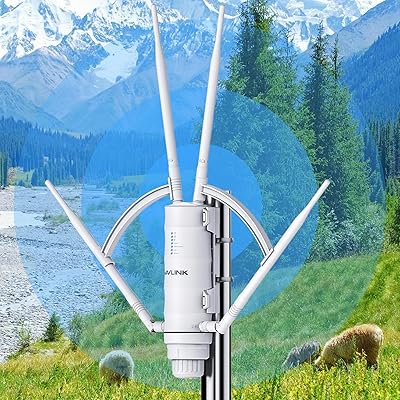
WAVLINK WN572HP3 AC1200 Outdoor WiFi Extender
72%
78%
Outdoor Signal Range
71%
Ease of Setup
66%
PoE Implementation
73%
Build Quality & Weatherproofing
74%
Dual-Band Performance
More
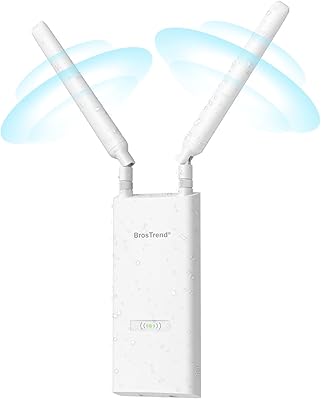
BrosTrend AC1200 Outdoor WiFi Extender
79%
91%
Weather Durability
74%
Signal Coverage
82%
Ease of Installation
78%
Value for Money
86%
Build Quality
More
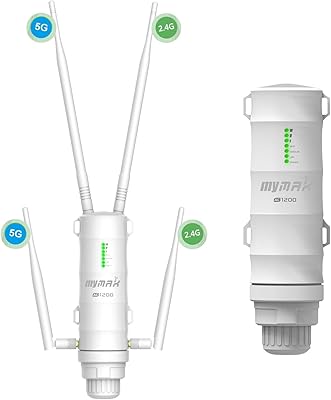
MyMAX WN572HP3 Outdoor WiFi Extender
73%
84%
Build Quality
88%
Weatherproofing
71%
Signal Range
58%
Setup & Installation
76%
Throughput Performance
More
WAVLINK WN588HX3 WiFi 6 Outdoor Access Point
75%
83%
Outdoor Signal Range
91%
Build Quality & Weatherproofing
78%
Installation & Mounting
61%
Setup & Configuration Experience
86%
WiFi 6 Performance
More
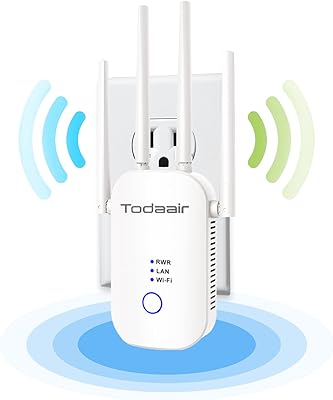
TODAAIR Outdoor N300 WiFi Extender
65%
78%
Weatherproof Durability
63%
Signal Range
74%
Ease of Setup
51%
Real-World Speed
67%
Build & Hardware Quality
More
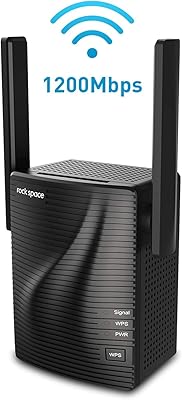
rockspace AC1200 WiFi Range Extender
72%
79%
Value for Money
88%
Ease of Setup
71%
Signal Coverage
57%
Real-World Speed
61%
Connection Stability
More
TODAAIR AC1200 WiFi Range Extender
82%
88%
Wireless Coverage
85%
Dual-Band Performance
90%
Setup & Installation
82%
Device Capacity
80%
Speed Consistency
More
TP-Link RE300 WiFi Range Extender
76%
88%
Ease of Setup
82%
Signal Coverage
61%
Throughput & Speed Performance
78%
Device Capacity
84%
Build Quality & Form Factor
More
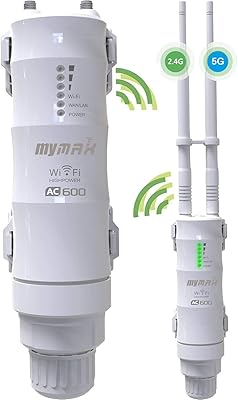
MyMAX WN570HA1 Outdoor WiFi Extender
71%
88%
Weather Durability
74%
Ease of Installation
63%
Real-World Coverage Range
57%
5GHz Band Performance
81%
Build Quality & Materials
More
WAVLINK WN573HX1 AX1800 Outdoor WiFi 6 Access Point
80%
92%
Weather Resistance & Durability
84%
WiFi Range & Signal Strength
81%
Installation & Setup
61%
Configuration Interface (UI/UX)
86%
WiFi 6 Performance & Speed
More

FAQ

It uses passive PoE, which is an important distinction from active PoE. Passive PoE delivers power at a fixed voltage without the negotiation handshake that active PoE uses, so you need either a passive PoE injector or a switch that supports passive PoE output. Many standard 802.3af or 802.3at active PoE switches may not work correctly, so double-check your equipment before purchasing.

Yes, the IP67 rating covers full protection against dust and temporary submersion in water up to one meter, so rain, sleet, and snow are not a concern. It is built for year-round outdoor installation, including in climates with cold winters or humid summers.

In repeater mode, the unit connects to your existing Wi-Fi signal wirelessly and rebroadcasts it, which is easier to set up but does add some latency and can reduce throughput. In AP mode, it connects to your router via an Ethernet cable and creates a fresh wireless signal, which is faster and lower-latency but requires a physical cable run to the unit. If you already have Ethernet running to the mount location, AP mode is almost always the better choice.

Real-world range depends heavily on obstructions, interference, and your source router strength, but buyers report meaningful coverage gains over struggling indoor extenders — enough to reliably cover a detached garage or backyard camera. The directional antenna helps concentrate the signal rather than scattering it, which improves performance toward a specific area at the cost of broader coverage.

Yes, the unit supports both WPA2 and WPA3 simultaneously, so older devices using WPA2 will connect without any issues alongside newer devices using WPA3.

It works with any standard router regardless of brand, since it communicates using universal 802.11a/b/g/n/ac Wi-Fi protocols. There is no proprietary pairing required.

Yes, and this step matters more than most buyers expect. The directional antenna focuses signal toward whatever it is pointed at, so if it is aimed at the sky or a wall rather than your coverage target, performance will be noticeably weaker. Take a few minutes during installation to physically align it toward the area you want covered.

Yes, router mode allows you to connect it directly to a modem or internet source via Ethernet and use it as a basic router for your outdoor area. It is a useful option for outbuildings or remote zones that need their own independent network segment.

You typically access the configuration interface through a web browser by entering a local IP address after connecting to the unit. The interface is functional and gets the job done, but buyer feedback suggests it is not the most polished or intuitive experience — people comfortable with basic router settings will be fine, but complete beginners may need to consult the manual or look up a setup guide.

The IP67 rating covers temporary submersion up to one meter for up to 30 minutes, so brief flooding exposure should not damage it. Prolonged submersion beyond those parameters is outside what the rating guarantees, so it is worth installing it at a height that avoids standing water where possible.