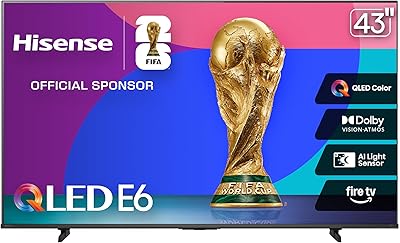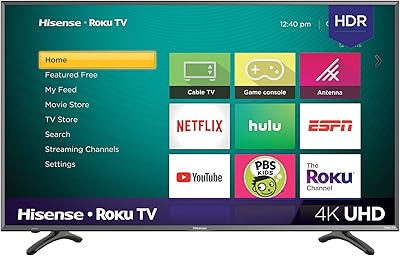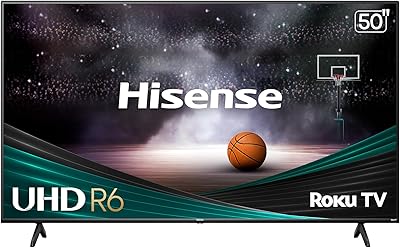


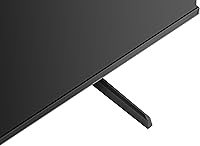
Overview

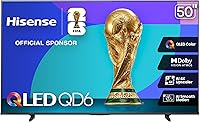
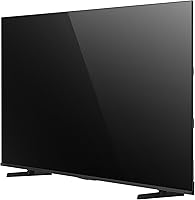
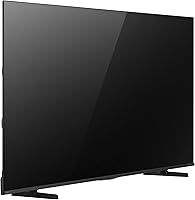
The Hisense 50-inch QD6 QLED 4K Smart TV is the kind of set that makes you do a double-take at the price tag. For a mid-range television, it packs genuinely impressive credentials: quantum dot color technology, Dolby Vision HDR, and Fire TV built right in — features you would typically expect to cost considerably more. Hisense has been quietly closing the gap on Samsung and TCL, and the 2025 QD6 model is a solid example of that trend. At 50 inches, it fits comfortably in most living rooms and bedrooms. Just manage expectations going in — this is not an OLED, and it does not pretend to be.

Features & Benefits

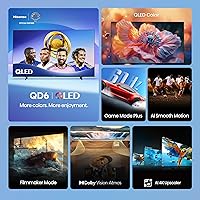
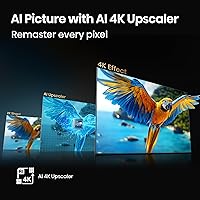
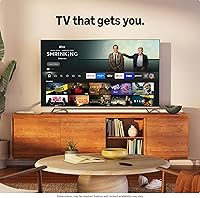
The QD6 Fire TV's picture quality story starts with the quantum dot panel, which renders color with genuine depth — greens look green, not just green-ish. Paired with Dolby Vision HDR and HDR10+, bright scenes hold detail well without blowing out highlights. One honest caveat: the native panel runs at 60Hz. Motion Rate 120 is a processing feature, not a true hardware refresh rate, so do not let that number set the wrong expectations. The AI 4K Upscaler does solid work on cable broadcasts and older content. And the Fire TV platform means your streaming apps load quickly, with Alexa on the remote for voice search when you would rather not type.

Best For

This 50-inch Hisense lands in a sweet spot for a few specific types of buyers. Cord-cutters get the full Fire TV experience right out of the box — no dongles, no workarounds. Gamers on a budget will appreciate VRR and ALLM, which work together to sync the TV's refresh rate to your console's output and cut input lag automatically when you launch a game. Sports viewers benefit from MEMC, which processes motion to reduce blur during fast-paced action. Apple households will find AirPlay 2 and HomeKit support genuinely useful. And if you are upgrading from an older 1080p set, the jump in color and clarity is noticeable from the moment you power it on.

User Feedback

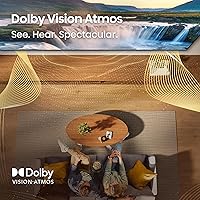
Buyers tend to react well to the out-of-box picture quality — the colors pop in a way that feels like a real upgrade from entry-level sets, and setup is straightforward. That said, a few recurring themes show up in the critical reviews. The Fire TV home screen draws complaints for being ad-heavy, which is a fair point — it is a persistent trade-off with Amazon's platform. Some users also note that Dolby Atmos sounds noticeably better with an external soundbar; the built-in speakers handle the format decently but do not fully deliver on the promise. Stand stability and remote feel get mixed marks. Overall, most buyers feel the value-to-feature ratio holds up well for the price tier.

Pros

  • Quantum dot color makes a visible difference — greens, reds, and skin tones look richer than typical LCD panels at this price.
  • Dolby Vision and HDR10+ support means compatibility with the widest range of HDR-mastered streaming content.
  • Fire TV is a polished, responsive platform with virtually every major streaming app available at launch.
  • VRR and ALLM support gives console gamers automatic low-latency mode without digging through settings menus.
  • The AI 4K Upscaler does a respectable job sharpening cable broadcasts and older content that was never shot in 4K.
  • AirPlay 2 and HomeKit compatibility make this Hisense QLED a natural fit for Apple device users.
  • Setup is straightforward — most buyers report having the QD6 Fire TV running in under 20 minutes out of the box.
  • At 19.2 pounds, it is light enough to wall-mount solo without much hassle.
  • Alexa voice search works reliably for finding content quickly across multiple apps simultaneously.
  • The 50-inch size hits a practical sweet spot — large enough to feel cinematic, small enough for most room layouts.

Cons

  • The native panel is 60Hz — Motion Rate 120 is a processing spec, and the distinction matters for fast gaming or sports.
  • Black levels and contrast fall noticeably short of OLED panels, especially in dark or dimly lit viewing environments.
  • The Fire TV home screen pushes sponsored content and ads prominently, which some users find genuinely irritating over time.
  • Built-in speakers underdeliver on the Dolby Atmos promise — a soundbar is practically a necessity for the full audio experience.
  • Stand stability has drawn mixed feedback; the base can feel less solid than expected on larger furniture surfaces.
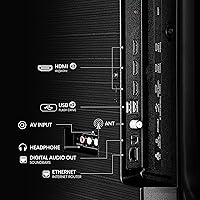
  • Port selection may feel limiting for users with multiple devices like consoles, soundbars, and streaming sticks all competing for HDMI inputs.
  • Remote build quality feels budget-grade relative to competitors in the same price range.
  • The QD6 Fire TV lacks a full-array local dimming zone system, which limits how precisely it can control brightness across different parts of the screen.
  • Hisense's long-term software update track record is less established than Sony or Samsung, which may be a concern for buyers planning to keep the TV for many years.
  • Color accuracy in the default picture mode skews oversaturated — calibration is recommended before settling on your viewing settings.

Ratings

The Hisense 50-inch QD6 QLED 4K Smart TV scores below are generated by AI after analyzing thousands of verified global buyer reviews, with spam, incentivized submissions, and bot activity actively filtered out. Ratings reflect the honest consensus of real owners across living room setups, gaming sessions, and daily streaming use. Both the strengths and the frustrations are transparently represented — nothing is glossed over.

Picture Quality
83%
Most owners are genuinely surprised by how rich and saturated the image looks straight out of the box, particularly with Dolby Vision content on Netflix or Disney+. The quantum dot layer adds visible depth to colors — grass on sports broadcasts and skin tones in dramas look more natural than competing LCD sets in this price range.
In darker scenes or late-night movie watching, the lack of a full-array local dimming system becomes apparent — blacks look more like very dark grey rather than true black. Viewers coming from OLED panels will notice the contrast gap almost immediately.
Color Accuracy
78%
22%
Out of the box, the color reproduction is vivid and punchy, which most casual viewers find immediately appealing. The quantum dot filter genuinely expands the color range beyond what a standard LED panel can produce, giving streaming content a lively, cinema-adjacent feel.
The default color settings push saturation higher than accurate, which can make some content look artificial. Users who care about color calibration will want to spend time in the picture settings menu to dial things back to a more neutral baseline.
Motion Handling
71%
29%
For sports fans, MEMC-assisted motion processing keeps fast-paced action — quick passes, sprinting athletes, rapid camera pans — reasonably clear and blur-free during everyday viewing. The AI Smooth Motion processing does meaningful work on live broadcasts that would otherwise look choppy.
The native 60Hz panel is the ceiling here, and no amount of processing fully compensates for it. On very fast motion or action sequences in films, some residual judder and soap-opera effect can appear depending on which processing setting is active, and finding the right balance takes some experimentation.
Gaming Performance
76%
24%
VRR and ALLM support are genuinely useful features — when a PS5 or Xbox Series X is connected, the TV automatically drops into low-latency mode without requiring manual input, which is a convenience most buyers at this price tier do not expect. Casual gamers report smooth, lag-free play in everyday titles.
The 60Hz native panel is the hard limit for serious gaming — 120fps output is simply not possible regardless of console settings. Competitive players who need high frame rates for fast-paced shooters or racing games will find this a genuine obstacle, not just a minor inconvenience.
Smart Platform
81%
19%
Fire TV as a smart platform is fast, well-organized, and covers every major streaming service without gaps. The Alexa voice remote works reliably for content search across apps simultaneously, which saves real time compared to searching app by app on older smart TV platforms.
The home screen prominently features sponsored rows and Amazon-curated content that cannot be fully removed, which a meaningful portion of users find intrusive. Over months of daily use, this advertising presence becomes a recurring annoyance for buyers who prefer a cleaner interface.
Audio Quality
62%
38%
The built-in speakers handle everyday TV content — news, sitcoms, daytime streaming — without obvious deficiencies, and Dolby Atmos-encoded audio does play back through them. Dialogue clarity is solid at moderate volume levels, which matters for quieter viewing environments.
The Dolby Atmos branding sets expectations the physical hardware cannot meet without external help. Thin cabinet speakers cannot produce the spatial, enveloping sound Atmos is designed to deliver, and at higher volumes the audio can sound compressed and fatiguing. A soundbar is a practical necessity for movie watching.
Value for Money
91%
When the full feature list is measured against the asking price — Dolby Vision, Fire TV, VRR, ALLM, AirPlay 2, and quantum dot color all included — this Hisense QLED consistently ranks among the stronger value propositions in its size class. Most buyers feel they received considerably more than they paid for.
The value equation holds up well only when buyers understand what they are getting. Those who purchase expecting OLED-level contrast, true 120Hz gaming, or audiophile-grade sound will feel misled, even though those capabilities were never part of the specification.
Build Quality
67%
33%
The overall fit and finish is acceptable for the price point — bezels are slim, the panel sits flush, and the matte screen coating reduces glare effectively in bright rooms. At 19.2 pounds it feels solid enough during handling and wall mounting.
The stand is a recurring weak point in buyer feedback — it covers a narrower footprint than some users expect and can feel less stable than the TV's size warrants on wider TV consoles. The remote also draws criticism for feeling plasticky and lightweight relative to competitors.
Setup Experience
88%
The on-screen Fire TV setup wizard is genuinely well-designed — walking through Wi-Fi connection, account login, and app installation takes most buyers under 20 minutes. Stand assembly is simple, with clearly labeled hardware and a practical quick-start guide included in the box.
A small number of users report connectivity hiccups during the initial Wi-Fi setup, particularly on dual-band routers. Firmware update prompts immediately after setup can add unexpected time to the first-use experience for buyers eager to start watching.
Alexa Integration
77%
23%
Having Alexa on the remote rather than requiring a separate Echo device is a genuine daily convenience — asking it to open apps, search for specific titles across streaming services, or check sports scores works reliably in most home environments. Apple HomeKit and AirPlay 2 add further ecosystem utility.
Alexa voice recognition can struggle in louder rooms or when the TV's own audio is at higher volumes, occasionally requiring repeated button presses. Users who are not invested in the Amazon ecosystem may find the Alexa-centric interface nudges them toward Prime content more than they would prefer.
HDR Performance
79%
21%
The combination of Dolby Vision and HDR10+ compatibility means this QD6 Fire TV handles the widest range of HDR-mastered content without format mismatches. In well-lit HDR scenes — sunlit landscapes, bright action sequences — the panel demonstrates noticeably better highlight detail than standard LED competitors.
Peak brightness, while adequate for HDR, does not reach the levels needed to make specular highlights truly pop the way high-brightness QLED or OLED panels can. In rooms with significant ambient light, some of the HDR impact is lost because the panel cannot overcome the surrounding brightness effectively.
Upscaling Quality
74%
26%
The AI 4K Upscaler does a commendable job with cable broadcasts and older streaming content — edges appear sharper and fine textures like fabric or grass gain definition that the original source did not contain. For buyers who still watch a lot of non-native 4K content, this matters day to day.
Upscaling artifacts are occasionally visible on very low-bitrate streams or older DVD-quality content, where the AI processing can produce an over-sharpened or waxy look on faces. The results are inconsistent enough that some content benefits clearly while other content looks processed in an unflattering way.
Connectivity
69%
31%
Dual-band Wi-Fi, Bluetooth, HDMI, and USB ports cover the connection needs of most typical home setups. Bluetooth enables pairing wireless headphones for late-night viewing without disturbing others, which multiple buyers highlight as a practical daily-use benefit.
The number of HDMI ports can feel limiting for users with a full entertainment stack — console, soundbar, streaming stick or Blu-ray player all competing for inputs. Buyers with more than two or three external devices may find themselves relying on an HDMI switch, which adds cost and complexity.
Screen Uniformity
66%
34%
For the majority of typical viewing content — streaming services in a normally lit room — screen uniformity is adequate and does not distract during day-to-day use. Most users watching from a centered viewing position at normal seating distances will not notice significant issues.
On uniform backgrounds — particularly grey or light blue skies, or a solid colour screensaver — backlight clouding and some edge glow is visible, which is a known characteristic of edge-lit LCD panels. This is most noticeable in a dark room and can be distracting during films with wide, empty landscape shots.

Suitable for:

The Hisense 50-inch QD6 QLED 4K Smart TV makes the most sense for buyers who want a meaningful upgrade from an aging 1080p set without stretching into flagship territory. Cord-cutters in particular will appreciate having Fire TV baked in — no extra streaming stick needed, and all major apps are available from day one. The 50-inch footprint is genuinely versatile, working equally well as a primary living room screen or a generous bedroom display. Casual console gamers will find real value in the VRR and ALLM support, which automatically reduce input lag when a compatible device is connected — a feature that used to cost considerably more. Sports fans benefit from MEMC-driven motion processing, which keeps fast action reasonably sharp. Apple household users also get a practical bonus with AirPlay 2 and HomeKit built in, making this a friendlier choice than many competing sets at this price tier.

Not suitable for:

Buyers chasing the absolute best picture quality should look elsewhere — the Hisense 50-inch QD6 QLED 4K Smart TV is a quantum dot LCD, and while it performs well for its class, it cannot replicate the per-pixel contrast and deep blacks that OLED panels deliver. Cinephiles who watch a lot of dark-room content at night may find the local dimming and black levels noticeably limited compared to higher-end alternatives. The native panel refresh rate is 60Hz — Motion Rate 120 refers to image processing, not true hardware output — so competitive gamers who demand 120fps gameplay will need to look at a different set. The built-in speakers, while Dolby Atmos-certified, struggle to do justice to the format on their own; anyone serious about audio will need to budget for a soundbar. And if you find ad-supported smart TV interfaces frustrating, the Fire TV home screen, which prominently features sponsored content, may be a daily annoyance worth factoring into your decision.

Specifications

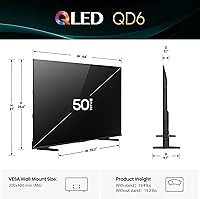
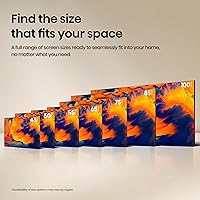
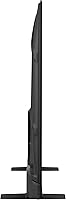
  • Screen Size: The panel measures 50 inches diagonally, with overall dimensions of 44″ wide, 25.6″ tall, and 3.1″ deep including the stand.
  • Resolution: Native display resolution is 3840 x 2160 pixels (4K UHD), with AI-assisted upscaling applied to lower-resolution source content.
  • Display Type: The panel uses QLED technology — a quantum dot filter layer over an LCD backlight — to extend the color gamut beyond standard LED televisions.
  • Refresh Rate: The native panel refresh rate is 60Hz; Motion Rate 120 is a motion-processing feature and does not represent a true 120Hz hardware output.
  • HDR Support: Supports Dolby Vision, HDR10+, and HDR10, providing broad compatibility with HDR-mastered content from major streaming platforms and Blu-ray sources.
  • Audio Format: Onboard audio is certified for Dolby Atmos, though maximum immersive effect is best achieved when paired with a compatible external soundbar or AV receiver.
  • Smart Platform: Runs Amazon Fire TV (2025 edition), with a unified home screen, Alexa voice assistant integration, and access to all major streaming applications.
  • Gaming Features: Game Mode Plus includes Variable Refresh Rate (VRR), Auto Low Latency Mode (ALLM), and MEMC processing to reduce input lag and smooth fast motion during gameplay.
  • AI Upscaling: The AI 4K Upscaler applies machine-learning models to enhance edge sharpness and texture detail in sub-4K content such as cable broadcasts and streaming at lower bitrates.
  • Connectivity: Physical connections include multiple HDMI ports, USB ports, Bluetooth, and dual-band Wi-Fi; exact HDMI port count should be confirmed against the product listing.
  • Ecosystem: Compatible with Apple AirPlay 2 for wireless content mirroring and Apple HomeKit for smart home automation and control via the Home app.
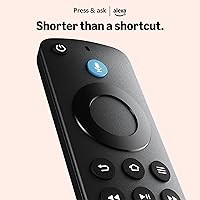
  • Voice Control: Alexa is built into the included voice remote, enabling content search, playback control, smart home commands, and general queries without a separate smart speaker.
  • Weight: The television weighs 19.2 pounds without the stand, making solo wall mounting manageable for most adults with standard mounting hardware.
  • Power Draw: Rated power consumption is 120 watts under typical operating conditions, drawing from a standard 120-volt household outlet.
  • Included Items: The box contains the television, stand hardware, power cable, Alexa voice remote, a quick setup guide, and two AAA batteries for the remote.
  • Model Number: The exact model identifier is 50QD6QF, useful for locating compatible wall mounts, firmware updates, and manufacturer support documentation.
  • Release Year: This model was first made available in March 2025 as part of Hisense's refreshed QD6 lineup for the 2025 model year.
  • Aspect Ratio: Standard 16:9 widescreen aspect ratio, optimized for modern streaming content, broadcast television, and console gaming.

Related Reviews
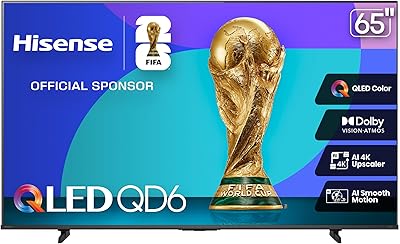
Hisense 65-inch QD6 QLED 4K Smart TV
76%
81%
Picture Quality
78%
Brightness & HDR Performance
72%
Motion Handling
76%
Gaming Performance
69%
Smart TV & Interface
More
Hisense 50U6G1 50-Inch ULED 4K Smart TV
82%
89%
Picture Quality
84%
Sound Quality
92%
Value for Money
91%
Setup and Installation
75%
Usability and Interface
More
Hisense 43″ E6 QLED 4K Smart TV
76%
88%
Picture Quality
54%
Motion Handling
83%
HDR Performance
67%
Smart TV Interface
58%
Audio Performance
More
Samsung 50-Inch QLED 4K Q80C Series Smart TV
84%
94%
Picture Quality
88%
Sound Quality
91%
Gaming Performance
89%
Value for Money
85%
Smart Features
More
Hisense 50R7E 50-Inch 4K Roku Smart LED TV
84%
87%
Picture Quality
92%
Roku Streaming Performance
90%
Value for Money
65%
Sound Quality
70%
Brightness in Well-lit Rooms
More
Samsung The Frame LS03F 50-inch QLED TV
77%
91%
Art Mode & Display Illusion
78%
Picture Quality
94%
Design & Aesthetics
58%
Art Store Value
88%
Installation & Setup
More
Samsung 50-inch Q7F QLED 4K Smart TV
75%
86%
Picture Quality
78%
HDR Performance
83%
Color Accuracy
61%
Motion Handling
54%
Gaming Performance
More
Samsung 50-inch Q60A QLED TV
75%
88%
Color Accuracy
57%
Contrast & Black Levels
79%
Brightness
71%
4K Upscaling
58%
Motion Handling
More
Hisense 50-inch R6 4K Smart Roku TV
72%
78%
Picture Quality
74%
HDR Performance
51%
Refresh Rate & Motion Handling
91%
Smart Platform (Roku TV)
57%
Audio Performance
More
Westinghouse 50-inch Xumo 4K Smart TV
69%
74%
Picture Quality
61%
Smart Platform (Xumo TV)
83%
Value for Money
52%
Audio Quality
88%
Setup & Ease of Use
More

FAQ

It is largely a marketing number. The native panel in the QD6 Fire TV runs at 60Hz, which is the actual hardware output rate. Motion Rate 120 refers to Hisense's internal motion-processing technology, not a true 120Hz display. For most streaming and casual gaming this is perfectly fine, but competitive gamers expecting genuine 120fps output should be aware of the distinction.

It works, but with some caveats. VRR and ALLM are supported, so the TV will automatically switch to a low-latency mode when a compatible console is connected, which is a real benefit. However, because the native panel is 60Hz, you will not get true 120fps gameplay — the console will output at 60fps on this screen. For casual console gaming it is a solid pairing; for competitive play at high frame rates, you would want a 120Hz panel.

Most buyers are genuinely impressed when they first power it on — the quantum dot color makes a noticeable difference compared to a standard LED set, and Dolby Vision content looks vibrant and detailed. That said, the default picture mode tends to oversaturate colors a bit, so spending ten minutes adjusting the color temperature and backlight settings will get you a noticeably more natural image without much effort.

Yes, absolutely. Fire TV works perfectly well without a Prime subscription. You can install and use Netflix, Disney+, Apple TV+, YouTube, Hulu, and most other major streaming apps independently. Amazon does feature its own content prominently on the home screen, but you are not locked into its ecosystem.

This is a common point of frustration for some users. The Fire TV home screen does show sponsored content and recommendations prominently, and there is no official way to remove it entirely. You can minimize it by customizing your app layout and jumping directly to your preferred apps, but if a clean, ad-free interface matters a lot to you, it is worth factoring in before buying.

Yes, AirPlay 2 is built in, so you can mirror or cast content from an iPhone, iPad, or Mac without any additional hardware. It also supports Apple HomeKit, which means you can add it to the Home app and control power and inputs alongside your other smart home devices.

The built-in speakers are adequate for everyday TV watching and Dolby Atmos-encoded content will play back, but the physical speaker hardware is not large enough to really reproduce the spatial audio effect that Atmos is designed to deliver. If you watch a lot of movies or care about audio quality, a soundbar makes a meaningful difference. For news, sports, and casual streaming, most people find the built-in audio acceptable.

Setup is straightforward — the on-screen Fire TV setup wizard walks you through everything, and most buyers report being up and running in under 20 minutes. At 19.2 pounds it is light enough to wall-mount without a second person if you are comfortable with the process, though having a helper makes it easier. The stand attaches to the bottom and is stable enough on most surfaces, though some users have noted it feels a little less solid than they expected on wider TV units.

Fire TV software updates are managed by Amazon, so the smart platform itself tends to stay current and secure for a reasonably long period. Hisense-specific firmware for picture processing and hardware features is updated less predictably — the brand does not publish a formal software support timeline the way some premium manufacturers do, which is worth keeping in mind if long-term software support is a priority for you.

Both brands compete closely at this price tier. The QD6 Fire TV has an edge in HDR breadth — Dolby Vision support is not universal at this price, and TCL's entry-level sets sometimes lack it. TCL has historically offered strong local dimming on some models, which can give better contrast in dark scenes. The Fire TV platform on this Hisense is generally considered more polished than Roku on some TCL models, though Roku has its own loyal following. Ultimately both are strong options; the decision often comes down to platform preference and which specific features matter most to you.