Overview

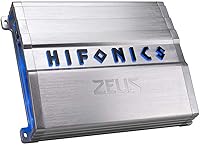
The Hifonics Zeus HIFZG6004 4-Channel Car Amplifier sits squarely in Hifonics' Zeus lineup — a series built around delivering real power without a painful price tag. It's aimed at drivers who are tired of the thin, flat output from a factory head unit and want something with actual headroom. The amp ships in a silver chassis compact enough to tuck under a seat or fit cleanly in a trunk. Running in Class A/B, it trades some efficiency for better audio fidelity than a typical budget Class D unit — a meaningful difference when you're pushing a full set of aftermarket speakers through a modest system build.
Features & Benefits

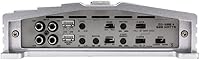
The HIFZG6004 puts out 600 watts total — but that number needs context. Spread across four channels at 4 ohm, you're realistically looking at around 150 watts per channel, and that's peak output, not continuous RMS. Day-to-day listening power will be noticeably lower. That said, it's enough to wake up a set of aftermarket coaxials that a stock radio was choking. The amp includes built-in crossover filters — both low-pass and high-pass — which means you can tune it to match your speaker setup without buying extra hardware. It also accepts standard RCA inputs, and the four channels can be bridged down to two for more focused power delivery.

Best For

This Zeus 4-channel amp is a strong fit for anyone replacing a factory stereo system for the first time. It's particularly well-suited to beginner DIY installs — the wiring layout is conventional, and you won't run into the configuration headaches that come with more complex amplifiers. It pairs cleanly with a set of four coaxial or component speakers in the 4-inch to 6x9-inch range, which covers the vast majority of common car speaker upgrades. It also works well as a workhorse amp for a secondary vehicle build or seasonal-use rig where you want decent sound without investing heavily. Budget-minded buyers who want a recognizable brand will find this budget car amplifier hard to argue with at its price.

User Feedback

Buyers who have installed the Hifonics HIFZG6004 consistently highlight two things: how straightforward the installation process is, and how much better their speakers sound compared to running off a head unit alone. On the flip side, a recurring concern is the wattage discrepancy — some buyers feel the real-world output doesn't quite live up to the 600W headline, which is a fair point given the peak-vs-RMS reality. Build quality gets mixed reviews; the chassis feels functional rather than premium, which is expected at this tier. A handful of users mention heat buildup during extended use, so proper ventilation during install is genuinely important. Warranty experiences vary, with limited documented feedback on support responsiveness.

Pros

  • Plug-and-play wiring setup makes first-time installs far less intimidating than most amps in this class.
  • Class A/B design delivers cleaner audio reproduction than comparably priced Class D alternatives.
  • Built-in low-pass and high-pass crossover filters remove the need for additional signal processors in basic builds.
  • Compact form factor fits comfortably under a seat or in a small trunk space without major mounting challenges.
  • Four independent channels let you power all four car speakers separately with individual control.
  • Bridgeable to 2-channel mode, giving you more focused power when the build calls for it.
  • Noticeable improvement over factory head unit output, even on entry-level aftermarket speakers.
  • Hifonics is a well-known name in budget car audio, offering some brand assurance at this price point.
  • Standard RCA input compatibility means it works with virtually any aftermarket head unit on the market.

Cons

  • The 600W headline is peak power — real-world continuous output per channel is significantly lower than advertised.
  • Chassis construction feels lightweight and functional rather than durable, which raises questions about long-term resilience.
  • Heat buildup during extended listening sessions is a recurring complaint, requiring careful attention to ventilation during install.
  • The signal-to-noise ratio as listed is unusually low, and real-world audio cleanliness may not satisfy critical listeners.
  • Limited documentation in the box makes tuning the crossover controls guesswork for buyers without prior amp experience.
  • Warranty support feedback is sparse and inconsistent, leaving buyers with little confidence if something goes wrong post-purchase.
  • Not well-suited for driving lower-impedance or power-hungry speakers that need stable, high continuous wattage.
  • Some buyers report unit reliability concerns beyond the first year of use, particularly in warmer climates or hot vehicle interiors.

Ratings

The Hifonics Zeus HIFZG6004 4-Channel Car Amplifier has been evaluated by our AI rating system after processing verified buyer feedback from global markets, with spam, bot activity, and incentivized reviews actively filtered out. Scores reflect a balanced synthesis of real owner experiences — covering both what this amp does well and where it falls short for specific use cases. Strengths and pain points are weighted equally so you get an honest picture before buying.
Value for Money
81%
19%
For buyers coming from a stock head unit, the performance jump this amp delivers relative to its price is hard to argue with. Owners running basic coaxial speaker setups in daily commuter cars consistently report satisfaction with what they got for the spend.
The value equation weakens if you go in expecting competition-level output. Once buyers realize the 600W figure is a peak rating and not continuous RMS, some feel the real-world power delivery does not fully justify even the modest price.
Power Output
58%
42%
In a straightforward 4-speaker setup, the amp provides enough clean headroom to noticeably outperform a factory radio, especially in the mid-range frequencies where voices and instruments sit. Everyday highway listening at moderate volumes is where it performs most comfortably.
The gap between the advertised 600W and real-world continuous output is a recurring frustration. Buyers who push the amp hard or pair it with speakers rated for higher RMS input quickly find the ceiling lower than expected, and some report audible compression at high volumes.
Audio Clarity
74%
26%
The Class A/B design gives this amp a clear sonic advantage over cheaper Class D alternatives at a similar price. Owners upgrading from factory audio frequently note improved midrange detail and reduced harshness at moderate listening levels.
At higher gain settings, some buyers report a slight muddiness in the upper frequencies, which is consistent with the amp's budget-tier signal processing. Critical listeners or anyone pairing it with high-sensitivity speakers will notice the limitations more readily.
Build Quality
61%
39%
The chassis is functional and adequately constructed for a budget install — it holds up fine during normal vibration from road use, and the terminal connections feel reasonably solid once the wiring is set. Most owners who treat the install carefully report no mechanical issues in the short term.
The overall feel of the enclosure is noticeably lightweight and plasticky compared to mid-range competitors. Several buyers mention the casing flexes slightly under hand pressure, and a handful of longer-term owners report cosmetic wear and minor chassis issues after 12 to 18 months of use.
Ease of Installation
88%
This is one of the most consistently praised aspects across all buyer feedback. First-time installers frequently describe getting the amp running in under two hours with nothing more than a basic wiring kit, a YouTube tutorial, and some patience. The terminal layout is intuitive and clearly labeled.
The included manual is minimal and offers little guidance beyond the basics, which can leave beginners guessing when it comes to setting the gain or adjusting the crossover filters correctly. A few buyers noted that incorrect initial gain settings led to early distortion issues that took time to diagnose.
Heat Management
53%
47%
Under light to moderate listening conditions — think background music during a daily commute — the amp runs at an acceptable temperature and the built-in thermal protection functions as expected. Owners in cooler climates or with well-ventilated installs report fewer issues overall.
Heat buildup under sustained high-volume use is a genuine and well-documented complaint. Several buyers in warmer climates or with enclosed trunk installs report the amp triggering thermal shutdown during extended sessions, which is a real limitation for anyone planning a performance-oriented build.
Crossover Functionality
72%
28%
Having both low-pass and high-pass filters built in is a practical win at this price point — it removes the need for an external signal processor in a basic setup. Owners running standard coaxial speakers find the high-pass filter especially useful for reducing strain and distortion at the low end.
The filter controls lack labeling detail and the adjustment range is narrower than what more experienced builders would want. Buyers trying to fine-tune crossover points for component speaker systems often find the available control too coarse to get truly optimized results.
Compatibility
83%
Standard RCA input compatibility means this amp plays nicely with virtually every aftermarket head unit on the market, which simplifies the install considerably. Owners using it alongside popular head unit brands like Pioneer, Kenwood, and Sony report zero compatibility issues.
Buyers with factory head units that lack dedicated RCA outputs need a line output converter, which adds cost and an extra installation step. A small number of users also report that some OEM systems require additional signal processing to avoid noise interference at the amp's input.
Channel Flexibility
77%
23%
The ability to run four independent channels or bridge down to two gives this amp meaningful versatility for different build configurations. Owners who later expand their system and want to redirect power to a subwoofer or a dedicated front-stage pair find the bridging option genuinely useful.
Bridged output at this tier is not as clean or powerful as it would be on a purpose-built 2-channel amp, and the impedance requirements in bridged mode limit speaker pairing options. Buyers expecting competition-ready bridged performance will be underwhelmed.
Long-Term Reliability
56%
44%
A reasonable number of buyers report the amp running without incident for one to two years under normal daily use, particularly those who installed it with good ventilation and conservative gain settings. For a secondary or seasonal vehicle, many owners consider this lifespan acceptable.
There is a meaningful pattern of failure reports beyond the 12 to 18 month mark, especially among owners in hot climates or those who regularly push the amp near its limits. The limited warranty offers some protection, but inconsistent support experiences mean not all buyers see resolution when issues arise.
Noise Floor
59%
41%
In well-executed installs with properly routed power and ground cables, the amp can run reasonably quietly at idle. Buyers who take care with grounding and keep signal cables away from power cables generally report acceptable background noise levels for everyday listening.
The listed signal-to-noise ratio figure from the manufacturer appears inconsistent with standard amplifier measurements, and several buyers report audible ground loop hum or alternator whine if the install is not executed carefully. This is more sensitive to wiring quality than a higher-tier amp would be.
Physical Footprint
84%
The compact form factor is genuinely practical for real-world vehicle installs where space is limited. Owners of smaller cars and sedans consistently mention fitting it cleanly under the front passenger seat without interfering with seat travel or floor mat clearance.
The compact size is partly a function of the lightweight chassis construction, and the mounting points feel less robust than what you get on bulkier, heavier-duty amplifiers. A few buyers note the unit shifted slightly in its mount after road vibration over time.
Warranty & Support
48%
52%
The product does carry a limited manufacturer warranty, which provides at least a baseline of purchase confidence. A portion of buyers who contacted Hifonics support for straightforward questions report receiving helpful responses within a reasonable timeframe.
Warranty claim experiences are inconsistent and often poorly documented in buyer feedback, which makes it difficult to rely on coverage as a safety net. Several owners who encountered failures within the warranty period report difficulty getting clear resolution, which drags this score down significantly.
Package Contents
62%
38%
The amp itself arrives well-protected in standard packaging, and the unit consistently arrives undamaged according to buyer reports. For buyers who already own a wiring kit from a previous install, the bare-bones box contents are not a practical issue.
Including only the amplifier and a minimal manual is a missed opportunity at this price point — most budget competitors include at least a basic RCA cable or a set of mounting screws. Buyers new to car audio are often caught off guard by how much additional hardware they need to source separately.

Suitable for:

The Hifonics Zeus HIFZG6004 4-Channel Car Amplifier is a practical choice for drivers who are stepping up from a factory stereo system for the first time and want a recognizable brand without spending serious money. If your current setup sounds flat, lacks volume headroom, or clips when you push it, this amp will make an immediate and noticeable difference paired with a decent set of aftermarket coaxial or component speakers. It works especially well for straightforward DIY installs — the wiring is conventional, the crossover controls are accessible, and you don't need professional experience to get it running cleanly. Budget-conscious builders working on a secondary vehicle, a weekend off-road rig, or a seasonal-use boat will also find it a sensible fit. Essentially, if your goal is better sound without a complex or costly system build, this Zeus 4-channel amp delivers a reasonable return on a modest investment.

Not suitable for:

The Hifonics Zeus HIFZG6004 4-Channel Car Amplifier is not the right tool for anyone building a serious or competition-grade car audio system. The 600W rating is a peak figure — real continuous output per channel is considerably lower, which means power-hungry subwoofers or high-end component speakers won't get what they need from this unit. Audiophiles who prioritize low noise floors and tight signal accuracy will likely be disappointed; the listed signal-to-noise ratio and overall build quality reflect the budget tier this amp occupies. Buyers planning a demanding install with heavy bass requirements should look at a dedicated mono sub amp alongside a more capable 4-channel unit. If longevity and thermal resilience under sustained, high-volume use matter to you, the mixed feedback around heat management suggests this budget car amplifier may not hold up as well as a purpose-built, higher-end alternative.

Specifications

  • Amplifier Class: This amp runs in Class A/B, which prioritizes audio fidelity over raw efficiency — a practical advantage over Class D units at a similar price point.
  • Total Output: Maximum rated output is 600W total across all four channels, though this reflects peak power rather than continuous RMS output.
  • Per-Channel Power: Each of the four channels is rated at approximately 150W at 4 ohm impedance under peak conditions.
  • Configuration: The unit operates as a 4-channel amplifier and can be bridged down to a 2-channel setup for concentrated power delivery to fewer speakers.
  • Impedance Rating: Designed to drive speakers at 4 ohm impedance, which covers the majority of standard aftermarket coaxial and component speakers.
  • Frequency Response: The amplifier handles frequencies from 40 Hz and above, making it appropriate for full-range speakers but not optimized for deep subwoofer duties.
  • Signal-to-Noise: The manufacturer lists a signal-to-noise ratio of 0.5 dB, though buyers should interpret this specification with caution as it is atypically low for an amplifier.
  • Crossover Filters: Built-in low-pass and high-pass crossover controls allow basic frequency tuning without requiring an external signal processor.
  • Input Connectivity: Accepts standard RCA line-level inputs, compatible with virtually all aftermarket head units currently available.
  • Number of Circuits: The internal design incorporates four separate circuits, one dedicated to each output channel.
  • Item Weight: The unit weighs 6.18 pounds, making it manageable for a single-person install without additional assistance.
  • Dimensions: The chassis is compact in profile, designed to fit in standard under-seat cavities or trunk mounting locations in most passenger vehicles.
  • Finish and Color: The outer casing features a silver finish that is functional in appearance rather than decorative.
  • Power Source: Draws power from the vehicle's 12V DC electrical system via a corded hardwire connection, as is standard for car amplifiers.
  • Mounting Type: Intended for permanent car-mount installation, either under a seat or secured in a trunk or cargo area.
  • Speaker Compatibility: Specified for use with speakers in the 4-inch size class, though it is commonly used to drive speakers up to 6x9 inches in real-world installs.
  • Box Contents: The package includes the amplifier unit and a basic user manual; no wiring kit or RCA cables are included.
  • Warranty: Covered by a limited manufacturer warranty; specific duration and claims process details should be confirmed directly with Hifonics prior to purchase.
  • Country of Origin: Manufactured in China, consistent with the majority of consumer-grade car audio equipment at this price tier.
  • Model Identifier: The official model designation is HIFZG6004, part of the Hifonics Zeus product family.

Related Reviews
Hifonics ZD-750.4D 4-Channel Car Amplifier
74%
83%
Ease of Installation
77%
Sound Quality
68%
Power Output
71%
Thermal Management
74%
Build Quality
More
Hifonics BXX800.4 Brutus 800W RMS 4-Channel Car Audio Amplifier
86%
88%
Sound Quality
92%
Power Output
85%
Build Quality
72%
Heat Management
89%
Ease of Installation
More
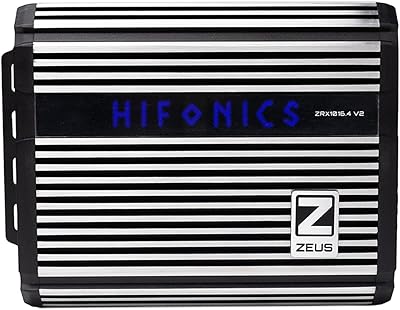
Hifonics ZRX1016.4 V2 4-Channel Car Amplifier
79%
88%
Value for Money
82%
Power Output
79%
Build Quality
86%
Installation Experience
74%
Thermal Management
More
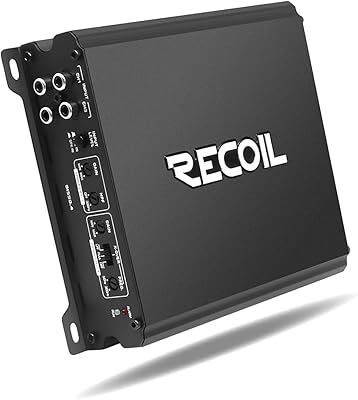
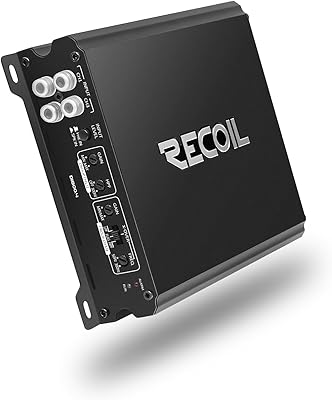
Recoil DI800.4 4-Channel Car Amplifier
75%
88%
Value for Money
51%
Power Accuracy
63%
Build Quality
79%
Thermal Management
86%
Ease of Installation
More
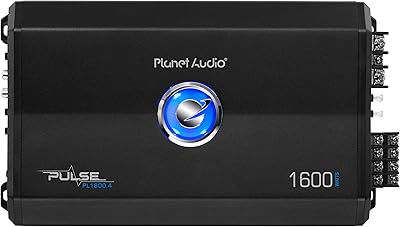
Planet Audio PL1600.4 4-Channel Car Amplifier
72%
88%
Value for Money
84%
Ease of Installation
74%
Sound Quality
58%
Power Output (Real-World)
61%
Build Quality
More
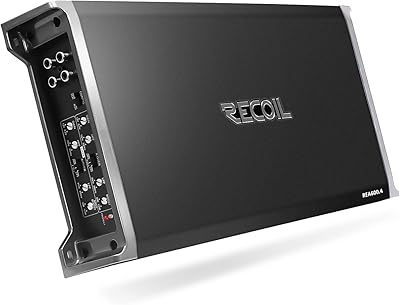
Recoil REA600.4 4-Channel Car Audio Amplifier
84%
89%
Audio Performance
91%
Ease of Installation
85%
Sound Quality at High Volumes
62%
Heat Management
90%
Power Output
More
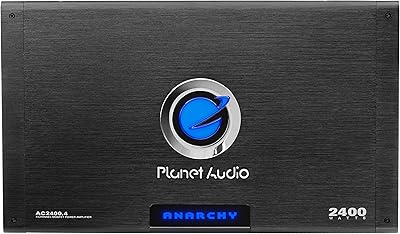
Planet Audio AC2400.4 4-Channel Car Amplifier
84%
95%
Power Output
89%
Sound Clarity
87%
Bass Performance
82%
Ease of Installation
65%
Thermals/Heat Management
More
Recoil DI550.4 4-Channel Car Audio Amplifier
74%
91%
Value for Money
78%
Power Output
86%
Ease of Installation
74%
Sound Quality
67%
Build Quality
More
Planet Audio AC1600.4 Anarchy Series 4-Channel Car Amplifier
82%
94%
Power Output
88%
Sound Quality
70%
Ease of Installation
92%
Value for Money
85%
Build Quality
More
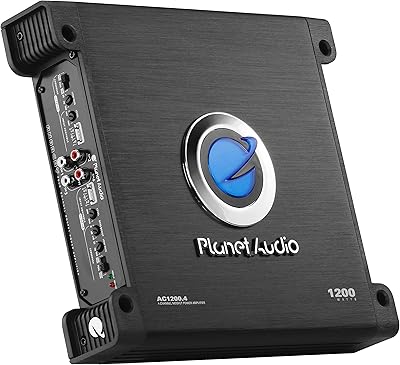
Planet Audio AC1200.4 4-Channel Car Amplifier
73%
88%
Value for Money
67%
Power Output
83%
Installation Ease
74%
Sound Quality
61%
Build Quality
More

FAQ

That is a peak figure, not continuous RMS output. In real-world use, you should expect each channel to deliver somewhere in the range of 50 to 75 watts RMS, which is typical for an amplifier in this price bracket. The 600W headline refers to the absolute maximum across all four channels under ideal short-burst conditions — not what the amp sustains during normal listening.

You can bridge two channels together to push more power to a subwoofer, but this amp is not really built for serious bass duties. It handles frequencies from 40 Hz up, and the bridged output won't satisfy a power-hungry sub. If you want deep, clean bass, a dedicated mono subwoofer amplifier is the better call — use this Zeus 4-channel amp for your full-range speakers and add a separate sub amp.

The box only includes the amplifier and a basic manual — no wiring kit, no RCA cables, and no power cable. You will need to purchase a separate wiring kit that matches the amp's power requirements, along with RCA interconnects to run from your head unit. Most car audio shops sell bundled wiring kits that cover everything needed for a standard install.

Most factory head units output a low-level preamp signal through RCA jacks, and the Hifonics HIFZG6004 accepts standard RCA inputs, so it should be compatible in most cases. If your factory head unit does not have RCA outputs, you would need a line output converter to step the speaker-level signal down to something the amp can accept. That is a common and inexpensive fix.

Class A/B amplifiers generate more heat than Class D units, and several users have flagged noticeable warmth during extended listening at higher volumes. Proper airflow around the unit during mounting is genuinely important — avoid fully enclosing it in a sealed space. If you are mounting it under a seat, make sure there is enough clearance for heat to dissipate, especially in warmer climates.

Yes, the amp supports bridged mode, which combines two channels into one for higher output to a single speaker or load. This is useful if you are running a 2-speaker setup and want more power going to each. Just make sure the speaker impedance in bridged mode stays within the amp's safe operating range to avoid overloading the unit.

It is one of the more beginner-friendly options at this price point. The wiring setup is straightforward, the controls are accessible, and it does not require advanced tuning knowledge to get up and running. If you follow a basic install guide and take care with the power wiring, most first-timers find it manageable without professional help.

This amp is rated for 4 ohm loads, which matches the impedance of most standard aftermarket speakers. Running 2 ohm loads is possible on some amps, but this unit is not specified for stable 2 ohm operation, so sticking to 4 ohm speakers is the safer and recommended approach to avoid thermal stress or potential damage.

The amp includes both a low-pass filter and a high-pass filter, which let you control which frequency range each channel amplifies. For a standard 4-speaker setup, setting the channels to high-pass mode cuts off low bass frequencies before they hit your door speakers, which reduces distortion and strain on the speakers at higher volumes. It is worth taking 10 minutes to adjust these to match your specific speakers rather than leaving them in their default position.

The amp carries a limited manufacturer warranty, but the specific terms — including duration and the claims process — are not clearly detailed in the product listing. User feedback on warranty support from Hifonics is mixed and sparse, so it is worth contacting them directly before purchase to confirm coverage terms. Keeping your purchase receipt and registering the product if the option is available is also a good idea.