Overview

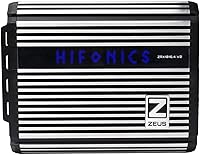
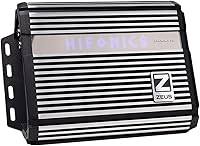
The Hifonics ZRX1016.4 V2 4-Channel Car Amplifier is the second iteration of Hifonics' Zeus ZRX lineup, and it lands in a sweet spot for buyers who want real power without dedicating half their trunk to hardware. At roughly 8.3 by 5.8 inches, this Hifonics 4-channel punches well above its class. Class D topology keeps heat generation low and efficiency high — a practical advantage in tight installs where airflow is limited. The bridgeable design adds flexibility that many competitors at this price tier skip entirely, letting you run four full-range channels or fold down to two bridged channels for subwoofer duty. Value-per-watt is where this compact amplifier makes its case.
Features & Benefits

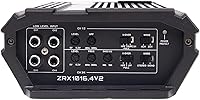
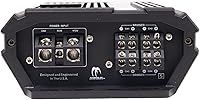
The ZRX V2 amp pulls 125 watts RMS per channel at 4 ohms — modest on paper, but honest, which matters more than inflated peak figures. Bridge it and you're pushing 500 watts per pair, enough to drive a subwoofer without needing a separate mono block. The PWM MOSFET power supply keeps voltage consistent under load, so you're not hearing the amp strain during heavy bass hits. An onboard crossover and EQ let you shape the output without adding an external processor to the chain. The nickel-plated RCA inputs resist corrosion that cheaper connectors invite over time. And the angled terminal block is a real help when you're working in a confined space.

Best For

This Hifonics 4-channel hits a practical sweet spot for a specific type of buyer. If you're upgrading a compact car's factory speakers and space under the seat or in the trunk is tight, the small footprint alone earns its place. Enthusiasts building a front-stage and rear-fill setup from a single unit will appreciate not needing a second amp. The bridged-mode capability also makes it a solid option for someone running a modest subwoofer alongside door speakers — all from one box. Newer installers should take extra care with the ground connection; sloppy grounding causes hum in any amp, and this one is no exception.

User Feedback

Across reviews, the ZRX V2 amp earns consistent praise for delivering usable power in a small package — buyers regularly call out the power-to-size ratio as its strongest selling point. Installers specifically mention that the angled terminals make wiring noticeably cleaner in confined spaces, and the LED protection indicators get real credit too; when something's wrong, you know it quickly. On the critical side, a handful of users have run into ground loop hum, but in most cases the issue traced back to a poor ground connection rather than a product flaw. The unit can run warm at sustained high volume — normal for Class D, but worth knowing going in. Overall ratings skew positive.

Pros

  • Compact dimensions make installation practical in tight spaces like under seats or in small trunks.
  • Bridgeable design lets you run four speakers and a subwoofer from a single unit.
  • Class D efficiency means less heat buildup and lower draw on your car battery.
  • Honest RMS ratings give you a realistic picture of actual output rather than inflated peak figures.
  • Onboard crossover and EQ remove the need for an additional signal processor in basic builds.
  • Nickel-plated RCA inputs resist corrosion and hold connections securely over time.
  • Angled terminal block makes wiring noticeably cleaner in confined installation spaces.
  • LED protection diagnostics help identify faults quickly without guesswork.
  • The ZRX V2 amp delivers real value for buyers prioritizing power per dollar spent.
  • Version 2 refinements make it a more polished option than entry-level alternatives in its class.

Cons

  • No 1-ohm stability rating limits compatibility with lower-impedance subwoofer setups.
  • Runs noticeably warm at sustained high volume, which may concern buyers in poorly ventilated installs.
  • Sensitive to grounding quality — a subpar ground connection will produce audible hum.
  • Onboard EQ is functional but basic; it will not satisfy buyers wanting precise tuning control.
  • No bass remote is included in the package, which is a common omission that still frustrates buyers.
  • External 40A fuse rating means electrical system demands need to be calculated carefully before install.
  • At higher listening levels, output clarity can compress slightly compared to pricier alternatives.
  • Limited to 12V DC operation, so it is not compatible with non-standard vehicle electrical configurations.

Ratings

The scores below for the Hifonics ZRX1016.4 V2 4-Channel Car Amplifier were generated by AI after analyzing verified buyer reviews from global markets, with spam, bot-submitted, and incentivized feedback actively filtered out. Each category reflects the honest distribution of real user experiences — strengths are credited where earned, and recurring frustrations are not glossed over. The result is a transparent picture of where this compact amplifier delivers and where it falls short.
Value for Money
88%
Buyers consistently describe this Hifonics 4-channel as one of the stronger performers in its price bracket, particularly when measured by usable RMS output per dollar spent. Commuters and first-time builders frequently call it out as the purchase they did not have to second-guess.
A small segment of buyers feel the value equation shifts if they need to add a ground loop isolator or line output converter to complete the install, since those extras eat into the savings. Without those additions, the value holds up well.
Power Output
82%
18%
At 125 watts RMS per channel into 4 ohms, the ZRX V2 amp delivers honest, usable power that noticeably outperforms most factory head unit outputs during everyday highway listening. Bridged mode opens up a legitimate subwoofer option without needing a second amp in the trunk.
Buyers chasing high-SPL builds or planning to run demanding 1-ohm loads will hit a ceiling quickly — the amp is not rated for 1-ohm operation. The 1,000W total figure on the box reads as peak power, and some buyers feel that framing overpromises compared to the real RMS numbers.
Build Quality
79%
21%
The aluminum chassis and nickel-plated RCA inputs give this compact amplifier a more durable feel than comparable units at the same price point. Several long-term users report no degradation in connector quality or structural integrity after years of daily use with road vibration.
The overall chassis does not feel as robust as mid-tier amps from higher price brackets, and a few buyers noted the plastic end panels feel less premium than the metal body suggests. It holds up fine for normal use but may not inspire confidence in high-vibration installations.
Installation Experience
86%
The angled terminal block is one of the most frequently praised design choices among installers, making wire management noticeably cleaner in confined spaces like under seats or compact trunk floors. The LED diagnostics on the end panel also reduce setup time by flagging wiring issues immediately rather than requiring a meter.
The lack of built-in high-level inputs means buyers keeping a factory head unit need an external line output converter, which adds a step that less experienced installers sometimes overlook when budgeting for the project. The external 40A fuse requirement also trips up beginners who assume fusing is handled internally.
Thermal Management
74%
26%
Under normal commuting conditions, the aluminum heat sink keeps operating temperatures in a comfortable range without any active cooling fan, which means the install stays quiet. Most users running the amp at moderate to high volumes during one to two hour drives report no thermal protection events.
At sustained high volumes, the unit runs noticeably warm — not dangerously so, but enough that buyers mounting it in a fully enclosed or poorly ventilated space should plan for airflow. A handful of reviewers in warmer climates reported occasional thermal shutdowns during summer listening sessions at near-maximum gain.
Sound Quality
77%
23%
For a Class D amp in this price range, the ZRX V2 delivers a clean enough signal to make a real difference over factory speaker power, particularly in the midrange where most commuter music lives. Buyers running quality aftermarket speakers report a clear improvement in dynamic range compared to head unit power alone.
Discerning listeners comparing this compact amplifier to higher-tier Class D units notice a slight loss of detail at the top end of the frequency range, particularly with high-resolution audio tracks. It is not a critical flaw for casual listening, but it is audible to anyone with a trained ear.
Crossover & EQ Controls
71%
29%
Having an onboard crossover and basic EQ adjustment removes the need for an external processor in simple builds, which is a practical win for anyone doing a straightforward front-stage or subwoofer setup. Installers working quickly in a single session appreciate having frequency controls accessible directly on the amp.
The onboard controls are functional but limited — there is no subsonic filter, and the EQ adjustment range is narrow compared to even modestly priced external processors. Buyers who want precision tuning for a multi-driver setup will likely outgrow these controls quickly.
Compact Footprint
91%
At 8.3 x 5.8 x 2.5 inches, this is genuinely one of the smaller 4-channel options available at this output level, and buyers in compact hatchbacks and sedans specifically cite the size as a deciding factor. The low profile makes under-seat mounting achievable in vehicles where a standard-sized amp simply would not fit.
The compact size does come with a tradeoff in terms of connection density — the terminals are close together, which can make working with thicker gauge wire slightly awkward in the tightest installs. Buyers using 4-gauge wire throughout may need to plan the routing carefully to avoid strain on the terminals.
RCA Input Quality
83%
The nickel-plated, high-temperature RCA inputs with hex screw locking terminals are a legitimately useful upgrade over the push-in RCA sockets found on budget competitors. Installers note that the connections stay firm even in vehicles with significant road vibration, which reduces the chance of intermittent signal dropout over time.
While the inputs perform well, the number of RCA input pairs is sufficient but not generous — buyers building a more complex multi-amp system may find the input configuration limiting. There is also no mention of input sensitivity range flexibility beyond standard adjustment, which matters when pairing with lower-output source units.
Noise Floor
68%
32%
When installed correctly with a solid ground connection and properly routed RCA cables kept away from power wiring, the ZRX V2 amp operates with an acceptably quiet noise floor for its class. Buyers who follow standard best-practice installation guidelines rarely report any audible hiss or hum at idle.
Ground loop sensitivity is a recurring theme in critical reviews — this amp surfaces a marginal ground more audibly than some competing units, and buyers who are not meticulous about their ground point will likely deal with hum. It is a solvable problem, but one that catches more buyers off guard than it should.
Protection Circuitry
84%
The LED-based fault indicators are consistently called out by real users as a practical troubleshooting feature, particularly for first-time installers who might otherwise spend an hour tracing a wiring error blind. Overload and speaker short protection both function reliably based on reported user experiences.
While the protection system works, the LED indicators are positioned on the end panel, which can be difficult to see once the amp is mounted under a seat or behind trim panels. A few buyers wished the indicators were more visible or that a remote diagnostic option existed.
Compatibility
85%
Universal 12V DC operation and standard RCA input design make this compact amplifier compatible with the vast majority of aftermarket head units on the market without any adapters or special configuration. The four-channel layout covers the most common speaker configurations without modification.
Factory head unit users without RCA outputs need an additional line output converter, which is a compatibility gap the amp does not bridge on its own. Buyers in modern vehicles with digital or fiber-optic audio systems may face additional interface challenges before the amp can be integrated.
Packaging & Documentation
63%
37%
The unit arrives well-protected and intact in the majority of buyer reports, with no significant complaints about shipping damage attributable to inadequate packaging. Basic connection terminals are included and ready to use out of the box.
Several buyers note that the included documentation is minimal — the wiring diagram is functional but thin on detail for less experienced installers. No installation hardware or RCA cables are included, which is standard for this category but still draws occasional criticism from first-time buyers expecting a more complete kit.

Suitable for:

The Hifonics ZRX1016.4 V2 4-Channel Car Amplifier is a strong fit for everyday drivers and hobbyist installers who want a meaningful audio upgrade without overcomplicating the build. If your vehicle has limited real estate under the seat or in a small trunk, the compact chassis makes placement far less of a headache than with full-size amps. Commuters running a simple four-speaker setup will find 125 watts RMS per channel plenty capable for daily listening at realistic volumes. The bridging capability is a genuine bonus for anyone who wants to add a modest subwoofer later without buying a separate mono amp — just pair two channels, and you have up to 500 watts available for bass duty. Budget-conscious enthusiasts replacing an older Class AB unit will also notice an immediate improvement in thermal efficiency, which translates to cooler operation and less strain on their vehicle's electrical system.
Not suitable for:

The Hifonics ZRX1016.4 V2 4-Channel Car Amplifier is not the right tool for serious competition builds or listeners chasing high output at 1-ohm loads, since this unit is not rated for 1-ohm operation and has no published spec for it. If your subwoofer setup demands 1,000 watts of clean, sustained RMS power on its own, this compact amplifier simply cannot deliver that — a dedicated high-output mono block would be the more honest choice. Audiophiles with demanding, high-impedance speaker systems expecting studio-grade signal purity may find the onboard EQ limiting compared to outboard processors. Buyers who are new to car audio installation and plan to skip a proper grounding job should also think carefully, because this amp — like any Class D unit — will surface a poor ground connection as audible hum quickly. If your listening sessions regularly run at maximum volume for extended periods, the thermal headroom, while adequate for normal use, may become a factor worth considering.
Specifications

  • Amplifier Class: This unit operates on Super D-Class topology, a variation of Class D design that prioritizes switching efficiency to minimize heat output relative to power delivered.
  • Channels: The amp runs four independent full-range channels and can be bridged down to two channels for more focused power delivery to a subwoofer pair.
  • RMS Power (4Ω): Each channel delivers 125 watts RMS at 4 ohms, which represents the continuous, real-world output you can expect during normal listening.
  • RMS Power (2Ω): Load each channel down to 2 ohms and output rises to 250 watts RMS per channel, suitable for lower-impedance speaker configurations.
  • Bridged Power: In bridged mode, the amp produces 500 watts RMS per channel pair at 4 ohms, making it viable for driving a single subwoofer from two paired channels.
  • Peak Output: Total peak power across all channels is rated at 1,000 watts, though buyers should prioritize the RMS figures for realistic performance expectations.
  • Dimensions: The chassis measures 8.3 x 5.8 x 2.5 inches, a compact footprint well-suited to under-seat or small trunk installations.
  • Weight: The unit weighs 3.97 pounds, keeping it light enough for flexible mounting without requiring heavy-duty brackets.
  • Operating Voltage: Designed for standard 12V DC automotive electrical systems, making it compatible with virtually all passenger vehicles and light trucks.
  • Fuse Rating: An external 40A fuse is required and not integrated into the unit, so buyers will need to factor this into their wiring plan.
  • RCA Inputs: Inputs are nickel-plated and rated for high-temperature environments, with hex screw terminals that lock connections firmly in place against vibration.
  • Signal Processing: An onboard electronic crossover and equalizer allow frequency-specific tuning without requiring a separate signal processor in the chain.
  • Cooling System: Thermal management is handled by an aluminum heat sink that dissipates heat passively, which keeps the design simple and maintenance-free.
  • Protection Circuit: LED-based diagnostics on the end panel monitor for overload conditions and speaker short faults, with illuminated indicators to speed up troubleshooting.
  • Mounting Type: The amp is designed for surface mounting in a compact form factor, with angled molded terminals on the connection block for cleaner wire routing.
  • Model Version: This is Version 2 of the ZRX1016.4 model within Hifonics' Zeus ZRX lineup, incorporating refinements over the original release.

Related Reviews
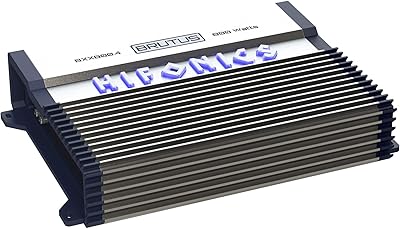
Hifonics BXX800.4 Brutus 800W RMS 4-Channel Car Audio Amplifier
86%
88%
Sound Quality
92%
Power Output
85%
Build Quality
72%
Heat Management
89%
Ease of Installation
More
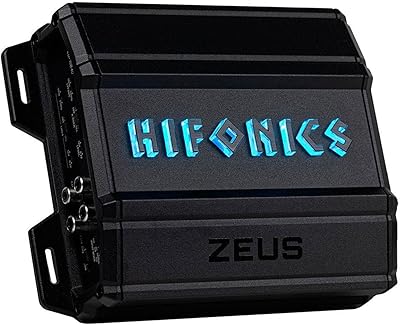
Hifonics Zeus Delta ZD-750.4D 750 Watt 4-Channel Car Audio Amplifier
86%
92%
Power Output
90%
Sound Quality
88%
Heat Dissipation
89%
Ease of Installation
86%
Build Quality
More
Planet Audio PL1600.4 4-Channel Car Amplifier
72%
88%
Value for Money
84%
Ease of Installation
74%
Sound Quality
58%
Power Output (Real-World)
61%
Build Quality
More
Recoil DI800.4 4-Channel Car Audio Amplifier
83%
88%
Sound Quality
92%
Power Output
65%
Thermal Management
84%
Build Quality
91%
Ease of Installation
More
Planet Audio AC2400.4 4-Channel Car Amplifier
84%
95%
Power Output
89%
Sound Clarity
87%
Bass Performance
82%
Ease of Installation
65%
Thermals/Heat Management
More
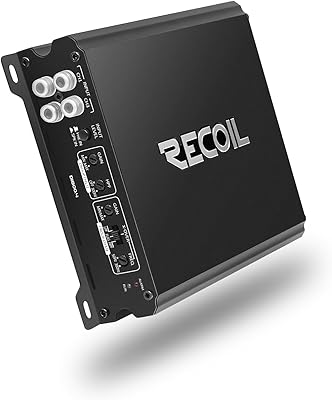
Recoil REA600.4 4-Channel Car Audio Amplifier
84%
89%
Audio Performance
91%
Ease of Installation
85%
Sound Quality at High Volumes
62%
Heat Management
90%
Power Output
More
Recoil DI550.4 4-Channel Car Audio Amplifier
74%
91%
Value for Money
78%
Power Output
86%
Ease of Installation
74%
Sound Quality
67%
Build Quality
More
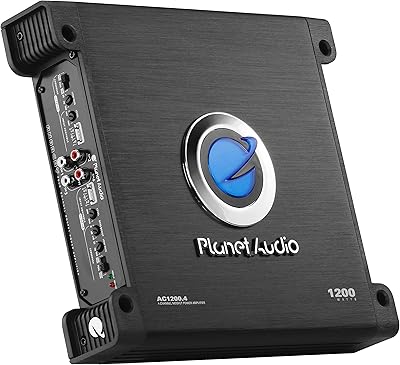
Planet Audio AC1200.4 4-Channel Car Amplifier
73%
88%
Value for Money
67%
Power Output
83%
Installation Ease
74%
Sound Quality
61%
Build Quality
More
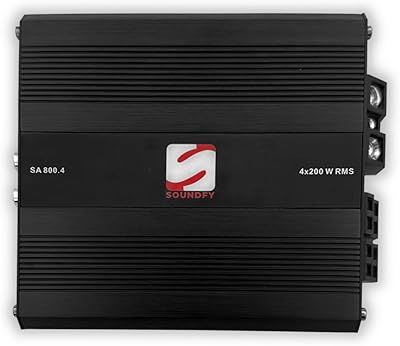
Soundfy SA 400.4 4-Channel Car Amplifier
71%
78%
Value for Money
72%
Sound Quality
63%
Power Output
58%
Build Quality
81%
Thermal Management
More
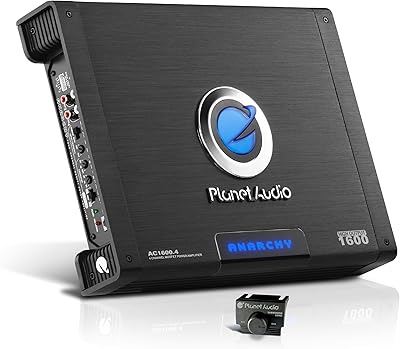
Planet Audio AC1600.4 Anarchy Series 4-Channel Car Amplifier
82%
94%
Power Output
88%
Sound Quality
70%
Ease of Installation
92%
Value for Money
85%
Build Quality
More

FAQ

Bridging combines two channels into one, effectively doubling the power sent to a single speaker or subwoofer. On this Hifonics 4-channel, you would pair channels 1 and 2 or channels 3 and 4, connect your speaker to the positive terminal of one channel and the negative terminal of the other, and set the crossover accordingly. No special cables are required, but your subwoofer must be rated for 4 ohms when bridged — do not bridge into a 2-ohm load on this unit.

In most cases, yes. At 8.3 x 5.8 x 2.5 inches, this compact amplifier is specifically sized for tight installs. That said, clearance varies by vehicle, so measure your available space before committing — pay particular attention to height clearance, since the 2.5-inch profile can still be a limiting factor in very low seat rails.

For an amp with a 40A external fuse rating, 8-gauge power and ground wire is the standard recommendation for most installs at typical cable runs under 15 feet. If your battery is further away, stepping up to 4-gauge is a worthwhile precaution to avoid voltage drop under load.

Ground loop hum is almost always an installation issue, not a product defect. The ZRX V2 amp is sensitive to poor grounding, as most Class D amplifiers are. Make sure your ground wire runs to bare metal on the chassis — not a painted surface — and keep it as short as possible. If hum persists, check that your RCA cables are routed away from power wires, and consider an inline ground loop isolator as a last resort.

Yes, absolutely. You can use just two of the four channels without any issue. Simply leave the unused channels unconnected and make sure the crossover settings are appropriate for your front speakers. It is a practical way to start a build and expand later.

No, a bass remote is not included in the package and there is no dedicated remote bass knob input listed in the specifications. If remote level control is important to your setup, you would need to verify compatibility with an aftermarket remote and check whether your head unit has a dedicated pre-amp output you can control separately.

The ZRX V2 amp does get warm during extended high-volume sessions, which is normal behavior for Class D amplifiers. The aluminum heat sink handles everyday listening without issue. Where it becomes a concern is in fully enclosed, unventilated spaces — if you are mounting it inside a sealed box or behind trim with no airflow, make sure there is at least a small gap around the unit to allow heat to escape.

The 1,000W figure is a peak or maximum power rating across all four channels under ideal conditions — it is not a number you will sustain in real use. The 125W RMS per channel at 4 ohms is the continuous, real-world output the amp reliably delivers. When shopping for speakers, match them to the RMS figure, not the peak number.

It can be, but you will need a line output converter to step the speaker-level signal from your factory head unit down to a pre-amp level signal the amp can accept. The amp itself does not have high-level speaker inputs built in, so the converter is a necessary extra step if you are keeping the stock head unit.

The angled terminal block and straightforward layout make this one of the more beginner-friendly amps in its class from a wiring standpoint. That said, car audio installation in general involves working with your vehicle's electrical system, so first-timers should read up on basic amp wiring before starting. The most common mistakes — skipping a fuse near the battery, using undersized wire, or rushing the ground connection — are avoidable with a bit of preparation.