Overview

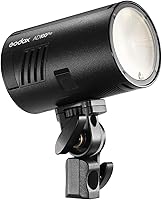
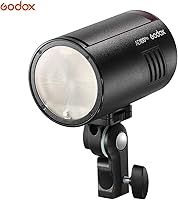
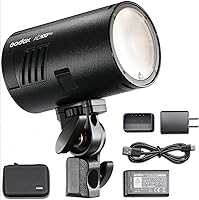
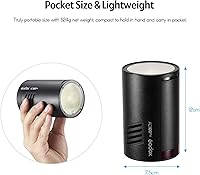
The GODOX AD100Pro Pocket Flash is a 100-watt-second battery-powered monolight that manages to fit inside a jacket pocket — something that would have seemed impractical just a few years ago. Godox has built a strong reputation among working photographers worldwide, and this compact flash unit continues that trend by delivering genuine studio-level output in a body measuring under three inches on each side. Unlike stripped-down speedlights, it features an OLED display that stays readable in direct sunlight, and the controls are laid out logically enough that you won't be fumbling mid-shoot. For photographers who want serious portable light without the premium price of European alternatives, it occupies a compelling middle ground.
Features & Benefits

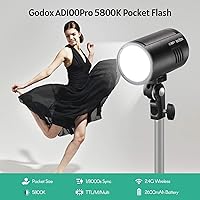
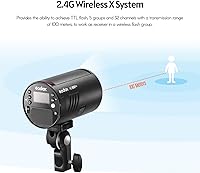
The AD100Pro's headline advantage for outdoor shooters is its 1/8000s high-speed sync, which lets you shoot wide open under harsh midday sun without blowing out the background — something cheaper pocket flashes simply cannot manage. Three flash modes cover most real-world needs: TTL handles fast-moving event work, Manual delivers precise repeatable results, and Multi opens up stroboscopic creative options. The built-in 2.4G wireless receiver supports 5 groups across 32 channels, letting you run a multi-light off-camera setup without purchasing a separate receiver. Battery-wise, you get roughly 360 full-power flashes and a recycle time as fast as one-hundredth of a second — genuinely useful numbers in the field.

Best For

This pocket monolight is a natural fit for on-location portrait photographers who regularly work in challenging or mixed lighting. It travels light enough to slip into a camera bag without weighing you down, which makes it attractive for wedding photographers needing a reliable fill or backup without hauling bulky gear. If you already shoot within the Godox X System family, the wireless integration is straightforward and practically plug-and-play. Content creators who need a consistent, repeatable key light for interviews or product work will find it capable. That said, Sony and Olympus users should verify firmware compatibility before fully committing to it as a primary light.

User Feedback

Owners consistently praise the reliable TTL accuracy and the way color temperature holds steady throughout a shoot — 5800K output that doesn't drift between frames is something photographers genuinely notice and appreciate. Real-world battery endurance tends to land close to the advertised figure, which is a pleasant surprise compared to some competitors. The recurring criticism centers on the battery door, which some users feel lacks the solidity of the rest of the unit — functional, but slightly underwhelming under repeated handling. Sony and Olympus shooters have occasionally reported minor TTL inconsistencies and recommend updating firmware before heavy use. Overall sentiment lands firmly positive for the price.

Pros

  • True pocket-sized portability without giving up meaningful flash output for real-world portrait work.
  • High-speed sync up to 1/8000s lets you shoot wide open outdoors without neutral density filters.
  • TTL accuracy on Canon and Nikon is confident and consistent, even in fast-changing event conditions.
  • Built-in 2.4G wireless receiver eliminates the need to purchase a separate receiver unit.
  • Color temperature holds steady at 5800K across hundreds of frames, reducing retouching headaches.
  • Real-world battery life tracks closely with the advertised 360-flash figure — a rare honest spec.
  • The OLED display stays legible in direct sunlight, which matters more than it sounds mid-shoot.
  • Recycle time at moderate power settings keeps pace comfortably with a normal shooting rhythm.
  • Broad camera compatibility covers most major mounts from a single unit.
  • The Godox X System ecosystem means this flash scales easily into larger multi-light setups over time.

Cons

  • The battery door feels noticeably less solid than the rest of the body under repeated daily handling.
  • Auto power-off triggers after 30 minutes with no option to disable or extend the timer.
  • Sony and Olympus TTL performance is inconsistent enough to require firmware research before professional use.
  • Photographers outside the Godox ecosystem face an additional trigger purchase cost that affects overall value.
  • Full-power recycle time stretches long enough to break rhythm during fast-paced burst shooting.
  • Non-Godox softboxes and grids require separate mount adapters, adding friction and expense.
  • At 2.55 pounds, handheld use for extended video work becomes tiring faster than expected.
  • Output drops noticeably at the highest sync speeds, which surprises users expecting full power at 1/8000s.
  • The quick-start guide is sparse enough that wireless setup can frustrate first-time off-camera flash users.
  • Color temperature consistency at the lowest power settings is less reliable than at typical working levels.

Ratings

The GODOX AD100Pro Pocket Flash earns its ratings from AI-driven analysis of verified buyer reviews collected globally, with spam, bot activity, and incentivized submissions actively filtered out before scoring. Across thousands of real photographer experiences — from wedding pros to solo content creators — both the standout strengths and the genuine frustrations are reflected honestly in every category below.
Portability & Form Factor
93%
Users repeatedly describe the physical size as a genuine surprise — not just compact on paper, but small enough to tuck into a coat pocket alongside a lens cloth and still have room. Photographers hauling gear to outdoor portrait sessions specifically call it out as something that changes how they pack for a shoot.
A small number of users with larger hands find the compact body slightly awkward to grip and adjust one-handed in a hurry. At 2.55 pounds, it is not featherlight, and some note the weight becomes noticeable when handheld for extended video work.
TTL Accuracy
88%
Canon and Nikon shooters consistently report confident, predictable TTL exposures even when subject distance changes quickly — exactly the kind of reliability that matters when photographing a wedding reception in mixed lighting. Reviewers note it locks onto the right exposure faster than expected for a flash in this price tier.
Sony and Olympus users flag occasional TTL inconsistencies, particularly with older camera bodies, and several recommend running a firmware update before trusting it on a paid shoot. The gap in TTL performance between Canon or Nikon and less common mounts is a real pattern in the feedback.
High-Speed Sync Performance
91%
Outdoor portrait photographers consistently praise the 1/8000s sync capability as one of the most practically useful features — it lets them shoot wide open at f/1.8 in direct afternoon sun without neutral density filters or compromises. Several users describe it as the single reason they chose this unit over a basic speedlight.
At the highest sync speeds, a modest power drop is noticeable, which is normal physics but catches a few buyers off guard if they expected full 100Ws at 1/8000s. In very bright conditions, the trade-off between sync speed and output means you may need a reflector or second light to compensate.
Wireless Integration
86%
Photographers already working within the Godox X System find the built-in 2.4G receiver a real convenience — no additional hardware needed to run this as a slave unit in a multi-light setup. The 100-meter range holds up reliably outdoors, and the 32-channel system means crosstalk with other photographers is rarely an issue at busy events.
For photographers outside the Godox ecosystem, the built-in receiver is less useful without a compatible Godox trigger on the camera side, which is an added cost that newcomers do not always anticipate. A small number of users also report occasional dropped triggers at maximum range in urban environments with wireless interference.
Battery Life & Reliability
84%
Real-world battery performance tends to land close to the advertised 360-flash figure, which reviewers note is unusually honest for a product spec sheet. Wedding photographers in particular appreciate being able to run through a ceremony and most of a reception on a single charge without anxiety.
Recycle time at full power occasionally feels sluggish to action-oriented photographers pushing the flash hard in burst situations. A few users also wish the battery level indicator gave a more granular warning before the unit powers down, rather than a fairly abrupt low-battery notification.
Build Quality
76%
24%
The main body feels solid and reasonably well-constructed for the price point — nothing flexes or rattles, and the rotary knob on the mount bracket has a satisfying, firm action that holds angles reliably once set. Most users report no durability issues after months of regular use.
The battery door is the single most commonly cited build complaint: it functions correctly but feels noticeably less substantial than the rest of the unit, and some users handle it carefully out of concern for long-term durability. It is not a dealbreaker, but it is a finish detail that stands out on an otherwise competent build.
OLED Display & Controls
89%
The OLED screen reads clearly in direct outdoor light, which sounds minor but matters enormously when you are adjusting power between shots on a bright location shoot. The interface is intuitive enough that most photographers report getting comfortable with the controls within a single session.
The screen is not touch-enabled, so all adjustments go through physical buttons, which some users find slightly slow when making quick power changes mid-shoot. In very cold weather, a small number of users report the display response feels marginally sluggish.
Color Temperature Consistency
92%
The 5800K output is one of the most praised technical attributes in user reviews — photographers who mix this unit with other lights or shoot tethered find the color stays remarkably stable across hundreds of frames without color shift drift. This is a detail that professional retouchers and meticulous portrait photographers specifically call out.
A small cohort of technically precise users note the color temperature can shift slightly at the lowest power settings, which matters most in controlled studio comparisons or multi-light setups where consistency across all units is critical. At normal working power levels, this is rarely a practical concern.
Recycle Time
83%
For a battery-powered unit of this output class, the 0.01-to-1.5-second recycle range impresses photographers who have previously dealt with sluggish portable monolights. Event photographers note that at moderate power settings the recycling keeps pace comfortably with a normal shooting rhythm.
At full 100Ws output, recycle time stretches toward the longer end of that range, and photographers working fast — shooting sequences at a reception or during a golden-hour portrait sprint — will occasionally outpace it. Dropping to 75 percent power meaningfully improves the rhythm but trades off some reach.
Mount & Modifier Compatibility
74%
26%
The foldable bracket with rotary knob is practical for travel, and the standard mounting thread means it sits on any regular light stand without adapters. Users who travel frequently appreciate how the folding design reduces snag points when packing.
The proprietary modifier mount frustrates photographers with existing softboxes or grids from other brands, as it requires an adapter to use non-Godox modifiers. This is a recurring gripe from users who assumed standard compatibility and had to purchase additional hardware.
Value for Money
87%
The consensus across buyer reviews is that the feature set — HSS, built-in wireless, TTL across major camera brands, OLED display — represents genuine value at this price point compared to significantly more expensive European alternatives offering similar output. Working photographers who need a capable second or third light find it a practical investment.
Buyers comparing it purely to basic speedlights may feel the cost is harder to justify without a specific need for the wireless or HSS capabilities. Those who factor in the cost of a compatible Godox trigger if they do not already own one should recalculate the total outlay before purchasing.
Camera Compatibility
79%
21%
Coverage across Canon, Nikon, Sony, Olympus, Panasonic, and Pentax gives it broad appeal, and Canon and Nikon users in particular report a trouble-free setup experience straight out of the box. The wide compatibility list is a meaningful selling point for photographers who switch camera systems.
As noted in multiple reviews, Sony and Olympus TTL performance lags behind the Canon and Nikon experience, and Godox firmware updates — while available — are not always prominently communicated to buyers. Users on less mainstream mounts should research the specific firmware version before relying on it professionally.
Heat Management
81%
19%
Extended indoor shooting sessions with heavy flash use do not produce alarming heat buildup, and photographers running the unit through multi-hour events generally report no thermal throttling or forced cool-down pauses during normal working cadences.
Prolonged full-power firing in warm ambient conditions causes the body to become noticeably warm to the touch, and a small number of users in hot climates note the auto power-off feature occasionally triggers earlier than expected during extended outdoor summer sessions.
Setup & Ease of Use
88%
Photographers upgrading from basic on-camera flashes consistently describe the learning curve as manageable — the logic behind the menu structure is sensible, and getting a functional off-camera wireless setup running takes minutes rather than an afternoon of manual-reading. Godox ecosystem users find it integrates immediately.
First-time users unfamiliar with wireless flash systems occasionally find the channel and group configuration confusing without watching a tutorial first. The printed quick-start guide is functional but sparse, and some users feel a more detailed included manual would reduce early setup frustration.
Auto Power-Off Behavior
63%
37%
The 30-minute idle auto-off is a sensible battery conservation feature that most users acknowledge is helpful during long shoots with downtime between setups. It works reliably and consistently across reported uses.
The auto power-off is the source of consistent frustration among photographers who step away briefly between setups — returning to a powered-down flash mid-session breaks workflow, and there is no option to disable or extend the timer. Several reviewers specifically wish this were user-configurable rather than fixed.

Suitable for:

The GODOX AD100Pro Pocket Flash was built for photographers who need serious, controllable light without being tethered to a studio or weighed down by heavy gear. On-location portrait photographers will get the most from it — the high-speed sync capability means you can work wide open in bright outdoor conditions without fighting the sun, and the built-in wireless receiver makes running a two or three-light setup genuinely straightforward. Wedding and event photographers will appreciate having a reliable, TTL-capable unit that can serve as a fill or backup light and fit into a camera bag without reorganizing everything else. If you already shoot within the Godox ecosystem, the integration is practically frictionless — your existing triggers work, your groups and channels are already familiar, and adding this compact flash unit expands your setup without extra hardware costs. Content creators and videographers who need a repeatable, consistent light source for interviews, product shots, or social content will also find the stable color output and compact footprint genuinely practical for everyday use.
Not suitable for:

The GODOX AD100Pro Pocket Flash is a harder sell for photographers who are not already invested in the Godox ecosystem — without a compatible Godox transmitter on the camera body, the built-in wireless receiver is largely unused, and the added cost of that trigger should be factored into the real total. Photographers on Sony or Olympus systems specifically should do their homework before relying on this as a primary light for paid work, as TTL performance on those mounts has been inconsistent enough across user reports to warrant caution. This compact flash unit also will not satisfy photographers who need heavy-duty output for large group shots, full-length fashion work, or any scenario where 100Ws simply is not enough power. The fixed 30-minute auto power-off with no user override will frustrate photographers who work in slow, deliberate setups with long pauses between shots. And buyers expecting European build tolerances throughout will notice the battery door — it works, but it signals that some cost savings were made somewhere.
Specifications

  • Power Output: The flash delivers 100 watt-seconds (Ws) of maximum output, suitable for portrait and event work in most ambient conditions.
  • Color Temperature: Output is rated at 5800K, a neutral daylight-balanced tone that integrates well with natural light and requires minimal white balance correction in post.
  • Sync Speed: High-Speed Sync (HSS) is supported up to 1/8000s, along with first-curtain and second-curtain sync modes for standard shooting.
  • Flash Modes: Three flash modes are available: TTL (Through-The-Lens automatic), Manual, and Multi (stroboscopic), covering everything from fast event work to precise controlled setups.
  • Wireless System: A built-in 2.4G Godox X System wireless receiver allows the unit to operate as a remote slave without any external receiver hardware.
  • Groups & Channels: The wireless system supports up to 5 groups and 32 channels, with a reliable transmission range of approximately 100 meters in open conditions.
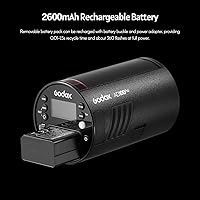
  • Battery Capacity: A removable 2600mAh lithium-ion battery pack powers the unit, rated for approximately 360 full-power flashes per charge.
  • Recycle Time: Recycle time ranges from 0.01 seconds at minimum power to approximately 1.5 seconds at full power output.
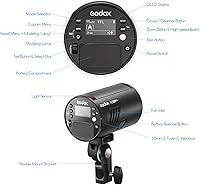
  • Display: An OLED screen provides a clear, high-contrast readout of power level and settings, remaining legible even in direct outdoor sunlight.
  • Dimensions: The unit measures 2.99 x 4.72 x 2.99 inches (approximately 7.6 x 12 x 7.6 cm), compact enough to fit in a standard jacket pocket.
  • Weight: The AD100Pro weighs 2.55 pounds (approximately 1.16 kg) including the battery pack.
  • Camera Compatibility: TTL and HSS are supported across Canon, Nikon, Sony, Olympus, Panasonic, and Pentax camera systems, with compatibility dependent on the transmitter used.
  • Mount Type: The unit ships with a foldable mount bracket featuring a rotary locking knob, compatible with any standard light stand or tripod with a 1/4-inch or 3/8-inch thread adapter.
  • Auto Power-Off: An automatic power-off function activates after approximately 30 minutes of idle operation to conserve battery; this timer is fixed and cannot be user-adjusted.
  • Model Number: The official model number is GOD-AD100PRO, as designated by Godox.
  • Charging Method: The 2600mAh lithium battery pack is removable and charged separately, allowing users to swap in a spare battery without downtime on location.
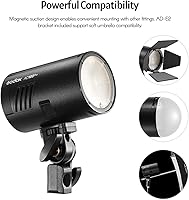
  • Modifier Mount: The flash head uses a Godox proprietary bayonet-style modifier mount, compatible with Godox-branded accessories; third-party modifiers require a separate mount adapter.
  • Best Sellers Rank: The unit ranked at number 26 in the Photographic Lighting Monolights category on Amazon at time of review, reflecting strong market adoption.

Related Reviews
Godox AD200Pro II Pocket Flash Strobe
78%
88%
Build Quality
91%
Portability & Form Factor
87%
Output Power & Consistency
84%
High-Speed Sync Performance
71%
TTL Accuracy
More
Godox AD200 Pro
Godox AD200 Pro
86%
93%
Output Power & Consistency
91%
Portability & Form Factor
78%
Battery Life & Charging
89%
HSS & Sync Performance
88%
Wireless Ecosystem Integration
More
Godox V850III Flash
Godox V850III Flash
85%
88%
Performance
92%
Battery Life
86%
Ease of Use
84%
Build Quality
89%
Speed and Recycle Time
More
Godox TT520III Hot Shoe Flash
80%
91%
Value for Money
88%
Ease of Setup
84%
Wireless Performance
79%
Light Output & Power
86%
Manual Control Precision
More
Godox TT350C TTL Flash for Canon
80%
94%
Portability & Size
74%
TTL Accuracy
88%
Wireless Reliability
61%
Flash Power Output
86%
High Speed Sync (HSS)
More
Godox TT350F Fujifilm TTL Camera Flash
80%
88%
TTL Accuracy
76%
Build Quality
84%
HSS Performance
82%
Wireless Reliability
61%
Recycle Time
More
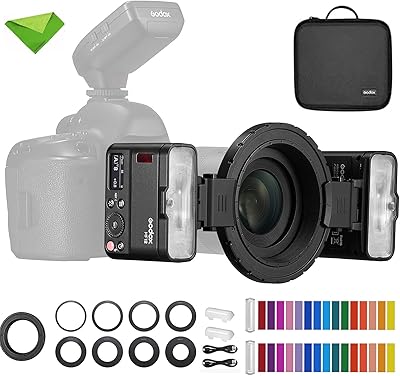
Godox MF12-K2 Macro Flash
85%
91%
TTL Accuracy
84%
Build Quality
88%
Battery Life
86%
Wireless Reliability
71%
Ease of Setup
More
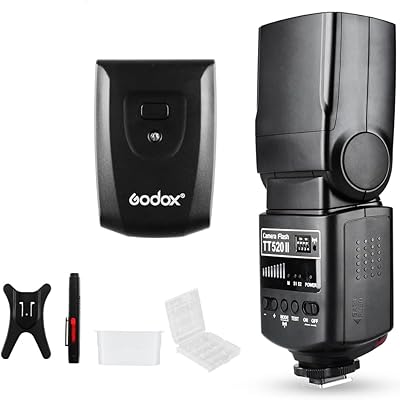
Godox TT520II Speedlite Flash
76%
91%
Value for Money
78%
Build Quality
84%
Wireless Performance
82%
Flash Output Consistency
76%
Ease of Use
More
Godox TT600S Speedlight Camera Flash
79%
93%
Value for Money
88%
Wireless Performance
84%
Build Quality
91%
Output Consistency
76%
High-Speed Sync
More
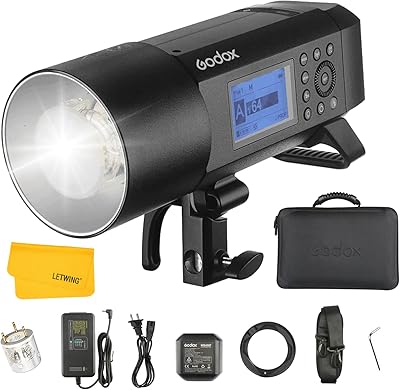
Godox AD400Pro Outdoor Flash Monolight
80%
91%
Output Power & Consistency
83%
Battery Life & Reliability
71%
TTL Accuracy
88%
High-Speed Sync Performance
86%
Portability & Form Factor
More

FAQ

No — the receiver is already built into the unit. You do need a compatible Godox X System transmitter mounted on your camera to trigger it wirelessly, but you do not need to purchase or attach a separate receiver to the flash itself. If you are already in the Godox ecosystem with an XPro or X2T trigger, you are ready to go out of the box.

It does work with Sony cameras, but with a caveat worth knowing before you rely on it for paid work. TTL performance on Sony tends to be less consistent than on Canon or Nikon, and several users recommend downloading and installing the latest firmware update from the Godox website before shooting professionally. Once updated, most Sony users report acceptable TTL results, though minor exposure variations can still occur depending on the camera body.

Only if they are made for the Godox AD100Pro mount system. The flash uses a proprietary Godox bayonet mount, so softboxes and grids designed for standard Bowens-mount or other third-party systems will not attach directly. You can purchase a third-party adapter to bridge the gap, but it is an added cost and step that is worth factoring in if you have an existing modifier collection.

In practice, most photographers report getting close to the advertised 360-flash figure at full power, which is genuinely encouraging for a product spec. At more typical working power levels — say 50 to 75 percent — you can reasonably expect to push through a full event session on a single charge. Carrying a spare battery is still wise for all-day shoots, especially since the battery is removable and inexpensive.

No, it is not rated for weather resistance or splash protection. Godox does not claim any IP or weather-sealing for this unit, so it should be kept away from rain, heavy moisture, and dusty outdoor environments. Many photographers use it outdoors without issues, but you would be doing so without any manufacturer protection against the elements.

Technically the unit does have a hot shoe foot on the bracket, but at 2.55 pounds it is not practical to mount directly on a camera hot shoe for handheld shooting. It is really designed to be used on a light stand or tripod bracket. Using it on-camera for any extended period would make the camera front-heavy and uncomfortable, and could risk stressing the hot shoe mount.

The OLED display shows a battery indicator, but user feedback suggests the low-battery warning does not give a great deal of advance notice before the unit powers down. A few photographers have mentioned being caught off guard mid-shoot. Keeping an eye on the indicator throughout a session — rather than relying on the warning to catch you — is the safer habit.

Yes, that is one of the more useful capabilities of this compact flash unit. The built-in X System wireless supports up to 5 independently controllable groups across 32 channels, which means you can run a multi-light setup with different power levels on each group all from one trigger on the camera. It is a feature that significantly expands creative options without requiring complex additional hardware.

Unfortunately, no. The auto power-off after approximately 30 minutes of idle operation is fixed and cannot be extended or disabled through any menu setting. This is one of the more commonly voiced frustrations from photographers who work slowly and deliberately between setups. The only workaround is to fire a test flash or briefly interact with the unit to reset the idle timer before it shuts off.

Yes, both first-curtain and second-curtain sync modes are supported, giving you creative control over how motion blur is rendered in longer exposures. Second-curtain sync is particularly useful for environmental portraits or event shots where you want ambient light trails to appear behind a moving subject rather than in front of them. You will need a compatible Godox transmitter that supports this feature to activate it wirelessly.

Where to Buy

B&H Photo-Video-Audio
In stock $259.00
AliExpress
In stock $299.00
Glazer's Camera
In stock $258.00
The Camera Exchange
In stock $258.00
Kenmore Camera
In stock $258.00
Midwest Photo
In stock $259.00
procam.com
In stock $259.00
K&M Camera
In stock $259.99