Overview

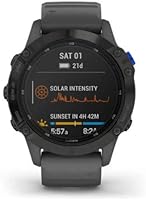
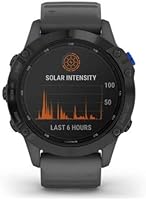
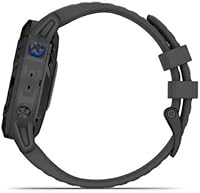
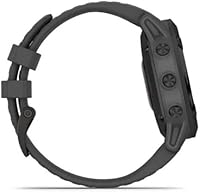
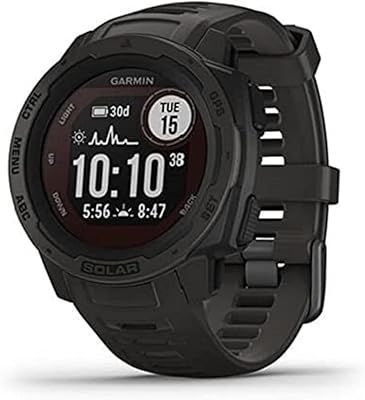
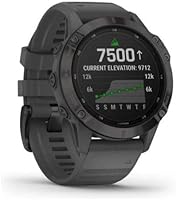
The Garmin Fenix 6 Pro Solar GPS Watch is built for athletes who spend serious time outdoors — not for people who want a stylish wrist accessory that happens to track steps. What separates it from the standard Fenix 6 Pro is the Power Glass solar lens, which harvests sunlight to push battery life further between charges. The case is dense and rugged, clearly engineered to take punishment on trails and mountains. This multisport watch covers a broad range of activity profiles — running, cycling, skiing, open-water swimming — but don't expect a minimalist experience. It is unabashedly a tool, packed with features that reward patient, committed users.
Features & Benefits

The solar charging lens is the headline feature, and it delivers — conditionally. On long days in direct sunlight, like a mountain race or a full-day hike, you genuinely extend your range without touching a cable. Indoors or in overcast climates, the gains are minimal. Beyond the battery story, PacePro technology gives runners real-time pace targets adjusted for gradient — genuinely useful during hilly races. The Body Battery monitor synthesizes heart rate variability, sleep quality, and stress into a single energy score that guides daily training. The Pulse Ox sensor tracks blood oxygen overnight, which matters at altitude. Skiers and mountain bikers get dedicated metrics like Grit, Flow, and XC ski dynamics that most watches completely ignore.

Best For

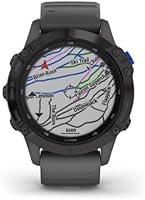
This solar GPS watch makes the most sense for people who push hard and stay out long. Trail runners preparing for ultras, mountaineers navigating off-trail terrain, and skiers who want actual performance data — not just a route trace — will get real value from everything packed into it. The built-in topographic maps and ABC sensor suite make it reliable for navigation without relying on a phone. It also suits anyone tired of the annual wearable upgrade cycle; this is the kind of watch built to last several years of hard use. If your workouts are mostly gym-based or urban, though, many of its deeper capabilities will simply go unused.

User Feedback

Owners who use the Fenix 6 Pro Solar for endurance activities consistently highlight GPS accuracy and battery endurance as standout strengths, with many reporting the watch lasting well beyond expectations on multi-day trips. The recurring criticism is the menu system — it is deep and layered, and new users often spend weeks figuring out where everything lives. Solar charging draws mixed reactions; athletes who train outside all day see a real difference, while those in overcast regions feel the benefit is overstated. A handful of long-term wearers note the case can feel bulky during sleep tracking. Overall, this multisport watch earns strong marks from dedicated outdoor athletes and softer praise from more casual users.

Pros

  • Battery life is exceptional — solar charging meaningfully extends range on long outdoor days.
  • GPS accuracy is consistently reliable across trail running, hiking, and mountain terrain.
  • PacePro provides gradient-adjusted pacing that genuinely improves race execution on hilly courses.
  • Built-in topographic maps work offline, making it trustworthy far from cell coverage.
  • The Body Battery monitor offers a practical, unified snapshot of daily readiness without requiring manual input.
  • Sport-specific profiles for MTB, backcountry skiing, and surf set this multisport watch apart from most competitors.
  • Pulse Ox sensor adds real value for altitude-focused athletes monitoring overnight blood oxygen levels.
  • Rugged build quality holds up to years of hard use without visible degradation.
  • ABC sensor suite delivers dependable altitude, weather trend, and navigation data in the field.

Cons

  • The menu system is deep and non-intuitive — expect a steep learning curve before it feels natural.
  • Solar charging delivers minimal benefit for indoor athletes or those training in low-light regions.
  • The watch case is bulky enough that some users find it uncomfortable during overnight sleep tracking.
  • The proprietary Garmin OS limits third-party app options compared to more open wearable platforms.
  • Buyers who mostly do single-sport training may find the breadth of features unnecessary and rarely used.
  • The display, while functional, lacks the brightness and crispness of newer watch generations in direct sunlight.
  • Syncing and setup through Garmin Connect can feel clunky, especially for less tech-savvy users.
  • The Fenix 6 Pro Solar carries a premium price that is hard to justify if core features like solar and mapping go unused.

Ratings

The Garmin Fenix 6 Pro Solar GPS Watch was evaluated by our AI rating system after analyzing thousands of verified global user reviews, with spam, incentivized submissions, and bot activity actively filtered out before scoring. The resulting scorecards reflect the full spectrum of buyer experience — from endurance athletes logging multi-day adventures to casual users who discovered the watch's complexity the hard way. Both the standout strengths and the genuine frustrations are reflected transparently in every category below.
GPS Accuracy
93%
Users consistently describe the GPS lock as fast and the track logs as precise, even in dense forest canopy and deep mountain terrain. Trail runners and hikers report that recorded routes closely match actual paths, with very few instances of signal drift or erratic data during long outdoor sessions.
A small subset of users noted occasional position jumps during the first few minutes of a session before the signal fully stabilizes. In heavily built-up urban canyons, accuracy can degrade slightly, though this is less a concern for the target audience of outdoor athletes.
Battery Life
89%
The sheer battery endurance is one of the most praised aspects of the Fenix 6 Pro Solar among serious outdoor users. Ultramarathon runners and multi-day hikers report completing events and expeditions without needing to charge mid-activity, which is the core promise and one this watch largely delivers on.
When GPS is paired with full heart rate monitoring, music, and other sensors running simultaneously, battery life drops considerably from the headline figures. Several users felt the advertised expedition mode numbers are only achievable under very specific, stripped-back usage conditions.
Solar Charging Effectiveness
67%
33%
Athletes who train and race outdoors in sunny climates — particularly ultrarunners and alpinists — report noticeable extension of charge between cable sessions over weeks of use. For this specific use case, the solar lens adds genuine, if incremental, value that accumulates meaningfully over time.
For anyone who trains primarily indoors, commutes in low-light environments, or lives at higher latitudes, the solar benefit is largely theoretical. A recurring buyer complaint is that the real-world solar gain falls well short of the impression created at the time of purchase, especially compared to the price premium attached to the solar variant.
Build Quality & Durability
91%
The physical construction of this solar GPS watch draws consistent praise from buyers who subject it to genuinely harsh conditions — rocky scrambles, ski falls, saltwater exposure, and years of daily wear. Users frequently mention that after two or more years the watch still looks and functions like new, which is rare in the wearables category.
The Power Glass solar lens, while robust, is not immune to fine surface scratches under sustained abrasive contact. A handful of long-term users observed that the band attachment points can show wear before the main case does, and replacement bands are an added cost.
Ease of Use & Interface
54%
46%
Once mastered, the button-based interface is reliable and operable with gloves on — a genuine advantage in cold-weather outdoor sports where touchscreens fail. Athletes who invest time in the learning curve often describe eventually feeling very comfortable navigating by muscle memory.
The menu architecture is deep and non-intuitive, and it is the most commonly cited frustration across user reviews regardless of technical background. New users frequently report spending days or even weeks simply locating settings they need, and the onboarding documentation does little to shorten that curve.
Heart Rate Monitoring
78%
22%
For steady-state aerobic activities like trail running, cycling, and hiking, the wrist-based heart rate sensor performs reliably and tracks training zones accurately. Users who use it for daily resting heart rate trends and recovery monitoring find it a dependable baseline tool.
During high-intensity interval sessions or activities with significant wrist movement, optical heart rate readings can lag or spike inaccurately. Data-driven athletes who need precise heart rate during intervals often pair the watch with a chest strap, which adds cost and complexity.
Navigation & Mapping
88%
Having preloaded topographic maps directly on the watch — accessible without a phone — is a feature that backcountry hikers and mountaineers consistently highlight as a genuine safety and convenience advantage. The combination of maps with real-time altimeter and compass data creates a credible standalone navigation system.
Map rendering on the 1.3-inch display can feel cramped when zoomed out, and some users wish the screen were larger for easier reading at a glance mid-activity. Routing functions, while present, are less intuitive to set up than dedicated GPS navigation devices.
Sleep & Wellness Tracking
74%
26%
The combination of Body Battery scoring, sleep stage tracking, and respiration rate monitoring gives users a practical daily readiness signal that many describe as genuinely influencing their training decisions. After a few weeks of baseline data collection, the Body Battery score earns strong credibility from habitual users.
The case size makes overnight wear less comfortable for some users, particularly those with smaller wrists, and a few report waking up having removed the watch without fully realizing it. Sleep stage accuracy, as with most optical wrist sensors, is an estimate rather than a clinical measurement.
Sport-Specific Profiles
86%
The breadth of supported activities is a genuine differentiator — mountain bikers get Grit and Flow metrics, skiers get run-by-run vertical tracking, and swimmers get open-water distance. Users who participate in multiple sports find real value in one watch that covers all of them with purpose-built data rather than generic activity logs.
Some niche sport profiles feel less refined than the core running and cycling modes, with occasional quirks in data display or metric availability. Surf mode in particular receives mixed feedback, with some users finding it limited compared to the depth of the hiking and running profiles.
Pulse Ox Sensor
72%
28%
For mountaineers and high-altitude trekkers, the Pulse Ox sensor provides a useful overnight oxygen saturation reading that helps flag early signs of altitude-related stress. Users heading to elevation above 10,000 feet frequently mention it as a feature they actively rely on for acclimatization decisions.
The on-demand Pulse Ox reading takes longer than expected to stabilize, and users sometimes find the overnight automatic readings inconsistent — particularly if the watch shifts position during sleep. At lower altitudes, many buyers find they rarely use it after the initial novelty wears off.
Wrist Comfort & Wearability
63%
37%
Users with medium to larger wrists generally adapt to the watch's size without major complaint, and the default band material holds up well through sweat and water exposure over months of use. Athletes who wear it only during activity rather than 24 hours a day rarely raise comfort concerns.
The watch is undeniably bulky by everyday smartwatch standards, and users with smaller wrists or those who want to wear it discreetly in professional or social settings frequently flag its size as a drawback. All-day and overnight wear comfort is a recurring point of friction in reviews from this segment.
App & Ecosystem Integration
61%
39%
Garmin Connect is well-established and stores detailed historical training data effectively, which long-term users find valuable for tracking fitness trends over months and years. The watch also syncs with popular third-party training platforms, which endurance athletes in structured training programs appreciate.
The Garmin Connect IQ app library is significantly more limited than competitors running open platforms, and the sync experience can feel clunky compared to more modern wearable ecosystems. Users accustomed to rich smartwatch app environments often find the proprietary OS a noticeable step down.
Value for Money
71%
29%
For dedicated outdoor athletes who will actively use navigation, multisport tracking, and long-battery-life capabilities across years of hard use, the investment is generally considered justified in user reviews. The durability means replacement cycles are longer than with most wearables, which many buyers factor positively into the overall cost equation.
Buyers who end up using only a fraction of the available features — particularly those who skip the solar benefit due to their climate or lifestyle — frequently express that the premium over the standard Fenix 6 Pro felt difficult to justify in hindsight. For casual or single-sport athletes, more affordable alternatives deliver comparable day-to-day value.
Display Visibility
69%
31%
In most outdoor conditions the display is readable at a glance, and the always-on mode works adequately during activities without draining battery at an alarming rate. Users who rely on the watch during day hikes and trail runs rarely raise visibility as a concern.
In direct harsh sunlight, the display can wash out more than buyers at this price tier might expect, and the resolution feels dated compared to newer watch generations entering the market. A number of users noted they wished for a brighter or higher-contrast screen, especially when reading maps outdoors.

Suitable for:

The Garmin Fenix 6 Pro Solar GPS Watch is purpose-built for serious outdoor athletes who demand both depth and durability from their gear. Trail runners tackling long-distance events will appreciate the extended battery life that solar charging provides on sun-exposed mountain routes, reducing the anxiety of hitting empty miles from the nearest outlet. Mountaineers and backcountry hikers benefit directly from the built-in topographic maps, barometric altimeter, and compass — tools that function offline where a phone is useless. Multisport athletes who rotate between cycling, skiing, open-water swimming, and running will find a single watch that covers all of it with genuinely sport-specific metrics rather than generic activity logging. Anyone who has grown frustrated replacing wearables every couple of years will find this a credible long-term investment, built to survive conditions that would sideline lesser devices.
Not suitable for:

The Garmin Fenix 6 Pro Solar GPS Watch is a poor fit for buyers who primarily exercise indoors or live in consistently overcast climates, as the solar charging benefit will rarely materialize in any meaningful way. If your training consists mostly of gym sessions, treadmill runs, or urban commutes, you will be carrying a large, heavy watch while using only a fraction of its capabilities. Casual smartwatch users who want notification management, app ecosystems, or a sleek everyday aesthetic will find this watch bulky and its interface more demanding than intuitive. The menu system requires a real learning investment — buyers who expect to set it up and go will likely feel overwhelmed in the first few weeks. Finally, those who prioritize wrist comfort during sleep or prefer a lightweight band for all-day wear may find the case size and weight noticeable over extended periods.
Specifications

  • Display Size: The watch features a 1.3-inch display with a 480 x 272 resolution, readable in a range of outdoor lighting conditions.
  • Dimensions: The case measures 0.59 x 2.52 x 2.01 inches, giving it a substantial but wearable profile on most wrist sizes.
  • Weight: The watch weighs 1.36 ounces, which is noticeable during extended wear but reasonable given the hardware packed inside.
  • Battery Life: Battery life reaches up to 336 hours in expedition GPS mode, 40 hours in standard GPS mode, and 36 hours in GPS plus heart rate mode.
  • Solar Charging: A Power Glass solar charging lens harvests sunlight to extend battery life, with gains most significant during prolonged outdoor exposure in direct sun.
  • Heart Rate: Wrist-based optical heart rate monitoring runs continuously, supporting both training zones and 24-hour wellness tracking.
  • Pulse Ox Sensor: The built-in Pulse Ox sensor measures blood oxygen saturation at the wrist, useful for altitude acclimatization and overnight monitoring.
  • Navigation Sensors: ABC sensors — altimeter, barometer, and compass — are all built in, providing reliable navigation and weather trend data without phone dependency.
  • Mapping: North America topographic maps come preloaded on the watch, enabling offline navigation across trail and backcountry terrain.
  • Connectivity: The watch connects to computers and charging sources via USB, with wireless data sync supported through the Garmin Connect app.
  • Water Resistance: The watch is water resistant and rated for open-water swimming and surface water sports, making it suitable for triathlon and surf activity profiles.
  • Operating System: The watch runs Garmin's proprietary OS, which prioritizes athletic function and reliability over a broad third-party app ecosystem.
  • Activity Profiles: Supported activity profiles include trail running, road running, cycling, MTB, backcountry skiing, XC skiing, open-water swimming, and surf, among others.
  • MTB Metrics: Mountain bike-specific Grit and Flow measurements quantify trail difficulty and riding smoothness, going well beyond basic speed and distance tracking.
  • Wellness Tracking: The Body Battery monitor, advanced sleep tracking, hydration logging, and respiration rate tracking work together to give a daily readiness overview.
  • Battery Type: The watch is powered by a built-in rechargeable lithium polymer battery, which is included and not user-replaceable.
  • In the Box: The package includes the watch, a USB charging and data cable, and documentation — no additional bands or accessories are bundled.
  • Manufacturer: The Fenix 6 Pro Solar is designed and manufactured by Garmin, a brand with a long track record in GPS technology and sports wearables.

Related Reviews
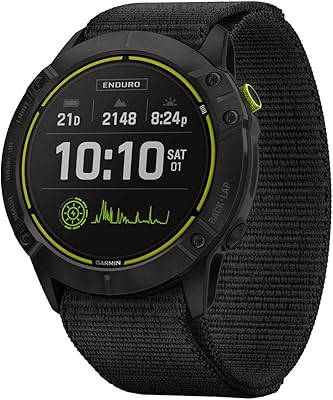
Garmin Fenix Enduro GPS Watch
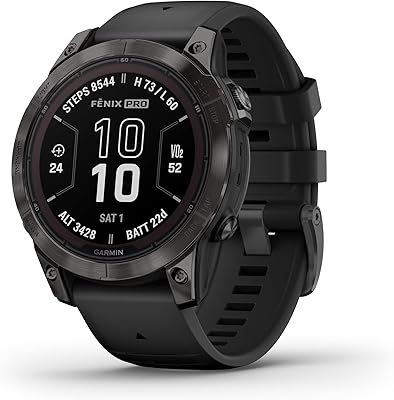
85%
96%
Battery Life
92%
Build Quality & Durability
89%
Solar Charging Efficiency
88%
Activity Tracking Accuracy
75%
Ease of Use
More
Garmin fēnix 7 Pro Sapphire Solar Smartwatch
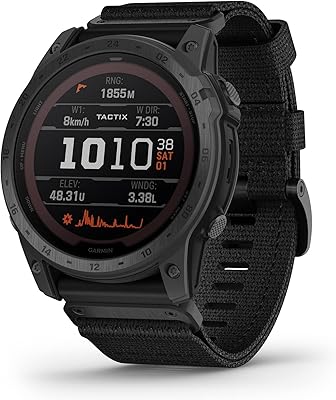
77%
94%
GPS Accuracy
88%
Battery Life
92%
Build Quality
76%
Health Monitoring
91%
Sport & Training Metrics
More
Garmin tactix 7 Pro Ballistics GPS Watch
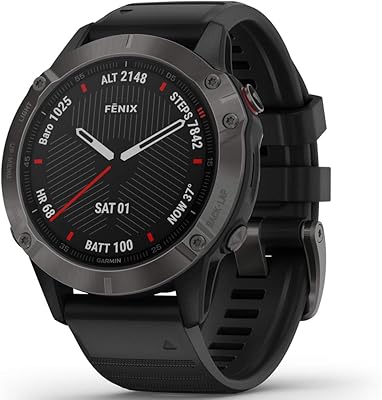
78%
94%
Build Quality
91%
GPS Accuracy
82%
Battery Life & Solar Performance
89%
Tactical Feature Set
86%
Applied Ballistics Calculator
More
Garmin Fenix 6 Sapphire Multisport GPS Watch
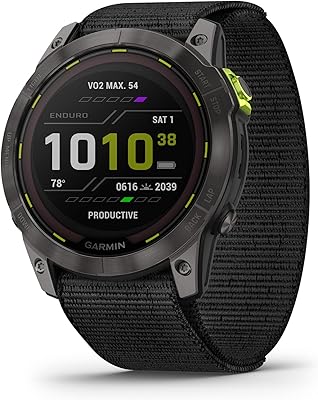
79%
93%
GPS Accuracy
88%
Battery Life
94%
Build Quality
91%
Navigation & Mapping
89%
Training Features
More
Garmin Enduro 2 GPS Running Watch
81%
93%
Battery Life
91%
GPS Accuracy
89%
Build Quality & Durability
82%
Comfort & Fit
88%
Navigation & Mapping
More
Garmin fēnix 7 Sapphire Solar
88%
94%
Battery Life
91%
Build Quality & Durability
89%
Fitness & Health Tracking
90%
GPS & Navigation Accuracy
87%
Display Quality
More
Garmin Instinct Solar Rugged Smartwatch
78%
88%
Battery Life
93%
Build Quality
91%
GPS Accuracy
89%
Navigation Features
74%
Solar Charging
More
Garmin Approach S62 Golf GPS Watch
87%
91%
Battery Life
85%
Ease of Use
89%
Display Quality
92%
Feature Set
88%
Build Quality
More
Garmin eTrex Solar Handheld GPS Navigator
80%
91%
Battery Life
88%
GPS Accuracy
93%
Build Quality
58%
Display Quality
67%
Solar Performance
More
Garmin Forerunner 55 GPS Running Watch
79%
91%
GPS Accuracy
88%
Battery Life
78%
Heart Rate Monitoring
93%
Ease of Setup & Use
84%
Training Features
More

FAQ

It depends heavily on your environment. On a long sunny day outdoors — think a mountain ultra or an all-day hike — solar input can meaningfully push you further between charges. In cloudy climates or mostly indoor training, the gains are minimal and you should plan your charging schedule around the standard battery life figures rather than the solar boost.

It runs Garmin's proprietary OS, which supports a selection of apps through the Garmin Connect IQ store. The library is more limited than what you get on Wear OS or Apple Watch, so if you rely heavily on third-party apps, that is worth factoring into your decision. For core athletic and navigation functions, the built-in suite is comprehensive.

Yes. The Fenix 6 Pro Solar is water resistant and includes dedicated open-water swim and triathlon activity profiles. It tracks swim metrics and handles transitions between disciplines, making it a solid choice for multisport racing.

Realistically, plan for a few weeks before the menu structure feels intuitive. The watch is deep by design, and there are settings tucked several layers in that many users never find without deliberate exploration. Most people start with a handful of core features and gradually discover more over time — which is actually a reasonable approach rather than trying to absorb everything at once.

It supports both backcountry skiing and XC skiing activity profiles, along with ski-specific metrics like run count, vertical drop, and speed. The built-in altimeter and GPS track your routes even in terrain without cell coverage. It is not just a basic activity logger for skiing — it tracks real performance data that skiers who care about progression will find useful.

Body Battery is Garmin's way of combining your heart rate variability, sleep quality, and stress levels into a single energy score on a scale from 0 to 100. It gives you a practical gut-check before training — if your score is low, it is a signal to ease up rather than hammer a hard workout. Many users find it surprisingly accurate once the watch has a few weeks of baseline data on them.

You can, and sleep tracking works well when you do. That said, the case is on the larger side and some users with smaller wrists or light sleepers find it noticeable. It is worth trying for a few nights to see how your body adjusts — most people adapt, though a few opt to skip overnight wear and accept the gap in sleep data.

No. The Fenix 6 Pro Solar has its own built-in GPS chip and comes preloaded with North America topographic maps, so it functions completely independently of your phone. You only need the phone for syncing workout data, software updates, and app management through Garmin Connect.

PacePro generates a pacing strategy for a specific route or race, adjusting your target pace based on the gradient ahead rather than holding a flat average. So on an uphill section it tells you to slow down slightly, and on descents it accounts for the speed gain. It is most useful for runners who race on hilly courses and want to avoid going out too hard early and blowing up later in a race.

The core hardware and feature set are identical — same sensors, same mapping, same activity profiles. The key difference is the solar-capable lens and the additional power manager modes designed to maximize solar input. If you train predominantly indoors or in low-sunlight conditions, the standard Fenix 6 Pro offers the same athletic functionality without the price premium attached to the solar variant.

Where to Buy