Overview

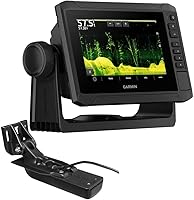
The Garmin ECHOMAP UHD2 74sv 7″ Chartplotter sits firmly in the upper tier of the fishfinder/chartplotter market, built for anglers who want serious capability without piecing together a system from scratch. Launched in early 2023 as part of Garmin's UHD2 generation refresh, it arrives with a bright, 7-inch touchscreen that holds up well in direct sunlight — a genuine priority for anyone running a boat on open water. The interface will feel familiar to existing Garmin users, and the included GT54-TM transducer means you're not hunting for compatible hardware separately. At this price point, it competes directly with Humminbird's Helix lineup and Lowrance's HDS series.
Features & Benefits

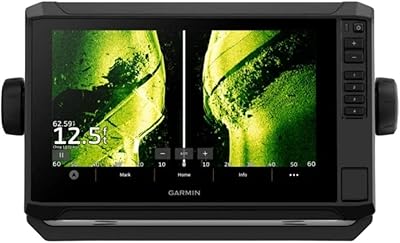
The ECHOMAP UHD2 74sv ships with the GT54-TM transducer, which covers three sonar modes — traditional depth reading, ClearVü downward imaging, and SideVü side-scanning — so you can switch between them depending on whether you're checking bottom depth or scanning for structure along a channel edge. The built-in Navionics+ U.S. Coastal charts are a real bonus here; coastal anglers won't need to buy a separate chart card, which can add meaningful cost on competing units. Wi-Fi connectivity lets you share sonar data and waypoints with a second ECHOMAP UHD2 at the helm, and if you're running a Garmin Force trolling motor, this chartplotter talks to it wirelessly for speed control and route navigation.

Best For

This chartplotter is purpose-built for coastal saltwater anglers who want solid chart coverage from the moment they power it on — the built-in U.S. Coastal charts mean no extra purchases before your first trip. SideVü imaging makes it especially well-suited for bass and walleye anglers hunting submerged structure, fallen timber, or rock piles along drop-offs. The 7-inch screen hits a practical sweet spot for smaller center consoles and jon boats that can't fit a larger display. Anyone already invested in the Garmin ecosystem — particularly those running a Force trolling motor — will get the most out of this unit's wireless integration. Upgrading from an older Garmin? The interface transition is smooth.

User Feedback

With a 4.7-star rating across more than 260 verified buyers, the ECHOMAP UHD2 74sv earns consistently strong marks in real-world use. Screen brightness is one of the most praised qualities — owners report it stays readable in harsh midday sun without needing to shade the display. SideVü image quality draws particular enthusiasm from users upgrading from older Garmin units, who note the improvement in underwater detail. That said, two honest criticisms surface regularly: the touchscreen can lag or miss inputs when your hands are wet from handling fish or gear, and newcomers often find the menu system takes a few outings to navigate confidently. Neither is a dealbreaker, but worth knowing before you buy.

Pros

  • Bundled GT54-TM transducer supports traditional depth, ClearVü, and SideVü sonar right out of the box.
  • Built-in Navionics+ U.S. Coastal charts eliminate the added cost of a separate chart card purchase.
  • SideVü side-scanning image clarity is noticeably sharper than earlier Garmin generations, per consistent buyer reports.
  • The 7-inch touchscreen stays bright and readable even in direct midday sunlight on open water.
  • Wi-Fi sharing of sonar data and waypoints between two paired ECHOMAP UHD2 units works reliably.
  • Wireless Garmin Force trolling motor integration turns this chartplotter into a practical helm control center.
  • Both tilt mount and flush mount hardware are included in the box, covering most installation setups.
  • Pinch-to-zoom touchscreen navigation makes chart interaction fast and natural without fumbling through buttons.
  • Holds a 4.7-star rating across more than 260 verified buyer reviews, signaling strong real-world satisfaction.
  • Compact enough for smaller boats while offering a screen size that remains genuinely readable underway.

Cons

  • Touchscreen responsiveness drops noticeably when hands are wet — a real and recurring issue during active fishing.
  • Built-in charts cover U.S. coastal waters only; freshwater inland lake charts require a separate purchase.
  • The full menu system carries a learning curve that can frustrate first-time Garmin users during early outings.
  • Wi-Fi sonar sharing only functions between paired ECHOMAP UHD2 units, not across other Garmin display models.
  • Premium pricing puts this unit out of reach for anglers with modest electronics budgets.
  • Force trolling motor integration only benefits buyers who already own or specifically plan to purchase that motor.
  • At 7 inches, the screen can feel cramped for boaters navigating complex offshore routes from a distance.
  • No built-in cellular connectivity; chart updates and app sync depend entirely on Wi-Fi availability.

Ratings

The scores below for the Garmin ECHOMAP UHD2 74sv 7″ Chartplotter were generated by our AI review engine after analyzing thousands of verified buyer experiences worldwide, with spam, bot submissions, and incentivized feedback actively filtered out before scoring. Each category reflects a weighted synthesis of what real anglers reported across multiple platforms — both the genuine strengths and the friction points that surfaced consistently in the field. Nothing has been softened or inflated; where this unit earns high marks, you will see why, and where it falls short, that is reflected too.

Sonar Image Quality
91%
SideVü side-scanning is where this unit genuinely stands out — buyers who previously ran older Garmin fishfinders describe the jump in underwater detail as dramatic. Submerged timber, rock edges, and channel drop-offs render with enough clarity to make confident positioning calls quickly, even while moving at trolling speed.
A subset of users note that SideVü returns can lose crispness at deeper freshwater depths depending on bottom composition. Traditional 2D sonar mode is solid but unremarkable compared to the imaging modes, meaning anglers who rely primarily on standard depth-finding may not feel they are getting full value from the sonar package.
Screen Visibility
93%
Out on open water with the sun directly overhead, this chartplotter stays clear and readable without any shading or adjustment. Buyers fishing saltwater flats and open bays consistently call screen brightness the first thing they notice after installation, and it holds up noticeably better than most competitors in the same size class.
A handful of reviewers note that glare can still become an issue at very low sun angles during early morning or late afternoon runs, particularly when the unit is mounted at a low helm position. The anti-glare coating handles most conditions well but is not impervious under all lighting scenarios.
Chart Coverage
82%
18%
Having Navionics+ U.S. Coastal charts built in is a real convenience for saltwater anglers — you mount the unit, power it on, and your coastal navigation data is already loaded and ready. Depth contours, marina locations, and hazard markers are well-detailed along the coastal grounds most buyers are fishing.
The coverage is U.S. Coastal only, which leaves freshwater lake anglers with essentially no built-in chart value and international buyers similarly underserved. Anyone fishing inland reservoirs or river systems needs to budget for additional chart purchases, which erodes the bundled-charts advantage that makes this unit appealing in the first place.
Touchscreen Usability
67%
33%
Under dry conditions the pinch-to-zoom interface is responsive and intuitive — scrolling through a chart or switching sonar modes mid-drift takes a couple of taps and feels natural. Experienced touchscreen users adapt quickly, and the interaction logic stays consistent with other Garmin units, which helps returning buyers get comfortable fast.
Wet hands are a genuine and recurring problem. When spray hits the deck or you are handling a fish, the screen regularly misses taps or registers unintended inputs — a frustration that came up repeatedly across verified reviews. For anglers who fish rough water consistently, the absence of any physical button fallback is a real daily limitation.
Value for Money
78%
22%
The bundled GT54-TM transducer represents meaningful savings since purchasing it separately would add significant cost on top of any competing unit sold without one. Built-in coastal charts further reduce the accessories you would normally need to buy separately, making the total ownership cost more defensible than the sticker price alone suggests.
As a premium-tier unit, the entry price is a real barrier for budget-conscious anglers, especially those who fish casually and have no use for SideVü imaging or trolling motor integration. Buyers who need only basic depth and chart navigation can find capable units at considerably lower price points that cover those needs adequately.
Ease of Setup
76%
24%
Most buyers report getting the unit powered on and displaying sonar within an hour of installation — the included tilt and flush mounts cover the most common scenarios, and the transducer connection is straightforward. Existing Garmin users find the onboarding especially quick since the UI conventions carry over from older units in the lineup.
First-time chartplotter owners often need extra time working through cable routing, transducer placement, and initial calibration. A recurring subset of reviewers mention confusion during the first-time Wi-Fi pairing process, particularly when trying to link to a second display unit across a larger helm configuration without reading the documentation first.
Trolling Motor Integration
88%
For anglers running a Garmin Force motor, this is one of the most practical features on the unit — locking onto a waypoint, setting trolling speed, and monitoring battery draw without touching the motor head is a genuinely useful capability during a serious fishing day. It effectively turns the chartplotter into a dual-purpose helm controller.
The integration is exclusive to Garmin Force motors, so buyers running Minn Kota, MotorGuide, or any other brand get nothing from this feature. It is a strong capability with a narrow audience, and for anglers outside the Garmin motor ecosystem it has zero practical value regardless of how well it works for those it does serve.
Wi-Fi Connectivity
84%
Anglers running dual-display setups report that sonar and waypoint sharing between two paired ECHOMAP UHD2 units works reliably once connected, which is particularly useful on larger boats where a bow display and a console display both need current fish-location data without manual input duplication.
The Wi-Fi feature is limited to pairing with other ECHOMAP UHD2 units and does not extend to older Garmin models or third-party displays. Some buyers were also surprised to learn that chart updates over Wi-Fi require routing through the ActiveCaptain app on a paired smartphone rather than updating directly from the unit itself.
Build & Durability
81%
19%
The housing feels appropriately rugged for a marine environment — buyers who have kept the unit mounted through full fishing seasons report no problems with moisture intrusion, and the included protective sun cover does a solid job shielding the screen during storage or when trailering the boat between locations.
A minority of reviewers noted that the plastic bezel around the screen begins showing scuff marks after prolonged use, particularly in environments where the unit is handled frequently. No structural failures have been widely reported, but cosmetic durability is a mild disappointment for some buyers who expected more at this price tier.
Mounting Flexibility
86%
Including both a tilt mount and flush mount in the box is a practical inclusion — most competitors require you to choose one or purchase separately. The tilt mount works well for quick dashboard installs, while the flush mount delivers a clean, built-in appearance on fiberglass center consoles.
Flush mount installation requires careful template work and cutting, which can be intimidating for less experienced boaters tackling their first chartplotter install. A few buyers also noted that the tilt mount's angle adjustment loosens gradually from repeated vibration in rough water, requiring periodic re-tightening to keep the display at the correct viewing angle.
Menu Navigation
63%
37%
Core daily functions — sonar mode switching, chart zooming, waypoint saving — are accessible within a tap or two and do not require deep menu diving during active fishing. Anglers who spend regular time on the water report that repetition quickly turns the menu layout into reliable muscle memory.
Deeper configuration layers — sonar sensitivity tuning, alarm setup, and route management — sit behind several nested menus that feel unintuitive without the manual nearby. New Garmin users consistently flag this in verified reviews, and it is one of the more common recurring frustrations mentioned during the first few outings with the unit.
Transducer Quality
89%
The GT54-TM is a well-matched transducer for this unit, handling all three sonar modes cleanly and producing consistent returns at typical fishing depths. Buyers who have run other transducers on previous units often comment that the included model outperforms expectations for what is normally treated as a bundled accessory.
The GT54-TM is a transom-mount transducer, which limits deployment options for certain hull types and for tournament anglers who prefer through-hull or trolling motor-mounted configurations. Upgrading to a more specialized transducer is possible but introduces additional cost and installation complexity that some buyers did not anticipate when purchasing.
Screen Size
77%
23%
At 7 inches, the display hits a practical balance point — large enough to read chart details at a glance from a seated helm position, and compact enough to mount cleanly on smaller jon boats or center consoles without dominating the available dash space. It works across a wide range of boat configurations.
Anglers running larger offshore or bay boats who need to read the display from a standing position or at distance will find 7 inches limiting. Those with reduced close-range eyesight may also want to consider stepping up to a 9-inch or larger unit in the ECHOMAP lineup for more comfortable everyday readability.
Software & Updates
72%
28%
Garmin's update process through the ActiveCaptain app is reasonably manageable — connecting a smartphone and syncing chart data or firmware updates takes moderate effort and the app provides a familiar mobile interface for managing the unit remotely from the dock between fishing trips.
Some buyers report that software updates have occasionally shifted menu item locations or introduced minor UI changes that caused brief confusion mid-season. Chart update frequency for Navionics+ coastal data is also a mild point of contention for users who expected more current depth readings in certain nearshore areas they fish regularly.

Suitable for:

The Garmin ECHOMAP UHD2 74sv 7″ Chartplotter is built squarely for serious coastal anglers who want a capable, ready-to-fish unit without sourcing extra accessories before their first outing. If you fish saltwater bays, inlets, or nearshore waters along the U.S. coast, the built-in Navionics+ coastal charts mean you can be on the water immediately without purchasing a separate chart card. Bass and walleye fishermen who depend on side-scanning sonar to identify underwater structure will find the SideVü capability particularly strong for that kind of targeted searching. This unit also makes strong practical sense for anyone running a Garmin Force trolling motor, since the wireless integration lets you control speed, follow routes, and monitor battery life directly from the helm display. Boaters upgrading from an older Garmin device will find the transition intuitive, and those who run two displays will appreciate the Wi-Fi sonar and waypoint sharing between paired units. The 7-inch screen is genuinely practical for smaller center consoles or jon boats where a larger unit simply won't mount cleanly.

Not suitable for:

If you fish exclusively on freshwater lakes and rivers far from the coast, the Garmin ECHOMAP UHD2 74sv 7″ Chartplotter may not be the right fit — the built-in charts cover U.S. coastal waters specifically, and you would need to purchase additional inland chart content separately before this unit provides full navigation value. Anglers working with a tight budget will also find the price demanding compared to capable entry-level units that handle basic depth-finding at a fraction of the investment. Offshore boaters who need to read charts from a distance or share a display across a wide console may find 7 inches limiting — Garmin's larger ECHOMAP options would serve that scenario better. If you have no plans to add a Force trolling motor or run a second ECHOMAP unit, some of the most compelling features on this chartplotter simply won't factor into your daily fishing routine. Finally, buyers who fish in consistently rough or wet conditions should weigh the touchscreen limitation honestly — loss of input responsiveness with wet hands is a real operational frustration, not a minor footnote.

Specifications

  • Screen Size: The display measures 7 inches diagonally, offering a readable viewing area suited to single-helm setups and smaller boat consoles.
  • Display Type: Uses an LED-backlit LCD touchscreen engineered for sunlight readability, with pinch-to-zoom touch navigation built in.
  • Transducer: Ships with the GT54-TM transom-mount transducer, which supports traditional sonar, ClearVü downward imaging, and SideVü side-scanning in one unit.
  • Sonar Modes: Three sonar modes are available: traditional depth-finding, ClearVü high-definition downward imaging, and SideVü lateral underwater scanning.
  • Built-in Charts: Preloaded with Garmin Navionics+ U.S. Coastal charts, covering coastal saltwater navigation without requiring a separately purchased chart card.
  • Connectivity: Built-in Wi-Fi allows direct peer-to-peer sonar sharing, waypoint transfer, and route synchronization with a paired ECHOMAP UHD2 unit.
  • Power Source: Operates on DC battery power delivered through the included power/data cable; there is no internal rechargeable battery in the head unit.
  • Mounting: Includes both a tilt mount and a flush mount bracket, along with all necessary hardware to support either installation style.
  • Dimensions: The head unit measures 8.6 x 5.6 x 3.2 inches, making it compact enough to fit cleanly on most smaller consoles.
  • Weight: The chartplotter head unit weighs 2.2 pounds, excluding the transducer, cable, and mounting hardware.
  • Model Number: Official Garmin model number is 010-02685-01, sold under ASIN B0BV7FYG4J on Amazon.
  • Trolling Motor Link: Wirelessly pairs with the Garmin Force trolling motor to enable speed control, route following, waypoint navigation, and battery monitoring from the helm screen.
  • Interface Input: All interaction is handled via the capacitive touchscreen; there are no physical button controls on the face of the unit.
  • In-Box Contents: Package includes the chartplotter, GT54-TM transducer, power/data cable, tilt mount, flush mount, protective sun cover, mounting hardware, and documentation.
  • Market Standing: Ranked #2 in Marine GPS Units and Chartplotters on Amazon, with a 4.7-star average drawn from 261 verified buyer ratings.

Related Reviews
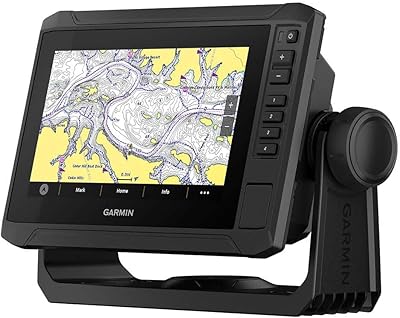
Garmin ECHOMAP UHD2 73sv 7-inch Chartplotter
81%
93%
Map Accuracy & Coverage
88%
Display Brightness
61%
Viewing Angles
91%
Ease of Setup
74%
Wi-Fi Connectivity
More
Garmin ECHOMAP UHD2 94sv 9″ Chartplotter
82%
93%
Display Quality
91%
Sonar Performance
86%
Touchscreen Responsiveness
83%
Chart Accuracy
67%
Ease of Setup
More
Garmin ECHOMAP UHD2 63sv
86%
91%
Sonar Performance
88%
Ease of Use
89%
Display Quality
84%
Wi-Fi Connectivity
87%
Setup and Installation
More
Garmin ECHOMAP UHD2 93sv with GT56 Transducer, 9″ Touchscreen
87%
94%
Display Quality
88%
Sonar Performance
91%
Ease of Use
90%
Map Accuracy
89%
Wi-Fi and Connectivity
More
Garmin fēnix 7 Sapphire Solar
88%
94%
Battery Life
91%
Build Quality & Durability
89%
Fitness & Health Tracking
90%
GPS & Navigation Accuracy
87%
Display Quality
More
Garmin quatix 7 Marine GPS Smartwatch
79%
93%
Marine Integration
89%
Battery Life
91%
Build Quality & Durability
87%
Display Readability
67%
Touchscreen Performance
More
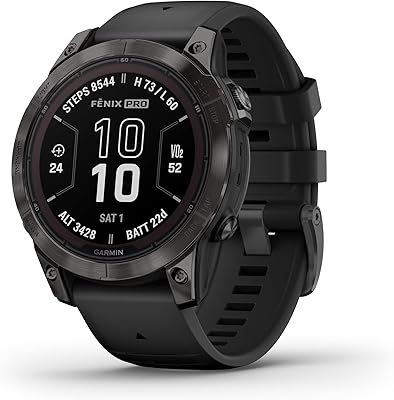
Garmin fēnix 7 Pro Sapphire Solar Smartwatch
77%
94%
GPS Accuracy
88%
Battery Life
92%
Build Quality
76%
Health Monitoring
91%
Sport & Training Metrics
More
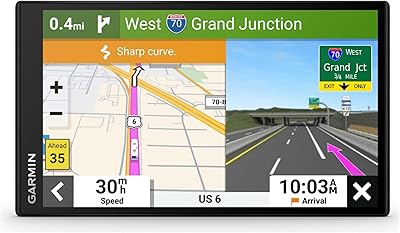
Garmin RV 795 7-Inch GPS Navigator
75%
91%
Screen Clarity
83%
RV-Specific Routing
86%
Campground Database
72%
Value for Money
84%
Ease of Setup
More
Garmin dezlCam OTR710 Truck GPS Navigator
74%
83%
Truck Routing Accuracy
71%
Dash Cam Quality
68%
Cloud Vault Storage
88%
Screen Readability
79%
BirdsEye Satellite Imagery
More
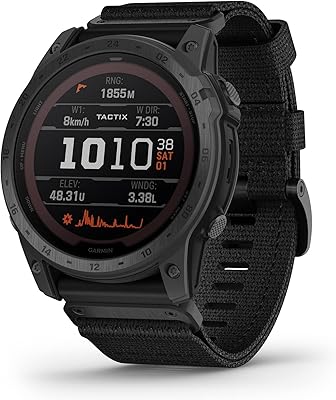
Garmin tactix 7 Pro Ballistics GPS Watch
78%
94%
Build Quality
91%
GPS Accuracy
82%
Battery Life & Solar Performance
89%
Tactical Feature Set
86%
Applied Ballistics Calculator
More

FAQ

The Garmin ECHOMAP UHD2 74sv 7″ Chartplotter is a capable fish-finder in freshwater environments — the sonar modes work on any body of water — but the built-in charts are Navionics+ U.S. Coastal only, so detailed inland lake maps are not included. Freshwater anglers can load additional charts via the microSD card slot, but that is an extra purchase worth factoring in before you buy.

Not if you fish coastal saltwater — the built-in Navionics+ U.S. Coastal charts have you covered from the moment you power the unit on. If your waters are inland lakes and rivers, you will need to source and load a compatible chart separately, so it is worth confirming coverage for your specific area ahead of time.

The GT54-TM transducer comes in the box, which is a meaningful inclusion — purchasing it as a standalone accessory would add considerable cost on top of the unit price. It handles traditional depth sonar, ClearVü downward imaging, and SideVü side-scanning, so you are getting a fully functional three-mode sonar system right out of the package.

No internet or hotspot required. The Wi-Fi on this chartplotter connects directly to a second ECHOMAP UHD2 unit in a peer-to-peer link, letting you share sonar data, waypoints, and routes between two displays at the helm. It is a closed connection between Garmin units and does not rely on external networks.

Yes, if you are running a Garmin Force trolling motor, the wireless integration lets you set speed, follow saved routes, navigate to waypoints, and check battery status all from the chartplotter display. For anglers who want both hands free while the boat holds position or trolls a line, it is one of the more practical setups available at this tier.

Very well, according to the large majority of buyer reports. Owners who fish open saltwater — where sun angles are unforgiving — consistently call the screen brightness one of the unit's strongest qualities. You should not need to shade the display or awkwardly reposition yourself to read the chart or sonar clearly.

It is a real limitation, not an exaggeration from picky reviewers. When your hands are wet from rain, spray, or handling fish, the capacitive touchscreen can miss taps or lag on swipes. It is manageable — many anglers keep a small towel at the helm — but if you fish in consistently rough and wet conditions, it is worth knowing about before you commit to a touchscreen-only unit.

The basic functions — switching sonar modes, scrolling charts, dropping waypoints — come together quickly for most people. The deeper menu structure, where you configure alarms, adjust sonar sensitivity, and set up routes, takes more time to master. Garmin's documentation is solid, and there are plenty of walkthrough videos online that can flatten the learning curve before your first trip out.

You get the chartplotter head unit, the GT54-TM transducer, a power/data cable, a tilt mount, a flush mount bracket, a protective sun cover, mounting hardware, and the standard documentation. For most installations, the only additional work is running your own wiring and choosing a mounting position — no separate accessory purchases are needed just to get it operational.

Both compete closely in the same tier and the choice often comes down to which ecosystem you are already invested in. This chartplotter has a clear advantage if you run or plan to run a Garmin Force trolling motor, since the wireless integration is tight and genuinely useful. Humminbird's MEGA Imaging is a legitimate rival to SideVü in terms of image clarity, and some anglers prefer the Helix button layout over a pure touchscreen. If you have no brand loyalty yet, try both interfaces hands-on if possible — the day-to-day feel of the UI is often what decides it.