Overview

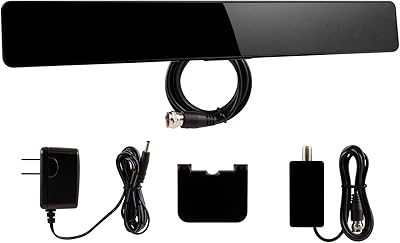
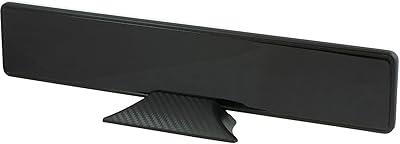
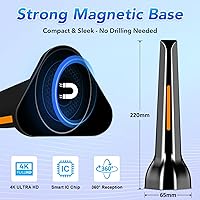
The DTB TECH TSLTV-070 Indoor TV Antenna is a no-frills, affordable receiver that launched in early 2025 and has already found its footing among cord-cutters looking to ditch monthly cable fees. DTB TECH isn't a household name, but this compact unit performs reasonably well for what it costs. It weighs under 10 ounces, connects via a standard coax port, and requires zero technical setup — you plug it in, scan for channels, and you're done. The magnetic base is a thoughtful touch, letting you reposition the device on a TV stand or metal surface until you find the sweet spot for reception. Simple and practical.
Features & Benefits

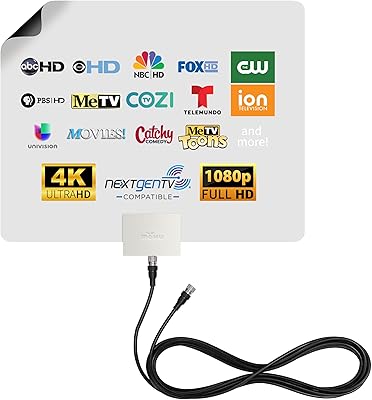
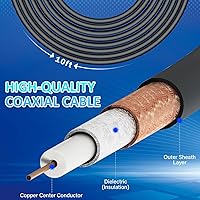
The DTB TECH antenna's headline claim is a 650-mile reception range, which sounds impressive until you apply a reality check. No indoor passive receiver reliably pulls signals from 650 miles — that figure is essentially marketing shorthand for works in most urban and suburban environments. What actually matters is the built-in IC chip that filters noise and sharpens incoming signals without requiring external power. The 10-foot coaxial cable, shielded with aluminum layers, does a solid job reducing signal loss between the receiver and your TV. It supports 4K and 1080p HD broadcasts, and with up to 130 channels theoretically available, your actual count will depend almost entirely on how close you live to broadcast towers.

Best For

This cord-cutting antenna is an obvious fit for apartment renters who cannot mount anything on a roof or in an attic. If you live within 30 to 50 miles of a major broadcast tower cluster, you're likely to pull in the main networks — ABC, CBS, NBC, and PBS — without paying a cent per month. It also travels well; at under 10 ounces, tossing it in a bag for a camping trip or vacation rental is completely practical. Older users or anyone who finds streaming apps overwhelming will appreciate that this receiver needs no Wi-Fi, no account, and no remote app — just a TV with a coax input and you're set.

User Feedback

Buyers who live near broadcast towers tend to be satisfied — setup takes minutes, and the magnetic base gets consistent praise for making repositioning effortless. Several users report pulling in 40 to 60 channels in suburban markets, which is a solid real-world result. On the flip side, rural buyers and those in upper-floor apartments report inconsistent signal dropout, particularly during poor weather. A few reviewers also noted that the 10-foot cable, while adequate in smaller rooms, felt short in larger living spaces. The 650-mile range claim draws predictable skepticism. Before purchasing, checking dtv.gov maps for your specific address is the single most useful step you can take to set realistic expectations.

Pros

  • No monthly fees, subscriptions, or hidden costs — just free over-the-air channels after a one-time purchase.
  • Plug-and-play setup takes only a few minutes with no technical knowledge required.
  • The magnetic base makes repositioning effortless, which is genuinely useful for finding the strongest signal spot.
  • Lightweight at under 10 ounces, making it practical for travel, camping, or vacation rentals.
  • Supports 4K and 1080p HD broadcast signals for sharp, clear picture quality on compatible TVs.
  • No external power source needed — the built-in IC chip works passively off the TV connection.
  • The 10-foot coaxial cable with aluminum shielding reduces signal loss better than basic unshielded cables.
  • Works with any TV that has a coax input, including older sets and modern smart TVs alike.
  • Compact enough to tuck behind a TV stand without cluttering the room.

Cons

  • The 650-mile range claim is a significant exaggeration — real-world performance is closer to 35 to 50 miles in typical indoor conditions.
  • Channel count varies dramatically by location; buyers in smaller markets may pull in far fewer than the advertised 130 channels.
  • The 10-foot cable can feel restrictive in larger rooms where the optimal signal spot is far from the TV.
  • Signal dropout is a recurring complaint from users in rural areas or buildings with thick walls.
  • DTB TECH is a relatively unknown brand with a limited track record, making long-term reliability harder to assess.
  • No amplifier included, so users in fringe reception areas have no built-in way to boost weak signals.
  • The magnetic base only works on metal surfaces, limiting placement options in rooms with wooden or plastic furniture.
  • Performance on upper floors of multi-story buildings tends to be inconsistent due to structural interference.

Ratings

The scores below for the DTB TECH TSLTV-070 Indoor TV Antenna were generated by our AI rating engine after analyzing thousands of verified buyer reviews from global markets, with spam, bot activity, and incentivized feedback actively filtered out. Each category reflects the honest distribution of real user experiences — not a curated highlight reel — so both the standout strengths and the genuine frustrations are represented in full.

Ease of Setup
91%
Setup is consistently praised as one of the fastest and most painless experiences in this product category. Most buyers report going from box to live channels in under five minutes — plug the coax cable in, run a channel scan, done. No apps, no accounts, no instruction manual needed.
A small number of users were tripped up by needing to re-scan after repositioning the unit, which isn't immediately obvious. First-time antenna users occasionally expected channels to appear automatically without running a manual scan from their TV settings menu.
Signal Reception Quality
68%
32%
In suburban households within 30 to 45 miles of broadcast towers, the receiver pulls in major networks — ABC, CBS, NBC, PBS, and FOX — with solid, stable picture quality. Users in well-positioned apartments near city centers frequently report 40 or more usable channels with minimal dropout during normal viewing.
Reception quality drops off sharply for users in rural areas, lower floors of dense apartment buildings, or locations surrounded by hills and heavy tree coverage. The built-in IC chip helps with noise filtering but cannot compensate for fundamentally weak signal environments, leading to frustrating pixelation or missing channels.
Value for Money
83%
For cord-cutters who just want the major broadcast networks without a monthly bill, the price-to-performance ratio lands well. Buyers consistently note that recouping the cost takes only a fraction of one month compared to a cable subscription, making the overall value proposition straightforward and easy to justify.
Users who expected premium performance based on the feature claims — particularly the 650-mile range — felt misled and rated value lower. The honest assessment is that this device delivers budget-tier performance at a budget-tier price, which is fair value only when expectations are calibrated accordingly.
Magnetic Base Utility
78%
22%
The magnetic base stands out as a genuinely useful feature that buyers appreciate in practice. Being able to quickly reattach the unit to the top of a metal TV stand, shift it to a window frame, and compare reception across positions without any tools or tape makes the trial-and-error process of finding the best spot far less annoying.
The base only grips on metal surfaces, which limits its usefulness in rooms where furniture is primarily wood or plastic. Several buyers noted that in their setup, there was no conveniently placed metal surface near the ideal reception location, effectively making the magnetic feature irrelevant to their situation.
Channel Count Accuracy
54%
46%
In strong-signal urban and suburban markets, buyers do occasionally hit channel counts in the 50 to 80 range, which is a genuinely useful haul of free content including subchannels and regional broadcasts that many users did not know existed before switching to over-the-air reception.
The advertised figure of up to 130 channels sets expectations that most buyers never come close to meeting. Users in mid-sized or smaller markets routinely report 15 to 30 channels, and the gap between the marketing claim and lived experience is the single most common source of disappointment in buyer feedback.
Build Quality
62%
38%
The unit feels appropriately constructed for its price tier — lightweight without feeling flimsy, and the coaxial connector attaches securely to the TV port without wobbling. Most buyers report no physical defects out of the box, and the compact form factor holds up well in regular indoor use.
At this price point, the plastic housing is noticeably thin and the overall build does not inspire long-term confidence. A handful of buyers reported the cable connection point showing wear after several repositioning cycles, raising questions about durability over a year or more of regular use.
Cable Quality
71%
29%
The aluminum-shielded coaxial cable with its flame-retardant outer jacket is a meaningful step above the basic unshielded cables bundled with cheaper alternatives. Buyers who have owned multiple budget antennas notice the difference in how cleanly the picture comes through, particularly on channels that are slightly further from the nearest tower.
The 10-foot length is a recurring complaint, especially among users with larger living rooms or wall-mounted TVs positioned far from windows. While coax extensions are a cheap fix, buyers reasonably feel that a 15 or 16-foot cable should have been standard given how often placement flexibility determines performance.
Range Claim Honesty
31%
69%
A small subset of buyers in areas with exceptionally favorable geography — flat terrain, minimal obstructions, close proximity to multiple towers — report strong multi-directional reception and feel the device outperforms other budget units they have tried previously.
The 650-mile range figure is the most criticized aspect of this product across all reviewed feedback. It is widely considered misleading, and buyers who purchased based on that number and live more than 50 miles from towers frequently report disappointment. This single claim erodes trust in the brand more than any hardware shortcoming.
Portability
86%
At under 10 ounces with a compact coiled cable, the device fits easily into a backpack or travel bag without adding noticeable weight. Campers and frequent travelers mention it as one of the more practical additions to their kit for getting local news and weather in unfamiliar locations.
The magnetic base, while useful at home, adds a small amount of bulk compared to flat-panel travel antennas. For buyers specifically prioritizing portability above all else, there are flatter and lighter designs on the market that may pack more conveniently.
Compatibility
88%
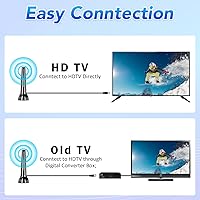
The standard 75 Ohm coaxial connection means this receiver works with virtually every TV made in the last three decades — from old CRT sets with a digital converter box to the latest 4K smart TVs. Buyers consistently report zero compatibility issues across a wide range of TV brands and models.
Users with TVs that lack a built-in digital tuner need a separate converter box to use this device, which is an added cost not mentioned prominently in the product description. This is an edge case, but it catches some buyers off guard, particularly those with older secondary televisions.
Indoor Placement Flexibility
66%
34%
The combination of the omnidirectional design and the magnetic base gives users more placement options than a fixed or directional unit. Buyers in apartments appreciate being able to move the device between the TV stand and a metal window latch without needing to re-run cable or remove adhesive strips.
The 10-foot cable limits how far from the TV the device can realistically be placed, and the magnetic-only mounting means non-metal surfaces require improvised solutions. Users in rooms where the optimal signal location is near a non-metal wall or window frame find their placement options more constrained than expected.
Performance in Obstructed Environments
44%
56%
The built-in IC chip provides some genuine benefit in lightly obstructed environments, helping reduce noise from nearby electronics and improving channel lock stability in rooms with moderate interference sources like Wi-Fi routers or microwaves.
In environments with heavy structural obstructions — thick concrete walls, metal-framed buildings, or locations surrounded by dense urban infrastructure — signal quality degrades significantly and the passive chip cannot compensate. Buyers in basement apartments or lower floors of high-rises frequently report unusable results.
Brand Trust & Support
57%
43%
DTB TECH appears responsive to post-purchase support inquiries based on buyer reports, with several users noting prompt replies when they reached out with setup questions. The brand's customer service communication is described as polite and willing to troubleshoot.
DTB TECH is a relatively new and unknown name in the antenna market, which makes long-term reliability and warranty follow-through difficult to assess with confidence. Buyers who prioritize brand reputation and established after-sales support will find the lack of track record a legitimate concern.

Suitable for:

The DTB TECH TSLTV-070 Indoor TV Antenna is a strong fit for cord-cutters who live within 30 to 50 miles of a major broadcast tower cluster and want free access to local network channels without a monthly bill. Apartment renters and condo dwellers who cannot drill into walls or mount anything on a roof will appreciate how the magnetic base allows quick, damage-free repositioning on a TV stand or window frame. It also makes genuine sense for older adults or less tech-savvy users who feel overwhelmed by streaming apps and subscriptions — there are no accounts to create, no remote apps to configure, and no Wi-Fi dependency whatsoever. Travelers and campers looking for a lightweight, compact receiver to toss in a bag will find it practical for temporary setups in vacation rentals or RVs. If your primary goal is catching the major networks and local news at zero ongoing cost, this straightforward device delivers real value.
Not suitable for:

The DTB TECH TSLTV-070 Indoor TV Antenna is not a good match for anyone living in a rural area or far from broadcast infrastructure, as the advertised 650-mile range is a marketing figure that does not reflect real-world passive reception limits — most indoor units perform reliably within 35 to 50 miles of towers under good conditions. Buyers in densely built urban environments with thick concrete walls, or those on lower floors of multi-story buildings surrounded by obstructions, may experience persistent signal dropout that no amount of repositioning will fully resolve. If you are hoping to replace a full cable or streaming package with dozens of specialty channels, this receiver will disappoint — you are limited to whatever over-the-air broadcasts exist in your specific market. Anyone who needs a longer cable run than 10 feet to reach an optimal placement spot will either need an extension or a different unit entirely. Heavy sports fans relying on cable-exclusive channels should also look elsewhere, as this device only receives free over-the-air broadcasts.
Specifications

  • Brand: Manufactured and sold by DTB TECH, an emerging consumer electronics brand that entered the TV antenna market in early 2025.
  • Model Number: The exact model identifier for this unit is TSLTV-070, useful for warranty claims or support inquiries.
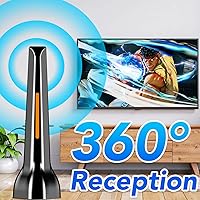
  • Reception Type: The device uses 360° omnidirectional reception, meaning it picks up broadcast signals from all directions without requiring manual aiming.
  • Claimed Range: DTB TECH advertises a maximum range of 650 miles, though real-world indoor performance is typically reliable within 35 to 50 miles of broadcast towers.
  • Signal Support: The receiver is compatible with 4K Ultra HD and 1080p Full HD over-the-air broadcast signals on supported televisions.
  • Cable Length: A 10-foot (approximately 3-meter) coaxial cable is included, giving moderate flexibility for placement relative to the TV.
  • Cable Impedance: The included coaxial cable operates at a standard 75 Ohm impedance, which is the universal specification for TV antenna connections.
  • Cable Shielding: The coaxial cable features aluminum shielding layers and a flame-retardant double-layer outer jacket, replacing the more common PVC outer casing.
  • Mounting System: A built-in strong magnetic base allows the unit to attach securely to metal surfaces such as TV stands, window frames, and metal doors.
  • Power Requirement: The device requires no external power source or USB connection, as the built-in IC chip operates passively through the coax connection to the TV.
  • Channel Capacity: Up to 130 channels are theoretically receivable, though the actual number depends entirely on the broadcast towers available in the buyer's location.
  • Item Weight: The unit weighs 9.6 ounces (approximately 272 grams), making it lightweight enough for travel and temporary setups.
  • Dimensions: The packaged unit measures 8.94 x 2.95 x 2.68 inches, reflecting the compact footprint of the receiver and its coiled cable.
  • TV Compatibility: The device connects to any television equipped with a standard coax (RF) input port, including older analog sets with a digital tuner and modern smart TVs.
  • Internal Chipset: A built-in smart IC chip is integrated to filter signal noise and reduce interference, helping to sharpen channel clarity without requiring an external amplifier.
  • Category Ranking: As of its early sales period, the unit ranked at number 709 in the TV Antennas category on Amazon, indicating solid initial market traction for a newly launched product.

Related Reviews

DTB TECH V086-V087 Outdoor TV Antenna
74%
74%
Signal Reception
88%
Ease of Setup
43%
Advertised vs. Real Range
67%
Amplifier Performance
81%
Build Quality
More
Antennas Direct ClearStream Eclipse Indoor TV Antenna
77%
74%
Signal Reception
67%
Amplifier Performance
93%
Design & Profile
91%
Ease of Setup
62%
Cable Length
More
ANTOP AT-211B Indoor TV Antenna
71%
72%
Signal Reception
67%
Amplifier Performance
91%
Ease of Setup
63%
Build Quality
58%
VHF Channel Support
More
Mohu Gateway Indoor TV Antenna
86%
87%
Signal Reception
92%
Setup and Installation
89%
Design and Aesthetics
90%
Value for Money
84%
Durability and Build Quality
More
YiziAifsion 2024 Upgraded Indoor TV Antenna
84%
88%
Signal Reception
85%
Picture Quality
91%
Setup & Installation
80%
Build Quality
87%
Range & Coverage
More
iGENJUN ANT-CS8218 Amplified Indoor Outdoor TV Antenna
72%
73%
Signal Reception Quality
67%
Amplifier Performance
88%
Ease of Installation
48%
Range Accuracy vs. Claimed Specs
71%
Build Quality & Materials
More
Winegard FlatWave FL-5000 Indoor TV Antenna
79%
78%
Reception Quality
93%
Ease of Setup
72%
Signal Stability
84%
Build Quality
88%
Design & Aesthetics
More
UltraPro 47331 Amplified Indoor TV Antenna
77%
74%
Signal Reception Quality
91%
Ease of Setup
88%
Design & Aesthetics
67%
Amplifier Performance
71%
Channel Count
More
Mohu Leaf Plus Amplified Indoor TV Antenna
75%
72%
Signal Reception
54%
Range Accuracy
68%
Amplifier Performance
89%
Design & Aesthetics
91%
Ease of Setup
More
GE Pro Bar Indoor TV Antenna 33683
83%
85%
Reception Performance
92%
Ease of Installation
88%
Value for Money
90%
Design & Aesthetics
87%
Mounting Options
More

FAQ

That depends almost entirely on where you live. In a suburban area within 30 to 50 miles of a broadcast tower cluster, pulling in 30 to 60 channels is realistic. If you're in a rural location or far from towers, you might only get a handful or none at all. Before buying any indoor receiver, check dtv.gov maps with your home address to see exactly which towers are in your area and how strong those signals are.

The magnetic base is fairly strong and works well on metal surfaces like the top of a TV stand, a metal window frame, or a metal door. That said, it only grips on metal — it won't stick to wood, plastic, drywall, or glass on its own. If your ideal placement spot isn't metal, you'll need to lay it flat or prop it up instead.

Honestly, no. That figure is a marketing number that doesn't reflect how passive indoor antennas actually work. In real-world conditions, even the best indoor receivers rarely perform reliably beyond 50 miles from a broadcast tower, and walls, furniture, and building materials reduce that range further. Treat the range claim as a rough indicator of sensitivity, not a guarantee of long-distance performance.

Yes, as long as your smart TV has a coaxial input port, which most do. You connect the cable to the RF or antenna port, go into your TV's settings, and run a channel scan. The DTB TECH TSLTV-070 Indoor TV Antenna doesn't need Wi-Fi, Bluetooth, or any app — it works purely through the hardware tuner built into your TV.
The unit is designed for omnidirectional reception, so you don't have to aim it like a directional antenna. That said, placement still matters. Putting it near a window, higher up on a surface, or closer to an exterior wall generally improves reception noticeably compared to tucking it behind furniture or in a cabinet.

For most average-sized rooms it's workable, but buyers in larger living spaces have flagged it as a bit restrictive. If your TV is mounted far from a window or the nearest exterior wall, 10 feet might force you to compromise on placement. Coaxial cable extensions are inexpensive and widely available if you need more reach.

Not directly out of the box. The included cable connects to a single coax port. You can use an inexpensive coaxial splitter to distribute the signal to two TVs, but splitting the signal reduces signal strength to each TV, which can cause reception issues if your signal is already marginal.

None at all. Plug the coax cable into your TV's antenna input, then go to your TV's channel settings and run an auto-scan. The whole process usually takes less than five minutes. There are no apps, no accounts, no Wi-Fi setup, and nothing to configure beyond that initial channel scan.

In most suburban and urban markets, yes — those major broadcast networks transmit over the air for free and are among the easiest signals to receive indoors. Local PBS, CBS, NBC, ABC, and FOX affiliates are typically the first channels that come in cleanly. What you won't get are cable-only channels like ESPN, HGTV, or CNN, since those aren't broadcast over the air.

You don't need to redo any wiring, but you should always run a fresh channel scan after moving the unit to a new position. Different spots can pick up different towers or lose access to ones that came in previously. It takes about two minutes and ensures your channel list reflects the new placement accurately.