Overview

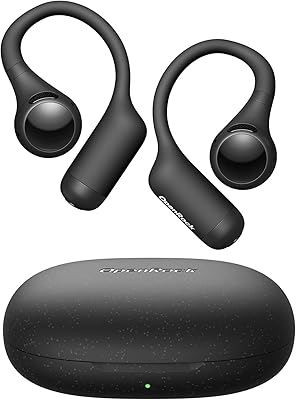
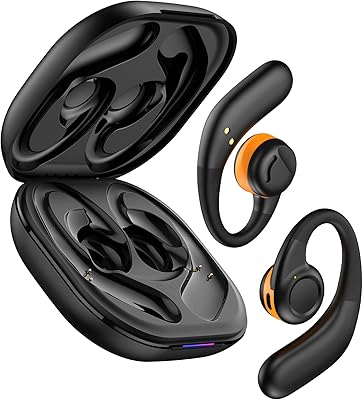
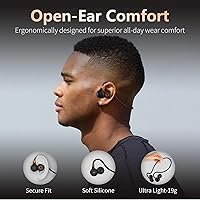
The Ortizan OpenCirclet I10 Open-Ear Headphones sit in a growing category of sports audio gear built around one core idea: letting you hear the world while still enjoying your music. Unlike in-ear designs that seal off your surroundings, these open-ear sport headphones rest gently against your ears using air conduction, directing sound toward your ear canal without plugging it. At just 19 grams, the build feels almost weightless on first pickup — the liquid silicone frame is soft, minimal, and unobtrusive. This is not a headset for critical listening sessions. It's an honest, capable companion for people who move.
Features & Benefits

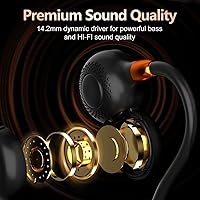
The air conduction system works by angling sound toward your ear canal from the outside, which cuts down on the wide sound scatter you'd get from a basic open speaker — practical if you're running near other people. The Ortizan I10 carries an IPX6 waterproof rating, so rain and sweat are not a concern during outdoor sessions. Bluetooth 5.3 handles pairing quickly and holds a reliable connection up to about 33 feet. The 14.2mm drivers push more low-end presence than most bone-conduction alternatives, though the open design naturally limits bass depth. Battery life reaches around 10 hours, and a quick 10-minute charge buys roughly another hour — useful mid-workout. Volume is adjusted through your phone, not the headset itself.

Best For

These open-ear sport headphones are a natural fit for runners and cyclists who need to track their environment — hearing traffic, trail sounds, or a conversation partner matters more than audio immersion in those situations. Gym users who dislike the discomfort or hygiene concerns of deep-fit earbuds will also appreciate the design. For commuters, the all-day comfort and solid battery mean you can wear them through a full morning without fatigue. People with ear canal sensitivity or those who rely on hearing aids may find open-ear geometry more accommodating than sealed options. Remote workers wanting a lightweight secondary headset for calls will find it practical, though not a replacement for a dedicated office headset.

User Feedback

Across a strong pool of buyer reviews, comfort during long wear consistently stands out as the highlight — people mention forgetting they have them on during 90-minute runs or full workday calls. The secure fit during high-movement activities earns repeat praise too. The main complaint, and it's worth flagging upfront, is that some buyers expected passive noise isolation and were surprised by how much ambient sound comes through — that's the design, not a defect. Call quality reads as reliable in moderate environments but drops off noticeably in very loud outdoor settings. A handful of first-time open-ear users mention a short adjustment period before finding the right fit. Overall, ratings skew positive, with comfort cited far more often than audio performance.

Pros

  • At just 19 grams, these open-ear sport headphones are light enough to forget you are wearing them on long runs.
  • The open-ear design keeps you aware of traffic, trail hazards, and surrounding conversations without removing your headphones.
  • IPX6 waterproofing handles heavy sweat and unexpected rain without any special handling required.
  • Bluetooth 5.3 connects quickly and stays stable throughout a typical workout or commute.
  • A 10-minute charge delivering roughly one hour of playback is genuinely useful when you are in a hurry.
  • Full battery life of up to 10 hours covers most users through an entire workday or back-to-back outdoor sessions.
  • The liquid silicone frame is soft against the skin and does not cause the pressure discomfort common with over-ear or in-ear alternatives.
  • The 14.2mm drivers produce noticeably more low-end body than bone-conduction competitors at a similar price point.
  • The magnetic charging connector resists sweat corrosion better than standard micro-USB ports on older sport headphones.
  • Built-in mic noise reduction performs reliably during moderate-noise calls such as cycling through a quiet neighborhood or walking in a park.

Cons

  • Ambient sound passes through freely, which makes focused listening in noisy environments effectively impossible.
  • Volume can only be adjusted from your paired device, not from the headset itself, which is awkward mid-workout.
  • Call quality drops off noticeably in high-wind or heavy-traffic conditions, limiting usefulness for outdoor commuters on busy roads.
  • Bass response, while better than bone-conduction options, still trails what a sealed in-ear design delivers at a comparable price.
  • First-time open-ear users often need several sessions to dial in the correct positioning before the sound feels right.
  • The proprietary magnetic charging cable is one more item to track and replace if lost, unlike devices using standard USB-C.
  • Sound leakage at higher volume levels is noticeable to people sitting nearby in quiet spaces like libraries or offices.
  • The headset lacks any on-device volume control, making single-handed adjustment during cycling or running unnecessarily cumbersome.

Ratings

The scores below for the Ortizan OpenCirclet I10 Open-Ear Headphones were generated by our AI system after analyzing verified global buyer reviews, with spam, bot-submitted, and incentivized feedback actively filtered out before scoring. Each category reflects the honest consensus of real-world users across running, commuting, gym, and remote-work contexts. Both standout strengths and recurring frustrations are weighted transparently into every number you see here.
Wearing Comfort
93%
Comfort is the single most praised attribute across the entire review pool. Runners report wearing these for 90-minute sessions without any pressure buildup, and commuters consistently mention forgetting they have them on during a full workday. The soft liquid silicone frame simply does not dig in the way rigid plastic earbuds or over-ear headbands do.
A small but consistent group of first-time open-ear users reports a noticeable fit adjustment period during the first few sessions, particularly around finding the right ear hook angle. People with very small ears occasionally mention the frame feels slightly loose before they dial in the positioning.
Secure Fit During Activity
88%
The wraparound ear hook design holds up well during high-movement workouts — gym circuits, trail runs, and cycling over rough terrain are all mentioned positively. Most active users report zero mid-session slippage once they have found their correct fit, which tends to happen quickly after the first couple of uses.
The secure fit is more dependent on personal ear geometry than sealed in-ear designs, so a small percentage of users with atypical ear shapes report inconsistent hold. Unlike in-ear tips that lock mechanically into the canal, the open-ear hook relies entirely on contact pressure, which is less foolproof.
Sound Quality
67%
33%
For an open-ear sport headset at this price tier, the 14.2mm drivers deliver a surprisingly listenable result — bass has more presence than most bone-conduction alternatives, and midrange is clear enough for podcasts and casual playlist listening during a run or commute.
Audiophiles and anyone used to sealed in-ear monitors will find the audio underwhelming. The open design inherently limits low-frequency depth and stereo separation, and at higher volumes in noisy environments the sound can feel thin and distant rather than immersive.
Situational Awareness
96%
This is the defining functional strength of the open-ear format and these headphones deliver it fully. Cyclists can hear approaching traffic, runners can have conversations without removing their headset, and commuters stay alert in busy stations — all while still enjoying audio. No other headphone design type handles this as naturally.
The same openness that makes awareness excellent means you are always hearing your surroundings, which some users find mentally fatiguing in chaotic environments. There is no toggle or passive seal to reduce ambient noise when you actually want a moment of quiet, unlike hybrid designs with adjustable transparency modes.
Noise Isolation
21%
79%
For users who specifically want open-ear audio, the lack of isolation is intentional and expected. Safety-focused buyers — road cyclists, runners in urban areas — treat the absence of isolation as a direct benefit rather than a shortcoming.
Buyers who did not fully understand the open-ear concept before purchasing frequently express disappointment here. In a noisy office, a crowded train, or a loud gym, ambient sound competes directly with your audio, making concentration difficult. This is the most common source of negative reviews for these headphones overall.
Battery Life
84%
The 10-hour continuous playback figure holds up well in real-world conditions for most users running at moderate volume. Commuters covering a two-way daily journey and remote workers wearing them through a full workday both report reaching evening without needing a recharge, which is a strong result for this product category.
Users who run at high volumes or make frequent calls report the practical figure landing closer to 7 to 8 hours rather than the full 10. The proprietary magnetic cable also means you cannot use a standard USB-C charger if you leave the cable behind, which has caught a few travelers off guard.
Quick Charge Performance
81%
19%
The 10-minute quick-charge delivering roughly an hour of playback is a genuinely practical feature for active users who forget to charge before heading out. Multiple reviewers specifically mention this as a reason they feel less anxious about battery management compared to earlier headsets they owned.
The magnetic charging cable introduces a fragility point — if the cable is lost or the connector pin bends, finding a replacement is less straightforward than with USB-C. A handful of users report the magnetic connection feeling slightly imprecise after extended use, requiring repositioning before charging begins.
Call Quality
63%
37%
In calm to moderate environments — a home office, a quiet street, a steady indoor gym — call recipients consistently report voices as clear and intelligible. The noise reduction processing does a competent job filtering out low-level background hum, making it workable for routine work calls during a commute or walk.
Wind noise and high-traffic environments expose the microphone's limits fairly quickly. Users taking calls while cycling on busy roads or walking through crowded transit hubs report callers frequently asking them to repeat themselves. For anyone whose calls routinely happen in loud outdoor settings, this is a meaningful limitation.
Waterproof Reliability
86%
The IPX6 rating translates well to real-world sport use — heavy sweat during intense gym sessions and outdoor workouts in rain are handled without any reported damage across the review pool. The gold-plated magnetic charging contacts appear to resist corrosion better than standard exposed ports on competing products.
Some buyers confuse IPX6 with full waterproofing and attempt use during swimming or submerged activities, which the rating does not cover. A small number of long-term users report the waterproof coating degrading slightly after many months of daily high-sweat exposure, though this appears to be the minority experience.
Bluetooth Connectivity
83%
Bluetooth 5.3 delivers noticeably snappier pairing compared to older 5.0 headsets, and the connection holds steadily within the 33-foot range without the dropouts that earlier Bluetooth generations produced in gym environments surrounded by competing signals. Switching between a phone and a laptop mid-day is reported as relatively smooth.
A small number of users report occasional connection hiccups when their phone is tucked into a rear pocket during a run, suggesting the 33-foot range figure is optimistic with a body in between. Multipoint connection — pairing to two devices simultaneously — is not supported, which frustrates users who swap between phone and laptop frequently.
On-Device Controls
48%
52%
The physical button handles call answering and basic media controls adequately for users who keep their phone accessible, and the tactile click provides clear feedback even with sweaty fingers or gloves during cold-weather runs.
The absence of any volume control on the headset is a recurring frustration, particularly for cyclists and runners who prefer to keep their phone stowed away. Having to reach for your device every time ambient conditions change volume needs feels like a notable oversight compared to competing headsets at similar price points.
Value for Money
89%
Within the budget-friendly open-ear sport category, the combination of Bluetooth 5.3, IPX6 waterproofing, 10-hour battery, and genuine all-day comfort represents strong overall value. Buyers who previously spent significantly more on bone-conduction alternatives frequently note the Ortizan I10 delivers a better listening experience for less money.
The proprietary charging cable and the absence of on-device volume control are the two points where the budget origins of the product show most clearly. Buyers stepping up from a slightly higher spend on competing open-ear options may notice the audio quality and control feature gap more acutely.
Build Quality
72%
28%
The liquid silicone frame feels durable and resilient under daily sport use, bending without cracking and returning to shape cleanly. Most users report no structural degradation after several months of regular outdoor workouts, which is a reasonable expectation for the price tier.
The overall construction does not convey the premium feel of more expensive sport headsets — the junction points between the frame and driver housing feel slightly plasticky under close inspection. A handful of long-term users report minor cosmetic wear at the ear contact surface after heavy daily use over several months.
Ease of Setup
91%
Pairing is straightforward — power on, enter pairing mode, select from the Bluetooth menu on your device. No companion app is required, and the headset reconnects automatically to the last paired device on subsequent power cycles, which most users appreciate for reducing morning friction before a run.
iPhone users who receive these as gifts occasionally encounter low volume issues tied to the Reduce Loud Sounds accessibility setting, which is not intuitive to locate and disable. The user manual is brief and does not flag this scenario proactively, leading to a handful of initial negative impressions that are resolved once the setting is found.

Suitable for:

The Ortizan OpenCirclet I10 Open-Ear Headphones are built for people whose activities demand both audio and environmental awareness at the same time. Road runners and cyclists are the clearest beneficiaries — knowing a car is approaching or hearing a fellow trail user matters far more on those outings than perfect audio immersion. Commuters who wear headphones for two or three hours at a stretch will appreciate the near-weightless silicone frame that simply does not press or fatigue the ear over time. Gym regulars who have dealt with earbuds falling out mid-set, or who dislike the hygiene trade-offs of deep-fit designs, will find the open cradle style a practical alternative. Anyone with ear canal sensitivity, or who uses a hearing aid and wants supplemental audio, is also well served by a design that leaves the ear canal completely unobstructed. Remote workers hunting for a comfortable secondary headset to handle calls throughout the day round out the core audience.
Not suitable for:

If your primary reason for buying headphones is to block out the world — a noisy office, a loud commute, or a busy gym floor — the Ortizan OpenCirclet I10 Open-Ear Headphones will disappoint you, because passive noise isolation is essentially zero by design. Listeners who prioritize audio fidelity, rich bass, or spatial detail will find the open-ear format limiting regardless of driver size; these are sport headphones, not listening headphones. Anyone who handles a high volume of calls in genuinely loud outdoor environments should be cautious, since the built-in mic performs well in moderate noise but struggles when wind or heavy traffic is involved. The phone-side-only volume control is a minor but real inconvenience for users who prefer adjusting audio directly on the headset without reaching for their device. Finally, buyers used to traditional earbuds should know there is a short learning curve in positioning open-ear designs correctly for the best sound, which can be mildly frustrating out of the box.

Specifications

  • Weight: The headset weighs 19 grams, making it one of the lighter options available in the open-ear sport category.
  • Driver Size: Each ear unit uses a 14.2mm dynamic driver, which helps produce a fuller low-end response than most bone-conduction designs.
  • Impedance: The drivers run at 16 Ohm impedance, which pairs efficiently with standard smartphone output levels without requiring amplification.
  • Frequency Response: The headset covers a frequency range up to 20 kHz, suitable for general music listening and voice calls.
  • Bluetooth Version: Wireless connectivity runs on Bluetooth 5.3, supporting fast pairing, stable signal retention, and reduced audio transmission delay.
  • Wireless Range: The effective wireless range reaches approximately 33 feet (10 meters) under typical, unobstructed conditions.
  • Battery Life: Continuous playback lasts up to 10 hours on a full charge under normal volume conditions.
  • Charge Time: A full charge takes approximately 2 hours; a 10-minute quick charge via the magnetic connector provides roughly 1 hour of playback.
  • Charging Connector: The headset uses a proprietary magnetic fast-charge connector with gold-plated contacts designed to resist corrosion from sweat exposure.
  • Water Resistance: The IPX6 rating means the headset can withstand high-pressure water jets and heavy sweat, though it is not rated for submersion.
  • Ear Placement: These headphones use an open-ear, air conduction design that rests outside the ear canal rather than inserting into it.
  • Material: The frame and ear contact surfaces are constructed from aviation-grade liquid silicone, chosen for its softness, flexibility, and skin compatibility.
  • Microphone: A built-in microphone with noise reduction processing is integrated into the headset for hands-free calling.
  • Controls: Physical button controls on the headset handle call answering and basic media functions; volume is adjusted exclusively from the paired device.
  • Compatibility: The headset pairs wirelessly with iPhones, Android smartphones, iPads, tablets, laptops, and Bluetooth-enabled televisions.
  • In-Box Contents: Each unit ships with the headset, one magnetic fast-charge cable, and a printed user manual.
  • Warranty: Ortizan includes a 12-month manufacturer warranty along with a 30-day return and exchange window from the purchase date.
  • Model Name: The official model designation is the I10, also marketed under the product line name OpenCirclet.

Related Reviews

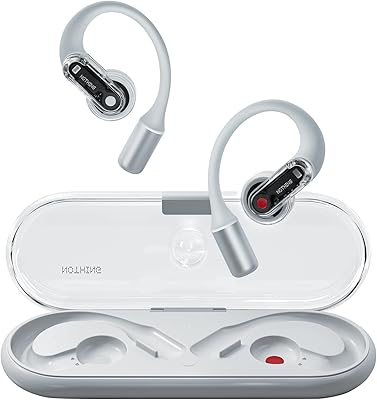
Nothing Ear (Open) Open-Ear Earbuds
79%
91%
Wearing Comfort
83%
Workout Stability
74%
Sound Quality
77%
Call Quality
49%
Sound Leakage
More
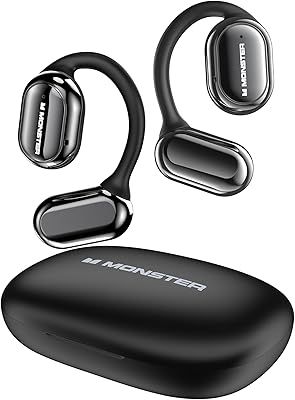
Monster AC100 Open-Ear Bluetooth Headphones
76%
88%
Battery Life
79%
Comfort & Fit
67%
Sound Quality
83%
Bluetooth Stability
71%
Call Quality
More
OJW Open Ear Wireless Sport Headphones
80%
93%
Battery Innovation
88%
Wearing Comfort
86%
Waterproofing
84%
Workout Stability
74%
Audio Clarity
More
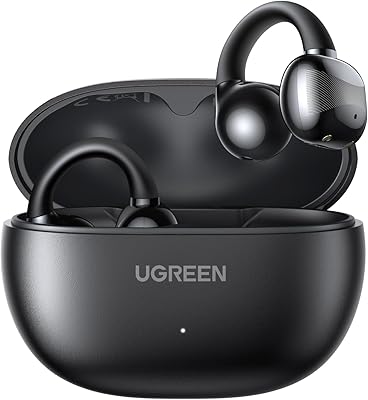
UGREEN 45785 Open Ear Wireless Headphones
79%
91%
Wearing Comfort
83%
Fit & Stability
74%
Sound Quality
89%
Battery Life
69%
Microphone & Call Quality
More
Soundcore V20i
Soundcore V20i
88%
93%
Stability for Sports
96%
Situational Awareness
86%
Call Quality
91%
Value for Money
88%
Battery Endurance
More
TTQ CT26 Open-Ear Wireless Earbuds
81%
91%
Comfort & Wearability
88%
Fit Security During Activity
74%
Sound Quality
58%
Sound Leakage
87%
Battery Life
More
EMEET AirFlow Open-Ear Wireless Headphones
75%
93%
Wearing Comfort
81%
Call Clarity & Microphone Performance
89%
Battery Life
67%
Sound Quality for Music
52%
Noise Isolation (Listening Side)
More
Monster AC210 Open-Ear Wireless Earbuds
79%
91%
Wearing Comfort
78%
Fit Stability
74%
Sound Quality
83%
Battery Life
77%
Bluetooth Connectivity
More
TOZO OpenReal Open-Ear Headphones
78%
88%
Wearing Comfort
84%
Battery Performance
67%
Sound Quality
93%
Situational Awareness
74%
Call Quality
More
SANSUI W93 Open-Ear Wireless Earbuds
78%
91%
Wearing Comfort
88%
Stability During Exercise
67%
Sound Quality
94%
Situational Awareness
86%
Battery Life
More

FAQ

Yes, for most users they do. The wraparound silicone frame hooks behind the ear and holds its position through high-movement activities. That said, if you have unusually small ears or are new to open-ear designs, plan for a few sessions to find the right fit before putting them through a full workout.

At moderate volumes it is minor, but at higher volumes people nearby in a quiet space will hear your audio. This is a fundamental trait of the open-ear format, not a defect specific to the Ortizan I10. In outdoor settings like a park or road, it is rarely an issue in practice.

The IPX6 waterproof rating covers heavy sweat and rain without any special precautions needed. Just avoid submerging them — IPX6 is splash and jet resistant, not submersion rated.

The headset uses a small magnetic charging cable that snaps onto gold-plated contacts on the frame. Plugging it in for 10 minutes gives you roughly one extra hour of playback, which is useful if you forgot to charge overnight before a morning run.

It handles calls well in moderate ambient noise — a quiet office, a calm street, or a steady indoor environment. In very loud conditions like a busy highway or a windy open road, the mic picks up a noticeable amount of background noise, so it is not ideal for critical business calls in those settings.

The Ortizan OpenCirclet I10 Open-Ear Headphones are compatible with both iPhone and Android devices, as well as iPads, laptops, and Bluetooth-enabled TVs. Standard Bluetooth pairing handles all of these without any special app required.

Volume is controlled entirely from your phone or paired device — there is no volume button on the headset itself. The on-headset buttons handle call answering and basic media playback. It is a minor inconvenience worth knowing about before you buy, especially if you prefer keeping your phone tucked away during workouts.

Almost certainly yes. These open-ear sport headphones sit outside the ear canal completely, resting against the outer ear instead. There is nothing inserted, so the typical pressure and irritation associated with in-ear designs is eliminated.

They are different. Bone conduction transmits sound through the bones of your jaw and skull, bypassing the ear canal. Air conduction, as used in this wireless sport headset, still uses airborne sound waves — it just directs them toward your ear canal from an external speaker positioned at an angle, rather than sealing the canal with a tip. The result is a more natural sound compared to bone conduction, with better bass.

Like most advertised battery specs, 10 hours reflects close-to-ideal conditions: moderate volume and stable Bluetooth connection. Real-world use at higher volumes or with frequent call activity will bring that number down somewhat, though most users who commute or run regularly report getting through their day without needing a mid-day charge.