


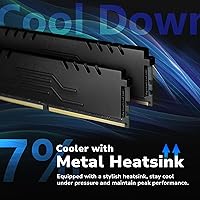

Overview

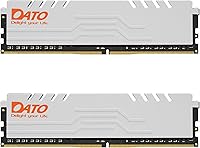
The DATO DDR4 Extreme 16GB Desktop RAM Kit arrived on the market in early 2025 as a straightforward, no-frills option for desktop users who want more memory without overpaying. Running at 3200MHz with CL16 timings, it sits squarely in the mainstream DDR4 sweet spot — fast enough for gaming and daily workloads, but not priced at a premium for speed gains most users would never notice. The white aluminum heatsink is a genuine plus for anyone building inside a windowed case where aesthetics matter. DATO is not a brand most people recognize immediately, but that is part of the pitch: familiar specs at a lower cost, paired with a dual-channel setup that improves on single-stick configurations.

Features & Benefits

Installing these memory modules is about as uneventful as RAM installation gets, which is exactly what you want. The dual-channel configuration — two 8GB sticks working in tandem — provides noticeably wider memory bandwidth compared to a single 16GB module, and that difference shows up in games and applications that push memory throughput. At 1.35V operating voltage, power draw stays modest even under sustained load, which helps in compact builds with tighter thermal margins. The heatsink, while mostly cosmetic at these speeds, does contribute to temperature stability during long rendering or multitasking sessions. Standard 288-pin UDIMM compatibility means it slots into Intel and AMD desktop motherboards without any special configuration required.

Best For

This dual-channel upgrade makes the most sense in a few specific situations. If you are building a mid-range gaming PC and want to sidestep the DDR5 premium for now, DDR4 3200MHz is still a very capable foundation. It is equally well-suited to someone already running a desktop on a single 8GB stick — adding a matched pair to unlock dual-channel is one of the easiest performance improvements available. The white heatsink design is a thoughtful fit for windowed or white builds where every component is visible. Home office users and content creators who find 8GB running thin during heavy browser sessions or light video work will get real headroom here without needing anything elaborate.

User Feedback

With roughly 99 ratings averaging 4.6 stars, buyer sentiment for this RAM kit leans clearly positive for the price tier. The most common praise centers on hassle-free installation and systems booting cleanly on the first attempt — no POST failures, no unexpected compatibility hiccups. Several buyers also confirm the white finish looks exactly as shown. On the flip side, a few users point out that you need to manually enable XMP in the BIOS to actually hit 3200MHz; left on defaults, most boards will run these modules at 2666MHz. Compared to budget offerings from Kingston or Corsair, the consensus is that day-to-day performance is on par, even if the DATO name carries less familiarity.

Pros

  • Moving from a single stick to this dual-channel kit is one of the most cost-effective desktop performance upgrades available.
  • The white aluminum heatsink looks clean and accurate to product photos, a genuine plus for windowed builds.
  • Installation is straightforward, with most buyers reporting clean first-boot success on both Intel and AMD platforms.
  • At 1.35V, power draw stays low enough to avoid adding thermal stress to compact or budget builds.
  • A 4.6-star average across roughly 99 ratings is a strong early signal of consistent product quality.
  • 3200MHz is the practical sweet spot for DDR4 value, fast enough to avoid bottlenecking modern mid-range CPUs.
  • Non-ECC UDIMM design means no extra configuration steps, it simply works with standard consumer desktop motherboards.
  • These memory modules are available in 8GB, 16GB, and 32GB kit options, giving room to match your specific needs.

Cons

  • DATO is a lesser-known brand with limited long-term reliability data compared to Kingston, Corsair, or G.Skill.
  • XMP must be manually enabled in BIOS to reach 3200MHz; boards default to slower JEDEC speeds out of the box.
  • The product listing contains a voltage discrepancy, citing both 1.2V and 1.35V, which may cause confusion before purchase.
  • With only around 99 ratings at the time of writing, the sample size is still too small to draw firm reliability conclusions.
  • No mention of a clearly documented warranty period in the product listing, which adds purchase risk for some buyers.
  • CL16 timings are standard but not tight; buyers chasing the best latency per dollar may find better-tuned alternatives nearby in price.
  • This RAM kit offers no RGB lighting, which may disappoint builders who want illuminated memory in a showcase build.

Ratings

The scores below reflect an AI-driven analysis of verified buyer reviews for the DATO DDR4 Extreme 16GB Desktop RAM Kit, with spam, incentivized feedback, and bot activity actively filtered out before scoring. This dual-channel memory kit earned broadly positive sentiment across its early review base, and both its genuine strengths and real buyer frustrations are represented transparently in each category below.

Value for Money
91%
Buyers consistently flag this as one of the stronger budget DDR4 kits available in its price tier, especially compared to name-brand options charging more for nearly identical specs. For users upgrading from a single 8GB stick, the cost-to-performance ratio on unlocking dual-channel is considered genuinely hard to beat.
A small number of buyers felt the price advantage narrowed during promotions from established brands like Kingston or Crucial, making the value case slightly less clear-cut at those moments. Without a well-documented warranty, some buyers feel the savings carry a small but real risk premium.
Installation Ease
93%
Across the review base, clean first-boot success is the most frequently mentioned positive experience, with many buyers noting the sticks seated firmly and the system posted without any manual intervention beyond slot placement. Even first-time builders described the process as completely straightforward, which matters when you are dealing with a component that requires some physical confidence to install.
The one consistent friction point is that buyers who did not know to enable XMP in the BIOS found their system running at 2666MHz rather than 3200MHz, which felt like underdelivering on the advertised spec until they discovered the setting. This is not unique to this kit, but clearer packaging guidance would help less experienced users.
Performance at Rated Speed
78%
22%
Users who enabled XMP correctly reported stable operation at 3200MHz with no crashes or throttling during gaming sessions and everyday multitasking. The move from single-channel to dual-channel was frequently cited as the most noticeable real-world improvement, particularly in games that are memory-bandwidth sensitive.
CL16 timings are standard for this speed tier but are not tight, and buyers who compared benchmarks against CL14 or CL15 alternatives noticed a measurable latency gap. A few reviewers pointed out that the performance ceiling of this kit is firmly mainstream rather than enthusiast, which is accurate but worth stating plainly if you are optimizing aggressively.
Thermal Management
74%
26%
The aluminum heatsink keeps module temperatures stable during extended workloads like multi-hour rendering or sustained gaming, and buyers in compact mid-tower cases with modest airflow reported no thermal throttling. For the price bracket, having any heatsink at all is a practical bonus rather than a given.
At DDR4 3200MHz and 1.35V, the heatsink is largely cosmetic under typical loads, and buyers expecting meaningful thermal headroom for overclocking were disappointed. Those who attempted pushing timings tighter found the heatsink did not provide the thermal margin they had hoped for.
Build Quality
81%
19%
The modules feel solid in hand, with the heatsink adhered firmly and no reports of it loosening during installation or over time. PCB quality and contact point finish drew positive comments from buyers who inspected the sticks carefully before seating them.
As a newer brand, there is limited long-term durability data available, and a small group of buyers expressed uncertainty about how these modules would hold up over a multi-year ownership period compared to memory from manufacturers with decades of field data. The heatsink finish, while clean, does not match the premium feel of higher-end competitors.
Aesthetic Design
88%
The white heatsink finish is consistently praised for looking exactly as shown in product photos, which is not always the case with memory marketed toward white or light-themed builds. Buyers assembling coordinated windowed cases specifically sought out this kit for its visual compatibility and reported being satisfied with how it sits alongside white motherboards and GPU shrouds.
There is no RGB or ARGB option in this lineup, which is a real limitation for buyers who want addressable lighting to match a dynamic system theme. The heatsink design is clean but fairly plain, so those expecting a premium visual statement may find it underwhelming next to more stylized alternatives.
Compatibility
83%
The 288-pin UDIMM standard ensures these memory modules work across a wide range of Intel and AMD consumer desktop motherboards without requiring any special configuration. Buyers across multiple chipset generations, including B450, B550, Z490, and B660 platforms, reported compatibility with no issues.
A handful of users noted edge cases with older or budget motherboards that listed 3200MHz support but required additional BIOS updates to actually achieve it. There were also isolated reports of the kit not appearing on some manufacturers official QVL lists, which created hesitation even when the modules ultimately worked fine.
Packaging & Presentation
72%
28%
The kit arrives in protective clamshell-style packaging that kept both sticks secure during shipping, and buyers reported receiving the modules in undamaged condition consistently. The presentation is clean and functional without being excessive.
The packaging does not include any meaningful setup guide or XMP enablement instructions, which left some buyers unaware that BIOS configuration was needed to hit rated speeds. For a product targeting users who may be upgrading RAM for the first time, this is a missed opportunity.
Brand Reliability
63%
37%
Early buyer feedback is encouraging, with a 4.6-star average across roughly 99 ratings suggesting a consistent production quality in the initial batches. The manufacturer, DATOTEK, appears to be producing units without widespread defect reports at this stage.
DATO is a very new name in the memory market, and the limited review count means there is simply not enough long-term data to assess reliability with confidence. Buyers who prioritize brand trust and established after-sales support will find this kit harder to justify over Kingston or Corsair at a similar price.
XMP Profile Stability
69%
31%
For buyers who enabled XMP correctly, the modules held 3200MHz stably without memory errors over extended periods, including overnight MemTest86 runs reported by a few technically inclined reviewers. This is a reasonable outcome for a budget kit targeting mainstream users.
Not all buyers found XMP to engage cleanly on the first attempt, with some needing to clear CMOS and retry before the profile stabilized. A small number reported the system defaulting back to JEDEC speeds after a BIOS update, requiring them to re-enable XMP manually.
Dual-Channel Consistency
87%
When installed in the correct paired slots as recommended by most motherboard manufacturers, this dual-channel upgrade behaved exactly as expected, with both sticks recognized immediately and running in tandem without configuration errors. This is the core use-case, and it delivers reliably.
A couple of buyers who installed the sticks in non-recommended slot configurations experienced instability until they switched to the correct paired slots, which is a general DDR4 behavior but caught a few users off guard. Motherboard documentation rather than module documentation tends to cover this, which creates a support gap.
Low-Voltage Efficiency
84%
Operating at 1.35V, these memory modules draw less power than standard 1.5V DDR3 or even some DDR4 modules, which is appreciated in builds where power budgets are tight or efficiency matters, such as compact home office setups running long hours. Buyers reported no instability related to voltage under normal operating conditions.
The listing contains a spec discrepancy between 1.2V and 1.35V in different sections, which created unnecessary confusion for buyers researching compatibility before purchase. The confirmed operating voltage is 1.35V, but this inconsistency eroded some buyer confidence during the decision stage.

Suitable for:

The DATO DDR4 Extreme 16GB Desktop RAM Kit is a practical choice for a fairly wide range of desktop users who want a performance bump without committing to a high-budget upgrade. It is particularly well-suited to gamers building or refreshing a mid-range DDR4 system, where moving from 8GB to 16GB in dual-channel configuration delivers a meaningful improvement in frame stability and multitasking headroom. Desktop owners who are still running a single memory stick will notice the most tangible benefit here, since unlocking dual-channel bandwidth is one of the higher-impact low-cost upgrades available on existing platforms. The white heatsink design also makes these memory modules a natural fit for anyone building an aesthetically coordinated windowed PC without wanting to pay a color premium. Home office users and light content creators who regularly juggle browsers, video calls, and editing tools will find 16GB noticeably more comfortable than the 8GB configurations many older desktops shipped with.

Not suitable for:

Buyers with specific or demanding requirements will find real limitations with this dual-channel upgrade worth weighing carefully before purchasing. Power users running memory-intensive workloads like large virtual machines, professional video production, or heavy simulation software will likely outgrow 16GB quickly and would be better served starting at 32GB. Anyone building a new platform from scratch should also seriously consider whether DDR5 makes more sense for their long-term needs, since DDR4 is a maturing standard with diminishing future-proofing value on newer chipsets. Enthusiasts who want tight sub-CL14 timings, aggressive overclocking support, or validated XMP profiles tested across a wide range of motherboards should look toward established memory brands with deeper compatibility documentation. The DATO DDR4 Extreme 16GB Desktop RAM Kit is also not a fit for laptop or small form-factor systems, as it is strictly a full-size 288-pin UDIMM intended for standard desktop motherboards only.

Specifications

  • Capacity: This kit includes two 8GB modules for a total of 16GB of installed desktop memory.
  • Memory Type: DDR4 UDIMM, the standard non-buffered format used in consumer desktop systems.
  • Speed: Rated at 3200MHz (PC4-25600), which is the mainstream DDR4 performance tier for gaming and productivity.
  • CAS Latency: CL16 timings provide a balanced response time suitable for everyday computing and gaming workloads.
  • Operating Voltage: Runs at 1.35V, which is within the low-voltage DDR4 range and helps keep power consumption modest.
  • Form Factor: Standard 288-pin DIMM, compatible with full-size desktop motherboards from both Intel and AMD platforms.
  • ECC Support: Non-ECC design, meaning it is built for consumer desktop use rather than server or workstation error-correction applications.
  • Heatsink: Each module is fitted with an aluminum heatsink in a white finish to assist with heat dissipation during sustained workloads.
  • Color: White, designed to complement windowed cases or builds with a coordinated white-and-light aesthetic.
  • Dimensions: Each stick measures 5.51″ x 1.65″ x 0.24″, which is a standard DIMM profile that fits most desktop memory slots without clearance issues.
  • Weight: The full kit weighs approximately 2.47 ounces, consistent with a standard dual-stick DDR4 package.
  • Series: Part of the DATO DDR4 Extreme lineup, which is DATOTEK's consumer-focused desktop memory range.
  • Model Number: EA8GB4DU32WX2 is the official model identifier for the 16GB white dual-channel kit.
  • Manufacturer: Made by DATOTEK, an emerging memory brand offering DDR4 modules at competitive price points.
  • Channel Config: Sold as a matched dual-channel pair, intended to be installed together for maximum memory bandwidth.
  • Availability Date: First listed for sale in January 2025, making it a relatively recent entry in the DDR4 market segment.
  • BSR Ranking: Holds a Best Sellers Rank of approximately #423 in the Computer Memory category on Amazon.
  • XMP Support: Supports XMP profiles to enable the rated 3200MHz speed when the profile is activated in the system BIOS.

Related Reviews
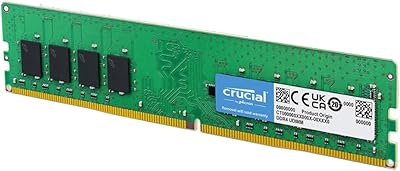
Crucial 16GB DDR4 3200MHz Desktop RAM
78%
93%
Ease of Installation
88%
Compatibility Range
79%
Real-World Performance
91%
Long-Term Reliability
74%
Value for Money
More
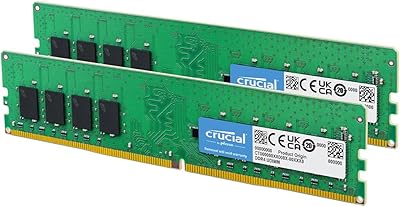
Crucial 16GB DDR4-2400 Desktop RAM Kit
81%
96%
Ease of Installation
93%
Compatibility
94%
Reliability & Stability
88%
Value for Money
86%
Performance – Everyday Use
More
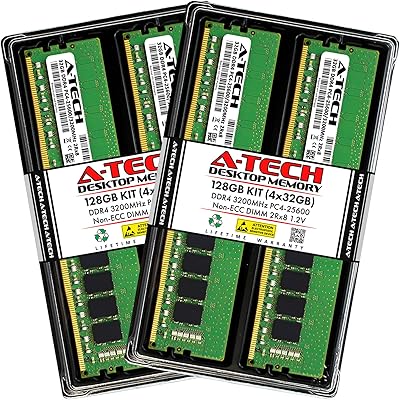
A-Tech 128GB DDR4 3200MHz Desktop RAM Kit
87%
92%
Performance
88%
Installation Ease
81%
Compatibility with Systems
90%
Reliability and Stability
85%
Build Quality
More
A-Tech 16GB DDR3 1600MHz Desktop RAM
79%
93%
Value for Money
88%
Compatibility
91%
Installation Ease
86%
System Stability
82%
Performance Uplift
More
Timetec 16GB DDR4 2133MHz Laptop RAM Kit
80%
93%
Value for Money
71%
Compatibility
88%
Ease of Installation
79%
Performance Impact
86%
Stability & Reliability
More
Gigastone 16GB Kit DDR4 2666MHz SODIMM RAM
75%
88%
Value for Money
91%
Installation Ease
74%
Compatibility
76%
Stability & Reliability
72%
Performance
More
Timetec 16GB KIT DDR4 3200MHz Desktop RAM
81%
88%
Value for Money
93%
Installation Ease
82%
Compatibility
86%
Stability & Reliability
62%
Latency Performance
More
A-Tech 16GB (2x8GB) DDR4 2133 MHz Desktop RAM
85%
94%
Ease of Installation
87%
System Responsiveness
90%
Energy Efficiency
85%
Performance for General Use
92%
Price to Performance Ratio
More
D DUOMEIQI 32GB Kit DDR4 3200MHz Desktop RAM
87%
91%
Performance for Gaming
88%
Ease of Installation
85%
System Compatibility
92%
Value for Money
87%
Multitasking & Productivity Performance
More
G.SKILL AEGIS 16GB DDR4 3200MHz Desktop RAM
78%
91%
Value for Money
88%
Installation Ease
83%
Gaming Performance
86%
System Stability
79%
Motherboard Compatibility
More

FAQ

Yes, the 288-pin UDIMM form factor is fully compatible with standard AMD desktop motherboards. As long as your board has DDR4 slots and supports 3200MHz, you should be good to go. Just double-check your motherboard's QVL list if you want extra peace of mind.

You do not need to change anything for the system to post and run, but you will want to enter the BIOS and enable XMP if you want the sticks to actually run at 3200MHz. Without enabling XMP, most motherboards will default to a lower JEDEC speed, typically 2133MHz or 2666MHz. It takes about thirty seconds and makes a real difference.

For most gaming and everyday desktop use in 2025, 16GB remains a comfortable and practical amount. You will notice a meaningful improvement over 8GB, especially during multitasking. That said, if you run virtual machines, work with large video files, or plan to keep your system for several more years, starting at 32GB would give you more breathing room long-term.

It is technically possible in some cases, but generally not recommended. Mixing RAM from different manufacturers, speeds, or kits often leads to stability issues or forces the system to run everything at the slowest common speed. For the best results, use the two sticks from this kit together as a matched pair and remove any existing single sticks.

Honestly, it is mostly aesthetic at these speeds and voltages. DDR4 at 3200MHz with standard workloads does not generate enough heat to require active cooling or an elaborate heatsink. That said, having any heatsink does help marginally during prolonged heavy workloads like extended rendering sessions, and it looks great in a windowed build.

Not at all. Installing desktop RAM is one of the most beginner-friendly upgrades you can make. Power down and unplug your PC, locate the DIMM slots on your motherboard, press down the locking clips, line up the notch on the stick with the slot, and press firmly until you hear a click. Most buyers report clean first boots with no issues.

In terms of raw day-to-day performance at these specs, the differences are minimal. DDR4 3200 CL16 is DDR4 3200 CL16 regardless of the brand name on the heatsink. Where established brands like Corsair or Kingston have an edge is in longer track records, more extensive compatibility testing, and broader community familiarity. DATO is newer but the early buyer feedback is solid for the price tier.

The product listing does not prominently document a specific warranty period, which is worth noting before you buy. If you run into issues, your best path is to contact DATOTEK directly or work through the Amazon return and claims process. It is always a good idea to test both sticks individually using a memory diagnostic tool like MemTest86 shortly after installation to catch any early issues.

It supports XMP profiles, which is the Intel standard for memory overclocking profiles. AMD platforms generally also read XMP data through their DOCP or EXPO compatibility settings, so enabling XMP in the BIOS should work on most AMD boards too. Just make sure your specific motherboard supports memory speeds up to 3200MHz before purchasing.

Yes, integrated graphics processors that pull from system RAM, like those found on Intel Core or AMD Ryzen APU platforms, will work fine with these modules. In fact, dual-channel memory can meaningfully improve integrated GPU performance compared to a single stick, since the iGPU benefits directly from increased memory bandwidth.