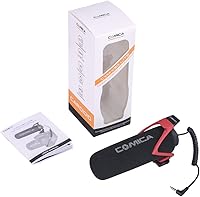
Overview

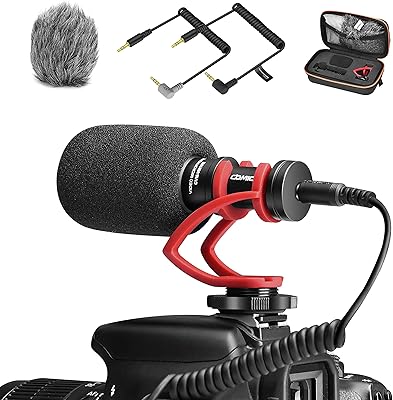
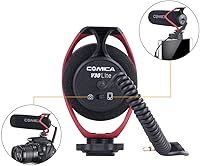
The Comica CVM-V30 LITE is an entry-level on-camera shotgun mic built for content creators who want noticeably better audio without spending much. At 52g, it sits on your camera without throwing off the balance — genuinely easy to forget it's there. The no-battery design means it draws power directly from whatever device you plug it into, which is a small but real convenience during longer shoots. A simple Camera/Phone switch on the body handles the TRS/TRRS difference, so you're not hunting for a cable adapter when switching between your DSLR and your phone. Practical and lightweight — that's the pitch.

Features & Benefits

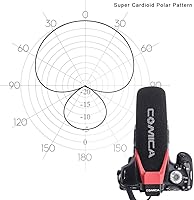
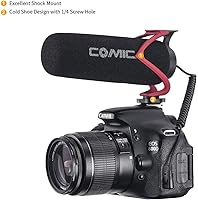
The super-cardioid polar pattern is the core reason this on-camera microphone exists — it captures a tight, forward-facing audio cone, which cuts down on the room noise and ambient chatter that built-in mics pick up so readily. The frequency response spans 40Hz to 20kHz, and a signal-to-noise ratio above 68dB keeps recordings reasonably clean for talking-head and interview content. The shock mount does a decent job absorbing handling bumps during handheld movement. Mounting is flexible too: the cold-shoe slot handles most cameras while the 1/4-inch thread at the base opens up tripod and rig options. No setup needed — plug it in and record.

Best For

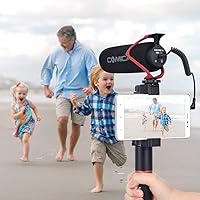
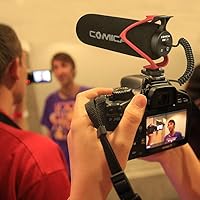
This shotgun mic makes the most sense for beginner content creators — solo vloggers, YouTube starters, and anyone who has been putting up with tinny built-in audio long enough. It works well in sit-down interview setups, where the subject stays close and centered in front of the mic. Smartphone filmmakers get a real upgrade here without any complicated routing or apps. For travel or run-and-gun shooting, the lightweight body is a genuine advantage. One important thing to verify before buying: make sure your camera has a 3.5mm mic input. Some entry-level DSLRs, like certain Canon Rebel and Nikon D3000-series models, skip the mic jack entirely.

User Feedback

Across nearly 1,900 ratings, the CVM-V30 LITE holds a 4.2-out-of-5 average, and the pattern in buyer comments is fairly consistent. Most people are pleased with the jump in audio quality compared to their device's internal mic — for everyday vlogging and talking-head videos, that improvement is real. The Camera/Phone switch gets mentioned often as a thoughtful convenience. On the downside, the plastic body draws occasional comments about feeling less robust than expected, though few report actual failures. Wind noise outdoors is a recurring gripe — without a windscreen, it picks up a fair amount of breeze. A small number of buyers also ran into compatibility surprises when their DSLR had no mic input.

Pros

  • Delivers a clear, noticeable improvement over built-in camera and smartphone microphones right out of the box.
  • The Camera/Phone switch lets you move between a DSLR and a smartphone without carrying a separate adapter cable.
  • Plug-and-play operation means zero setup time — attach it and start recording immediately.
  • No battery dependency makes it reliable for longer shoots without worrying about mid-session power loss.
  • The super-cardioid pattern does a solid job reducing side and background noise in everyday shooting environments.
  • At 52g, this shotgun mic adds almost no weight or bulk to compact and mirrorless camera setups.
  • The shock mount meaningfully reduces handling noise and vibration during handheld or walking shots.
  • Cold-shoe and 1/4-inch thread mounting options give flexible attachment across cameras, tripods, and rigs.
  • Holds a 4.2-out-of-5 rating across nearly 1,900 real-world buyer reviews — a strong signal of consistent satisfaction.

Cons

  • No windscreen included, making outdoor use frustrating without buying additional accessories separately.
  • The all-plastic construction feels noticeably budget-grade and raises questions about long-term durability under regular use.
  • Wind noise becomes a real problem in even moderate outdoor breeze conditions.
  • Audio quality plateaus quickly — creators scaling up their production will outgrow it faster than expected.
  • Some users spend time troubleshooting weak audio before realizing the Camera/Phone toggle is set to the wrong mode.
  • Not compatible with DSLR bodies that lack a 3.5mm external mic input, a detail easy to overlook before buying.
  • Performance in reverberant or acoustically untreated rooms can sound roomy and less controlled than expected.
  • Mono-only output limits flexibility for creators who need stereo recording or more complex audio configurations.

Ratings

The Comica CVM-V30 LITE has been evaluated by our AI rating system after analyzing thousands of verified global buyer reviews, with spam, bot activity, and incentivized feedback actively filtered out. The scores below reflect real-world usage patterns from vloggers, smartphone filmmakers, and DSLR shooters across a wide range of shooting conditions. Both where this on-camera microphone genuinely delivers and where it falls short are represented transparently.

Audio Clarity
78%
22%
For an entry-level mic, the directional audio pickup is a genuine step up from built-in camera and phone microphones. Buyers consistently note that dialogue in sit-down videos and interviews comes through cleanly and with good presence, especially indoors.
At louder or more complex acoustic environments, the limitations become audible — background noise isn't fully eliminated, and some listeners notice a slight thinness in the audio compared to mid-range alternatives. It's usable, not pristine.
Directional Performance
81%
19%
The super-cardioid pattern does real work in practice. Users shooting in coffee shops or near street noise report that sounds coming from the sides are noticeably attenuated, keeping the focus on the speaker in front of the mic.
Off-axis rejection works well within a reasonable range, but the mic still picks up strong ambient sounds in very reverberant rooms. Buyers in echoey spaces like large kitchens or conference rooms note the pattern alone can't compensate for poor acoustics.
Build Quality
61%
39%
The lightweight plastic construction is genuinely convenient — at 52g it adds almost no weight to a mirrorless or DSLR setup, and the compact profile keeps things low-profile for travel and run-and-gun shooting.
The plastic body draws repeated comments about feeling less substantial than expected. A few users worry about long-term durability under regular use, and the overall finish gives the impression of a budget item, which may matter to buyers using it in professional-facing contexts.
Ease of Use
93%
Plug-and-play setup with zero configuration is a real advantage for beginners. There are no apps, no pairing, no driver installs — buyers report being up and recording within seconds of attaching the mic to their camera or phone.
The one friction point is the Camera/Phone switch, which some newer users initially overlook when switching devices, leading to muffled or weak audio until they realize the mode needs changing. The labeling is clear enough once you know to look for it.
Camera & Phone Compatibility
84%
The built-in TRS/TRRS switch is one of the more practical features at this price point. Buyers who regularly move between a DSLR setup and smartphone filming appreciate not needing to carry a separate adapter cable for each device.
Compatibility is not universal — a meaningful number of buyers have been caught off guard discovering their specific DSLR body lacks a 3.5mm mic input entirely. Entry-level Canon Rebel and Nikon D3000-series bodies are the most commonly cited examples of this issue.
Wind Noise Handling
44%
56%
Indoors and in calm environments, the mic performs well without any additional accessories. For controlled shooting spaces, the bare mic is sufficient and the absence of a foam windscreen doesn't create noticeable problems.
Outdoors in anything more than a light breeze, wind noise becomes a real problem. Multiple buyers flag this as a significant limitation for outdoor vlogging, and the mic does not ship with a windscreen in the box, meaning extra cost and planning for location shoots.
Shock Mount Effectiveness
73%
27%
The integrated shock mount absorbs a fair amount of handling vibration, which matters for handheld shooters who are walking or adjusting the camera mid-clip. Users report noticeably fewer handling thuds compared to mics without any isolation.
Heavy taps or sudden movements still transfer some vibration into the recording. The mount performs adequately for moderate handling but isn't robust enough to fully compensate for active movement like running shots or camera repositioning.
Mounting & Attachment
86%
The cold-shoe mount fits standard camera hot shoes snugly, and the 1/4-inch threaded hole at the base opens up additional mounting options on rigs and tripods. Buyers find the attachment options genuinely flexible for a mic in this category.
The cold-shoe fit can feel slightly loose on some camera bodies depending on manufacturing tolerances, and a small number of users report minor wobble during shooting. Nothing that typically affects audio, but it can feel less secure than expected.
Value for Money
89%
At its price point, this shotgun mic competes well against alternatives that cost significantly more. The combination of directional audio, universal device compatibility, and plug-and-play operation makes it an easy first mic recommendation for new creators.
Buyers who push it into more demanding scenarios — outdoor shooting, louder environments, or professional client work — tend to find it underpowered for those needs and end up upgrading. As a long-term solution, the value diminishes as expectations grow.
Size & Portability
91%
At 52g and a compact shotgun profile, this on-camera microphone travels well. Buyers who vlog while traveling or shoot in tight spaces appreciate that it doesn't add meaningful bulk to a mirrorless or compact camera body.
The compact size does mean a shorter capsule, which contributes to the audio quality ceiling. Buyers expecting the reach and isolation of a longer professional shotgun mic will find the form factor works against audio performance in some situations.
Setup & Learning Curve
88%
Beginners consistently mention how quickly they got up and running. The lack of batteries, menus, or software means the only decision is which device to connect it to — a meaningful advantage for creators who just want to start recording.
Some users do get tripped up by the Camera/Phone toggle and spend time troubleshooting low audio before identifying the switch as the culprit. A clearer visual indicator or printed reminder would reduce this friction for first-time users.
Indoor Recording Performance
79%
21%
In a reasonably treated or quiet indoor space — a home office, bedroom studio, or small room — the CVM-V30 LITE produces clean, natural-sounding voice audio that holds up well for YouTube and social media content.
Rooms with hard surfaces, high ceilings, or noticeable HVAC noise expose the limits of the super-cardioid pattern. Without any acoustic treatment, indoor recordings in challenging spaces can sound roomy or slightly hollow.
Long-Session Reliability
82%
18%
Since the mic draws power directly from the camera or phone, there is no battery to manage or replace mid-shoot. Buyers running extended recording sessions — live streams, event coverage, full-day shoots — find this a practical advantage over battery-dependent alternatives.
The plug-in power design means the mic draws slightly from the host device's battery. This is a negligible effect on cameras but a few smartphone users on long shoots notice marginally faster drain when using the mic continuously.
Frequency Response & Tonal Balance
71%
29%
The 40Hz–20kHz range covers the full spectrum of human speech comfortably, and most buyers find the tonal character of the mic neutral enough for voice-forward content like vlogs, tutorials, and talking-head videos.
Audiophiles and users comparing recordings critically will notice the low end rolls off early in practice and the high-frequency detail lacks the air and openness of more expensive capsules. It's honest audio, not flattering audio.

Suitable for:

The Comica CVM-V30 LITE is a natural fit for beginner and intermediate content creators who are ready to leave built-in microphone audio behind but aren't yet ready to invest heavily in audio gear. Solo vloggers shooting YouTube videos, tutorials, or travel content will get the most out of it — particularly when filming indoors or in calm outdoor settings where wind isn't a constant factor. Smartphone filmmakers who want better directional audio without dealing with complicated setups will appreciate how quickly it gets to work. It's equally well-suited to DSLR shooters doing sit-down interviews or talking-head videos, where the subject stays close and centered in front of the mic. Travelers and creators who value keeping their kit light and low-profile will also find the 52g body a practical advantage over bulkier options.

Not suitable for:

Buyers with more demanding audio needs should look elsewhere before committing to this on-camera microphone. Creators who regularly film outdoors — especially in anything beyond a light breeze — will find wind noise a persistent frustration, since no windscreen is included and the mic doesn't handle moving air particularly well. Anyone planning to use this shotgun mic for client work, paid productions, or content where polished audio is a non-negotiable will likely hit the quality ceiling quickly and end up upgrading sooner than expected. It's also worth noting that the plastic build, while functional, may not hold up well under heavy daily use or rough handling over an extended period. Before purchasing, buyers should also verify their camera body has a 3.5mm mic input — a number of popular entry-level DSLRs from Canon and Nikon skip this port entirely, and the CVM-V30 LITE has no workaround for that hardware limitation.

Specifications

  • Polar Pattern: Super-cardioid directional pickup pattern focused on sound directly in front of the microphone, with strong rejection of off-axis and ambient noise.
  • Frequency Response: Captures audio across a 40Hz–20kHz range, covering the full spectrum of human speech and most environmental sounds relevant to video content.
  • Sensitivity: Rated at -34dB ±3dB, meaning the capsule is responsive enough for close-range voice recording without requiring additional amplification in most scenarios.
  • Signal-to-Noise Ratio: SNR exceeds 68dB, which keeps background hiss low enough for clean dialogue and narration recordings at this price tier.
  • Max SPL: Handles sound pressure levels above 100dB before distortion, making it capable of capturing louder sound sources like musical instruments without clipping.
  • Output Impedance: Output impedance is rated at 2.2k ohm, compatible with standard 3.5mm mic inputs found on cameras, camcorders, and smartphones.
  • Connector Type: Uses a 3.5mm TRS/TRRS switchable connector, with a physical toggle on the body to select between camera and phone mode without needing an adapter cable.
  • Power Source: Powered entirely by plug-in power drawn from the connected device, requiring no batteries or external power supply of any kind.
  • Weight: The microphone body weighs 52g, light enough to mount on compact mirrorless cameras and smartphones without affecting balance or handling.
  • Dimensions: Physical dimensions are 3.07″ x 3.7″ x 8.23″, giving it a compact shotgun profile suitable for on-camera mounting without obstructing the viewfinder significantly.
  • Form Factor: Shotgun-style elongated capsule design optimized for directional on-camera audio capture in video production applications.
  • Mount Type: Equipped with a standard cold-shoe mount for camera hot shoes and a 1/4-inch threaded hole at the base for tripod and rig attachment.
  • Shock Mount: Integrated shock-absorption mount isolates the capsule from vibration and handling noise transmitted through the camera body during shooting.
  • Material: Microphone body is constructed from plastic, keeping the overall weight low while maintaining a compact and lightweight form factor.
  • Channels: Mono single-channel output, suitable for standard on-camera voice and dialogue recording but not stereo or multi-channel audio capture.
  • Compatible Devices: Works with DSLR cameras, mirrorless cameras, camcorders, audio recorders, and smartphones — any device with a functioning 3.5mm external mic input.
  • In the Box: Package includes the microphone body only; no windscreen, carrying pouch, or additional cables are included with the standard retail package.

Related Reviews
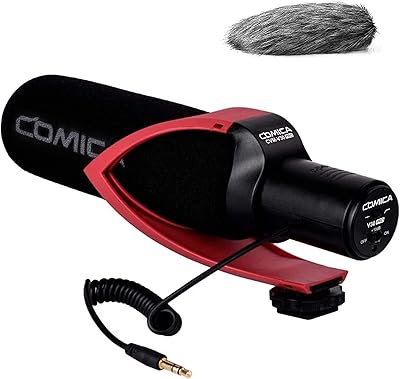
COMICA CVM-V30 PRO Shotgun Microphone
85%
87%
Sound Quality
89%
Noise Reduction
91%
Ease of Use
68%
Battery Life
85%
Build Quality
More
Comica CVM-VM10II
Comica CVM-VM10II
83%
92%
Build Quality
88%
Value for Money
79%
Audio Clarity
94%
Portability
84%
Wind Noise Reduction
More
Comica CVM-WM100 PLUS
83%
92%
Signal Stability
86%
Audio Quality & Clarity
94%
Post-Production Flexibility
61%
Portability & Form Factor
68%
Power Management & Battery Life
More
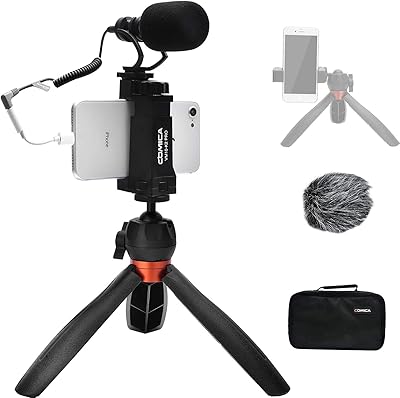
Comica CVM-WM200A Wireless Lavalier Microphone System
84%
88%
Audio Quality
67%
Battery Life
91%
Setup Ease
85%
Transmission Range
80%
Build Quality
More
Comica CVM-VM10-K2 PRO Smartphone Microphone Kit
84%
88%
Audio Quality
91%
Ease of Setup
94%
Portability
85%
Tripod Versatility
62%
Wind Noise Sensitivity
More
Ubiquiti UniFi 6 Lite Access Point U6-Lite-US
83%
88%
Performance
91%
Setup & Installation
84%
Connectivity & Range
80%
Build Quality
85%
Software & App Experience
More
Nintendo Switch Lite
82%
94%
Portability & Form Factor
91%
Build Quality
88%
Display Quality
78%
Game Library Compatibility
92%
Value for Money
More
WANDRD PRVKE Lite Backpack
84%
94%
Build Quality
91%
Weather Resistance
88%
Camera Protection
75%
Portability & Weight
89%
Storage & Organization
More
Deuter Wash Center Lite I
85%
91%
Compact Size
88%
Durability
85%
Water Resistance
82%
Versatility for Outdoor Use
89%
Ease of Use
More
TourBox Lite Editing Keyboard
86%
88%
Ease of Use
93%
Ergonomics
85%
Customization Options
90%
Software Compatibility
80%
Build Quality
More

FAQ

No, the mic draws all its power directly from whatever device you plug it into — camera, camcorder, or smartphone. There is no battery compartment and nothing to charge, which makes it genuinely convenient for longer shooting sessions.

If you are plugging into a DSLR, mirrorless camera, or camcorder, set the switch to Camera mode, which uses a TRS signal. If you are plugging into a smartphone or tablet, switch to Phone mode, which uses the TRRS standard that mobile devices expect. Using the wrong setting is the most common reason buyers get weak or no audio on first use.

That depends on the specific model. Some entry-level DSLRs — including the Canon Rebel T3, T5, T6, and T7, as well as the Nikon D3400 and D3500 — do not have a 3.5mm external mic input at all, which means this shotgun mic physically cannot connect to them. Check your camera's spec sheet for a dedicated mic jack before buying.

Yes, it works with iPhones that have a 3.5mm headphone jack. For newer iPhone models without one, you would need a Lightning-to-3.5mm or USB-C-to-3.5mm adapter, and you should set the switch on the mic body to Phone mode. Results can vary depending on the adapter used, so it is worth testing with a short clip first.

No, the standard package only includes the microphone body itself. If you plan to shoot outdoors or in any setting with moving air, picking up a foam windscreen separately is strongly recommended — wind noise is one of the most consistently mentioned limitations by buyers who use it outside.

The mic slides directly onto your camera's cold-shoe mount on top, which is the standard accessory slot found on most DSLRs and mirrorless cameras. If you want to mount it on a tripod or camera rig instead, there is a 1/4-inch threaded hole on the base of the mic that handles that.

For most YouTube content — vlogs, tutorials, interviews, talking-head videos — this on-camera microphone produces audio that is noticeably cleaner and more focused than any built-in camera or phone microphone. It is not a professional studio-grade recording, but for online video content in a reasonably quiet space, it does the job well.

Yes, set the body switch to Phone mode and plug it directly into your smartphone's 3.5mm jack. Make sure your phone's settings have external microphone input enabled — some Android devices require you to activate this in the camera app or system audio settings before the external mic is recognized.

It helps a meaningful amount with low-frequency vibration and incidental handling bumps — the kind you get from walking while holding a camera or adjusting your grip mid-clip. It does not eliminate all handling noise, especially from sharp taps or sudden movements, but it is clearly better than a rigid mount with no isolation.

Buyers who use it regularly in controlled environments — mostly indoor shoots and occasional outdoor sessions — generally report no issues over months of use. The plastic does feel lightweight and less robust than metal-bodied alternatives, so it is best treated with some care rather than thrown loose into a bag. It is not fragile in normal use, but it is not built to take rough handling either.