Overview

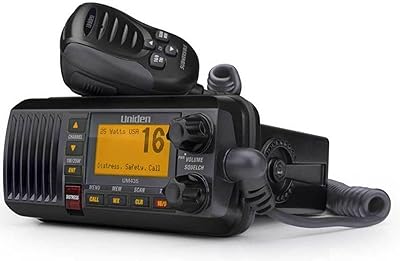
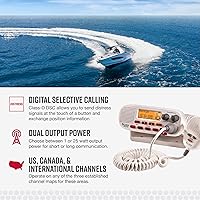
The Cobra MR F45-D Fixed Mount VHF Radio sits comfortably in the mid-range of the marine radio market — capable enough for serious recreational use, but not overloaded with commercial-grade complexity that most weekend boaters will never need. Cobra has been building marine electronics for decades, and that experience shows in how this radio is laid out and how it performs day to day. It covers 40 channels across US, Canadian, and international frequencies, which matters if you cruise coastal waters or venture across borders. The switchable output power is a practical touch — drop to 1 watt for close-range marina chatter, then push to 25 watts when you need reach offshore.
Features & Benefits

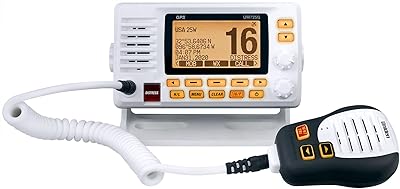
The standout safety feature on the Cobra F45-D is Digital Selective Calling — press one button and a distress signal goes out with your GPS position attached, provided you have registered an MMSI number beforehand. That registration step catches some buyers off guard, so factor it into your setup time. The Dual Watch function keeps Channel 16 open while you monitor a working channel, which is both practical and a legal best practice in most coastal waters. Ten NOAA weather channels with audible and visual storm alerts mean you are not caught off guard by a squall. The noise-cancelling mic handles engine rumble reasonably well, and the illuminated LCD with signal strength meter is genuinely readable on a bright afternoon on the water.

Best For

This fixed-mount VHF radio is a natural fit for powerboat and sailboat owners stepping up from a handheld unit who want the clarity and range that a 25-watt fixed mount delivers. Coastal cruisers who operate near the US-Canada border or in international waters will appreciate the broad channel coverage. The package includes a bracket mount kit and GPS interface cable, which keeps DIY installation cost down — most comfortable home mechanics can get it wired and mounted in an afternoon. If you prioritize ease of use, the illuminated keypad and logical channel scanning make day-to-day operation intuitive, even for boaters who are not radio enthusiasts by nature.

User Feedback

With over 850 reviews and a 4.5-star average built up across more than a decade on the market, this marine radio has a long track record that is hard to dismiss. Buyers consistently highlight straightforward installation and strong audio clarity. The NOAA alert system draws frequent praise from users who have been genuinely warned off the water by incoming weather. On the critical side, a handful of reviewers note that the mounting bracket feels less robust than the radio itself — worth upgrading if you run in rougher conditions. A few others flag that the DSC distress function requires MMSI registration, which is not prominently explained in the box. Minor frustrations, but worth knowing before you install.

Pros

  • Full 25-watt output gives you real range when communicating offshore or in busy anchorages.
  • Dual Watch keeps Channel 16 open at all times, which is both a safety habit and a legal best practice.
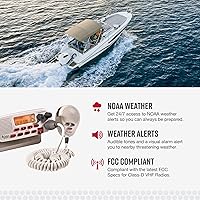
  • Ten NOAA weather channels with audible storm alerts add genuine safety value beyond basic radio communication.
  • The one-button DSC distress signal, once MMSI is registered, can summon help with your GPS position attached.
  • Noise-cancelling microphone handles engine noise and wind better than many radios at this price point.
  • Illuminated LCD display and backlit keys stay readable in direct sunlight and during night passages.
  • Covers US, Canadian, and international VHF channels — no retuning needed when crossing borders.
  • Bracket mount kit and GPS interface cable included, reducing the total out-of-pocket installation cost.
  • Over a decade of field use means long-term reliability data is plentiful and largely positive.
  • Switchable 1W/25W output lets you avoid cluttering busy marina channels with unnecessary high-power transmissions.

Cons

  • MMSI registration is required before DSC distress calling works — this is not explained clearly in the box.
  • The mounting bracket feels noticeably less sturdy than the radio body and may need upgrading for rough-water use.
  • Microphone cord length has been flagged by some users as too short for certain helm layouts.
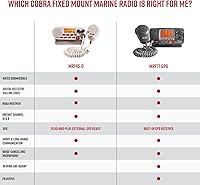
  • No built-in GPS receiver — position data for DSC only works if you wire in an external GPS source.
  • Setup menus can feel dated and less intuitive compared to newer competitors at a similar price.
  • The radio body is on the larger side at over 12 inches wide, which can be tight on smaller helm panels.
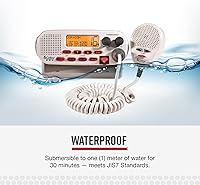
  • Water resistance is solid for spray and splash but should not be relied upon as a substitute for a sheltered installation.
  • No Bluetooth or wireless connectivity for external speaker pairing, which some modern boaters expect.

Ratings

The scores below reflect an AI-driven analysis of verified global buyer reviews for the Cobra MR F45-D Fixed Mount VHF Radio, with spam, bot submissions, and incentivized feedback actively filtered out before any scoring was applied. Each category captures what real boaters consistently praised or complained about across more than a decade of field use — strengths and genuine pain points alike are represented without softening either side.

Audio Clarity
88%
Boaters running open-cockpit powerboats specifically call out the noise-cancelling microphone as a standout — wind and engine noise that would swamp a basic mic are noticeably suppressed, making transmissions intelligible even at speed. Incoming audio through the speaker is described as loud and clear, with little distortion at higher volume settings.
A portion of users in particularly loud engine-room-adjacent helm setups still report that background rumble bleeds into transmissions, suggesting the noise cancellation has limits in extreme environments. The speaker output, while strong, lacks a tone control, which some find harsh in high-frequency conditions.
Ease of Installation
91%
The inclusion of both a bracket mount kit and a GPS interface cable in the box means most boaters with basic 12V wiring confidence can complete a clean installation without a marine electrician. Reviewers who replaced older units consistently note this radio drops into existing setups with minimal fuss.
Buyers who want to wire in the GPS interface for DSC position data find that step adds meaningful complexity, particularly if the GPS unit is not nearby. The wiring diagram in the manual has drawn criticism for being harder to follow than it needs to be.
Weather Alert Performance
93%
Access to all 10 NOAA weather channels with an audible tone and a visible alarm is one of the features buyers mention most when explaining why they chose this radio. Cruisers who anchor overnight or run coastal passages report that the alert system has given them genuinely useful advance warning of deteriorating conditions.
A small number of users note that the audible alert tone is not adjustable in volume independently from the main speaker, which can be disruptive at anchor if the radio is mounted below decks with good acoustics. There is no way to set quiet hours or filter alert sensitivity.
DSC Functionality
79%
21%
Once properly configured with a registered MMSI number and connected to a GPS source, the one-button distress call works exactly as intended — transmitting identity and position to Coast Guard and nearby vessels simultaneously. Boaters who took the time to set it up correctly regard it as a meaningful safety upgrade over radios without DSC.
The MMSI registration requirement is not clearly communicated in the box, and a significant portion of buyers discover after installation that the DSC button is essentially non-functional without it. Position data also requires an external GPS connection, which adds wiring complexity that catches first-time fixed-mount buyers off guard.
Build Quality
74%
26%
The radio body itself feels solid and has held up well for many users over multiple seasons of continuous helm exposure, including spray, sun, and temperature swings. The buttons have a tactile, positive click that inspires confidence during underway operation with wet hands.
The mounting bracket is a recurring complaint — multiple buyers describe it as feeling light relative to the radio it is holding, and a few report flex or loosening over time on boats that see regular offshore chop. For a unit positioned at this price point, a more robust bracket would meaningfully improve the overall build impression.
Display Readability
86%
The large illuminated LCD with a built-in signal strength meter is well-regarded for daytime readability, particularly by boaters who have struggled with smaller displays on older radios. The backlighting works well enough for nighttime use at the helm without being overbearing in a dark cockpit.
In very bright direct sunlight — particularly on south-facing helm stations in summer — a handful of users report the display washes out enough to require repositioning to read clearly. Glare management is adequate but not as refined as on more recent competitors.
Microphone Ergonomics
71%
29%
The illuminated function keys on the mic make it easy to operate in low-light conditions, and the PTT button has a positive feel that reduces the chance of accidental key-ups while handling the handset underway. Most users find the handset comfortable for extended use.
The microphone cord length draws consistent criticism from buyers with larger helms or non-standard mounting positions, where the cord simply does not reach comfortably. An extension cable is a common workaround but adds clutter and is an unnecessary extra purchase for what should be a ready-to-use component.
Channel Coverage
94%
Covering all 40 international VHF marine channels means this radio works seamlessly for boaters crossing into Canadian waters, cruising Caribbean routes, or operating internationally without any retuning or mode switching. Coastal US users report they never encounter a frequency gap in normal operation.
There are no meaningful gaps in channel coverage for the intended audience — this is one of the radio's cleanest categories. The only minor note is that some commercial operators occasionally find the absence of certain non-marine VHF ranges limiting, but that is outside the scope of this radio's design.
Dual Watch Reliability
89%
The ability to simultaneously monitor Channel 16 and a user-selected working channel is a feature that experienced boaters treat as non-negotiable, and this radio executes it reliably. Users report it cycles between channels quickly enough that traffic on either channel is not meaningfully missed.
A small number of users noted that rapid, back-to-back traffic on both channels can occasionally result in a clipped transmission on one side. This is inherent to the scanning approach rather than a defect, but it is worth knowing if you operate in very high-traffic waterways.
Water Resistance
82%
18%
The submersible and water-resistant rating has proven durable in practice across a wide range of real-world conditions — spray, rain, occasional wave wash, and humid marine environments are all handled without reported damage or degradation to controls or display.
The rating should not be interpreted as permission for prolonged or repeated full submersion, and buyers with fully unprotected offshore helms should understand this is splash and spray resistance, not dive-rated protection. Buyers who expected a more aggressive waterproof rating occasionally express disappointment.
Long-Term Reliability
87%
With field data stretching back to 2010, this marine radio has an unusually long track record to draw on. A notable share of positive reviewers are reporting on units that have run for three, five, or even seven or more seasons with no functional failures — a strong signal for a marine electronics purchase.
A minority of users report button degradation or display dimming after extended exposure in very hot, direct-sun helm environments. These appear to be edge cases rather than a systemic flaw, but long-distance cruisers who leave their boats in high-UV climates year-round should note the pattern.
Value for Money
83%
Most buyers who compare what they paid against the feature set — DSC, NOAA alerts, Dual Watch, GPS interface, and noise-cancelling mic in one unit — conclude the pricing is fair for what is delivered. The inclusion of mounting hardware and the GPS cable adds perceived value that budget alternatives often omit.
A smaller cohort of buyers feel that certain newer competitors at a similar price have more modern menu systems and tighter build tolerances, making the Cobra F45-D feel slightly dated by comparison despite its solid core performance. It is competitive but not an obvious best-in-class value pick.
Menu & User Interface
68%
32%
For everyday tasks — switching channels, adjusting squelch, activating weather scan — the interface is straightforward enough that most users do not consult the manual after the first few hours of use. The illuminated keys help in low-light situations and reduce fumbling at the helm.
Navigating deeper settings, particularly DSC configuration and scan programming, feels dated and unintuitive compared to more recently designed radios. Multiple buyers mention needing to reference the manual repeatedly during initial setup, and the menu logic has not been updated to match current UX expectations.
Output Power Range
92%
The ability to switch between 1 watt and 25 watts is a genuinely practical feature that experienced VHF users value — dropping to low power in a crowded marina keeps traffic manageable, while pushing to full power when offshore ensures you are heard at distance. Buyers who understand this appreciate the flexibility.
A small number of newer boaters were unaware that high power should be reserved for longer-range calls and used low power unnecessarily in situations where range was needed. This is a user education issue rather than a product flaw, but the radio offers no contextual guidance to help less experienced operators make the right call.

Suitable for:

The Cobra MR F45-D Fixed Mount VHF Radio is an excellent match for recreational powerboaters and sailboat owners who want a dependable, full-featured radio without wading into commercial-grade complexity. If you cruise coastal US or Canadian waters — or occasionally head into international channels — the broad 40-channel coverage means you will never be hunting for the right frequency. Boaters upgrading from a handheld unit will notice an immediate difference in range and audio clarity that a 25-watt fixed mount provides. The inclusion of a bracket mount kit and GPS interface cable makes it a practical choice for confident DIY installers who want to keep setup costs reasonable. Cruisers who take weather seriously will find the NOAA alert system genuinely useful, especially when anchored overnight or running offshore passages where conditions can shift without warning.
Not suitable for:

Buyers looking for a radio to handle heavy commercial or professional maritime workloads should look at purpose-built units with more robust hardware and support infrastructure than the Cobra MR F45-D Fixed Mount VHF Radio is designed to provide. The mounting bracket has drawn criticism for feeling underdone relative to the radio body itself, so if you run a high-speed powerboat in rough offshore conditions, you may want to budget for an aftermarket mount. The DSC distress function — while a genuine safety asset — requires a registered MMSI number that is not included in the box and must be obtained separately before the feature works as intended; buyers who expect plug-and-play emergency readiness may be frustrated by this step. If your helm is fully exposed with no overhang or canvas protection, the water resistance rating is adequate for splash and spray, but do not treat it as a substitute for a properly sheltered installation. Boaters who rarely leave protected inland waterways and have no need for weather alerts or DSC may find they are paying for features they will never use.
Specifications

  • Brand: Manufactured by Cobra Electronics, a long-established name in marine and CB radio equipment.
  • Model Number: This unit carries the official model designation MR F45-D.
  • Output Power: Transmits at either 1 watt for short-range communication or 25 watts for maximum range, switchable by the user.
  • Channels: Covers 40 VHF channels compatible with US, Canadian, and international marine frequency plans.
  • Frequency Range: Operates across a frequency range of 156–174 MHz, in line with international marine VHF standards.
  • NOAA Weather: Receives all 10 NOAA weather broadcast channels with audible tone and visual alarm for hazardous weather alerts.
  • DSC Capability: Equipped with Digital Selective Calling for one-button distress signaling and position data exchange via a connected GPS source.
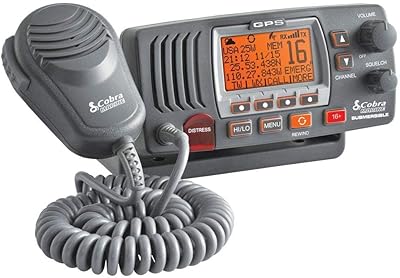
  • Display: Features a large illuminated LCD screen with a built-in signal strength meter for visibility in varying light conditions.
  • Microphone: Includes a noise-cancelling microphone with illuminated function keys to aid clarity in high-noise environments such as open helms.
  • Water Resistance: Rated as submersible and water resistant, suitable for helm installations exposed to spray and splash.
  • Dimensions: The unit measures 12.21 x 9.25 x 2.95 inches, designed for flush or bracket mounting at a fixed helm station.
  • Weight: The radio body weighs 2.6 pounds, not including mounting hardware or cabling.
  • Power Supply: Designed to operate on a 12V DC supply, standard on the vast majority of recreational marine vessels.
  • Special Features: Includes Dual Watch, Channel Scan, an external speaker jack, and a GPS interface port for DSC position data.
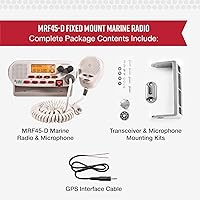
  • In the Box: Package includes the radio unit, a bracket mount kit, and a GPS interface cable — no additional mounting hardware purchase required for basic installation.
  • Availability: This model has been in continuous production since November 2010 and is not listed as discontinued by the manufacturer.

Related Reviews
Cobra MR HH150 FLT VHF Marine Radio
85%
87%
Performance
92%
Build Quality
79%
Battery Life
88%
Ease of Use
91%
Waterproofing & Durability
More
Cobra MR F77B GPS Fixed Mount VHF Radio
79%
88%
GPS Performance
91%
DSC Functionality
79%
Ease of Installation
67%
Audio Clarity
86%
Display Visibility
More
Cobra MR HH600FLTBTGPS Handheld Floating VHF Marine Radio
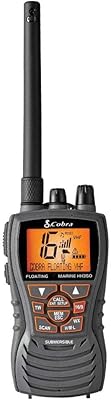
85%
93%
Waterproof & Durability
88%
Ease of Use
83%
Battery Life
91%
Bluetooth Connectivity
87%
GPS Accuracy & Safety Features
More
Cobra MR HH350 FLT Floating Marine Radio
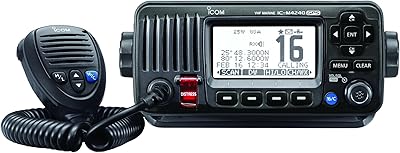
82%
93%
Water Resistance & Floatability
88%
Audio Clarity & Microphone Performance
79%
Range & Signal Performance
61%
Battery Life
82%
Ease of Use & Interface
More
ICOM M424G Fixed Mount VHF Radio
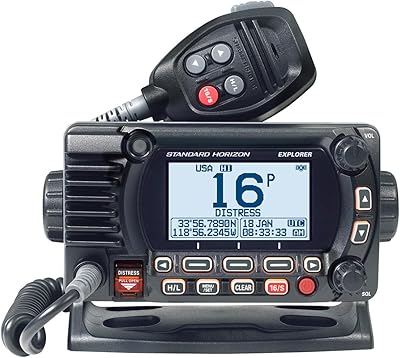
81%
93%
DSC & GPS Accuracy
91%
Audio Clarity
88%
AquaQuake Performance
89%
Waterproofing & Durability
61%
Installation Experience
More
Standard Horizon GX1850 Fixed Mount VHF Radio
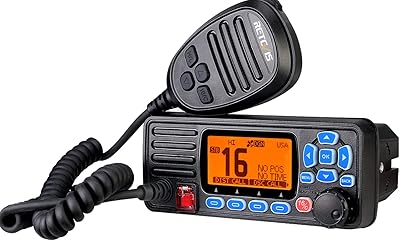
75%
83%
NMEA 2000 Integration
88%
Audio Clarity
86%
Waterproofing & Durability
84%
DSC Functionality
82%
Ease of Installation
More
Retevis RA27 Fixed Mount Marine Radio
77%
88%
Value for Money
83%
DSC & Emergency Performance
76%
GPS Accuracy
87%
Ease of Installation
67%
Audio Clarity
More
Cobra HH50WXST Handheld CB Radio
87%
86%
Performance
89%
Sound Quality & Noise Reduction
91%
Portability & Size
92%
NOAA Weather Alerts
84%
Build Quality & Durability
More
Uniden MHS75 VHF Marine Radio
89%
94%
Waterproof Performance
85%
Range & Signal Strength
88%
Battery Life
90%
Ease of Use
91%
Build Quality
More
Uniden UM435BK Fixed Mount VHF Marine Radio
80%
93%
Waterproofing & Weather Resistance
88%
Audio Clarity & Reception
84%
Ease of Installation
91%
Channel Coverage & Compatibility
82%
Value for Money
More

FAQ

Yes — and this trips up a lot of buyers. The DSC function requires you to register a Maritime Mobile Service Identity (MMSI) number and program it into the radio before the distress signal will transmit your identity and position. You can get a free MMSI through Sea Tow, BoatUS, or directly from the FCC. It only takes a few minutes online, but you need to do it before you actually need the feature.

There is no internal GPS receiver. The included GPS interface cable lets you connect an external GPS chartplotter or dedicated GPS unit so that your position data feeds into the DSC system automatically. Without a connected GPS source, the distress call will still transmit, but it will not include your coordinates.

The Cobra F45-D is rated submersible and water resistant, which means it handles spray, splash, and rain without issue under normal conditions. That said, submersible does not mean it is designed to be routinely submerged, and if your helm takes green water over the bow regularly, you would want to think about a protective cover or a more sheltered mounting location. For the typical open-cockpit powerboat or sailboat helm, the water resistance level is more than adequate.

Yes, that is exactly what the Dual Watch feature handles. It keeps Channel 16 — the international distress and calling channel — active in the background while you monitor a second channel of your choice. It cycles between the two automatically, so you will catch any traffic on either one.

For most recreational offshore passages, yes. A 25-watt fixed-mount VHF typically reaches 20–25 miles to another vessel or Coast Guard station under normal conditions, and considerably farther when communicating with elevated shore stations. It is the standard output power for recreational marine radios and meets the requirements for most coastal and near-offshore cruising. If you are heading well offshore into remote areas, a satellite communicator is a worthwhile addition, but 25 watts is the right starting point.

It covers all 40 international VHF marine channels, including those used in Canada and internationally. If you cruise the Pacific Northwest, cross into Canadian waters on the Great Lakes, or take offshore passages with international legs, you will not need to retune or switch modes.

Most boaters with basic 12V wiring experience report a straightforward install. The bracket mount kit is included, so the mounting side is simple. The electrical connection is a standard 12V DC hookup. If you are also connecting the GPS interface, that adds a step, but the included cable makes it manageable. Plan for an afternoon the first time you do it.

The core VHF marine radio standard has not changed dramatically in that time, so the feature set remains fully relevant. DSC, NOAA weather alerts, Dual Watch, and 25-watt output are still the benchmarks buyers look for. Where newer models sometimes have an edge is in menu design and display resolution, but this radio's fundamentals hold up well after more than a decade in the field.

Yes, there is a dedicated external speaker jack on the unit. This is useful if your helm has ambient engine noise that makes the built-in speaker hard to hear, or if you want to route audio to a more convenient location on a larger boat.

The two issues that come up most consistently in user reviews are the mounting bracket and the microphone cord. Several buyers feel the bracket is lighter-duty than the radio body deserves, and a few note the mic cord could be longer for certain helm layouts. Neither is a dealbreaker, but if you run in rough conditions or have an awkward helm setup, it is worth budgeting a few extra dollars for an aftermarket bracket or a mic extension cable.

Where to Buy

Academy Sports + Outdoors
In stock $139.99
Carolina Sportsman Outfitters
In stock $149.95
The Antenna Farm
In stock $149.95
Carolina Sportsman Outfitters Local
In stock $149.95