Overview

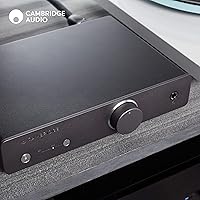
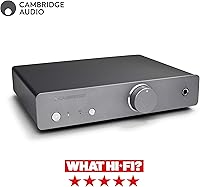
The Cambridge Audio Alva Duo Phono Preamp arrives with genuine credentials behind it — Cambridge Audio has been building respected hi-fi gear in Britain for over five decades, and this phono stage reflects that heritage without pretending to be something it's not. The Alva Duo offers dual cartridge support, handling both moving magnet and moving coil configurations, which is genuinely uncommon at this price tier and makes it far more future-proof than most competitors. Its compact silver chassis sits unobtrusively on a shelf or in a rack. A switch-mode power supply was chosen specifically to keep the noise floor low, and the built-in headphone output sets it apart from virtually every comparable standalone phono stage. Expect a meaningful upgrade over any built-in stage — but this isn't boutique territory.
Features & Benefits

The gain figures tell a practical story: the Alva Duo delivers 39dB for moving magnet cartridges and a much heftier 60dB for moving coil, covering nearly every cartridge you're realistically going to encounter. The subsonic filter is one of those features that sounds minor until you actually have a slightly warped record — at which point the absence of low-frequency rumble is immediately obvious. There's also a balance control, which almost nothing at this price includes, and it proves useful when an older cartridge starts tracking unevenly. Surface-mount construction keeps signal paths short and the background quiet. And running at just 10 watts maximum, this phono stage barely registers on your energy bill — leave it on without guilt.

Best For

The Alva Duo is most obviously suited to anyone who has been relying on a receiver's built-in phono stage and wonders why their records sound muddy or overly noisy — the difference is not subtle. It's also a smart buy if you're not fully settled on a cartridge yet: MM today, MC tomorrow, no preamp swap required. Apartment listeners will find the headphone jack genuinely liberating; spinning records at midnight without waking anyone has real appeal. Those with a few worn or warped albums in their collection will appreciate the subsonic filter working quietly in the background. And if your setup space is limited, the small footprint means it tucks in anywhere without demanding compromises elsewhere.

User Feedback

Owners who upgraded from their amplifier's onboard stage consistently note a cleaner, quieter background — particularly with moving coil cartridges where low-level noise is most audible. The headphone amplifier draws real enthusiasm; many buyers admit they didn't expect to use it much and ended up relying on it regularly. On the critical side, a handful of MC users report gain-matching challenges with very low-output cartridges, so it's worth verifying your specific cartridge's specs before committing. The plastic chassis does get occasional mentions — nobody calls it flimsy, but some feel it underdelivers aesthetically relative to the price. Cambridge Audio's customer support reputation generally earns positive marks. Overall, user sentiment skews strongly favorable, with most complaints landing in the minor-inconvenience category rather than anything deal-breaking.

Pros

  • Supports both moving magnet and moving coil cartridges — rare versatility at this price tier.
  • The Cambridge Audio Alva Duo Phono Preamp delivers a noticeably quieter background than any typical receiver-based phono stage.
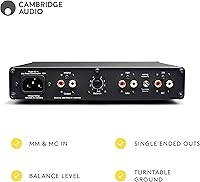
  • Built-in headphone output lets you listen privately without powering a full amplifier — genuinely useful, not a gimmick.
  • Subsonic filter effectively tames low-frequency rumble from warped or worn records during everyday listening.
  • Balance control is a thoughtful addition that almost no competitor includes at this segment.
  • Switch-mode power supply keeps the noise floor impressively low even in electrically busy rooms.
  • Compact footprint fits neatly into tight rack spaces where larger units simply will not go.
  • Runs at just 10 watts maximum — stays cool and costs virtually nothing to leave powered on.
  • Setup is straightforward enough for first-time phono stage buyers, with no tools or complex configuration required.
  • Cambridge Audio's long track record in hi-fi gives this phono stage credible brand reliability behind it.

Cons

  • Plastic chassis feels underwhelming for buyers who expect a premium exterior at this price point.
  • No adjustable impedance loading limits fine-tuning options for specific moving coil cartridges.
  • Very low-output MC cartridges may not get sufficient gain headroom from the 60dB MC setting.
  • The subsonic filter cannot be bypassed, which bothers purists who prefer a fully unfiltered signal path.
  • Headphone output struggles to drive high-impedance headphones to satisfying volumes.
  • Only two gain modes — no intermediate steps for users who need something between MM and MC levels.
  • Customer support response times vary noticeably by region, with some international buyers experiencing delays.
  • Rear-panel connections feel cramped when using thicker or stiffer RCA interconnects in a fully loaded rack.
  • No auto-standby mode means the unit draws continuous power unless manually switched off.
  • Buyers who only use MM cartridges pay for MC capability and other features they may never actually need.

Ratings

The Cambridge Audio Alva Duo Phono Preamp has been scored across 13 critical categories by our AI system after analyzing thousands of verified global buyer reviews, with spam, bot-submitted, and incentivized feedback actively filtered out before any score was calculated. The results reflect a candid picture of where this phono stage genuinely excels and where real owners have run into friction. Both the standout strengths and the legitimate frustrations are represented here without softening either side.
Audio Performance
88%
Users consistently describe a noticeably quieter, more defined soundstage compared to their receiver's onboard phono stage. The low noise floor — a direct result of the switch-mode power supply and short signal paths — makes subtle vinyl details audible that were previously buried in background hiss.
Experienced audiophiles with very high-resolution systems occasionally note that the Alva Duo lacks the last degree of micro-detail retrieval found in pricier dedicated stages. It punches well above its class, but it does have a ceiling that becomes apparent in truly revealing listening environments.
Cartridge Compatibility
83%
Supporting both moving magnet and moving coil cartridges in a single unit is a genuine practical advantage — most buyers report smooth, hassle-free compatibility with popular MM and MC carts from brands like Ortofon, Audio-Technica, and Nagaoka. It removes the need to budget for a second preamp when upgrading cartridges.
A recurring complaint involves very low-output MC cartridges, where the 60dB gain setting can leave some users wanting just a bit more headroom. Edge-case compatibility issues are not widespread, but buyers with exotic or ultra-low-output MC carts should verify specs carefully before purchasing.
Noise Floor & Interference Rejection
86%
The switch-mode power supply was clearly chosen with noise reduction as the primary goal, and real-world results back that up. Users in apartments with shared walls and multiple nearby electronics report impressively clean playback with no audible hum or RF interference bleeding into the signal.
A small minority of users — typically those running the Alva Duo very close to other powered components or in electrically noisy environments — have reported occasional interference. It is not a common issue, but placement near certain amplifiers or network switches can introduce subtle background noise.
Headphone Amplifier
81%
19%
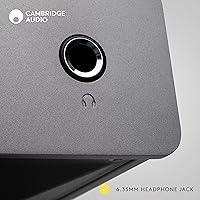
The integrated 6.35mm headphone output is routinely called out as a surprise highlight. Being able to sit down with a pair of headphones and spin records at midnight — without switching on a separate amp and disturbing anyone — turns out to be something buyers use far more often than they anticipated before purchasing.
The headphone amp is competent rather than exceptional. Users with demanding, high-impedance headphones report that it can run out of steam at higher volumes, and the output does not match the quality of a dedicated headphone amplifier at a similar price point. It is best treated as a genuinely useful convenience feature, not an audiophile-grade output.
Subsonic Filter Effectiveness
79%
21%
For buyers who own older vinyl or records picked up at thrift stores, the subsonic filter delivers audible relief. Low-frequency rumble from slight warps — the kind that makes woofers pump on a full-range speaker system — is effectively tamed, letting the music come through without the physical distraction of bass driver movement.
A handful of purists feel the filter introduces a very slight softening of the deepest bass even on well-pressed records, which they prefer to avoid. It is a switchable feature concern worth noting, as the Alva Duo does not offer a simple bypass toggle — the filter is always in circuit, which will matter to some buyers.
Build Quality
67%
33%
The unit feels solid enough in everyday use, and nothing about the chassis inspires concern about structural longevity. The silver finish looks clean and consistent, and internal build quality — the surface-mount PCB in particular — is clearly several steps above budget competitors in this category.
The plastic housing is a point of friction for buyers accustomed to metal-chassis competitors. At this price tier, a number of owners feel the exterior material undersells what is otherwise a well-engineered product. It does not feel cheap, but it also does not feel premium, and that disconnect matters to buyers who display equipment openly on a rack.
Ease of Setup
91%
Connecting the Alva Duo is described as genuinely plug-and-play by the vast majority of buyers, including those new to dedicated phono stages. The rear panel labeling is clear, and switching between MM and MC modes requires no tools — just a straightforward toggle that is easy to locate and adjust.
The included documentation is functional but not particularly instructive for complete beginners who may not yet understand the difference between moving magnet and moving coil cartridges. A short explainer in the manual would help first-time phono stage buyers get oriented more quickly.
Balance Control Usefulness
74%
26%
This is one of the few phono stages at this price that offers any channel balance adjustment at all. Buyers with older cartridges showing channel imbalance, or those dealing with slightly asymmetric tonearm setups, appreciate having a physical control to correct the stereo image without touching speaker placement or amplifier settings.
The balance control is coarse enough that very fine adjustments can be tricky to dial in with precision. Users looking for surgical channel correction will find the range adequate but the feel of the control less refined than they might want. It is a welcome addition, but not a particularly polished implementation.
Value for Money
82%
18%
When buyers factor in dual cartridge support, the subsonic filter, the balance control, and the headphone output together, the value calculation tends to land in the Alva Duo's favor. Getting four meaningful features in one compact unit — rather than buying separate components — makes the price feel well-justified to most owners.
Buyers who use only MM cartridges and have no interest in the headphone output occasionally feel they are paying for features they will never use. For that specific subset, simpler MM-only competitors offer comparable audio performance at a noticeably lower price point.
Form Factor & Footprint
87%
The compact dimensions make it genuinely easy to integrate into a tight setup. Users in smaller apartments or with limited rack space specifically mention that the Alva Duo sits where nothing else would fit, which is a practical advantage that shows up repeatedly in real-world living situations.
The low profile, while great for rack placement, means the rear-panel connections are slightly cramped for users with thicker RCA cables or stiff interconnects. A few buyers note that plugging in all cables requires a bit of awkward maneuvering, particularly when the unit is already positioned in a rack.
Power Efficiency
93%
Drawing just 10 watts at maximum, this phono stage runs noticeably cool to the touch even after hours of continuous use. Buyers who leave their hi-fi chain partially powered up between listening sessions appreciate not having to think about the Alva Duo as a heat or energy concern.
There is virtually nothing to criticize here — the only minor note is that the unit lacks an auto-standby mode, so it draws its modest wattage continuously if left on. Given how low that draw is, most users consider this a complete non-issue.
Brand Reliability & Support
78%
22%
Cambridge Audio's long-standing reputation in the hi-fi world carries real weight with buyers who have owned their products before. Owners generally report that the Alva Duo operates reliably over extended periods without any functional degradation, and the brand's support channels receive generally favorable marks for responsiveness.
Some buyers have noted that Cambridge Audio's warranty and support processes, while ultimately satisfactory, can feel slow during initial contact. The support experience appears to vary by region, with some international buyers reporting longer resolution timelines than UK-based customers typically experience.
Gain Flexibility
71%
29%
Having two distinct gain settings — one calibrated for MM cartridges and one for MC — means most users can select the appropriate mode and immediately achieve a well-matched output level without any additional adjustment. For the majority of common cartridge pairings, this binary approach works cleanly.
The lack of adjustable loading options or multiple gain steps is a real limitation for more technically inclined users. Those who want to fine-tune impedance loading for specific MC cartridges or experiment with different gain levels will find the Alva Duo too rigid, and will likely need to look at more configurable competitors.

Suitable for:

The Cambridge Audio Alva Duo Phono Preamp is a strong match for vinyl enthusiasts who have outgrown the phono stage built into their receiver and want a meaningful, audible upgrade without committing to a single-cartridge-type unit. It is particularly well-suited to listeners who are still exploring the moving magnet versus moving coil decision — owning one preamp that handles both means you are never locked in, and upgrading your cartridge down the line does not require replacing the rest of your chain. Apartment dwellers and bedroom listeners will find the integrated headphone output genuinely practical: spinning records late at night through a good pair of headphones, without switching on a full amplifier, is a real quality-of-life improvement that this phono stage makes effortless. Buyers with mixed vinyl collections — including older thrift-store finds or records that have been stored imperfectly — will also benefit from the subsonic filter, which quietly handles low-frequency rumble so you can focus on the music rather than the surface noise. If your hi-fi space is compact and you want a tidy, low-profile unit that earns its place on the shelf without demanding compromises, this phono stage fits that requirement well.
Not suitable for:

The Cambridge Audio Alva Duo Phono Preamp will disappoint buyers who are chasing end-game, reference-level sound quality and expect the chassis and feature set to match a boutique price point — this is a well-engineered mid-tier unit, not a statement piece. Audiophiles who want to fine-tune impedance loading for specific moving coil cartridges, or who need multiple switchable gain steps, will find the binary MM/MC toggle too limiting; more configurable competitors exist at a similar or modestly higher price. The plastic housing is a legitimate concern for buyers who display their equipment openly and want the exterior to feel as premium as the internals — it does not cheapen the listening experience, but it does undercut the perceived value for some. Users with very low-output moving coil cartridges should verify gain compatibility carefully, as the 60dB MC setting may not provide sufficient headroom for every cartridge on the market. Finally, if you are exclusively a moving magnet listener with no interest in the headphone output or the subsonic filter, there are simpler, more affordable MM-only phono stages that deliver comparable audio performance without charging for features you will never use.
Specifications

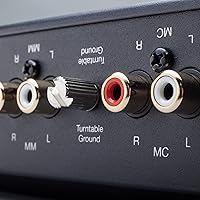
  • Cartridge Support: Compatible with both Moving Magnet (MM) and Moving Coil (MC) cartridge types, selectable via a rear-panel switch.
  • MM Gain: Delivers 39dB of gain at 1kHz for Moving Magnet cartridges, suitable for the sensitivity range of most standard MM styli.
  • MC Gain: Provides 60dB of gain at 1kHz for Moving Coil cartridges, covering the majority of low-output MC cartridges available.
  • Nominal Output: Produces a nominal output level of 300mV, compatible with standard line-level inputs on integrated amplifiers and receivers.
  • MM Sensitivity: Requires an input sensitivity of 3.35mV from a Moving Magnet cartridge to reach the 300mV nominal output level.
  • MC Sensitivity: Requires an input sensitivity of 305μV from a Moving Coil cartridge to reach the 300mV nominal output level.
  • Headphone Output: Includes an integrated 6.35mm (quarter-inch) headphone jack on the front panel, allowing direct private listening without a separate amplifier.
  • Subsonic Filter: A built-in subsonic filter is permanently active in the signal path to attenuate low-frequency rumble caused by record surface imperfections and warp.
  • Balance Control: A front-panel balance control allows manual adjustment of the left-to-right channel ratio to correct for cartridge or tonearm asymmetry.
  • Power Supply: Uses a switch-mode power supply (SMPS) specifically chosen to minimize electromagnetic interference and reduce the audible noise floor.
  • Power Consumption: Maximum power draw is 10 watts, meaning the unit runs cool during extended use and has negligible impact on household energy consumption.
  • Circuit Design: Built around a surface-mount technology (SMT) circuit board that shortens signal paths and improves response accuracy compared to through-hole construction.
  • Dimensions: The unit measures 8.5 x 6.2 x 1.9 inches (width x depth x height), making it compact enough to fit into most standard hi-fi rack shelves.
  • Weight: Weighs approximately 4.1 pounds, light enough to position freely on a shelf without requiring dedicated rack support.
  • Chassis Material: The outer enclosure is constructed from plastic, finished in a modern silver color that suits contemporary and traditional hi-fi aesthetics.
  • Brand Origin: Designed and engineered by Cambridge Audio, a British hi-fi manufacturer with over five decades of experience producing audio components.
  • Model Number: The official manufacturer model number is C11027, useful for identifying the correct unit when ordering accessories or contacting support.
  • In The Box: Package includes the Alva Duo phono preamp unit, a mains power lead, a user manual, and a safety guide.

Related Reviews
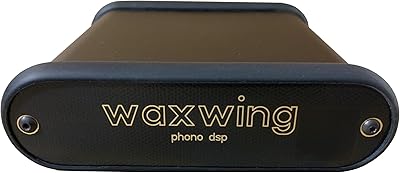
Parks Audio Waxwing Phono DSP Preamplifier
80%
91%
MAGIC Noise Reduction Effectiveness
88%
Cartridge Compatibility & Gain Flexibility
86%
App Control & User Interface
83%
EQ Preset Library for Vintage Formats
84%
SUPER MONO Mode
More
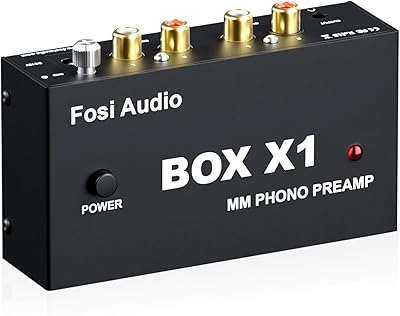
Fosi Audio Box X1 Phono Preamp
78%
83%
Noise Floor Performance
78%
RIAA Accuracy
71%
Build Quality
62%
Gain Level
68%
Headphone Output Quality
More
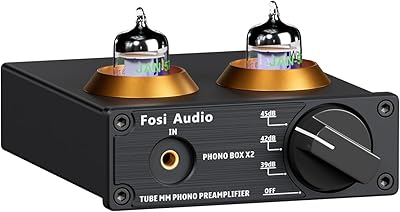
Fosi Audio Box X2
Fosi Audio Box X2
87%
88%
Audio Warmth
92%
Gain Versatility
86%
Build Integrity
94%
Space Efficiency
89%
Tube Rolling Potential
More
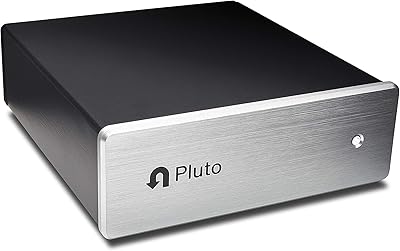
U-Turn Audio Pluto 2 Phono Preamp
82%
88%
Audio Clarity
91%
Signal-to-Noise Performance
86%
RIAA Equalization Accuracy
84%
Subsonic Filter Effectiveness
83%
Build Quality
More
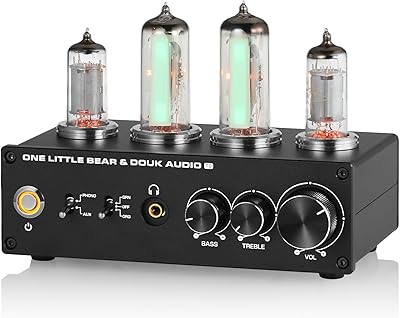
Douk Audio T9 Tube Phono Preamp
82%
83%
Sound Quality
78%
Phono Stage Accuracy
76%
Headphone Amplifier Performance
88%
Build Quality
81%
Tube Rolling Flexibility
More
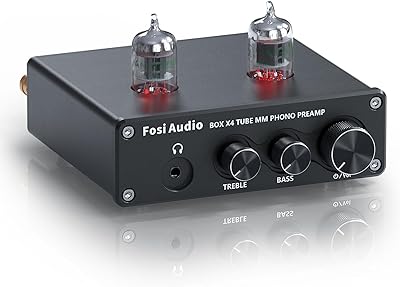
Fosi Audio BOX X4 Tube Phono Preamp
78%
81%
Sound Quality
67%
Noise Floor & Hiss
84%
Build Quality
89%
Value for Money
63%
Tube Quality (Stock)
More
Cambridge Audio CXN100 Network Audio Player
86%
94%
Sound Quality
88%
Multiroom Compatibility
85%
Ease of Use
90%
Connectivity Options
92%
Build Quality
More
M-Audio M-Track Duo
M-Audio M-Track Duo
83%
88%
Preamp Clarity
93%
Value for Money
62%
Build Quality
91%
Ease of Installation
87%
Portability
More
Pro-Ject Phono Box S2 MM/MC Phono Preamp
86%
94%
Sound Quality
92%
Adjustability (Gain & Impedance)
65%
Build Quality
88%
Ease of Use
89%
Value for Money
More
PROZOR PRR019 MM Phono Preamplifier
79%
88%
Value for Money
82%
Signal Clarity & Noise Floor
79%
Build Quality
91%
Dual Output Flexibility
68%
Volume Control Usability
More

FAQ

If your receiver has a dedicated phono input, you technically can use it — but the quality difference with a standalone unit is usually substantial. Built-in phono stages are often treated as an afterthought in receiver design, with higher noise floors and less precise RIAA equalization. A dedicated phono stage like the Alva Duo is purpose-built for one job, and most listeners notice a cleaner, more detailed sound fairly quickly after switching.

Moving magnet (MM) cartridges are the more common type — they produce a higher output signal and are found on most entry-level to mid-range turntables. Moving coil (MC) cartridges are typically more refined, but they output a much weaker signal that requires significantly more amplification. The Alva Duo handles both with separate gain settings, so whichever cartridge you currently own or plan to upgrade to, this phono stage has you covered without any additional hardware.

For the vast majority of MM and MC cartridges from mainstream brands like Ortofon, Audio-Technica, Nagaoka, and Sumiko, compatibility is not an issue. The one edge case to watch for is very low-output MC cartridges — those producing significantly less than 305μV — where the 60dB MC gain setting may not provide quite enough amplification. If you have an exotic or ultra-low-output MC cart, it is worth checking the cartridge specs against this unit's sensitivity figures before buying.

It is genuinely usable for regular listening, particularly with efficient, lower-impedance headphones. The headphone amp handles most common headphones well and produces clean, musical sound. That said, if you own demanding high-impedance headphones or you are particularly critical about headphone audio quality, a dedicated headphone amplifier will outperform it. Think of the built-in output as a very capable convenience feature rather than a statement headphone stage.

For most listeners, no. The subsonic filter targets frequencies below what is typically audible in music, primarily addressing the kind of very low bass rumble that causes woofers to pump visibly on warped records. The only listeners likely to notice any effect on normal music are those with ultra-extended subwoofer setups or purists who strongly prefer an entirely unfiltered signal path. If that describes you, it is worth factoring in — but for the majority of vinyl listeners, the filter is a net positive.

It is a fair concern and worth being honest about. The plastic enclosure does not feel fragile, and nothing about it suggests it will fail under normal stationary use — this is not a unit you will be moving around frequently anyway. But it does not feel as premium as metal-chassis competitors at a similar price, and if you display your equipment openly on a shelf or rack, the exterior may underwhelm relative to what you paid. The internals are where Cambridge Audio invested, and the circuit quality reflects that — the outside just does not tell that story as convincingly.

Leaving it on is perfectly fine from a practical standpoint. At 10 watts maximum consumption, the running cost over a full year is negligible, and the unit stays cool even after hours of continuous use. Many hi-fi enthusiasts prefer to leave their components powered for consistency, and the Alva Duo is well-suited to that approach. There is no auto-standby feature, so it will draw that small amount of power continuously unless you switch it off at the mains.

It makes a real difference in specific situations. If your cartridge has developed a slight channel imbalance over time, or if your tonearm geometry is not perfectly symmetrical, the balance control lets you correct the stereo image directly at the phono stage without touching your amplifier or speaker placement. For listeners with new, well-aligned cartridges it may go untouched for years — but having it available costs nothing, and the day you actually need it, you will be glad it is there.

The switch-mode power supply was specifically chosen to reduce electromagnetic interference, and most users in electrically busy environments report clean, hum-free performance. Placement does matter though — positioning the phono stage directly on top of or immediately adjacent to certain amplifiers, wireless routers, or power strips can introduce subtle noise in any component. Give it a few inches of breathing room from other powered devices and you should have no issues.

Setup is genuinely straightforward. You connect your turntable's output RCA cables to the phono stage's input, run a second pair of RCA cables from the phono stage's output to a line-level input on your amplifier or receiver, plug in the mains lead, and select MM or MC mode to match your cartridge. No special cables are required beyond standard RCA interconnects, which you may already own. The one thing to verify is that you are connecting to a line-level input on your amplifier — not another phono input, which would apply RIAA equalization a second time and produce a very bass-heavy, distorted sound.

Where to Buy