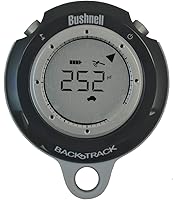
Overview

The Bushnell BackTrack Personal GPS Locator has been around since 2008, and its staying power says something real about what it does well. Strip away all the noise of modern navigation apps and what you have here is a focused, purpose-built tool: save a spot, walk away, get back. The SiRF Star III chipset pulls in satellite signals reliably across open fields and heavier canopy alike, while the self-calibrating compass means you never fumble with calibration rituals before heading out. It's weather-resistant — not waterproof, worth noting — and the included lanyard keeps this pocket GPS clipped and ready without adding meaningful weight to your kit.

Features & Benefits

At the core of what makes this personal locator useful is its simplicity. Three storable waypoints cover the scenarios most outdoor users actually encounter: your truck at the trailhead, your campsite, maybe a treestand you plan to revisit at dawn. From any saved point, the display shows a straight-line distance and a directional arrow — no map reading required. The high-sensitivity receiver locks onto satellites faster than older chipsets, which matters when you're standing in a creek bottom with tree cover pressing in from both sides. Running on 2 AAA batteries for up to 20 hours, it handles multi-day trips without drama, and there's no cellular signal or paid subscription involved.

Best For

Hunters are probably the most natural fit for the BackTrack device — particularly those working thick timber where phone GPS gets patchy and a wrong turn costs real time. But the use case stretches further than the woods. Day hikers who want a reliable fallback without learning complicated software, anglers who want to mark productive spots on open water, and travelers trying to save a parking garage or hotel entrance will all find it useful. It also works well for older or less tech-comfortable users who don't want to wrestle with a smartphone app mid-hike. The interface is direct enough that most people have it figured out within minutes.

User Feedback

Buyers consistently praise GPS lock speed in open terrain, with most reporting fast acquisition in fields and along shorelines. In dense forest the picture gets more mixed — some users note it holds signal well enough, others find it slower to lock under heavy canopy. Compass accuracy draws occasional criticism, particularly after battery swaps, with a handful of users suggesting a quick recheck after changing cells. Screen visibility in harsh sunlight comes up more than once as a minor frustration. On the three-waypoint limit: some buyers see it as perfectly sufficient, others hit the ceiling quickly and wish for more slots. Most agree the unit earns its place for anyone who values dedicated simplicity over relying on a phone.

Pros

  • Satellite navigation works completely without cellular signal, making it dependable in remote areas where phones fail.
  • The self-calibrating compass means you pick it up and go — no setup rituals before heading into the field.
  • GPS lock is consistently fast in open terrain, with most users getting a signal within seconds of powering on.
  • Running on standard AAA batteries means you can resupply anywhere, and the 20-hour life covers multi-day trips comfortably.
  • Pocket-sized and light enough that carrying this personal locator alongside other gear is essentially effortless.
  • The lanyard attachment lets you keep it accessible without dedicating a hand or digging through a pack.
  • No ongoing subscription fees — you pay once and the device works indefinitely without hidden costs.
  • The three-waypoint system covers the most common real-world scenarios cleanly: vehicle, camp, and one additional location.
  • Weather-resistant construction handles rain showers and humidity without requiring special care or cases.

Cons

  • Only three waypoints can be stored at once, which becomes a real limitation across varied or multi-property use.
  • No map display means you get a direction and a distance only — contextual awareness of your surroundings is entirely on you.
  • Compass accuracy can drift after battery changes, requiring users to verify orientation before trusting the reading.
  • Screen readability in direct, harsh sunlight draws repeated complaints and can make the display hard to read at a glance.
  • Straight-line navigation ignores terrain obstacles, so the arrow can point you toward a cliff, river, or fence with no warning.
  • The device has no route recording or track-back function, limiting its usefulness for anything beyond simple return trips.
  • Button wear over extended use has been flagged by long-term owners, suggesting durability under daily field conditions is mixed.
  • No backlight has been noted as a drawback for pre-dawn or low-light use common in hunting scenarios.

Ratings

The scores below reflect an AI-driven analysis of verified global buyer reviews for the Bushnell BackTrack Personal GPS Locator, with spam, bot-generated, and incentivized feedback actively filtered out before scoring. Each category is weighted against real-world usage patterns reported by hunters, hikers, anglers, and everyday outdoor users across multiple retail platforms. Both consistent strengths and recurring frustrations are factored in transparently — nothing is glossed over.

GPS Accuracy
78%
22%
In open fields, meadows, and along shorelines, the SiRF Star III chipset earns consistent praise for locking on quickly and holding a reliable position. Hunters marking a truck location at a trailhead before dawn report confidence in the return reading even hours later.
Performance under heavy tree canopy is more variable — some users in dense hardwood forests report slower acquisition and occasional drift in the directional arrow. It is accurate enough for most scenarios but not a match for modern high-sensitivity chips found in current dedicated GPS units.
Ease of Use
91%
The interface is genuinely straightforward — most buyers report figuring out the core save-and-return workflow within a few minutes of unboxing, with no manual required. Older users and those unfamiliar with outdoor electronics specifically call out how approachable this pocket GPS feels compared to feature-heavy alternatives.
The lack of labeled waypoint names means users must mentally track which slot holds which location, which can cause momentary confusion when managing all three saved points simultaneously. A few buyers wished for even a minimal text-labeling option.
Battery Life
88%
Twenty hours on two AAA batteries is genuinely useful for multi-day hunting or backpacking trips, and the ability to swap in a fresh pair anywhere — gas station, convenience store, base camp — is something buyers repeatedly highlight as a practical advantage over rechargeable-only devices.
The device does not include batteries in the box, which catches some buyers off guard on first use. A small number of users also noted the battery indicator can read inaccurately when using NiMH rechargeable cells, making it harder to gauge remaining life in the field.
Build Quality
67%
33%
The overall form feels solid enough for regular outdoor use, and the compact, slim housing fits naturally in a jacket pocket or clipped to a pack without snagging. Most casual users report no significant issues over a season of use.
Long-term owners flag button wear as a real concern, with the tactile feel of the buttons degrading noticeably after extended field use. Water ingress around the button seams has also been reported after heavy rain exposure, which is a meaningful concern given the weather-resistant — not waterproof — rating.
Signal Acquisition Speed
74%
26%
Under open sky the BackTrack device typically achieves a usable satellite lock in under a minute, which is fast enough that most users power it on while still organizing their gear and find it ready by the time they step out. Anglers on open water and travelers in city streets generally report no frustration here.
In valleys, canyon terrain, or thick boreal forest, lock times stretch considerably and a handful of users report the device struggling to acquire signal at all in the worst canopy conditions. Compared to current smartphone GPS chips, the acquisition speed in challenging environments shows its age.
Compass Reliability
63%
37%
The self-calibrating compass removes a common annoyance — no figure-eight waving required before heading out — and under normal conditions it provides directional guidance accurate enough for practical navigation back to a saved point.
Compass drift after battery changes is a recurring complaint that shows up across buyer reviews, with some users describing the arrow pointing meaningfully off course until the unit recalibrates itself. A few buyers recommend powering on the device and letting it stabilize for a minute or two after inserting fresh batteries before trusting the reading.
Screen Readability
58%
42%
In overcast conditions, shaded forest environments, and indoor use the display is clean and legible, with the distance and directional arrow easy to read at a glance. Users operating primarily in the early morning or dusk hours report the screen works well for their needs.
Direct sunlight readability is a consistent pain point — multiple buyers describe needing to cup a hand around the screen or angle the device away from the sun to make out the reading clearly. The absence of a backlight is also a genuine frustration for hunters who are often navigating before first light.
Waypoint Capacity
61%
39%
For the majority of single-day or single-property use cases — save the truck, save the camp, save one bonus location — three waypoints covers the workflow cleanly without overcrowding the interface. Buyers using it as a simple camp-finder or vehicle locator rarely push the limit.
Anyone managing multiple properties, a series of hunting stands, or a set of productive fishing spots will hit the three-slot ceiling quickly and find themselves manually overwriting saved locations. This is the single most frequently cited functional limitation in buyer reviews, and for some users it is a dealbreaker.
Weather Resistance
71%
29%
The weather-resistant housing handles the kind of rain showers and light mist that are routine in most hunting and hiking scenarios without issue. Buyers using it across rainy Pacific Northwest trail conditions and wet autumn deer seasons generally report no moisture-related problems under typical use.
The resistance does not extend to sustained heavy rain, stream crossings, or accidental drops into water — and a subset of buyers learned this the hard way. The designation is weather-resistant, not waterproof, and the button seams appear to be the most vulnerable point for moisture ingress during prolonged wet-weather use.
Portability
93%
At under half a pound and slim enough to disappear into a shirt pocket, this personal locator adds virtually no weight or bulk to an existing kit. The included lanyard is a practical touch that lets users keep it accessible without dedicating a hand or a compartment.
The slim profile is largely a strength, but the lightweight construction does contribute to the plastic feel that some buyers associate with lower durability. A slightly more substantial grip texture would improve handling with cold or wet hands in the field.
Value for Money
62%
38%
For buyers who need a dedicated, always-ready GPS locator that works without a phone and runs all weekend on two AAA batteries, the price is defensible — especially given the zero subscription cost over the life of the device. Hunters and hikers who have been burned by a dead phone in the backcountry see the value clearly.
At its current price point, the device competes against smartphone GPS apps that offer far more functionality at no additional hardware cost, and against newer dedicated GPS units with more waypoints and better screens. Buyers who primarily need this for occasional day hikes may find it hard to justify against free alternatives.
Setup Experience
86%
Out of the box, the BackTrack device is ready to use in minutes — insert batteries, power on, step outside, and hit save. There is no app to download, no account to create, and no pairing process, which buyers consistently describe as refreshing compared to modern connected devices.
The included documentation is minimal, and while most users figure things out quickly, the lack of a clear quick-start guide causes brief confusion for a small number of buyers around how to cycle between saved waypoints or switch between miles and kilometers.
Satellite Coverage
81%
19%
Because the device relies purely on GPS satellite infrastructure and carries no regional restrictions, it functions globally without any configuration changes. Buyers who have tested it in North America, Europe, and parts of Asia report consistent satellite availability wherever open sky is accessible.
The unit only accesses the GPS constellation and does not support GLONASS or other supplementary satellite systems, which are now standard on many competing devices and contribute to faster, more reliable lock in challenging environments. This is a meaningful technical gap for demanding users.
Long-Term Durability
59%
41%
For occasional use across a hunting season or a summer of weekend hiking trips, most buyers report the device holding up without incident. The relatively simple internal design means there are fewer components that can fail compared to more complex GPS units.
Extended, regular field use exposes weaknesses — button degradation, potential moisture ingress around seams, and housing wear are all documented by long-term owners. Given the product has been on the market since 2008 with no visible hardware revision, buyers expecting heavy daily use should factor in these durability concerns carefully.

Suitable for:

The Bushnell BackTrack Personal GPS Locator is a strong fit for anyone who needs reliable, no-fuss point-and-return navigation without depending on a smartphone or cellular coverage. Hunters are perhaps the most obvious match — someone working a large tract of timber before dawn, who needs to save their truck's location and find it again after dark, will get immediate, practical value here. Day hikers and backpackers who already carry a phone but want a dedicated, battery-independent backup will appreciate having something that does one thing and does it well. Anglers who want to tag a productive spot on open water and return to it on a different day will find the waypoint system straightforward and fast to use. It also suits older or less tech-comfortable outdoors people who are put off by the menus and learning curves of full-featured GPS units, as well as travelers who simply want to save a hotel or parking location in an unfamiliar city.

Not suitable for:

The Bushnell BackTrack Personal GPS Locator is not the right tool for anyone who needs detailed mapping, route planning, or more than three saved locations at a time. If you regularly need to track a multi-stop route, navigate across complex terrain using topographic overlays, or store a growing library of waypoints across different hunting properties or hiking areas, this device will frustrate you quickly. It gives you a directional arrow and a distance reading — nothing more — so anyone expecting turn-by-turn guidance or a visual map display should look elsewhere. The unit is weather-resistant, not waterproof, so users planning extended paddling trips, river crossings, or use in heavy rain should be cautious about full exposure to water. Buyers who already carry a recent smartphone with a quality offline mapping app may also find it hard to justify the added cost for functionality their phone largely replicates.

Specifications

  • Brand: Manufactured by Bushnell, a well-established optics and outdoor electronics brand with a long history in hunting and hiking gear.
  • Model Number: This unit carries the part number 118373, identifiable on the packaging and useful when searching for accessories or support.
  • GPS Chipset: Powered by a SiRF Star III high-sensitivity receiver, which is known for relatively quick satellite acquisition across varied terrain types.
  • Waypoint Storage: The device stores up to 3 user-defined locations, each saveable and retrievable independently for point-and-return navigation.
  • Navigation Output: Once a saved location is selected, the screen displays a straight-line distance reading and a directional arrow pointing back to that spot.
  • Compass Type: Includes a self-calibrating digital compass that does not require manual calibration steps before use.
  • Battery Type: Operates on 2 standard AAA batteries, which are not included in the box and must be purchased separately.
  • Battery Life: Rated for up to 20 hours of continuous use on a fresh set of AAA batteries under normal operating conditions.
  • Weather Resistance: The housing is built to be weather-resistant, offering protection against light rain and moisture splashes but is not rated for submersion.
  • Dimensions: The unit measures 10 x 5 x 1 inches, a slim and compact footprint designed to fit in a jacket pocket or pack hip belt.
  • Package Weight: The complete packaged unit weighs approximately 0.35 pounds, making it among the lightest dedicated GPS locators in its category.
  • Color: Sold in Tech Gray, a neutral tone that blends with most outdoor gear without being visually obtrusive in the field.
  • Included Accessories: A lanyard is included in the box, allowing the device to be worn around the neck or attached to a pack for quick access.
  • Connectivity: The device operates entirely via satellite signal and requires no cellular connection, Wi-Fi, or pairing with any external device.
  • Subscription Required: No subscription, data plan, or app account is needed; the device functions as a fully standalone unit after purchase.
  • Country of Origin: Manufactured in China under Bushnell brand specifications and quality oversight.
  • Availability Date: This model has been available on the market since September 2008, making it a long-running and well-reviewed product in its category.
  • Category Rank: Holds a rank of approximately #91 in Handheld GPS Units on Amazon, reflecting sustained buyer interest over many years.

Related Reviews
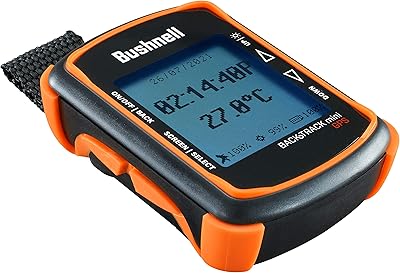
Bushnell BackTrack Mini Handheld GPS Navigator
77%
83%
GPS Accuracy
91%
Ease of Use
67%
Battery Life
79%
Build Quality
82%
Waterproofing
More
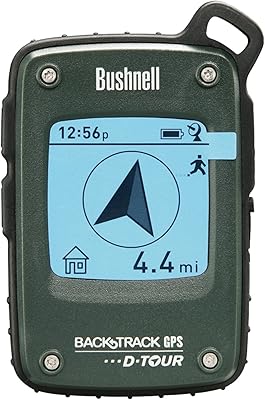
Bushnell D-Tour GPS Receiver
86%
88%
Performance
91%
Battery Life
94%
Portability
86%
Ease of Use
87%
Tracking Accuracy
More
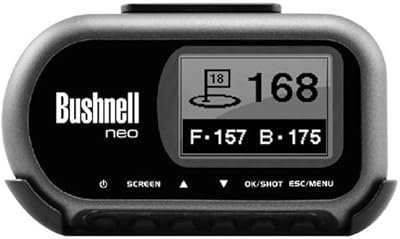
Bushnell Neo Golf GPS Rangefinder
74%
88%
Ease of Use
82%
GPS Accuracy
71%
Battery Life
53%
Course Database
66%
Value for Money
More
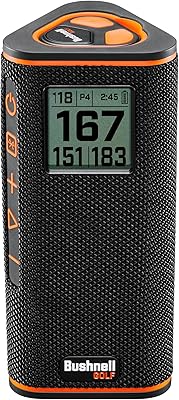
Bushnell Wingman View Golf GPS Speaker
80%
86%
Sound Quality
74%
GPS Accuracy
88%
LCD Screen Visibility
91%
Battery Life
67%
Bluetooth Connectivity
More
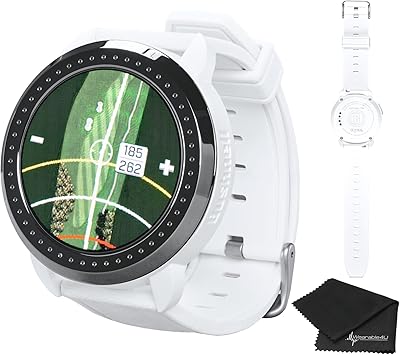
Bushnell iON Elite Golf GPS Watch
79%
91%
GPS Accuracy
89%
Slope Technology
86%
Touchscreen Usability
63%
Battery Life
93%
Course Library
More
Bushnell Phantom 3 Slope Handheld Golf GPS
82%
88%
Slope Accuracy
83%
GPS Distance Accuracy
92%
Ease of Setup
71%
Touchscreen Responsiveness
91%
Magnetic Cart Mount
More
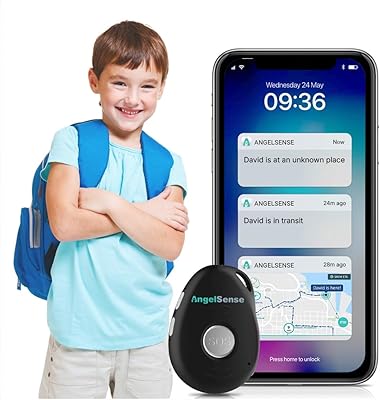
AngelSense Personal GPS Tracker
78%
91%
GPS Tracking Accuracy
88%
Alert Reliability
79%
Speakerphone & Audio Quality
58%
Subscription Value
83%
Wearable Comfort & Sensory Design
More
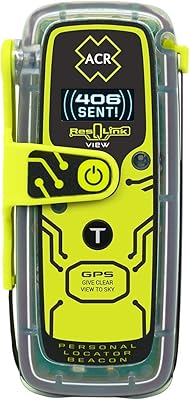
ACR ResQLink View PLB-425 Personal Locator Beacon
81%
96%
Signal Reliability
88%
GPS Accuracy & Acquisition Speed
91%
Build Quality & Durability
87%
Waterproofing & Buoyancy
79%
Battery Life & Replacement Policy
More
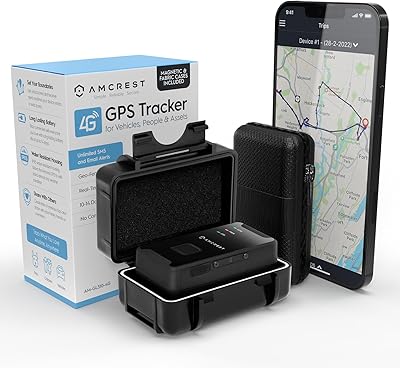
Amcrest GL300 4G LTE Portable GPS Tracker
77%
88%
Ease of Setup
74%
GPS Accuracy
69%
Battery Life
81%
App Experience
91%
Magnetic Mount Strength
More
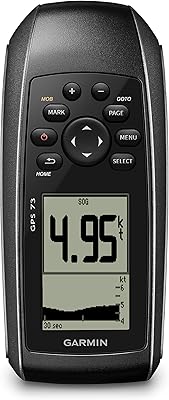
Garmin GPS 73
Garmin GPS 73
80%
93%
Battery Life
88%
SailAssist Features
91%
Build Quality & Durability
54%
Display Quality
82%
Ease of Use
More

FAQ

No, not at all. The BackTrack device communicates directly with GPS satellites, so it works anywhere you have a clear enough view of the sky. No phone, no cell signal, no Wi-Fi required. That independence is actually one of its biggest practical advantages in remote areas.

You can save up to 3 locations at a time. The slots are typically labeled generically rather than allowing custom text names, so most users mentally assign them a meaning — slot one for the truck, slot two for camp, and so on. If 3 feels limiting for your style of use, it is worth knowing upfront before you buy.

It is weather-resistant, which means it can handle rain showers and light splashing without issue in typical outdoor use. However, it is not waterproof or submersible, so you would not want to drop it in a creek or take it kayaking without protecting it. For sustained heavy rain, tucking it inside a small zip-lock bag as a precaution is a reasonable move.

In open terrain most users report a lock within about 30 to 60 seconds, which is respectable for a unit with the SiRF Star III chipset. Under heavy tree cover the acquisition time can stretch longer, and in some dense canopy situations signal quality may be reduced. It performs better than many older GPS units but is not quite as fast as modern smartphone chips in challenging conditions.

No manual calibration is required. The digital compass in this pocket GPS is self-calibrating, which means it reads and adjusts automatically. One thing worth knowing: some users have noticed the compass can drift slightly after a battery change, so it is a good habit to power it on and let it settle for a moment before relying on it after swapping cells.

Yes. GPS satellite coverage is global, so the device will function in most parts of the world as long as you have reasonable sky visibility. There are no regional restrictions baked into the hardware, and no carrier or network dependency to worry about.

You can, and many users do. The device runs on any standard AAA batteries, rechargeable NiMH cells included. Just be aware that rechargeable batteries typically have a slightly lower voltage than alkaline cells, which can sometimes affect how the battery level indicator reads on devices like this, though performance in use is generally fine.

The Bushnell BackTrack Personal GPS Locator displays two key pieces of information: the distance remaining to your saved location (in either miles or kilometers) and a directional arrow showing which way to head. It does not show a map, satellite imagery, or turn-by-turn instructions — just distance and direction. That simplicity is the whole point for many buyers, but it does mean you need to use your own judgment about the terrain between you and your destination.

This comes up fairly often in user feedback, and the honest answer is that it can be a challenge in harsh, direct sunlight. The display is functional in most outdoor lighting conditions but is not one of the brighter screens in the handheld GPS category. Angling the device slightly away from direct glare usually helps, but if crisp visibility in all light conditions is a priority, it is worth factoring that in.

A modern smartphone with an offline mapping app can do more — maps, tracks, more waypoints — but it comes with real trade-offs in the field: battery drain, fragility, and the risk of being your only device for both navigation and communication. This personal locator runs for 20 hours on two AAA batteries you can replace anywhere, and it does not drain your phone. For many hunters, hikers, and anglers, it works best as a dedicated backup rather than a replacement for their phone, which is a reasonable way to think about it.