ACR ResQLink View PLB-425 Personal Locator Beacon




Overview
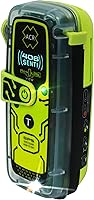
The ACR ResQLink View PLB-425 Personal Locator Beacon is a serious piece of emergency gear built for outdoor enthusiasts who refuse to compromise on safety. Unlike satellite communicators such as SPOT or Garmin inReach, this personal locator beacon does one thing — it sends a distress signal directly to government-coordinated search and rescue agencies worldwide, with no subscription required. There is no two-way messaging, no location sharing, just a direct SOS when it counts most. That single-purpose focus is exactly what makes it compelling. The one-time purchase model eliminates recurring fees entirely, and with nearly 400 reviews averaging 4.5 stars, it has earned genuine trust among backcountry users and mariners alike. Compact, buoyant, and rugged, it is built to go wherever you do.
Features & Benefits
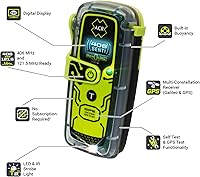
The ResQLink View transmits on 406 MHz, the internationally recognized emergency distress frequency, while simultaneously broadcasting a 121.5 MHz homing signal so rescuers can pinpoint your exact location once they are close. A multi-constellation GPS receiver drawing from both GPS and Galileo satellites enables faster position acquisition even in challenging terrain. The unit is buoyant and waterproofed to 16.4 feet for up to one hour, or 33 feet for ten minutes — covering most accidental submersion scenarios without overstating the rating. A dual strobe system, combining a standard LED with an infrared strobe, aids visibility during both daylight and nighttime rescues. Battery life runs 28 hours, and the 1-inch digital display lets you confirm GPS lock before you ever leave the trailhead.
Best For
This PLB suits anyone operating where cell service is nonexistent and a satellite communicator's monthly fee is hard to justify. Solo hikers pushing into backcountry, climbers on multi-day alpine routes, and coastal or offshore boaters all benefit from having a dedicated distress device on their person. RV adventurers and overlanders covering remote stretches of road are another natural audience. One distinction worth understanding: the ResQLink View connects directly to the COSPAS-SARSAT satellite network, routing your SOS to government rescue coordination centers — not a private monitoring company. If your priority is one reliable worst-case tool with no recurring costs and globally recognized distress coverage, this PLB delivers exactly that.
User Feedback
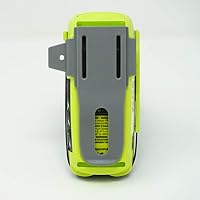
Owners consistently highlight the no-subscription model as the deciding factor in their purchase — it removes the friction of paying annually for a device you hope never to use. The included carry accessories, including the belt clip, PFD clip, and lanyard, earn quiet but steady praise for practical, versatile attachment. On the other side, some buyers flag the 5-year battery replacement as an ongoing cost to budget for, though it is a regulatory safety requirement rather than a product shortcoming. A handful of users also find the activation process deliberately involved, which is by design to prevent accidental triggering in the field. Build quality and the compact form factor relative to older PLB generations draw frequent, unprompted positive mentions.
Pros
- No subscription required — one purchase covers five full years of emergency coverage with zero recurring fees.
- Distress signal routes directly to government rescue coordination worldwide, not through a private monitoring company.
- Multi-constellation GPS pulls from both GPS and Galileo satellites for faster, more reliable position acquisition.
- Buoyant construction keeps the unit floating and visible if it enters the water — a practical asset for any marine use.
- 28-hour operational battery life exceeds the minimum rescue standard, giving meaningful buffer in prolonged emergencies.
- The digital display lets you confirm GPS lock and device status before you leave — no guessing whether it is ready.
- Dual LED and infrared strobe supports visibility for both daytime and nighttime rescue operations.
- Compact at 5.3 ounces with a full set of included attachment options covering belts, PFDs, packs, and more.
- Strong track record with nearly 400 verified reviews averaging 4.5 stars across hiking, boating, and camping users.
- Waterproof to 16.4 feet for one hour — built for real-world submersion, not just splash resistance.
Cons
- No signal confirmation after activation — you send the SOS and have no way to know it was received.
- Battery replacement must be done by an authorized service center, adding cost and logistical friction every five years.
- The 406Link self-test messaging feature requires an additional subscription — it is not included in the base purchase.
- Activation sequence is deliberately complex, which can be disorienting for first-time users who have not practiced it.
- The 1-inch display is difficult to read in direct sunlight without tilting or shading the device.
- Upfront cost is substantial, making it a hard sell for casual or low-frequency outdoor users.
- International buyers may encounter confusion about which national authority handles beacon registration.
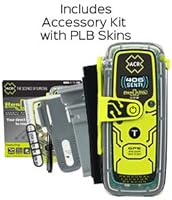
- Adhesive skins for mounting lose grip over time in wet or muddy conditions and are not easily resourced as replacements.
- No MOLLE-compatible or tactical mounting option included, limiting carry configurations for some users.
- Device registration with the relevant national authority is mandatory but easy to overlook straight out of the box.
Ratings
The ACR ResQLink View PLB-425 Personal Locator Beacon scores are generated by our AI system after analyzing verified global user reviews, actively filtering out incentivized, duplicate, and bot-driven feedback to surface authentic buyer experiences. Across categories ranging from signal reliability to everyday carry comfort, both the strengths and the genuine friction points are reflected without bias. What emerges is a clear picture of a purpose-built safety device that earns high confidence in the areas that matter most, with a few practical trade-offs buyers should weigh before purchasing.
Signal Reliability
GPS Accuracy & Acquisition Speed
Build Quality & Durability
Waterproofing & Buoyancy
Battery Life & Replacement Policy
Ease of Activation
Portability & Wearability
Included Accessories & Mounting Options
Digital Display & Status Confirmation
Self-Test & 406Link Integration
Value for Money
Coverage & Global Reach
Setup & Registration Process
Warranty & Long-Term Support
Suitable for:
The ACR ResQLink View PLB-425 Personal Locator Beacon is purpose-built for people who regularly push beyond the reach of cell towers and want a no-nonsense emergency fallback that does not depend on a monthly subscription to function. Solo hikers tackling multi-day backcountry routes, technical climbers on remote alpine objectives, and offshore or coastal boaters all sit squarely in the intended audience — particularly those who understand that in a genuine emergency, having their distress signal routed directly through government-coordinated rescue agencies worldwide is a meaningful advantage over private monitoring services. RV travelers and overlanders covering stretches of unpaved, isolated terrain will also find real value here, especially given the buoyant and waterproof construction that holds up across environments rather than suiting just one activity. If you have done the math on subscription-based satellite communicators and found the five-year total cost hard to swallow, this PLB makes a compelling financial case — one upfront purchase covers you for five years with zero recurring fees for the core emergency function. It also suits any buyer who wants physical confirmation of device readiness before departure, since the digital display lets you verify GPS lock on the spot.
Not suitable for:
The ACR ResQLink View PLB-425 Personal Locator Beacon is not the right tool for anyone expecting two-way communication — this device sends a distress signal outward only, and once activated, you will receive no confirmation, no status update, and no incoming message. Buyers who want to check in with family from the trail, share location updates, or send non-emergency messages as a routine part of their trip will find this PLB frustrating by design; those needs are better served by satellite communicators like Garmin inReach or SPOT, which are built for ongoing communication rather than emergency-only signaling. Casual day hikers venturing just a few miles from a trailhead, or weekend campers who stay within or near cell coverage, will likely find the upfront cost hard to justify against their actual risk exposure. The 5-year mandatory battery replacement — handled through an authorized service center, not self-serviced — adds a future logistical and financial obligation that occasional users may find disproportionate to how rarely they venture into genuinely remote territory. Budget-conscious buyers who are comparing this against entry-level options should understand that the price reflects regulatory-grade emergency hardware, not consumer electronics, and the gap in capability is real.
Specifications
- Weight: The unit weighs 5.3 ounces, making it light enough for long trail days without being so minimal that it feels fragile in hand.
- Dimensions: At 4.52 x 2.03 x 1.49 inches, the beacon is roughly the size of a thick television remote and fits comfortably on a belt or PFD without snagging.
- Distress Frequency: Transmits the internationally recognized 406 MHz emergency distress signal along with a 121.5 MHz homing frequency that allows rescuers to home in on your precise position once in range.
- GPS System: Uses a multi-constellation receiver compatible with both GPS and Galileo GNSS satellite networks for faster position acquisition across varied terrain and sky conditions.
- Satellite Network: Connects to the COSPAS-SARSAT system using three satellite constellations, routing distress alerts directly to government-coordinated search and rescue agencies worldwide.
- Battery Life: Provides a minimum of 28 hours of continuous operational transmission after activation, exceeding the internationally required 24-hour standard for PLB devices.
- Battery Type: Powered by a non-hazmat Lithium Metal (LiMnO2) battery that is included at purchase and compliant with standard air and ground shipping regulations.
- Battery Replacement: The battery must be replaced every 5 years or immediately after any emergency activation, whichever comes first, and must be serviced through an ACR-authorized center.
- Waterproof Rating: Rated waterproof to 16.4 feet (5 meters) for up to one hour, and to 33 feet (10 meters) for up to ten minutes, covering most realistic accidental submersion scenarios.
- Buoyancy: The housing is buoyant by design, meaning the unit will float face-up if dropped in water rather than sinking, a critical feature for marine and water-adjacent use.
- Activation Method: Activation is fully manual and requires a deliberate, multi-step sequence specifically designed to prevent accidental triggering in the field.
- Display: Features a 1-inch digital screen that shows GPS lock status and self-test results, allowing users to verify device readiness before departure.
- Strobe System: Equipped with both a visible LED strobe and an infrared strobe to support visual location by rescuers during both daylight and nighttime operations.
- Subscription Required: No subscription is required for the core emergency distress function; the optional 406Link service adds pre-trip self-test messaging to contacts via SMS and email.
- Warranty: Covered by a 5-year limited warranty from ACR Electronics, Inc., aligned with the mandatory battery replacement interval.
- Included Accessories: Ships with a belt clip, PFD oral inflation tube clip, attachment strap, adhesive skins, and a lanyard to support a range of carry and attachment configurations.
- Compliance Standard: Meets international PLB standards including FCC, Industry Canada, and COSPAS-SARSAT type approval, ensuring the distress signal is recognized by rescue authorities globally.
- Activation Type: One-way outbound signaling only — the device transmits your position and distress alert but cannot receive any incoming messages or confirmation signals.
Related Reviews
Bushnell BackTrack Personal GPS Locator
HerTime2 Personal Safety Alarm Keychain

ELCUPA Personalized Initial Hair Dryer Travel Case
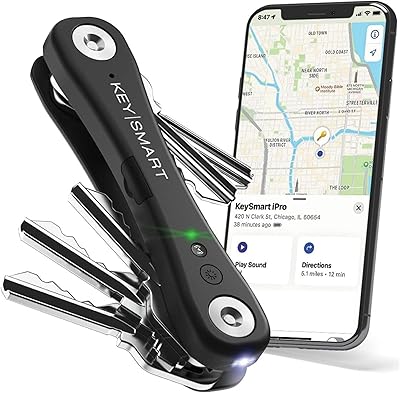
KeySmart iPro Key Organizer with Apple Find My
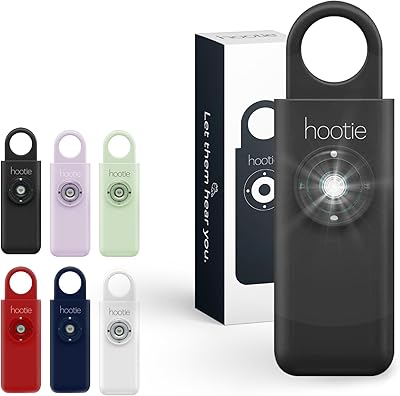
Hootie Personal Safety Keychain Alarm

VISIONHMD Bigeyes H3 Video Display Glasses

Thermaltake View 460 RTX 4060 Gaming Desktop
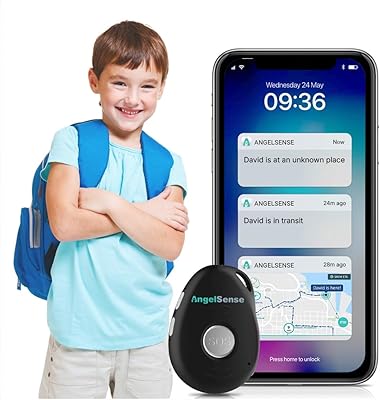
AngelSense Personal GPS Tracker
Bushnell Wingman View Golf GPS Speaker