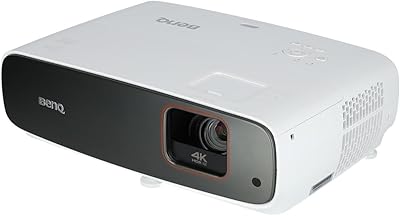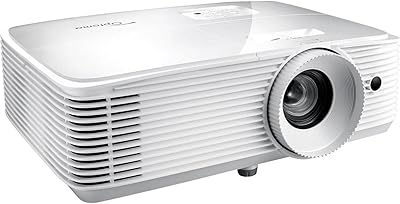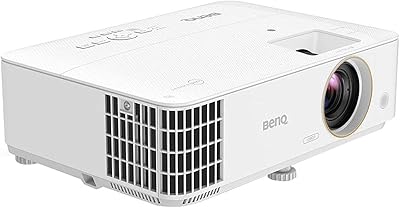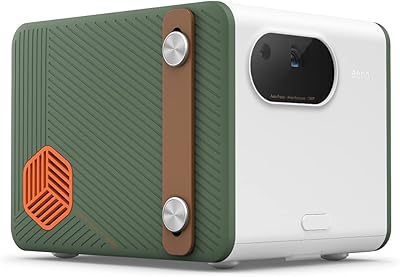



Overview

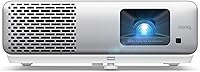
The BenQ HT2060 1080p Home Theater Projector represents a meaningful step forward for anyone tired of babying fragile lamp-based units and watching colors drift after a few hundred hours. Built around an LED light engine, it promises a dramatically longer useful life and far more consistent color output over time. Native 1080p is the resolution here — not 4K — so buyers cross-shopping true 4K projectors should calibrate expectations accordingly. That said, it accepts 4K signals and downscales them cleanly. At its price point, the HT2060 competes squarely against the upper tier of lamp projectors, where its color accuracy and low running costs become a genuinely compelling argument.

Features & Benefits

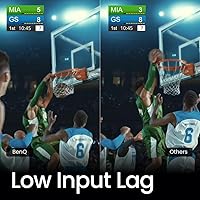
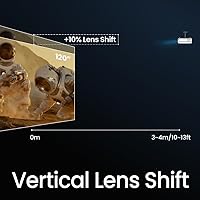
Color is where the HT2060 earns real respect. The LED source covers a wide color gamut with near-complete Rec.709 accuracy, and combined with HDR10 and HLG support, dark scenes show actual shadow detail rather than murky gray blobs. For gaming, 16.7ms input lag at 1080p/60Hz is legitimately low — responsive enough that controller input feels immediate on a large screen. Just know that lag increases if you push 4K signals through it. Installation is refreshingly flexible thanks to vertical lens shift and 1.3x optical zoom, which together mean you are not locked into one precise shelf or ceiling position. Two HDMI 2.0 ports and S/PDIF output round out a practical, well-considered connection layout.

Best For

This home theater projector is best suited to anyone building a dedicated dark-room setup — a basement, blacked-out spare room, or proper media space where ambient light is controlled. Console and PC gamers who want a large-screen experience without the input lag penalty of many projectors will find it a strong fit, provided they are playing at 1080p/60Hz. It also makes sense for buyers coming from entry-level lamp projectors who want noticeably better color fidelity without jumping to the steeper cost of native 4K. If your room gets a lot of daylight and you cannot control it, the brightness output may leave you wanting more.

User Feedback

With well over a thousand verified ratings averaging close to five stars, the HT2060 has built a strong reputation among real owners. Color accuracy and setup ease come up repeatedly as standout positives — many buyers specifically mention being surprised by how natural and rich the image looks straight out of the box. Long-term reliability also draws consistent praise, with owners reporting stable performance well past the early months of use. The honest criticisms tend to cluster around two things: fan noise at maximum brightness, which some find distracting in quiet scenes, and underwhelming performance in rooms that are not properly darkened. Owners upgrading from older lamp projectors frequently call it a clear improvement.

Pros

  • LED light source means no lamp replacements and stable color accuracy for years of use.
  • Color reproduction is genuinely impressive — rich, natural, and consistent across a wide range of content.
  • Input lag at 1080p/60Hz is low enough for real-time gaming on consoles and PC without frustration.
  • Vertical lens shift and 1.3x optical zoom make room placement far more forgiving than most projectors.
  • HDR10 and HLG support delivers visible improvement in shadow detail and dark-scene rendering.
  • Dual HDMI 2.0 ports let you keep two sources connected simultaneously without cable swapping.
  • S/PDIF output enables clean 5.1 audio passthrough to AV receivers and external sound systems.
  • Solid build quality and manageable weight make repositioning straightforward when needed.
  • Long-term reliability reports from owners past the one-year mark are consistently positive.
  • Setup is approachable enough for non-technical users to get a strong image without professional calibration.

Cons

  • Native 1080p resolution shows its limits on very large screens compared to true 4K projectors.
  • Fan noise at maximum brightness is audible enough to distract during quiet or atmospheric scenes.
  • Performance drops significantly in rooms with any meaningful ambient light — dark-room dependency is real.
  • No horizontal lens shift means left-right alignment still requires precise physical placement.
  • Built-in speakers lack low-end entirely and hit their volume ceiling quickly in larger rooms.
  • Wi-Fi connectivity is limited to firmware updates and does not function as a smart streaming platform.
  • The on-screen menu system feels dated and takes patience to navigate for detailed picture calibration.
  • Input lag increases noticeably when processing 4K signals, limiting responsiveness for current-gen console gaming at higher output settings.
  • No USB-A power port means streaming sticks need a separate power source or adapter.
  • Upfront cost is substantial, and the value equation weakens for buyers who prioritize resolution over color accuracy.

Ratings

The BenQ HT2060 1080p Home Theater Projector earns its strong reputation across a wide base of verified buyers, and the scores below reflect what real owners actually experience — not marketing claims. Our AI reviewed thousands of global ratings, actively filtering out incentivized, bot-generated, and low-effort submissions to surface honest signal from genuine users. Both the standout strengths and the frustrating limitations are represented transparently in every category.

Color Accuracy
93%
Owners consistently describe the color reproduction as the single biggest reason they chose this projector over competitors. Skin tones, natural landscapes, and saturated movie palettes all hold up with a richness that lamp-based units at similar prices rarely match. The LED source maintains that consistency over time without the gradual color drift many buyers experienced with previous projectors.
A small number of users note that out-of-box color modes can skew cooler than expected, requiring manual calibration to reach the projector's full potential. Those without prior experience tuning white balance or gamma settings may find the default picture modes slightly off from what they anticipated.
Image Sharpness
81%
19%
At 1080p on a large screen, the image holds together well for movies, sports, and gaming content. Buyers regularly comment that fine detail in well-mastered Blu-ray and streaming content looks crisp and satisfying, particularly at viewing distances of 10 to 14 feet.
This is a native 1080p projector, and anyone coming in expecting true 4K clarity will notice the gap on very large screens or at close seating distances. Upscaled 4K content looks decent but does not fool a careful eye, and the ceiling here is real for buyers who have already experienced native 4K display technology.
HDR Performance
76%
24%
HDR10 and HLG support bring genuine improvement to dark-scene rendering — shadow detail that would crush to black on lesser projectors stays visible and textured. Horror films, sci-fi titles, and nighttime sequences benefit noticeably from the improved contrast handling.
HDR performance is tied directly to room darkness. In spaces with any ambient light leakage, the perceived HDR impact weakens considerably. Peak brightness also has limits, so the specular highlights that make HDR dazzling on high-end TVs are more restrained here than some buyers hoped.
Gaming Performance
89%
The input lag at 1080p/60Hz is low enough that controller response feels immediate during fast-paced games — a meaningful achievement for a projector at this size and price tier. Console gamers playing action titles, racing games, and shooters report a noticeably more responsive feel compared to their previous projectors.
The low-lag advantage applies specifically to 1080p at 60Hz. Push a 4K signal through it and lag climbs, which is a real trade-off for users with current-generation consoles running at higher output settings. Competitive players who need every millisecond at 4K will feel the constraint.
Brightness & Room Versatility
67%
33%
In a properly darkened room — basement setups, blacked-out media rooms, nighttime viewing — the brightness output is fully adequate and the image pops with satisfying punch. Many owners set it up in dedicated home theater spaces and report zero complaints about light levels.
Buyers who underestimate how much ambient light affects the image tend to be the most disappointed. Living rooms with windows, even with curtains drawn during daytime, can wash out the picture noticeably. This is not a projector for casual bright-room use, and several reviewers flagged this mismatch between expectation and reality.
Installation Flexibility
88%
Vertical lens shift combined with 1.3x optical zoom gives owners real freedom in placement — shelf, coffee table, rear of the room, or ceiling mount all work without extreme compromise. Multiple buyers specifically called out how much easier setup was compared to older projectors that required millimeter-precise positioning.
Horizontal lens shift is absent, which means left-right alignment still depends on physical placement. Users who cannot center the projector on their screen axis may need a wedge mount or careful furniture positioning to compensate, adding a small friction point to an otherwise flexible setup.
Build Quality & Design
84%
The chassis feels solid and well-constructed — not lightweight plastic that flexes or creaks. At under eight pounds, it is easy to reposition when needed, and the port layout on the rear is organized sensibly for cable management in permanent installs.
The design is functional rather than striking. A few owners mention that the matte finish picks up smudges and dust visibly, requiring occasional wipe-downs. Nothing structural has been widely flagged as a durability concern, but it is not a projector that doubles as a room centerpiece.
Fan Noise
61%
39%
At normal and eco brightness settings, most users find the fan noise acceptable and easy to tune out during regular movie watching. Those who run the projector in a dedicated theater room with some distance between seating and the unit rarely mention it as a problem.
At maximum brightness output, the fan becomes audible enough that quiet dialogue scenes and atmospheric soundtracks can be subtly undermined. Several reviewers specifically flagged this as noticeable in smaller rooms where the projector sits close to the seating area, and it is a recurring thread in lower-star reviews.
Built-in Audio
58%
42%
The integrated speakers are genuinely functional for casual use — YouTube videos, occasional gaming sessions without a soundbar, or a quick setup in a secondary room. They are better than the nearly unusable speakers found on many competing projectors at lower price points.
Anyone serious about their home theater experience will connect an external audio system within the first week. The built-in output lacks low-end entirely, and volume ceiling is limiting in rooms larger than a small bedroom. The S/PDIF output is the real audio story here; the internal speakers are a fallback, not a feature.
Connectivity
86%
Dual HDMI 2.0 inputs cover the core use case cleanly — one port for a streaming device, one for a console or Blu-ray player, with no adapter juggling. S/PDIF output for 5.1 audio passthrough is a thoughtful inclusion that buyers with AV receivers appreciate immediately.
There is no USB-A power port for streaming sticks, which is a minor but real omission. Wi-Fi is listed as a feature but functions as a firmware update tool rather than a full smart TV interface, which surprises some buyers who expect built-in streaming app access.
Long-term Reliability
87%
The LED light source is the key reliability advantage here. Unlike lamp projectors that require bulb replacements every few thousand hours, the HT2060 is designed to maintain performance across a much longer operational lifespan. Owners who have used it for a year or more consistently report stable image quality without degradation.
The long-term track record is still building given the product launched in early 2023. A small number of users have reported early unit failures, though this appears consistent with normal manufacturing variance rather than a systemic issue. BenQ's warranty support draws generally positive feedback from those who needed it.
Setup & Calibration Ease
82%
18%
Most buyers report getting a watchable image within 15 to 20 minutes of unboxing. Keystone correction, zoom, and the lens shift controls are intuitive enough that non-technical users rarely struggle with the physical setup. The out-of-box picture mode is usable even before any manual adjustments.
Reaching the projector's true color potential requires calibration beyond default settings, and the on-screen menu system is not the most modern or intuitive interface available. Users who want to dial in picture accuracy precisely may find the process requires more patience than they expected.
Value for Money
79%
21%
Buyers who factor in the absence of recurring lamp replacement costs see strong long-term value in the HT2060. The color accuracy and gaming responsiveness delivered at this price tier represent a meaningful step above what lamp-based projectors in the same range typically offer.
The upfront cost is a genuine barrier, and some buyers feel the native 1080p resolution is a compromise at this price when competing brands offer true 4K at a modest premium. Buyers who prioritize resolution over color fidelity or lamp-free operation may feel the value equation does not tip in the HT2060's favor.

Suitable for:

The BenQ HT2060 1080p Home Theater Projector is built for buyers who take their home viewing environment seriously and have the space to match — specifically those with a basement, dedicated media room, or any room where light control is genuinely achievable. If you have been running a lamp-based projector and dreading the next bulb replacement, the LED light source here removes that recurring cost and maintenance headache entirely while delivering noticeably more accurate, consistent color over the long run. Console and PC gamers who want the thrill of a large screen without sacrificing responsiveness will find the input lag at 1080p/60Hz low enough for everyday competitive play — this is not a projector you have to baby with a separate gaming mode and crossed fingers. The installation flexibility also makes it a strong fit for renters or users who cannot permanently mount a projector in one fixed position, since the combination of optical zoom and vertical lens shift gives you genuine freedom to adjust from a shelf or table. If color fidelity matters more to you than chasing the highest possible resolution, and you are prepared to invest in a proper dark viewing environment, this home theater projector rewards that commitment.

Not suitable for:

Buyers who want native 4K sharpness should look elsewhere — the BenQ HT2060 1080p Home Theater Projector accepts 4K signals and handles them gracefully, but it is fundamentally a 1080p projector, and on very large screens or at close viewing distances, that ceiling becomes visible when compared side by side with true 4K units. Anyone planning to use a projector in a living room with regular daylight, open blinds, or significant ambient light will likely be disappointed — the brightness output is well-suited to dark rooms but struggles to hold contrast and pop in brighter environments. If you are expecting the built-in speakers to carry a cinematic audio experience, reset those expectations now; they work as a stopgap but this projector genuinely needs a soundbar or AV receiver to match its visual performance. Buyers on a tighter budget who are weighing this against a large 4K TV may find the overall cost of a proper dark-room setup — screen, audio, mounting hardware — pushes the total well beyond what they initially planned. Finally, gamers who run their consoles at native 4K output and want lag-free play at that resolution will hit a real limitation here, since the low input lag advantage applies specifically to 1080p mode.

Specifications

  • Native Resolution: The projector outputs a native 1920x1080 (Full HD) image, with support for incoming 4K signals that are downscaled to 1080p for display.
  • Light Source: An LED light engine replaces the traditional lamp, offering a significantly longer operational lifespan and consistent color output without bulb degradation over time.
  • Brightness: Rated at 2200–2300 lumens, the projector is well-suited to controlled dark environments but is not designed for use in brightly lit rooms.
  • Color Coverage: The LED source covers DCI-P3 and approximately 98% of the Rec.709 color space, delivering accurate and natural color reproduction across a wide range of content types.
  • HDR Support: Compatible with both HDR10 and HLG formats, enabling improved shadow detail and tonal range in supported video content.
  • Input Lag: Input lag measures 16.7ms at 1080p/60Hz, making the projector responsive enough for gaming; lag increases when processing 4K-resolution input signals.
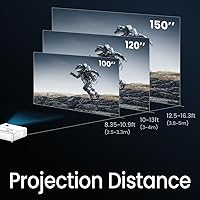
  • Throw Distance: The projector requires between 8 and 10 feet of throw distance to produce a usable image, which suits most medium-to-large room setups.
  • Optical Zoom: A 1.3x optical zoom allows meaningful image size adjustment without physically repositioning the unit, adding flexibility during initial setup.
  • Lens Shift: Vertical lens shift is included, enabling above- or below-center image alignment without introducing keystone distortion, which simplifies placement on shelves or tables.
  • Connectivity: Two HDMI 2.0 inputs support modern source devices simultaneously, and an S/PDIF digital audio output enables 5.1-channel passthrough to external receivers or soundbars.
  • Built-in Audio: Two chambered 5W speakers are integrated into the chassis, providing basic audio output suitable for casual use without an external sound system.
  • 3D Support: The projector is 3D-ready and supports compatible 3D content playback with the appropriate glasses and signal source.
  • Keystone Correction: Digital keystone correction is available to compensate for image distortion when the projector cannot be positioned perfectly perpendicular to the screen.
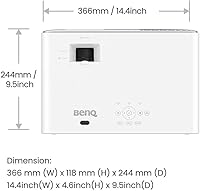
  • Dimensions: The unit measures 14.4 x 9.6 x 5.2 inches, making it compact enough for shelf placement in most home theater or living room setups.
  • Weight: At 7.9 pounds, the projector is light enough to reposition without assistance and manageable for ceiling or wall-mount installations.
  • Display Technology: The image is produced using a single-chip DLP optical engine paired with the LED light source, which contributes to the sharp edges and color consistency owners report.
  • Aspect Ratio: Native output is in the standard 16:9 widescreen aspect ratio, aligned with the vast majority of modern streaming, gaming, and Blu-ray content.
  • Availability: The product launched in February 2023 and has accumulated over 1,600 verified ratings, ranking among the top projectors in its category on major retail platforms.

Related Reviews
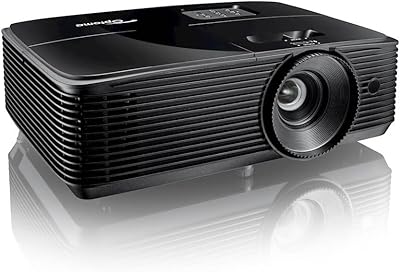
Optoma HD146X Home Theater Projector
74%
88%
Image Brightness
83%
Image Sharpness & Clarity
74%
Contrast & Black Levels
69%
Color Accuracy
77%
Gaming Performance
More
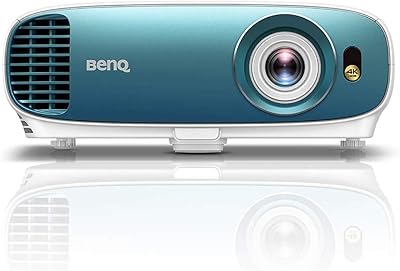
BenQ TK860i 4K Smart Home Theater Projector
85%
91%
Picture Quality
88%
Ease of Setup
87%
Connectivity Options
65%
Sound Quality
82%
Streaming Performance (Android TV)
More
BenQ TK800M 4K UHD Home Theater Projector
86%
93%
Picture Quality
89%
Brightness
91%
Gaming Performance (Low Input Lag)
85%
Ease of Setup
88%
Connectivity Options
More
BenQ HT4550i 4K HDR LED Smart Home Theater Projector
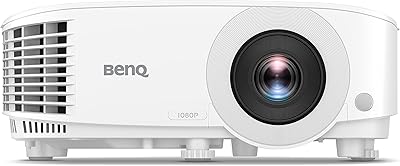
85%
94%
Image Quality
89%
Brightness
93%
Color Accuracy
75%
Ease of Setup
65%
Sound Quality
More
BenQ TH685 1080p Gaming Projector
88%
94%
Gaming Performance
91%
Image Quality
89%
Low Input Lag
92%
Brightness
88%
Portability
More
Optoma HD39HDR Home Theater Projector
76%
91%
Brightness Performance
88%
Gaming Performance
83%
Image Quality
67%
HDR Quality
79%
Color Accuracy
More
BenQ MH733 1080P Business Projector
86%
91%
Image Quality
94%
Brightness
85%
Setup Ease
88%
Portability
90%
Energy Efficiency
More
BenQ TH575 1080p Gaming Projector
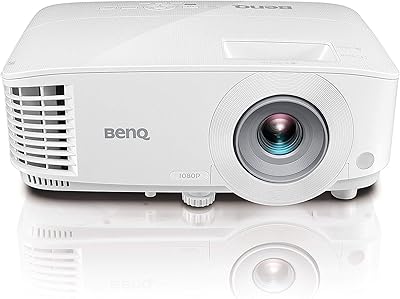
84%
94%
Gaming Performance
89%
Brightness and Clarity
90%
Input Lag
85%
Image Quality
88%
Setup and Installation
More
BenQ GS50 1080p Wireless Outdoor Projector
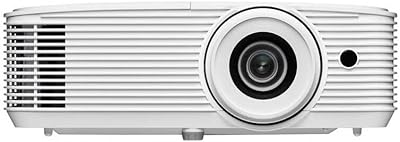
87%
90%
Image Quality
95%
Portability
88%
Ease of Setup
87%
Streaming Experience
90%
Durability
More
Optoma HD30LV 1080p Home Theater Projector
72%
88%
Brightness Performance
79%
Image Quality
76%
Gaming Experience
71%
Setup & Placement
86%
Portability
More

FAQ

It genuinely needs a dark or near-dark environment to perform well. In a room with curtains drawn but some daylight creeping in, you will notice the image looking washed out and lacking contrast. If your space has controllable lighting — blinds, blackout curtains, or a basement setup — you will be fine. But if bright-room use is a requirement, a higher-lumen projector or a large TV would serve you better.

The BenQ HT2060 1080p Home Theater Projector measures around 16.7ms of input lag specifically at 1080p and 60Hz, which is genuinely low for a projector and responsive enough for most gaming scenarios including action games, shooters, and racing titles. The important caveat is that this lag advantage applies to that specific resolution and frame rate — if you are pushing a 4K signal through it, the lag increases and the low-latency benefit diminishes. For current-gen console gaming at native 4K output, it is worth adjusting your console's output settings to 1080p to keep things responsive.

A smooth, flat white wall works reasonably well and plenty of owners use one, especially early on. That said, a proper projection screen — even a basic matte white fixed-frame model — will give you noticeably better contrast, color uniformity, and edge definition. If you are investing at this level, a dedicated screen is worth budgeting for, but it is not a hard requirement to get a good image.

At standard or eco brightness settings, the fan is quiet enough that most people stop noticing it after a few minutes. The issue comes when you push the projector to maximum brightness output — at that point the fan spins up noticeably and can be distracting during whisper-quiet dialogue scenes or tense atmospheric moments. If your seating is more than 8 to 10 feet from the projector, it is much less of an issue.

Yes, any streaming device with an HDMI output plugs straight into one of the two HDMI 2.0 ports with no adapters needed. The one thing to plan for is power — there is no USB-A port on the projector to power a streaming stick, so you will need a nearby power outlet or a USB wall adapter to run it. Other than that, setup is straightforward.

LED light sources are rated for tens of thousands of hours of use compared to the two to four thousand hours you typically get from a traditional lamp before brightness drops off and replacement is needed. In practice, this means most owners will never need to replace the light source during normal home use. It also means the color output stays consistent over time rather than gradually shifting warmer or dimmer the way an aging lamp does.

It works well in both configurations. The vertical lens shift makes shelf or table placement more flexible because you can shift the image up or down without introducing distortion. For ceiling mounting, the projector supports standard inverted installation, and the 1.3x optical zoom gives you some room to fine-tune image size once it is in position. Horizontal alignment still depends on physical placement since there is no horizontal lens shift, so centering it on your screen axis matters.

The built-in speakers are functional — fine for background TV watching or a quick gaming session without setup complexity. But if you are investing in this projector for a proper home cinema experience, plan on an external audio solution. The speakers lack any real bass response and run out of usable volume in a medium-sized room. The S/PDIF output is the better audio story here, as it lets you connect a full AV receiver or soundbar cleanly.

The throw distance of 8 to 10 feet accommodates screen sizes roughly in the 90 to 120-inch range depending on zoom position, which covers the sweet spot for most home theater setups. If you want to push to a larger image, you will need more distance behind the projector. The 1.3x optical zoom gives you some wiggle room to adjust image size from a fixed position without moving the unit.

It really comes down to what you value. A large 4K TV at this price tier will give you sharper native resolution, better performance in bright rooms, and no need for a dark environment or separate screen. The LED projector wins on raw screen size — a 100-inch image is simply not available from a TV at any reasonable price — and the color accuracy from the LED source is genuinely strong. If you already have a controlled dark space and want the big-screen cinema feel, the projector makes a compelling case. If you want versatility and 4K sharpness without room setup considerations, the TV is the more practical choice.

Where to Buy